Luka Dončić and the manosphere: why the scrutiny of his body never ends
In Louis Theroux’s Netflix documentary Inside the Manosphere, he interviews podcasters, streamers and influencers from across the Red Pill ecosystem.But the most profound moments are when he speaks with their followers.Regular, everyday American men who struggle to make a living, find love, get laid and start a family.One of them is a Latino man in his 20s living in Miami.He explains that Andrew Tate’s message helped pull him out of homelessness.
What stuck with him wasn’t Tate’s aggressive bravado or rampant misogyny, but a simple idea: as a man, you start with no inherent value – you have to build it.On its face, it sounds like basic self-help.Beneath it is something harsher: a belief among those in the manosphere that worth is conditional, something that must be earned through performance, discipline and visible results.Under their logic, a “successful” man has a harem of women, luxury cars and a body bulging with muscles.That message doesn’t just live online.
You can see it in sports, especially in how we talk about athletes’ bodies.This kind of scrutiny isn’t new in sports.For decades, female athletes have lived under a similar microscope.Evaluated not just for what they do, but how they look while doing it.Now, men are being pulled into the same dynamic.
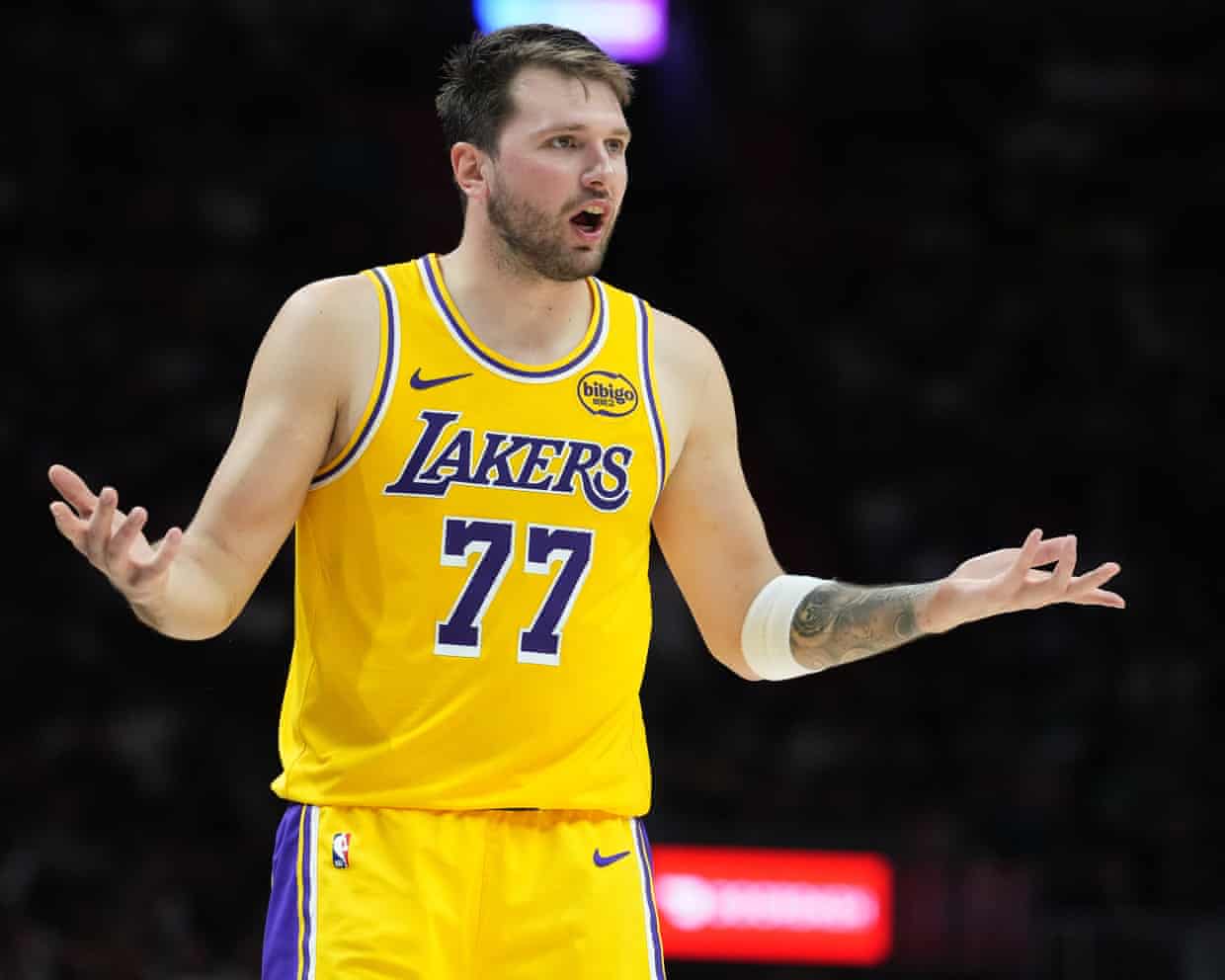
The standards aren’t identical, but the mechanism is.Luka Dončić has become one of the clearest subjects of the scrutiny.Ever since he entered the NBA in 2018, it’s been clear that the Slovenian is a Hall of Fame talent.But for all his ability, conversation around him has drifted away from what he does on the court and toward what his body – Dončić has never had the ripped physique of the stereotypical athlete – supposedly says about him.In Dallas, he led – some would say carried – the Mavericks to the 2024 NBA finals.
But long before then, the whispers had started about his “conditioning” and “durability”.It began with chatter about his love of hookah and fluctuating weight while in Dallas, before being used as the raison d’être for the since-fired Mavericks general manager, Nico Harrison, trading him to the Los Angeles Lakers.Dončić is far from a perfect player.He argues with refs, confronts opponents, is suspect on defense and has a propensity for hero-ball and, yes, is prone to niggling injuries.But the extra weight he carried – for an athlete mind you, not for a guy off the street – was seen as a symbol of his flaws.
Just like the manosphere influencers, the basketball world portrays his supposed physical imperfections as proof of some internal failing.But the Red Pill race is unwinnable: there’s always one more bodybuilding supplement to buy, one more luxury car to show you’ve made it to the top of the pyramid.And this twisted logic is played out more widely in how Dončić is viewed.At the start of this season, there was a frenzy after he appeared on the cover of Men’s Health displaying the kind of body we were told he should have had all along.He went on to play like a demon, leading the NBA in points per game.
But even then, Dončić could not win.In February, on The Hoop Collective podcast, Tim MacMahon discussed the Lakers’ problems this season, saying: “If there’s a ‘blame pie’, [Dončić] can have a slice of it, but there’s plenty to go around.” His co-host, Brian Windhorst, joked: “Luka likes pie.” There was still gossip about a custody battle with his former partner over their children.Then, when Dončić strained his hamstring as the playoffs approached, and reportedly scoured Europe for a cure, the narrative flipped from “he’s lazy” to “he’s too driven”.
The injury brings the vultures back to the carcass.If he rushes back and fails, they will blame his “conditioning”.If he stays out to protect his future, they will blame his “heart”.Which brings us back to the man in Miami.He is attracted to figures like Tate because he wants to be seen.
He is told he can gain worth and value if he just works hard, gets ripped and keeps grinding.But even a millionaire athlete can’t win that war in the modern landscape.In sports, out of sports, people are drifting apart.To make it worse, we don’t even have a common language to talk about any more.Everything has become a political statement.
Look at Dončić.He can weave through double teams and control the entire court, yet we get stuck arguing about his body fat.Yapping about his relationship troubles.In that sense, the manosphere and the sports mainstream are not so far apart.In both, value is something that must be constantly demonstrated – and is just as easily called into question.
UK faces £35bn hit and risk of recession this year over impact of Iran war, thinktank warns
Britain is facing a £35bn economic hit and the risk of a recession this year as the fallout from the Iran war adds to the pressure on Keir Starmer’s government, a leading thinktank has warned.The National Institute of Economic and Social Research (Niesr) said that even under a best-case scenario the UK economy would grow at a much slower pace this year and next because of the Middle East conflict.With households facing a rise in energy costs linked to the Iran war, the chancellor, Rachel Reeves, has said that “nothing is off the table” as the government considers options to provide a targeted and temporary support package.However, Britain’s oldest independent economic research institute said the government faced a multibillion-pound hole in the public finances amid a worsening inflation shock that would make it harder for Reeves to respond.David Aikman, the Niesr director, said: “This is a serious blow to the government’s mission to get the UK economy growing again
How the UAE’s decision to leave Opec could recast the Middle East
The United Arab Emirates’ decision to walk out of Opec is a political as much as business decision, and will reignite the simmering rows between the UAE and Saudi Arabia – which had been covered up by their shared anger with Iran over its attacks on the Gulf states since the start of the US-Israel war on Tehran.In the short term, leaving the oil producing cartel it joined in 1967 gives the UAE the freedom to respond quickly to a long-term prospect of constrained supplies, and to maximise profit. But it is a decision the UAE has considered before, as UAE and Saudi tensions over production quotas have been longstanding.But the timing and unilateral nature of the UAE decision shows how other intra-Gulf disputes over how to respond to the Iran war could recast the Middle East.The defection is, of course, a blow to Saudi Arabia’s prestige, since it positions the UAE as the Gulf state closest to Donald Trump, a long-term critic of Opec, and weakens the Saudis’ ability to manage the price of oil
Another shadow banking hit – but otherwise, Barclays looks fine
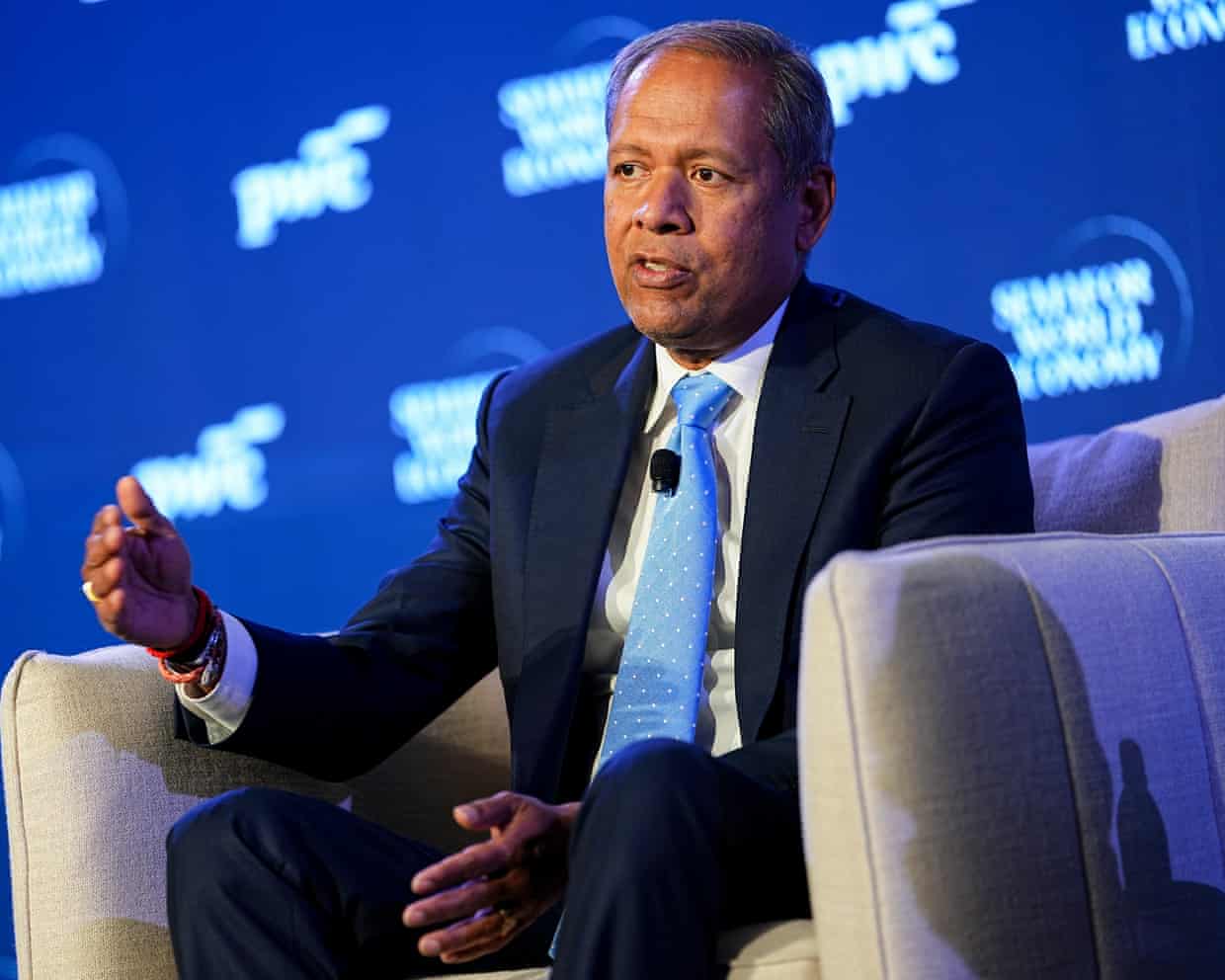
The Barclays boss CS Venkatakrishnan, having seen the bank hit in the space of six months by two high-profile blow-ups in the world of shadow banking, is pledging to take more care. “We are constraining lending to certain structured finance counterparties who operate more vulnerable business models and cannot convince us of the quality and independence of their financial controls,” he said.There’s an obvious response to that vow of greater vigilance: what were you doing previously? Wouldn’t it have been a good idea in the first place not to lend to high-risk outfits with unconvincing financial controls – for example, those with large mortgage exposures but small audit firms? There was, in other words, a sense in the chief executive’s comments of stable doors being shut rather too late.But here’s the other point about Barclays’ twin embarrassments: they are significant but not enormous in the grand scheme. The impairment charge in Tuesday’s first-quarter numbers for Market Financial Solutions (MFS), which collapsed in February amid allegations of fraud, was £228m
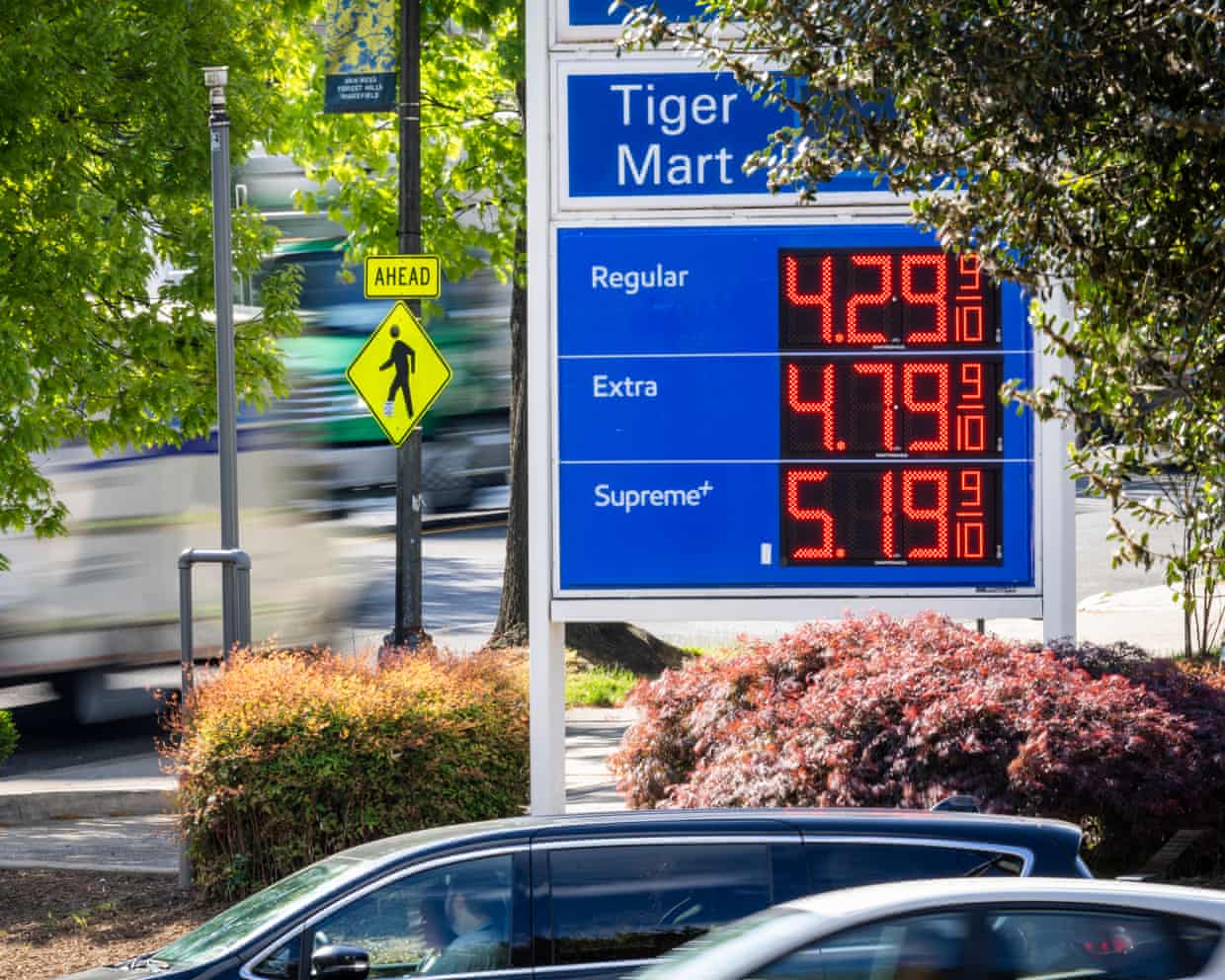
US gas prices surge to highest level in four years, averaging $4.18 a gallon
US gas prices rose to their highest level in four years on Thursday, reaching an average $4.18 a gallon at the pump as US-Israeli peace talks with Iran remain at a standstill.The last time average US gas prices breached $4.15 a gallon was in April 2022, when oil prices soared shortly after Russia invaded Ukraine. Average gas prices are now $1 higher than just a year ago, when they were closer to $3
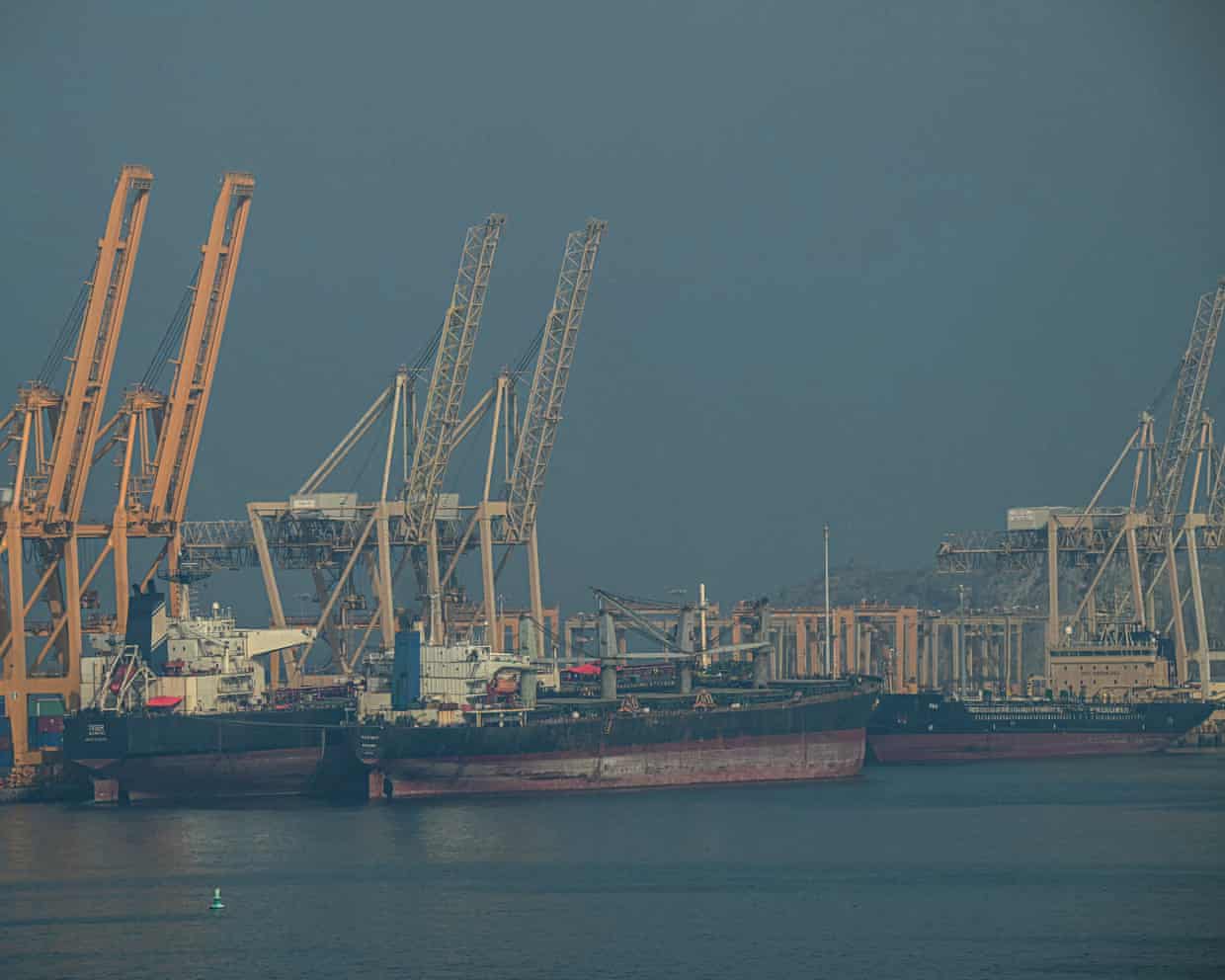
UAE quits Opec in win for Trump as oil cartel weakened
The United Arab Emirates has quit the Opec oil cartel after 60 years of membership, in a heavy blow to the group and its de facto leader, Saudi Arabia, as global energy markets contend with the biggest supply crisis in history.The shock loss of the UAE, Opec’s third-largest oil producer, is expected to weaken the group, which for decades has worked together to use its collective oil production to influence global oil market prices.The UAE’s exit from Opec represents a win for Donald Trump, who has previously accused the organisation of “ripping off the rest of the world” by artificially inflating oil prices by holding back production.Last week Trump confirmed that the US had discussed extending a financial lifeline to the UAE under which the two countries’ central banks could agree to exchange equivalent amounts of each other’s currency should the Middle East crisis deepen.The UAE on Tuesday set out a plan to sever its ties to the cartel within days as the market enters the ninth week of the US-Israeli war on Iran – which has blocked a fifth of the world’s seaborne oil from flowing from Gulf producers through the strait of Hormuz, causing record oil market volatility

Singing activists disrupt NatWest meeting over ‘climate backtracking’
The chair of NatWest was forced to defend the bank against accusations of “climate backtracking” at a chaotic annual shareholder meeting, which was temporarily suspended owing to singing protesters.Not long after the meeting began in Edinburgh, it was adjourned for about half an hour after a protester interrupted Rick Haythornthwaite’s opening speech.Protesters in the audience, wearing black T-shirts emblazoned with “No more big oil” and “No bombs”, then sang a song to the tune of Frère Jacques, with a chorus of “No more bombs, no more oil”. They appear to represent the campaign group Extinction Rebellion’s XR Money Rebellion, which has targeted NatWest and other banks for financing fossil fuel projects.When the meeting resumed, it was dominated by questions from shareholders about NatWest’s climate policies, as well as staff wages compared with bumper executive pay packets
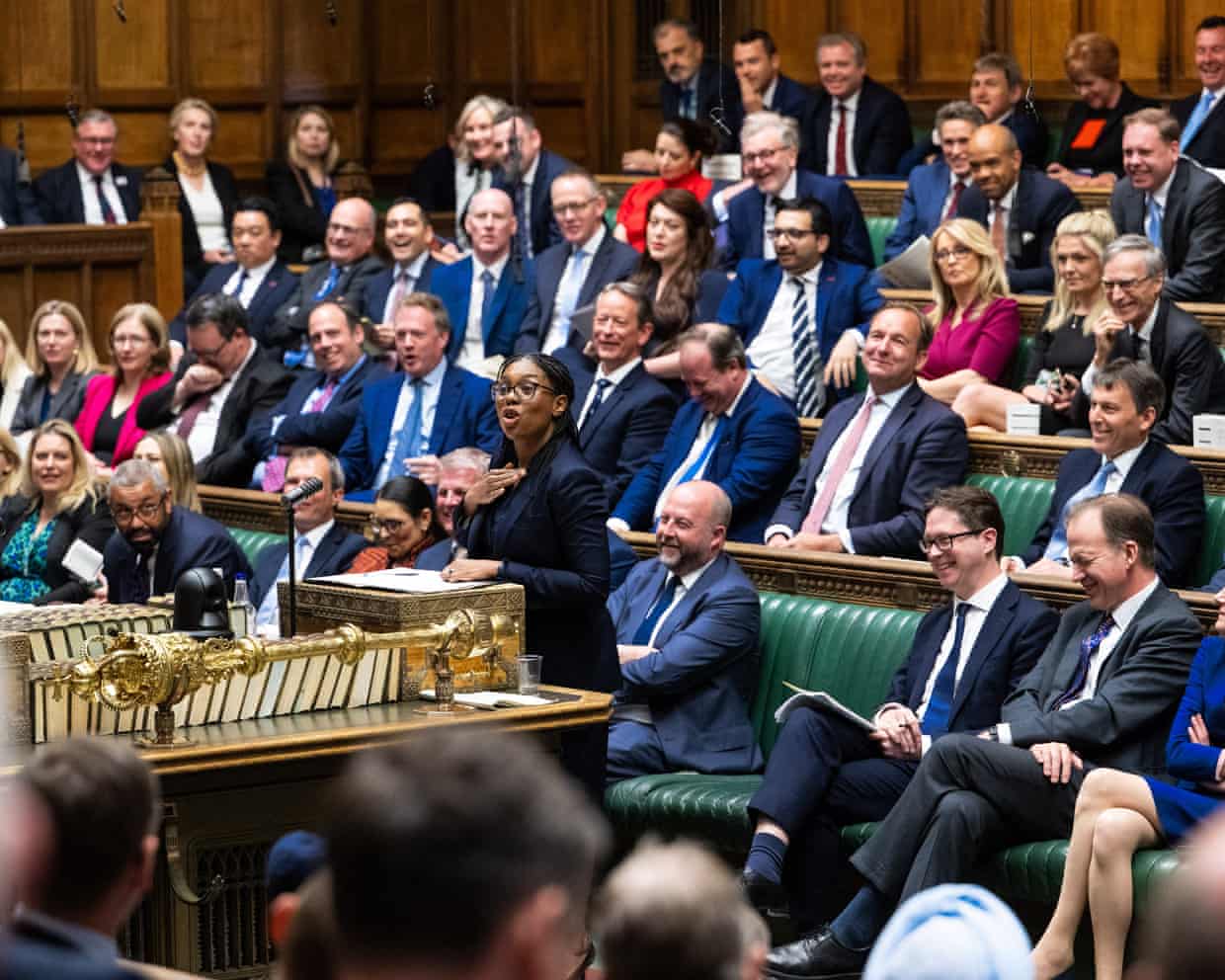
Starmer sees off major Labour rebellion over call for Mandelson inquiry
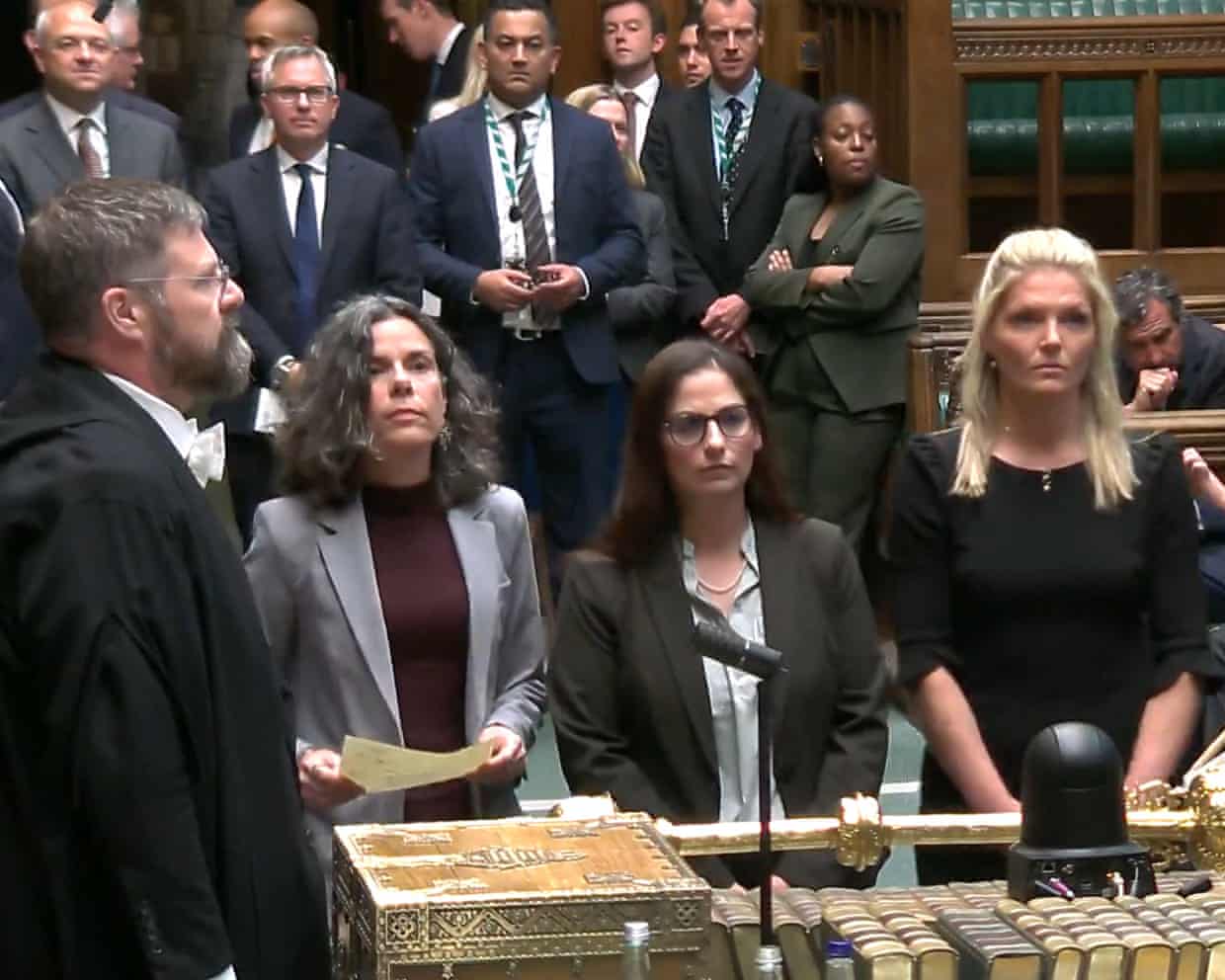
Starmer buys some time – but he could be running out of political capital
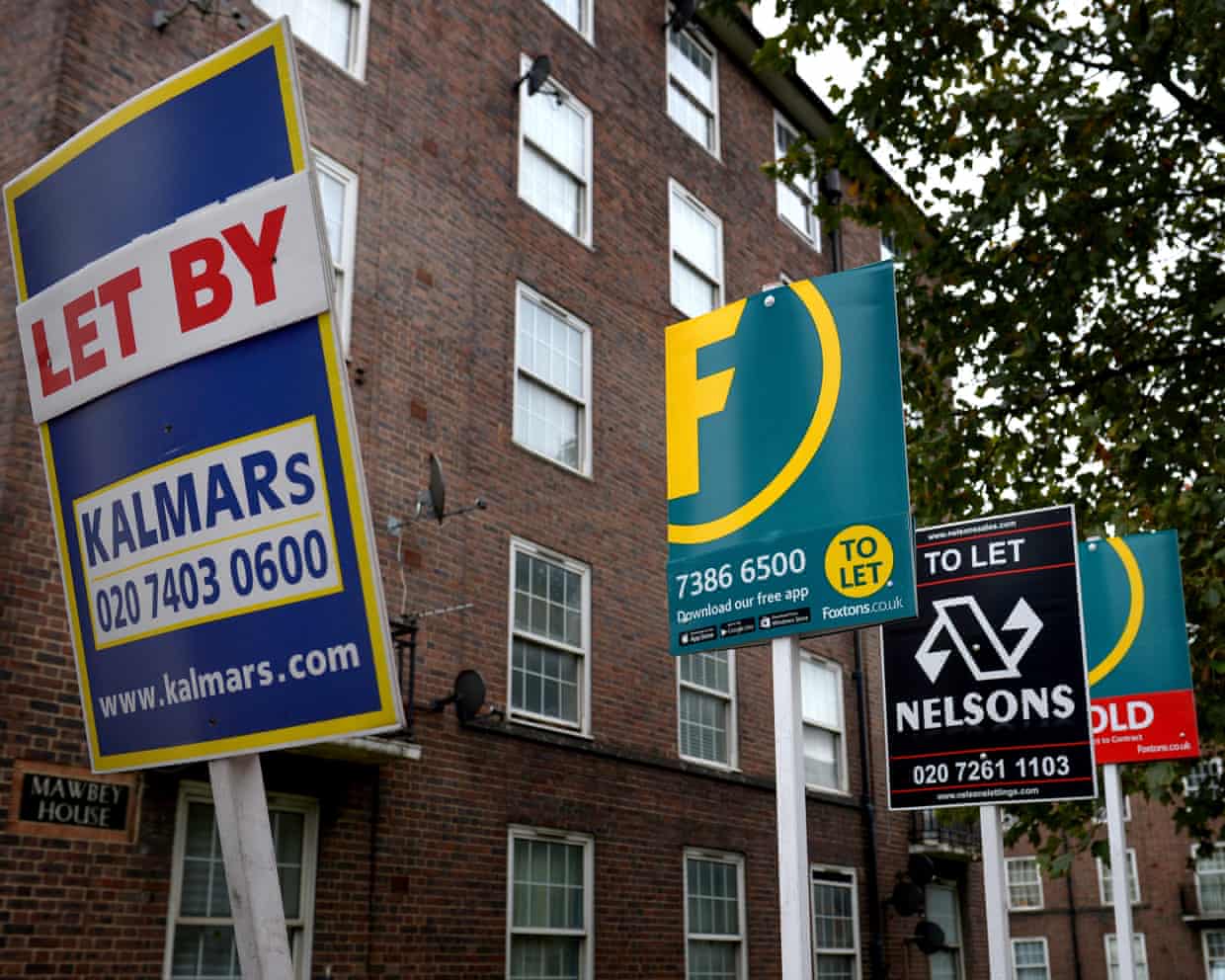
No 10 dismisses Reeves’s reported plan for freeze on private rents
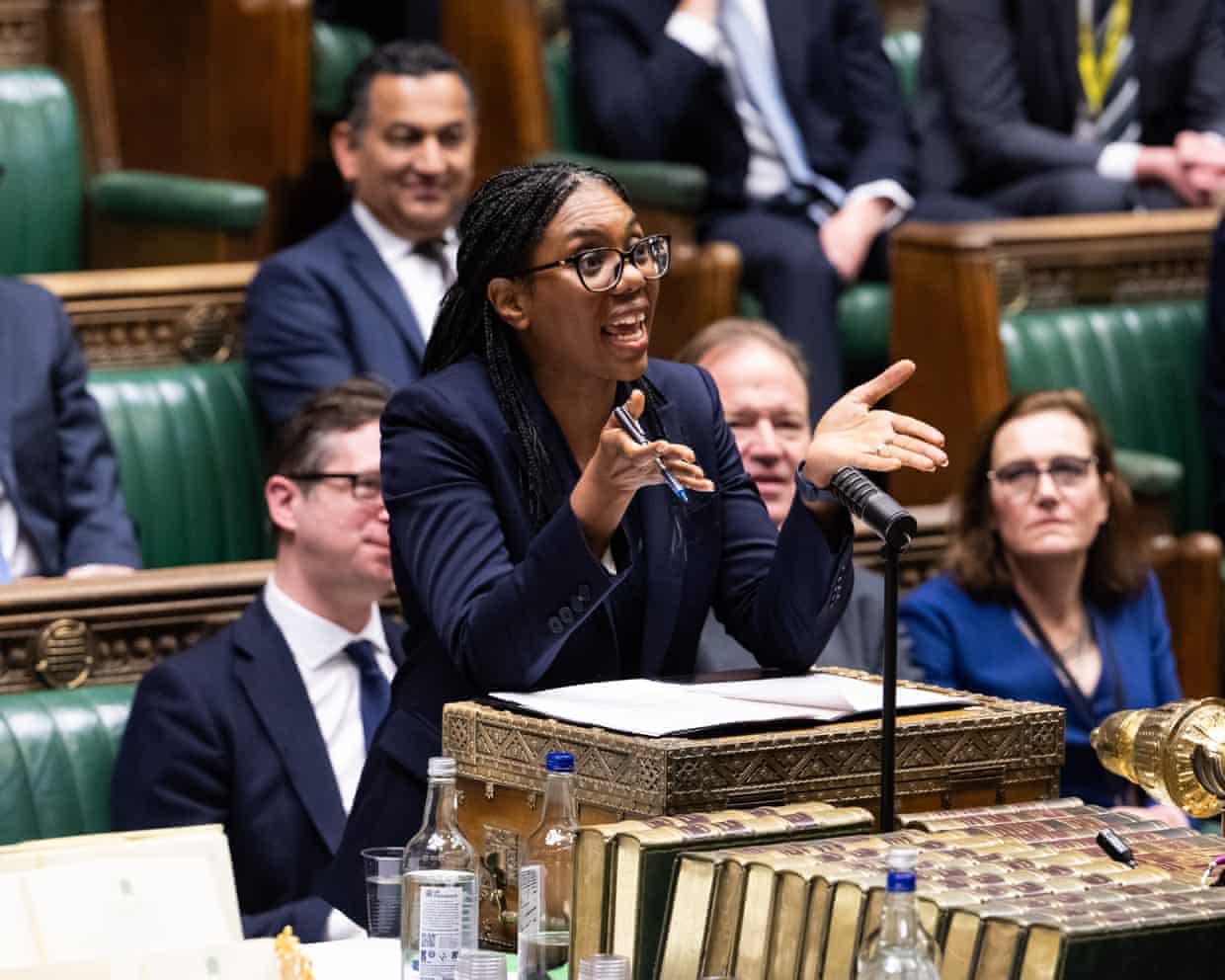
UK politics: Starmer avoids privileges committee inquiry into vetting of Peter Mandelson – as it happened
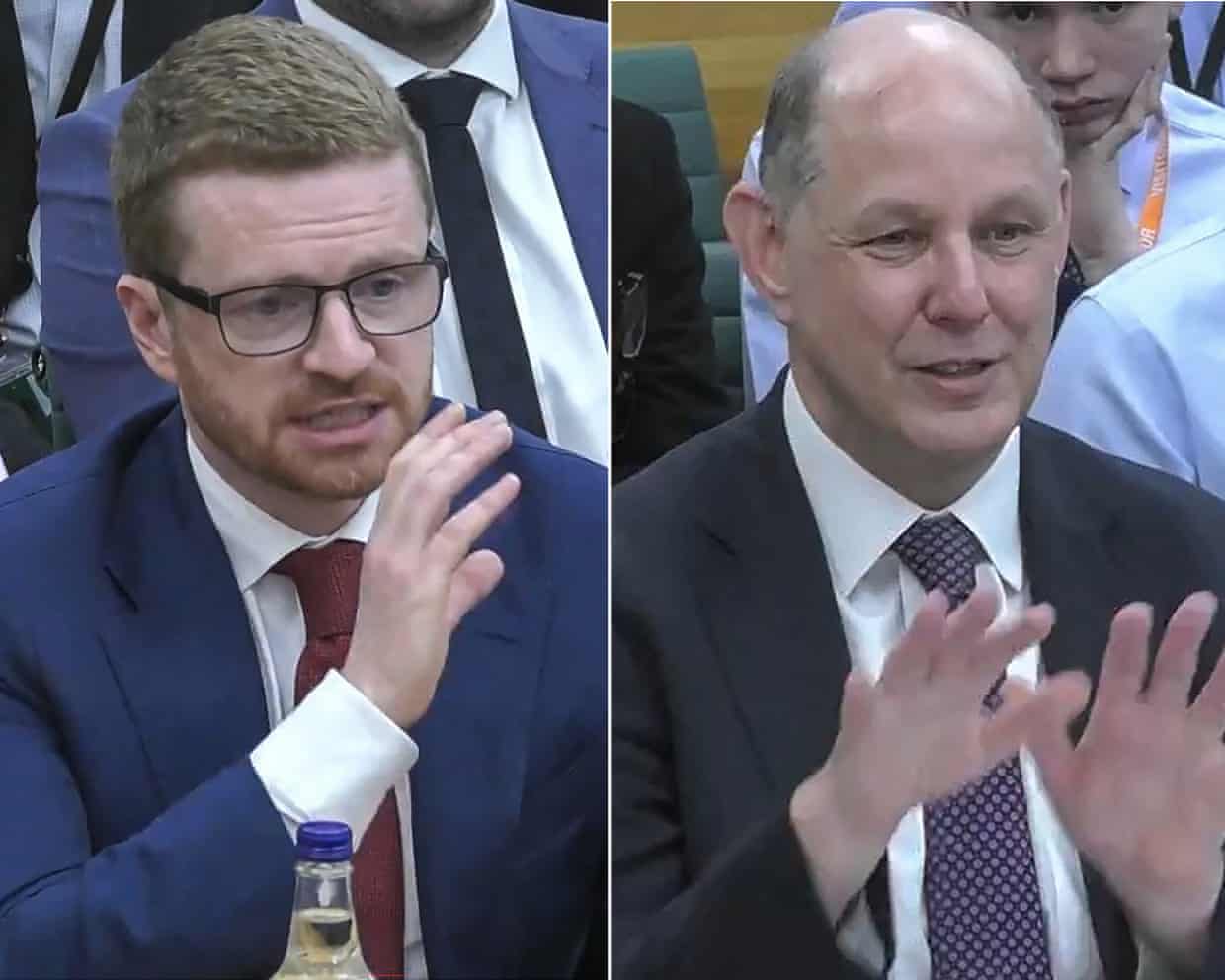
Drop the ‘toxic hot potato’: what Barton and McSweeney really revealed about the Mandelson scandal
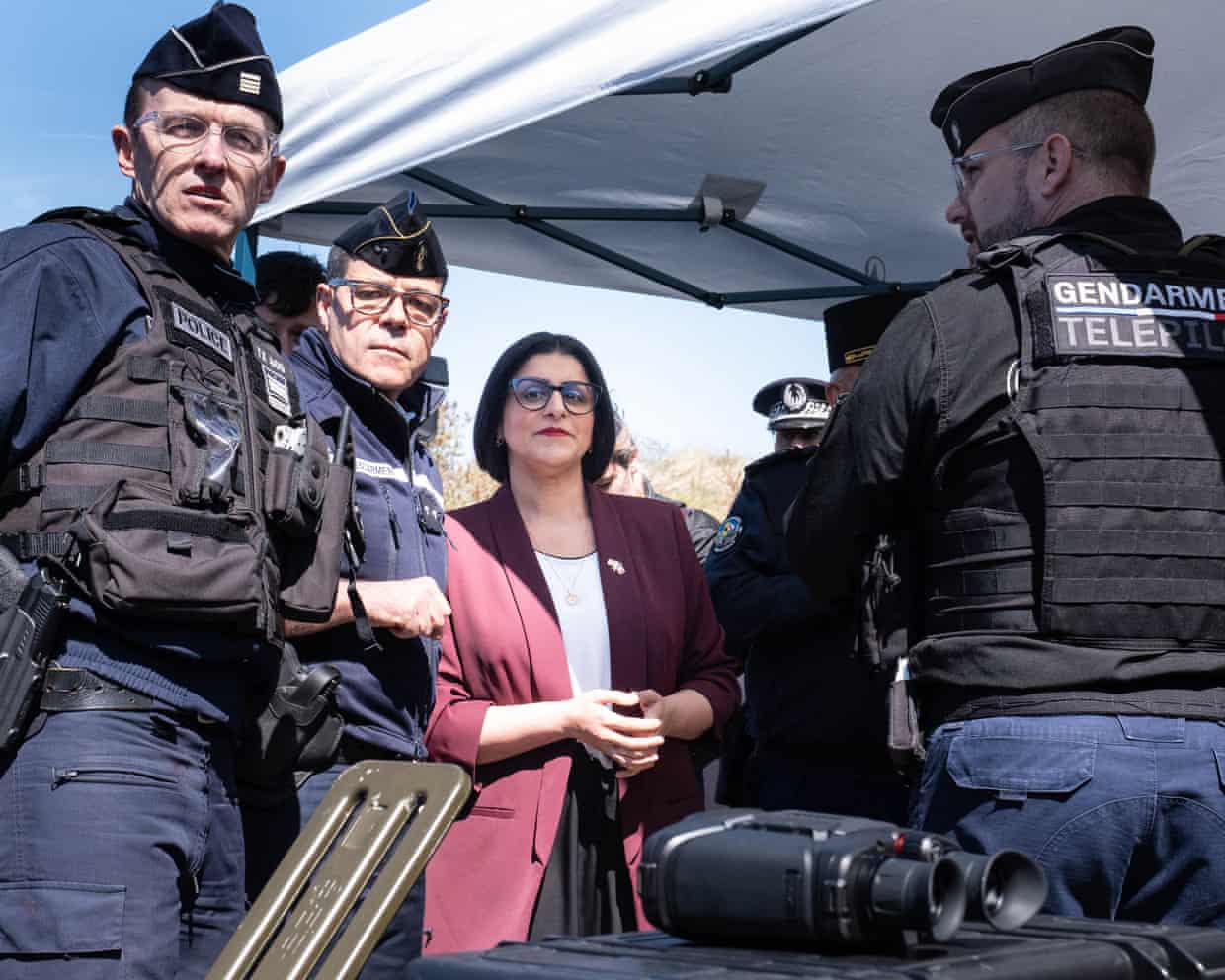
Shabana Mahmood’s frustration with immigration debate is understandable | Letter