UK politics: Starmer avoids privileges committee inquiry into vetting of Peter Mandelson – as it happened
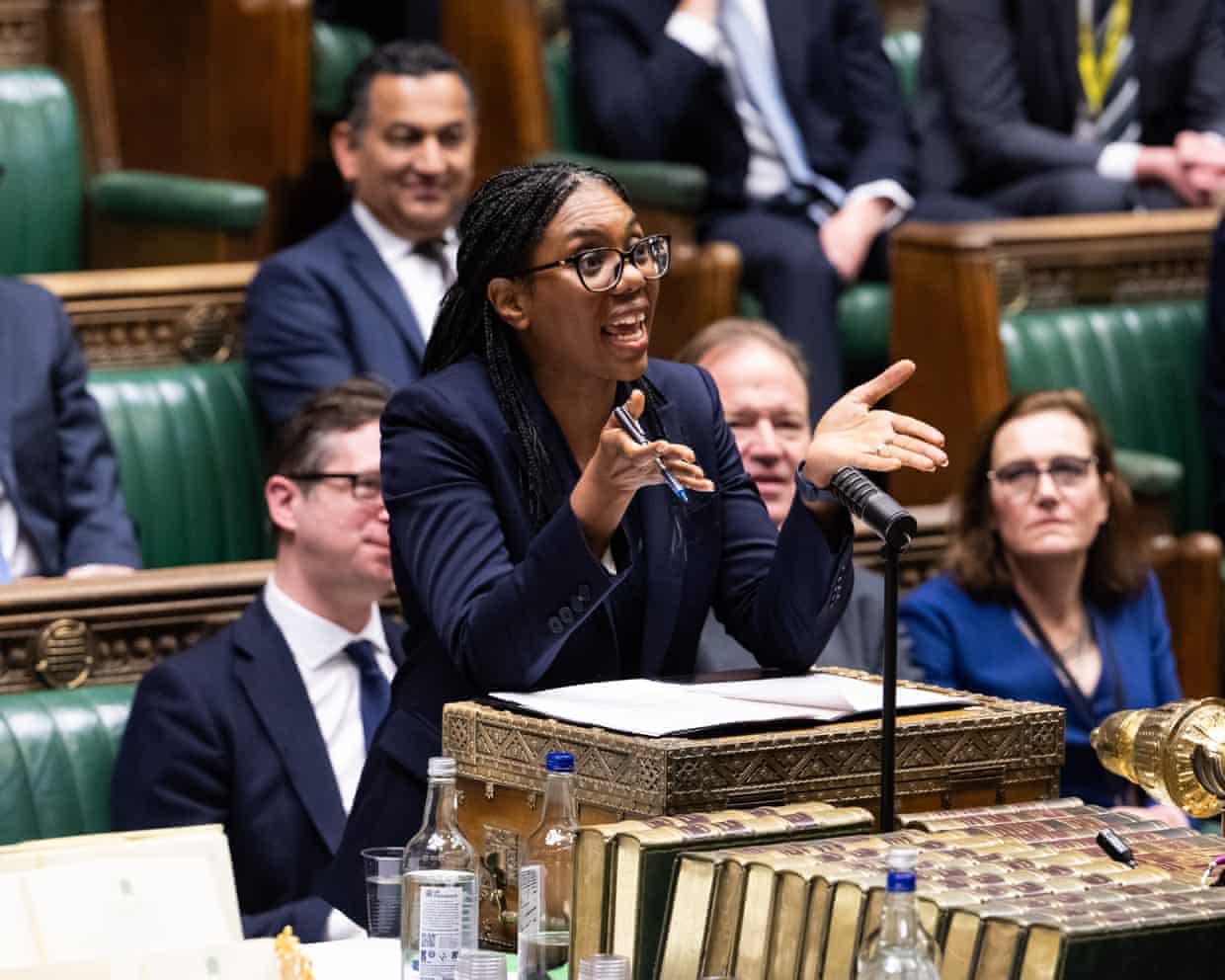
MPs voted 335-223 against the motion, meaning the government won by a majority of 112.Keir Starmer saw off an opposition bid to refer him to a standards committee over Peter Mandelson’s appointment.The government won the vote by 335 votes to 223, a majority of 112.Peers have ended their stand-off with MPs over plans to curb social media for under-16s after the government agreed to introduce “age or functionality restrictions”.After the Guardian’s story that the Treasury is considering imposing a one-year rent freeze on private sector homes to deal with the impact of the Iran war on household budgets, the PM’s spokesperson said: “We have no plans to implement this.
Our focus remains on cutting bills and backing renters alongside lower energy prices,”But, during Treasury questions in the Commons, Rachel Reeves did not rule out the idea,Asked if she would consider the case for a fixed-term rent freeze, Reeves said: “This government have already taken action to reduce the cost of living and to bear down on inflation with the changes around energy prices, around fuel duty, prescription charges and rail fares,“And I will do everything in my power and use every lever we have to bear down on the cost of living, including for people in the private rented sector,”Sir Christian Turner, who replaced Peter Mandelson as ambassador to the US, privately told students in February that the Epstein scandal could bring down Keir Starmer.
Turner’s comments have been reported by the Financial Times, which also says the diplomat told the students that the only country with which the US really has a special relationship is Israel,Giving evidence to MPs, Morgan McSweeney, former Downing Street Chief of Staff, said learning the full extent of Peter Mandelson’s relationship with Jeffrey Epstein in September 2025 was like “having a knife through my soul”,McSweeney also accepted he was at fault in recommending Mandelson,Ed Davey accused the PM of cowardice after he ordered Labour MPs to vote against referring him to the Privileges Committee,The Liberal Democrat leader said: “Starmer has ducked the scrutiny he should have faced by forcing Labour MPs to defend him.
What a cowardly way to govern.“If he truly felt his conduct over the Mandelson scandal was up to scratch he should have undergone investigation by the Privileges Committee.“The Liberal Democrats will always stand up for decency and honesty in politics – unlike this Prime Minister.”In total, 15 Labour MPs went against the three-line whip and voted for the Conservative-led motion to subject the PM to an investigation by the Privileges Committee including Richard Burgon, Rebecca Long Bailey, former shadow chancellor John McDonnell, Andy McDonald and Brian Leishman.Keir Starmer saw off an opposition bid to refer him to a standards committee over Peter Mandelson’s appointment after Downing Street deployed its full weight to force Labour MPs to shore up the prime minister, writes Ben Quinn and Yassin El-Moudden.
However, the Labour leader bore the brunt of anger from some of his own backbenchers who accused him of creating a situation where they would be perceieved as being complicit in “a cover-up.”The vote – tabled by the Conservative leader, Kemi Badenoch – was on whether the privileges committee should consider if the prime minister misled the Commons in relation to the disgraced peer taking the role of US ambassador.While it united opposition parties including the Liberal Democrats, SNP, Reform and others, there will have been relief in the government that Labour figures such as Angela Rayner opted to keep their powder dry.The government won the vote by 335 votes to 223, a majority of 112.Badenoch had opened the debate by accusing the Starmer of forcing his MPs to come out to assist him “to avoid scrutiny”.
“They are being whipped today to exonerate him before the facts have even been tested,” she added.The Liberal Democrat leader, Ed Davey, likened Starmer’s response to the motion to that of Boris Johnson, when the then Conservative MP faced a similar vote that paved the way for an inquiry into whether he misled parliament over alleged breaches of lockdown rules.“The prime minister called this motion a stunt, that is not why I put my name to it.But it’s funny though, because ‘stunt’ is exactly the same word Boris Johnson used about the motion the prime minister and I tabled four years ago, referring Boris Johnson to the privileges committee,” said Davey.Closing the debate for the government, Darren Jones, the chief secretary to the prime minister, said: “In recent weeks some have accused the prime minister of dishonesty saying there was no way that Foreign Office officials would have given Peter Mandelson clearance against the vetting agency’s recommendation let alone without checking with the prime minister himself.
Downing Street accused the Conservatives of resorting to a “desperate political stunt” after MPs rejected a bid to launch an inquiry into whether Keir Starmer misled the Commons over the appointment of Peter Mandelson.A Number 10 spokesperson said: “This Labour Government is delivering for Britain including bringing down energy bills, cutting hospital waiting lists and lifting half a million children out of poverty.“The Conservative Party resorted to this desperate political stunt the week before the May elections because they have no answers on the cost of living or the NHS.“We will continue to engage with the two parliamentary processes that are running on Peter Mandelson’s appointment with full transparency.”MPs voting on whether to refer Keir Starmer to the Privileges Committee were heckled as they did so, Commons speaker Sir Lindsay Hoyle said.
Speaking after giving the voting figures, Hoyle said: “Can I just say, a member of Parliament has been to complain to me, and another member,“When other members are shouting ‘shame’ when they’re voting, it is not acceptable and it will not be tolerated,”He urged those responsible to apologise to those they had shouted at,MPs voted 335-223 against the motion, meaning the government won by a majority of 112,After a lively debate, MPs are now exiting to vote on whether or not Keir Starmer should face a parliamentary inquiry into allegations that he misled the House and be referred to the Privileges Committee over his comments around the vetting of Peter Mandelson.
The result is expected at 6,30pm,Darren Jones said Starmer is not in the Commons currently as he is chairing the Middle East response committee,He also accuses the Conservatives of “distraction, distraction, distraction” over the motion being debated,Darren Jones repeats there was no pressure put on officials over the Mandelson appointment not to have him vetted.
He also cites Boris Johnson initially denying attending parties during the pandemic in 2020 when it later emerged he had done so and was fined by police.
Public toilets: more than a matter of convenience | Letters
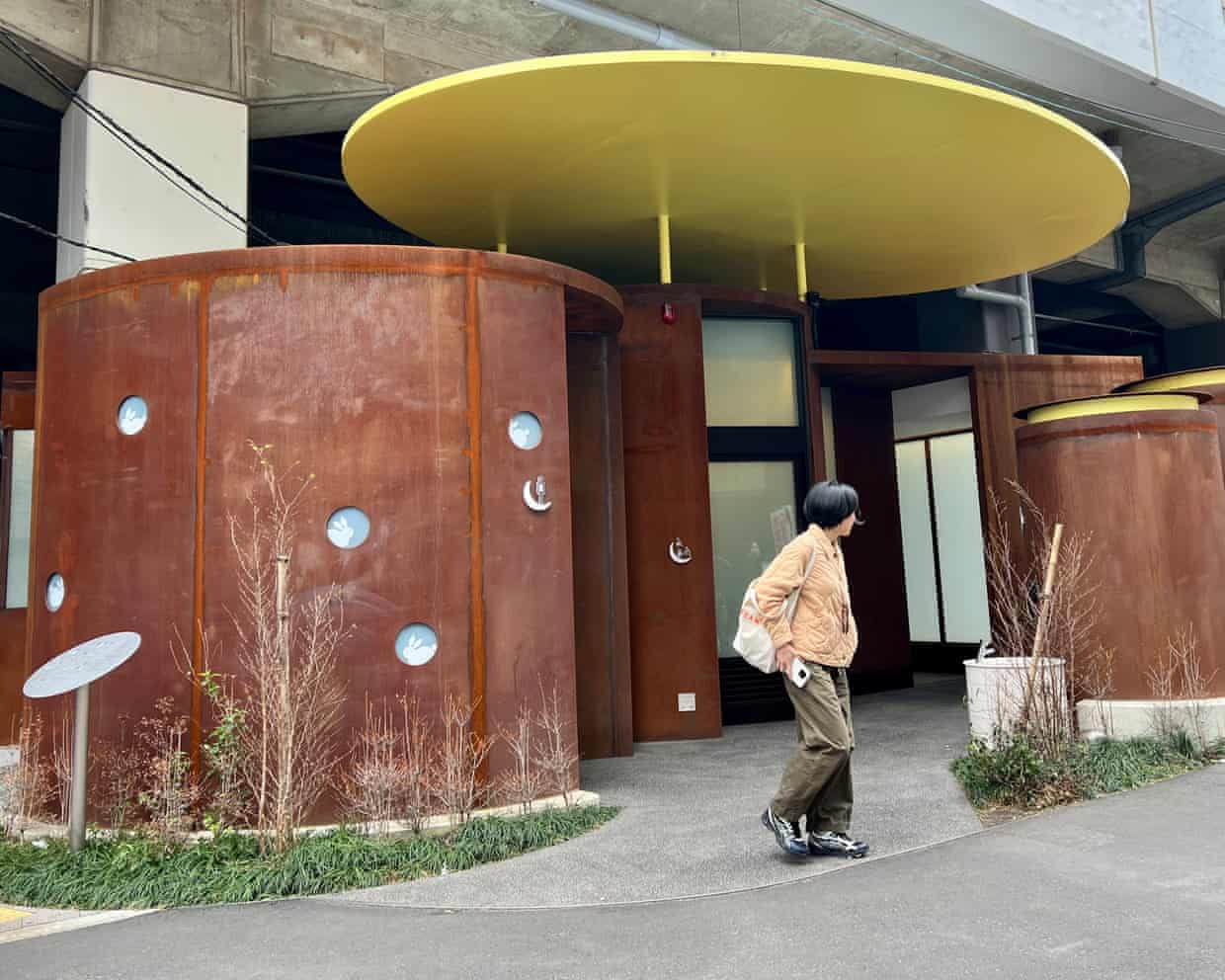
In response to your editorial (Public spaces need public conveniences, 24 April), our research has found that one of the biggest barriers preventing the restoration of existing provision or building new provision of public toilets is our wider cultural taboo of bodily functions.Time and again we have found that regeneration documents refer to public toilets as “amenities”, “necessities”, or “facilities”. Our research has also found that while large percentages of the UK population want more public toilets, nearly the same percentage would not use a public toilet, because of the taboo reputation such provision also carries.It is not simply a question of “build them and they will be used”. There is also an education issue, to highlight how important provision is, and shift the sense of a dirty and unloved space that invites negative behaviours such as vandalism

Calls for ‘student premium’ to support disadvantaged young people after GCSEs
A coalition of 14 social mobility organisations is urging the government to fund a “student premium” to support disadvantaged young people post-16 and prevent them from “falling through the cracks” into joblessness.State-funded schools in England currently receive additional pupil premium funding to support children from low-income backgrounds, who are eligible for free school meals.However, campaigners say a funding “cliff edge” after GCSEs leaves vulnerable students without the help they need post-16 during the final, important years of compulsory education.“Disadvantaged students don’t stop needing support the moment they finish their GCSEs, yet that’s exactly when funding falls away,” said Pepe Di’Iasio, the general secretary of the Association of School and College Leaders (ASCL), one of the organisations signed up to the campaign.“A 16-19 student premium would help schools, colleges and sixth forms keep young people engaged, support achievement in English and maths, and reduce the risk of students becoming Neet [not in education, employment or training]
First teenage suicide linked to domestic abuse recorded in England and Wales
The first teenage girl has been identified as having been driven to kill herself after domestic violence, as police chiefs blamed violent pornography and “toxic” influencers for being behind a rise in teen abuse.Suicides after domestic abuse have outstripped homicides for the third year running, according to the Domestic Homicide Project, which records deaths in England and Wales after domestic abuse.Last year, there were 347 deaths, including 150 from suicide and 125 domestic homicides.Across the five-year dataset, victims were predominantly female (73%), and suspects predominantly male (79%). Over the five years, the project recorded 1,452 deaths in 1,410 incidents – 641 of these were domestic homicides, 553 were suicide after domestic abuse, 131 unexpected deaths, 86 child deaths and 41 deaths classified as “other”
Call for UK gambling reform after ‘generous and caring’ woman takes her own life
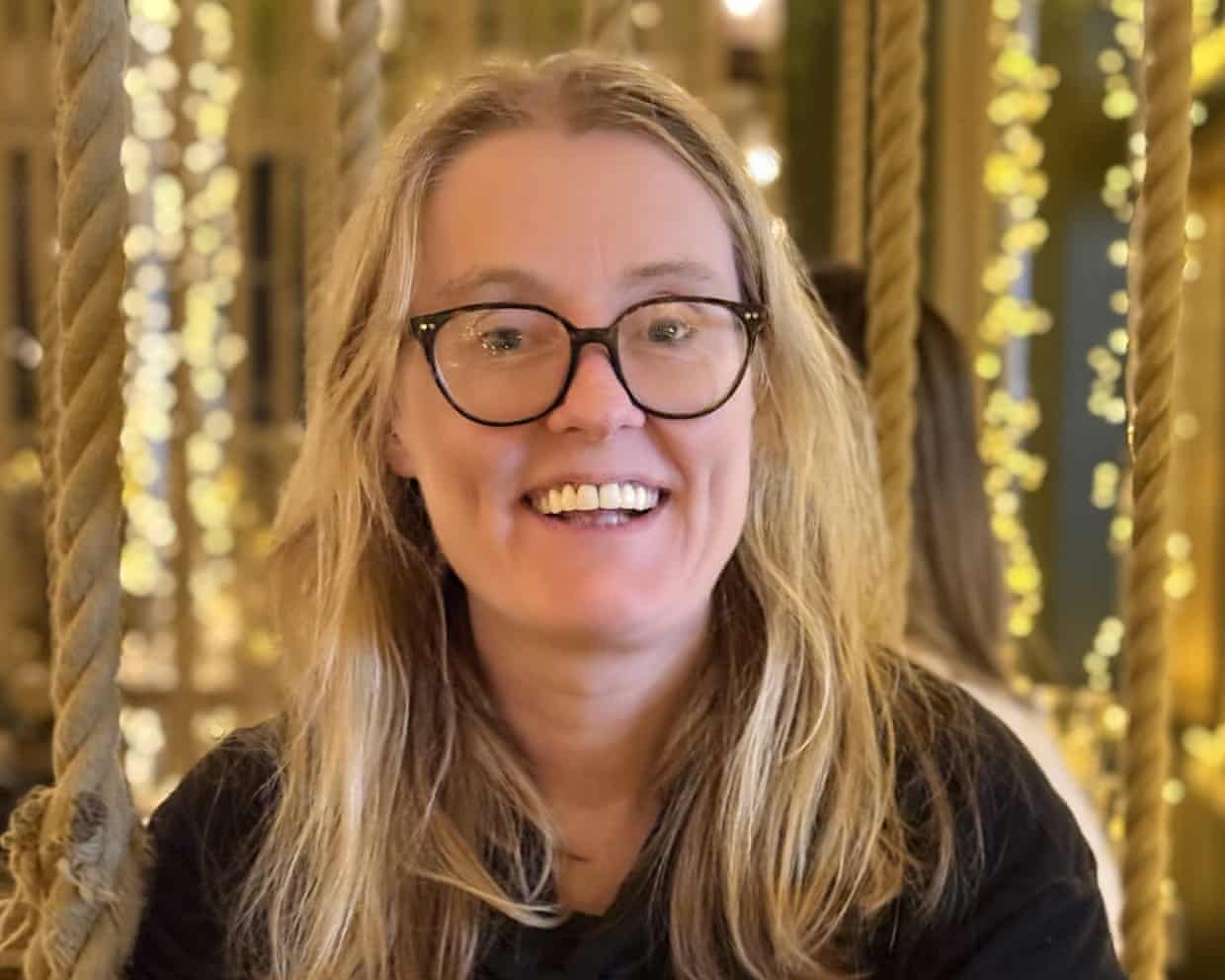
A family is calling for wholesale reform of the gambling industry after an inquest heard details of the life and death of Ellen Mulvey, a “generous and caring” woman with a high-flying City job who also had a secret addiction.Mulvey’s family believe she lost hundreds of thousands of pounds gambling without their knowledge, first via mainstream operators and then on unlicensed platforms.An inquest heard that the 44-year-old took her own life and was declared dead at Macclesfield district general hospital on 7 November. Before she died, Mulvey wrote a note saying: “Addiction is the worst disease ever.”At work, Mulvey was the managing director of a global financial recruitment firm based in London
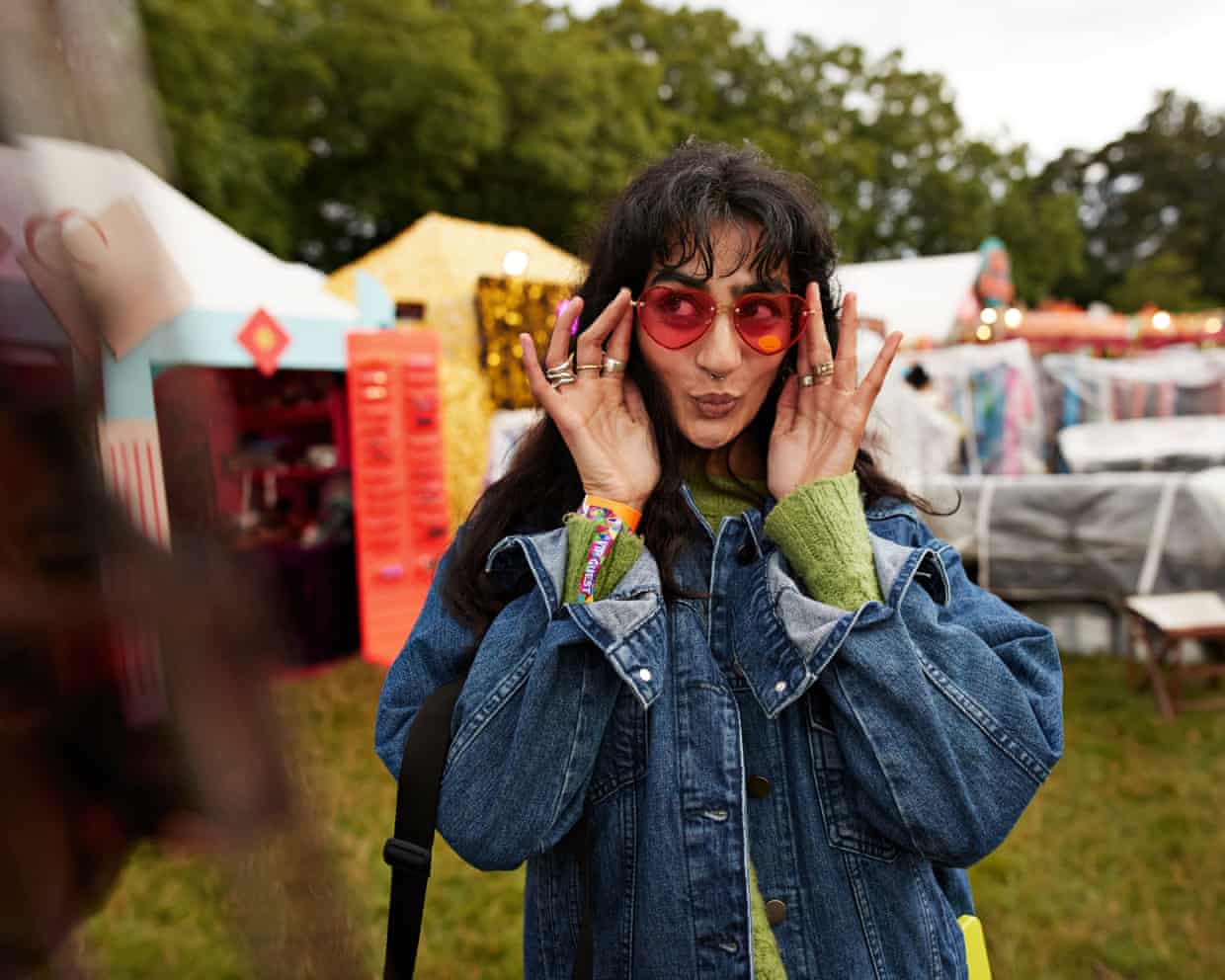
UK spring sunshine prompts warnings over unsafe fake designer sunglasses
While many will be enjoying the spring sunshine, experts have cautioned against wearing fake designer sunglasses, warning they could do more harm than good.As the College of Optometrists notes, sunglasses not only protect the eyes against glare on sunny days, but can also shield them from harmful ultraviolet (UV) light.That’s important because UV rays have been linked to a number of eye conditions. In the short term, for example, they can cause a temporary but painful condition called photokeratitis – essentially a “sunburn” on the cornea, which sits at the front of the eye.In the longer term, UV exposure is associated with the development of early-onset cataracts, non-cancerous growths on the cornea known as pterygia, some types of eyelid cancer, and potentially even age-related macular degeneration, which can lead to sight loss
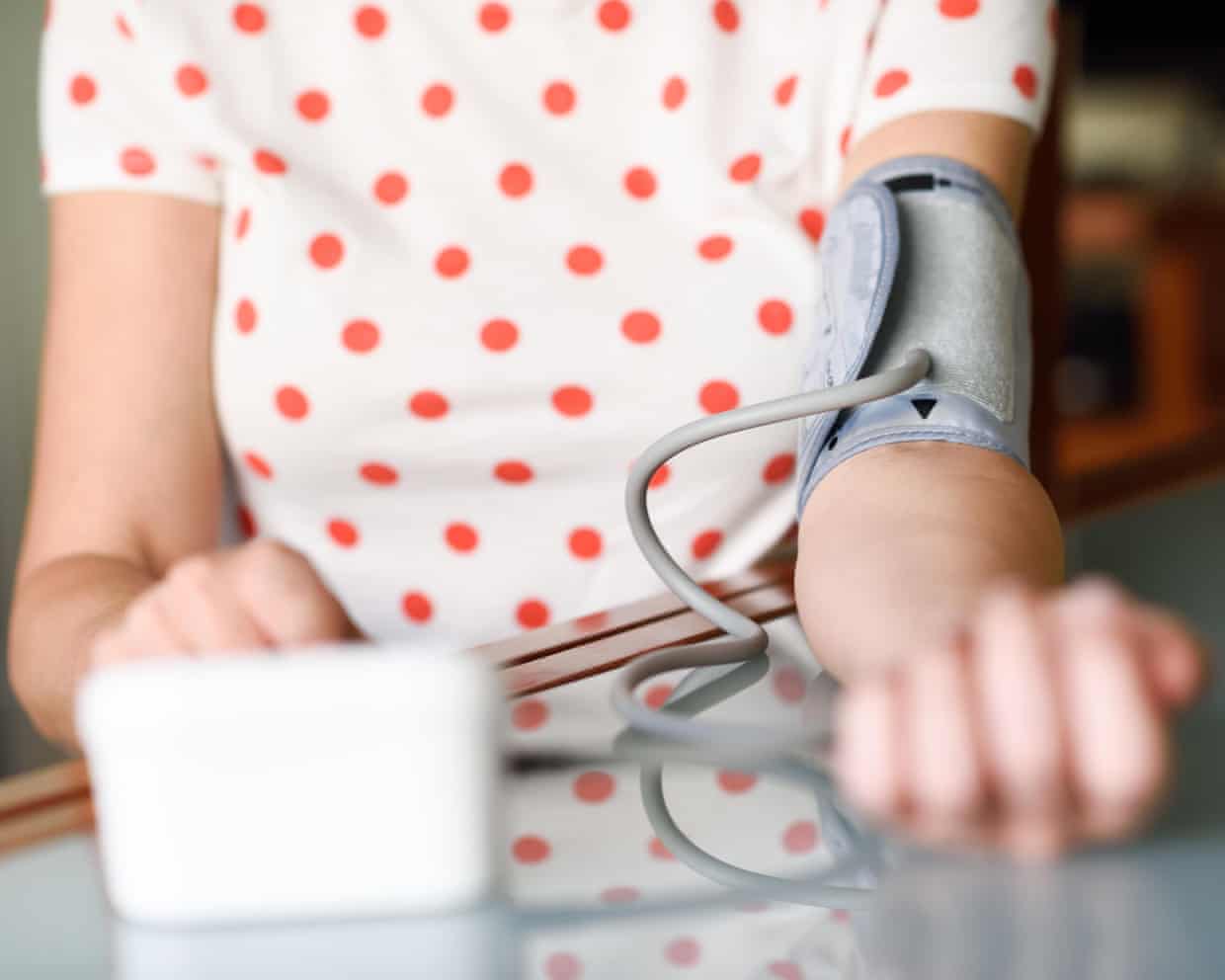
Home blood pressure checks could reduce risks after hypertensive pregnancy
New mothers who had hypertension in pregnancy could reduce their risk of heart attack, stroke and potentially early death through daily blood pressure checks at home, research suggests.Women who regularly monitored their blood pressure in the weeks after giving birth, and had doctors tailor their medication if needed, had better functioning arteries nine months later than those who received routine care, scientists found.When the medication was adjusted to account for blood pressure changes, the women ended up with less stiff arteries, an effect that researchers at the University of Oxford estimate could reduce the future risk of heart attack or stroke by 10%.Paul Leeson, a professor of cardiovascular medicine who led the study, said the findings suggested that the weeks after birth provided a “powerful and often overlooked opportunity” to protect women’s future health.“By simply monitoring blood pressure at home, new mothers with hypertensive pregnancies can protect their bodies from future damage,” he said
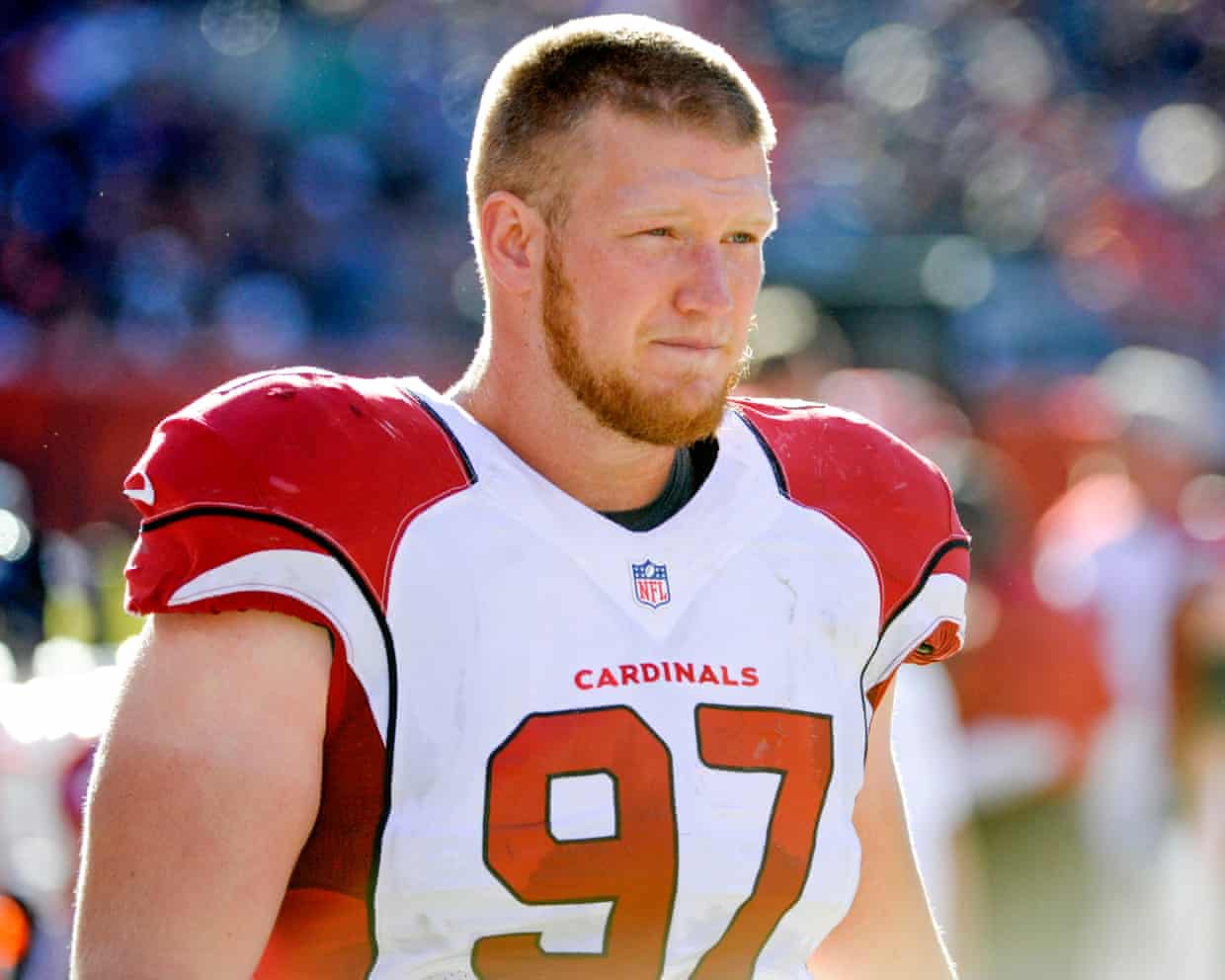
Cardinals ‘heartbroken’ after former defensive end Josh Mauro dies at age of 35
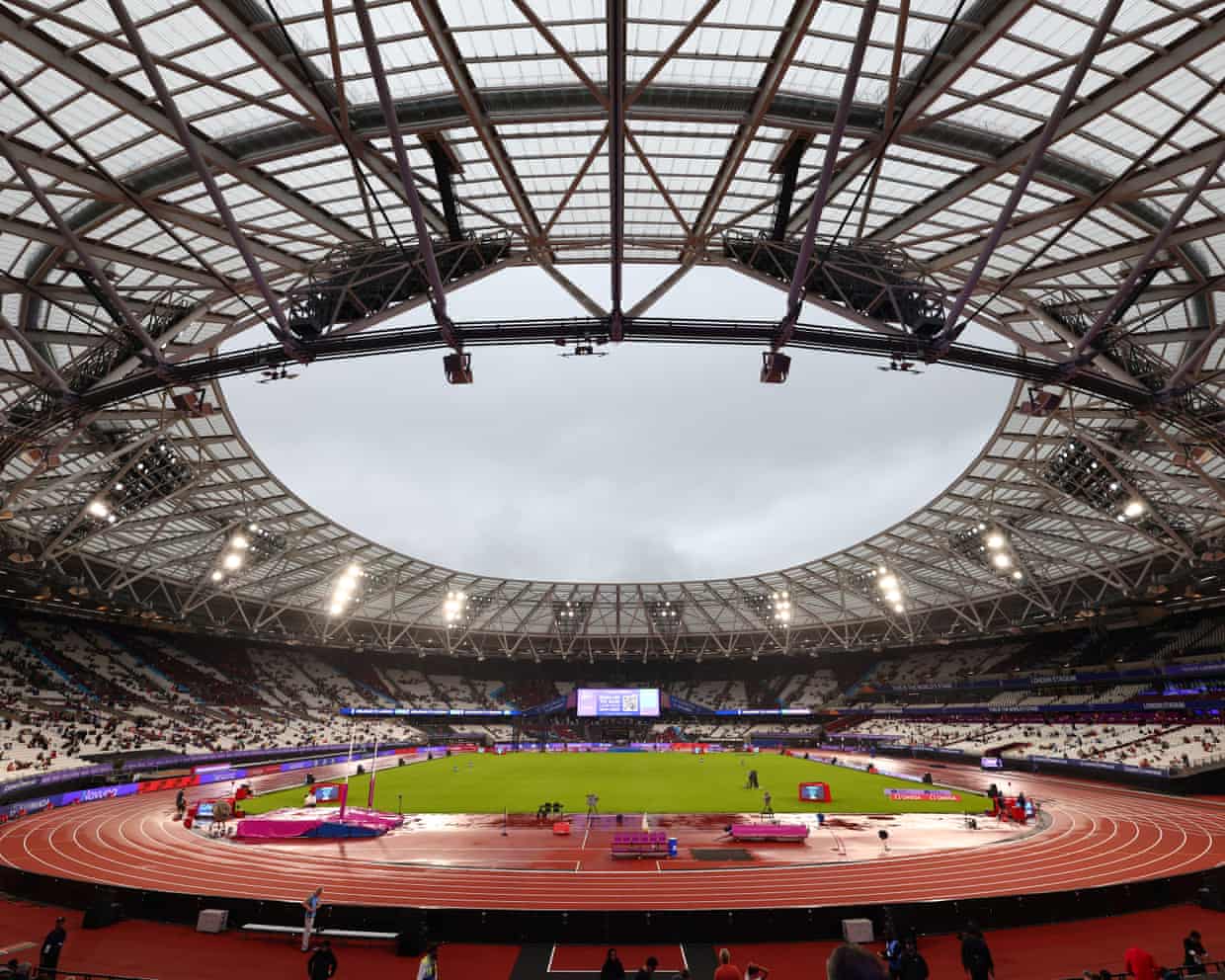
West Ham urged to show ‘heart and soul’ over London 2029 World Athletics bid

‘It’s a gamechanger’: Lewis Hamilton’s groundbreaking Mission 44 recruits working in F1

‘Like cutting the head off a hydra’: how Mary Cain exposed Nike’s disgraced coaching team
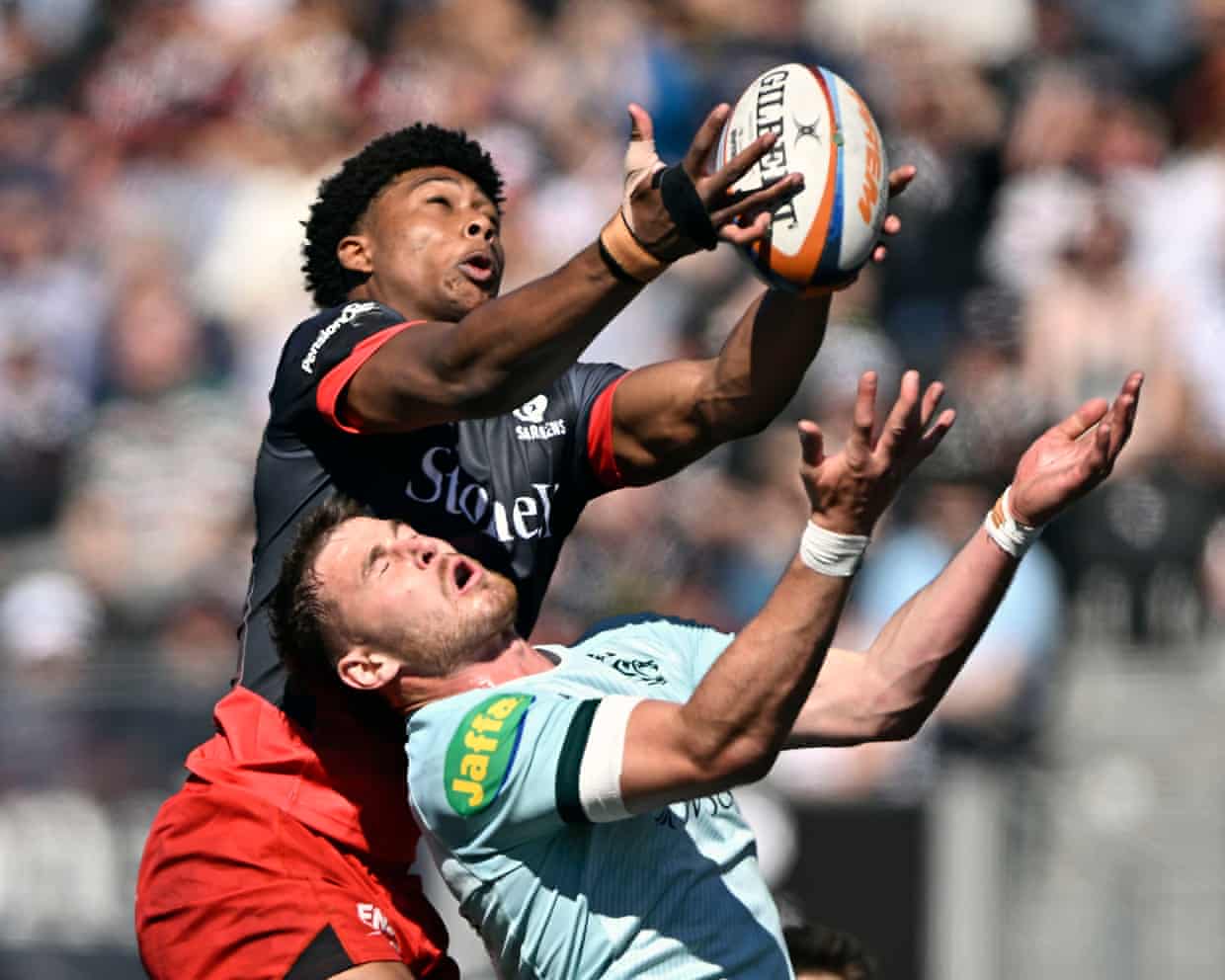
The Breakdown | Celebrating elite speed machines who can send rugby into the stratosphere
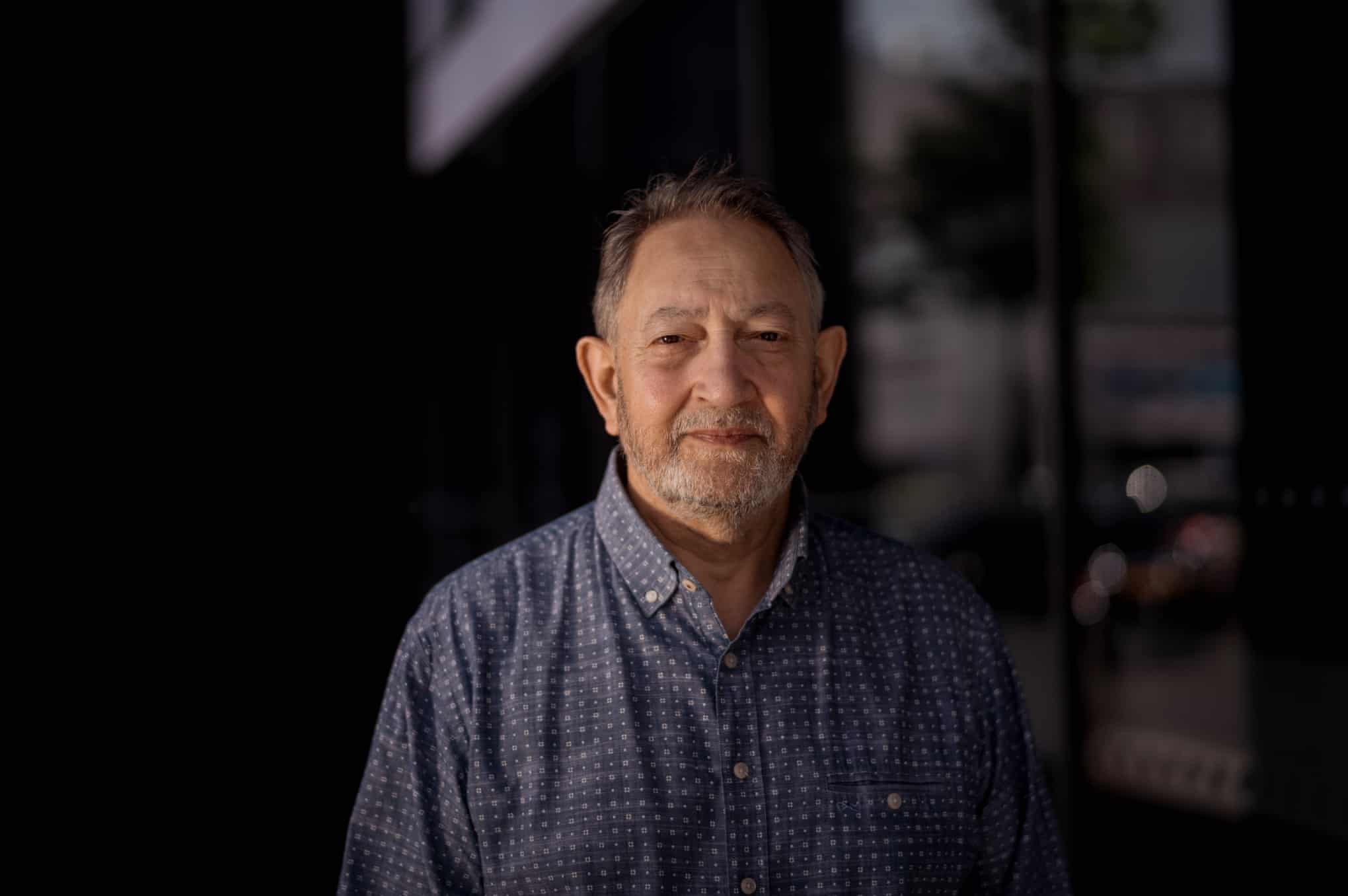
‘My life changes on one shot’: Joe Johnson on snooker glory, Princess Diana and his seven heart attacks