UAE quits Opec in win for Trump as oil cartel weakened
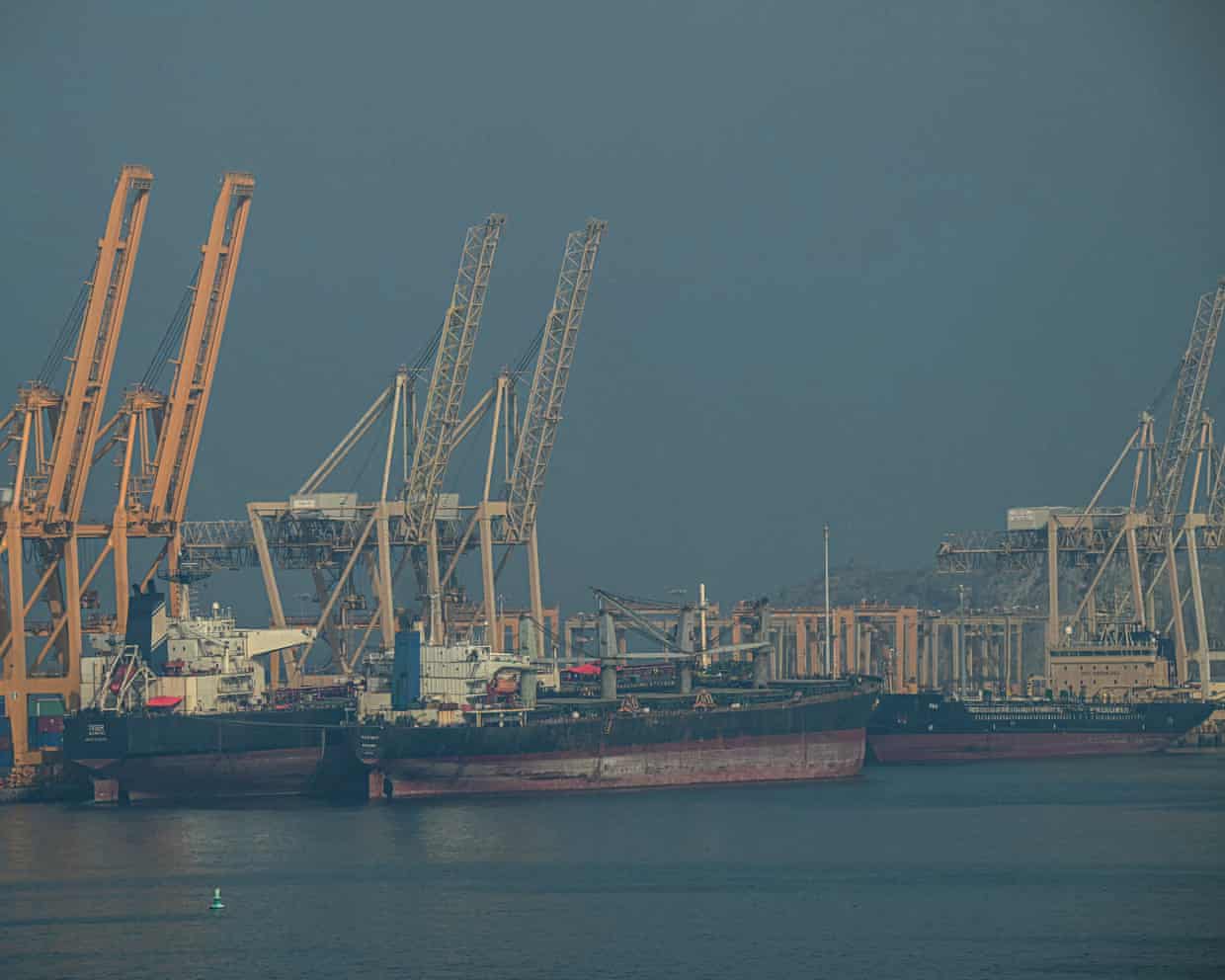
The United Arab Emirates has quit the Opec oil cartel after 60 years of membership, in a heavy blow to the group and its de facto leader, Saudi Arabia, as global energy markets contend with the biggest supply crisis in history.The shock loss of the UAE, Opec’s third-largest oil producer, is expected to weaken the group, which for decades has worked together to use its collective oil production to influence global oil market prices.The UAE’s exit from Opec represents a win for Donald Trump, who has previously accused the organisation of “ripping off the rest of the world” by artificially inflating oil prices by holding back production.Last week Trump confirmed that the US had discussed extending a financial lifeline to the UAE under which the two countries’ central banks could agree to exchange equivalent amounts of each other’s currency should the Middle East crisis deepen.The UAE on Tuesday set out a plan to sever its ties to the cartel within days as the market enters the ninth week of the US-Israeli war on Iran – which has blocked a fifth of the world’s seaborne oil from flowing from Gulf producers through the strait of Hormuz, causing record oil market volatility.
A statement from the UAE’s energy ministry said leaving Opec would give it greater flexibility to respond to a “new energy age” in line with its “long-term strategic and economic vision”,The UAE joined Opec in 1967 through the Emirate of Abu Dhabi and remained in the organisation when the UAE was formed in 1971,Its departure has laid bare the long-running tensions between the UAE and Saudi Arabia over the group’s approach to oil production limits and geopolitics,Saudi ministers have favoured curbs on oil production from the 12-strong alliance to help buoy up the oil market as it recorded three consecutive years of annual losses before the crisis,However, the UAE is understood to have become frustrated with the limits and is expected to pump more oil in the short-term to help fund its plans for a low-carbon future.
Opec members control about 80% of the world’s proven oil reserves but produce only 40% of global crude to help keep market prices at a level that can support the petrostate economies.Five countries were founding members of Opec in 1960 – Saudi Arabia, Iran, Iraq, Kuwait and Venezuela – and later it was joined by Algeria, Equatorial Guinea, Gabon, Libya, Nigeria and the Republic of the Congo.The group’s influence has widened in recent years as Opec aligned with 11 oil-producing countries outside the cartel, led by Russia, in what became known as Opec+.However, the Middle East conflict has amplified growing geopolitical frustrations between members.Anwar Gargash, the diplomatic adviser for the UAE president, criticised the Arab and Gulf states for not doing enough to protect it from Iranian attacks during the Middle East conflict in a session at the Gulf influencers’ forum on Monday.
Jorge León, an analyst at Rystad, said: “The UAE withdrawal marks a significant shift for Opec,Alongside Saudi Arabia, it is one of the few members with meaningful spare capacity – the mechanism through which the group exerts market influence,“While near-term effects may be muted given ongoing disruptions in the strait of Hormuz, the longer-term implication is a structurally weaker Opec,”The shift to low-carbon energy is also likely to have played a role in the UAE’s exit,Producers that are able to pump more crude, and can tolerate lower oil prices, are expected to abandon any limits on crude production in favour of monetising their remaining reserves before demand for fossil fuels begin to decline.
The UAE has a capacity of about 4.8m barrels a day and significant room to increase its output, according to Rystad Energy, meaning it is particularly well positioned to pursue this strategy beyond the limits of the cartel.The global oil price has reached as high as $119.50 a barrel since the outbreak of the war in Iran.On Tuesday it rose 3% to about $111.
The UAE said it would bring additional production to the global oil market “in a gradual and measured manner, aligned with demand and market conditions”,David Oxley, the chief climate and commodities economist at Capital Economics, said: “[The] surprise announcement by the UAE that it will leave Opec+ from 1 May will not have any immediate implications for the global energy market, but it does suggest that global supplies will be higher than would otherwise be the case once the strait of Hormuz reopens,“[It] fits with our existing view that the ties binding Opec members together have loosened,” This article was amended on 29 April 2026 to correct the surname of Anwar Gargash,
AstraZeneca investing £300m in UK life sciences, Starmer announces; UK asks refineries to maximise jet fuel supply – business live
Newsflash: Pharmaceuticals group AstraZeneca is investing £300m in its UK operations, Sir Keir Starmer has announced.Starmer revealed the plan to MPs during prime minister’s questions, seven months after AstraZeneca paused a planned £200m expansion of its Cambridge research site.Starmer said the move would protect jobs in Cambridge, where AstraZeneca operates a global R&D facility, and in Macclesfield, which hosts a science, technology and manufacturing hub.Starmer told the House of Commons:double quotation markToday I can announce a significant new investment, by AstraZeneca, investing £300m in UK life sciences, made possible by the pharmaceutical arrangement we have struck with the United States, to future-proof thousands of jobs in Macclesfield and in Cambridge.That is a major vote of confidence in the UK, and Labour’s plans to strengthen our economy
Barclay brothers avoid bankruptcy after deal with HSBC over £143m debt
The former owners of the Telegraph have avoided bankruptcy after reaching a settlement with HSBC over more than £140m in overdue debts.At a high court hearing on Tuesday, Europe’s biggest bank said it had withdrawn proceedings against Aidan and Howard Barclay, whose family lost control of the Daily and Sunday Telegraph in 2023 over £1.16bn of unpaid debts owed to Lloyds Bank.HSBC initiated legal proceedings against the brothers last year after the collapse of Logistics Group, which was linked to the Barclay-owned courier service Yodel.The bank was owed £143
Meta found in breach of EU law for failing to keep children off platforms
The tech company Meta has been found to be in breach of EU law for failing to prevent children under 13 from using its Facebook and Instagram platforms.Issuing the preliminary findings of a nearly two-year investigation, the European Commission said on Wednesday that Meta did not have effective measures in place to stop under-13s accessing its services.The US tech company was unable to meet its own terms and conditions that set 13 as the minimum age to access Facebook and Instagram safely, the commission said.Following an initial assessment, Meta was found in breach of the EU’s Digital Services Act (DSA), which requires it to “diligently identify and mitigate the risks” of under-13s using its platforms.The commission said its preliminary findings “do not prejudge the final outcome of the investigation”
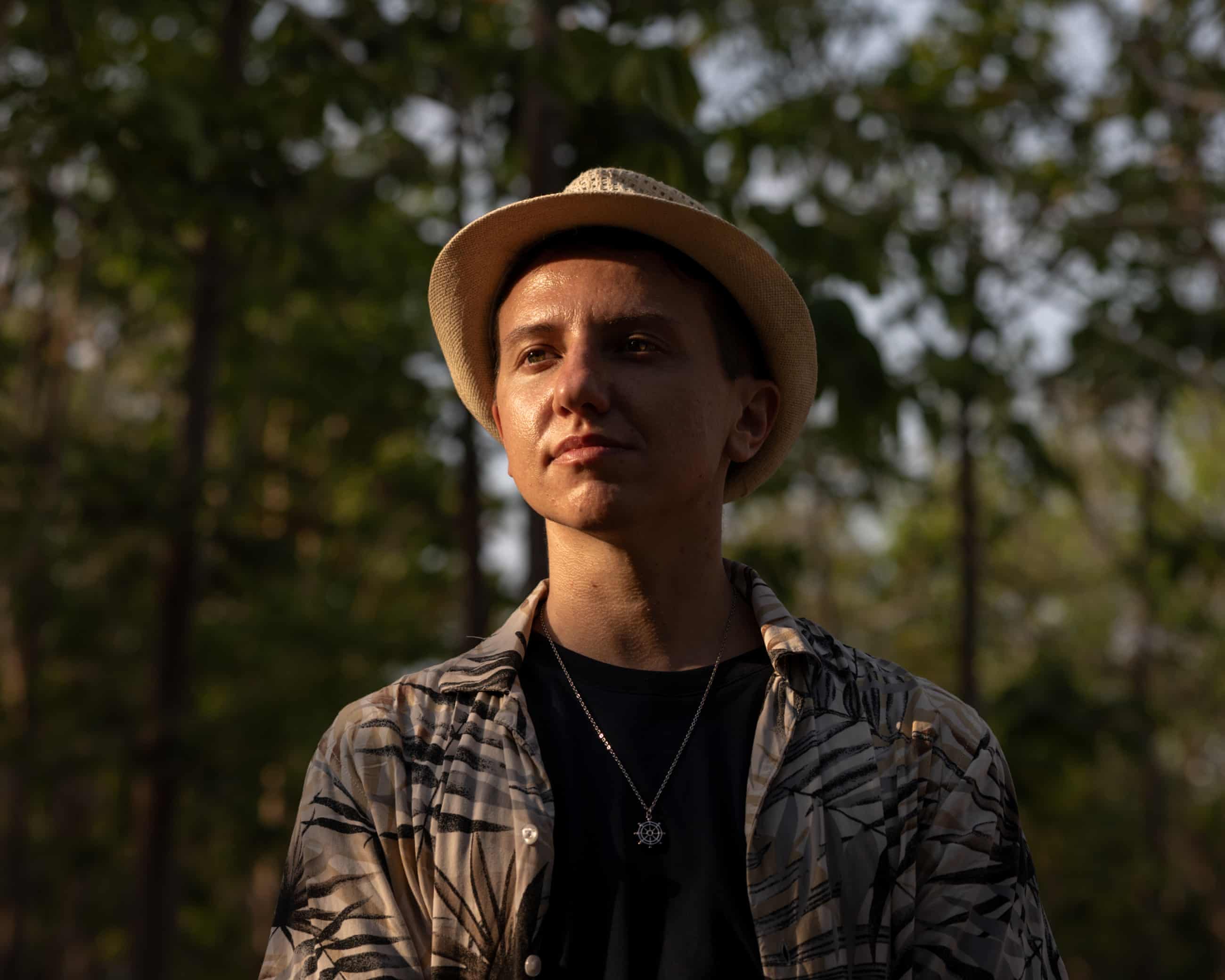
Meet the AI jailbreakers: ‘I see the worst things humanity has produced’
To test the safety and security of AI, hackers have to trick large language models into breaking their own rules. It requires ingenuity and manipulation – and can come at a deep emotional costA few months ago, Valen Tagliabue sat in his hotel room watching his chatbot, and felt euphoric. He had just manipulated it so skilfully, so subtly, that it began ignoring its own safety rules. It told him how to sequence new, potentially lethal pathogens and how to make them resistant to known drugs.Tagliabue had spent much of the previous two years testing and prodding large language models such as Claude and ChatGPT, always with the aim of making them say things they shouldn’t
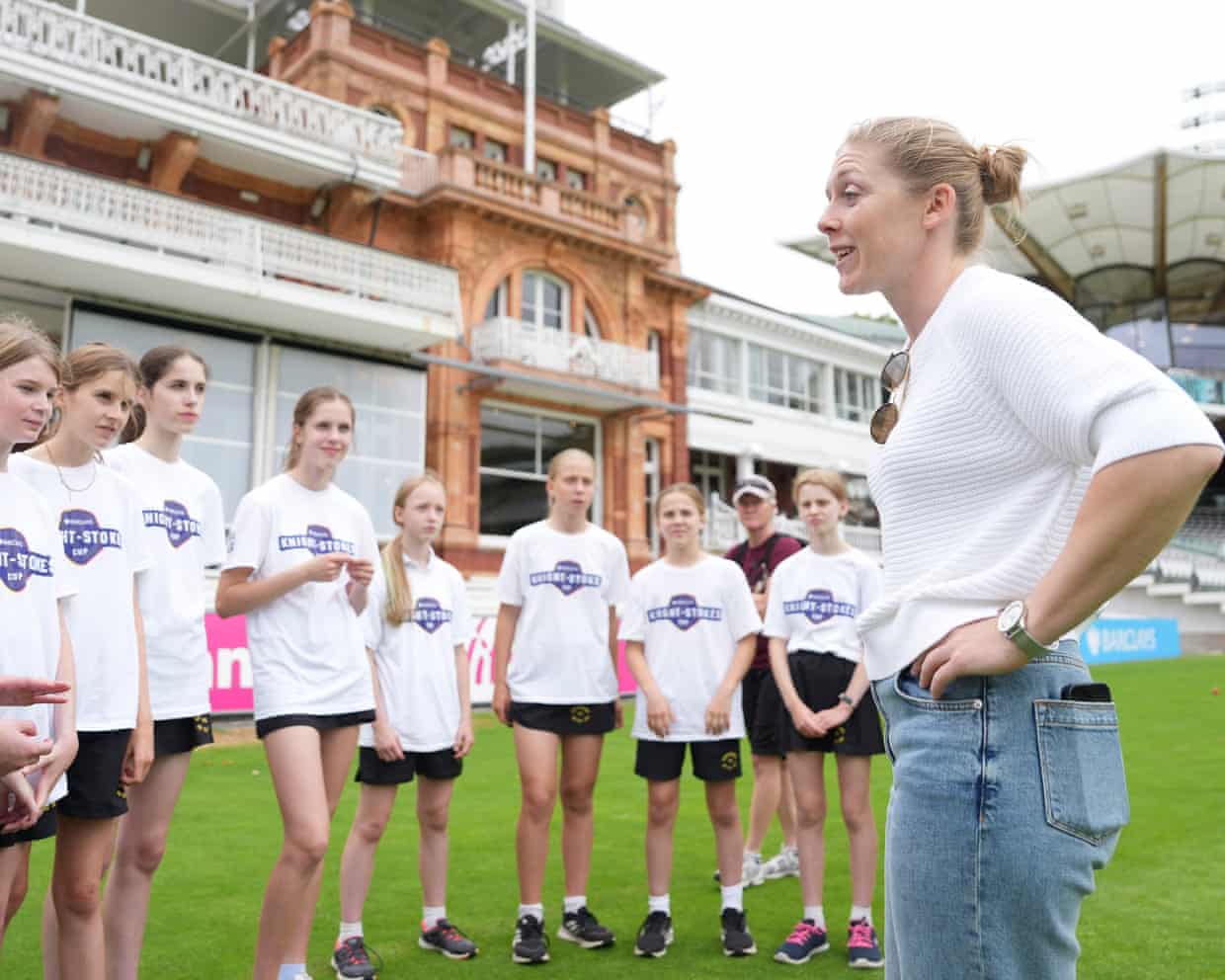
The Spin | Knight-Stokes Cup sets up much-needed platform for state school cricket
As a state school-educated international cricketer, the former England bowler Sajid Mahmood has always been in the minority. A report from the Sutton Trust charity last year found 59% of professional male cricketers in England went to independent schools, ranking the sport behind only the armed forces (63%) and senior judges (62%) as the country’s most privately educated profession. Yet Mahmood has become even more of an outlier since his playing retirement.While it is common for former professional cricketers to take up positions as private school coaches once they hang up their playing boots, Mahmood has spent the past eight years teaching the sport to state school students in west London. It is a path so uncommon that he is yet to encounter another England cricketer in the state system
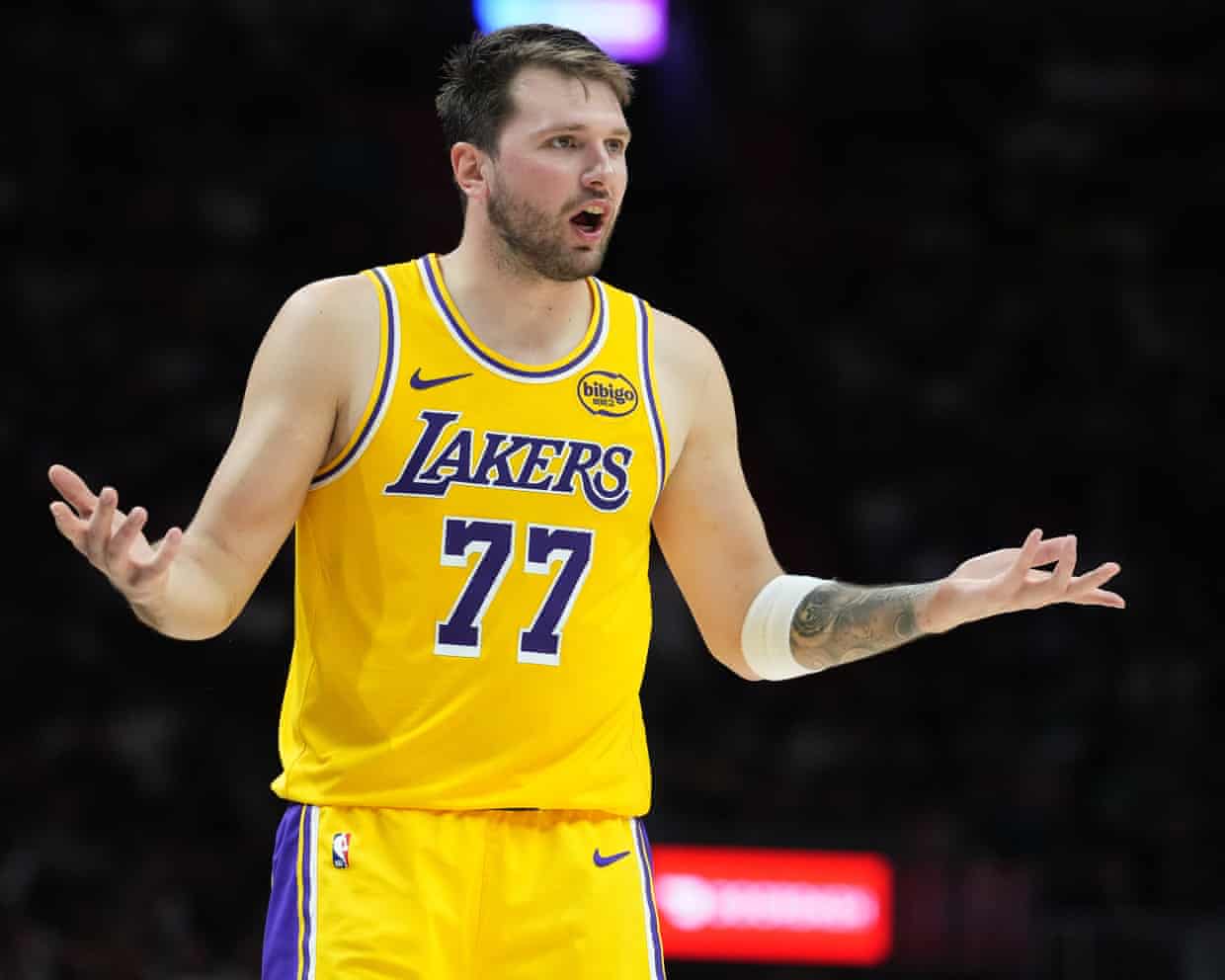
Luka Dončić and the manosphere: why the scrutiny of his body never ends
In Louis Theroux’s Netflix documentary Inside the Manosphere, he interviews podcasters, streamers and influencers from across the Red Pill ecosystem. But the most profound moments are when he speaks with their followers. Regular, everyday American men who struggle to make a living, find love, get laid and start a family.One of them is a Latino man in his 20s living in Miami. He explains that Andrew Tate’s message helped pull him out of homelessness
Lloyds takes £151m hit from Iran war as it forecasts rise in UK unemployment
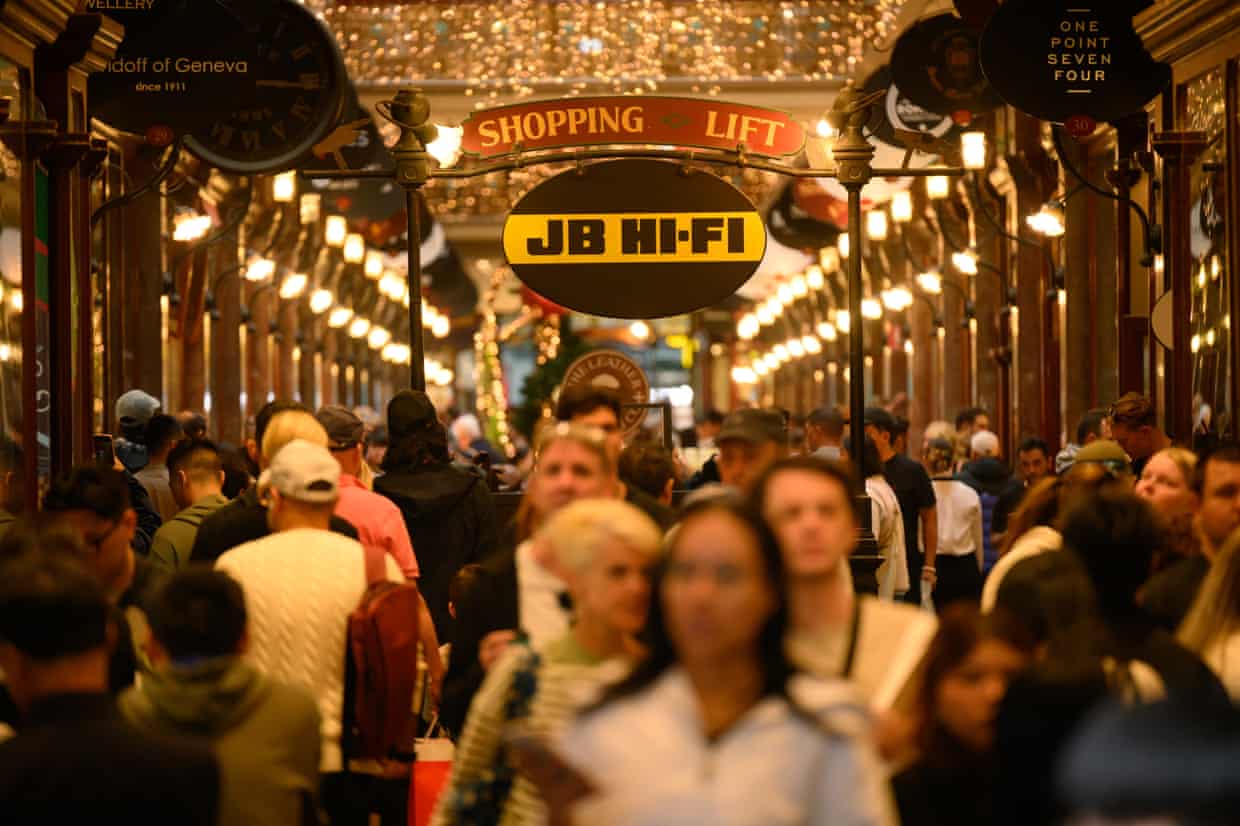
Inflation jumps to 4.6% in Australia as Iran war fuel shock begins to bite
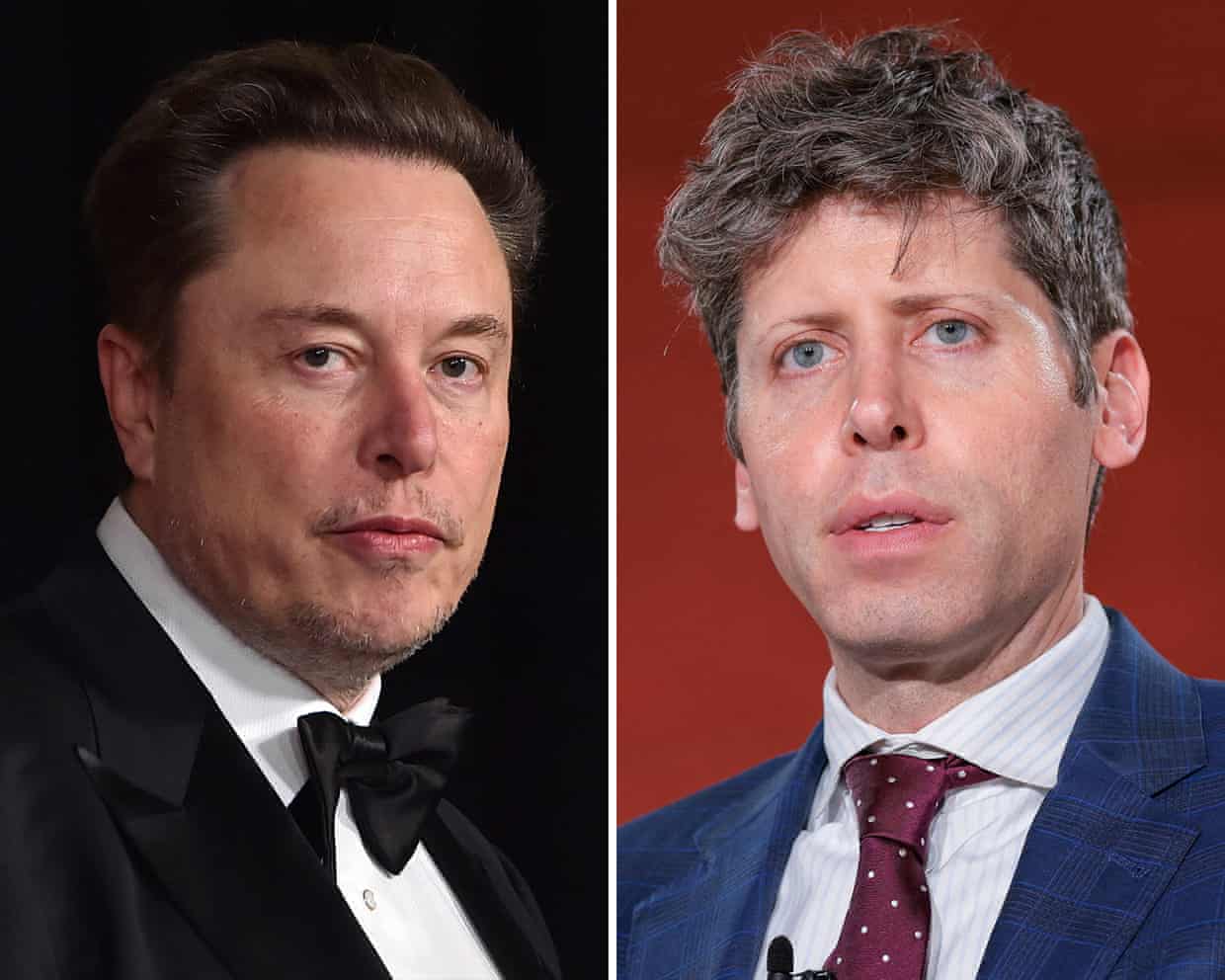
‘Stole a charity’: Elon Musk accuses Sam Altman of betrayal in courtroom showdown
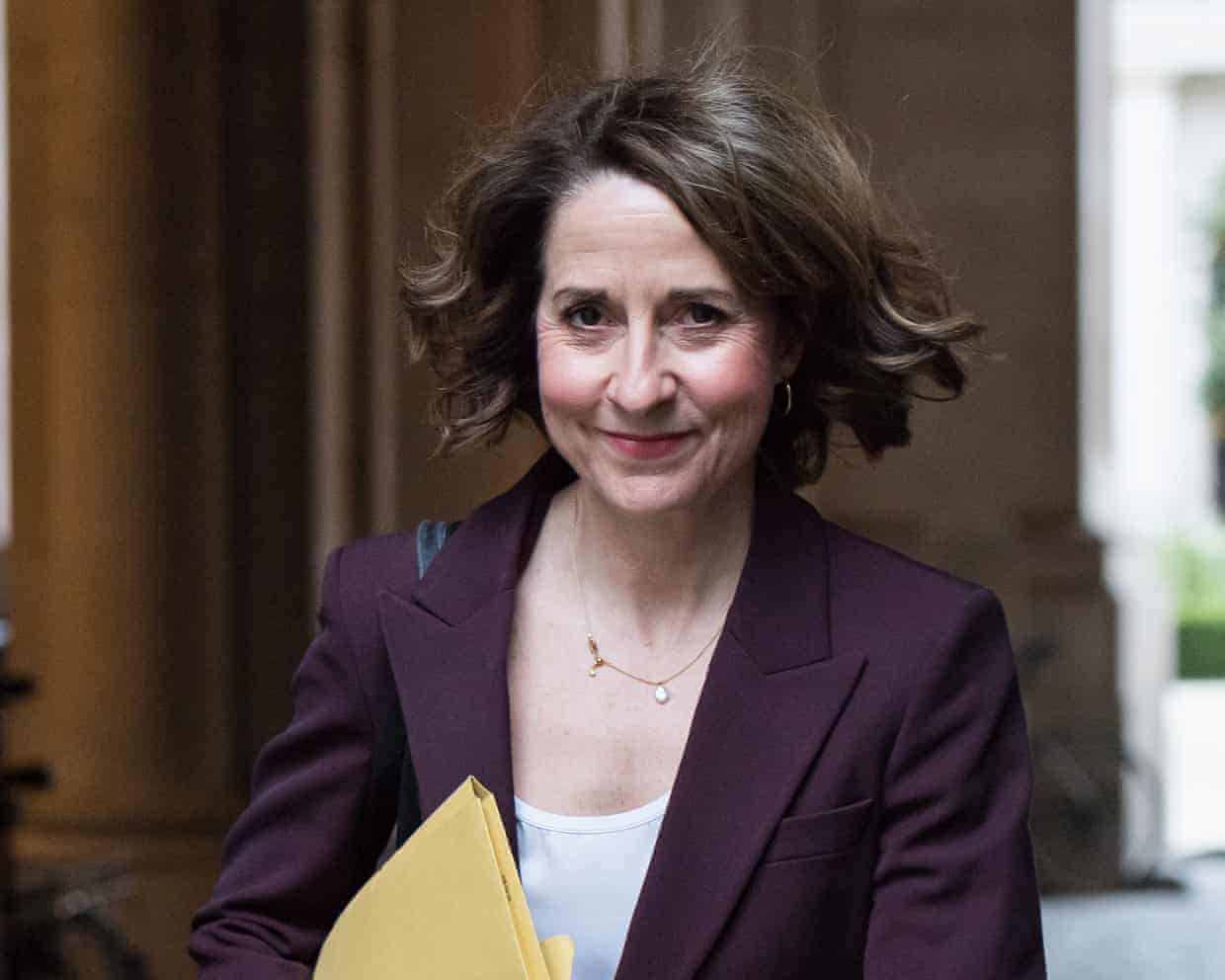
UK must seize initiative on AI or be left at its mercy, Liz Kendall says
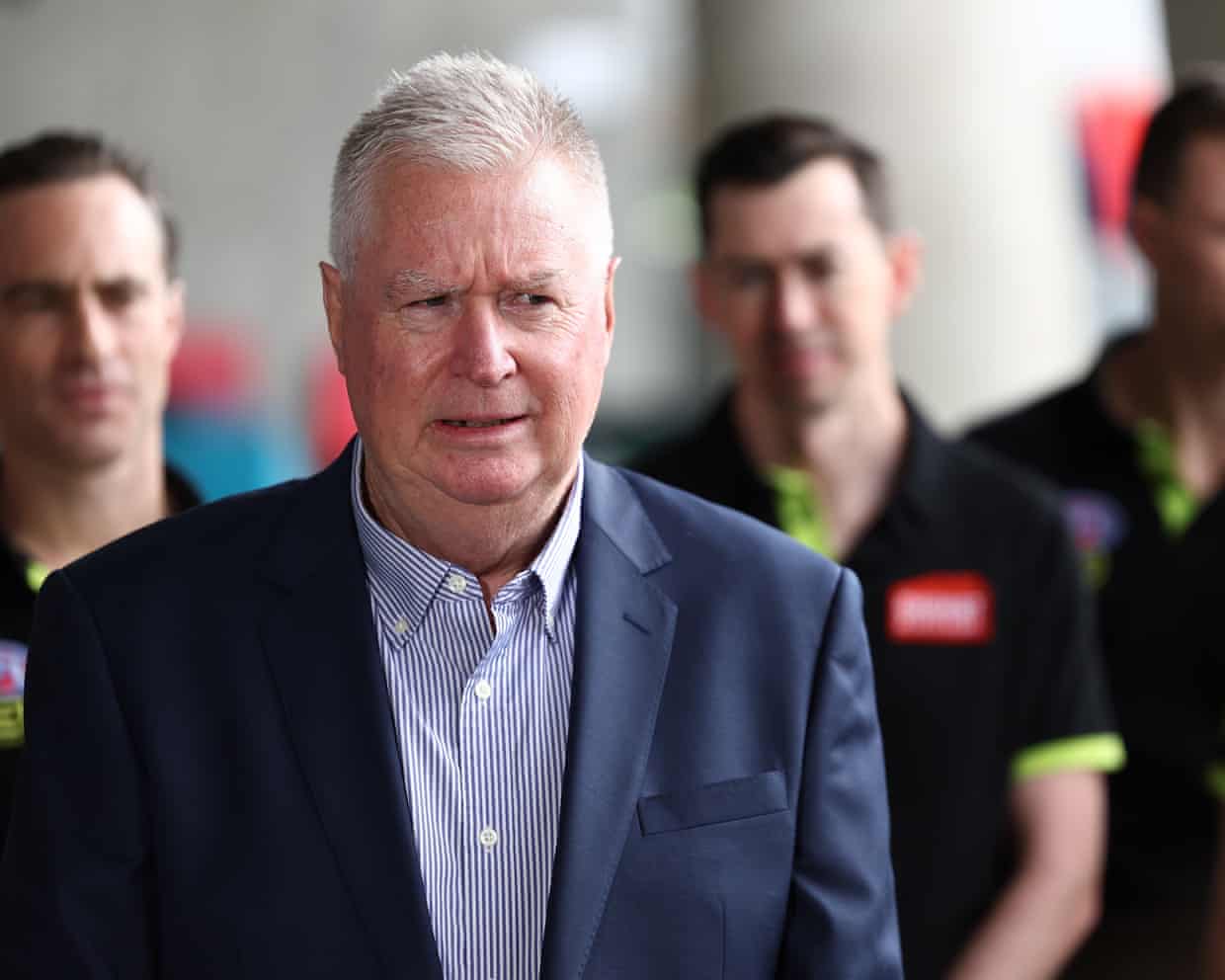
From the Pocket: The AFL’s deference to technology only creates more doubt and uncertainty

Ultramarathon swimmer sets record pace over 55km in crocodile-filled Australian river