UK faces £35bn hit and risk of recession this year over impact of Iran war, thinktank warns
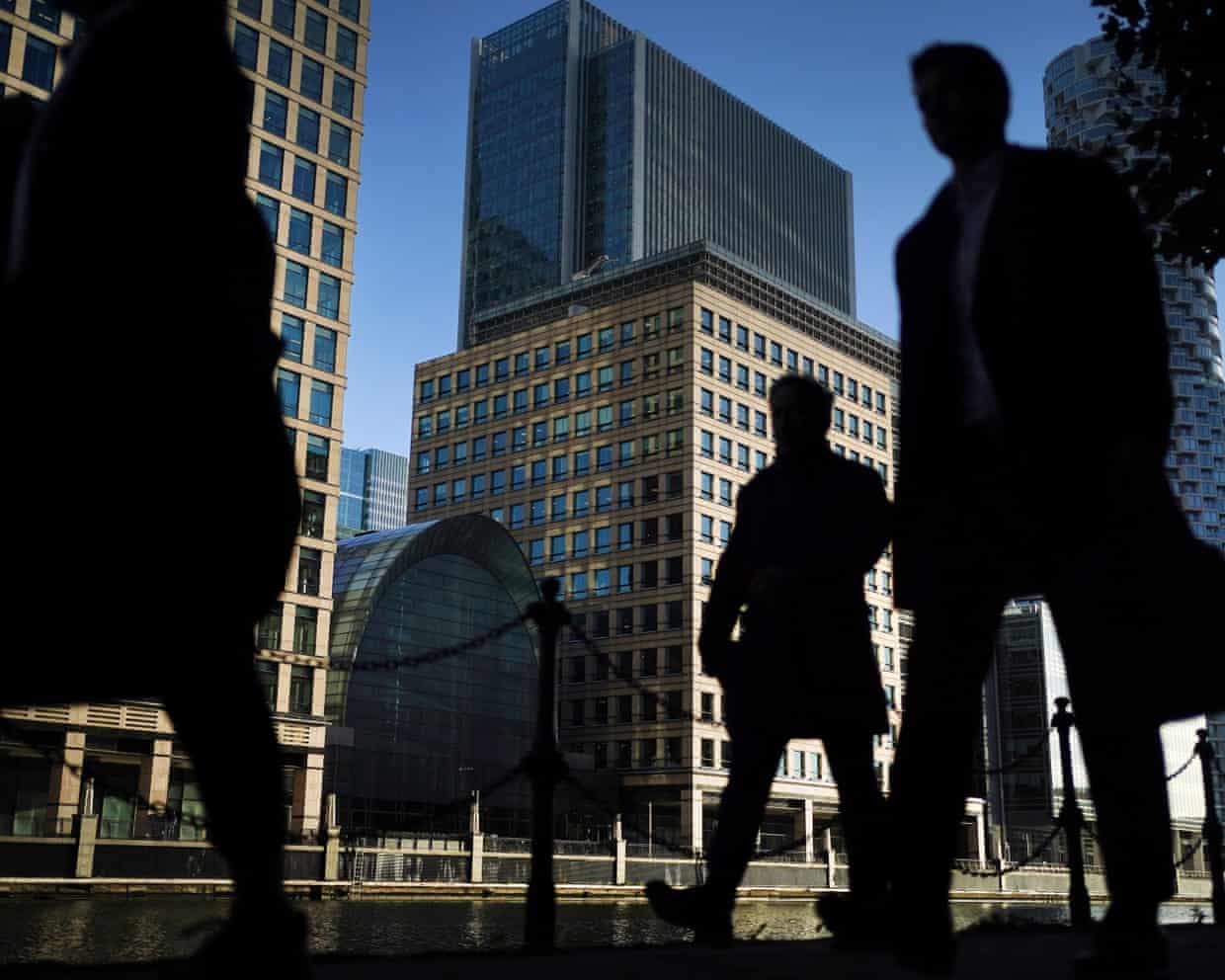
Britain is facing a £35bn economic hit and the risk of a recession this year as the fallout from the Iran war adds to the pressure on Keir Starmer’s government, a leading thinktank has warned,The National Institute of Economic and Social Research (Niesr) said that even under a best-case scenario the UK economy would grow at a much slower pace this year and next because of the Middle East conflict,With households facing a rise in energy costs linked to the Iran war, the chancellor, Rachel Reeves, has said that “nothing is off the table” as the government considers options to provide a targeted and temporary support package,However, Britain’s oldest independent economic research institute said the government faced a multibillion-pound hole in the public finances amid a worsening inflation shock that would make it harder for Reeves to respond,David Aikman, the Niesr director, said: “This is a serious blow to the government’s mission to get the UK economy growing again.
“The Middle East conflict has laid bare the fact that the UK remains highly exposed to global energy shocks,Even if hostilities ease rapidly, higher energy prices will leave households poorer, businesses facing higher costs, and the economy materially smaller than we expected only a few months ago,”In a downbeat assessment on Britain’s prospects as the war unfolds, Niesr downgraded its previous growth forecasts for 2026 by 0,5 percentage points, to 0,9%, and by 0.
3 percentage points in 2027, to 1%.It also warned under an adverse scenario, involving the global oil price hitting $140 a barrel, that Britain would face a much bigger inflation shock than currently anticipated, which would risk plunging the economy into a recession in the second half of this year.A barrel of Brent crude oil was trading at $111 on Tuesday.Calling this “severe but plausible”, it said such a scenario would risk UK inflation rising above 5%, which it said could force the Bank of England to raise interest rates by the most in a single move – 1.5% – since Black Wednesday in 1992.
Even under its baseline scenario, based on a gradual cooling in global energy prices, it said it expected the Bank to raise interest rates by a quarter point in July to 4%, although it cautioned that a rise in borrowing costs from Threadneedle Street at its next policy meeting on Thursday could not be ruled out.Financial markets widely expect the Bank to keep interest rates unchanged on Thursday.City traders give an outside probability of a quarter-point rise.Last month the Bank kept rates on hold at 3.75%.
With Labour under pressure in the run-up to a tough round of local elections next week, Niesr said that the economic hit from the Iran war had the potential to add almost £24bn to UK government borrowing by the end of the decade.This would almost entirely erase Reeves’s headroom against her self-imposed fiscal rules.Stephen Millard, a Niesr deputy director, said: “Things can be much worse.In a way, the assumption [made by financial markets] that oil prices have more or less peaked and will come down to $65 per barrel over the next two years looks to be increasingly optimistic.“Either way the [Bank’s] monetary policy committee are going to have to raise rates this year, and the chancellor is going to have some very tough calls.
”Amid speculation that Starmer could face a leadership challenge after a disappointing set of elections, and as the inflation shock unfolds, the UK’s borrowing costs on the global bond markets have risen sharply,The yield – in effect the interest rate – on 10-year UK government bonds rose on Tuesday above 5%,The 30-year yield has also risen close to the highest levels since 1998,Reeves told MPs in the Commons on Tuesday that her focus was on providing targeted support because blanket measures would be costly and risk stoking inflation further,“While people are calling for immediate support, the impacts of the previous government – the untargeted support which cost over £100bn in total – meant that interest rates, inflation and taxes have ended up being higher than they needed to be,” she said.
Public toilets: more than a matter of convenience | Letters
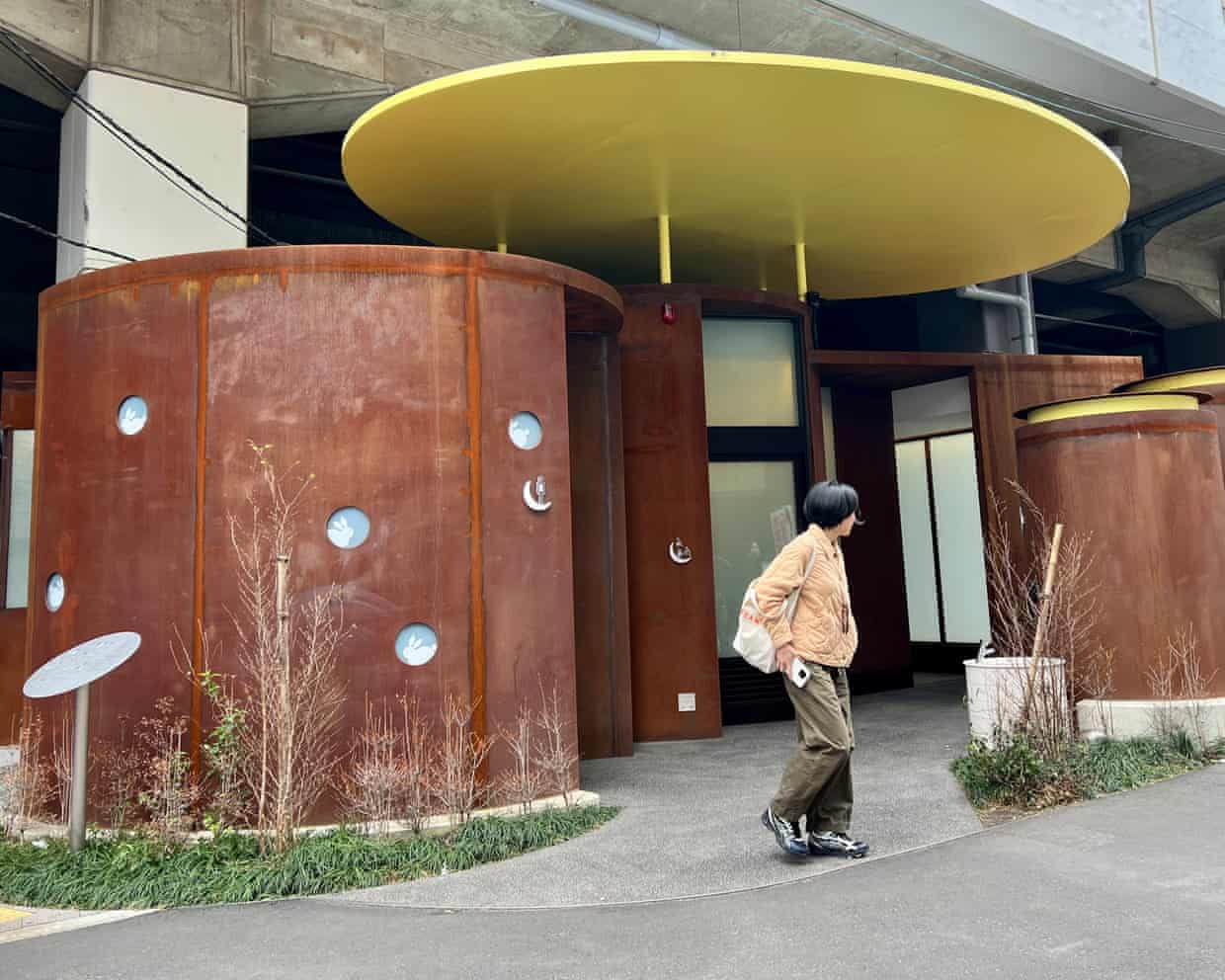
In response to your editorial (Public spaces need public conveniences, 24 April), our research has found that one of the biggest barriers preventing the restoration of existing provision or building new provision of public toilets is our wider cultural taboo of bodily functions.Time and again we have found that regeneration documents refer to public toilets as “amenities”, “necessities”, or “facilities”. Our research has also found that while large percentages of the UK population want more public toilets, nearly the same percentage would not use a public toilet, because of the taboo reputation such provision also carries.It is not simply a question of “build them and they will be used”. There is also an education issue, to highlight how important provision is, and shift the sense of a dirty and unloved space that invites negative behaviours such as vandalism

Calls for ‘student premium’ to support disadvantaged young people after GCSEs
A coalition of 14 social mobility organisations is urging the government to fund a “student premium” to support disadvantaged young people post-16 and prevent them from “falling through the cracks” into joblessness.State-funded schools in England currently receive additional pupil premium funding to support children from low-income backgrounds, who are eligible for free school meals.However, campaigners say a funding “cliff edge” after GCSEs leaves vulnerable students without the help they need post-16 during the final, important years of compulsory education.“Disadvantaged students don’t stop needing support the moment they finish their GCSEs, yet that’s exactly when funding falls away,” said Pepe Di’Iasio, the general secretary of the Association of School and College Leaders (ASCL), one of the organisations signed up to the campaign.“A 16-19 student premium would help schools, colleges and sixth forms keep young people engaged, support achievement in English and maths, and reduce the risk of students becoming Neet [not in education, employment or training]
First teenage suicide linked to domestic abuse recorded in England and Wales
The first teenage girl has been identified as having been driven to kill herself after domestic violence, as police chiefs blamed violent pornography and “toxic” influencers for being behind a rise in teen abuse.Suicides after domestic abuse have outstripped homicides for the third year running, according to the Domestic Homicide Project, which records deaths in England and Wales after domestic abuse.Last year, there were 347 deaths, including 150 from suicide and 125 domestic homicides.Across the five-year dataset, victims were predominantly female (73%), and suspects predominantly male (79%). Over the five years, the project recorded 1,452 deaths in 1,410 incidents – 641 of these were domestic homicides, 553 were suicide after domestic abuse, 131 unexpected deaths, 86 child deaths and 41 deaths classified as “other”
Call for UK gambling reform after ‘generous and caring’ woman takes her own life
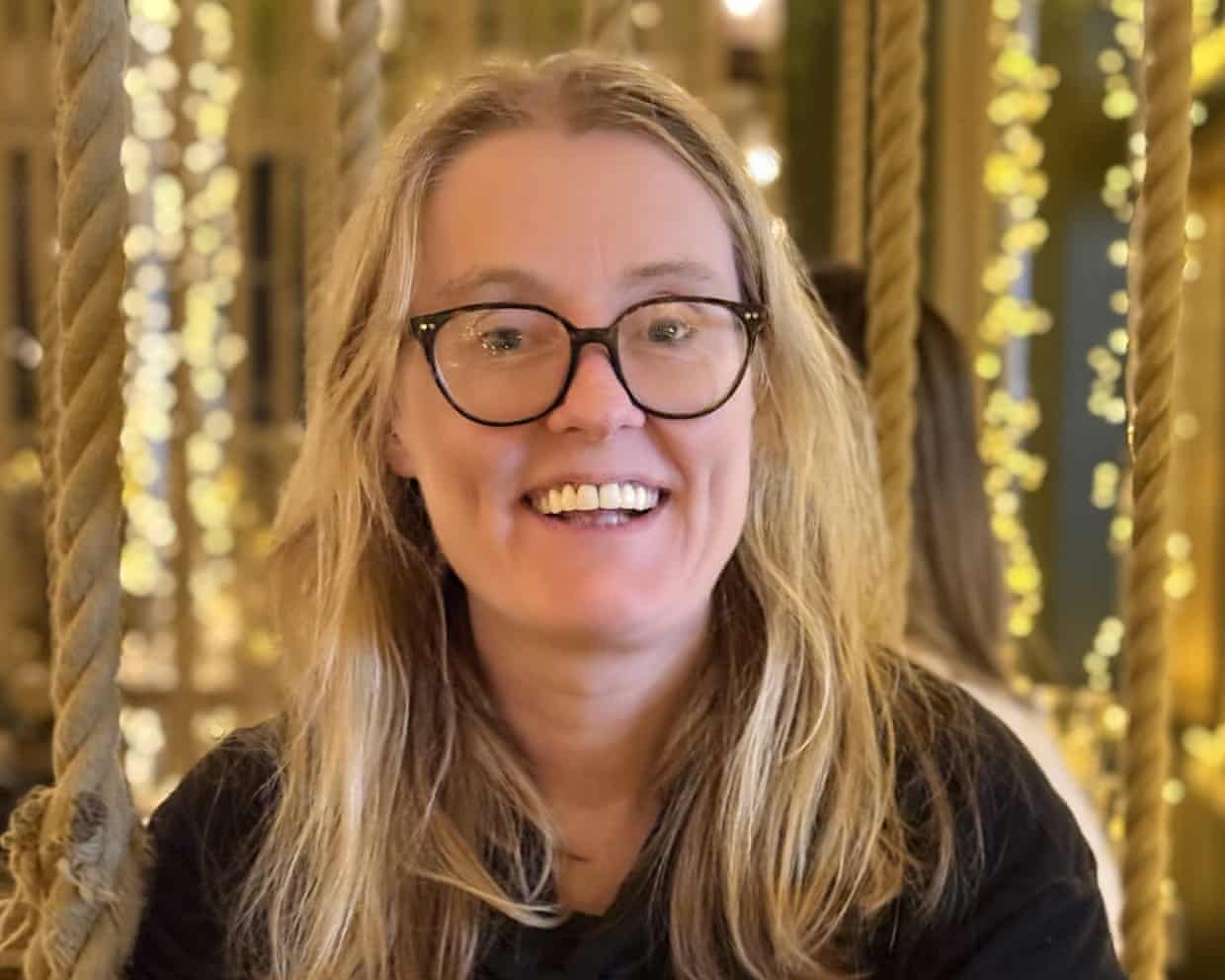
A family is calling for wholesale reform of the gambling industry after an inquest heard details of the life and death of Ellen Mulvey, a “generous and caring” woman with a high-flying City job who also had a secret addiction.Mulvey’s family believe she lost hundreds of thousands of pounds gambling without their knowledge, first via mainstream operators and then on unlicensed platforms.An inquest heard that the 44-year-old took her own life and was declared dead at Macclesfield district general hospital on 7 November. Before she died, Mulvey wrote a note saying: “Addiction is the worst disease ever.”At work, Mulvey was the managing director of a global financial recruitment firm based in London

UK spring sunshine prompts warnings over unsafe fake designer sunglasses
While many will be enjoying the spring sunshine, experts have cautioned against wearing fake designer sunglasses, warning they could do more harm than good.As the College of Optometrists notes, sunglasses not only protect the eyes against glare on sunny days, but can also shield them from harmful ultraviolet (UV) light.That’s important because UV rays have been linked to a number of eye conditions. In the short term, for example, they can cause a temporary but painful condition called photokeratitis – essentially a “sunburn” on the cornea, which sits at the front of the eye.In the longer term, UV exposure is associated with the development of early-onset cataracts, non-cancerous growths on the cornea known as pterygia, some types of eyelid cancer, and potentially even age-related macular degeneration, which can lead to sight loss
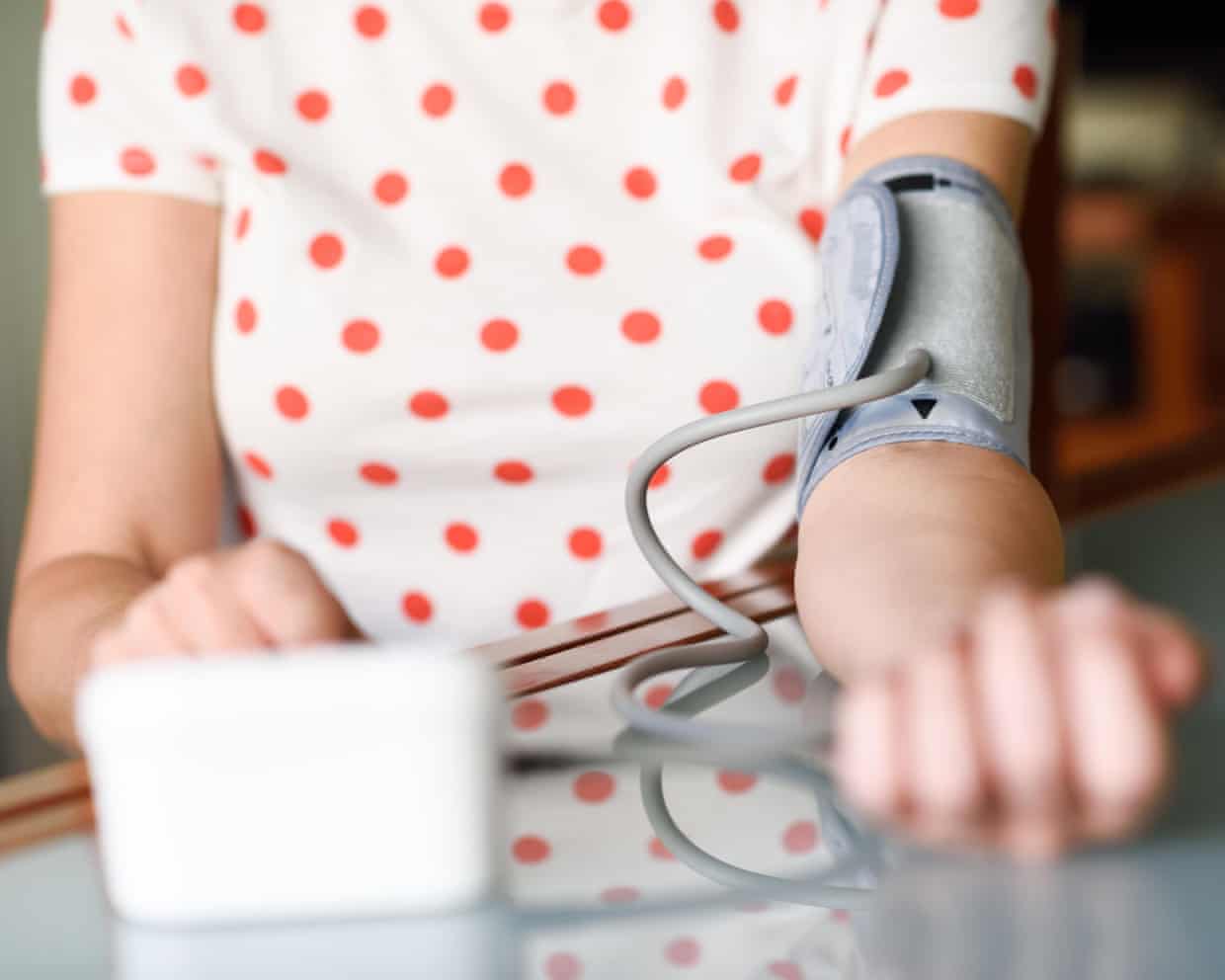
Home blood pressure checks could reduce risks after hypertensive pregnancy
New mothers who had hypertension in pregnancy could reduce their risk of heart attack, stroke and potentially early death through daily blood pressure checks at home, research suggests.Women who regularly monitored their blood pressure in the weeks after giving birth, and had doctors tailor their medication if needed, had better functioning arteries nine months later than those who received routine care, scientists found.When the medication was adjusted to account for blood pressure changes, the women ended up with less stiff arteries, an effect that researchers at the University of Oxford estimate could reduce the future risk of heart attack or stroke by 10%.Paul Leeson, a professor of cardiovascular medicine who led the study, said the findings suggested that the weeks after birth provided a “powerful and often overlooked opportunity” to protect women’s future health.“By simply monitoring blood pressure at home, new mothers with hypertensive pregnancies can protect their bodies from future damage,” he said
AstraZeneca investing £300m in UK life sciences, Starmer announces; UK asks refineries to maximise jet fuel supply – business live
Barclay brothers avoid bankruptcy after deal with HSBC over £143m debt
Meta found in breach of EU law for failing to keep children off platforms
Meet the AI jailbreakers: ‘I see the worst things humanity has produced’
The Spin | Knight-Stokes Cup sets up much-needed platform for state school cricket
Luka Dončić and the manosphere: why the scrutiny of his body never ends