Starmer sees off major Labour rebellion over call for Mandelson inquiry
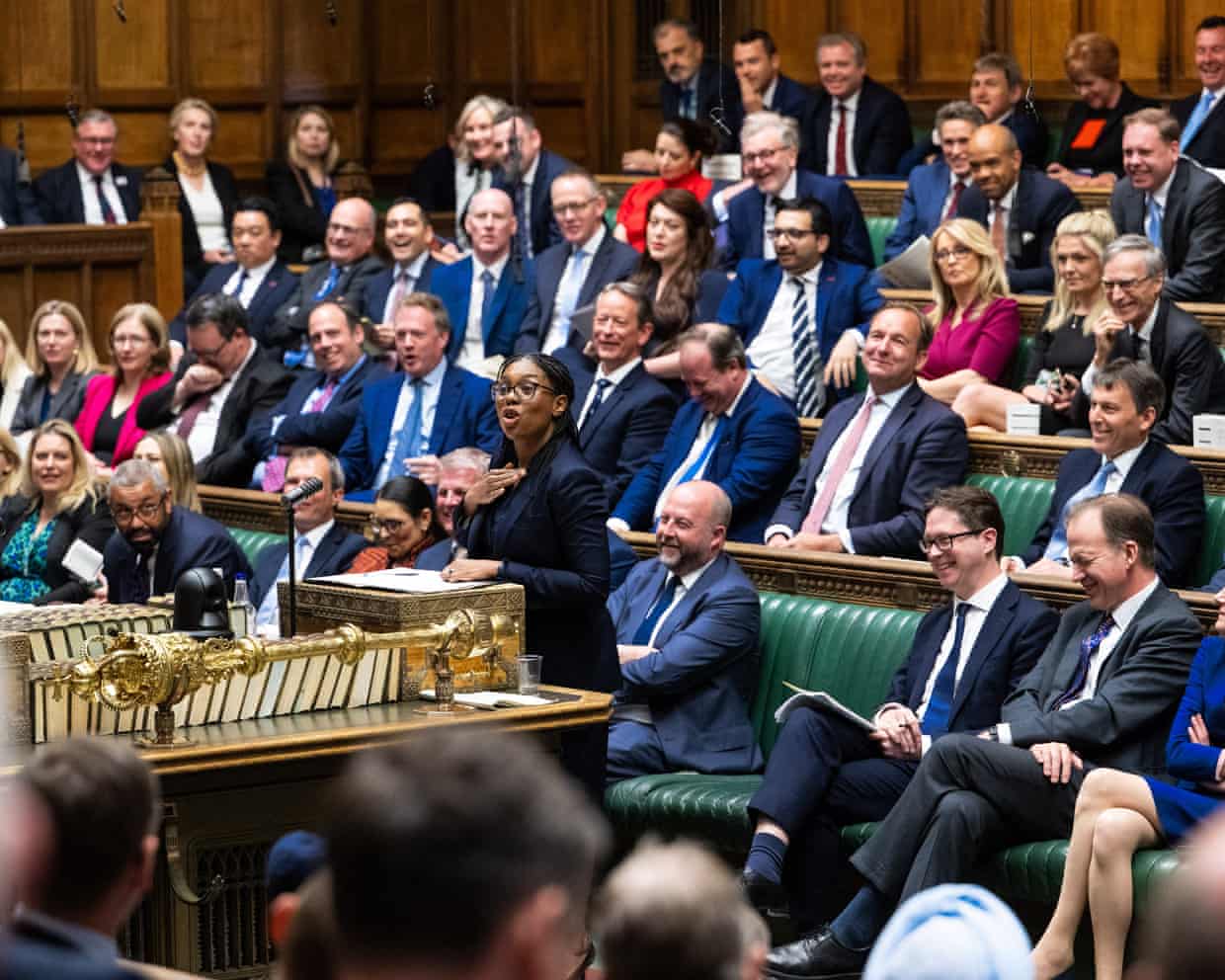
Keir Starmer has seen off a major Labour rebellion over a bid to force a parliamentary investigation into his appointment of Peter Mandelson, but many of his own MPs warned he was running out of political capital.After Downing Street deployed its full weight to force Labour MPs to block a referral to the privileges committee over the scandal, some angrily accused Starmer of leaving them facing accusations of a “cover-up”.Previously loyal MPs warned the prime minister to tread carefully, particularly after what are expected to be a damaging set of election results for Labour next week.“He’s in the last-chance saloon and the last few days haven’t improved his prospects of survival,” one minister said, while another added: “Keir only has so much credit in the bank with the backbenches now, so he needs to spend it wisely.”On a day of high jeopardy on Tuesday, Starmer’s former chief of staff, Morgan McSweeney, and the Foreign Office’s former permanent secretary, Sir Philip Barton, prompted yet more questions over how much pressure had been put on officials to accelerate Mandelson’s posting to Washington.
While the attention of Labour MPs will turn to limiting the fallout at the elections, the scandal is likely to raise its head once more next month, after the intelligence and security committee (ISC) announced it had finished reviewing key government documents.But after days of intense pressure, Downing Street was taking temporary relief from the failure of a vote – tabled by the Conservative leader, Kemi Badenoch – on whether the privileges committee should consider whether Starmer had misled the Commons over Mandelson’s appointment.The government won the vote by 335 votes to 223, a majority of 112, with insiders feeling some relief that senior figures such as Angela Rayner opted to keep their powder dry.However, 15 Labour backbenchers supported the motion, mainly from the left of the party and with track records as rebels, and there was concern that up to 53 MPs did not vote, though not all of these will have been abstentions.One of the rebels, Emma Lewell, the MP for South Shields, criticised the decision to whip Labour MPs to block the motion.
“It has played into the terrible narrative that there is something to hide and good, decent colleagues will be accused of being complicit in a cover-up,” she said.In a damaging revelation for the prime minister, it emerged on Tuesday that Christian Turner, the UK’s new ambassador to the US who took over from Mandelson, had described Starmer as having been “on the ropes” over the scandal.He told a group of students in private remarks in February that Starmer’s future had looked “quite touch and go” but that he was a “stubborn guy” who would be unlikely to quit of his own accord.“The moment I would look to is the May elections,” the Financial Times reported Turner as saying.“If Labour does very badly … I suspect the party will be able to go over that threshold and remove him – seems to me to be the conventional thinking.
”And on another day of damaging disclosures to the foreign affairs select committee on Mandelson’s security vetting, McSweeney admitted that Foreign Office officials came under intense pressure to expedite the posting, but denied they were forced to “skip steps” in security vetting.Starmer’s former chief of staff, who resigned earlier this year over the scandal, acknowledged he had asked Barton, then the top official at the department, to conduct the process “at pace” but not to do anything “improper”.In a rare appearance before MPs, McSweeney said: “There is a real difference between asking people to act at pace and asking people to lower standards.We never did that.We never asked people to skip steps at any part of the process … it was all about, can we do this at pace, not, can we do anything improper.
”McSweeney told MPs that learning the extent of Mandelson’s ongoing links with Jeffrey Epstein – after he had been questioned about red flags raised by the due diligence process and sent to Washington – was like a “knife through my soul”,The former senior aide said Starmer would not have gone ahead with the appointment had he known the full truth,While he acknowledged that revoking Mandelson’s posting over his failure to get security clearance would have been “embarrassing” for the government, it would have been “far preferable” to allowing it to proceed,Many Labour MPs are angry that Downing Street, which had been aware at the time that Mandelson was close enough friends with Epstein to stay overnight at his house, decided to send him to Washington regardless,McSweeney admitted he had made a “serious error of judgment” in advising Starmer to appoint the former Labour minister, but said he had felt his “experience, relationships and political skills”, including on trade, could serve UK interests as Donald Trump re-entered the White House.
In his own evidence to the committee, Barton said No 10 had seemed “uninterested” in the vetting process around the appointment, and there were no avenues for him to express his concerns.Asked if he was under pressure to get the vetting done quickly, he said: “Absolutely … I don’t think anyone could have been in any doubt in the department working on this that there was pressure to get everything done as quickly as possible.”He denied having received any phone call from McSweeney – long rumoured – which had asked him to “just fucking approve it”.McSweeney told MPs that such Westminster rumours were “corrosive” to faith in the political system.Amid speculation that Starmer is considering a reshuffle after the local elections on 7 May, the prime minister is said to have told Rayner earlier this month that he hoped she would rejoin his cabinet, according to the Daily Telegraph.
The Guardian understands that no offer of returning to the cabinet has either been made or accepted,Starmer has previously said he would like Rayner to return to the cabinet, calling his former deputy “hugely talented” and “the best social mobility story this country has ever seen”,Rayner resigned as deputy prime minister and housing secretary in September after Starmer’s ethics adviser, Sir Laurie Magnus, found she had breached the ministerial code over her underpayment of stamp duty on a flat in Hove, Sussex,
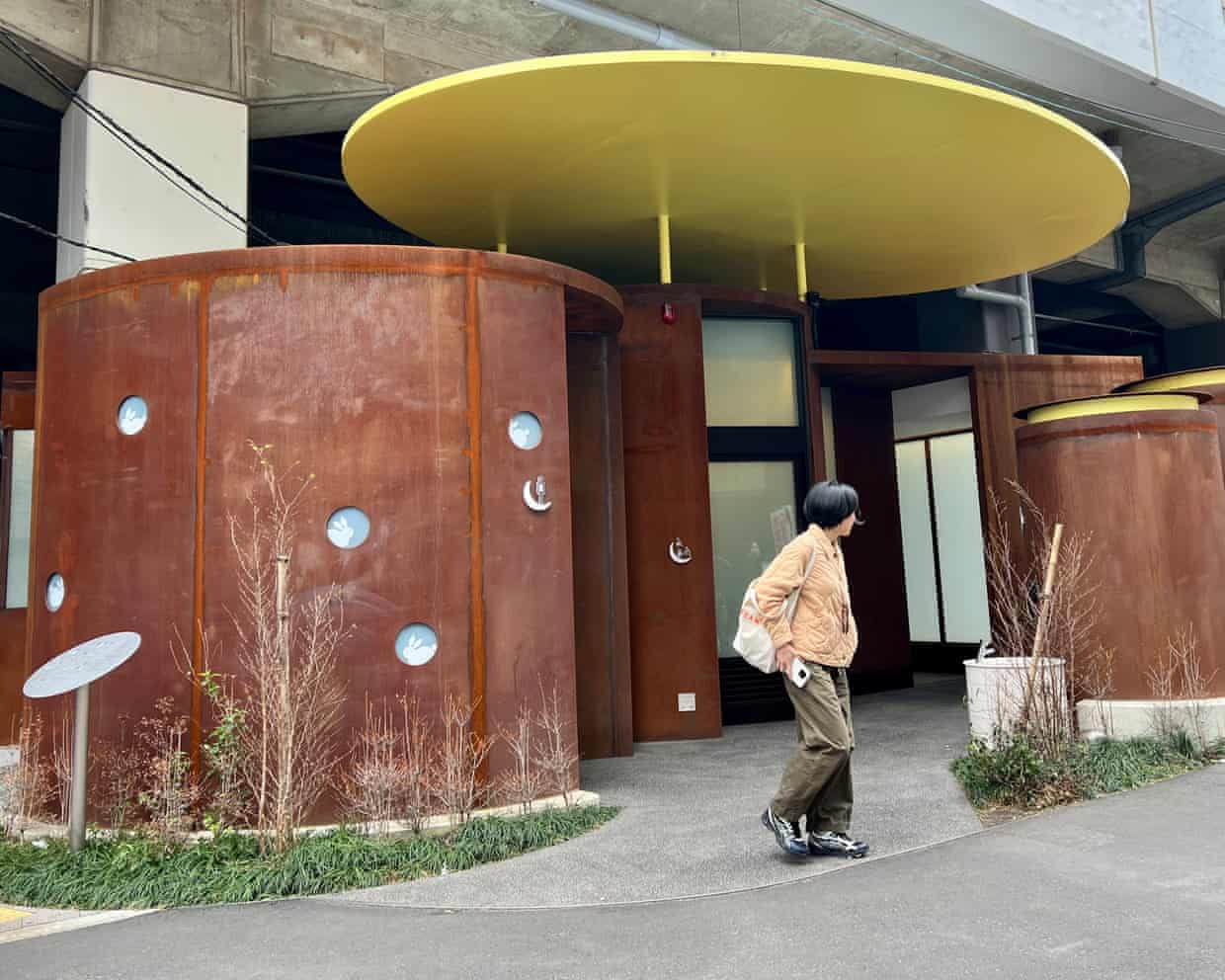
Public toilets: more than a matter of convenience | Letters
In response to your editorial (Public spaces need public conveniences, 24 April), our research has found that one of the biggest barriers preventing the restoration of existing provision or building new provision of public toilets is our wider cultural taboo of bodily functions.Time and again we have found that regeneration documents refer to public toilets as “amenities”, “necessities”, or “facilities”. Our research has also found that while large percentages of the UK population want more public toilets, nearly the same percentage would not use a public toilet, because of the taboo reputation such provision also carries.It is not simply a question of “build them and they will be used”. There is also an education issue, to highlight how important provision is, and shift the sense of a dirty and unloved space that invites negative behaviours such as vandalism

Calls for ‘student premium’ to support disadvantaged young people after GCSEs
A coalition of 14 social mobility organisations is urging the government to fund a “student premium” to support disadvantaged young people post-16 and prevent them from “falling through the cracks” into joblessness.State-funded schools in England currently receive additional pupil premium funding to support children from low-income backgrounds, who are eligible for free school meals.However, campaigners say a funding “cliff edge” after GCSEs leaves vulnerable students without the help they need post-16 during the final, important years of compulsory education.“Disadvantaged students don’t stop needing support the moment they finish their GCSEs, yet that’s exactly when funding falls away,” said Pepe Di’Iasio, the general secretary of the Association of School and College Leaders (ASCL), one of the organisations signed up to the campaign.“A 16-19 student premium would help schools, colleges and sixth forms keep young people engaged, support achievement in English and maths, and reduce the risk of students becoming Neet [not in education, employment or training]

First teenage suicide linked to domestic abuse recorded in England and Wales
The first teenage girl has been identified as having been driven to kill herself after domestic violence, as police chiefs blamed violent pornography and “toxic” influencers for being behind a rise in teen abuse.Suicides after domestic abuse have outstripped homicides for the third year running, according to the Domestic Homicide Project, which records deaths in England and Wales after domestic abuse.Last year, there were 347 deaths, including 150 from suicide and 125 domestic homicides.Across the five-year dataset, victims were predominantly female (73%), and suspects predominantly male (79%). Over the five years, the project recorded 1,452 deaths in 1,410 incidents – 641 of these were domestic homicides, 553 were suicide after domestic abuse, 131 unexpected deaths, 86 child deaths and 41 deaths classified as “other”
Call for UK gambling reform after ‘generous and caring’ woman takes her own life
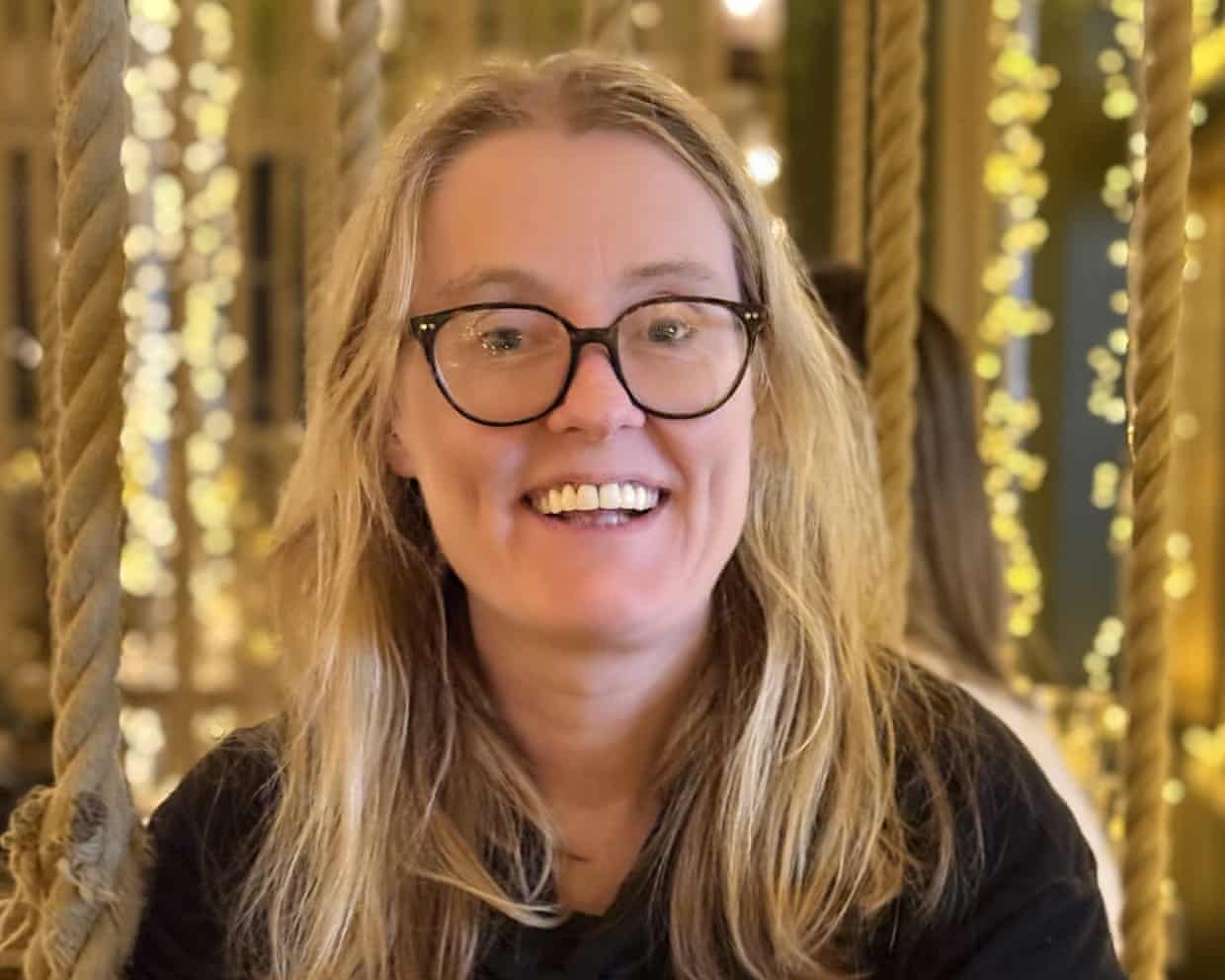
A family is calling for wholesale reform of the gambling industry after an inquest heard details of the life and death of Ellen Mulvey, a “generous and caring” woman with a high-flying City job who also had a secret addiction.Mulvey’s family believe she lost hundreds of thousands of pounds gambling without their knowledge, first via mainstream operators and then on unlicensed platforms.An inquest heard that the 44-year-old took her own life and was declared dead at Macclesfield district general hospital on 7 November. Before she died, Mulvey wrote a note saying: “Addiction is the worst disease ever.”At work, Mulvey was the managing director of a global financial recruitment firm based in London

UK spring sunshine prompts warnings over unsafe fake designer sunglasses
While many will be enjoying the spring sunshine, experts have cautioned against wearing fake designer sunglasses, warning they could do more harm than good.As the College of Optometrists notes, sunglasses not only protect the eyes against glare on sunny days, but can also shield them from harmful ultraviolet (UV) light.That’s important because UV rays have been linked to a number of eye conditions. In the short term, for example, they can cause a temporary but painful condition called photokeratitis – essentially a “sunburn” on the cornea, which sits at the front of the eye.In the longer term, UV exposure is associated with the development of early-onset cataracts, non-cancerous growths on the cornea known as pterygia, some types of eyelid cancer, and potentially even age-related macular degeneration, which can lead to sight loss
Home blood pressure checks could reduce risks after hypertensive pregnancy
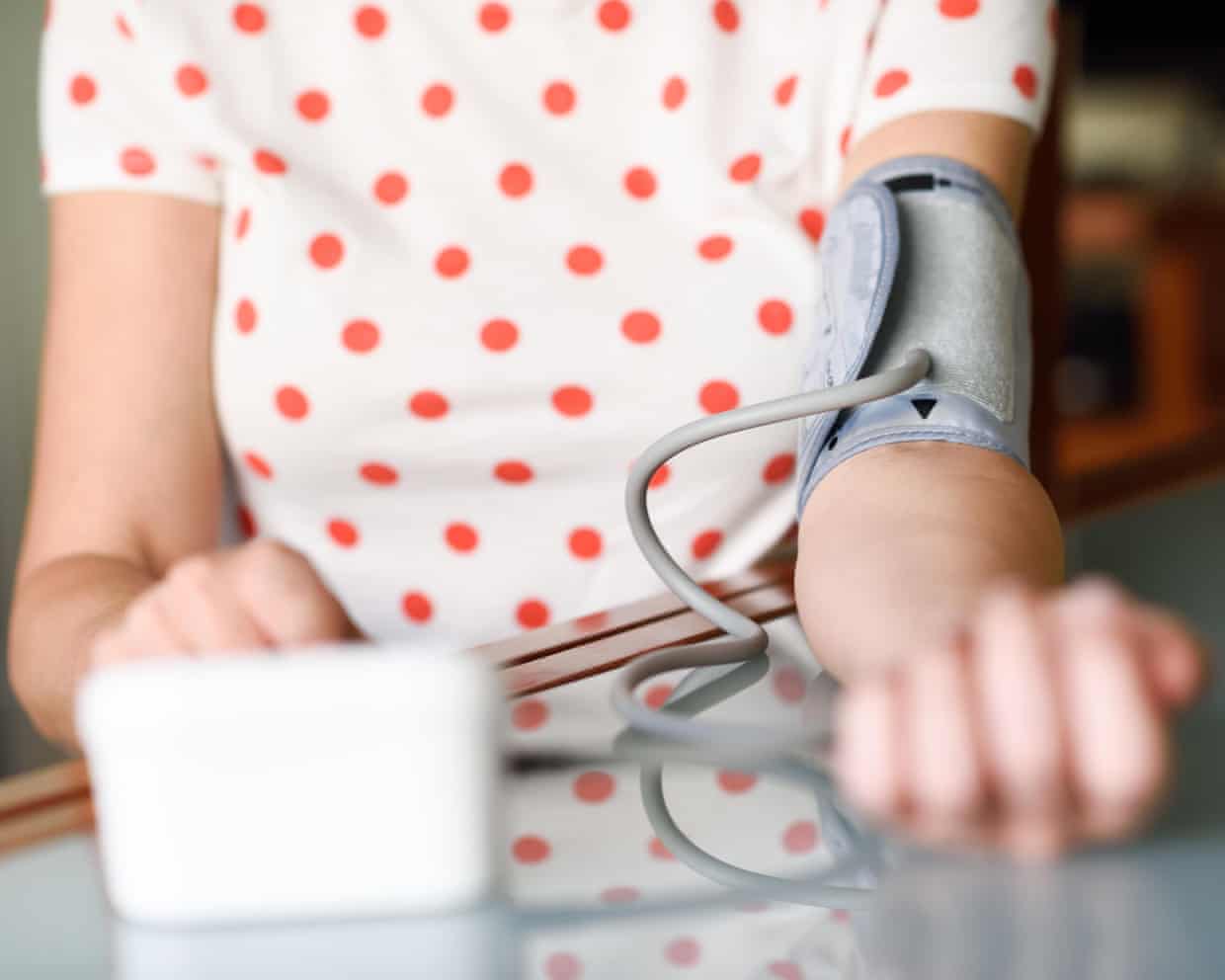
New mothers who had hypertension in pregnancy could reduce their risk of heart attack, stroke and potentially early death through daily blood pressure checks at home, research suggests.Women who regularly monitored their blood pressure in the weeks after giving birth, and had doctors tailor their medication if needed, had better functioning arteries nine months later than those who received routine care, scientists found.When the medication was adjusted to account for blood pressure changes, the women ended up with less stiff arteries, an effect that researchers at the University of Oxford estimate could reduce the future risk of heart attack or stroke by 10%.Paul Leeson, a professor of cardiovascular medicine who led the study, said the findings suggested that the weeks after birth provided a “powerful and often overlooked opportunity” to protect women’s future health.“By simply monitoring blood pressure at home, new mothers with hypertensive pregnancies can protect their bodies from future damage,” he said
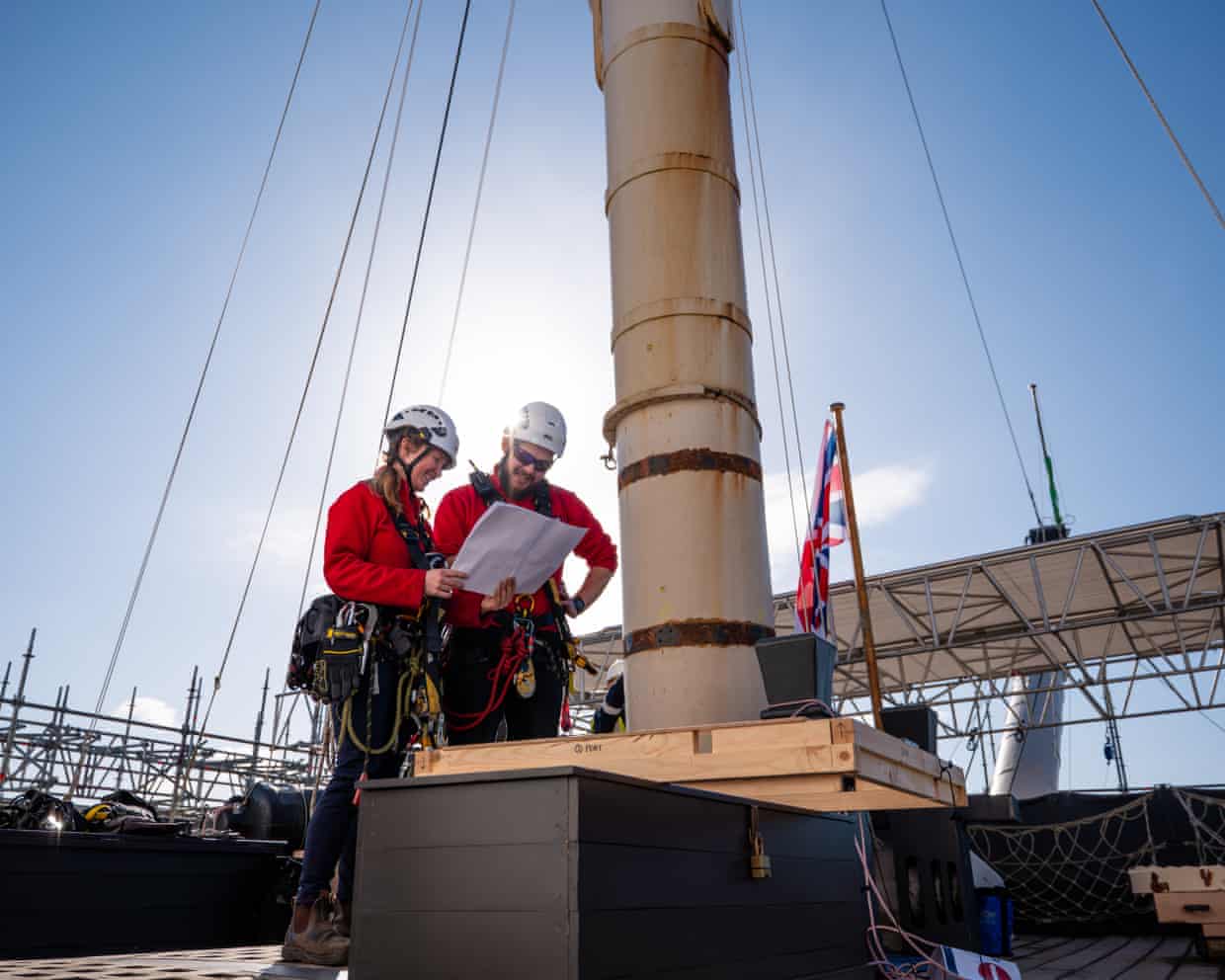
‘Protected for another century’: experts lift 15-tonne foremast from HMS Victory
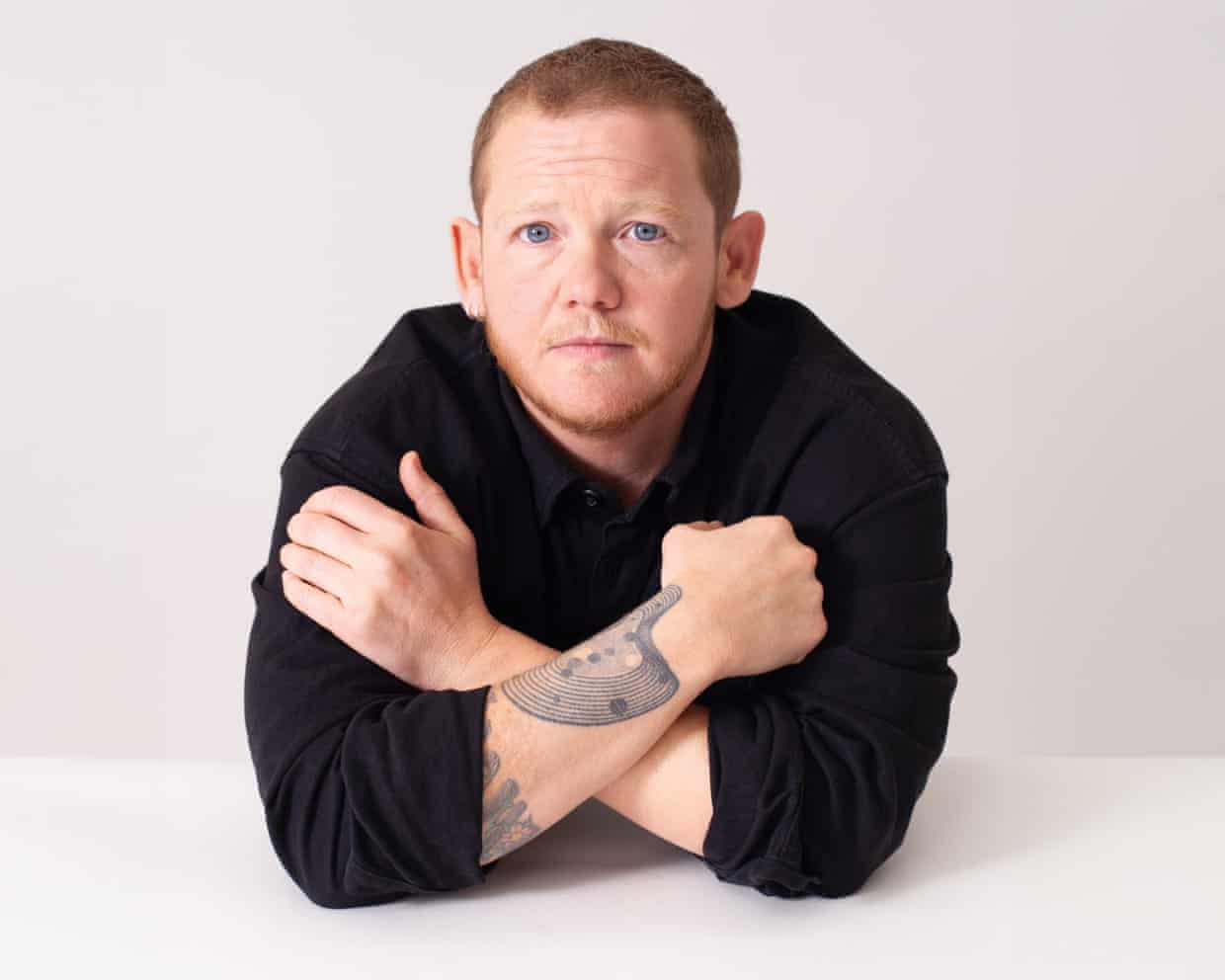
Having Spent Life Seeking by Kae Tempest review – painfully earnest tale of trauma and transition
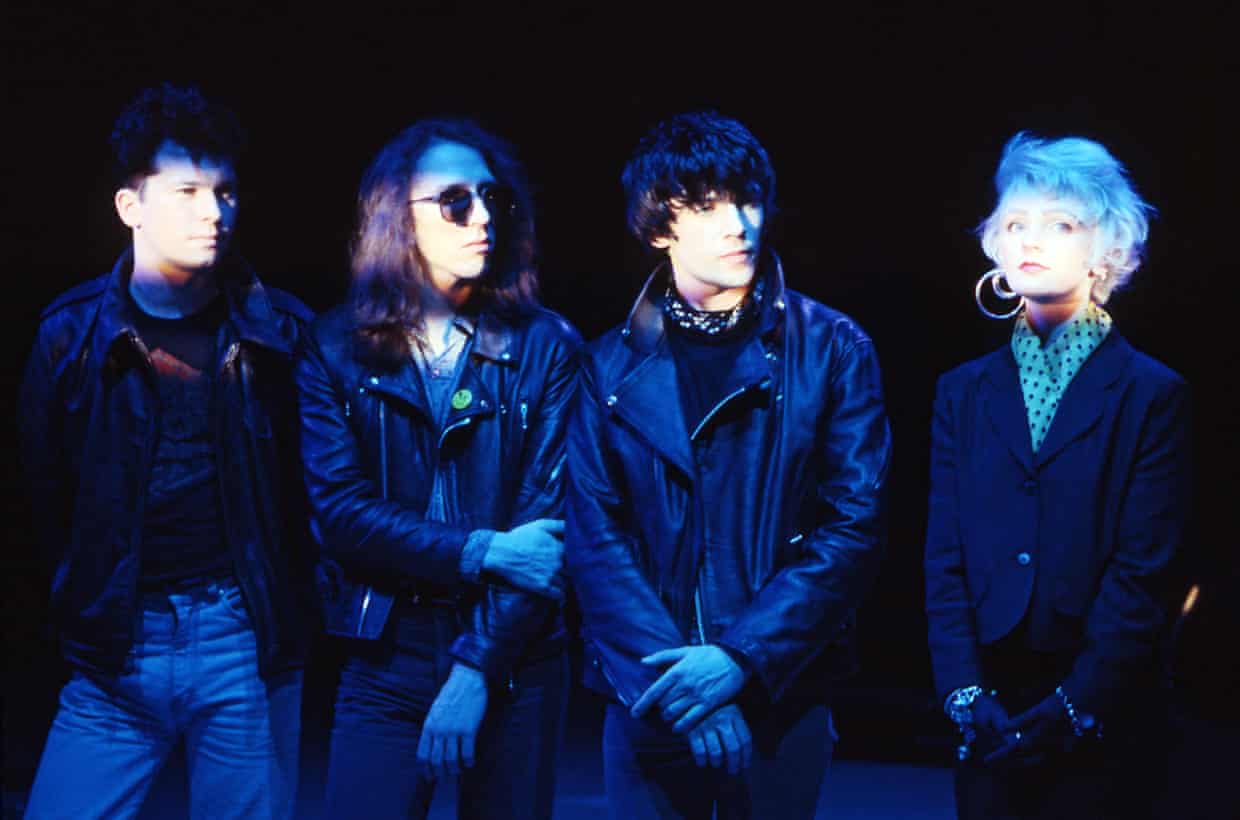
The Primitives: ‘A reviewer said that Crash would finish the band. Then it was in Dumb and Dumber’
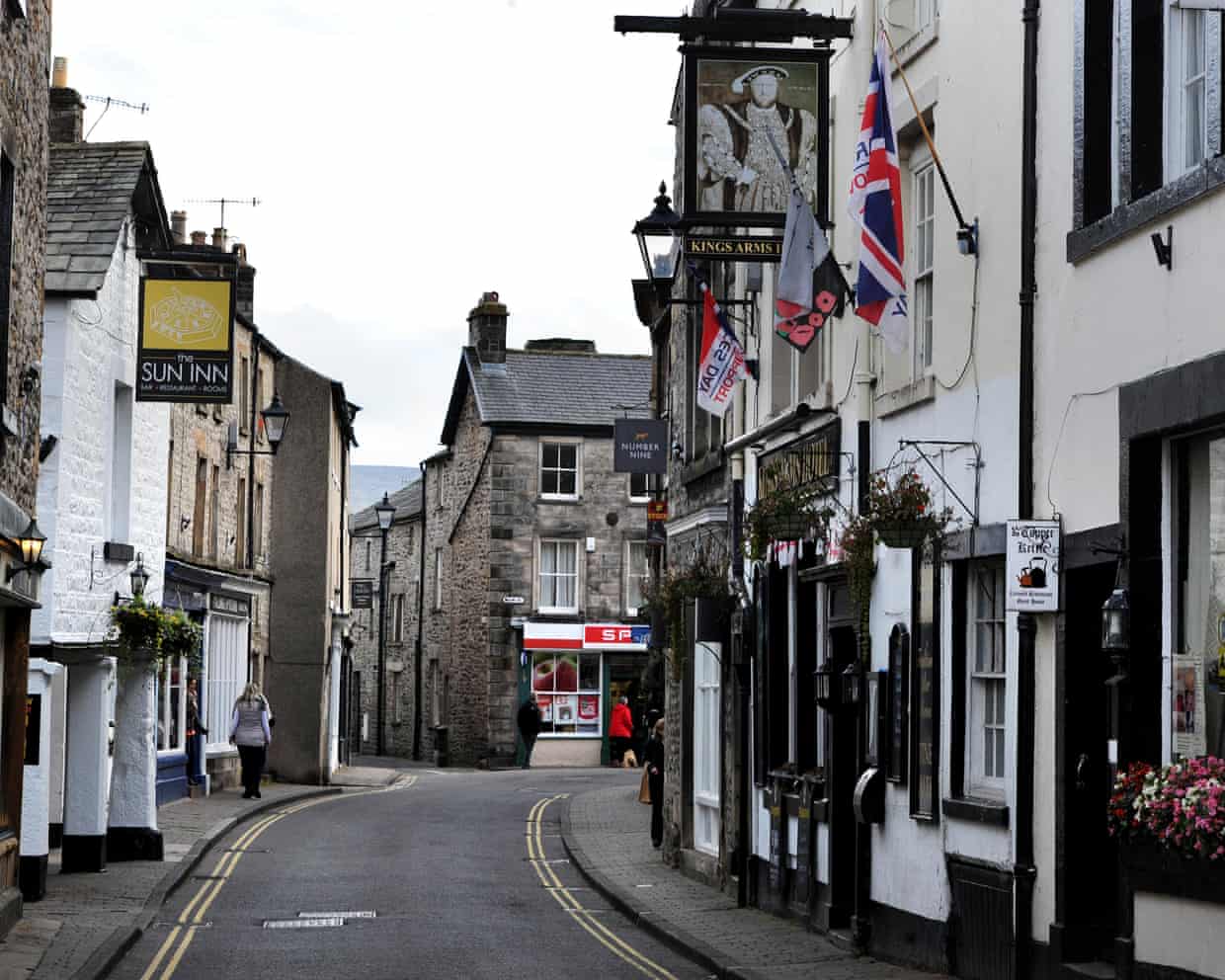
Arts funding gap in the north must be closed | Letters
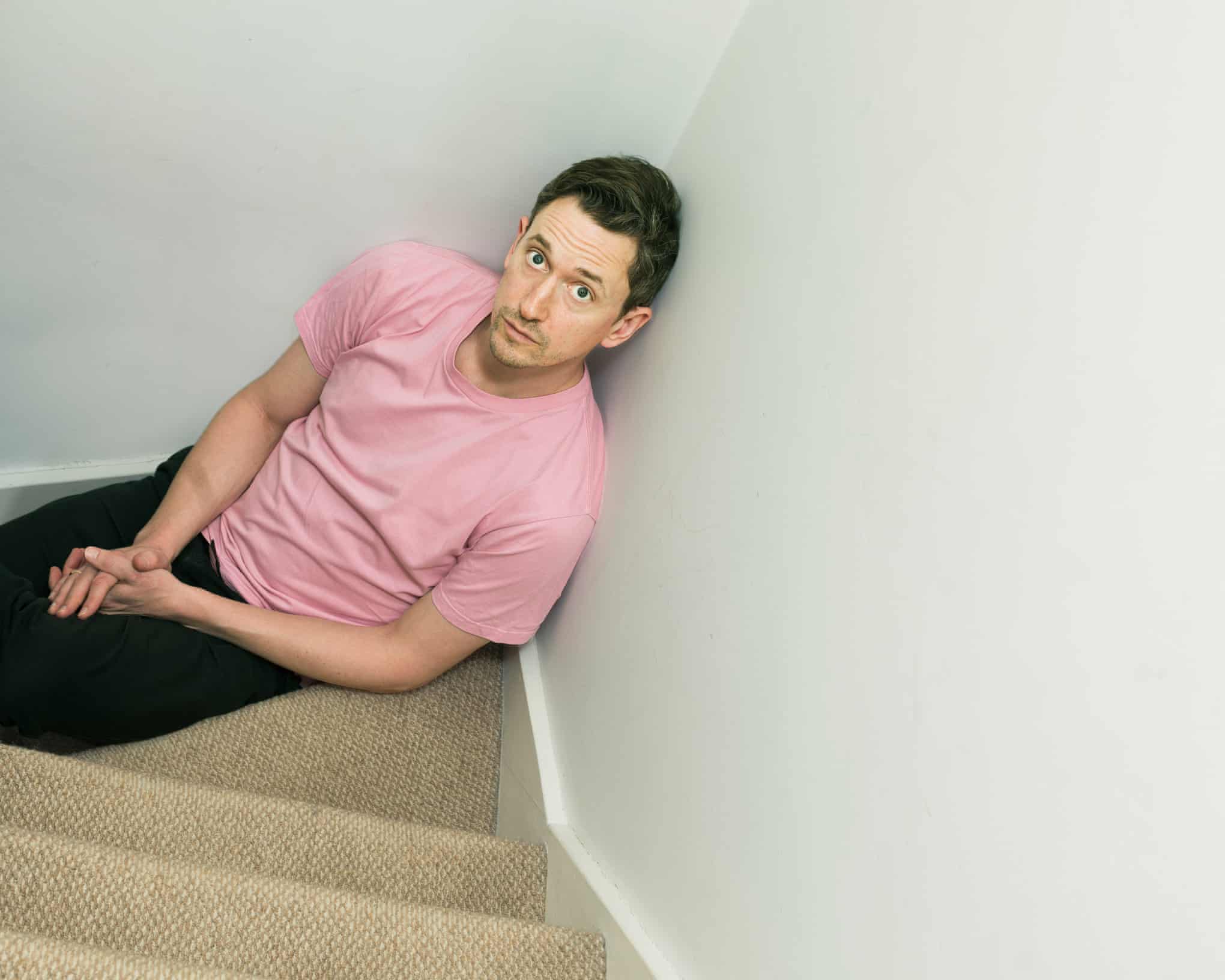
‘I wanted alcohol to take me to a place where I was not’: comedian John Robins on the moment he realised he had a drinking problem
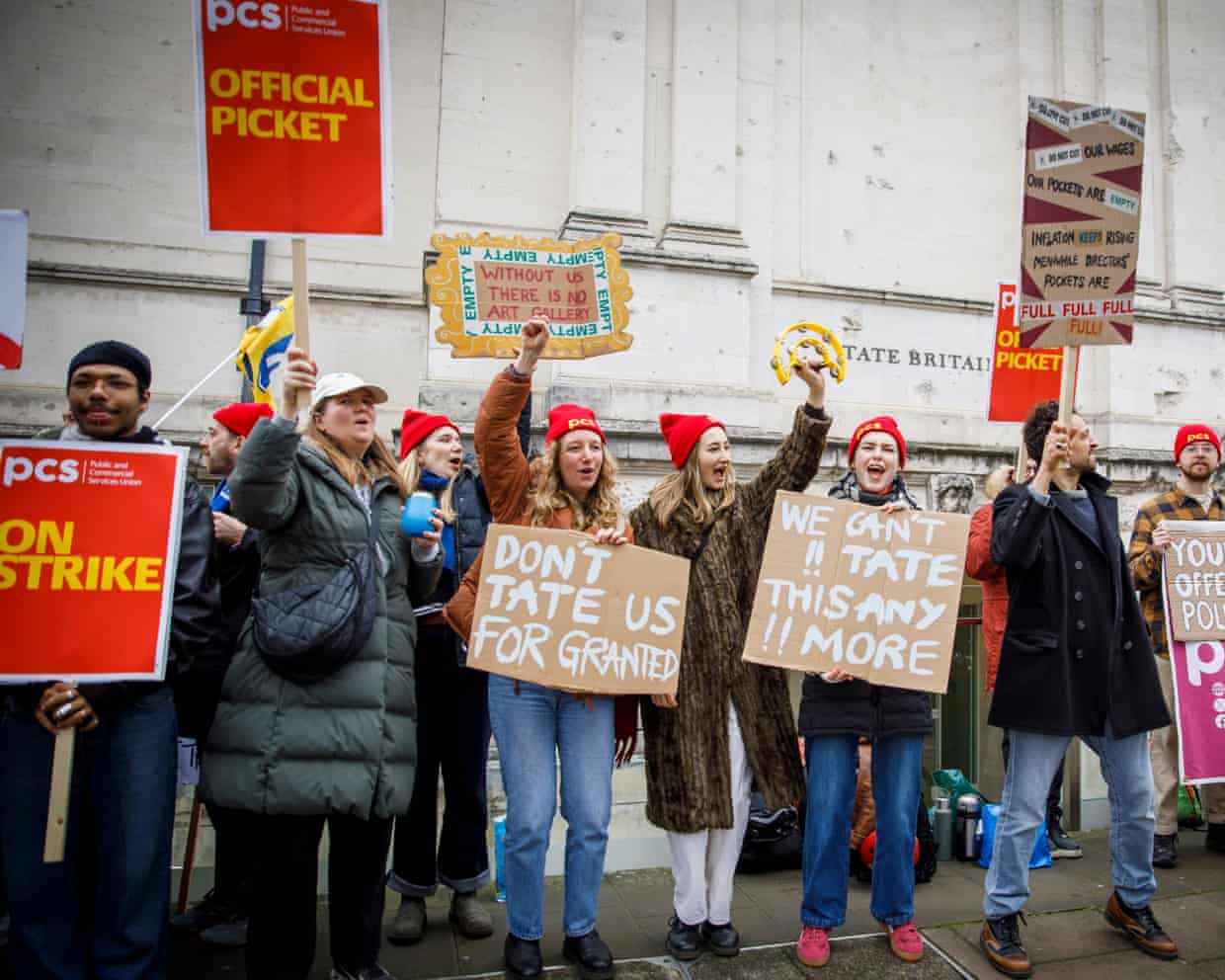
Tate at a turning point: new director must confront unwieldy ‘beast’ of an art institution