Mysterious Lake District barn joins national treasures on heritage list
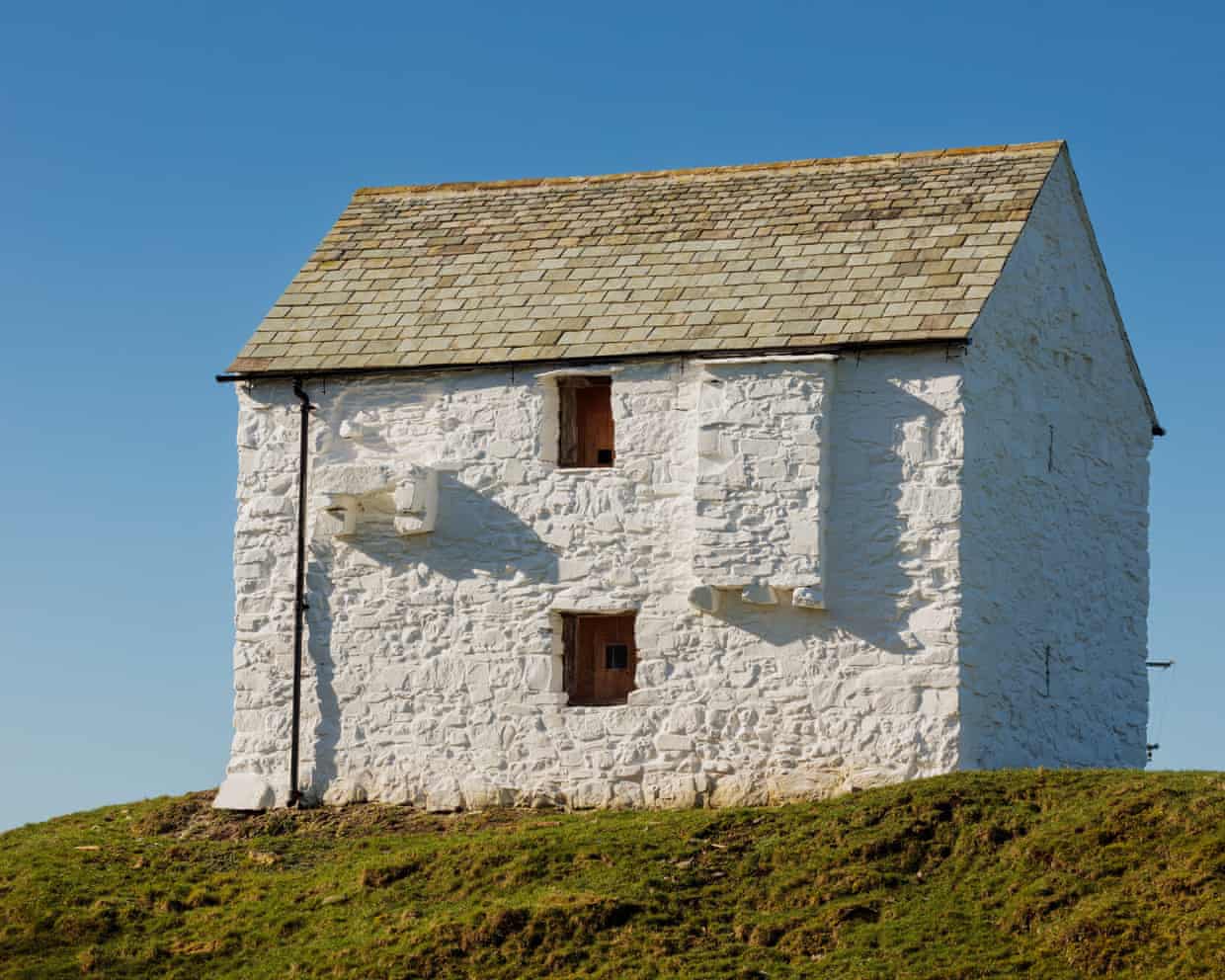
It is an elite list with some of the most significant and beautiful buildings and structures in England, including Battersea power station, Middlesbrough’s Transporter Bridge and the London Coliseum.Now the Grade II* landmarks are being joined by a mysterious, limestone rubble “barn” on a grassy knoll in the Lake District, which was most recently used as a shelter for sheep and cows.The Department for Culture, Media and Sport said it was awarding listed status to a building known as Henry’s Castle on the advice of Historic England.Only 5.8% of listed buildings are at grade II* level, meaning they offer “more than special interest”.
Research has revealed that Henry’s Castle has the hallmarks of a high-status building and could date back as far as the 14th century,It has been used as a field barn but what its original purpose was is not known,“Henry’s Castle is one of those rare buildings that raises more questions than it answers,” said Sarah Charlesworth, Historic England’s listing team leader,“This mystery is part of what makes it so compelling,”Rose Lord, built environment adviser at the Lake District national park authority, visited the building in 2022 and, despite its layers of animal manure, knew it was something “very special – I could tell it was definitely more than just a field barn”.
A corbelled (stepped) chimneystack and corbelled garderobe “even in their deteriorating state” suggested there was more to the barn than met the eye, she said,“The inside was plastered and limewashed and you could tell there had been a fire inside … the whole arrangement of fireplaces, windows, doors was something way different to anything I had ever seen,”Archaeologists, architects and conservation engineers have undertaken four years of work to rescue and repair the building,Its most remarkable feature is the oak roof structure – “a precisely hand-finished, chamfered and pegged central truss of a type associated with high-quality carpentry of the 14th or 15th centuries”,Theories on what role it had include being some sort of lookout dwelling with a defensive purpose.
“Was it a hunting lodge for a deer park?” said Lord,“It could have been a very fancy, glamorous summer house that someone used sporadically,”Historic England said that it shared characteristics with bastles – fortified farmhouses common to the Anglo-Scottish borders and built to protect farming families and their livestock from raiders,But, nestled in a valley near Kendal, a half-hour walk from the village of Underbarrow, Henry’s Castle is too far south of the borders to be classified as a bastle,In the 16th or 17th century it was converted to domestic use and by the 19th century it had become a field barn.
It gets its name from a farmer, Henry Willison, who once owned it.Lord said getting such a high listing was the “cherry on the cake” for what had been a “very rewarding” restoration project.“Most buildings which are that significant have already been picked up in previous surveys,” she said.Interpretation panels are to be installed in the coming weeks and a box has been installed in the hope of encouraging owls to set up home

Iran war escalation could trigger global recession, IMF warns
A further escalation in the Iran war could trigger a global recession that would affect the UK more than any of the other G7 nations, the International Monetary Fund has warned.Against an increasingly volatile backdrop, the Washington-based fund said the economic damage from the Middle East conflict was steadily rising as it cut its growth forecasts for 2026 based on the impact of the war so far.In its half-yearly update, the IMF said the UK would suffer the sharpest growth downgrade and joint highest inflation rate in the G7 this year, even if the fallout from soaring energy costs can be contained by the middle of 2026.However, under a worst-case “severe scenario”, involving a drawn-out war and persistently higher energy prices, it said the world would face “a close call for a global recession” for only the fifth time since 1980.The IMF’s warning prompted the UK chancellor, Rachel Reeves, into the British government’s harshest rebuke yet to President Trump
South East Water chief executive to forgo his bonus over ‘unacceptable outages’
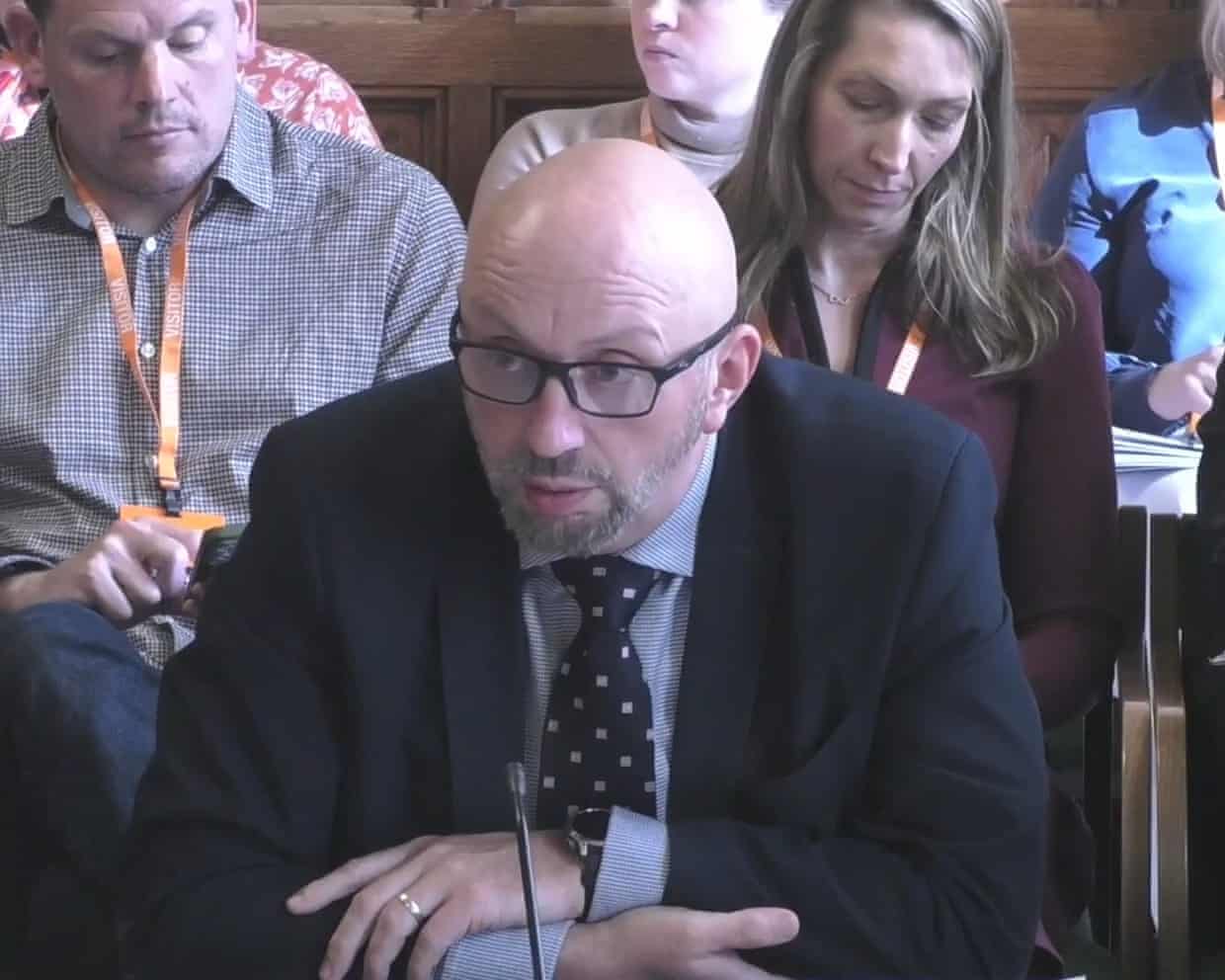
The chief executive of South East Water has said he will forgo his bonus in an act of penitence for “unacceptable outages” that left thousands of customers in Kent and Sussex without water.David Hinton told MPs on the environment, food and rural affairs select committee that he had decided not to accept an additional “performance payment” this year. Instead, he will receive only his £400,000 salary.In a statement released after his appearance in parliament on Tuesday, Hinton apologised to customers, half of whom in one town were now stockpiling bottled water in anticipation of future incidents, MPs also heard.South East Water customers in Tunbridge Wells faced significant supply disruptions in November and December

China now the ‘good guy’ on AI as Trump takes ‘wild west’ approach, MPs told
China is now the “good guy” on AI rather than Donald Trump’s US, where the technology is being pursued in a dangerous “wild west” manner, a former UN and UK government adviser has told MPs.Prof Dame Wendy Hall, who was a member of the UN’s AI advisory board and co-wrote a review of AI for Theresa May’s government, told the House of Commons business and trade committee that China was backing multinational attempts to introduce global governance of AI, in contrast to America, which had set up a race between profit-hungry companies that relied on hype.“China is doing some amazing work in AI, and in fact, at the moment they’re acting as the good guys because the US is totally against any regulation and talk about global governance,” said Hall, who is director of the Web Science Institute at the University of Southampton. “It’s all Maga. It’s all: we’re going to win at all costs

Bosses say AI boosts productivity – workers say they’re drowning in ‘workslop’
Ken, a copywriter for a large, Miami-based cybersecurity firm, used to enjoy his job. But then the “workslop” started piling up.Workslop is an unintended consequence of the AI boom. It’s what happens when employees use AI to quickly generate work that seems polished – at least superficially – but is in fact so flawed or inaccurate that it needs to be heavily corrected, cleaned upor even completely redone after it’s passed on to colleagues.For Ken, the problem started after his company’s CEO laid off several of his colleagues and mandated that remaining workers use AI chatbots, saying it would boost their productivity

Javokhir Sindarov earns world chess title shot with stunning Candidates win
Javokhir Sindarov will challenge for Gukesh Dommaraju’s world chess championship this fall after clinching the Candidates tournament with a game to spare on Tuesday afternoon in Cyprus.The 20-year-old Uzbek grandmaster closed out an emphatic victory in the 14-game double round-robin with a tame 58-move draw playing with the black pieces against Dutch star Anish Giri, moving to 9½ points and leaving the world No 9 two adrift with one round remaining.“After he exchanged queens [20 Qxa6] ..

Welcome to The Hotspot, our new newsletter on sport’s relationship with the climate crisis
We delve into the best stories on how sport is changing around the climate crisis, and what can be done to navigate a way forwardTo subscribe to The Hotspot, just visit this pageNelson Mandela said: “Sport can create hope where once there was only despair.” Too optimistic? In 2026, almost certainly. Sport is still a common language, uniting unlikely groups like an all-powerful Esperanto, but it is in trouble.The pitches we play on, rivers we swim, seas we surf, mountains we climb, parks we run in, air we breathe – all are being degraded by the burning of fossil fuels as the climate crisis turns the sporting landscape upside down.Which is why The Hotspot, the Guardian’s new fortnightly newsletter on sport and the climate crisis, is here
Jamie Dimon says private credit defaults are not threat to major banks
United Airlines CEO reportedly pitched merger with American, sparking competition fears
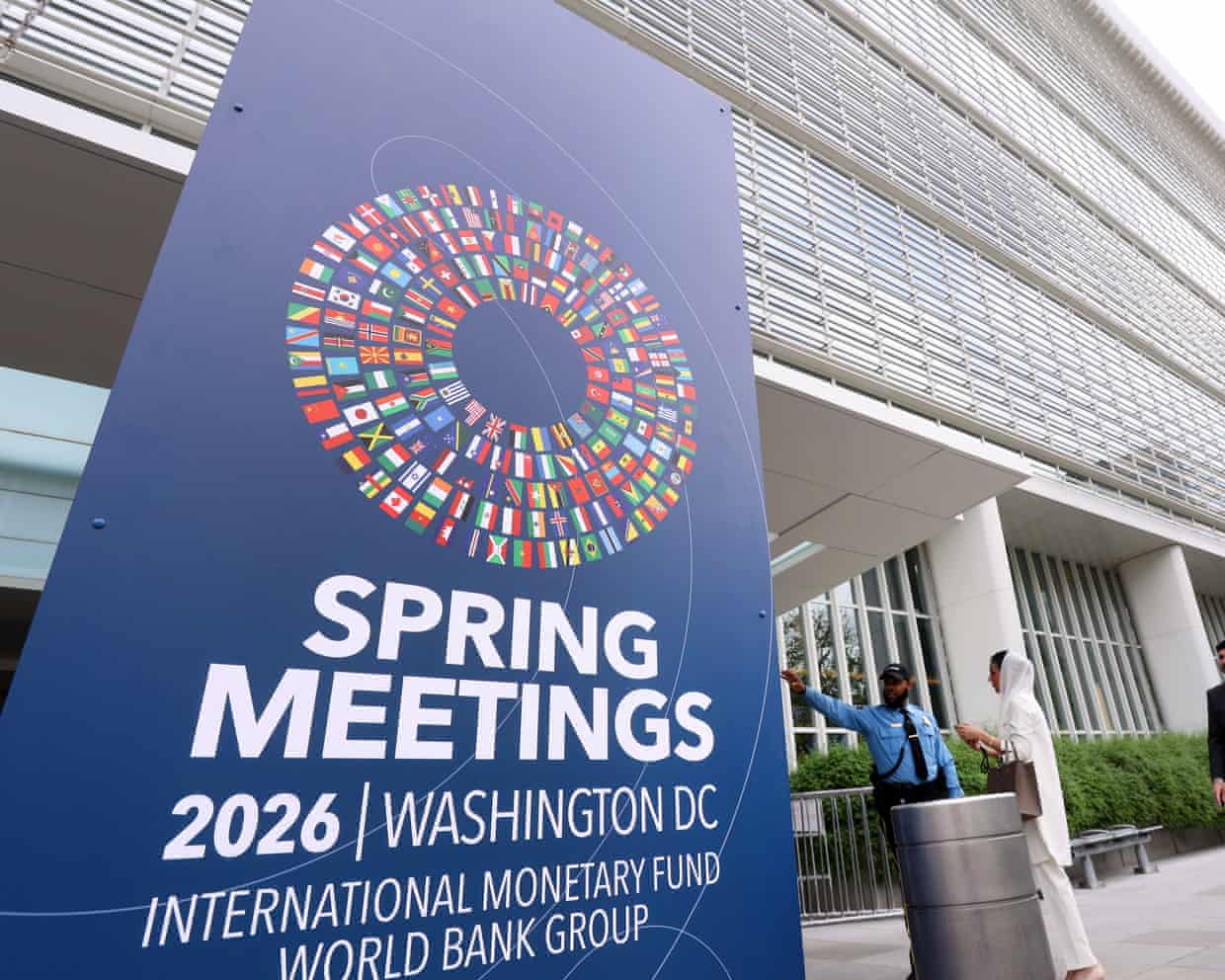
UK growth forecasts slashed by IMF as Iran war hurts global economy – as it happened
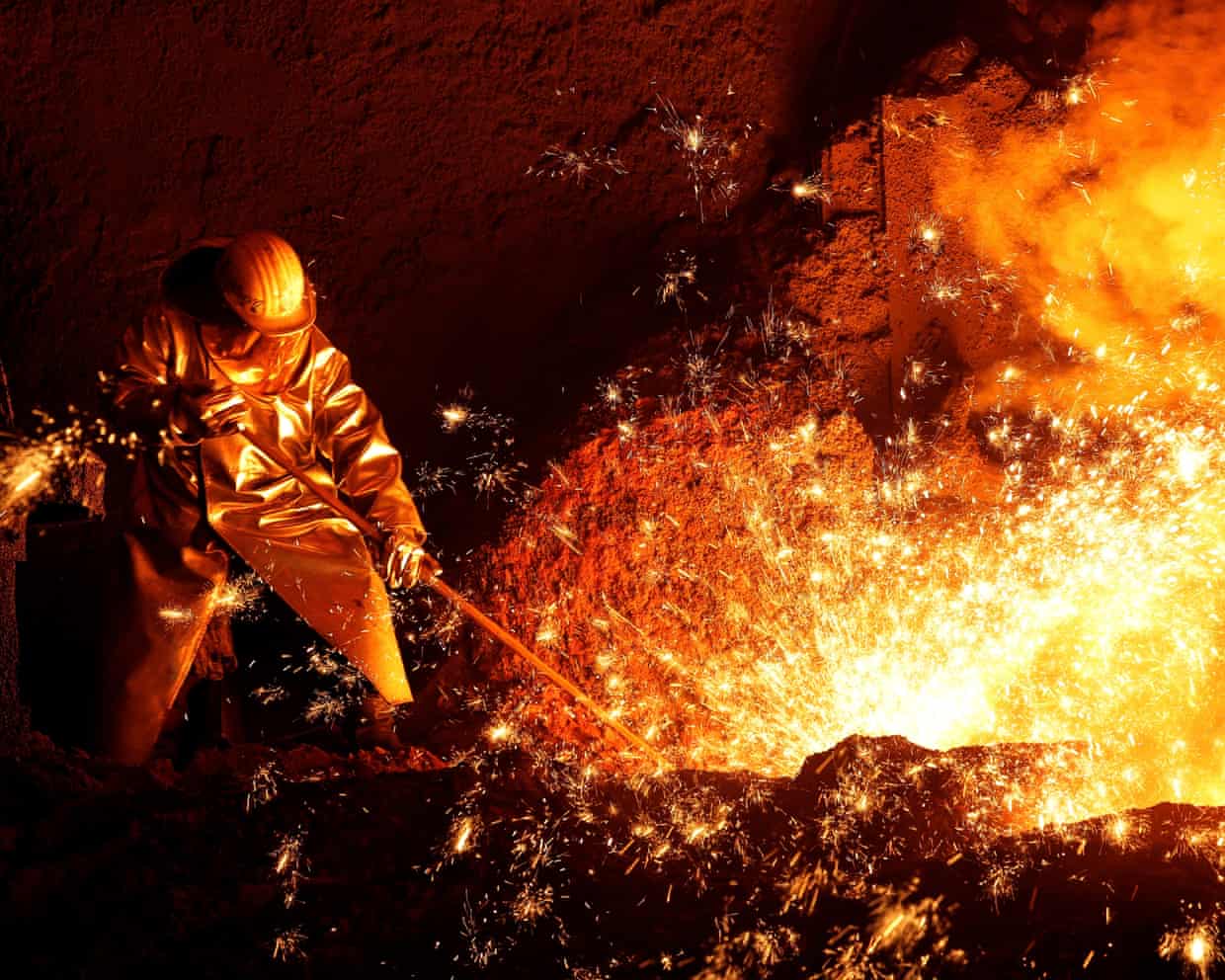
UK steel exports to EU at risk as bloc doubles tariffs and halves quotas
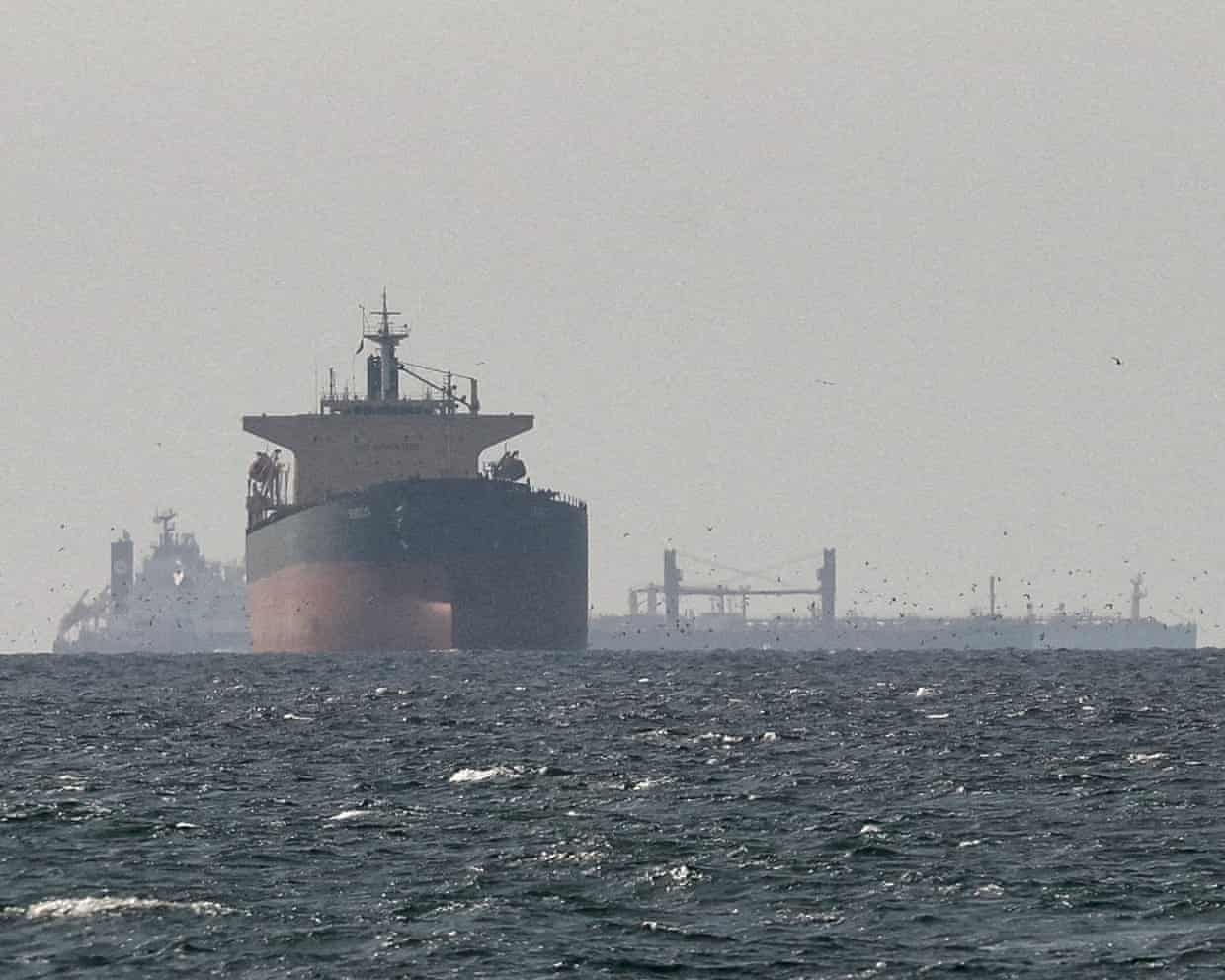
IMF warns ‘unprecedented’ energy crisis could trigger global recession as Australia prepares for G20 fuel talks

Nissan turnaround plan pins hopes on ‘AI-defined vehicles’