Welcome to The Hotspot, our new newsletter on sport’s relationship with the climate crisis
We delve into the best stories on how sport is changing around the climate crisis, and what can be done to navigate a way forwardNelson Mandela said: “Sport can create hope where once there was only despair.” Too optimistic? In 2026, almost certainly.Sport is still a common language, uniting unlikely groups like an all-powerful Esperanto, but it is in trouble.The pitches we play on, rivers we swim, seas we surf, mountains we climb, parks we run in, air we breathe – all are being degraded by the burning of fossil fuels as the climate crisis turns the sporting landscape upside down.Which is why The Hotspot, the Guardian’s new fortnightly newsletter on sport and the climate crisis, is here.
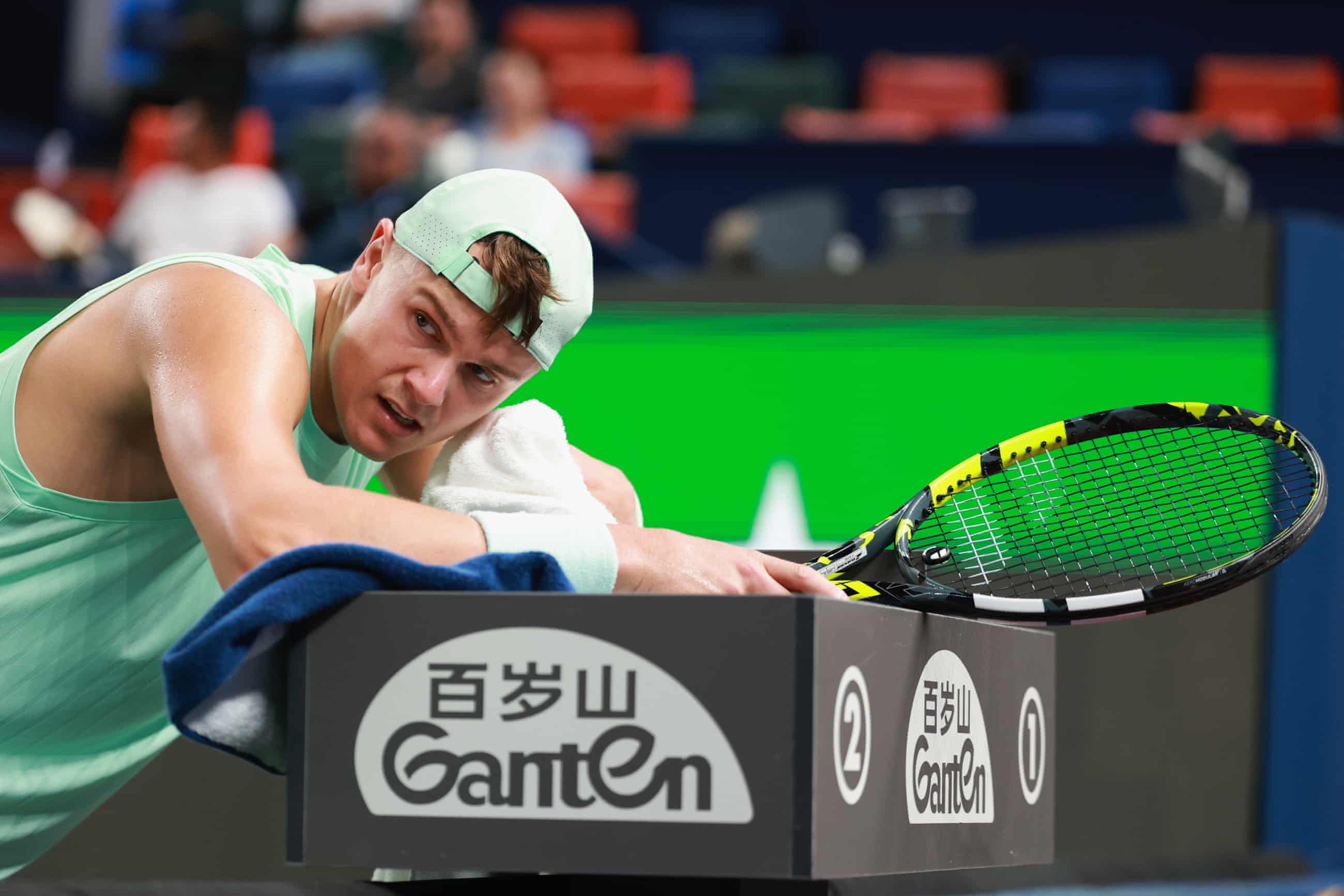
But we want to do something more than tell you how sport is changing or about to be changed, though we’ll be getting our hands dirty covering that too,We hope to find the best stories and navigate a way forward, inching past the turnstiles, through the mud,All over the globe, extreme weather has wiped out competitions and made grounds unplayable through flooding or storms or wild fires,Increased heat and air pollution puts grassroots and pro athletes at risk – take your pick from heat exhaustion and heatstroke in one hand, asthma and cardiovascular disease in the other,Tennis player Holger Rune summed things up nicely during the Shanghai Masters last year, when he asked an official: “Do you want a player to die on court?” High pollution and crazy temperatures also increase the risk of injury and reduce performance.
Officials and spectators suffer too.Sports in climate vulnerable countries bear a higher risk.“We have to play on the pitch as it is, not as you would like it,” said Mia Mottley, the Barbados prime minister.But richer countries and sports bodies look away.The writer David Goldblatt has estimated that sport has a carbon footprint the size of a small- or medium-sized country, somewhere between Cuba and Poland.
It talks the talk, but ever expands, eyes greedy for growth: bigger, fatter, richer.Its sparkling laundry effect attracts dollars from despots and fossil fuel companies alike – who follow in the ashy footsteps laid by the tobacco industry.The 2024 report “Dirty Money” by the New Weather Institute suggested that a combination of state-owned and private fossil fuel companies were spending at least $5.6bn (£4.2bn) on sponsorship of global sport, across 205 active deals.
The recent Winter Olympics at Milan Cortina (where they had to pump water from faltering rivers to make fake snow) was sponsored by oil company Eni; while this summer’s men’s football World Cup, dubbed the most polluting ever by Scientists for Global Responsibility, who estimate that GHG emissions are up 92% from a typical tournament in 2010-2022, will be plastered with advertisements for Aramco, the word’s largest corporate greenhouse gas emitter.Fans haven’t taken all this lying down.Of course not, sport is the great catalyst, dispatching you for a run on a damp November evening and waking you at 2am to watch the Ashes.From Surfers Against Sewage to Fossil Free Football, FrontRunners to Protect Our Winters (and many more),grassroots organisations have sprung up to fight back.Individual clubs, like Forest Green Rovers, individual athletes, like Australian men’s cricket captain Pat Cummins, stand up and speak out.
Clubs, like Fillongley CC, shown in the UK pavilion at Cop30, plant for nature.Sports are connecting with alternative sponsors – Northern Rail have linked up with Rugby’s Super League, cricket with (Bank Green approved) Metrobank.Oxford United’s limited-edition shirt features an interpretation of John Ruskin’s “Study of a Wild Rose” to mark the opening of a new exhibition at the Ashmolean museum: “How Plants Changed Our World.” But there is so much more fan capital to be utilised, so much geeky data to deep dive – a sure-fire recipe for a sports fan’s and scientist’s love-in.Sport knows how to come from behind – it is its favourite thing.
The planet needs that last-second scrambled winner.We’d love to hear from you.Please send your letters, ideas or prompts to thehotspot@theguardian.com.Katharine Hayhoe’s suggestion that hairdressers are the secret weapon in climate conversation.
Next, climate bonding in the dressing room?A powerful op-ed by Frank Huisingh of Fossil Free Football.BBC Radio 4’s Rare Earth team asking how big is too big when it comes to sport, featuring a thoughtful front three of Claire Poole, CEO of Sport Positive, footballer Morten Thorsby and professor Peter Frankopan.‘From the ground up’ – how Black Country volunteers are tackling the highest levels of inactivity in EnglandOne way to save the World Cup from the likes of Putin and Trump: decentralise itDrone racing to drone strikes: have war and sport become indistinguishable?German mayors want a ban on robot lawnmowers to protect hedgehogsNew North Sea drilling would make almost no difference to UK gas imports, experts sayHow Paris swapped cars for bikes and remade its streetsI spent the first four days of the English cricket season at Grace Road, an old-style cricket ground tucked into a suburb of Leicester.It doesn’t have the razzmatazz of a stadium, but does have homemade cakes and dozens of trees lining its sides – willow, birch, horse chestnut and more, about to burst into catkin and blossom.As well as housing birds (including woodpeckers) and insects, they bring shade, calm and happiness to spectators.
Is there a better calling card?
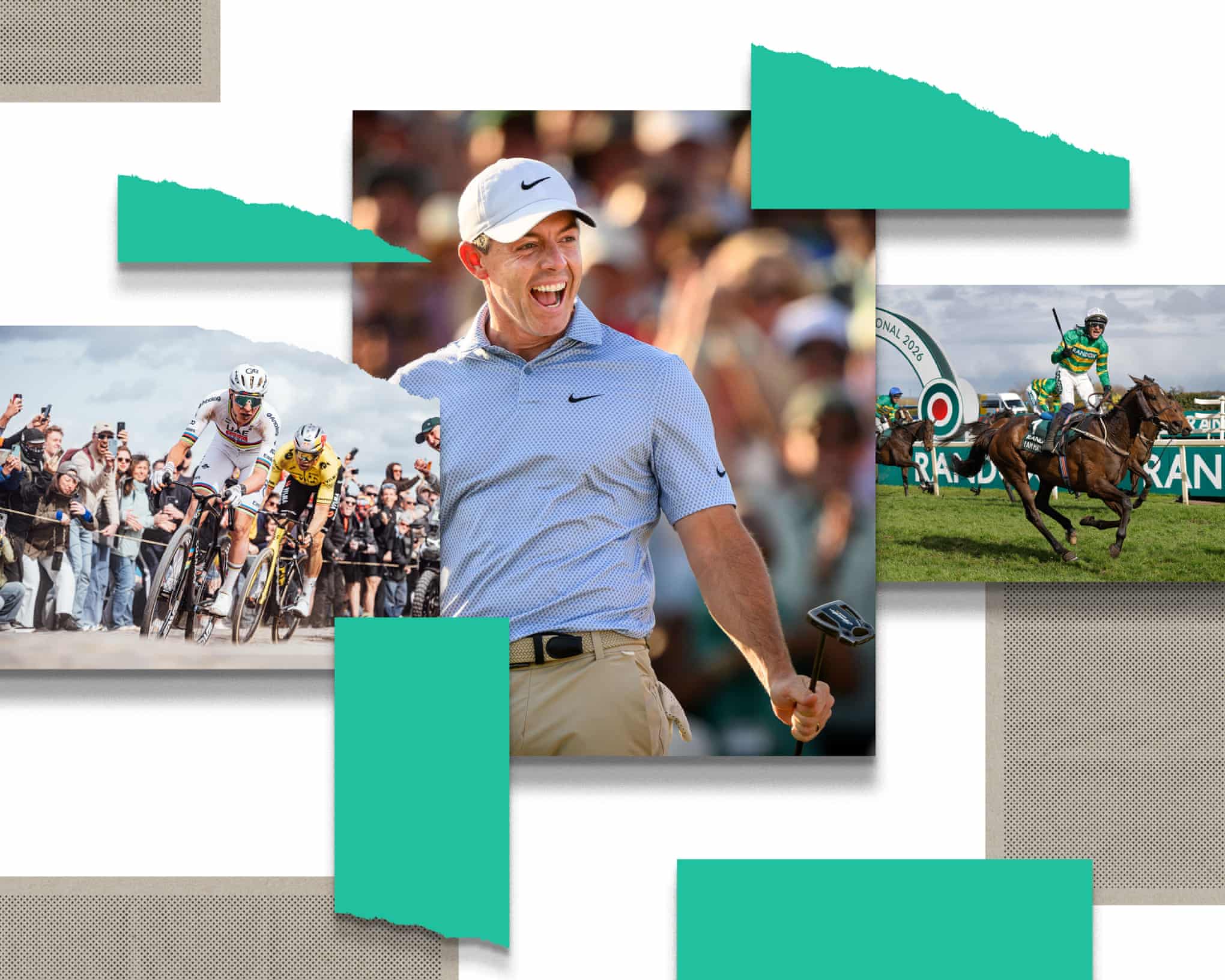
The Masters, the Premier League run-in, the National: is there a better sporting month than April? | Sean Ingle
The thought struck me on the last rattler back from the Grand National, as Avanti’s wifi faltered somewhere outside Crewe and the Masters stream on my phone froze yet again. I was watching the world’s best golf tournament, on a train journey back from the world’s greatest steeplechase, having seen the best football match of the season – Real Madrid against Bayern Munich – earlier in the week. Is there a better month in the sporting calendar than April?Augusta always delivers. Club football hits peak levels of drama and jeopardy. Then there is Aintree, Paris-Roubaix, the start of the County Championship cricket season and the World Snooker Championship
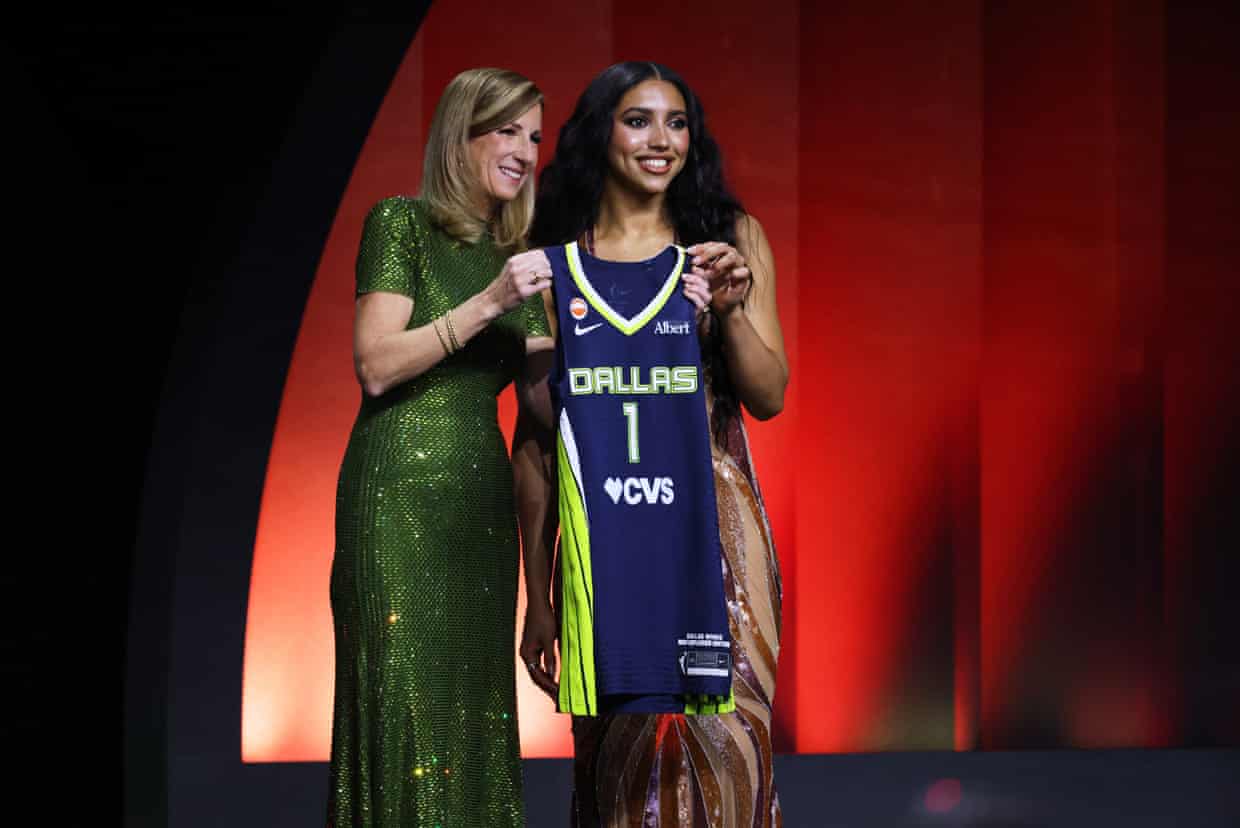
Azzi Fudd taken first in WNBA draft by Dallas Wings in UConn reunion with Paige Bueckers
Azzi Fudd was selected by the Dallas Wings with the first pick of the WNBA draft on Monday night, capping a 12-month ascent from NCAA champion to the top overall choice and setting up a reunion with former University of Connecticut teammate Paige Bueckers.The 5ft 11in guard, who led UConn to last year’s national title and was named the Final Four’s Most Outstanding Player, is the seventh player from the program to go No 1. Bueckers, the top selection by Dallas in the 2025 draft and the reigning WNBA rookie of the year, watched Fudd’s name called from a sold-out crowd at the Shed, the $500m cultural center at Hudson Yards on Manhattan’s west side.“I’m not really sure I have words to describe the feeling, what that meant,” Fudd said. “I don’t think it’s fully sunk in
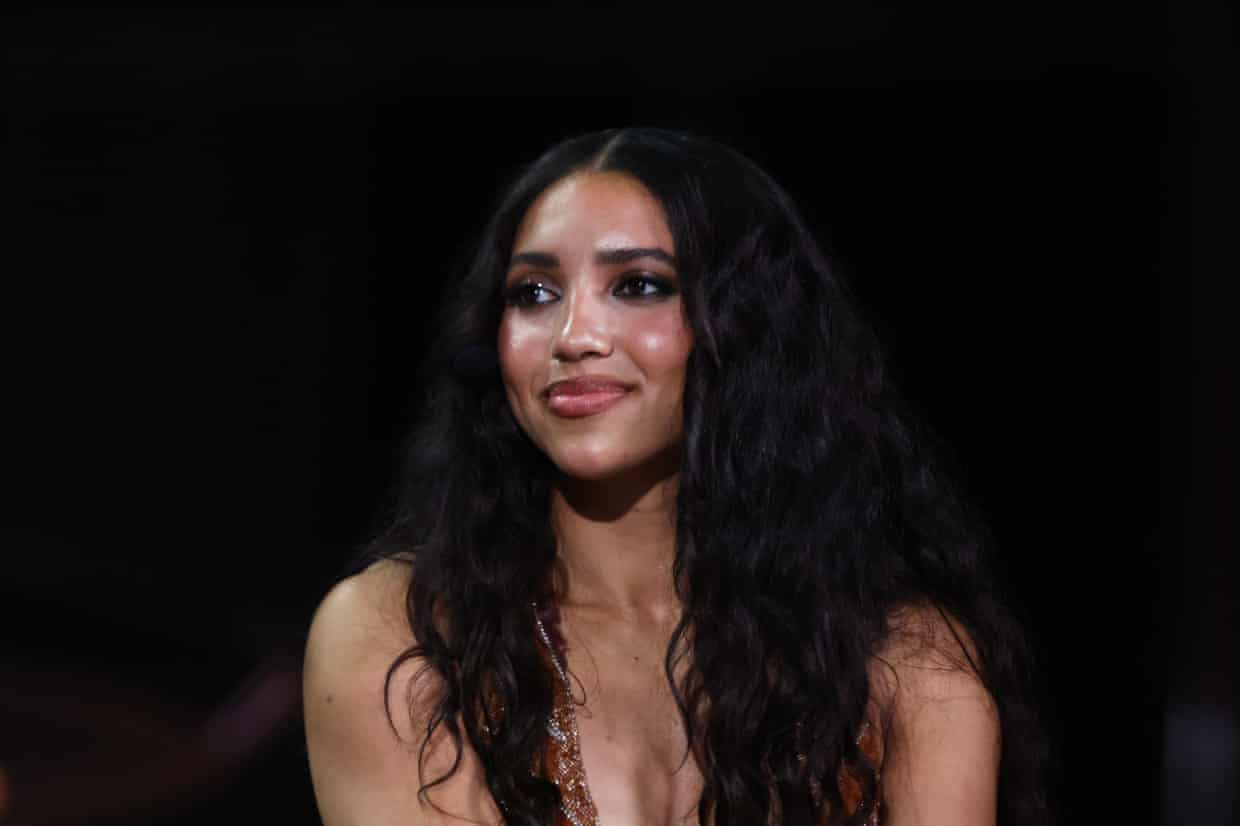
WNBA draft: Azzi Fudd goes No 1, UCLA smash record and Flau’jae Johnson traded – as it happened
And with that, the draft is complete. Thanks for joining me. A big night for No 1 pick Azzi Fudd, the record-setting UCLA Bruins, the Washington Mystics and their six (!) picks, fashion and the future of women’s basketball.With that, all eyes turn to 8 May, the first day of the season. We’ll have an opening-night triple-header: Connecticut Sun v New York Liberty, Washington Mystics v Toronto Tempo, Golden State Valkyries v Seattle Storm
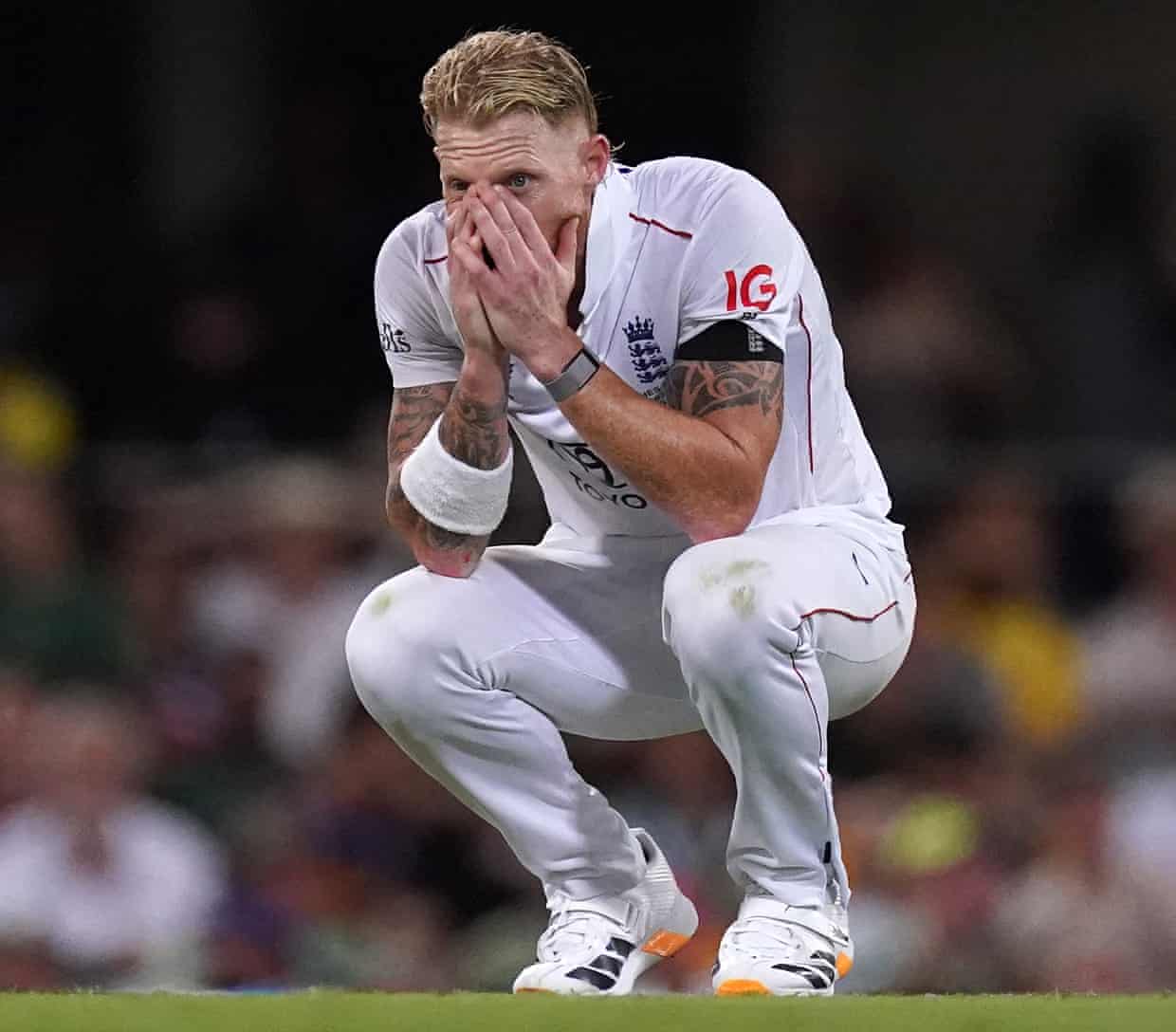
‘Carelessly squandered’: Wisden scolds England’s tumultuous Ashes tour
The latest edition of Wisden is unsparing in its criticism of England’s Test team, describing their Ashes defeat in Australia as a “wing-and-a-prayer” campaign that ended up “feckless, reckless and legless”.Published this Thursday, the sport’s longstanding bible has a strong Indian flavour to its awards. Haseeb Hameed, captain of title-winning Nottinghamshire, is the sole Englishman among the five players of the year, with Shubman Gill, Rishabh Pant, Ravindra Jadeja and Mohammed Siraj recognised for their roles in last year’s memorable 2-2 Test series draw in England.But the nature of England’s 4-1 defeat in Australia – a tour derailed by a poor buildup, lurching tactics, and accusations of an unprofessional approach off the field – leads this year’s notes, with the editor, Lawrence Booth, saying it is “hard to think of a privilege so carelessly squandered, a chance so blithely spurned”.Booth writes: “Much of the misery was self-inflicted: from the paper-thin preparation, via a string of schoolboy dismissals, to the revelation of Harry Brook’s scrape with a nightclub bouncer in New Zealand
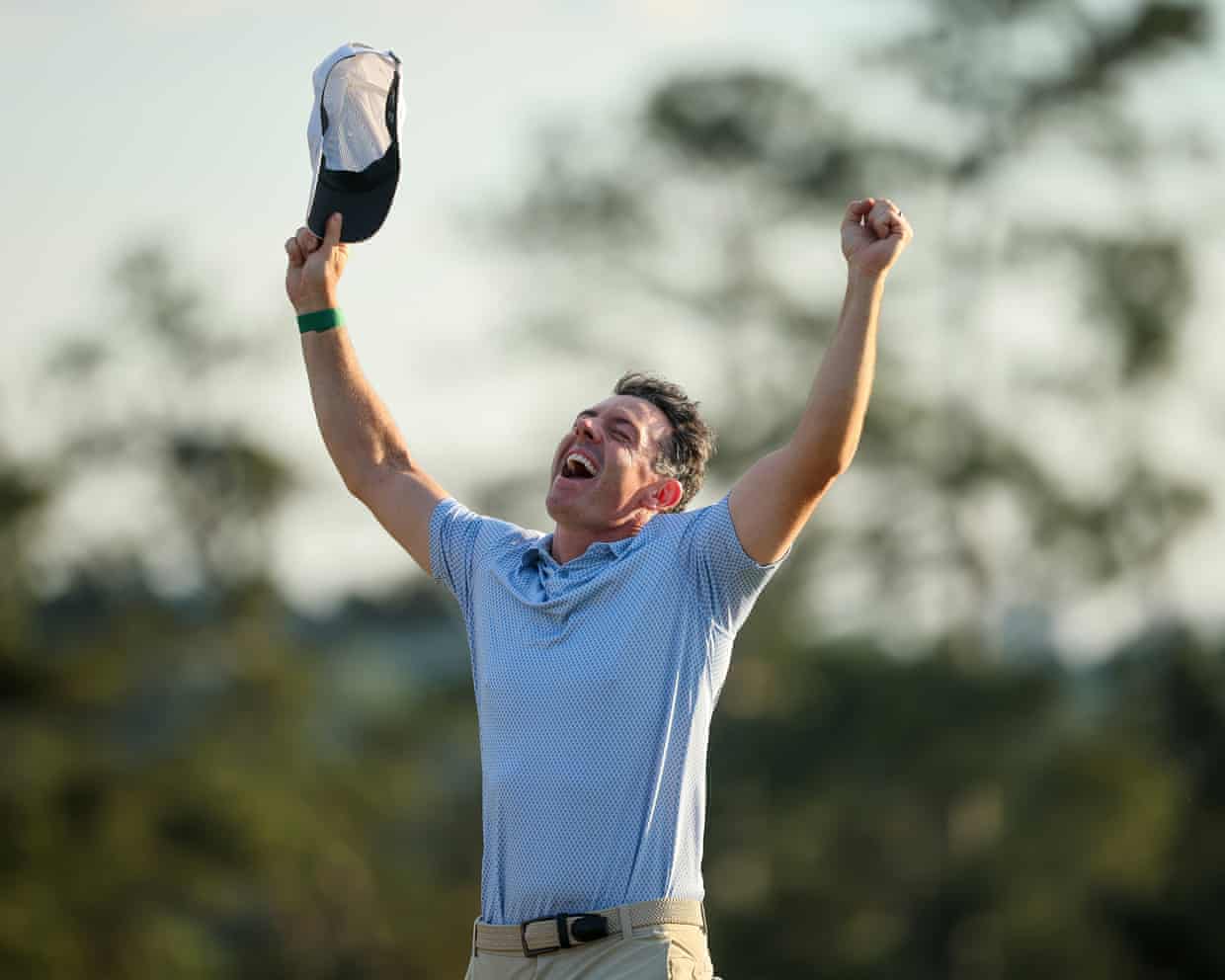
Rory McIlroy says preparation at ‘home course’ Augusta aided Masters defence
Rory McIlroy has explained how weeks of preparation at “home course” Augusta National after advice from Jack Nicklaus played a substantial role in his successful Masters defence.Rather than play in PGA Tour events in the lead up to the Masters and despite a back injury causing him competitive disruption, McIlroy spent considerable time at Augusta in the lead-up to the Masters. On one occasion, it is understood he played the front nine in 29 when playing with a single ball.After seeing off Scottie Scheffler by a stroke, the Northern Irishman and now six-time major winner pointed towards his deliberate buildup. “I joked last week that this place feels like my home course,” said McIlroy before leaving Augusta
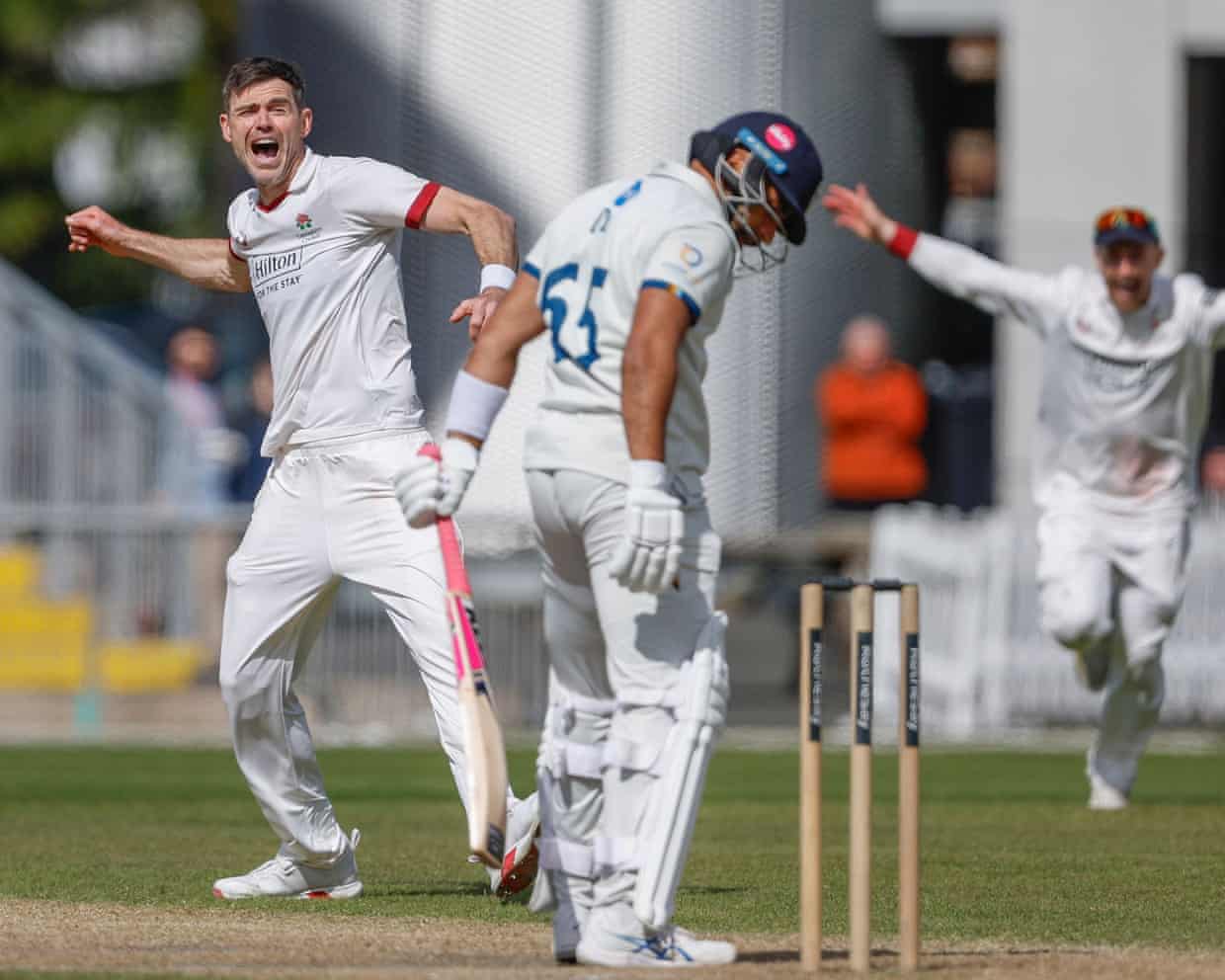
County cricket: Anderson stars as Lancashire win thriller against Derbyshire – as it happened
Jimmy Anderson peeled back the years with every neat and tidy stride from the James Anderson End, poetically butterflying Derbyshire at Old Trafford.It was a day of high drama from start to finish, with Ben Aitchison grabbing two wickets in the first over of the day, much to the surprise of the Lancashire No 10, Mitchell Stanley, who was still doing himself up and dropping gloves on his way to the middle.Derbyshire were finally set 138 to win, which felt possible, though Caleb Jewell, who has a blind spot against Lancashire, was out in the second over. From then on, it was nip and tuck, until Anderson started his second spell. Just 4
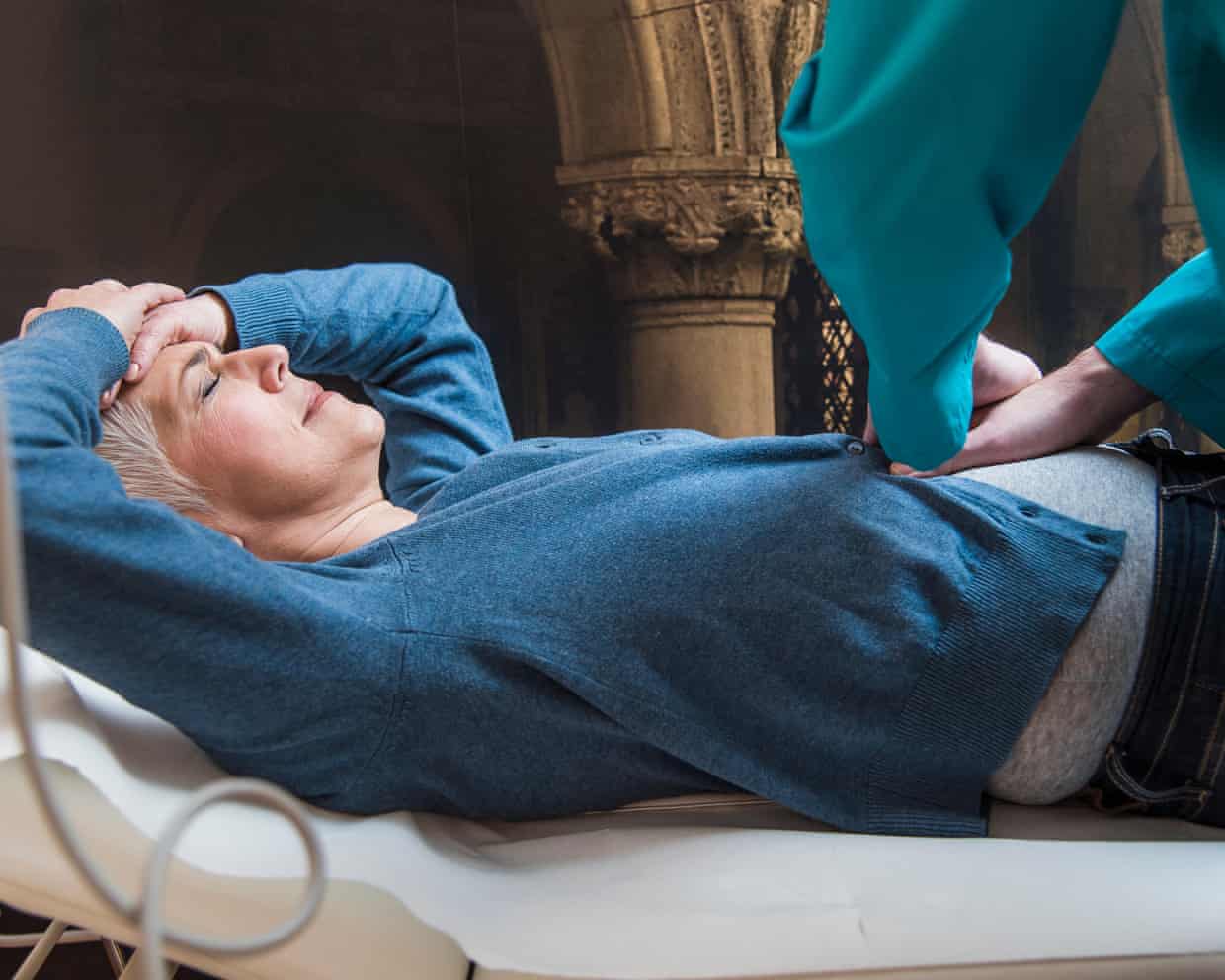
AI to predict how bowel cancer patients will respond to new NHS drug
Private firms providing services to NHS made £1.6bn profit in two years, research finds
More than a fifth of UK’s ‘austerity children’ scarred by poverty, study says
‘I just want to feel like me again’: the women still waiting for breast reconstruction years after lockdown
Iran war could plunge 32 million into poverty, says United Nations
Thousands of unpaid carers to face DWP repayment demands during overhaul