Mapped: the elections that could deliver ‘unprecedented’ losses for Labour

Labour is on track for its worst local election performance, data analysed by the Guardian shows, in a blow that will pile further pressure on Keir Starmer’s leadership.Barring a drastic change in fortunes, Labour’s vote-share could fall to historic lows across elections for councils in England and devolved parliaments in Wales and Scotland on 7 May, with big gains for Reform, the Greens and nationalist parties, according to recent polling.The collapse in support is particularly existential in the race for the Welsh parliament, the Senedd, which Labour has dominated since its creation in 1999.Polling shows Labour’s vote share falling by more than half in Wales, enough to push the party into third place, with Reform and Plaid Cymru vying for first.Labour’s long-term decline in Scotland is expected to continue, with the Scottish National party likely to remain in power in Holyrood and Reform headed for second place.
In England, Labour faces several threats – from Reform, the Greens, the Liberal Democrats and independents – across 136 council races, including in its strongholds in London and the north.While reliable polling across the council races is hard to come by, the recent fall in Labour’s national poll rating, alongside rises for other parties, is leading experts to expect “unprecedented losses”.Stephen Fisher, a professor of political sociology at the University of Oxford, has estimated Labour will lose 1,900 councillors on 7 May – 74% of the number of seats the party currently holds that are up for re-election.Such a result would be the worst local election performance for any prime minister since comparable data began.Fisher estimates Reform will gain 2,260 councillors – which would triple the party’s local representation in England overnight – while the Greens will gain 450 and the Liberal Democrats 200.
The Conservatives are also set for a drubbing, with a net loss of 1,010 councillors under Fisher’s estimates, in a clear sign of voter dissatisfaction with Britain’s two main parties.“Reform gains at last year’s local elections amounted to a record-breaking 41% of the seats up for election,” Fisher said.“Now they have extended their polling lead, Reform should do even better this year if they can maintain the same conversion rate for opinion poll ratings into council seat gains.“If they can, then the consequences are enormous losses for the Conservatives and unprecedented losses for Labour.”A catastrophe of this scale for Labour could reignite the prospect of a leadership challenge against Starmer, who has continued to come under pressure over the appointment of Peter Mandelson as US ambassador.
In recent weeks several Labour ministers have played down the possibility of Starmer being removed because of any poor performance in the local elections, citing the international crisis over the Iran war.But the Guardian’s revelation last week that Mandelson failed secured vetting for the US role has put Starmer’s future back in focus, amid calls for his resignation by opposition parties.Record-breaking electoral losses will only add to the concerns within Labour.Here is every area with an election on 7 May — 136 local councils in England, plus the Welsh and Scottish parliaments.Labour currently controls 66 areas with an outright majority.
In some places, the party has been in power for decades continuously.In London, every councillor on all 32 borough councils is up for election.Over the past decade the capital has become a firm Labour stronghold, with a base of progressive voters who tend to be younger, ethnically diverse and struggling with the city’s high living costs.That now looks at risk.When comparing current polling with 2022 – when London’s boroughs last held local elections – Labour’s support in the capital has plummeted.
This has mostly been to the benefit of the Greens, with the party closing in on first place.But Reform is rising too – and to a greater extent than the Conservatives have fallen.The Greens hold a handful of councillors across London, including in boroughs such as Brent, Richmond upon Thames and Lambeth.But if the recent polling is correct, the Greens could finally take control of a council in the capital.Among the party’s key targets are Hackney and Lewisham, the latter being where leader Zack Polanksi launched the Greens' election campaign earlier this month.
These are boroughs that have been held by Labour for more than two decades.But amid soaring rents, anxieties around gentrification and broader dissatisfaction with the Labour government, the areas might be prime for the taking.A forecast by YouGov published this week found the Greens coming first in both these boroughs in terms of vote share, as well as Lambeth and Waltham Forest — though by razor thin margins, with Labour in close second.Outer London is a different story – older and more suburban boroughs where there could be gains for the right.Barking and Dagenham council, held by Labour continuously since the 1960s, is one area where Reform might make its breakthrough in the capital.
It is a borough with high levels of diversity and deprivation, yet also voted heavily for Brexit in 2016,Last year the council’s leader, Dominic Twomey, warned that Reform was gaining ground in London and that Labour should not “be complacent”,YouGov’s London MRP suggests Reform would come first in three outer boroughs on 7 May – Barking and Dagenham as well as Havering and Bromley,Gains for the Conservatives, who have long held enclaves in outer London, cannot be ruled out either,A poll circulated among Labour MPs in March showed the Tories regaining Barnet from Labour.
The other key English areas up for election are in the north,Some of Labour’s longest-held councils are here, many having been held since the 1970s continuously,The chief threat is Reform, which has begun polling in first place in the region, where it has won over a contingent of culturally conservative but economically insecure voters,However, the Greens are on the rise in the north too, fresh from their win in the byelection for Gorton and Denton, on the outskirts of Manchester, in February,For Reform's local election campaign launch, Nigel Farage picked Sunderland in the north-east — a Brexit-backing area held by Labour since 1974.
The council's current Labour leader, Michael Mordey, recently told the Times he was "absolutely terrified, if I'm honest" about the prospect of a Reform surge in the city.Farage has also beeen touring the north-west on the campaign trail, including stops in Sefton in Merseyside.That included a visit to the town of Southport, which was at the centre of the anti-immigration riots in 2024 following the mass stabbing at a girls' dance class.There, Farage was grilled by a Liverpool Echo reporter over comments he made on social media following the attack, which some argue enflamed tensions in the local area.The Greens, meanwhile, have been focusing on areas like Newcastle.
Local Muslim voters told the Guardian they are considering switching from Labour to the Greens, in part because they believe it is the best party to fight the far right.Most catastrophic of all for Labour could be what happens in Wales.Since the Senedd was created in the late 1990s, Labour has been returned as the biggest party, but its dominance in Wales goes back decades, before devolution.Most recently the party’s support has been concentrated in south Wales, in and around Cardiff as well as the post-industrial belt of Rhondda, Cynon Valley and Merthyr Tydfil.These are voters who have been with Labour a long time, throughout the New Labour years and time in opposition in Westminster afterwards.
Yet YouGov's most recent MRP poll of the Senedd elections, published on 22 April, is seismic.The forecast suggests that Labour could come in third place with just 12 seats, ending a century of the party's dominance in Welsh politics.Meanwhile, Reform and Plaid Cymru are neck-and-neck for first place, with Reform just eking out by one seat for a total of 37, versus Plaid Cymru's 36.Neither would have enough for a majority, however.One possibility is Plaid Cymru seeking a coalition with both Labour and the Greens.
Within five years, Labour could go from governing Wales to becoming a junior coalition partner in the Senedd.In Scotland, Labour has been in consistent decline to the benefit of the SNP for years, a trend that looks likely to continue at this election.But there was a period around Starmer's 2024 victory when the SNP appeared to be on the ropes.Voters were turning away from the party amid a police investigation into the party's finances, the collapse of a power-sharing agreement with the Scottish Greens and leadership instability after the resignation of Nicola Sturgeon in 2023.Two years later, however, and the SNP's fortunes have reversed.
Current forecasts show Labour's share of seats in the Scottish parliament shrinking to just 12%, the party's lowest since devolution in 1999.The SNP meanwhile could win 67 seats based on YouGov's projections, enough for a majority.The pro-independence party would pick up Dumbarton from Labour and Aberdeenshire West from the Tories.Reform is set for a major breakthrough too, going from zero seats in Holyrood to becoming the biggest rightwing party in Scotland.Such dismal prospects probably explain why it was the Scottish Labour leader, Anas Sarwar, who publicly called for Starmer to resign in February.
Yet, while there are clear signs 7 May could be an electoral catastrophe for Labour, it is less clear what this will ultimately mean for Starmer and his ability to remain in Downing Street.On the one hand, the prime minister’s odds of survival have improved markedly since the US-Israeli war in Iran.Starmer’s refusal to involve the UK directly in the war may explain why the level of public disapproval with his government fell throughout March.On the other hand, that movement has already begun to reverse, and the polling does not yet reflect the full impact of the latest revelations over Mandelson.Still, it raises the possibility that the prime minister has already reached peak unpopularity.
Labour figures will have to ask themselves: will the local elections be the worst it gets under Starmer, or a sign of more disasters to come?
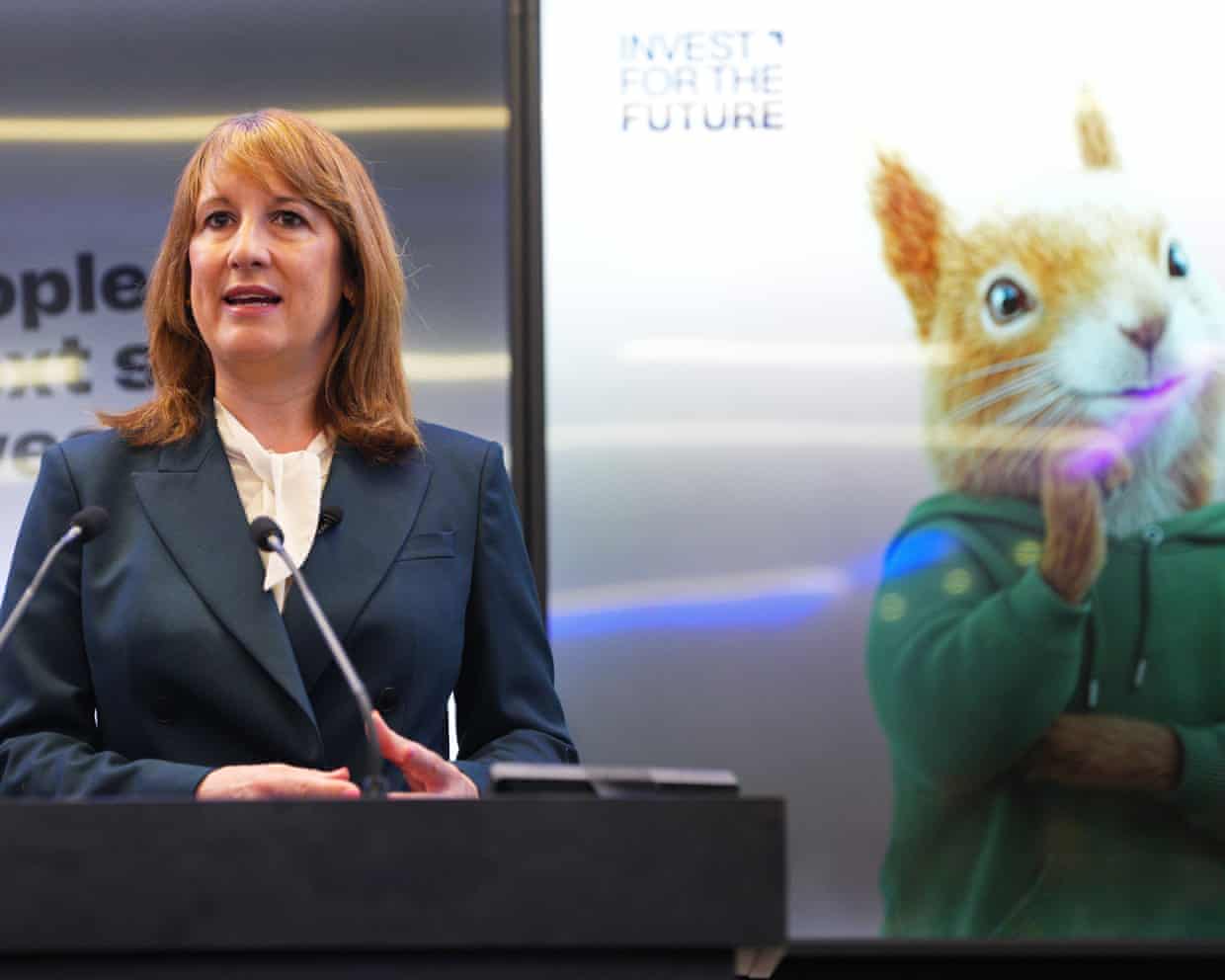
UK borrowing to be pushed up by Iran war after dropping last year; oil and gas prices rising – business live
City economist are warning that UK government borrowing is set to be driven higher by the Iran war, following this morning’s (small) drop in the annual deficit in the last financial year:Lindsay James, investment strategist at Quilter, says:double quotation mark“The conflict in the Middle East has shown the UK economy remains very exposed to geopolitical shocks. However, there are some encouraging signs that rigid fiscal rules have been having the desired effect thus far, as today’s public sector finance data shows borrowing was £12.6 billion in March. This is £1.4 billion less than the same month last year, and the lowest March reading since 2022

UK undershoots annual borrowing target by £700m
The UK government budget came in below its annual borrowing target by £700m, official figures show – but the Iran war is likely to blow a hole in Rachel Reeves’s carefully calculated fiscal “headroom” over the coming months.The government borrowed a net total of £132bn for the financial year ending in March, the Office for National Statistics (ONS) said. This slightly undershot the £132.7bn that the Office for Budget Responsibility (OBR) had forecast just last month.The total was £19

Tesla reports mixed financial results as Musk pivots automaker to AI and robots
Tesla reported its first-quarter earnings on Wednesday, disclosing some better-than-expected results but faltering in some key areas. The report failed to significantly buoy Tesla’s stock, which has limped along this year while its CEO, Elon Musk, has tried to sell the company’s new vision of humanoid robots and self-driving robotaxis. Its core car business has struggled in the face of competition from Chinese counterparts and backlash against his close involvement with the Trump administration.“There remains significant effort and hard work to realize our mission of Amazing Abundance,” Tesla said in its report, while claiming that demand for its vehicles was rebounding.Tesla revealed earnings of 41 cents a share on Wednesday after market close, more than the 37 cents per share that Wall Street expected

What is Mythos AI and why could it be a threat to global cybersecurity?
Anthropic has ruled out releasing its latest AI model, Mythos, to the public because of the threat it poses to global cybersecurity.However, the US tech startup behind the Claude chatbot confirmed on Wednesday it was investigating a report that a group of people had gained unauthorised access to Mythos. The alleged incident has raised concerns over the pace of development and the ability of tech companies to keep their riskiest products out of the public domain. Here, we examine Mythos and its potential impact.Mythos is an AI model – the underlying technology that powers tools such as chatbots – that, according to Anthropic, represents a serious potential threat to any organisation’s cybersecurity
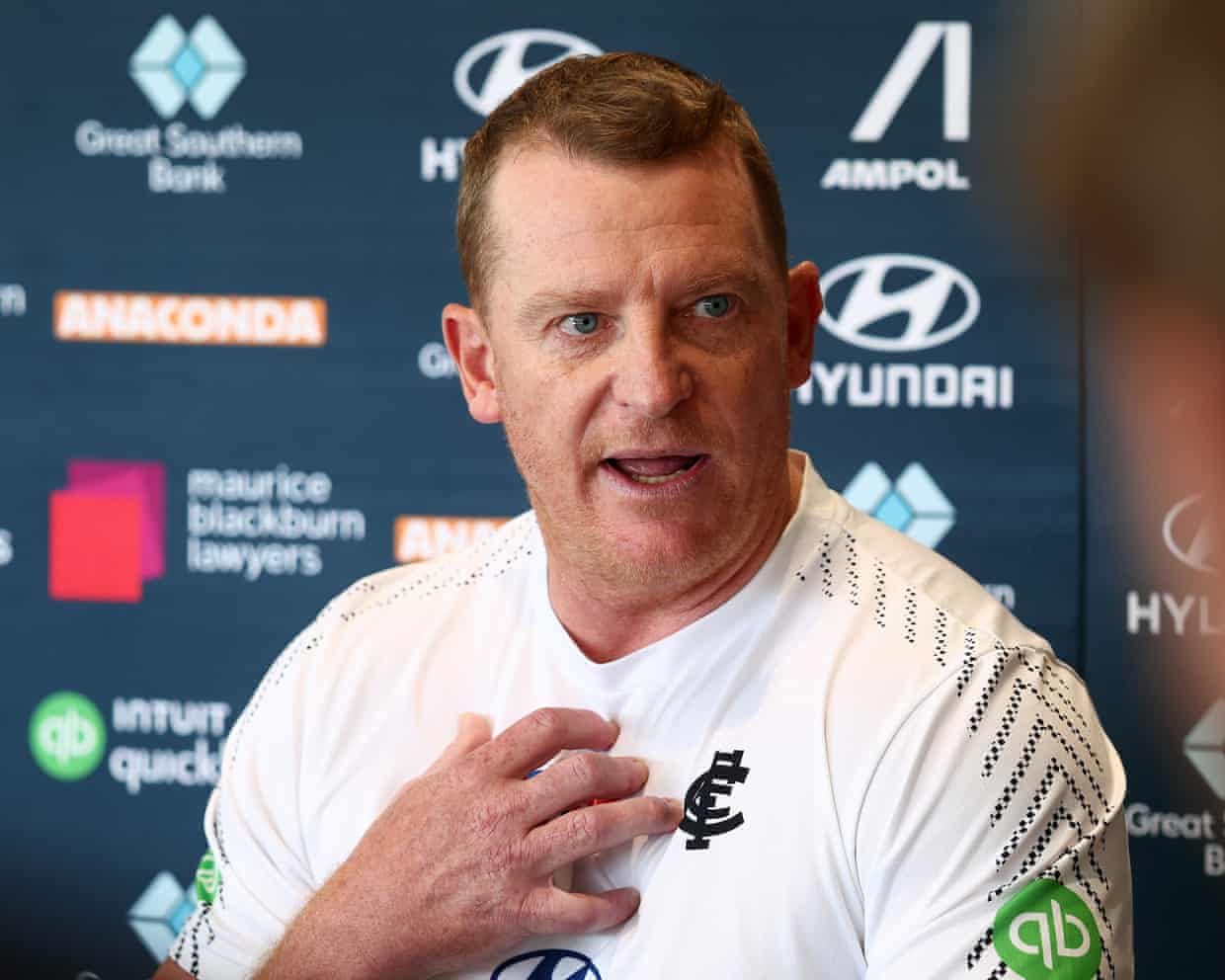
Carlton coach Michael Voss accuses media of bullying after Elijah Hollands incident
Embattled Carlton coach Michael Voss has defended his staff and accused the media of bullying as the spotlight intensifies on the club for allowing Elijah Hollands to play last week during a mental health episode.Hollands behaved erratically in the match against Collingwood and is now in hospital, and speculation has focused on how Voss’s staff had allowed the young player to take the field given his struggles were obvious even from the stands.Fronting a large press pack on Thursday at Princes Park ahead of Saturday’s match against Fremantle, Voss said he wanted to respect the AFL’s investigation into the club’s actions on the night and “we accept that we need to look at process”.But he said that in a “complex situation that has history and background” his staff deserve praise.“I’m proud of my people, and the process itself will take care of itself, and we need to put our support behind that,” he said

Bournemouth 2-2 Leeds, Charlton 1-2 Ipswich: football clockwatch – as it happened
Time to sign off; I’ll leave you with Sam Cunningham’s match report from the Vitality Stadium. Thanks for joining me.Jamie Jackson watched as Manchester City won at Burnley to go top of the league …Ed Aarons was at the Valley to see Ipswich dig out a vital win:Championship table: Ipswich edge back into second place but Millwall, Southampton and Middlesbrough can all still claim automatic promotion. Oxford are not quite down after Charlton failed to take a point from their game tonight.Premier League table: Manchester City are top on goals scored, Bournemouth climb above Chelsea, and Burnley are relegated
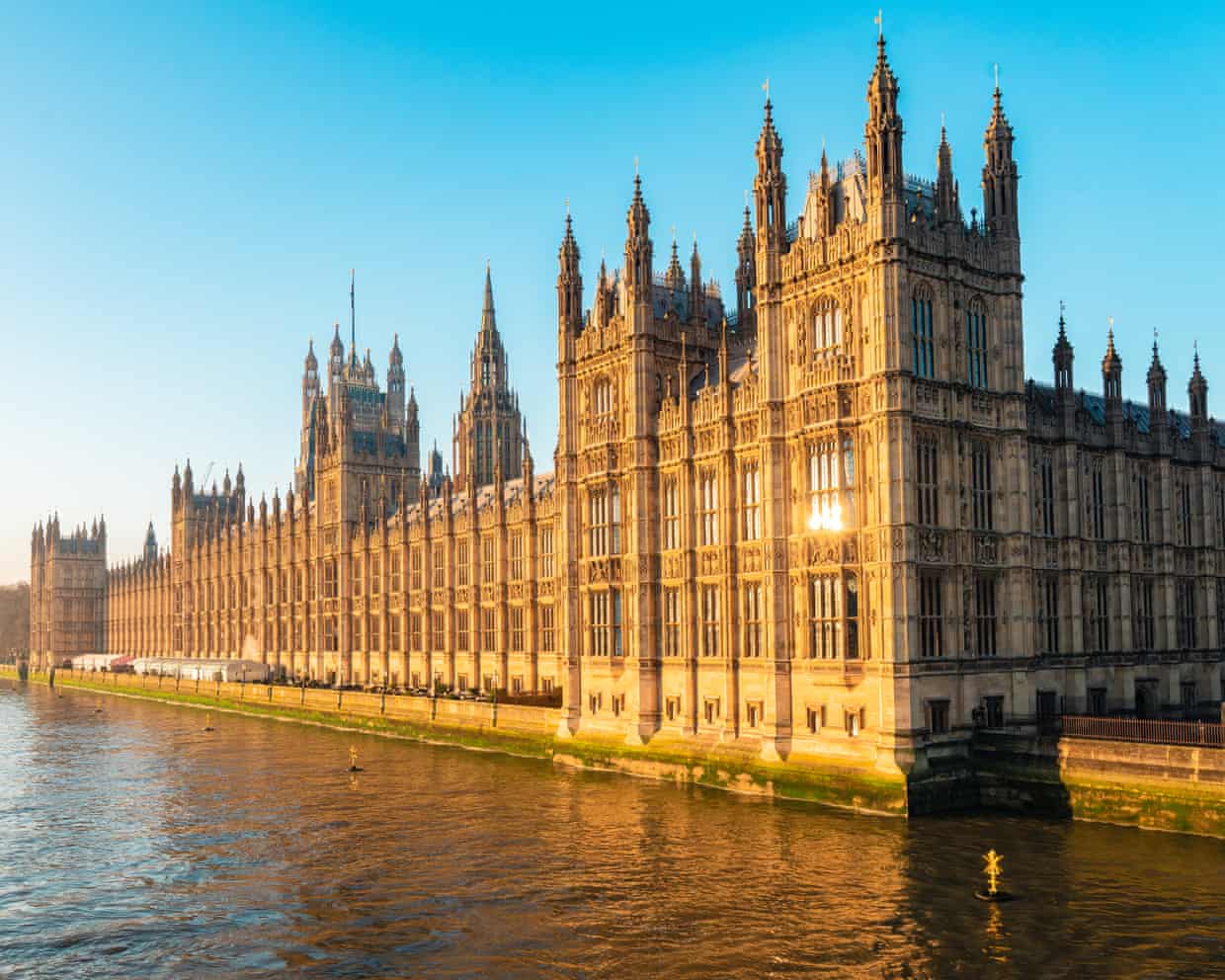
Victims of sexual violence distressed by MPs’ ‘pugnacious’ questioning

Bill banning people born after 2008 from buying tobacco clears UK parliament

Man admits rape and religiously aggravated assault after court confrontation

Feeling flush with Izal mementoes | Brief letters

Gut microbiome can reveal risk of Parkinson’s, scientists say

Trustpilot hosts reviews of illegal casinos, raising concern among MPs