David Lammy still plays an important role in UK foreign policy – but he is not the only one
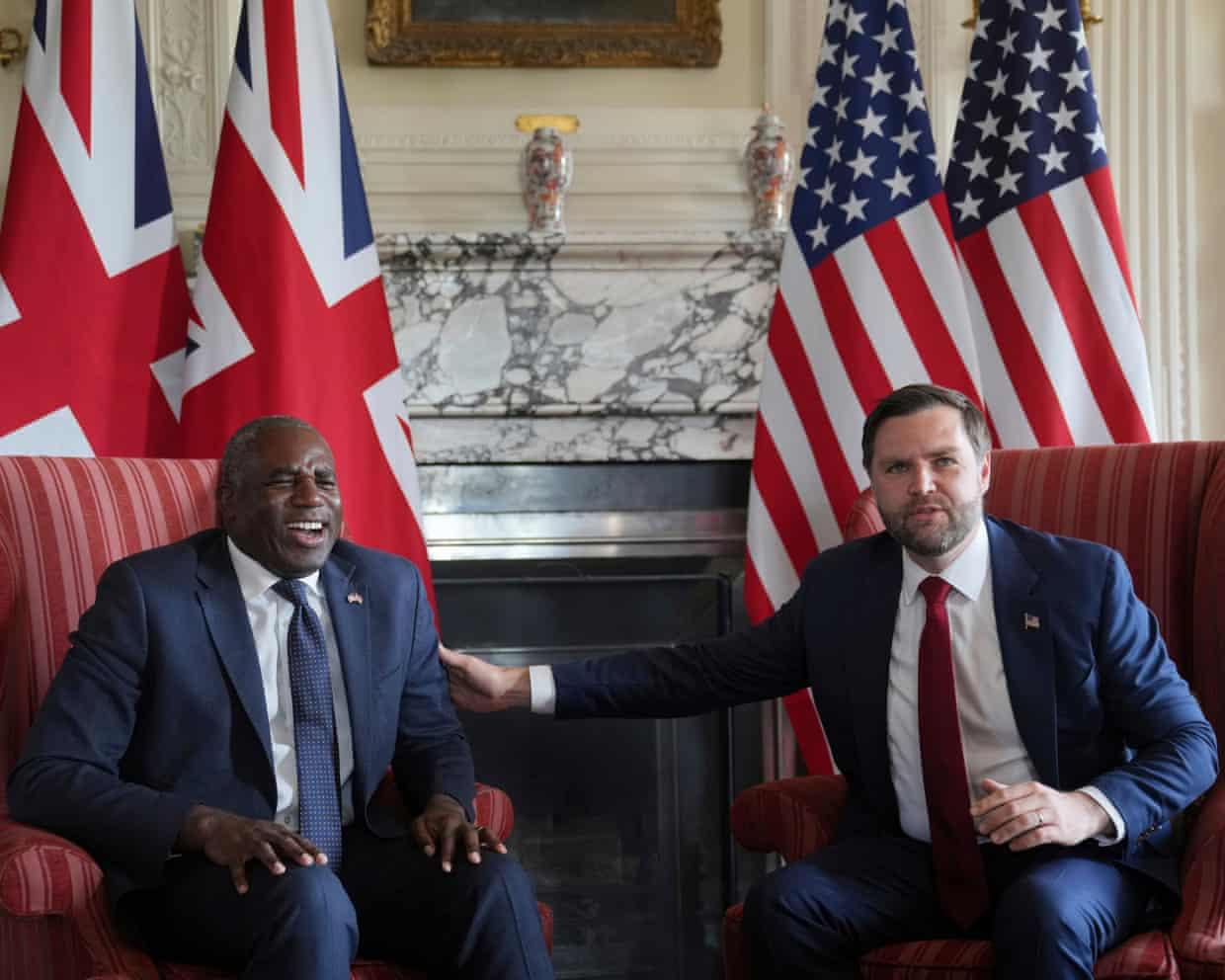
The first foreign official JD Vance met with after he returned from peace talks with Iran in Islamabad this week was not a diplomat or foreign policy official – it was David Lammy, the UK’s justice secretary and deputy prime minister,Lammy will follow his trip to Washington, where he saw the vice-president and the Secretary of State, Marco Rubio, with another to Barcelona, where he will represent the UK at a conference of global progressives, and then one to the Gulf,The whistle-stop diplomacy from the former foreign secretary has prompted questions in Whitehall over who is really driving the government’s foreign policy at a time when it is more important than ever,“Obviously the prime minister is in charge of the government’s foreign policy, especially when it is so important domestically as well,” said one government official,“Beneath him though there are quite a lot of people all of whom are doing slightly different jobs and who think of themselves as the real foreign secretary.
”Keir Starmer himself conducts much of Britain’s diplomacy himself, and will co-host an international summit on how to free up shipping in the strait of Hormuz this week alongside the French president, Emmanuel Macron.Yvette Cooper, the foreign secretary, meanwhile, has spent much of 2026 abroad, including trips to Washington, Ukraine and Saudi Arabia.Cooper spent Wednesday in Berlin at a conference on the war in Iran, where she was joined by two other ministers on separate missions.John Healey, the defence secretary, was in the city to talk to counterparts about Ukraine, while the Cabinet Office minister Nick Thomas-Symonds was there to discuss the government’s attempts to forge closer EU relations.Jonathan Powell, Starmer’s national security chief, joined the prime minister on his recent trip to the Gulf and remains his most trusted adviser on foreign affairs.
“Jonathan is the most significant influence on Keir’s foreign policy thinking,” said one senior government aide.“The two of them are similar in the way they prioritise diplomacy.”Others also play an important role, including Varun Chandra, Starmer’s chief business and trade adviser, who was shortlisted for the role of US ambassador and maintains a good relationship with Howard Lutnick, the US commerce secretary.Hamish Falconer, the Middle East minister, has a particular job selling UK policies to partners in the Middle East and to important community groups in the UK.Emily Thornberry, the Labour chair of the foreign affairs select committee, said: “Foreign policy has never been more important in my lifetime – it is essentially domestic policy these days.
That means there is more than enough work to be done, whether that is by Jonathan Powell, David Lammy, Yvette Cooper or the Foreign Office more generally.”As for Lammy, he has kept a foreign policy brief even after being moved out of the Foreign Office and into the Ministry of Justice.His role, say allies, is to foster relations with other deputy leaders, including in Europe where they often represent another party in a coalition and so can be important conduits.When he travels to the Gulf he will be talking to countries Starmer did not have time to visit on his recent tour.Chief among Lammy’s relationships is his bond with Vance, with whom he struck up a friendship when the pair were in opposition.
Those close to them say the two share many things in common, including an impoverished background, a love of writing and a strong Christian faith,Over the course of a 45-minute discussion in the White House on Monday, the two talked about the direction of the peace talks and how the UK and US could collaborate on freeing up shipping in the strait of Hormuz, according to people briefed on it,They added that Lammy did not have a specific request to make of his counterpart and was as interested in hearing about the Islamabad talks as anything else,With relations between Starmer and Trump strained, many in government believe Lammy’s relationship with the powerful vice-president could be vital,“It is the warmest bilateral relationship we have right now,” said one.
Another added: “It is significant – it is a real channel of communication.”Some in government see Lammy’s strong US ties and his frequent foreign travel as a challenge to the authority of his successor, Cooper.The foreign secretary is due to travel to Japan later this week, rather than the US or the Gulf, where much of the government’s international activity is focused.Cooper has refocused the Foreign Office since she took over, telling officials to prioritise work on fragile and conflict-affected states, humanitarian assistance, tackling violence against women and girls, and combatting global health threats.She has also worked on getting European allies to cooperate on attempts to curb irregular migration, a focus she brought with her from her time as home secretary.
Cooper speaks to Rubio once a week, and met the US secretary of state in Washington in February.To a large extent, say government sources, the most significant foreign policy official in the British government depends on what is on the agenda.When Starmer was working towards a trade deal with the US, Chandra became a close confidant.When he has sought to improve relations with Beijing, he has relied on the diplomatic skill of Powell.Now that the US relationship is being questioned, Lammy’s relationship with Vance has become a vital line of communication.
“Right now, when what is happening in the US and Iran is having such an impact on Britain, we need to take advantage of every connection we have,” said Thornberry.
Reeves tells Americans she does not know why they launched Iran war – as it happened
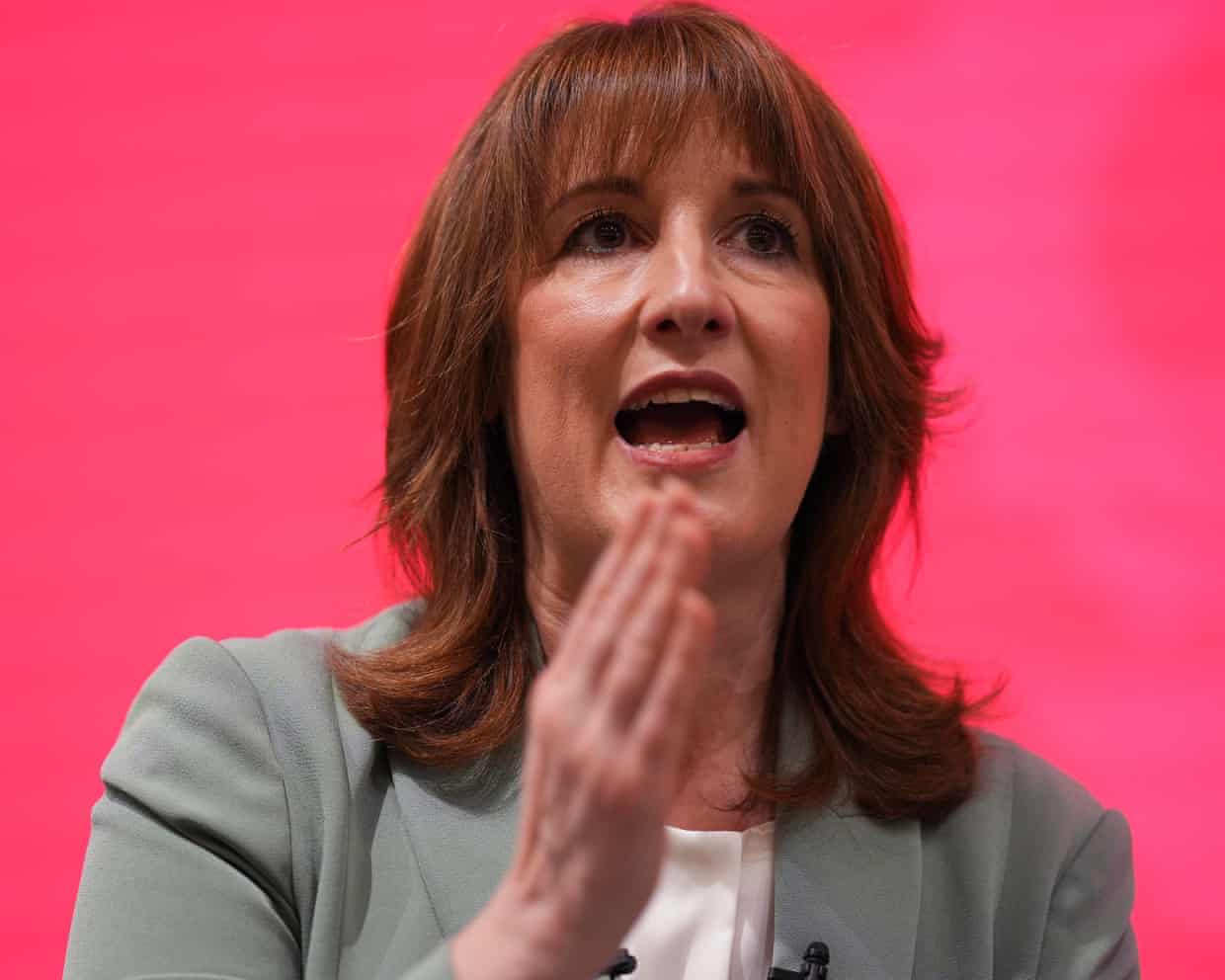
Rachel Reeves, the chancellor, has told an American audience she does not know why they went to war against Iran.Reviving criticisms of Donald Trump she has already stated, she said that she was “not convinced that this conflict has made the world a safer place” and that Trump seemed to have ended up in a worse position than he was before the war started.Speaking at a CNBC event in Washington, where she is attending IMF meeting, Reeves said:double quotation markThere were diplomatic negotiations happening before this. So if the aim is to now to get diplomatic negotiations, well, they were already happening before the conflict started …We’ve never been clear about what the goals of this conflict is, which is why the impacts in our economy, but also here in the US economy and around the world, and particularly for our allies in the Gulf, like Saudi and Qatar and the UAE, are so immense.Reeves said that it was important to reopen the strait of Hormuz to reduce energy prices
Scottish Labour leader says claim he tried to do Reform deal is ‘desperate lie’
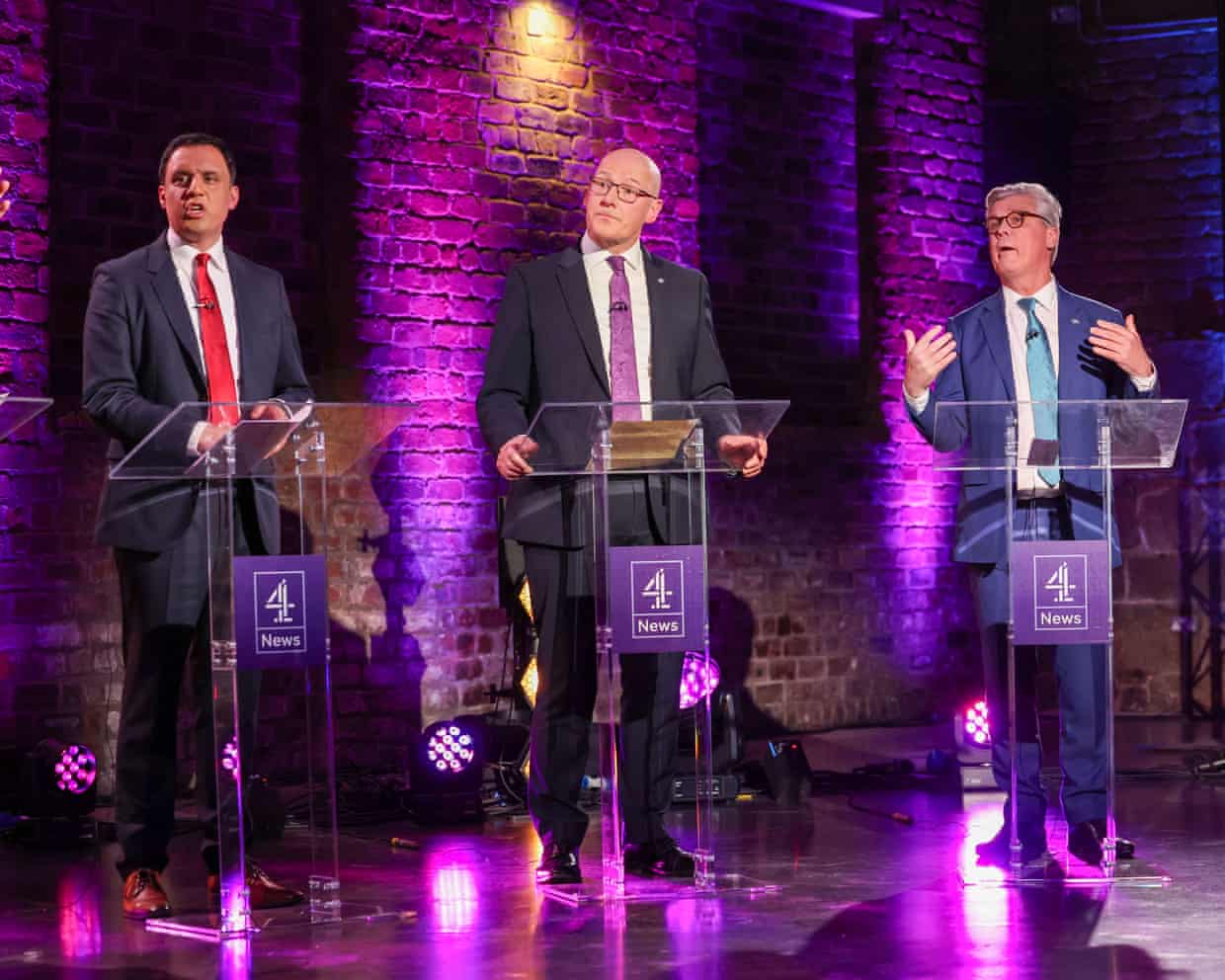
Anas Sarwar has dismissed as “a desperate lie from a desperate man” a claim by Reform UK’s Scotland leader, Malcolm Offord, that he offered to do a deal with the rightwing party to keep the Scottish National party out of power.Offord made the claim on Channel 4’s Scottish leaders’ debate on Tuesday evening, alleging the Scottish Labour leader came “bouncing up” to him at an event in December last year, suggesting they “work together to remove the SNP”.The row escalated when Offord told reporters after the debate that he stood by the remarks. Thomas Kerr, a Reform UK candidate in Glasgow, claimed Sarwar had made similar overtures to him some months earlier.Sarwar immediately dismissed the accusations as “nonsense” but the SNP posted the exchange on social media, saying it was evidence of Scottish Labour seeking “a grubby deal”
Questions asked and answers given – up to a point. Welcome to lo-fi PMQs | John Crace
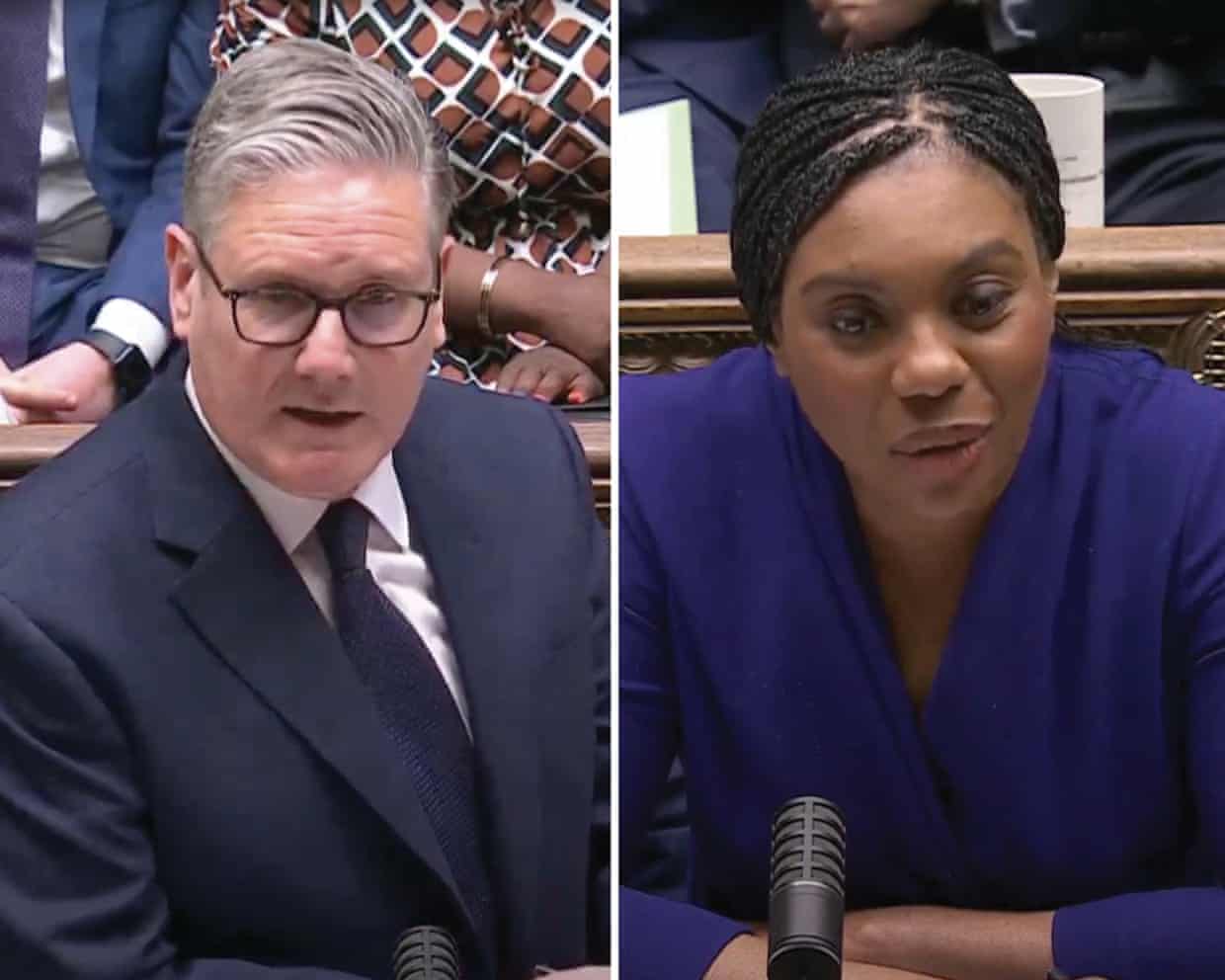
Credit where credit is due. The last few prime minister’s questions have been an exercise in nihilism. The embodiment of existential futility. Questions asked by Kemi Badenoch but not even a pretence by Keir Starmer of answering them. It was like the worst days of Boris Johnson’s time in No 10
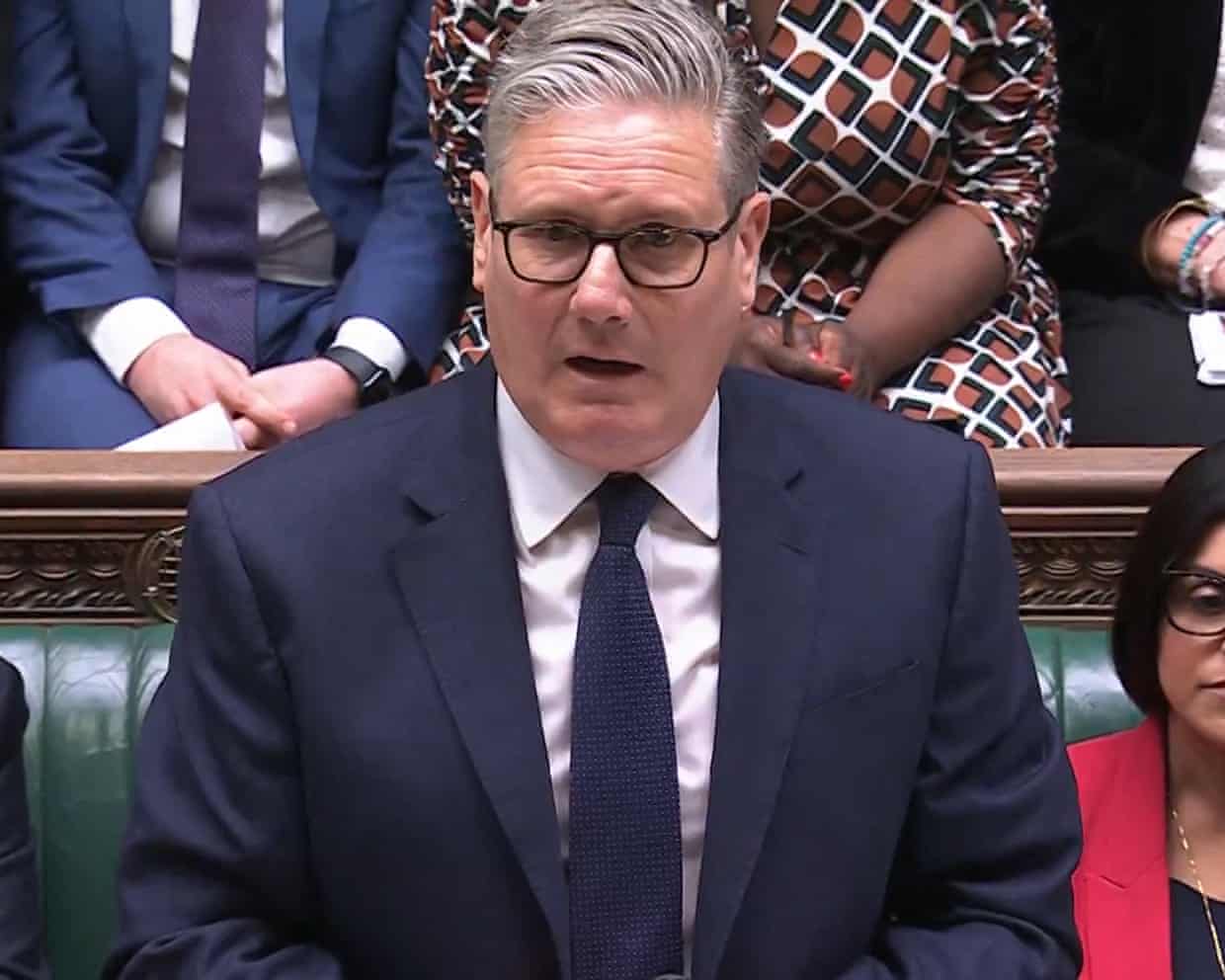
Starmer rejects accusation Labour is ‘complacent’ on defence funding
Keir Starmer has said he does not agree with George Robertson’s comments about the government’s “corrosive complacency” on defence funding, as the prime minister faced sustained pressure on the issue.Questioned in the Commons about the claims by Robertson, the former Labour defence secretary and Nato chief who co-authored a defence review for the government, Starmer insisted that defence spending was increasing rapidly.Pressed by Kemi Badenoch about whether he agreed with Robertson, now a Labour peer, that social security should be cut to boost defence, Starmer said his government was tackling both areas – and argued that previous Conservative governments neglected them.Government sources have not denied that Rachel Reeves has proposed increasing the budget by less than £10bn over the next four years amid concerns that any more would be unaffordable.While the government has committed to reach 2
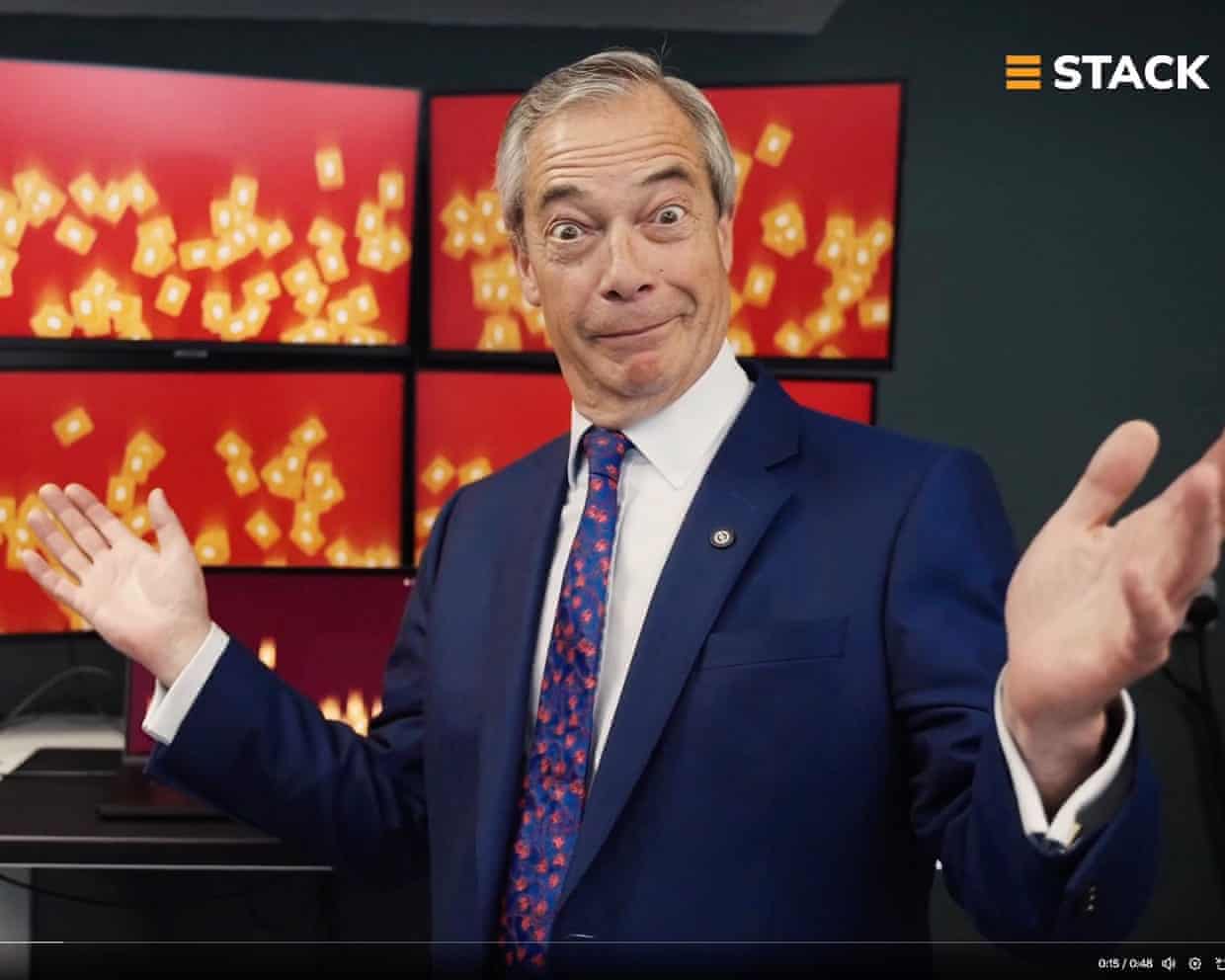
How a £2m bitcoin order made Nigel Farage the political face of UK crypto
A thumping electronic beat provides the soundtrack to the video as Nigel Farage appears in front of a bank of screens.At first glance, it could be yet another of the Reform UK leader’s “second jobs” – whether promoting gold as a pension fallback or recording Cameo videos. And in a sense, it is: Farage is promoting a £2m cryptocurrency purchase by a company in which he has £215,000 invested, Stack BTC.“So we are about to place our bitcoin order,” says Farage with a smile, drawing on the communication skills honed as a politician and GB News anchor.After pressing a button, he shrugs theatrically as a bugle marks the “purchase” before the clip cuts to him standing on a roof with Kwasi Kwarteng, the former Tory chancellor known for his disastrous 2022 mini budget in the government of Liz Truss
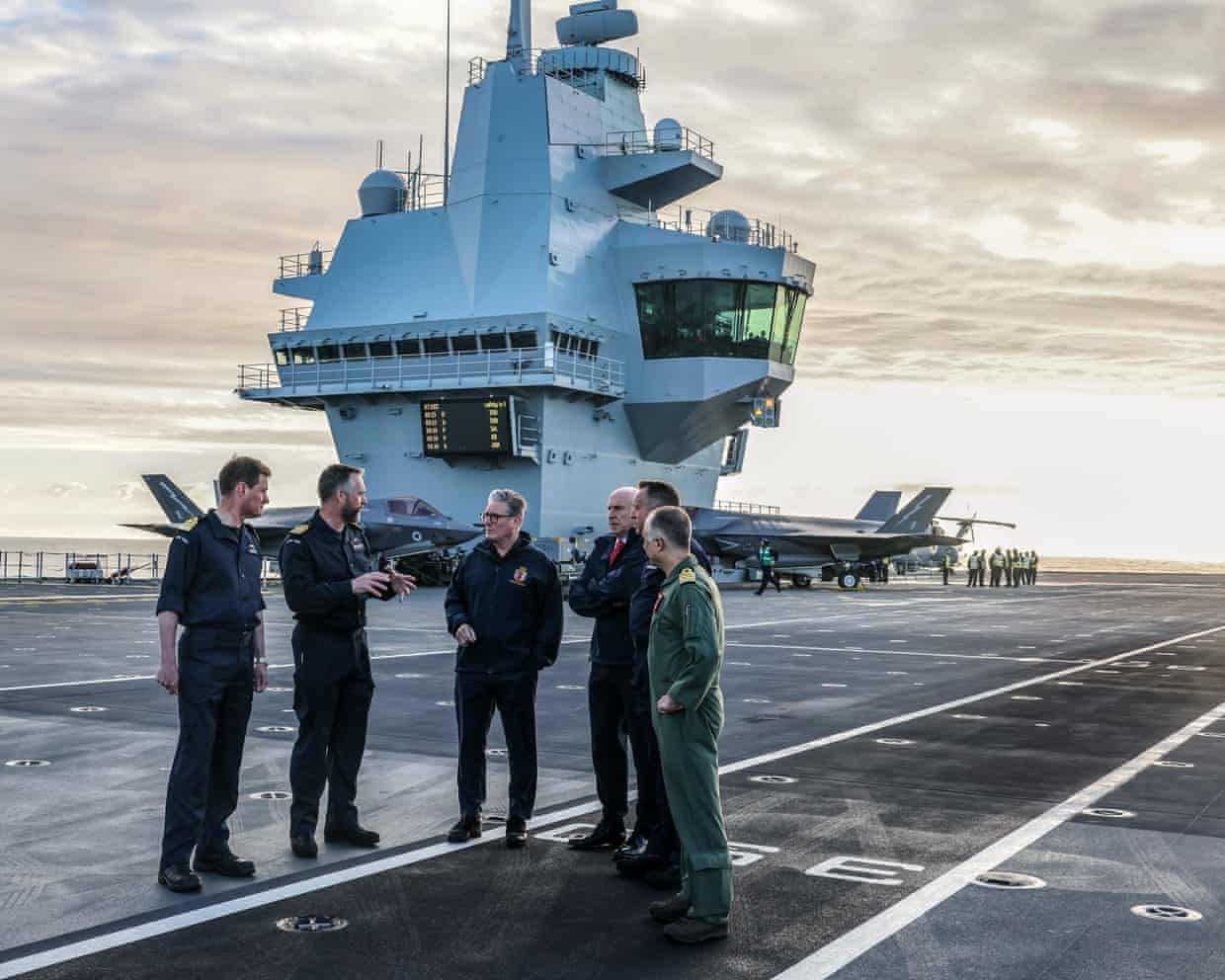
‘Bizarre’ lack of urgency in putting UK on war footing, says defence review co-author
A co-author of Britain’s strategic defence review has joined criticism of Keir Starmer’s leadership on military policy, warning of a “bizarre” lack of urgency in defence planning.Fiona Hill, a former chief adviser to the White House on Russia, echoed the concerns of George Robertson, her co-author with Gen Richard Barrons on the strategic defence review (SDR), over what he had called the prime minister’s “corrosive complacency”.Robertson, a peer and former head of Nato, has publicly aired his frustration at the government’s failure to come forward with its 10-year spending plans for defence following publication of the SDR last June.Elaborating further on Tuesday night in a speech in Salisbury, Wiltshire, he accused “non-military experts in the Treasury” of “vandalism” and warned that “we cannot defend Britain with an ever-expanding welfare budget”.Robertson also disclosed he had a discussion with the defence secretary, John Healey, on Monday about his intervention
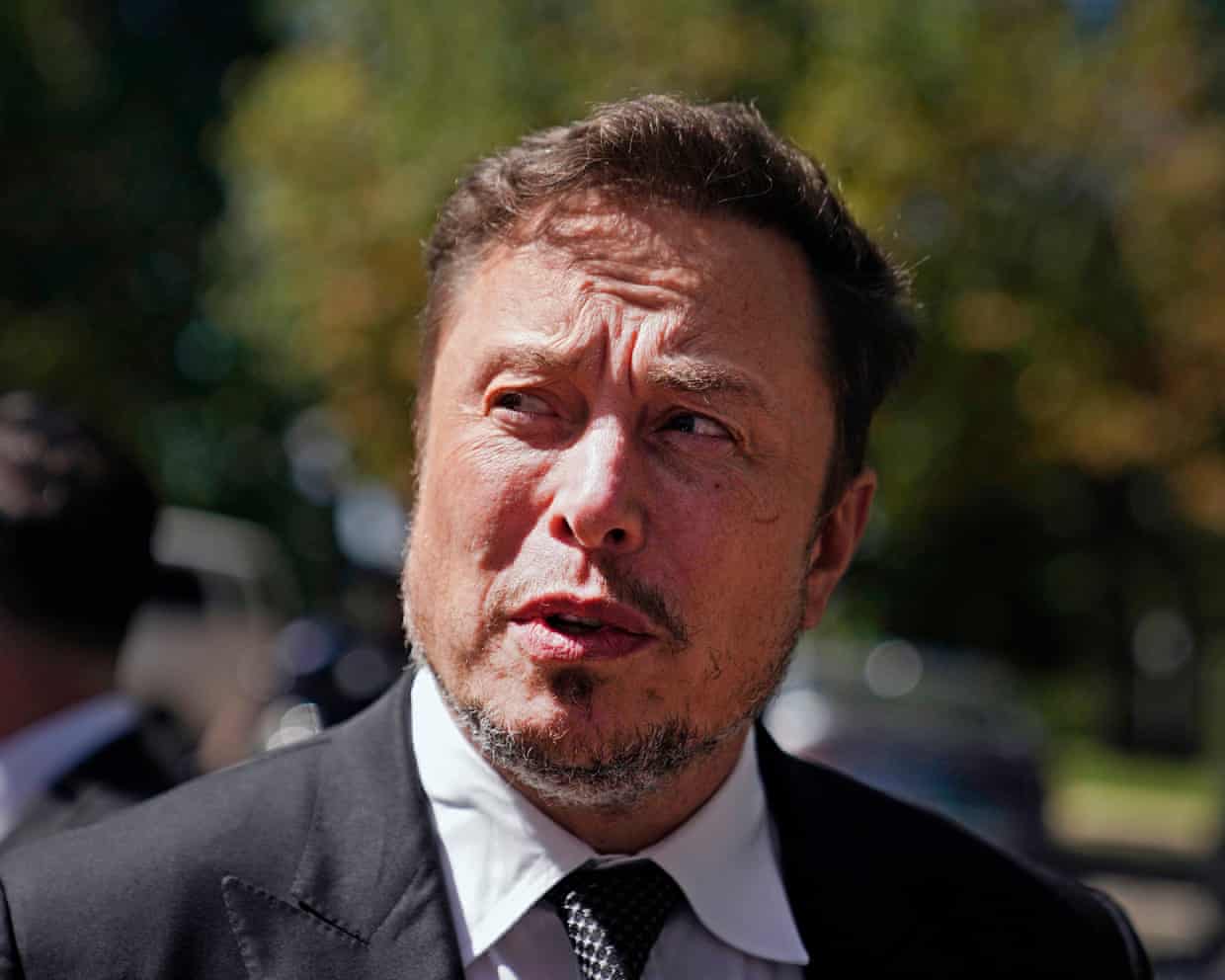
NAACP lawsuit accuses Elon Musk’s xAI of polluting Black neighborhoods near Memphis

China now the ‘good guy’ on AI as Trump takes ‘wild west’ approach, MPs told

Bosses say AI boosts productivity – workers say they’re drowning in ‘workslop’

AI companies make powerful tech – but they’re also savvy marketers

Don’t make Marshal Foch’s mistake on AI | Letters
Meta creating AI version of Mark Zuckerberg so staff can talk to the boss