Hat-trick of good UK economic news as budget surplus hits record, retail sales rise and private sector activity strengthens – business live

Newsflash: The UK government has racked up a record-breaking budget surplus in January.Britain’s public sector was £30.4bn in surplus last month, the Office for National Statistics reports, beating expectations of a surplus of around £24bn.That’s double the surplus recorded in January 2025 – traditionally a strong month due to self-assessment tax bills – and is the highest surplus since monthly records began in 1993.It’s a clear boost for the chancellor, Rachel Reeves, in the run-up to her spring statement next month,The public sector (excluding public sector banks) was £30.
4 billion in surplus in January 2026,This was £15,9 billion more than in January 2025 and was the highest surplus since monthly records began in 1993 (not adjusted for inflation),Read more ➡️ https://t,co/bvKpcgAoLr pic.
twitter.com/cf1itbvgrSONS chief economist Grant Fitzner says:double quotation markJanuary – which is traditionally a strong month for self-assessed tax receipts – saw the highest surplus since monthly records began.Revenue was strongly up on the same time last year, while spending was little changed, due to lower debt interest payments largely offsetting higher costs on public services and benefits.Across the first ten months of the current financial year, borrowing is lower than the same period a year ago.Eurozone busineses are also having a good February.
Eurozone business activity accelerated faster than forecast this month as manufacturing swung back to growth for the first time since October, S&P Global reports,This lifted its HCOB Flash eurozone composite PMI, to 51,9 in February from 51,3 in January, showing faster growth (although slower than in the UK private sector this month),Newsflash: It’s a hat-trick of good economic news for Rachel Reeves!UK private sector output growth has accelerated to its fastest rate in almost two years, data provider S&P Global reports.
S&P Global’s poll of UK purchasing managers has found there was “a robust and accelerated upturn in new work” at UK companies this week, with both manufacturing and services companies reporting solid rates of business activity expansion.Chris Williamson, chief business economist at S&P Global Market Intelligence, explains:double quotation markThe early PMI data for February bring further signs of an encouraging start to the year for the UK economy.A solid rise in output across manufacturing and services has been reported in both January and February, with the rate of expansion gaining pace.The survey data so far this year are consistent with GDP rising by just over 0.3% in the first quarter if this performance is sustained into March.
The upturn continues to be led by the service sector but there are signs that manufacturing is regaining momentum to join in the recovery, reporting a surge in export orders of a magnitude not seen since the pandemic.This lifted the Flash UK PMI composite output index to 53.9, up from January’s 53.7, and a 22-month high [any reading over 50 shows activity increased].However, it’s not universally good news.
Employment numbers decreased for the 17th successive month, led by another marked reduction in the service economy, as companies cut back their headcounts.Williamson says:double quotation markDespite enjoying higher demand for goods and services, companies remain focused on boosting productivity to cut costs, resulting in yet another month of steep job losses to prolong the continual jobs downturn that was initiated by the 2024 autumn Budget.The UK stock market is rising in early trading, after this morning’s flurry of upbeat economic news.The FTSE 100 share index has gained 38 points, or 0.36%, to 10,665 points, having broken through the 10,700 point mark for the first time this week.
Aarin Chiekrie, equity analyst at Hargreaves Lansdown, says:double quotation markThe FTSE 100 has opened higher this morning, supported by news of a significant reduction in public borrowing and a surge in January retail sales.For context, the UK government almost always runs a budget surplus in January, but this year’s £30.4bn was the largest on record, well ahead of market expectations and more than double the prior year’s level of £14.5bn.The 1.
8% month-on-month uplift in retail sales volumes was also well ahead of forecasts for 0.2% growth, driven by gains across all major categories except department stores.That leaves sales volumes at their highest level since August 2022.But with employment growth flagging and wage growth slowing, households likely won’t be able to maintain this level of spending for long.UK bond prices are strengthening this morning, pushing down the cost of borrowing.
The yield, or interest rate, on UK 5 year gilts has dropped to its lowest level since September 2024, Reuters reports, at 3,765%,That’s a drop of around two basis points (0,02 percentage points),10-year bond yields are also down 2bps, while long-dated 30-year gilt yields have dropped by 3bps.
Although small moves, these are in the right direction as far as the government is concerned,Today’s record budget surplus, and the big jump in retail sales in January, “reinforces a recovery in economic momentum since the November Budget” says Simon French, chief economist at City firm Panmure Liberum,Wow,A couple of big beats on UK economic data,Bumper January tax receipts (a £30.
4bn current surplus) putting the YTD current deficit lower than the OBR's November forecast.And retail sales up 1.8% MoM; 4.5% YoY.Reinforces a recovery in economic momentum since the November… pic.
twitter,com/AahxbktIkjFalling inflation also boosted the UK’s public finances last month,That’s because the interest rate on some government debt is pegged to the Retail Prices Index measure of inflation, which has eased compared with a year ago,As a results, the interest bill on central government debt fell to £1,5bn in January, down from £6.
5bn in January 2025.The jump in tax receipts last month may show that UK government receipts are starting to get the boost from inflation and wage growth earlier in the year.Nick Ridpath, research economist at the Institute for Fiscal Studies, says:double quotation markToday’s data on the public finances is particularly important, given the outsized impact of January’s self-assessment returns on revenues and borrowing for the year as a whole.Income tax receipts had been a little disappointing over 2025, lagging behind forecasts even as inflation and wage growth exceeded expectations.But today’s data shows that self-assessment revenues in January were almost £2bn (6%) higher than forecast.
The government’s plan to run a current budget surplus from 2028-29 onwards is reliant on marked reductions in borrowing over the next few years – reductions that will be far easier to achieve if tax revenues continue to come in strongly,Some positive UK public finance news 👇It now looks like borrowing for 2025/26 will come in not just lower than 2024/25, but lower than was forecast in November,The uptick in income tax receipts (including bumper January self-assessment returns) is a good sign,https://t,co/jG2quday6CThe surge in precious metals prices this year, and increased demand for sports supplements, both helped British retail sales last month.
The ONS reports:double quotation markMail order retailers, which are predominantly online, experienced a boost from retailers selling sports supplements, as well as continued strong sales volumes by online jewellers.Comments from jewellers reported that demand had hit unprecedented levels.The big reduction in public borrowing and surge in retail sales in January support other evidence that the economy started the year looking a lot healthier, says Paul Dales, chief UK economist at Capital Economics.It will give the chancellor something positive to point to in her fiscal statement on 3 March, he points out.Dales also points out that fiscal drag helped to boost tax receipts, saying:double quotation markThe freeze on income tax thresholds helped prompt a £29.
4bn rise in self-assessment tax receipts, up £3.6bn from a year ago.That said, January’s surplus was flattered by a £17.0bn surge in capital gains tax receipts in January this year as some taxpayers sought to benefit from lower CGT rates ahead of an anticipated CGT tax rise in the 2024 budget.This is not a sustainable improvement.
And the big picture is that borrowing has failed to come down much this yearInheritance tax receipts have slightly risen this financial year.Inheritance Tax receipts for April 2025 to January 2026 are £7.1bn, which is £100m more than the same period last year, HMRC data shows.Under UK rules, the tax-free threshold for inheritance is £325,000, or £650,000 for a couple.Isaac Stell, investment manager at Wealth Club, says the middle classes are increasingly facing death duties, saying:double quotation markThe government has made a pig’s ear of inheritance tax reform.
Crackdowns on farmers and business owners proved unpopular and ultimately unworkable, forcing a partial retreat on relief thresholds.But years of frozen allowances, combined with new rules that will bring pensions into the scope of IHT, mean more ordinary families, not just the wealthy, are being pulled into the tax net.At the same time, HMRC’s tougher enforcement is adding further pressure at what is already a difficult time for bereaved families.With the tax base widening and sharp ‘cliff edges’ in the relief system still in place, proactive planning and accurate reporting have never been more important.Recent reporting also highlights growing public frustration that inheritance tax is increasingly affecting middle income households, particularly those whose main wealth is tied up in their home or retirement savings.
Frozen thresholds, set against steadily rising asset values, mean many people who would not consider themselves wealthy are now facing significant tax bills.Meanwhile, HMRC investigations are increasing.More than 14,000 bereaved families have been investigated for potentially underpaid inheritance tax since 2022–23, with the number of cases this year running well ahead of last year.These inquiries which are often prompted by data matching and valuation checks can last months or even years, and may result in additional tax, interest and penalties.Taken together, rising asset values, static allowances and expanded reporting requirements are creating a situation where estates that previously fell outside the IHT net are now becoming liable, leaving many middle-class families caught off guard.
January’s blistering budget surplus hasn’t made much of a dent in the UK’s national debt, though,The UK’s net debt-to-GDP ratio at the end of January 2026 was provisionally estimated at 92,9%, which is equal to that of 12 months ago,January’s blowout budget surplus may help the UK to undershoot borrowing forecasts this year!With 10 months of the financial year behind us, the UK has run up a deficit of £112,1bn.
That’s £14,6bn less than at this stage a year ago, and £8,3bn less than the £120,4bn forecast by the Office for Budget Responsibility,Martin Beck, chief economist at WPI Strategy, says:double quotation markAlthough January, traditionally a bumper month for self-assessment and capital gains tax, delivered a typical budget surplus, the £30.
4bn excess of revenues over spending was much larger than the £24.1bn forecast by the OBR and a record high.That leaves year-to-date borrowing at £112.1bn, £8bn lower than the £120.4bn expected in November’s budget forecast.
With two months of the fiscal year remaining, the deficit is on course to undershoot the OBR’s full-year borrowing forecast of £138,3bn by around £10bn, a positive for a government trying to maintain fiscal credibility amidst recent political turbulence,Current borrowing, the measure relevant to one of the Chancellor’s key fiscal rules, also came in below expectations in the fiscal year to January, reaching £55,9bn against an OBR forecast of £59,3bn

Tech firms must remove ‘revenge porn’ in 48 hours or risk being blocked, says Starmer
Deepfake nudes and “revenge porn” must be removed from the internet within 48 hours or technology firms risk being blocked in the UK, Keir Starmer has said, calling it a “national emergency” that the government must confront.Companies could be fined millions or even blocked altogether if they allow the images to spread or be reposted after victims give notice.Amendments will be made to the crime and policing bill to also regulate AI chatbots such as X’s Grok, which generated nonconsensual images of women in bikinis or in compromising positions until the government threatened action against Elon Musk’s company.Writing for the Guardian, Starmer said: “The burden of tackling abuse must no longer fall on victims. It must fall on perpetrators and on the companies that enable harm
NHS to spend more to settle lawsuits over negligence during childbirth after court ruling
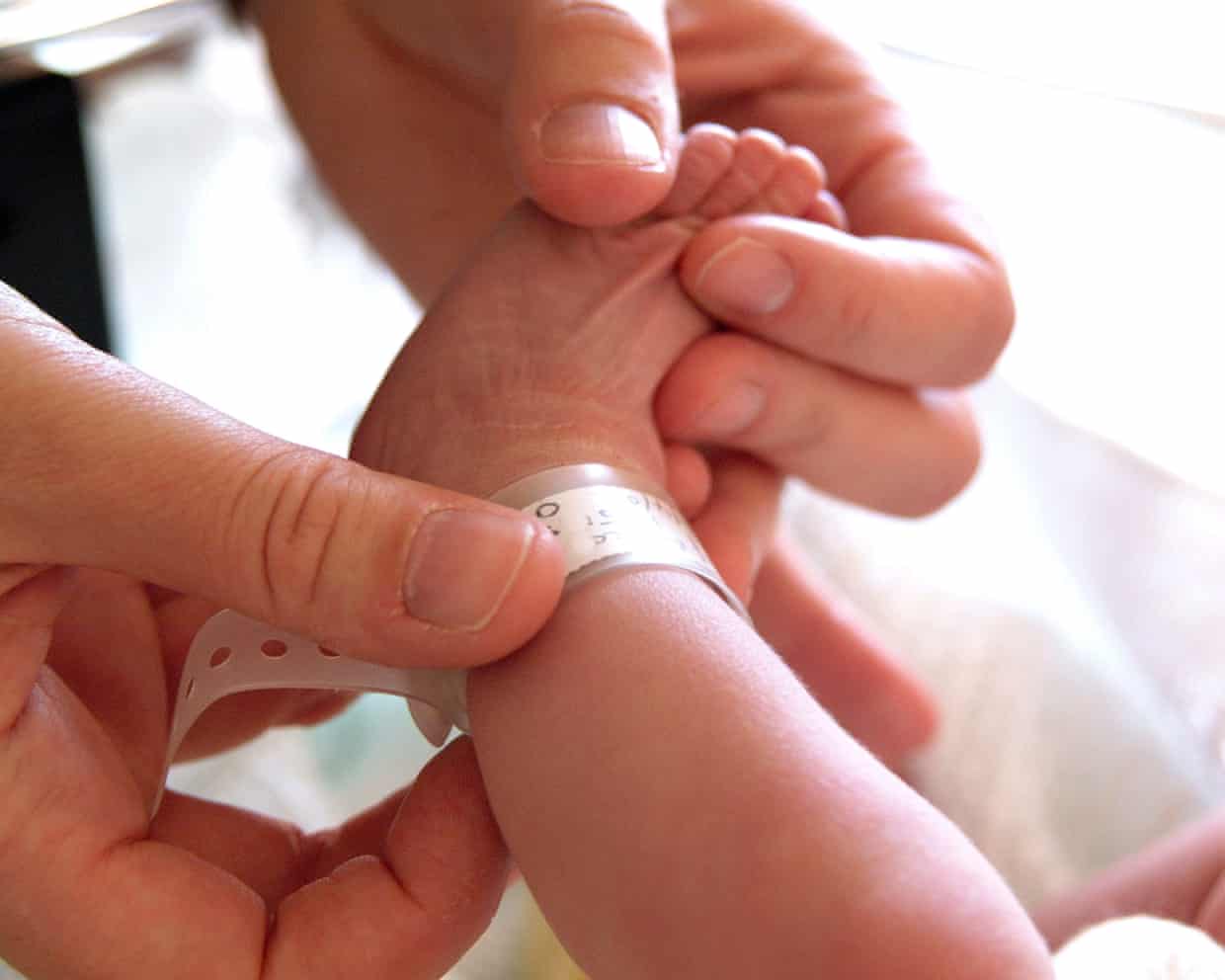
The NHS will have to spend more money settling lawsuits involving negligence during childbirth after a supreme court ruling that lawyers said puts right a “historic injustice”.The court ruled on Wednesday that children in England who suffer catastrophic injuries while they are being born can claim damages for future earnings they would otherwise have had.The ruling on “lost years damages” means that children whose life expectancy is shortened can recover compensation for being unable to work.It comes amid mounting concern at the rising cost of medical negligence to the NHS in England – its liabilities have hit £60bn – much of which is due to errors made during childbirth.“The supreme court today has put right an historic injustice which set injured children’s rights in negligence cases at a lesser level than those of an adult,” said James Drydale, the lawyer for a girl known only as CCC

Ketamine addiction making teenagers wet the bed, says UK’s first specialist clinic
Children are using incontinence pads and urinating in buckets next to their bed at night due to bladder problems caused by ketamine addiction, according to the first specialist NHS clinic dealing with the issue.Medics at Alder Hey children’s hospital in Liverpool have opened the first ketamine clinic for young people in the UK in response to a surge in urology problems linked to addiction of the drug.“Some of our patients start wetting the bed or find going to the bathroom at night is actually too hard, so they’ll either choose incontinence products or a bucket by the bed,” said Harriet Corbett, a consultant paediatric urologist at the clinic.“I hate to say it, but a lot of them get to the point where they’re not fussed about where they go, because the need to go overrides their desire to find somewhere private. And I suspect more of them are incontinent than are willing to tell us

Death tax? Property tax? Four ideas that could offset inheritance inequality in Australia
The $5.4tn intergenerational wealth transfer predicted to occur within the next two decades is a major challenge for Australian governments. Economists have warned it could entrench and exacerbate inequality, and make the economy less productive. So what can be done about it?“In the end, that comes down to tax,” says the former deputy reserve bank governor Guy Debelle. “Taxation is how you redistribute

The disturbing rise of Clavicular: how a looksmaxxer turned his ‘horror story’ into fame
His gonzo argot of ‘mogging’ and ‘jestermaxxing’ masks a malign chauvinist philosophy, and his audience keeps growingHow’s your “jestermaxxing” game? Have you been “brutally frame-mogged” lately? If you’ve been finding this kind of online discourse even more impenetrable than usual, a 20-year-old content creator calling himself Clavicular is probably to blame.Born Braden Peters, Clavicular is a manosphere-adjacent influencer who has recently broken containment for a string of high-profile controversies, including livestreaming himself apparently running over a pedestrian with his Tesla Cybertruck and being filmed chanting the lyrics to Kanye West’s Heil Hitler in a nightclub with the self-styled “misogynist influencer” Andrew Tate and the white nationalist commentator Nick Fuentes.Before taking up with what some feel are among the worst men alive, Clavicular was known only as a “looksmaxxer”, a young man intent on optimising his physical attractiveness by frequently extreme measures (such as steroids, surgery and, er, taking a hammer to his jaw).Yet Clavicular’s gonzo live streams and absurd lingo have seen him escape his subcultural silo, landing him a modelling gig at New York fashion week and a profile in the New York Times.So where has he come from? And what does his rise mean for humanity?Peters came to prominence last year on the streaming platform Kick (like Twitch, but more laissez-faire with content moderation), where he now has nearly 180,000 followers
Ministers may slow youth minimum wage rise amid UK unemployment fears
Ministers are considering a slower rise in the minimum wage for younger workers, amid fears over rising youth unemployment.Labour had promised in its manifesto to equalise national minimum wage rates by the time of the next election, saying it was unfair younger workers were paid less. Government sources said equalisation remained the aim but the rise could come more slowly.At the current rates, those between 18 and 20 are paid a minimum of £10 an hour, rising to £12.21 an hour for those over 21

Spending even more on defence won’t buy us peace | Letters

Global Counsel calls in administrators, blaming Peter Mandelson ‘maelstrom’

Dual nationals could use expired UK passports to prove they are British, Home Office says

Starmer appoints Antonia Romeo as head of civil service

Ministers must end ‘barking mad’ restraints on civil service pay, union leader warns

Countries that do not embrace AI could be left behind, says OpenAI’s George Osborne