Spending even more on defence won’t buy us peace | Letters

We are told to spend even more, and more quickly, on the armed forces, whose current budget for this year is expected to amount to more than £60bn (‘Britain ‘needs to go faster’ on defence spending, Starmer says, 16 February).The Ministry of Defence must surely first show it can put its house in order.The government is considering whether to scrap Ajax, the army’s planned new armoured vehicle, even though more than £6bn of taxpayers’ money has already been spent on the project.Ajax is eight years late, its defects so serious that vibration and noise have made soldiers training on it sick, with some suffering hearing loss.It is the latest and most egregious example of the huge waste caused by the MoD’s incompetence and profligacy over recent years.
It has spent many billions on items, including aircraft carriers, that would be extremely vulnerable in modern conflicts, something that has been evident for a long time.The chairs of the Commons defence and public accounts committees told the MoD last month that its failure to publish its equipment plan in 2023, and again in 2024, has resulted in an unacceptable gap in parliament and the public’s ability to scrutinise defence spending.Repeated delays in publishing the MoD’s current plan risk sending damaging signals to adversaries, they added.The delays also signal that the MoD culture is unfit for purpose and its leadership cannot be trusted with so much of the British public’s money.Richard Norton-TaylorLondon Desire for greater security comes from people and countries feeling unsafe and fearful (British and German military chiefs press ‘moral’ case for rearmament, 15 February).
But experience has shown that the apparent security that comes from rearmament is temporary at best and can provoke the conflict it tries to prevent.The British and German defence chiefs may argue that “strength deters aggression”, but this conceals the reality that Britain already has the world’s sixth-largest military budget, and that Nato’s military spending already dwarfs Russia’s.Their argument could easily come from defence chiefs in Russia or any other hostile state.As we are seeing with the US as well as Russia, strength also begets aggression.Countries aren’t static in responding to each other, and there’s a high likelihood that military buildup in Europe will spur further militarisation elsewhere.
Long-term peace comes from building trust, friendship and mutual dependence between nations, not the constant threat of military retaliation.Oliver RobertsonHead of witness and worship, Quakers in Britain So the British and German military chiefs are making the moral case for rearmament in order to “preserve peace”.Doing so, they say, is not warmongering.However, when doing so has led to a 45% cut in the government’s funding through the Integrated Security Fund dedicated to building peace and preventing conflict and when the Foreign, Commonwealth and Development Office is being “restructured” with the loss of considerable conflict expertise, it does rather look like warmongering.If we are serious about preserving peace, we need to be investing in those diplomats and peacebuilders who are able to de-escalate and reduce tensions.
Rearming without investing in these skill sets will simply increase tensions still further.It is the opposite of preserving peace.Lt Col David Couzens (retired)Faringdon, Oxfordshire The defence chiefs of the UK and Germany quite rightly warn us of the increasing threat from a rapidly rearming Russia, and call for “an honest conversation” with citizens about defence being the responsibility of each and every one of us.Any meaningful conversation must be preceded by a crash course in recent events and an outline of the specific threats.Few people in the UK nowadays have any reason to be concerned about defence, and successive governments have been much too timid to talk openly about the threat of war for fear of spooking the population.
There is one significant omission from the proposed conversation.If the government wants citizens to engage in building a whole-of-society defence, it must spell out in detail how it will protect us should open conflict break out.Civil defence organisations disappeared along with the cold war, and the (very few) nuclear shelters allocated to civilians have fallen into complete disrepair.Hannah WalkerWymondham, Norfolk The British and German defence chiefs write of the “moral dimension” of rearmament and say that weakness invites aggression.I would suggest that the people of Moldova, Georgia and Ukraine have offered no such invitation to their bear-like neighbour.
Nor, indeed, the people of Iraq to this country’s catastrophic aggression in 2003,Greenlanders will likewise be anxiously checking their own invitation list,The top brass are nonetheless right that a whole-of-society approach is required to meet the complexity of threats to the UK and Europe – not just those emanating from Vladimir Putin, Donald Trump and their ilk, but also climate breakdown, grotesque inequality, and deadly new technologies,But that approach cannot be reduced to a lecture on how military industries must prevail at the expense of our health and welfare,Eight months since the last defence and security reviews, we are still nowhere near the “continent-wide conversation with the public” that the prime minister and security elites glibly prescribe.
The public remains wholly outside the conversation on its own security, excluded from even tokenistic input to the last national security strategy.We ignore at our peril how the “peace dividend” investment of the post-cold-war era strengthened our society, as well as how that trust, unity and resilience has been steadily undermined by austerity, corruption, misinvestment in wars of choice, and the politics of polarisation.If morally conscious leaders genuinely want to protect their people, they would do well to listen and look at home too.The UK’s weakened society invites not deflection and aggression, but recognition and action.Richard ReeveCoordinator, Rethinking Security Have an opinion on anything you’ve read in the Guardian today? Please email us your letter and it will be considered for publication in our letters section.

Are you sitting uncomfortably? | Letter
Creating a network of public seating at regular intervals can hugely increase the independent mobility of people who need to sit and rest frequently. This sometimes means bench positioning can mystify those who don’t actually need them (Emma Beddington, 16 February).But sometimes, complainants are just plain mischievous. I was involved in improvements in the heart of Windermere, Cumbria, a few years back, when a complaint was made that a bench facing a butcher’s shop window “may distress vegetarians”. In truth, of course, the bench was very much welcomed – especially by those needing to rest their plates of meat
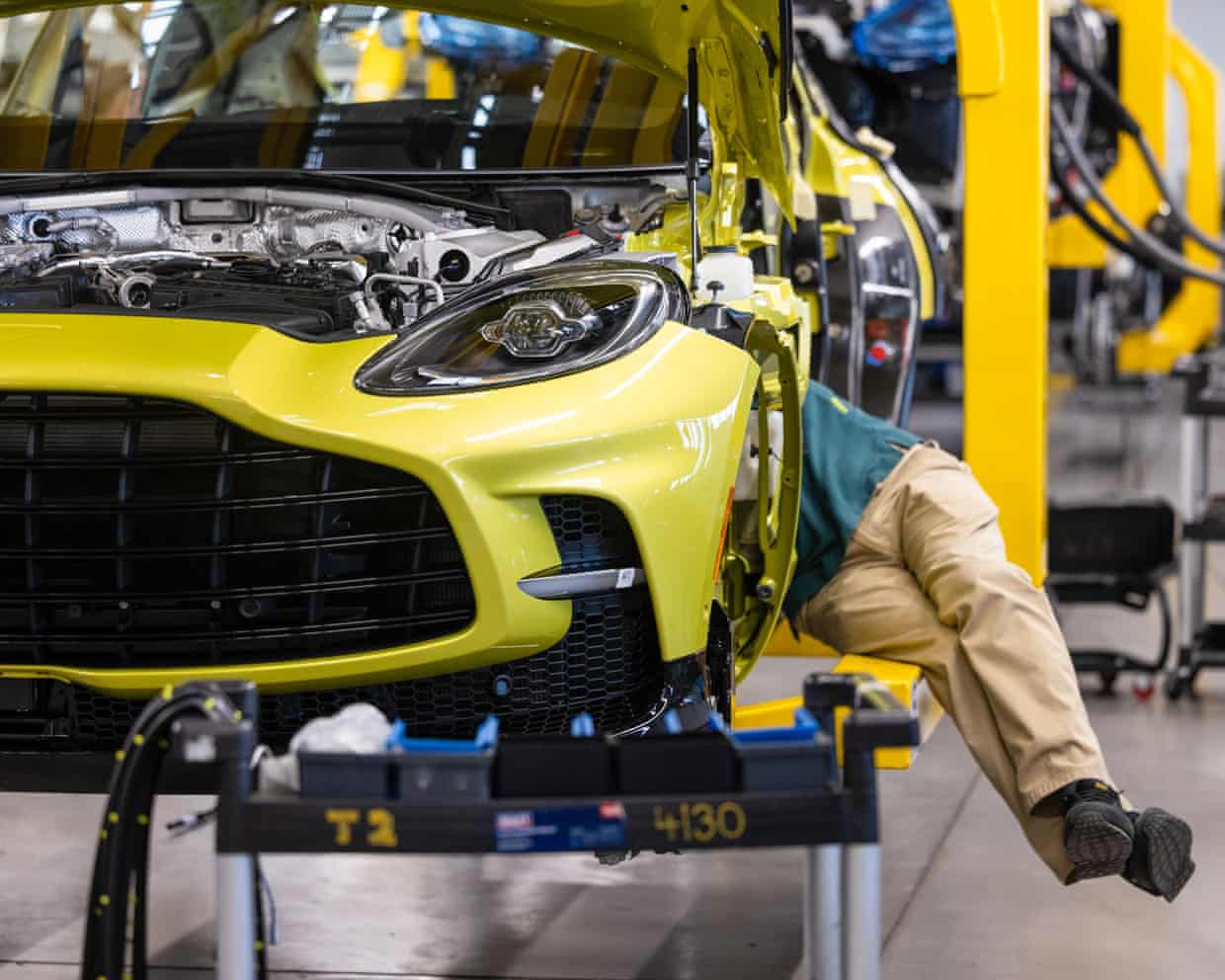
UK manufacturing still beset by low orders and price pressure, says CBI
British manufacturing orders remain well below average and price pressure continues to persist, according to a closely watched survey.The CBI industrial trends survey found that manufacturers’ orders for the month were below average in February, while most firms expected to raise their prices and for output to decline over the next three months.The survey compiled by the Confederation of British Industry adds to a mixed picture for the UK economy since the start of the year. Households are feeling “dismal” about their finances, while companies have been cutting staff amid rising cost pressures. However, some business surveys have suggested a rise in optimism among companies since the start of the year after uncertainty over the government’s autumn budget lifted

Oil prices rise amid fears of US strikes on Iran – as it happened
Oil prices are on the rise as traders react to growing concerns that the US could launch military action against Iran.Both the US and Iran embark on military posturing despite trying to de-escalate a standoff over Tehran’s nuclear programme.Brent crude is up 1.55% at $71.44 a barrelWTI is up 1

Is Tim Wilson an ‘inflation nutter’? Why the new shadow treasurer’s RBA comments are making waves
There was good news on Thursday.Another solid month of jobs growth left the unemployment rate steady at 4.1% in January.The impressive resilience of Australia’s jobs market has been the positive story of the post-pandemic economy.We have come out the other side of the global health crisis and a once-in-a-generation inflationary event with a jobless rate that has tracked consistently one percentage point below where it was through the dog days of the late 2010s
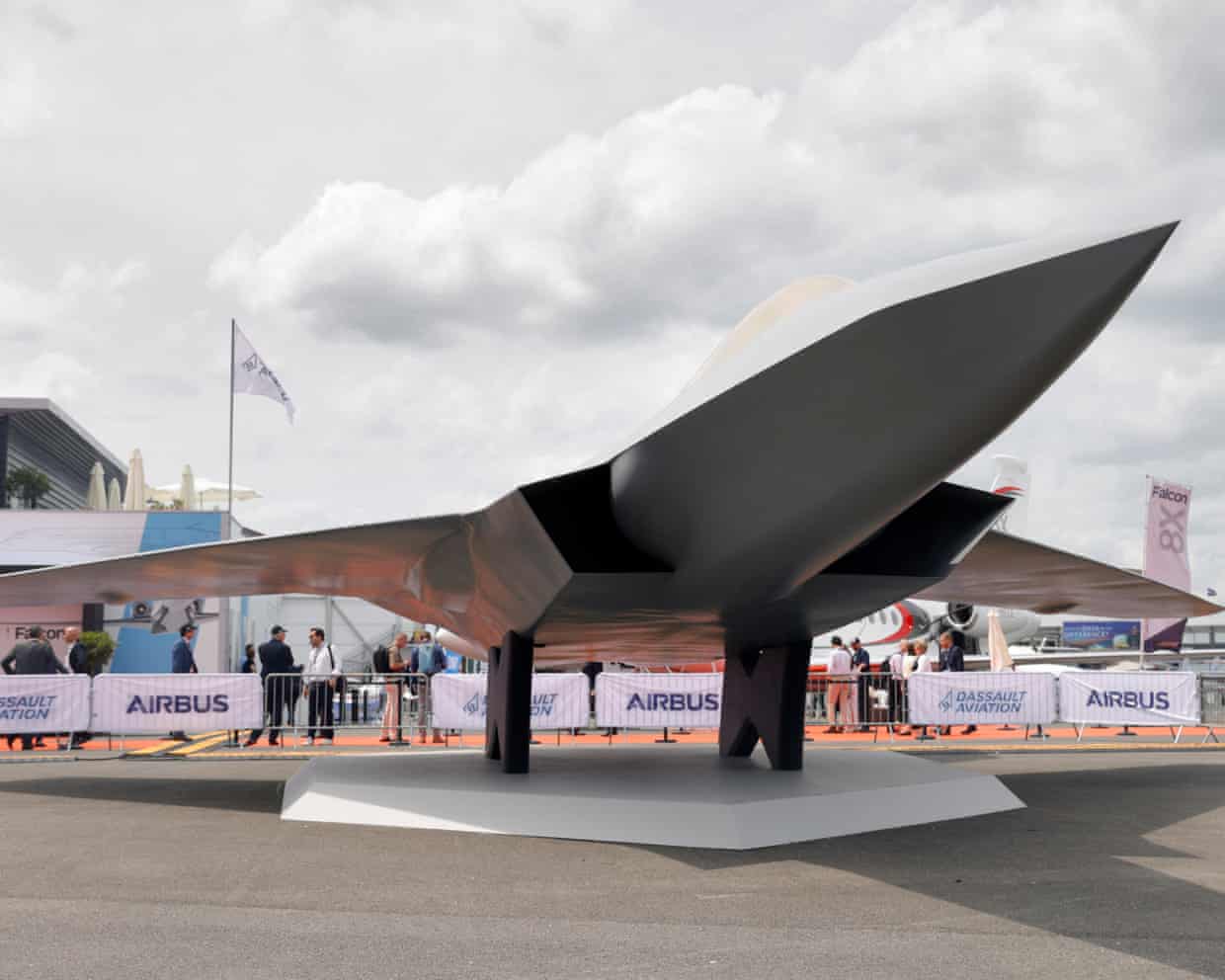
Airbus suggests split solution for Europe’s faltering fighter jet programme
Airbus has suggested splitting Europe’s faltering future fighter jet programme into two separate warplanes, amid a dispute between manufacturers over who leads the €100bn (£87bn) project.The company’s defence arm – which represents Germany and Spain – and the French partner, Dassault Aviation, are locked in a battle over the jet part of the Future Combat Air System (FCAS), a wide-ranging project that will also include autonomous drones and a futuristic “combat communications cloud”.Guillaume Faury, Airbus’s chief executive, said on Thursday that the deadlock over the planned next-generation jet “should not jeopardise the entire future of this hi-tech European capability, which will bolster our collective defence.“If mandated by our customers, we would support a two-fighter solution and are committed to playing a leading role in such a reorganised FCAS delivered through European cooperation.”Earlier this week, the German chancellor, Friedrich Merz, signalled that the planned warplane did not suit Germany’s needs, in the latest blow to the project
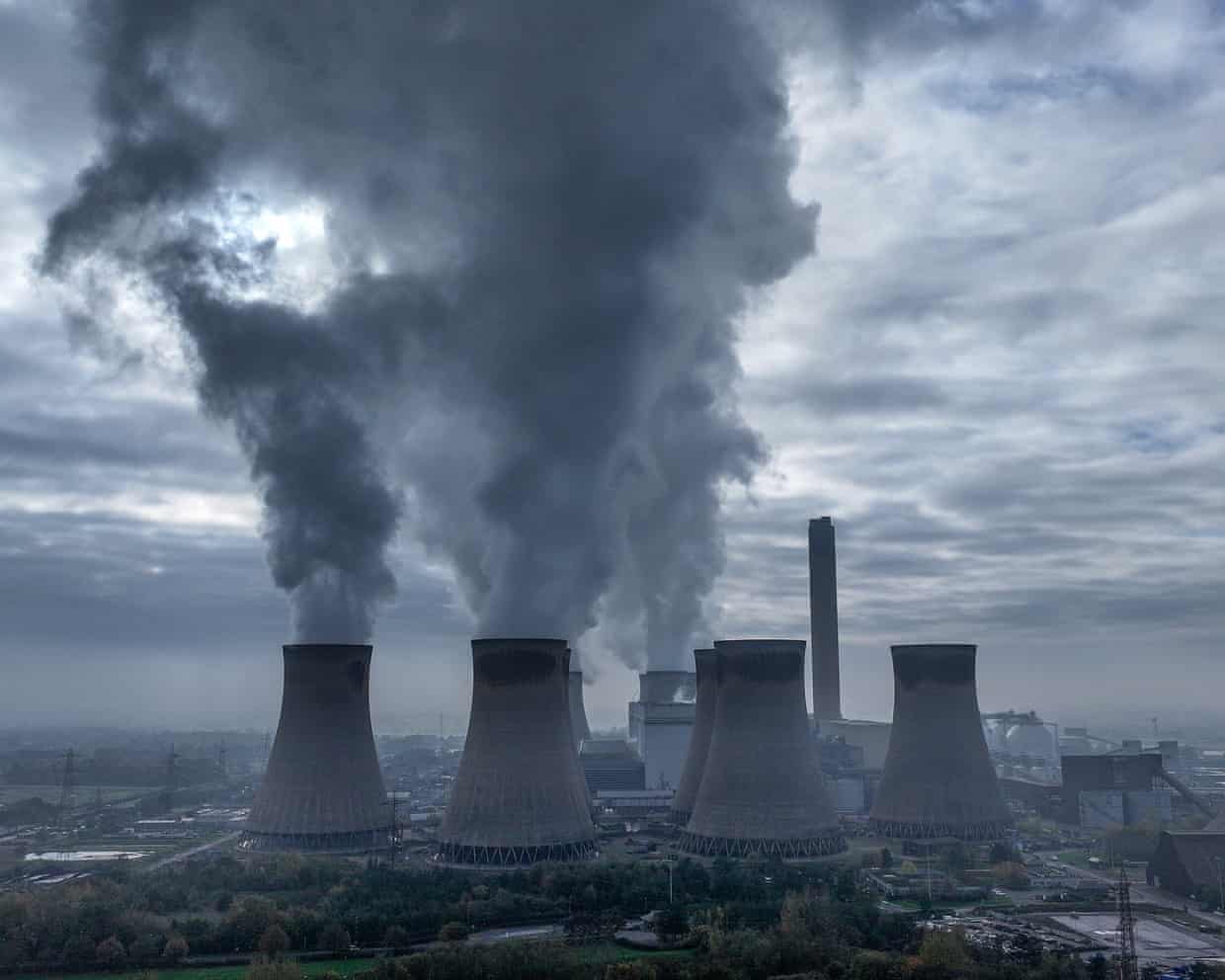
MPs in call to halt Drax’s £2m-a-day subsidy over sustainability doubts
Ed Miliband is under pressure from MPs to suspend subsidies worth £2m a day paid to the owner of the Drax power plant in North Yorkshire after court documents cast doubt on the company’s sustainability claims.A cross-party group of 14 MPs and peers have called on the energy minister to halt the subsidies for Britain’s biggest power plant while the financial watchdog investigates the company’s claims about how it sources the millions of tonnes of wood pellets burned to generate electricity.In a letter, seen by the Guardian, the politicians said they were “deeply concerned” that Drax may have been given “substantial billpayer subsidy” while the company “may have knowingly and consistently concealed information” about the green credentials of its wood sources.The FTSE 250 owner of the Drax power plant gets about £2m a day in renewable energy subsidies, paid by consumers, on the condition it generates electricity from biomass pellets made from waste or low-value wood from sustainable forests.Drax, Britain’s single biggest source of carbon emissions, imports millions of tonnes of wood pellets from across the Atlantic every year and is projected to receive £11bn in subsidies by the end of 2027
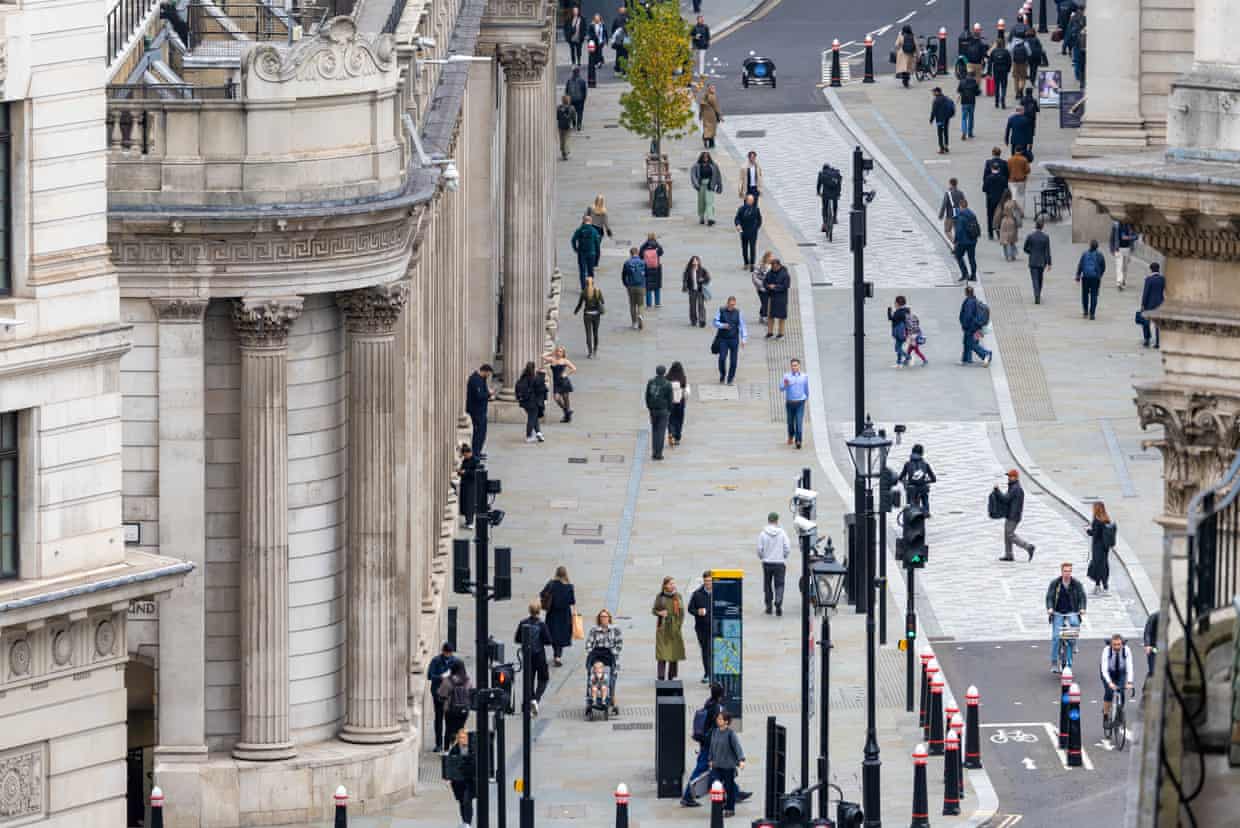
Hat-trick of good UK economic news as budget surplus hits record, retail sales rise and private sector activity strengthens – business live

Hospitality workers: tell us about the worst or rudest customers you ever dealt with

Mind launches inquiry into AI and mental health after Guardian investigation

West Virginia sues Apple over child sex abuse material stored and shared on iCloud

Winter Olympics 2026: ski cross, halfpipe and more on day 14 – live
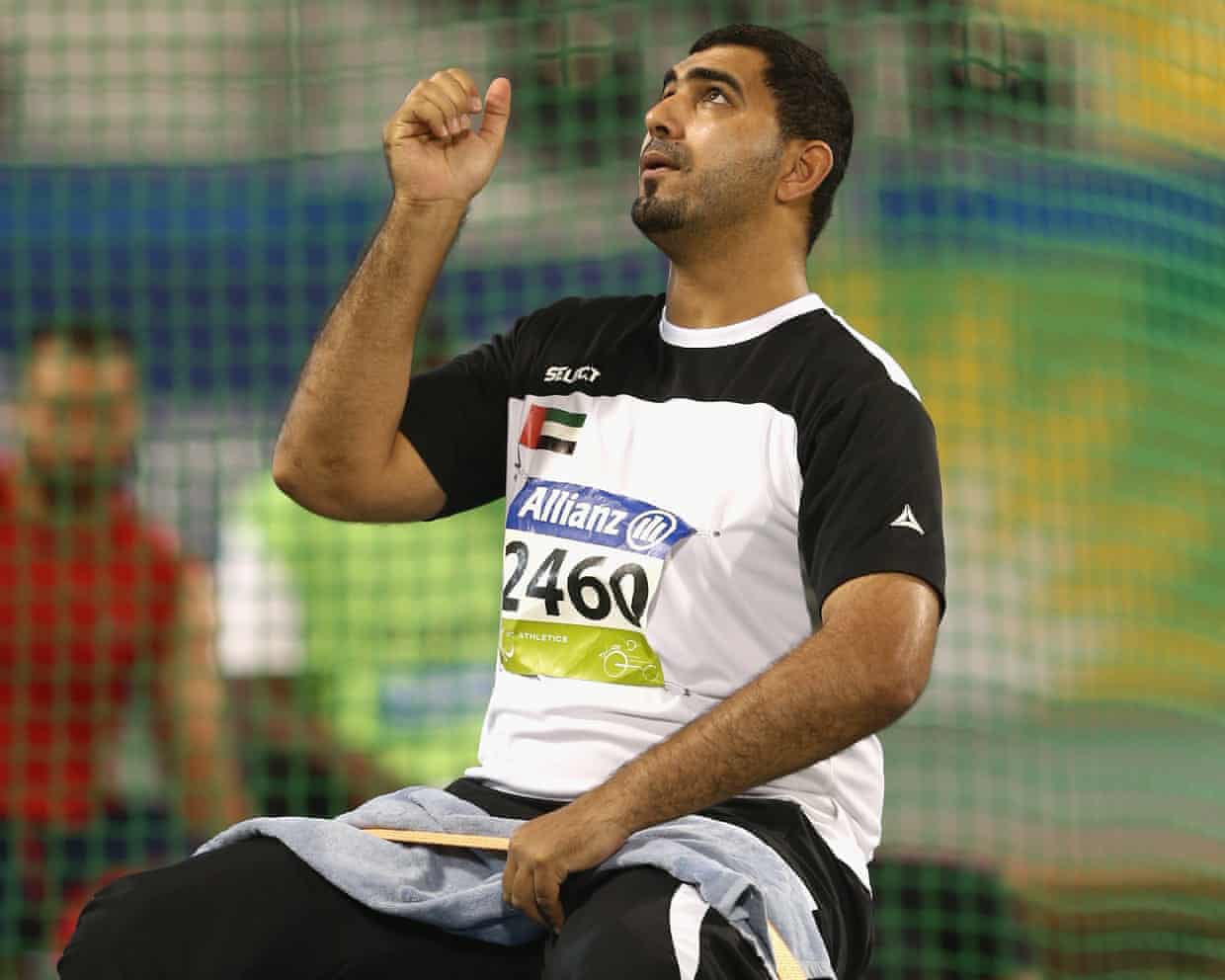
UK Athletics pleads guilty to corporate manslaughter after death of Paralympian