‘Awkward and humiliating’: UK job hunters share frustration with AI interviews

Nearly half (47%) of UK job seekers have had an AI interview, research from the hiring platform Greenhouse has found.In its survey of 2,950 active job seekers, including 1,132 UK-based workers, with additional respondents from the US, Germany, Australia and Ireland, it found that 30% of UK candidates had walked away from a hiring process because it included an AI interview.We asked people about their experiences of AI interviews.The responses included those who found it “awkward” and “humiliating”.Others spoke of wanting a human element in the interviews, and said they were not sure if their interview had even been reviewed.
Here are some of the responses.Thomas*, 21, who is at university in the north of England, says he found the AI interview component of his job applications “frustrating”.He has applied for 15 jobs, and around 10 of them have involved AI interviews.In addition to these, they often have personality assessments and numerical and skills tests, all of which are completed online.Once he passed those, he was invited for an AI interview.
“Most companies do faceless interviews, where you are given a prerecorded video of someone asking a question, followed by up to two minutes to plan a response, followed by three minutes to give your answer,” he says,“These are the worst of the three tests, as it feels strange talking into a camera, and it can be difficult to speak naturally,You can’t see anyone other than yourself,“It doesn’t feel real, it’s like you’re looking into a mirror and speaking to yourself,There’s no human interaction.
If you had an in-person interview, you’d be able to see how someone’s reacting and that they’re acknowledging what you say.”Most of these interviews lasted about 10 minutes, but the longest one Thomas had was half an hour.He says that once he got through to the later rounds in the job application process, he would then have a face-to-face interview, which he described as “really good”.Thomas has secured a job and will start in September.In the meantime, he wishes companies could improve the AI interview experience.
Susannah*, 44, a scientist living in Cambridge, says she found her AI interview “awkward and humiliating”.After completing an online form last year for a “senior” scientific role, she sent off her CV and covering letter as requested and was then invited for an AI interview.Before the interview, she was asked for permission to let them use an AI interviewing system.Susannah says there “wasn’t any option not to accept, if I wanted to proceed with the application”.“The interview comprised five questions, and the whole thing lasted only 10 minutes or so,” she says.
“I found it awkward and the whole process humiliating,”The interview took the form of a series of questions displayed on her computer screen, each of which she had to answer within three minutes,She would hit the record button when she began to speak, and a countdown clock would start on the screen,She says the “questions were very general, focused on behaviour at the workplace and could be applied to many other roles”,About a week later, she “received very general feedback and a rejection”.
“I’m not even sure anybody watched the interview,” she adds,Susannah says she understands why companies use AI interviews,“There are just so many applications for these jobs that an HR department would not be able to go through them all,”Susannah, who is now contracting, says people do the AI interviews “because we are so desperate” for work,David*, 47, a marketing consultant living in Spain, says his AI interview was “completely horrible for the autistic brain”.
“What followed was awkward to say the least,” he says of the 20-minute process.“I struggled immediately.I spoke in bullet points and keywords.The real me, who would take his time to understand the actual challenge and constraints of a project, would never deliver like that.In my line of work, there are always questions to ask before any solution can have merit.
It’s a two-way thing and always will be,”Despite feeling he had not done well, he was invited to an interview with the chief executive of the company, who told David that he had put the AI interview transcripts through ChatGPT to see what it made of the candidates,Although David understands AI’s usefulness in some circumstances, he was not impressed with his first AI interview,“AI interviews are one-way,They minimise the investment for the hiring party and maximise the strain on the potential supplier.
They’re also completely horrible for the autistic brain, and I presume not much nicer for others.“For me, it’s the worst thing possible, a countdown, answering a blank screen, no context.I can’t ask the question.But also, I don’t know if that’s autism or everyone, but I can’t pause, so you’re going to get some generic garbage out of me if you put me on the spot in a panic like that.I guess my garbage was strong enough, but it wasn’t true.
”Tom, a project manager living in Scotland, applied for a “side hustle” job – and said this probably made him view the AI interview with intrigue rather than ire.“If this had been a day job I was going for, I think I would have been far more grumpy about it,” says Tom, who is in his late 40s.After he submitted his CV, he was invited for an interview with an AI agent, which conducted a “reasonable” conversation with Tom via his computer screen.He likened it to a phone conversation, albeit one with the odd glitch.“When I would pause, ready to continue my answer, the AI agent had decided I’d finished, so repeatedly interrupted and moved on to the next question despite the answer not being complete,” he says.
“The agent also picked up and reinforced the most minor points.I found it mildly amusing and intriguing, but then I am not depending on getting this job, so I could be a bit more relaxed about it.”He said an AI interview “can’t yet pick up on the subtleties of body language”.“Also, an interview should be a two-way thing: the potential employer interviewing you, but also I am interviewing them to see if I want the job.”The job was an AI-related project, so he says he can understand why the interview took the format it did.
“I don’t think the technology is ready for a full-blown interview yet – I guess maybe it depends on what sort of job you’ll end up doing.But I think the human touch is probably a good thing, and I hope that lasts as long as possible.”*Name has been changed

Solicitors report late flood of no-fault evictions before ban in England
Solicitors say they have been inundated with requests to serve last-minute section 21 no-fault eviction notices before they are banned when the Renters’ Rights Act comes into force in England on Friday.The legislation, which has been hailed as the biggest change to renting in a generation, bans no-fault evictions, limits rent increases and abolishes fixed-term tenancies.On the eve of the new rules, solicitors said they were working long hours to keep up with the sudden demand for eviction notices, while Citizens Advice said thousands of people facing a no-fault eviction had approached it for help in the last month.In March, the service helped 2,335 people dealing with a no-fault eviction, up 16% on the same time last year, as well as more than 1,800 people dealing with disrepair such as damp and mould, and more than 1,000 with rent increases.Thackray Williams, a London- and Kent-based law firm, said it had received a wave of last-minute instructions from landlords looking to evict their tenants and sell their properties because of the legislation

Austerity to blame for the fall in healthy life expectancy | Letters
A major cause of the fall in healthy life expectancy (People in UK spend fewer years in good health than a decade ago, study finds, 27 April) is austerity and the continued cuts to social and health spending. In our report Still Digging Deeper: The Impact of Austerity on Inequalities and Deprivation in the Coalfield Areas, which covers Scotland, England and Wales for the period 1984-2024, we highlight how public expenditure cuts since 1984 have disproportionately impacted coalfield areas of the UK.Since 2010, austerity has been stepped up, and we have calculated that welfare reforms and benefit cuts amounted to £32.6bn over the period of 2010-21. Furthermore, in 2025-26 coalfield local authorities had a combined funding gap of £447m
UK researchers develop tool to identify people most at risk of obesity-related diseases
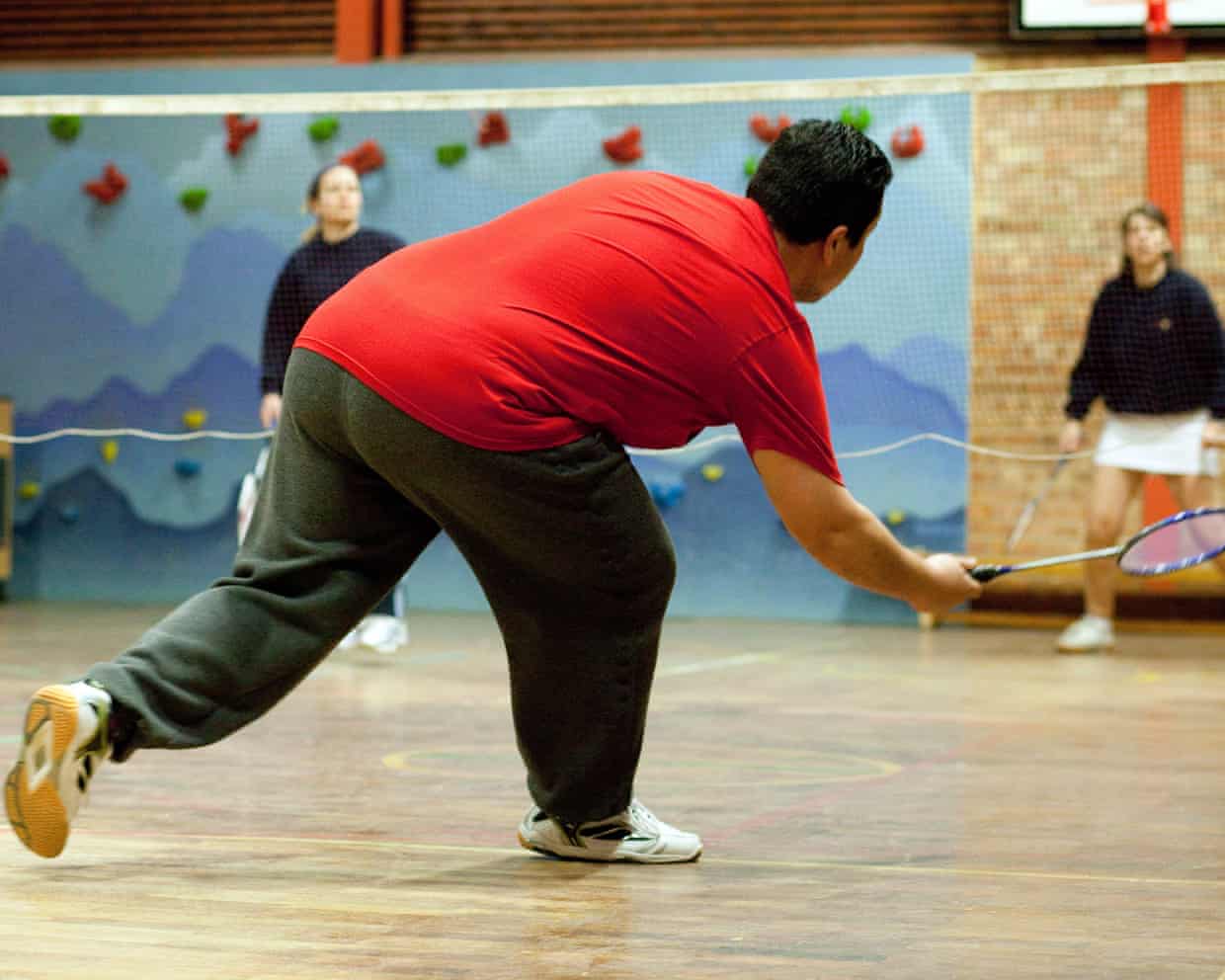
A new tool that can shed light on who is most at risk of obesity-related diseases could help identify people who would benefit most from weight-loss medications, researchers have said.Recent data suggests about two-thirds of adults in England are overweight or obese – a situation that has caused concern among health experts.Now researchers have developed a tool that, they say, offers an accurate and personalised approach to identifying those at risk of obesity-related conditions.They add it could be useful for prioritising who should receive interventions, such as weight-loss jabs, given that access on the NHS is limited and currently based simply on having a high body mass index (BMI) and particular obesity-related health problems.Prof Nick Wareham, of the University of Cambridge, a co-author of the study, said the measure was not about extending the use of particular therapies

Violence against women is at ‘breaking point’, says writer of John Worboys drama
Violence against women is “at breaking point” and the justice system needs to change, according to the writer of new ITV drama Believe Me about the survivors of “black-cab rapist” John Worboys.Jeff Pope, who is also writing a BBC drama about the murder of Sarah Everard, said he wanted to tell these stories because “something needs to happen” and the “police just won’t seem to me to change”.Believe Me tells the true story of how the women who were attacked by Worboys were failed and doubted by the Metropolitan police. He was eventually jailed in 2019, with the help of evidence from Carrie Symonds (now married to Boris Johnson) who was drugged, but escaped being raped. Symonds is portrayed in Believe Me by Industry actor Miriam Petche
Raise tax on alcohol and junk food to cut deaths from liver disease, experts say
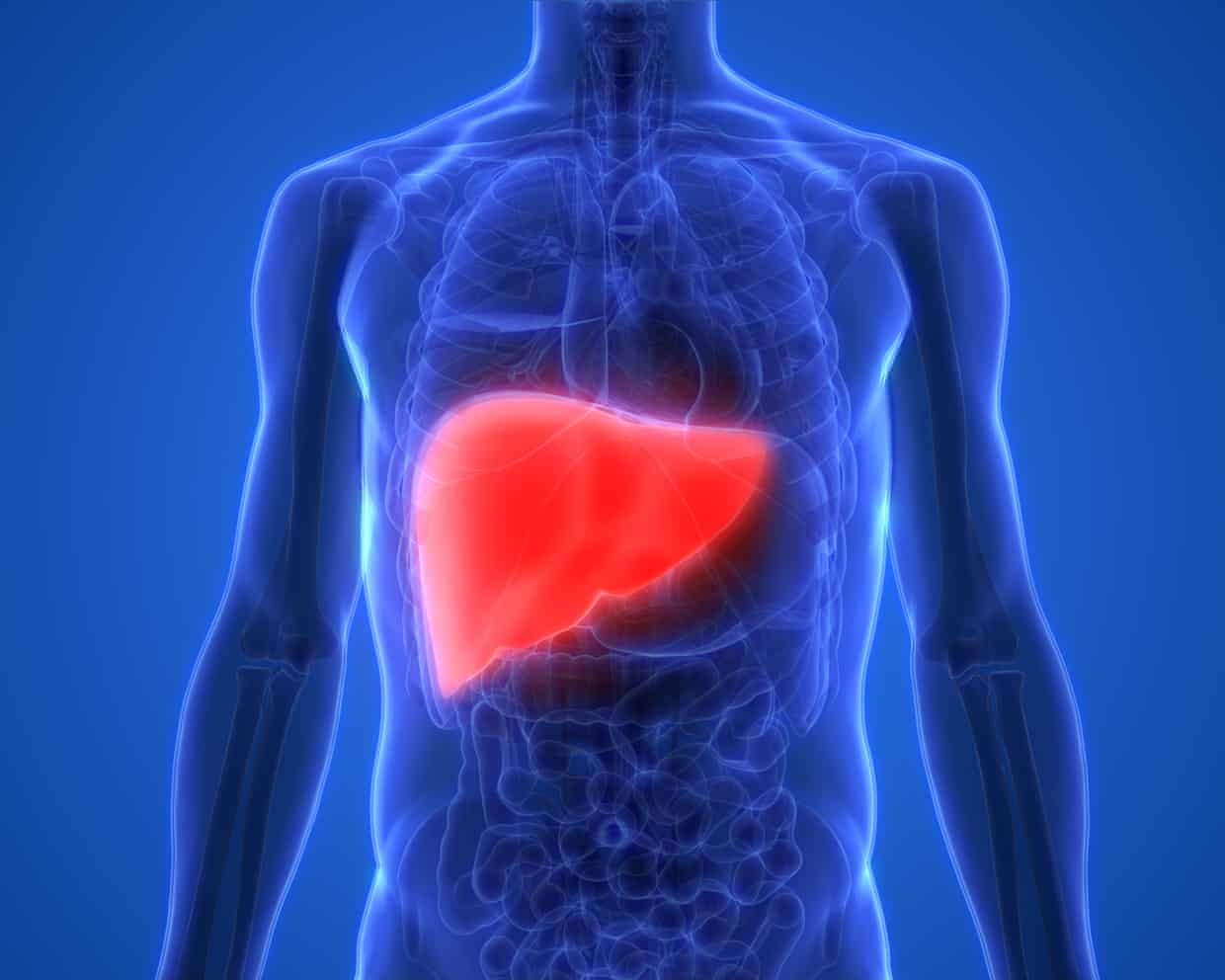
Governments in Europe should impose much higher taxes on alcohol and unhealthy food to tackle the continent’s 284,000 deaths a year from liver disease, experts say.Taxes on those products should rise sharply enough for the money raised to cover the huge costs they place on health services, the criminal justice system and social services.The call for tough action on common causes of serious liver disease comes from a commission of experts from the European Association for the Study of the Liver and the Lancet medical journal.They are urging governments in Europe to ensure all alcoholic products carry health warnings and stop under-18s being targeted with online advertisements for alcoholic drinks and junk food.Bold steps are needed to combat “an escalating and unsustainable burden of liver disease”, the commission says in a report published on Wednesday in the Lancet

Leasehold ban in England and Wales unlikely before next general election, minister says
A ban on new leasehold properties in England and Wales is unlikely to come into force until after the next election, the housing minister has said, as he defended the government’s piecemeal attempts to dismantle the system.The long-promised end would take years to “switch on”, Matthew Pennycook said, even though the ban of leaseholds on new houses was passed in 2024 and the government intends to pass one on new flats soon.Pennycook was giving a speech defending the government’s approach to bringing a de facto end to the feudal-era system after years of complaints from leaseholders about crippling service charges and crumbling buildings. He said the process needed to be rolled out slowly to avoid undermining housing supply and falling into legal pitfalls.“I think it’s highly likely that we don’t switch on the ban in this parliament,” he told reporters afterwards

Firm bookings, fast refunds: easyJet and On The Beach aim to reassure jittery travellers with holiday pledges

Octopus Energy boss: some people would accept blackouts if bills cut

ACCC v Woolworths may have exposed the ‘magic’ of supermarket discounts – but will it change how we shop?

Renault says ‘seismic shift’ in electric car interest after Iran war oil price shock – as it happened
‘Temu Range Rover’: what the bestselling Jaecoo 7 says about China’s electric car ascendancy
Czech energy group hints at combined bid for British Steel and Speciality Steel UK