One in five UK hospitality businesses fear collapse as costs surge
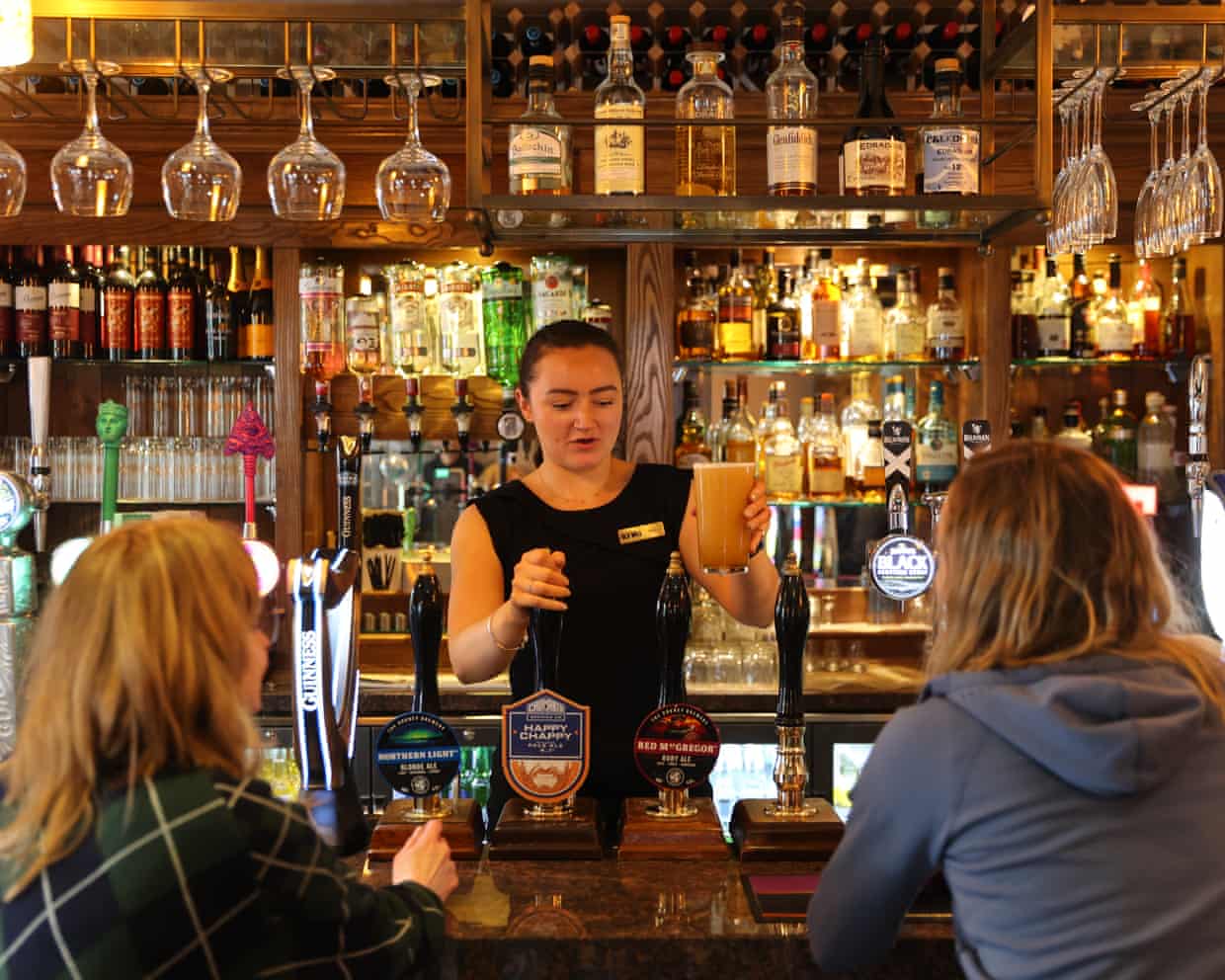
One in five hospitality businesses fear collapse in the next 12 months, according to an industry-wide survey that comes days before rises in tax and employment costs kick in.From Wednesday, many pub, restaurant and hotel companies face the prospect of a higher bill for business rates paid to their local authority, while an increase in minimum wage thresholds takes effect on the same day.The impending cost crunch has left the sector facing a crisis in confidence and warning of multiple business failures unless the burden is “dramatically reduced”.One in five of the survey respondents, who between them operate more than 20,000 venues, said their businesses were at risk of failing in the next 12 months.Almost half (44%) were pessimistic, while 17% were operating at a loss and 2% believed their businesses were already unviable, according to data shared with the Guardian by sector analysts CGA by NIQ.
The mood is likely to have worsened since the survey was performed in February, after turmoil in the energy markets following the attacks on Iran by the US and Israel,Surging oil and gas costs are likely to send energy bills soaring for businesses that aren’t on fixed-term contracts,The cost of ingredients, not to mention the extra strain on consumers’ wallets, presents further danger on top of the policy changes,But the industry’s immediate focus is on the policy changes that come into effect on 1 April,Survey respondents put increased employment costs at the top of their list of worries, followed by business rates and inflation in the cost of food and drink.
UKHospitality, which commissioned the survey alongside trade bodies from the pubs sector, said the increase in the national living wage and national minimum wage would result in an extra £1.4bn in costs for the sector.The organisation said it could not provide an estimate of the overall cost of business rates changes, but it expected most of its members would pay more.It believed the average hotel in England would pay £28,900 more this year (up 30%), while the average restaurant would face a 15% increase worth £1,800.Both the wage and business rates increases are the result of measures announced in the chancellor Rachel Reeves’s budget in November.
After a backlash, relief schemes have been put in place to cap the level of increases, while pubs will get a 15% discount and a two-year freeze.“Our local pubs, restaurants and hotels are finding it more and more difficult to make ends meet, and even more cost increases arriving this week will make that challenge even harder,” said UKHospitality, in a joint statement with the British Beer and Pub Association, the British Institute of Innkeeping and Hospitality Ulster.“Too many businesses are simply not making any money, and it’s because the sector’s cost burden is so high.The only result is lost jobs and business closures, which ultimately hurts communities and high streets.“The business rates support for pubs was essential and welcome, but there are many policies undermining government’s objectives to grow the economy and get more people back into work.
“Hospitality can be a driving force of growth and jobs, but only if its costs of doing business are dramatically reduced.The sector wants to work with government to achieve that.”

The great care home cash grab: how private equity turned vulnerable elderly people into human ATMs
When did care homes come to be seen as recession-proof investments? And who pays the price?On a spring morning in 1987, a 30-year-old man named Robert Kilgour pulled up beside a row of foamy cherry trees in the town of Kirkcaldy, on Scotland’s east coast, to visit an old hotel. The building was four storeys of blackened Victorian sandstone. Kilgour was a big man, a voluble Scot with a knack for storytelling. He already owned a hotel in Edinburgh but wanted to branch into property development and was planning to turn this old place, Station Court, into apartments. A few months after he completed the purchase, however, the Scottish government scrapped a grant for developers that he had been counting on
Conversations about infertility are hard, but essential | Letters
Perhaps one of the reasons that conversations about infertility are so difficult is that people are often encountering the experience for the first time without a shared language (Infertility: at a time when we need the right words, some are unable to find them, 21 March). In many ways, what people need is not just support, but a vocabulary for what they are going through. When someone loses a loved one, we have a go-to phrase: “I’m so sorry for your loss”. It’s not enough, but it’s something. With infertility, we don’t even have that

Polio virus detected in London days before ministers cut global eradication funding
The polio virus was detected in London sewage for the second time this year, days before ministers withdrew funding for global polio eradication efforts.Its detection reveals the spending cuts to be “shortsighted and self-defeating”, campaigners said. Polio is an extremely infectious viral disease, which typically affects young children under five. It can cause paralysis by damaging nerves in the spine and base of the brain, and can be life-threatening if it affects muscles used for breathing.UK health officials take weekly samples of wastewater from sewage plants around England to check for the presence of polio and will typically pick up a handful of cases a year

‘I decided not to jog here after dark’: new English council guidance prioritises women’s safety
Reetta Vaahtoranta used to go running in the evening along the Greenway, a four-mile (7km) pathway stretching across east London. But increasingly, she found herself receiving unwanted attention from lone male passersby. She switched her running clothes to baggier options, because “the less attractive and weirder you look, the less likely you are to get people following you”.“In the end, I just decided it was not worth it to come jogging here after dark,” she said. “If I know it can be a bit dodgy, then I just stop doing it

What does new guidance in the UK say about screen time for children?
The government has issued new guidance on how much time children below the age of five should spend on screens.Children’s relationships with screens have become one of the key struggles of 21st-century parenting, along with the impact of the content that appears on those devices. The guidance has been developed by a panel led by the children’s commissioner for England, Rachel de Souza, and children’s health expert Prof Russell Viner.Children below two years old should avoid screen time other than for shared activities that encourage interaction. For children between the ages of two and five, screen time should be kept to no more than one hour a day

Starmer vows to ‘fight’ social media firms to protect children from addiction
Keir Starmer has promised a “fight” with social media companies amid efforts to limit children’s use of mobile phones, tablets and TVs, as new official guidance recommends children under five spend no more than an hour a day on screens.The guidance, developed by a panel led by the children’s commissioner, Rachel de Souza and children’s health expert Prof Russell Viner, advises screen time for children under two should be avoided other than for shared activities.Ministers are also considering Australia-style measures to limit or ban social media for under-16s.Speaking at a school in south London about the new guidance, the prime minister said: “When there’s a lot going on, when children are having a tantrum, trying to find something to distract them is an obvious thing, and I don’t think parents and carers have had any guidance at all yet about what would be appropriate, what might be best.”The government is consulting on potential age restrictions on social media and other services, such as gaming sites and AI chatbots, as well as restrictions on addictive design features and risky functionalities, and better support for parents and families

Badenoch criticised for ‘peddling dangerous fantasy’ about North Sea oil drilling
Reform UK’s ‘pro-family’ policies are an exclusionary sham, minister says
‘We’re quietly chirpy’: some Tories glimpse ray of hope, but others see abyss at May elections

Reform candidate in Wales steps down after apparent Nazi salute
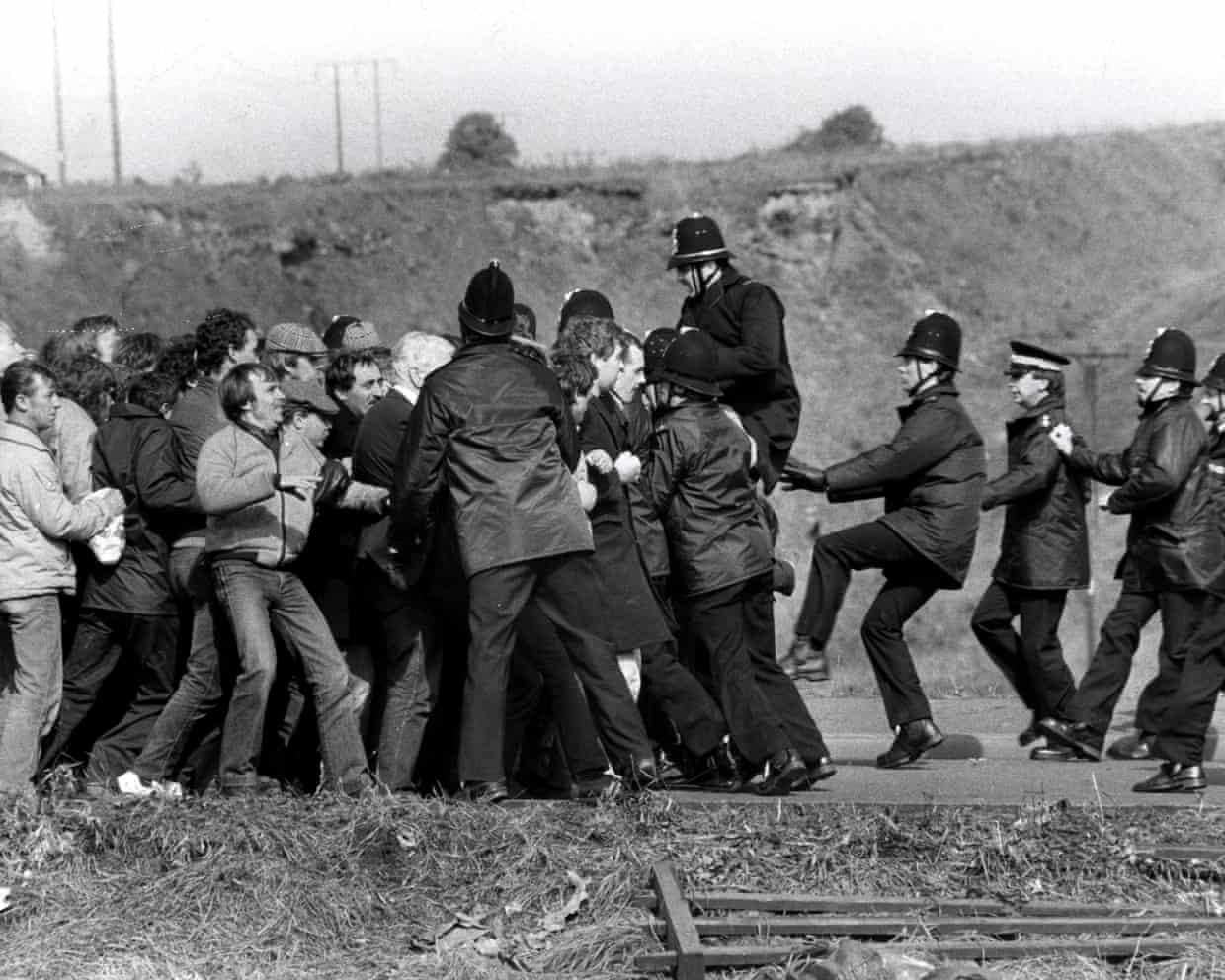
Former miners can finally speak the truth about Orgreave, says inquiry chair
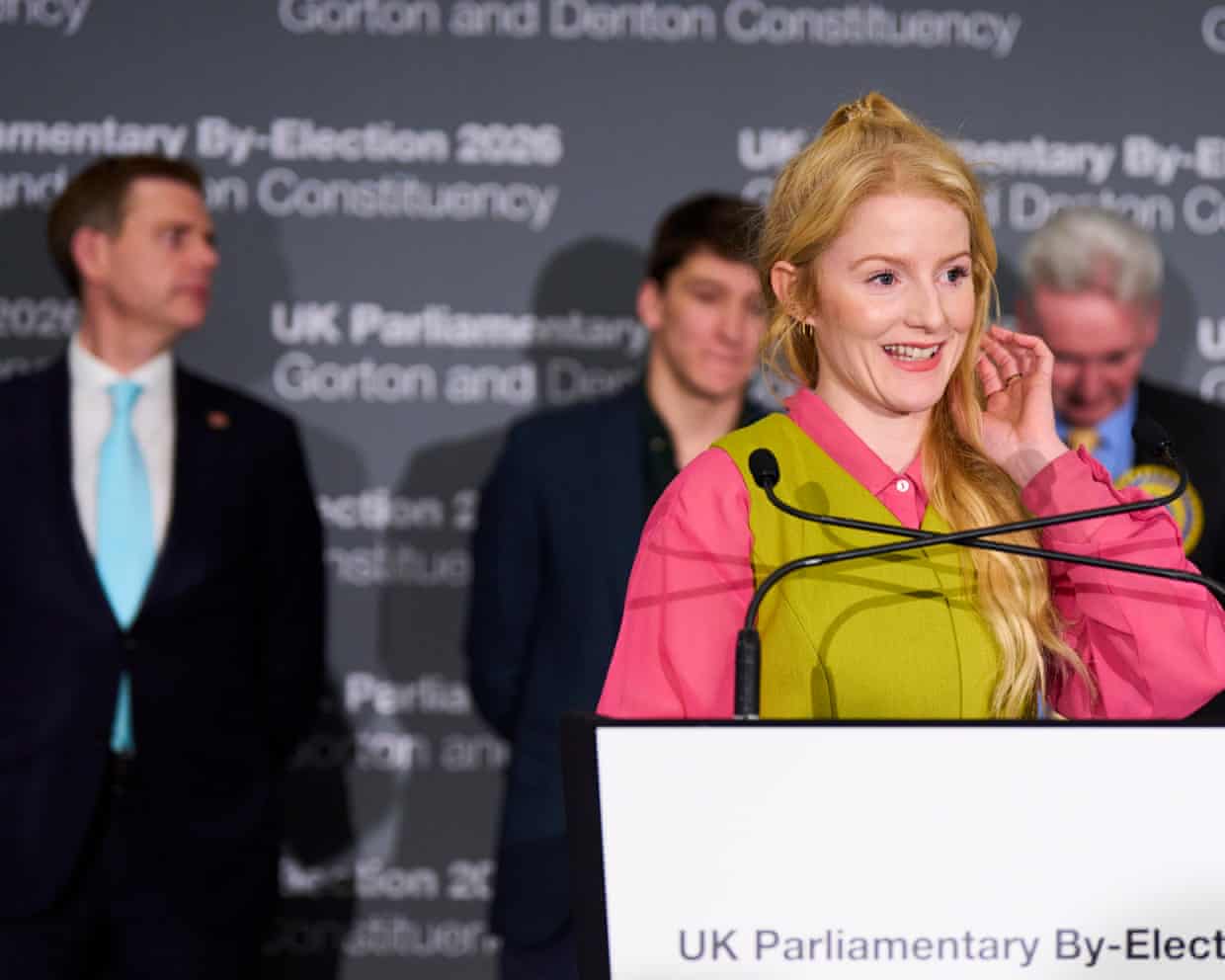
Police find no evidence of criminality in Gorton and Denton byelection