Former miners can finally speak the truth about Orgreave, says inquiry chair
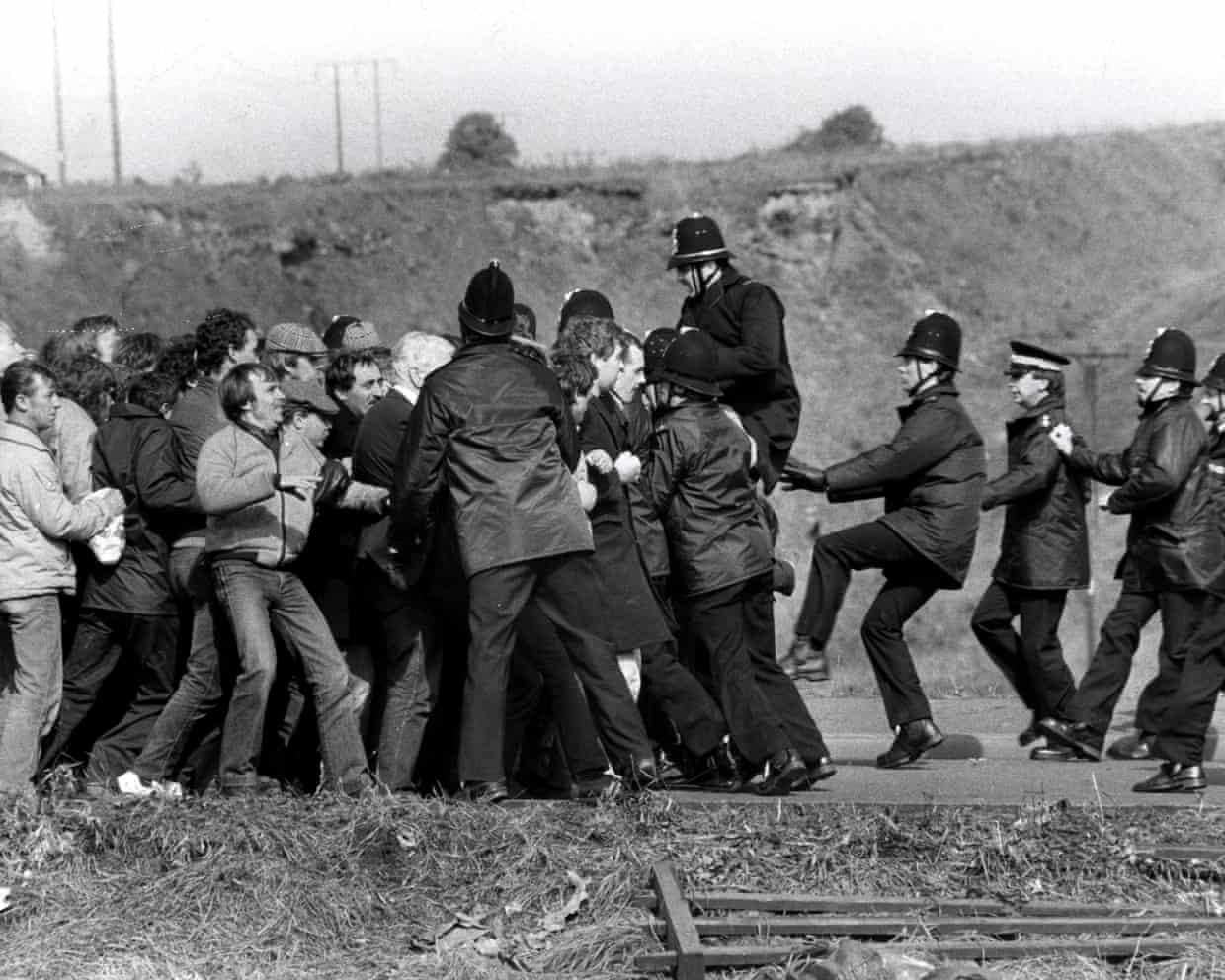
Former miners will finally get the chance to speak the truth about their experiences after four decades of silence during a public inquiry into infamous clashes with police at Orgreave, the inquiry’s chair has said.Pete Wilcox, the bishop of Sheffield, said only an inquiry could help South Yorkshire move on from the events of 18 June 1984, when striking miners unexpectedly found themselves in a pitched battle against thousands of police officers brought in from forces across the UK.The Hillsborough-style inquiry, officially launched by Sarah Jones, the policing minister, in parliament on Thursday, will examine how 6,000 police officers were deployed to a picket at Orgreave coking plant three months into a National Union of Miners strike over planned pit closures.About 8,000 people – miners and their families – were on the receiving end of what was described as heavy-handed policing, with witnesses and images from the day detailing how mounted police charged at the pickets and hit them with batons.Many were injured, some seriously, but it was the moral injury that the injustice caused in the minds of South Yorkshire miners and wider working-class communities that was the lasting effect.
This was particularly true in the following days, when the government of Margaret Thatcher and South Yorkshire police influenced the media narrative.Some former miners have since spoken about feeling outraged and despondent that their experiences from that day were misrepresented.Compounding matters, 95 miners were charged with rioting, in a case that ultimately collapsed after the police’s evidence was found to be unreliable and, in some instances, fabricated.It was described by the barrister Michael Mansfield as “the biggest frame-up ever”.All this led to mistrust in authorities, particularly the police, for generations – a situation that has still not been resolved.
Wilcox said it was not right to say that the public consciousness had moved on since the miners’ strike.“Nobody in South Yorkshire or in the former mining communities of the north-east is saying we’ve all moved on.It’s easy to say that if you are not part of a community that was impacted in 1984.“The point of this inquiry is to enable communities to move on which have not been able to move on since the miners’ strike.”Evidence will be especially difficult to gather, however, given that many people who witnessed or participated in the events at Orgreave have since died.
“I’m sorry to say that’s true,” said Wilcox, who has spent years speaking to mining communities and who in 2018 tried to persuade the then home secretary, Amber Rudd, to launch an independent public inquiry, but was rebuffed.“In a sense it might have been most effective for this inquiry to have been held 30 years ago, but you can’t turn the clock back.We are where we are.And as a matter of fact, there are still many, many people who are frustrated that they have not yet been able to put their story on the record.“So there are many people who are really happy that the moment has come when they will be able to give their account of what happened at Orgreave.
And we will try to be creative about the way in which we source witness testimony and to do it in a way that is trauma informed.“Because of their age, many both former miners and indeed former police officers, some of them are in a state of frailty and we will want to be extremely sensitive to the needs of individuals in the way in which we get their story on the record.”The bishop said he did not think there was a risk that witnesses’ recollections would not be accurate 42 years on from such a traumatic day.“For one thing, we won’t just be relying on oral testimony.There is a great deal of documentary evidence and audio files and video files.
And we will, because it’s a statutory public inquiry, be able to compel evidence, so we’ll have access to documents that are currently embargoed or restricted.We will be able to give a much fuller picture based on documentary evidence than has previously been available.And that’ll help us to triangulate, I suppose, with witness statements to make sure that we’re telling a truthful story.“But actually, although as a general rule it’s true to say that human memory fades, when you’ve lived with a traumatic experience, it remains vivid for you.And I don’t think we’re going to encounter a great deal of misleading memory.
”The inquiry will rely in part on police records, some of which have since been destroyed, but Wilcox said he felt encouraged that police would cooperate with the inquiry in the way they are legally compelled to do.“We do know that the Northumbria police did destroy some documents within the last 12 months, actually, so the timing is excruciatingly unfortunate.We understand the reasons that they’ve provided for why they’ve done that.But most police forces, as far as we are aware, haven’t destroyed relevant documentation.And I know that South Yorkshire police have not only retained their documentary evidence, they have been digitising it in readiness for this inquiry.
”Wilcox urged anyone with recollections of the events to contact the inquiry.He said his hope was that the inquiry “will provide answers to some of the questions with which, particularly former miners and those in former mining communities have been living for the past 40 years.“Because if we can provide some answers, that will, I think, help to resolve the trauma that has not yet been resolved in those places.”
Former miners can finally speak the truth about Orgreave, says inquiry chair
Former miners will finally get the chance to speak the truth about their experiences after four decades of silence during a public inquiry into infamous clashes with police at Orgreave, the inquiry’s chair has said.Pete Wilcox, the bishop of Sheffield, said only an inquiry could help South Yorkshire move on from the events of 18 June 1984, when striking miners unexpectedly found themselves in a pitched battle against thousands of police officers brought in from forces across the UK.The Hillsborough-style inquiry, officially launched by Sarah Jones, the policing minister, in parliament on Thursday, will examine how 6,000 police officers were deployed to a picket at Orgreave coking plant three months into a National Union of Miners strike over planned pit closures.About 8,000 people – miners and their families – were on the receiving end of what was described as heavy-handed policing, with witnesses and images from the day detailing how mounted police charged at the pickets and hit them with batons.Many were injured, some seriously, but it was the moral injury that the injustice caused in the minds of South Yorkshire miners and wider working-class communities that was the lasting effect
Police find no evidence of criminality in Gorton and Denton byelection
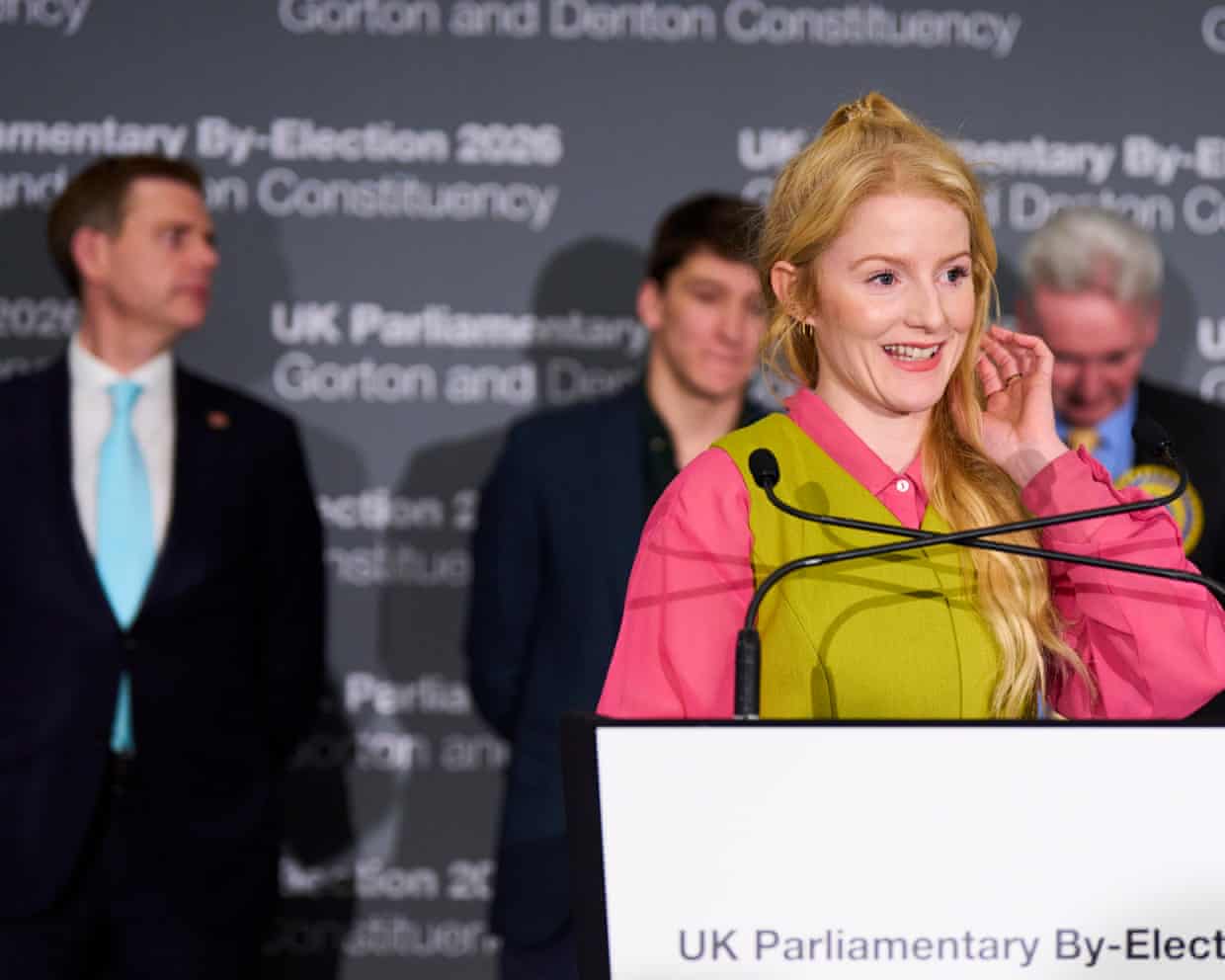
Police have found no evidence of criminality in the Gorton and Denton byelection after claims by Nigel Farage that it was “a victory for cheating”.Reform UK had asked Greater Manchester police (GMP) to investigate allegations of corrupt voting in the Greater Manchester contest, which the Green party won.The election observers’ group Democracy Volunteers said it had witnessed “concerningly high levels” of so-called family voting, where one family member dictates how others cast their ballot. However, GMP said on Friday its investigation had found “no evidence of any intent to influence or refrain any person from voting”.Four observers from Democracy Volunteers had given accounts to police of about 32 potentially suspicious voting habits
Reports Sadiq Khan could join Starmer’s cabinet dismissed by allies
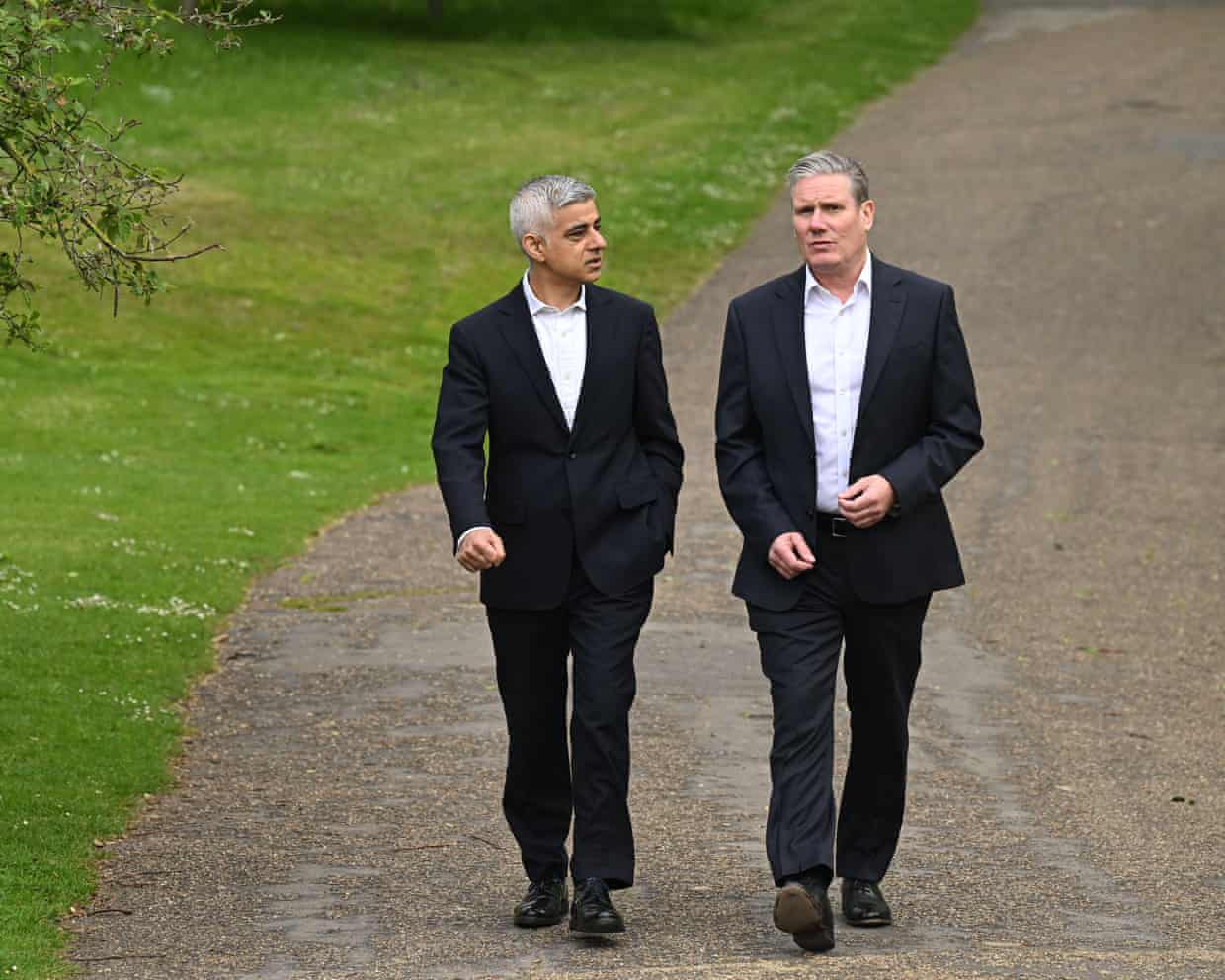
Allies of Sadiq Khan have dismissed reports the London mayor could join Keir Starmer’s cabinet after being made a peer, although it remains possible he could join the Lords while keeping his current job.Downing Street said reports that Khan could become a peer after crucial elections in May across England, Scotland and Wales were “speculation”, while a Labour source also declined to comment.Any decision on a peerage was one for No 10, Khan’s allies said, but they ruled out the possibility cited by the Financial Times that Khan could be brought in to strengthen Starmer’s cabinet after joining the House of Lords.Khan spent a decade as a London MP before stepping down in 2016, having won the first of three consecutive election victories to be London mayor, a role where he has had some success in courting support beyond Labour’s core vote, such as Greens and Liberal Democrats, to defeat Conservative opponents.A role for Khan working closer with Starmer could be sold by No 10 as the prime minister making full use of Labour’s talents, particularly given that the London mayor has at times been critical of the government, for example warning after the Gorton and Denton byelection loss to the Greens that Labour must stop taking progressive voters for granted
Social media has led to a ‘complete rewiring of childhood’, says minister – UK politics live
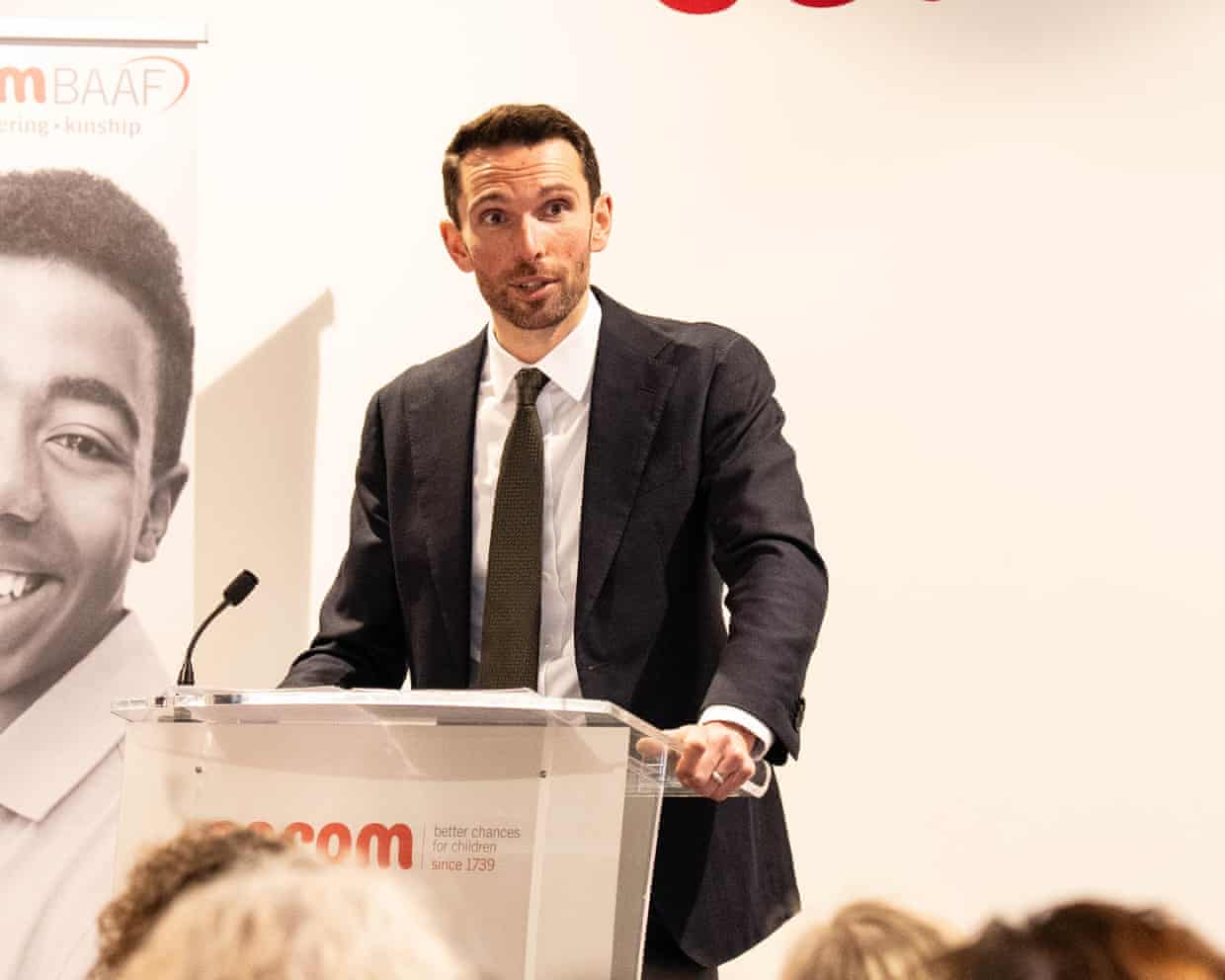
Josh MacAlister, the minister for children and families, said there has been “a complete rewiring of childhood” over the last decade due to social media and screen time.Speaking on the new government guidance for parents of young children, he told ITV’s Good Morning Britain: “We’re trying to help create some new social norms.“There’s no judgment. It’s much easier to say these things than it is to do them, I appreciate.”That’s all from us on the UK politics blog, thanks for following along
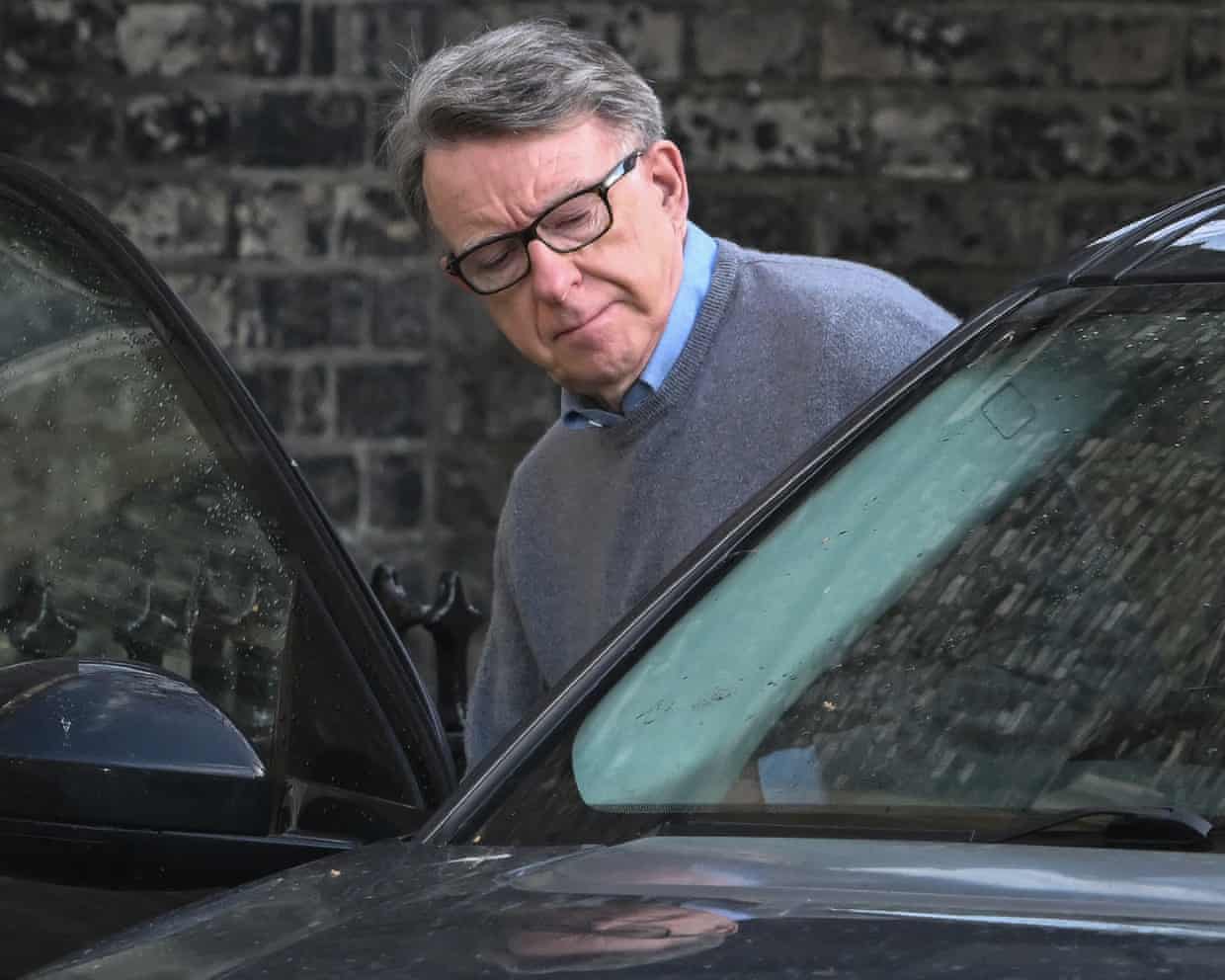
Cabinet Office to ask Mandelson to provide messages from personal phone
Peter Mandelson will be asked to supply messages from his personal phone as part of the investigation into his appointment as Keir Starmer’s ambassador to the US.In February, MPs forced the government to commit to publishing tens of thousands of documents after a controversy erupted over the prime minister’s awareness of the former peer’s links to the convicted child sex offender Jeffrey Epstein before he was given the prestigious posting.The Cabinet Office is working to obtain as much information as possible about the process, according to No 10 sources. Mandelson has not yet been asked to hand over messages but will be told to provide everything he holds within the scope of the humble address, the parliamentary procedure that can be used to try to force the release of correspondence.On Friday, the Times reported that Mandelson had handed over his work phone after being sacked as US ambassador because of his close friendship with the late financier, but said the Cabinet Office had not asked for messages on his personal device
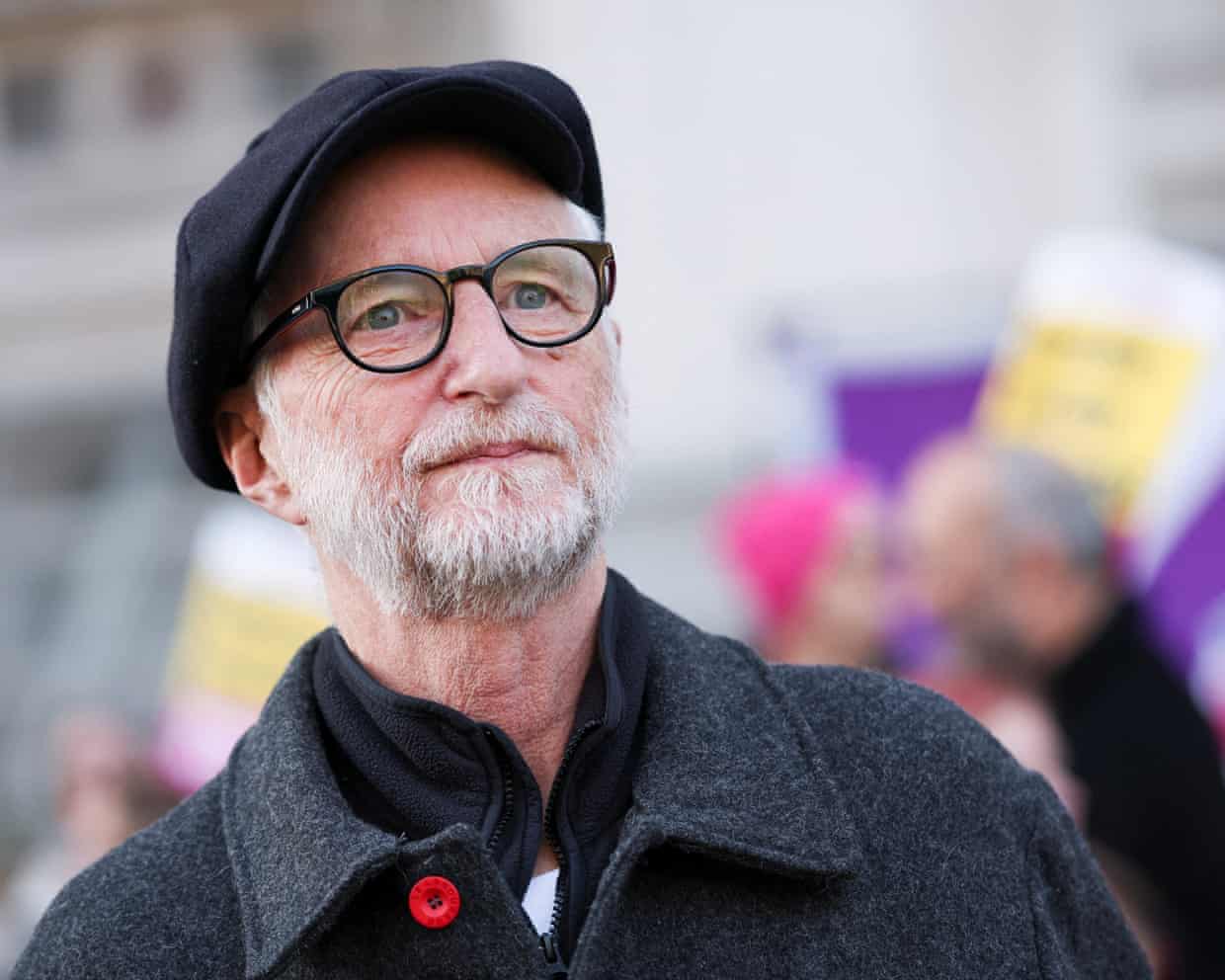
Billy Bragg calls for big turnout at London march against far right
Billy Bragg has encouraged people to send a clear message to those seeking to divide the country by turning out to support what is expected to be the biggest multicultural march in UK history on Saturday.Speaking to the Guardian before the Together Alliance’s march against the far right in central London, the musician and political activist said participants hoped to “send out a message to our fellow citizens that we are willing to take a stand against [the politics of hate] being imported into the UK”.The event, which is expected to draw hundreds of thousands of people, is supported by a wide range of celebrities, including the actors Christopher Eccleston, David Harewood, Lenny Henry, Steve Coogan, Toby Jones, Lolly Adefope and Maxine Peake, the musicians Paloma Faith, Charlotte Church, Brian Eno and Beverley Knight, and the comedian James Acaster.Dozens of coaches will leave from across the country on Saturday morning – including 10 from Manchester alone – to begin marching from Park Lane to Trafalgar Square at midday.Two stages – one on Whitehall for speeches and one in Trafalgar Square for music, which are both free to attend – will feature cross-party speakers and award-winning musicians, including Self Esteem, Jessie Ware, Katy B, Joy Crookes, UB40 and Hot Chip

Ilia Malinin completes redemption arc with third straight world figure skating championship

Lachie Kennedy upstages Gout Gout to win 200m at Peter Norman Memorial

Illinois imposes alcohol limits near campus with Final Four berth at stake
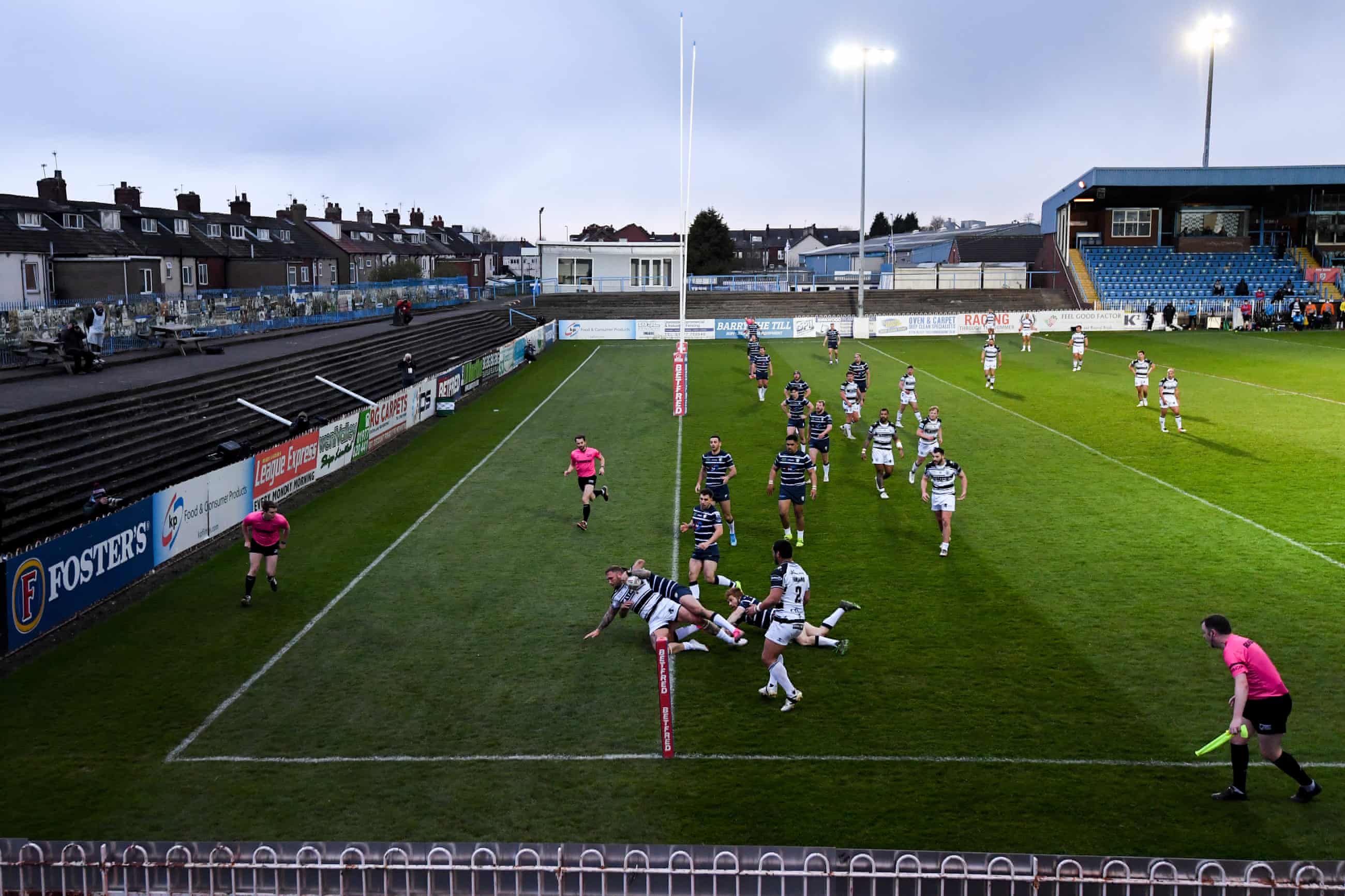
Featherstone’s long and quiet Sundays in a rugby league town that lost its soul
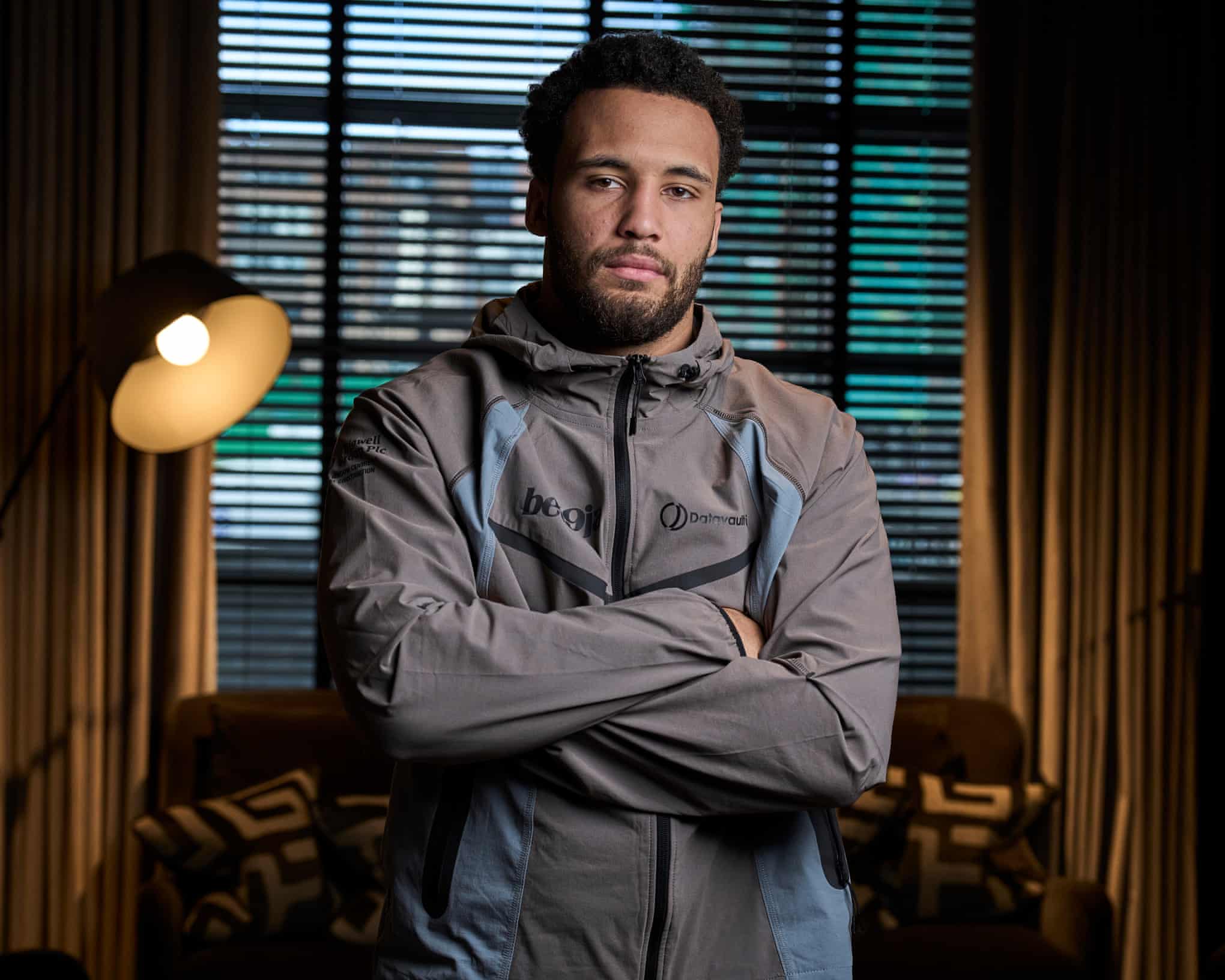
‘I’m not a superhero. I’m just a boxer’: Moses Itauma on racism, identity and living on £7 a week | Donald McRae

Kimi Antonelli pips Mercedes teammate George Russell to pole for F1’s Japanese GP – as it happened