UK government borrowing costs soar to highest since 2008 amid Iran war
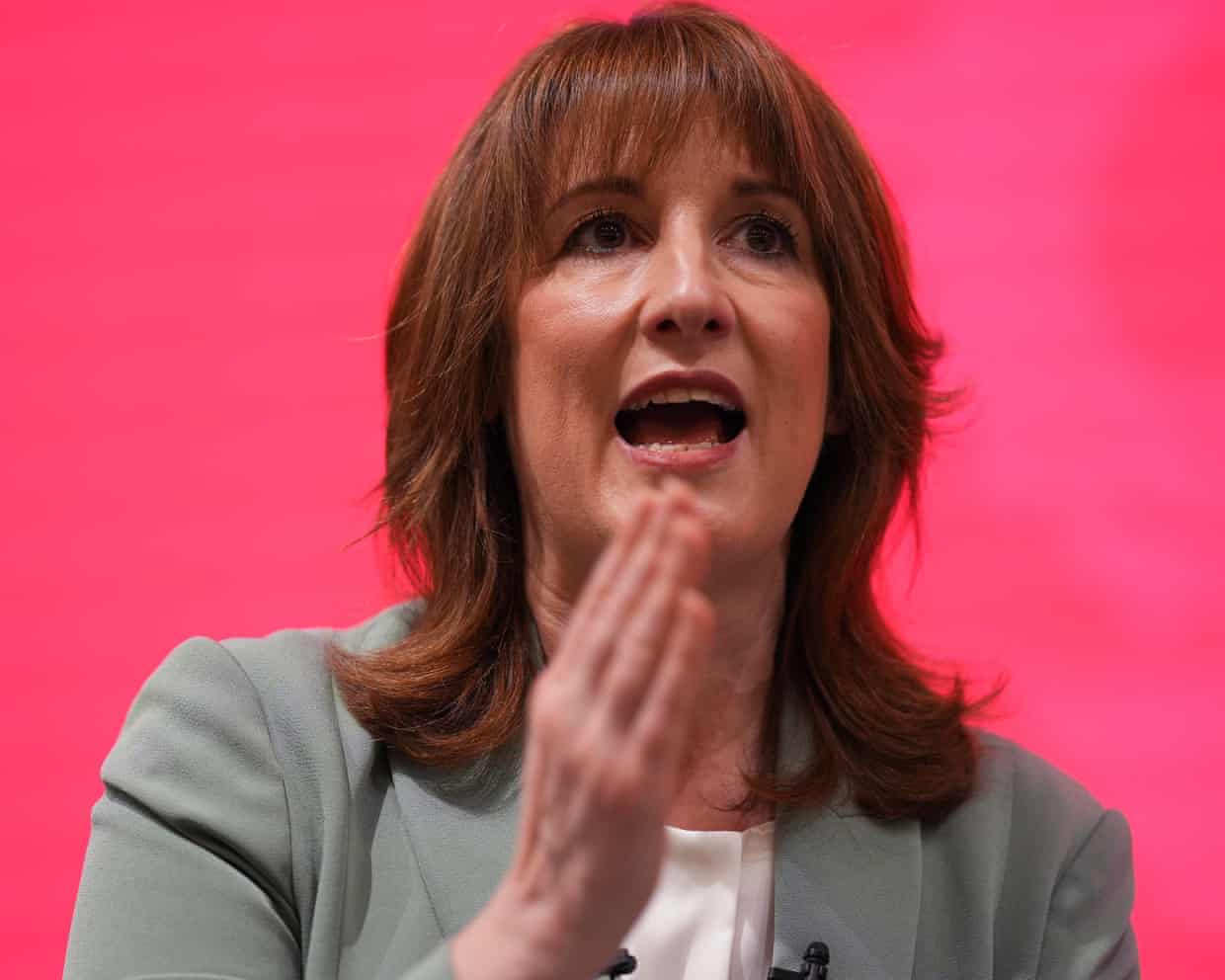
Investors wary of the impact of the Iran conflict dumped UK government bonds on Friday, pushing the yield, or interest rate, on 10-year borrowing to its highest level since 2008.The market move followed the Bank of England’s decision on Thursday to leave interest rates on hold and hint at a future increase.By Friday morning, markets were pricing in as many as three interest rate rises in 2026.Higher gilt yields create a headache for the chancellor, Rachel Reeves, by pushing up the cost of servicing the government’s debt pile.The 10-year yield was 4.
933% by mid-morning – the highest level since the depths of the global financial crisis in mid-2008.The latest public finances data, which was published on Friday morning, showed a higher-than-expected monthly deficit of £14.3bn last month – £2.2bn up on the same month a year earlier.The Office for National Statistics said the data had been affected by the timing of government debt repayments, with some falling into February instead of January.
At the same time, the ONS revised up its estimate of January’s surplus – already a record for that month – to £31.9bn, from £30.4bn previously, helped by an increase in tax payments bolstering government receipts.Reeves has deliberately increased borrowing for investment projects since Labour came to power in 2024 but has also raised taxes significantly, in an effort to reduce the current deficit, which measures borrowing to pay for day-to-day spending.The latest data showed progress on that measure, with the current budget deficit in the 11 months to February down by 21.
1% from the same period last year, at £62,1bn,Total borrowing for the same period, of £125,9bn, looked on course to undershoot the Office for Budget Responsibility’s estimate for the year as a whole, of £138,3bn.
However, it came as analysts increasingly fretted that higher energy prices, inflation and interest rates as a result of the Middle East conflict could jeopardise the £23bn headroom the chancellor left against her fiscal rules in last autumn’s budget.Martin Beck, the chief economist at the consultancy and analysis firm WPI Strategy, said: “That the deficit numbers are broadly on track will be a welcome development for a government keen to preserve fiscal credibility at a time of unwelcome geopolitical and economic turbulence.But that turbulence means the recent fiscal numbers may prove a poor guide to what comes next.”Nabil Taleb, an economist at the consultancy PwC, said: “Interest rate cuts are inevitably deferred, inflation now looks set to pick up again, and growth remains subdued.“That combination risks putting renewed pressure on borrowing and leaves the public finances exposed, underlining just how quickly the fiscal picture can shift.
”The government has repeatedly said its tax increases and measures to control inflation, including cutting energy bills from April, have put the economy in a stronger position to withstand whatever is to come,The chief secretary to the Treasury, James Murray, said: “We have the right economic plan,Because of the choices we made before the conflict in the Middle East began, we are better prepared for a more volatile world,”Labour had been hoping for more interest rate cuts from the Bank of England this year, to bolster consumer confidence and cut the cost of borrowing for businesses,However, with oil prices up above $100 a barrel and the key choke point of the strait of Hormuz still effectively closed, the Bank’s nine-member monetary policy committee left rates on hold at 3.
75% on Thursday and hinted they could even raise them amid fears of resurgent inflation.

Cryptocurrency firms suffer heavy losses in Illinois primaries after spending big
The cryptocurrency industry spent big and lost often in this week’s Illinois primaries.As the industry prepares to make massive donations in the 2026 midterm elections to replicate its success in 2024, the Illinois losses mark an early setback for firms that are trying to establish themselves as power players in American politics.Crypto companies flooded the state’s Democratic primaries with millions of dollars to promote candidates they believed would have a light touch when it came to regulating digital assets. AI firms, meanwhile, backed opposing candidates and seemed to cancel each other out.Using Super Pacs that are allowed to spend unlimited sums of money, crypto and AI companies ran television advertising and distributed campaign fliers that only occasionally alluded to their industries

Lack of funding is stifling scientific research | Letter
Liz Kendall is right to warn that the UK must not let quantum computing talent slip through its fingers (UK must learn lessons from AI race and retain its quantum computing talent, says minister, 17 March).However, UK Research and Innovation’s current funding decisions risk doing exactly that.The government has announced £1bn for quantum computing, but it is cutting support for fundamental research in particle physics, astronomy and nuclear physics (PPAN). These are not separate issues. It is precisely the kind of blue-sky research funded through PPAN that trains the scientists and develops the ideas that underpin emerging technologies like quantum computing

US startup advertises ‘AI bully’ role to test patience of leading chatbots
Imagine a day at work where your main task is to pick a fight with a computer. No meetings, no emails – just you, a chair and a chatbot with the maddening tendency to think it has the cleverest mind in the room.The job title alone raises an eyebrow: “AI bully”. But this is precisely what a California startup called Memvid is offering: $800 to spend eight hours testing the patience and memory of artificial intelligence.“You’ll spend a full eight-hour day interacting with leading AI chatbots – and your only job is to be brutally honest about how frustrating they are,” the company’s job listing states

‘All right mate?’: Amazon pins UK hopes on AI upgrade of Alexa
“Commiserations, mate, Chelsea lost 3-0 in the Champions League last night against Paris Saint-Germain,” says Alexa as it attempts to break the news gently to an awaiting Blues fan.Such is the injection of personality and understanding that Amazon hopes will lead to Britons re-engaging with their millions of Alexa devices, restoring it to the cutting edge of voice assistants rather than resigned to being a glorified egg timer.After its early access launch last year in the US, the long-awaited generative AI upgrade Alexa+ is finally making its debut in the UK, supporting eight years of existing devices strewn through more than half of UK households.With the UK being Amazon’s most engaged market and more than 40 accents to contend with across the UK and Ireland, the “next-generation ambient AI assistant” has its work cut out for it.The service will be available immediately for new purchases of Amazon’s latest generation of Echo and Show devices, with an invite system in operation for existing devices, which Amazon’s head of Alexa and Echo, Daniel Rausch, insists will progress faster than it did in the US
Inside China’s robotics revolution
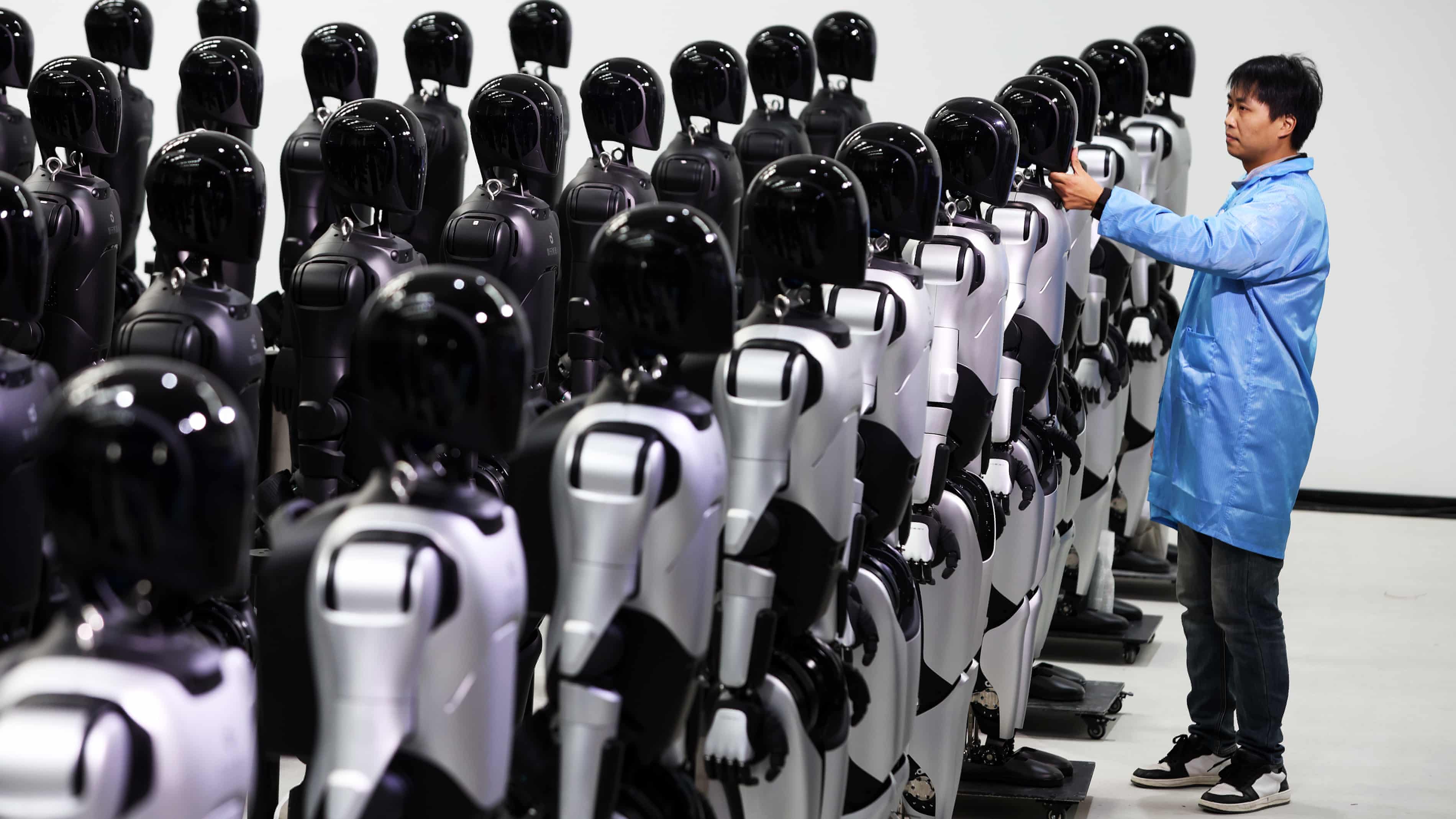
Chen Liang, the founder of Guchi Robotics, an automation company headquartered in Shanghai, is a tall, heavy-set man in his mid-40s with square-rimmed glasses. His everyday manner is calm and understated, but when he is in his element – up close with the technology he builds, or in business meetings discussing the imminent replacement of human workers by robots – he wears an exuberant smile that brings to mind an intern on his first day at his dream job. Guchi makes the machines that install wheels, dashboards and windows for many of the top Chinese car brands, including BYD and Nio. He took the name from the Chinese word guzhi, “steadfast intelligence”, though the fact that it sounded like an Italian luxury brand was not entirely unwelcome.For the better part of two decades, Chen has tried to solve what, to him, is an engineering problem: how to eliminate – or, in his view, liberate – as many workers in car factories as technologically possible

‘We don’t tell the car what it should do’: my ride in a self-driving taxi
Driverless ‘robotaxis’ will be accepting fares in Britain’s biggest city by the end of next year. Can they deal with London’s medieval roads, hordes of pedestrians and errant ebikers? I got in the passenger seat to find out‘I’m really excited to show you this,” says Alex Kendall, the CEO of Wayve, as he gets behind the wheel of one of the company’s electric Ford Mustangs. Then he does … nothing. The car pulls up to a junction at a busy road in King’s Cross, London, all by itself. “You can see that it’s going to control the speed, steering, brake, indicators,” he says to me – I’m in the passenger seat

Buzz kill: US breweries shutter as fanfare over craft beers appears to fade

Stir-fries, crab cakes and carbonara: Georgina Hayden’s crab recipes

Rachel Roddy’s recipe for spaghetti with mushrooms, soft cheese and herbs | A kitchen in Rome

How to turn puff pastry offcuts into a brilliant cheesy snack – recipe | Waste not

Tips for downsizing recipes | Kitchen aide

Loaded crisps: four recipes for the ‘perfect finger food’ – ranked from best to worst