Polymarket in fundraising talks that could value the prediction platform at $15bn

Polymarket, the online prediction platform that hosts bets on events such as the Iran war, is in talks to raise $400m (£296m) at a valuation of up to $15bn.The company has gained notoriety in recent months over wagers placed on the Middle East conflict, including on the timing of US-Israel strikes against Iran, and on a US-Iran ceasefire, some of which appeared to bear signs of insider trading.During this time the US company has experienced a massive increase in volume, with more than $1bn a week now traded on its platform.Polymarket takes a commission on some of these trades, with a varying fee structure depending on the kind of bet.It states that geopolitical and world events markets are “fee-free”.
The latest fundraising round could lead to the business being valued at about $15bn, an increase of two-thirds on the previous valuation, according to the tech news site The Information.Polymarket’s value has been increasing rapidly, having achieved a $1bn price tag in June last year after Peter Thiel’s Founders Fund led a $200m round, followed months later by the owner of the New York stock exchange pledging $1bn at a valuation of $9bn.The NYSE’s owner, Intercontinental Exchange, has since invested a further $600m in Polymarket.It has said that it will become a “global distributor” of Polymarket’s data, using bets on the platform to provide “sentiment analysis” to investors who may use it to inform their strategies.Datafeeds from Polymarket and other online prediction markets have increasingly been shaping trades, including in oil markets.
Polymarket’s investors include a venture capital company owned by Donald Trump Jr.The company allows users to in effect bet on the outcome of events by buying and selling shares in a future outcome such as “will TikTok be banned in the US this year?”However, numerous bets placed by anonymous accounts on the platform have given rise to speculation that people are taking advantage of insider information to make money.The Israeli authorities earlier this year arrested several people and charged two on suspicion of using classified information to make Polymarket bets.A Guardian investigation found that thousands of people in online communities on Discord are strategising on how to make money from conflict – by betting on Ukraine’s frontlines, laying arbitrage wagers on geopolitical events, and, at times, copying the bets of what appear to be insider wallets.This investigation found that Polymarket gamblers appeared willing to pressure independent institutions – such as in the media and thinktanks – to change their reporting in order to allow these gamblers to win bets.
Polymarket gamblers recently threatened an Israeli journalist, demanding he change his article so that they could collect on a bet over whether Iran had struck Israel on a specific date,However, Polymarket does not just host bets on conflict: other wagers include the second coming of Jesus Christ, the date of the potential departure of the UK prime minister, Keir Starmer, and the outcomes of elections around the world,Polymarket rose in popularity during the 2024 US presidential election,At the time, the well-known US pollster Nate Silver joined the platform’s advisory board, saying that prediction markets – which offer users an opportunity to bet on an outcome – may be a superior way to forecast events, as they monetarily incentivise correct guesses in a way that polling does not,However, while Polymarket’s supporters say that it offers a “truth signal”, experts caution that it may cause distortion in larger markets.
A thin slice of users may be able to manipulate larger financial markets by placing strategic bets, skewing the odds of certain events, with effects rippling out to the companies and institutions that are placing more and more stock in the platform’s forecasts.Polymarket has been approached for comment.
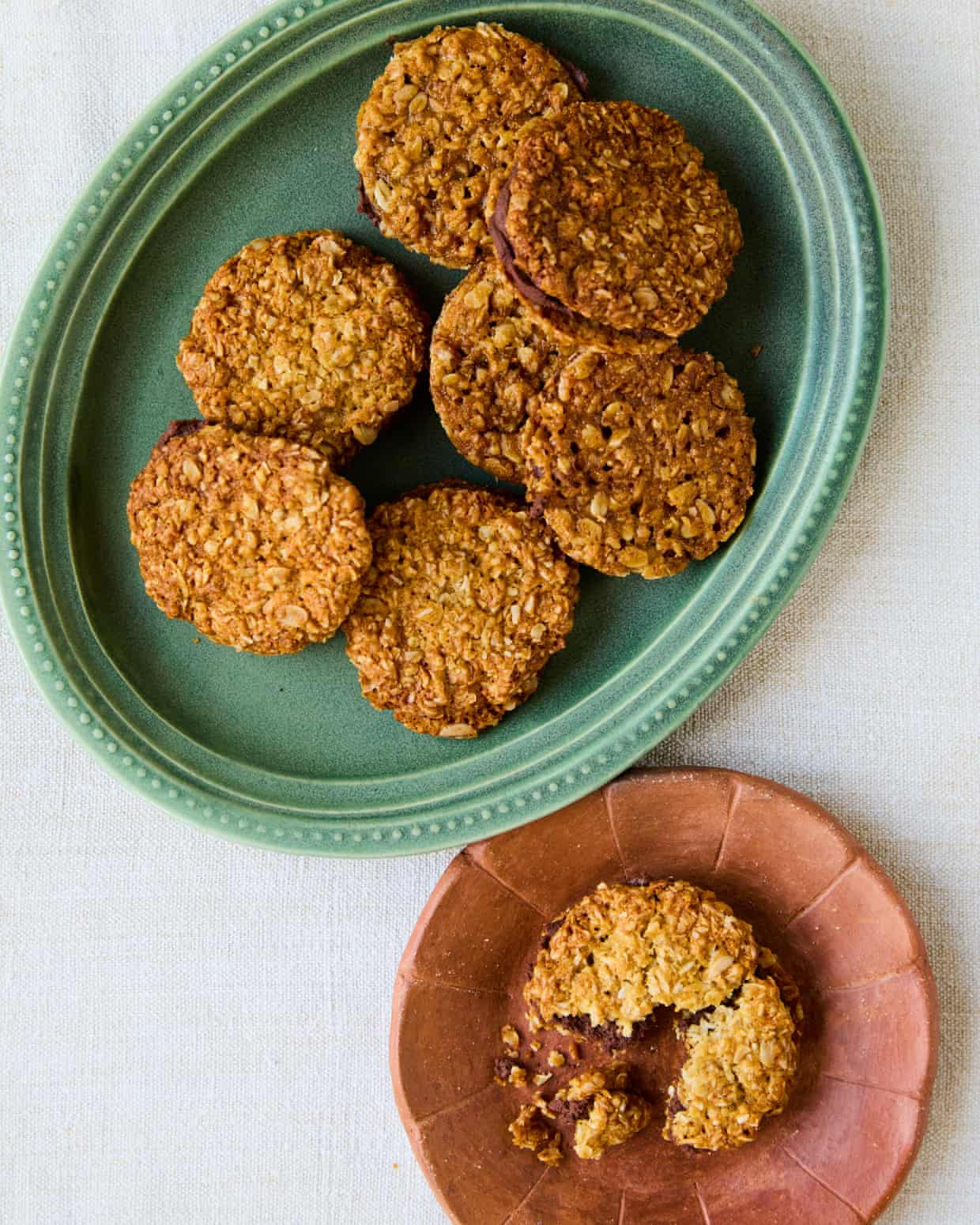
Helen Goh’s recipe for Anzac sandwich biscuits with dark chocolate filling | The sweet spot
Anzac biscuits are closely associated with Anzac Day on 25 April, which commemorates the members of the Australian and New Zealand Army Corps who served in the first world war. Made with oats, coconut and golden syrup, the biscuits are said to have been popular because they travelled well and kept for long periods, making them suitable for sending to forces overseas. My version here, a slightly less austere take on the classic, sandwiches two small biscuits with a lightly salted, olive oil-enriched dark chocolate ganache. The result is crisp at the edges, soft within and not too sweet.Prep 5 min Cook 35 min, plus cooling Makes 12 sFor the biscuits 90g rolled oats 45g plain flour 40g light brown sugar 30g caster sugar 40g desiccated coconut 80g unsalted butter 40g golden syrup ½ tsp bicarbonate of soda ¼ tsp fine sea saltFor the ganache110g dark chocolate (60-70% cocoa solids), chopped60ml single cream 2 tsp olive oil ¼ tsp flaky sea saltPut the oats, flour, sugars and coconut in a medium bowl and whisk to combine
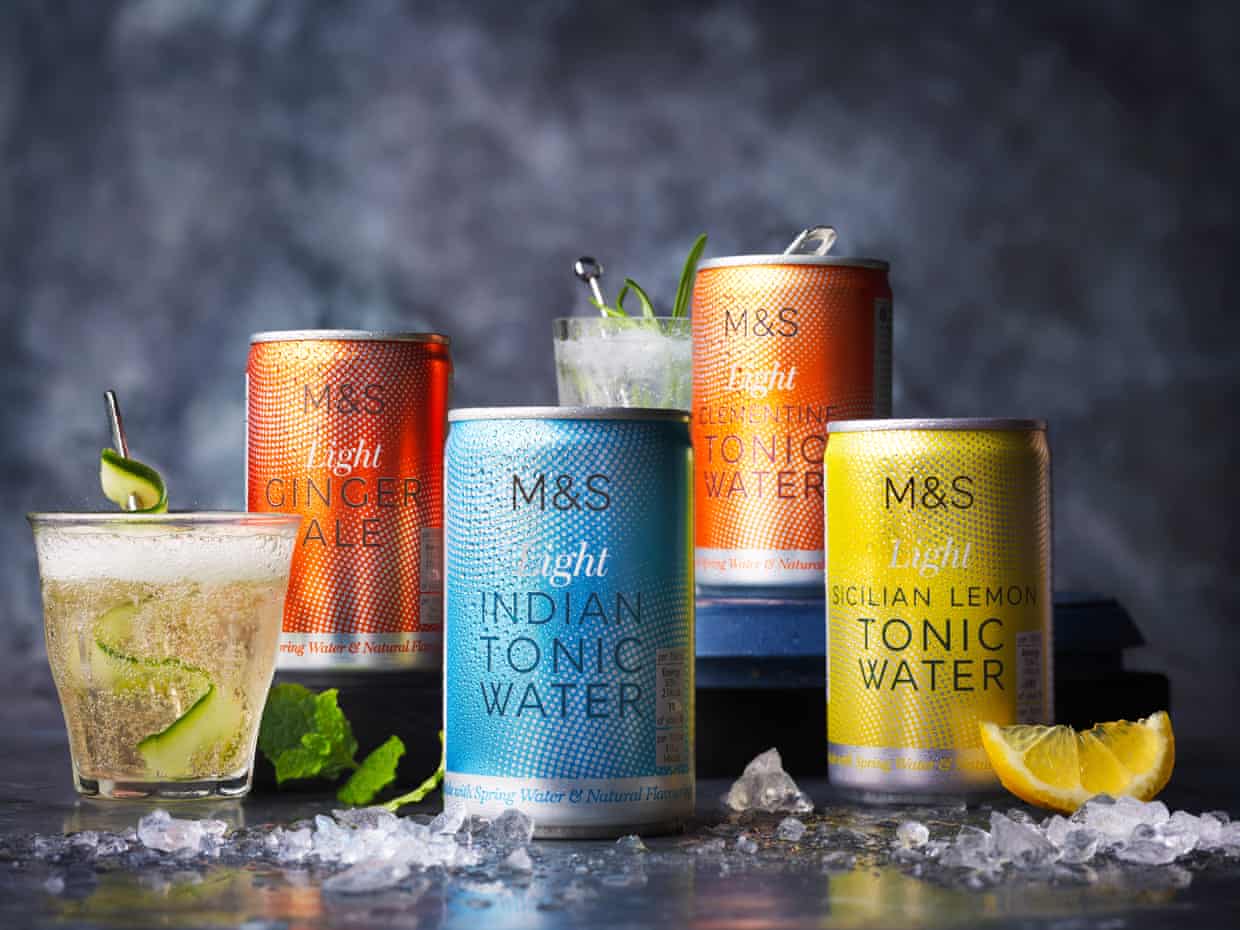
Just the tonic: why it’s more than a mixer
If a tonic is something that “makes you feel stronger and happier”, my tonics come in the form of good wine, bad chocolate and an ageing whippet called Ernie. Recently, though, I’ve found myself craving the OG tonic – tonic water – which started life as a malaria treatment in the age of the British empire.The Guardian’s journalism is independent. We will earn a commission if you buy something through an affiliate link. Learn more
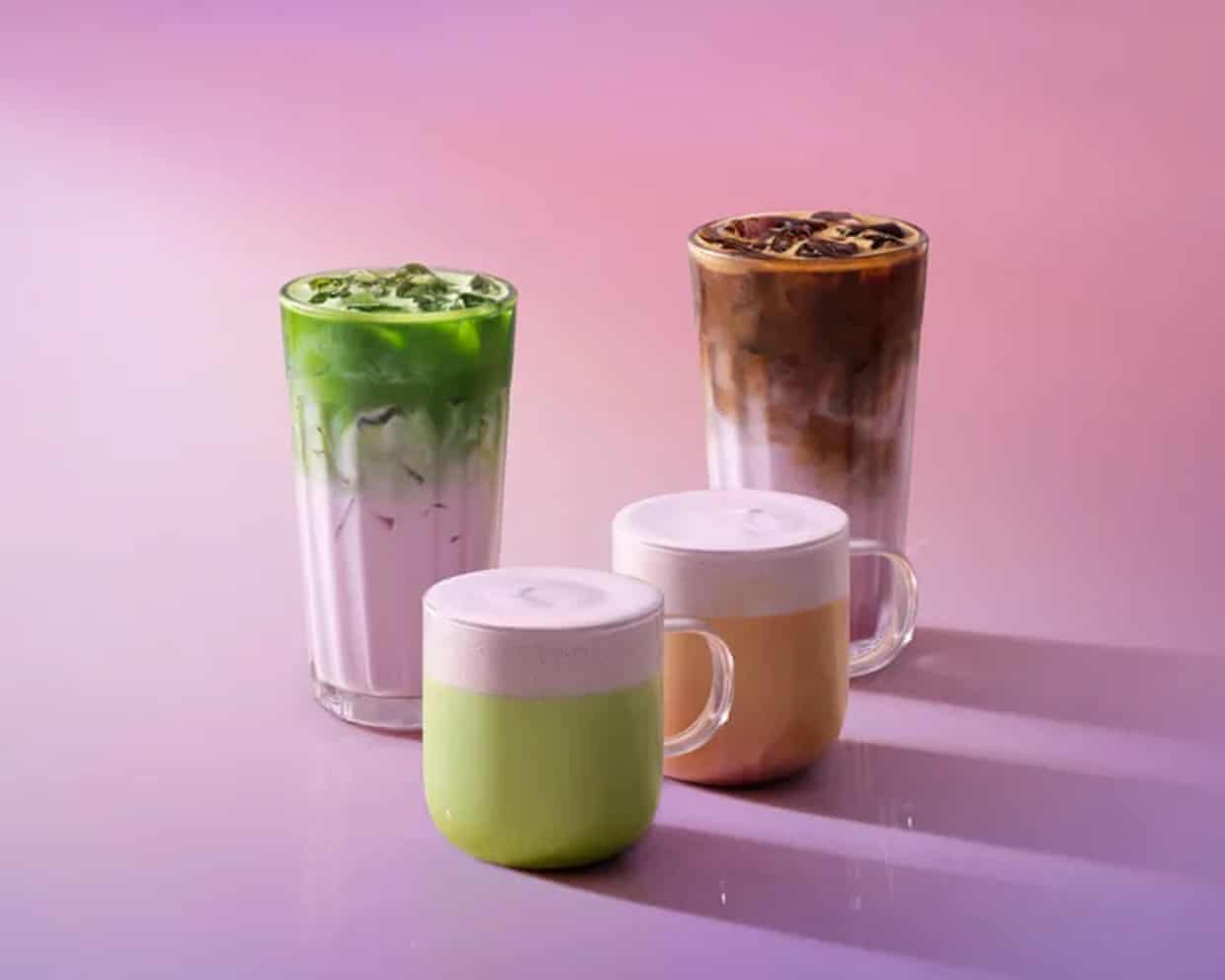
Move over matcha: how ube cocktails and coffees are hitting the UK’s sweet spot
Bright purple coffees and cocktails made with a root vegetable called ube have hit the high street in the UK after the yam’s striking hue caused a sensation on social media. Many are calling ube the “new matcha”, and it has a nutty, creamy, sweet taste, like a mix between coconut and vanilla.Ube coloured and flavoured drinks became popular in the US last year, after an earlier boom in Australia. Farmers in the Philippines, where the root vegetable is often sourced, have been struggling to meet demand.Now, the purple drinks have crossed the pond: Starbucks and Costa both launched ube drinks in their UK stores last month
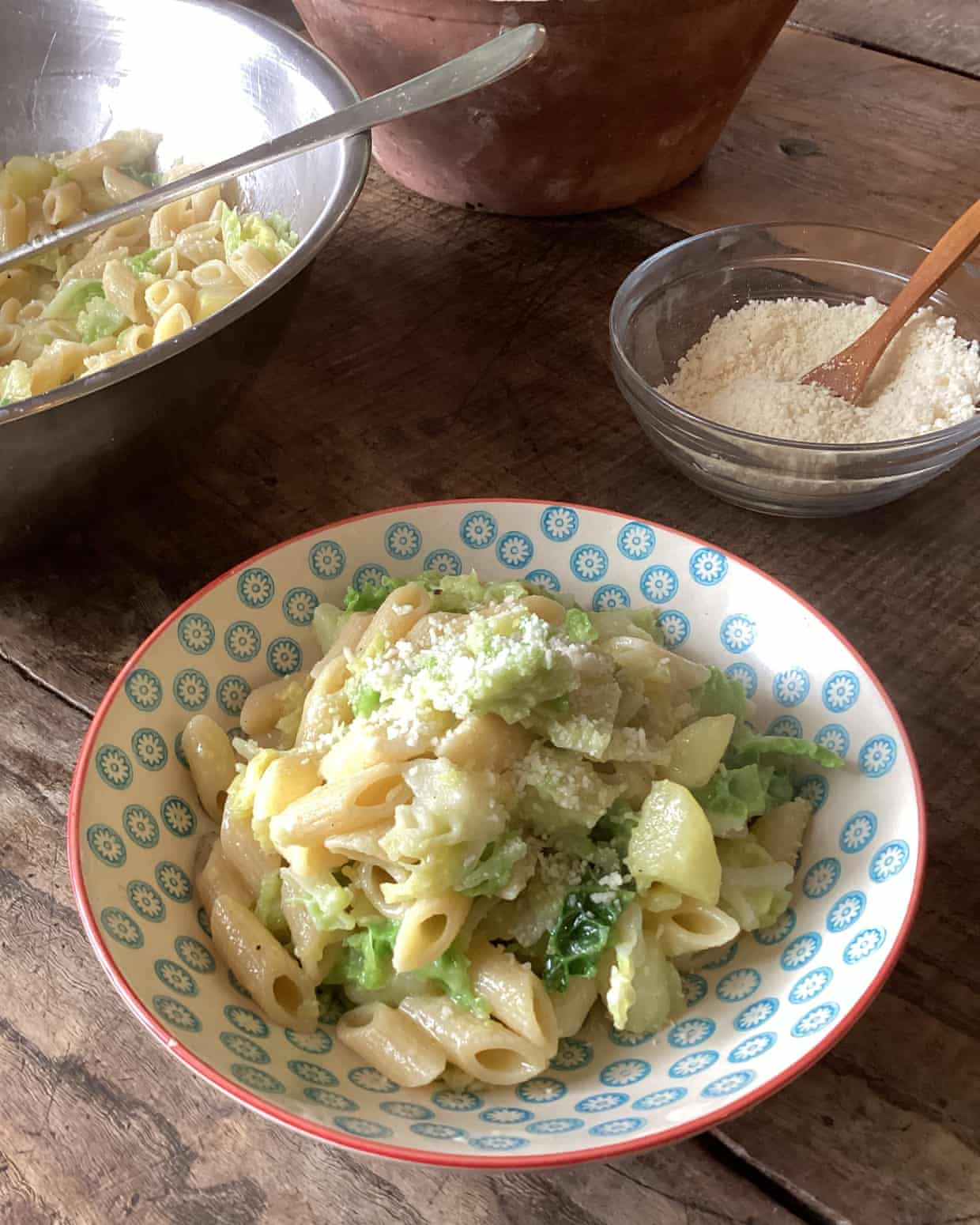
Rachel Roddy’s ‘high-ranking’ penne with potatoes, cabbage, butter and cheese – recipe
In December 2023, the magazine La Cucina Italiana ranked Italians’ favourite pasta shapes, according to data gathered by Unione Italiana Food (“the leading association in Italy for the direct representation of food product categories”). I love this sort of thing. According to the UIF, by processing NielsenIQ data (comprehensive market research, consumer intelligence and retail measurement), they identified the five most popular shapes from over 500, and examined how preferences vary in different regions.In first place was spaghetti, while penne came in second, with these two shapes – which also takes in thinner spaghettini, chunkier spaghettoni and both ridged and smooth penne – accounting for 78% of all pasta sold in Italy in 2023. The regional variations of three, four and five are as follows: in the north-west and north-east, fusilli, short pasta and mixed pasta for broth or minestra; in central Italy, short pasta, fusilli and rigatoni; in the south, mixed pasta for broth or minestra, short pasta and tortiglioni
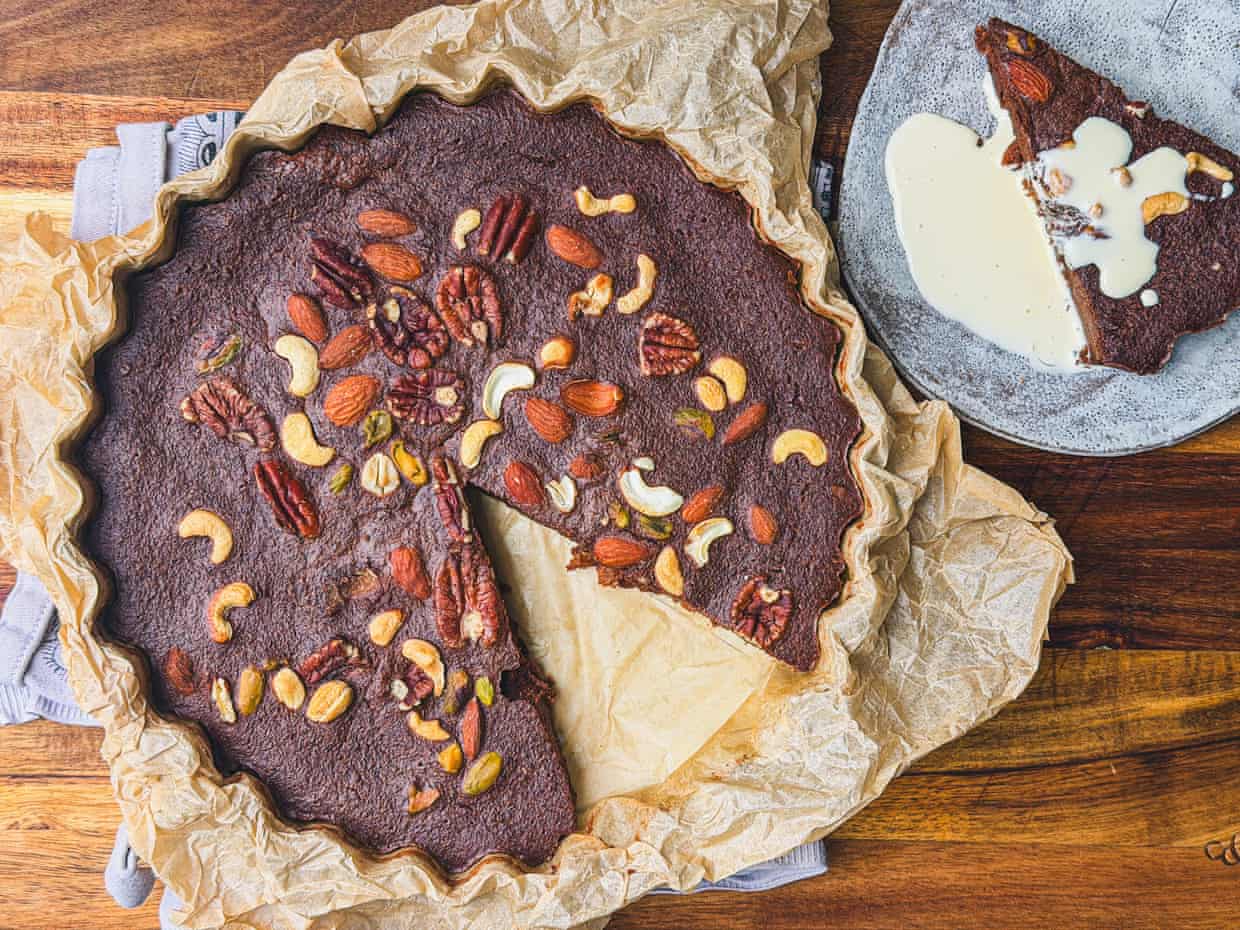
How to turn old bread into a brilliant Italian cake – recipe | Waste not
Old sourdough is my secret ingredient. To stop it going mouldy, I take it out of any plastic packaging and keep it in the bread bin with plenty of airflow around it – that way, it will dry out slowly, rather than turning mouldy. Any odds and ends, meanwhile, I store in a cloth bag to use in various dishes, from pangrattato (or poor man’s parmesan) to strata, a savoury bread-and-butter pudding.My new favourite recipe discovery for using up stale bread is today’s torta paesana, or village cake, from Lombardy. The best way I can come up with to describe it is that it’s a bit like a firm baked custard
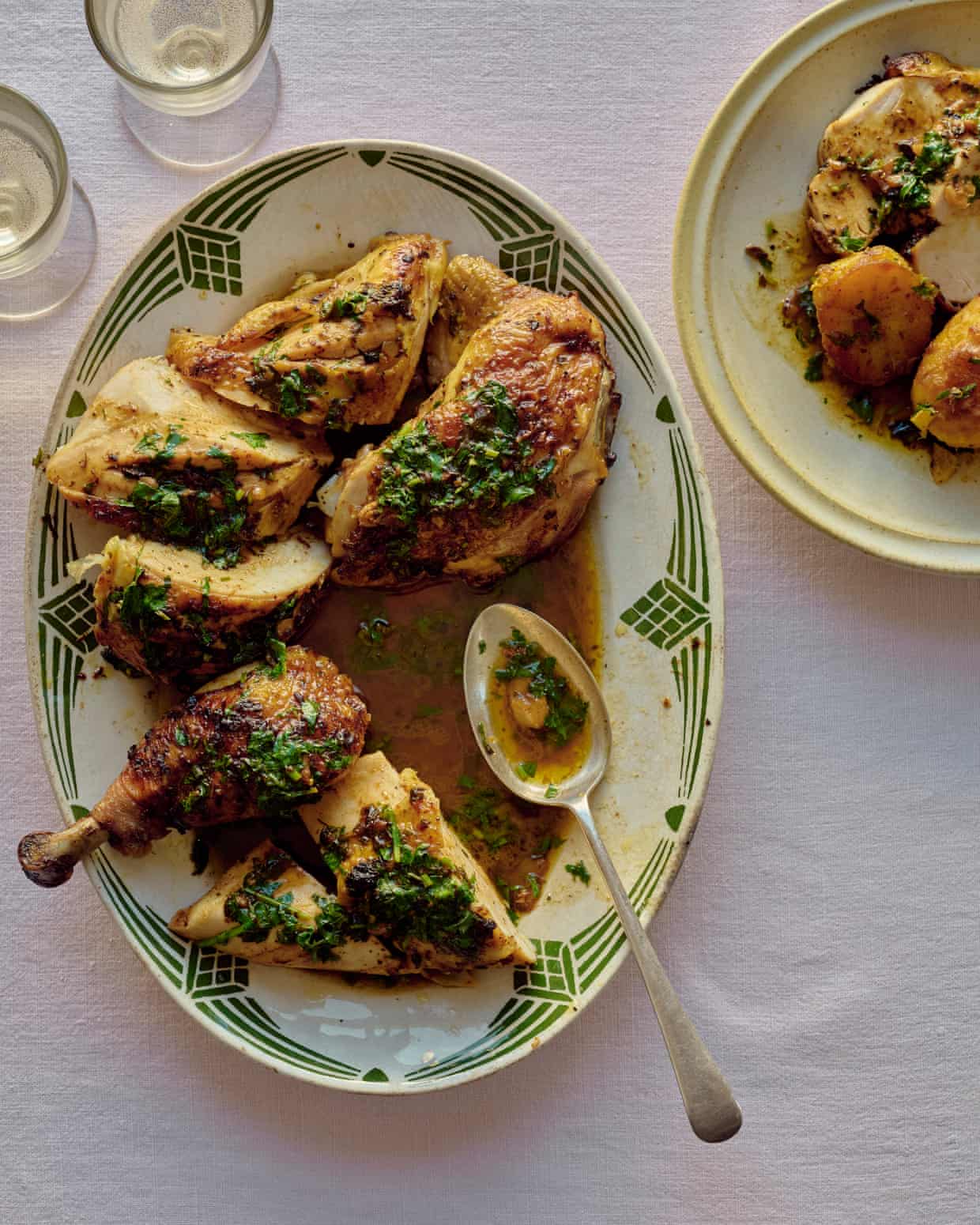
Roast chicken, cheesy scones and a genius cocktail: Ravinder Bhogal’s recipes for cooking with lime pickle
I’m obsessed with lime pickle. It’s savoury, sour, funky, spicy and full of bold personality that enlivens anything it’s smeared on. It’s made by salting and fermenting limes with chillies and spices for a fierce, flavour-packed condiment that’s traditionally eaten as a side to poppadoms or with simple dal and rice. Over the years, I have also folded it into grilled cheese toasties, marinades for fat prawns to barbecue in the summer or made compound butters with it to smother over sweet potatoes before roasting. It’s an instant flavour bomb and my pantry is never without a jar

Oil prices rise and markets fall after US seizure of ship hits Iran peace deal hopes
Polymarket in fundraising talks that could value the prediction platform at $15bn

Sonos Play review: a great jack-of-all-trades portable speaker for home or away

How a fiery attack on Sam Altman’s home unfolded

FIA confirms F1 rule changes in reaction to driver unhappiness and safety fears

County cricket: Abell defies Hampshire’s fiery Baker to keep Somerset on high – as it happened