Oil prices rise and markets fall after US seizure of ship hits Iran peace deal hopes
Oil prices have risen sharply and European stock markets have fallen after the US seizure of an Iranian vessel dented hopes for a peace deal.Brent crude, the international benchmark for oil prices, rose by 4.8% on Monday to $94.69 (£70.07) a barrel.
European stock markets dropped, with the UK’s blue-chip FTSE 100 index down 0,7%,The French Cac 40 and the German Dax both fell by about 1%,The Stoxx Europe 600 index, which tracks the biggest companies on the continent, was down 1,1%.
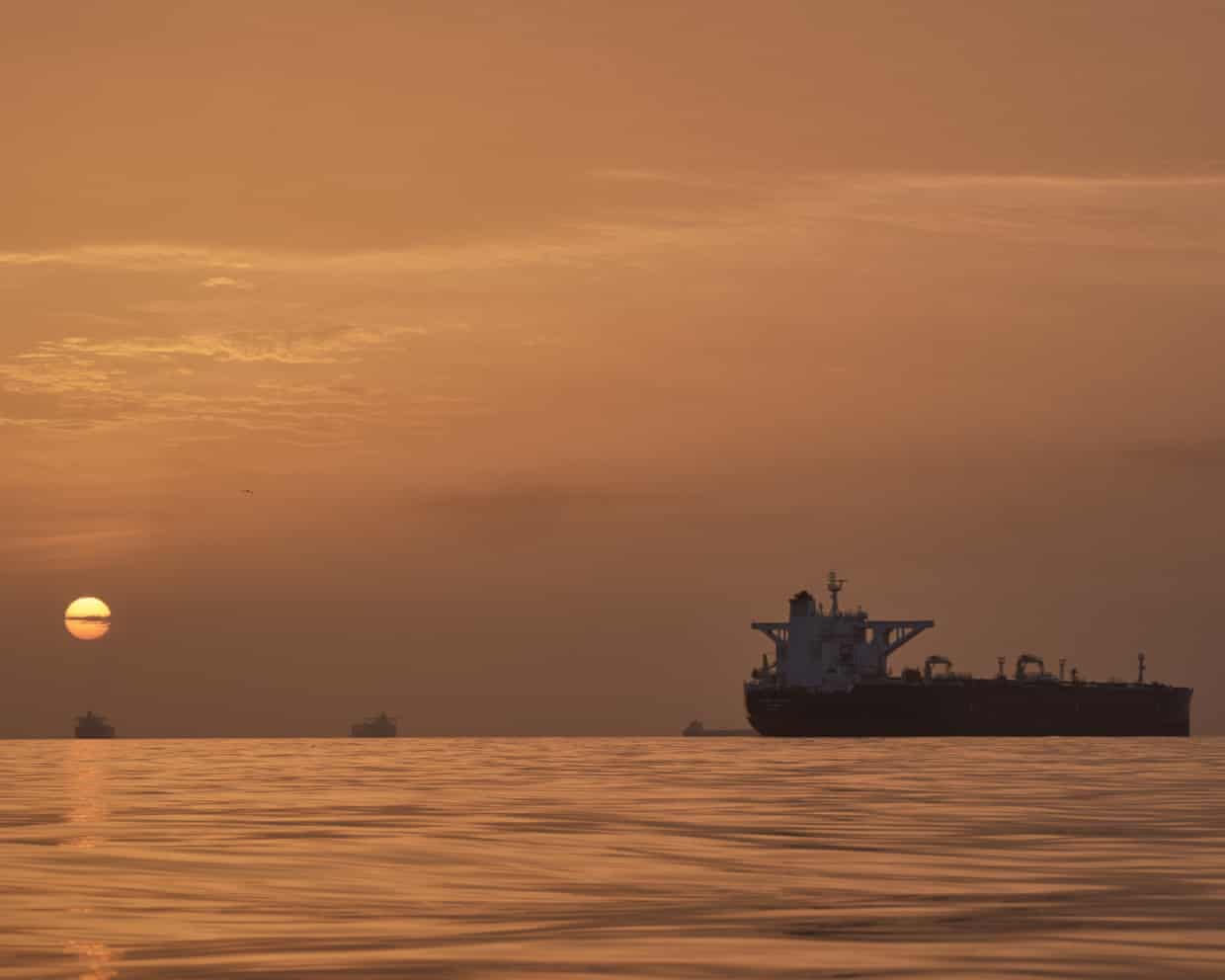
The price changes followed Donald Trump’s announcement on Sunday that an Iranian cargo ship had been seized after trying to get past the US-enforced blockade near the strait of Hormuz shipping channel.He wrote on social media: “We have full custody of their ship, and are seeing what’s on board!”The incident raised the possibility that the ceasefire could fail before negotiators reconvened in Pakistan.The Iran war, which is now entering its eighth week, has killed thousands of people and has rocked the global energy market.Normally about one-fifth of the world’s oil and gas passes through the strait of Hormuz.Airline stocks also fell sharply on Monday amid fears over the impact on international travel and jet fuel shortages.
IAG, the owner of British Airways, dropped 3%, while Wizz Air fell 5.4%.Ryanair, Europe’s biggest airline, fell 3%.Rolls-Royce, which manufacturers engines for aircraft, also fell by about 3%.The energy companies BP and Shell were among the biggest risers on the FTSE 100 on Monday, with shares in both up more than 2%.
Oil prices had slumped 9% on Friday, after Iran said it would reopen the strait of Hormuz during the agreed two-week ceasefire period, and Trump said Tehran had agreed to never close the key shipping channel again.However, over the weekend there were reports that the Iran’s Revolutionary Guards had fired upon commercial vessels.Tehran has also said it will not participate in a second round of negotiations that the US had hoped to start before the ceasefire expires on Wednesday.Shipping through the strait of Hormuz is now in effect at a standstill, with just three crossings in 12 hours, according to satellite analysis from SynMax and tracking data from Kpler.The oil product tanker Nero, which is under British sanctions for Russian oil activities, left the Gulf and was sailing through the strait, according to the data.
A chemical tanker and a liquefied petroleum gas (LPG) tanker also sailed into the Gulf through the strait, it found.The LPG tanker was under US sanctions for Iran trading activities.Susannah Streeter, the chief investment strategist at the broker Wealth Club, said hopes for the resumption of trade, especially energy shipments, had evaporated, causing “fresh jitters” in the stock market.“Deep reserves of patience are needed, but with some industries such as airlines staring at jet fuel shortages, these are tense times,” she said.Fears continue to grow around the scale of the energy shock in the UK, where wholesale gas market prices rose by 5.
8% to 102p a therm on Monday.Analysts at the Energy and Climate Intelligence Unit have estimated that a sustained oil price of $100 a barrel would mean UK motorists who drive 8,000 miles a year could face an increase in annual fuel costs of £140.The British Oil Security Syndicate, an industry trade organisation, told the Sun there had been a 19% increase in drive-offs and failures to pay at UK forecourts since the start of the US-Israel war on Iran.There are fears the US blockade could also trigger a fertiliser shortage, one of the vital commodities that normally passes through the strait, in a significant risk for global food security.Chicago wheat futures rose 1.
3% at $6,07-1/4 a bushel on Monday, after a 5% rise last week,
The fight against medical misogyny has a long way to go | Letters
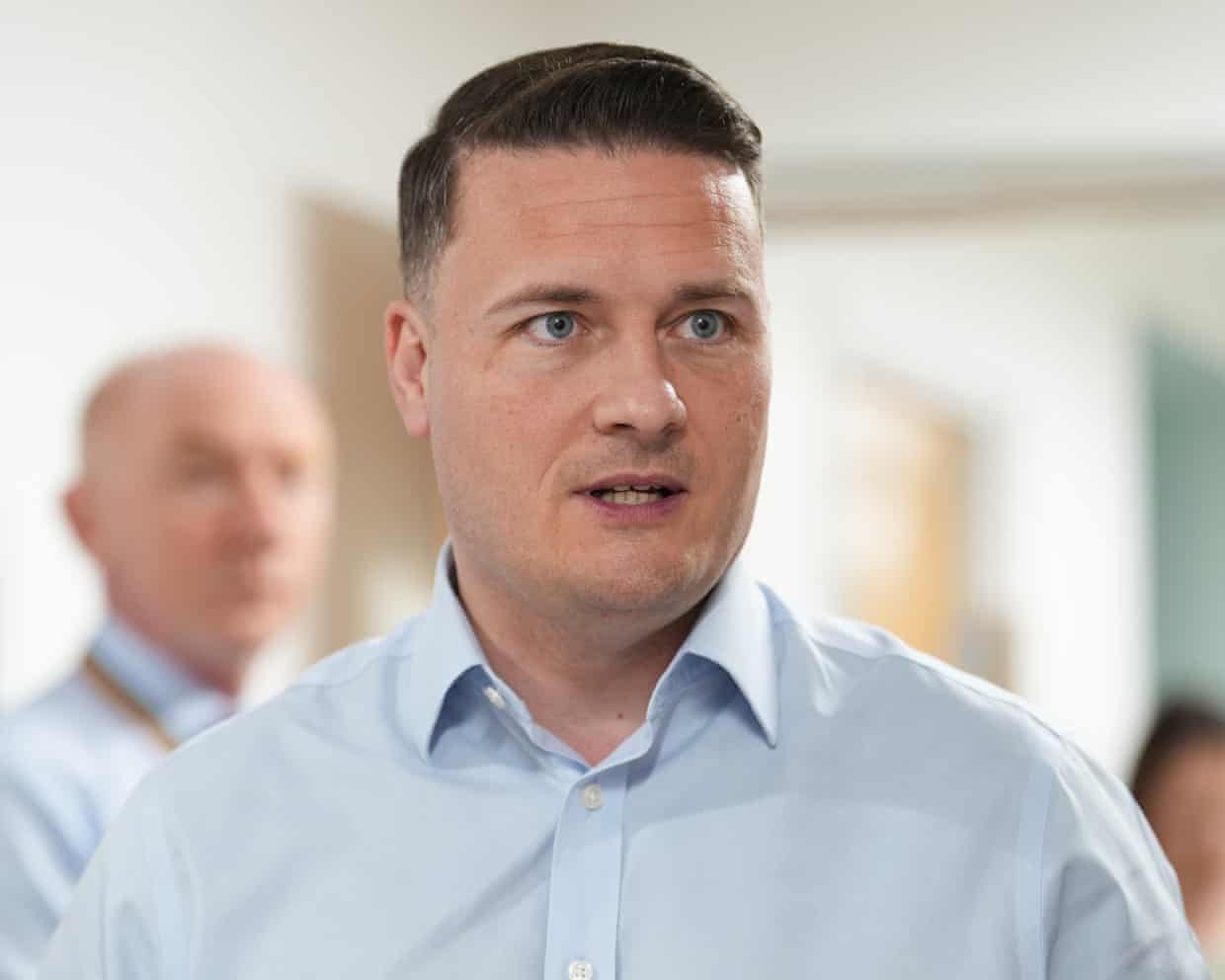
I welcome the relaunched women’s health strategy (Streeting relaunches women’s health strategy to tackle ‘medical misogyny’, 14 April) but with caution. The system appears responsive, but the root causes in health inequality outcomes remain untouched.It names urgent issues many women have long experienced: navigating the gynaecology referral queue that would stretch over 191 miles (if waiting in person), medical gaslighting, delayed diagnoses and systemic bias.However, Wes Streeting’s tenacity on centering all women’s “voices”, and ensuring that no woman is left fighting to be heard isn’t convincing, particularly when women of colour have been crying out loud for years, with little to no change in our reproductive health outcomes.Many of us know what that feels like: seeing a GP about severe period pain and trying to explain how it disrupts our life

A sad indictment that the young seek tradwife life | Letters
I very much enjoyed Lucy Knight’s article (My month in the tradwife world: ‘I can’t pretend I’m not enjoying myself at all’, 15 April). As a boomer with children and grandchildren, I have no trouble appreciating the very poor hand the young people of today have been dealt and the reason that gingham, herb gardens and sourdough are a comforting fantasy. However, I think it is high time to draw readers’ attention to Sue Kaufman’s very funny and terrifyingly relevant Diary of a Mad Housewife to warn of the dangers of the tradwife ideal. I would also like to put on record, since my generation is constantly reviled, that when we marched to Aldermaston, campaigned against the death penalty and the incarceration of homosexuals, demanded equal rights (abortion, mortgage without a male backer, etc) and pay for women, tried to persuade the world about ecological issues and the need for recycling (I vividly remember having a rubbish bin tipped over my head by an angry eco-sceptic), demonstrated again, this time against the Vietnam war and later the Iraq war, and are now being arrested for objecting to genocide, we were not trying to create a world in which the young needed to take refuge in tradwife fantasies, from a dismal present and hopeless future. It is regrettable that we failed, but we tried

‘A white man’s fantasy’: if we want to rebuild social cohesion, we need to acknowledge where it all started to unravel
Things fall apart, as Chinua Achebe warned us. And “things” – the climate, the social contract, the rules-based international order – seem to be falling apart at a rate of knots. They fell apart spectacularly and horribly at Bondi last December, when allegedly Islamist gunmen opened fire on civilians, including children. Fifteen people were killed. Many more were injured

Are you a woman who makes life easier for everyone else? Beware – you could endanger your health | Emma Beddington
Women, a warning from Instagram: “You really need to be a bitch or you’re going to develop an autoimmune disease. It’s that simple.” Versions of this scientifically dubious statement have caught the imagination of a corner of the internet, getting algorithmically nudged my way multiple times (a TikTok to this effect has 40,000 likes; a Threads post 26,000). Sometimes, it’s set to music; sometimes, it’s the basis for earnest discussion of cortisol and inflammation. Sometimes, it’s evangelical

‘Labels protect us’: Olivia Nervo wants reproductive coercion to be a standalone offence – she is not alone
When the Grammy award winning songwriter, Olivia Nervo, agreed to start a family with her partner she believed she was in “a monogamous, committed relationship leading to a future”, and had never heard of reproductive coercion.Her world came crashing down when she was six months pregnant and she found out that her partner was in a relationship with another woman who was also pregnant, and with whom he already had a child.It was a discovery that led her to learn about reproductive coercion, a form of controlling behaviour in which someone interferes with an individual’s ability to make decisions about their own body. The Labour MP, Natalie Fleet, led a debate in parliament on the issue last month in which she said it was “so important – in the public interest, even – that the story of Olivia Nervo is heard”.The court declined to make any finding as to whether there had been reproductive coercion in Nervo’s case, with Fleet describing the doctrine as something the legal system in England and Wales “still struggles to recognise”
Three meningitis B cases confirmed in Dorset as young people offered vaccines
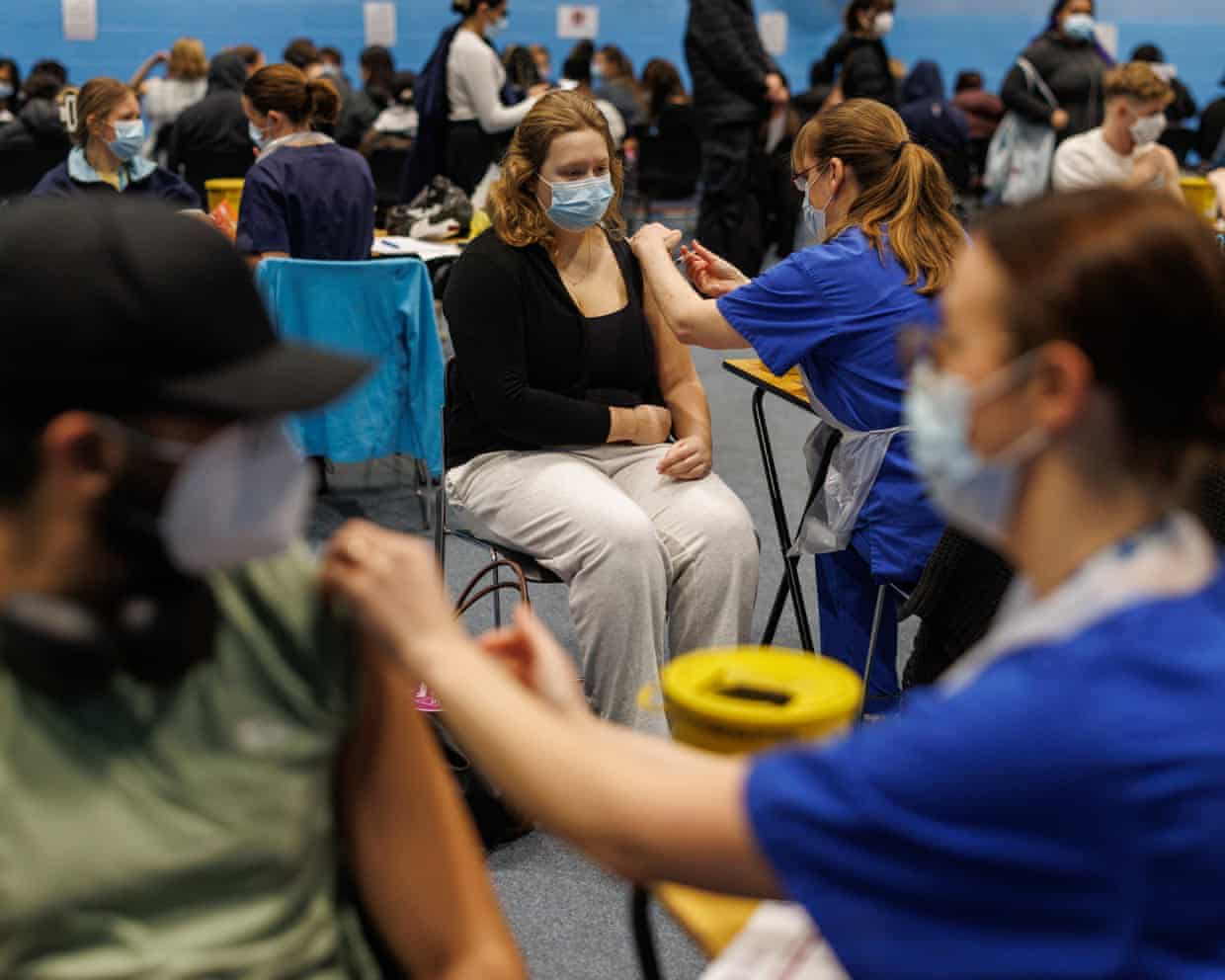
Three cases of meningitis B have been confirmed in the south-west of England, according to the UK Health Security Agency (UKHSA), and young people in the area have been offered vaccinations against the disease.The cases, which have all been confirmed to have occurred between the 20 March and 15 April in Dorset, have been treated. Those affected are said to be recovering well, according to the UKHSA.Two of the cases were in students at Budmouth academy in Dorset who are contacts of each other, while the other young person attends Wey Valley academy.However, no link has been made between these cases, which may suggest this particular strain of MenB bacteria is transmitting more widely among young people in the area

Finance leaders warn over Mythos as UK banks prepare to use powerful Anthropic AI tool
US tech firms successfully lobbied EU to keep datacentre emissions secret
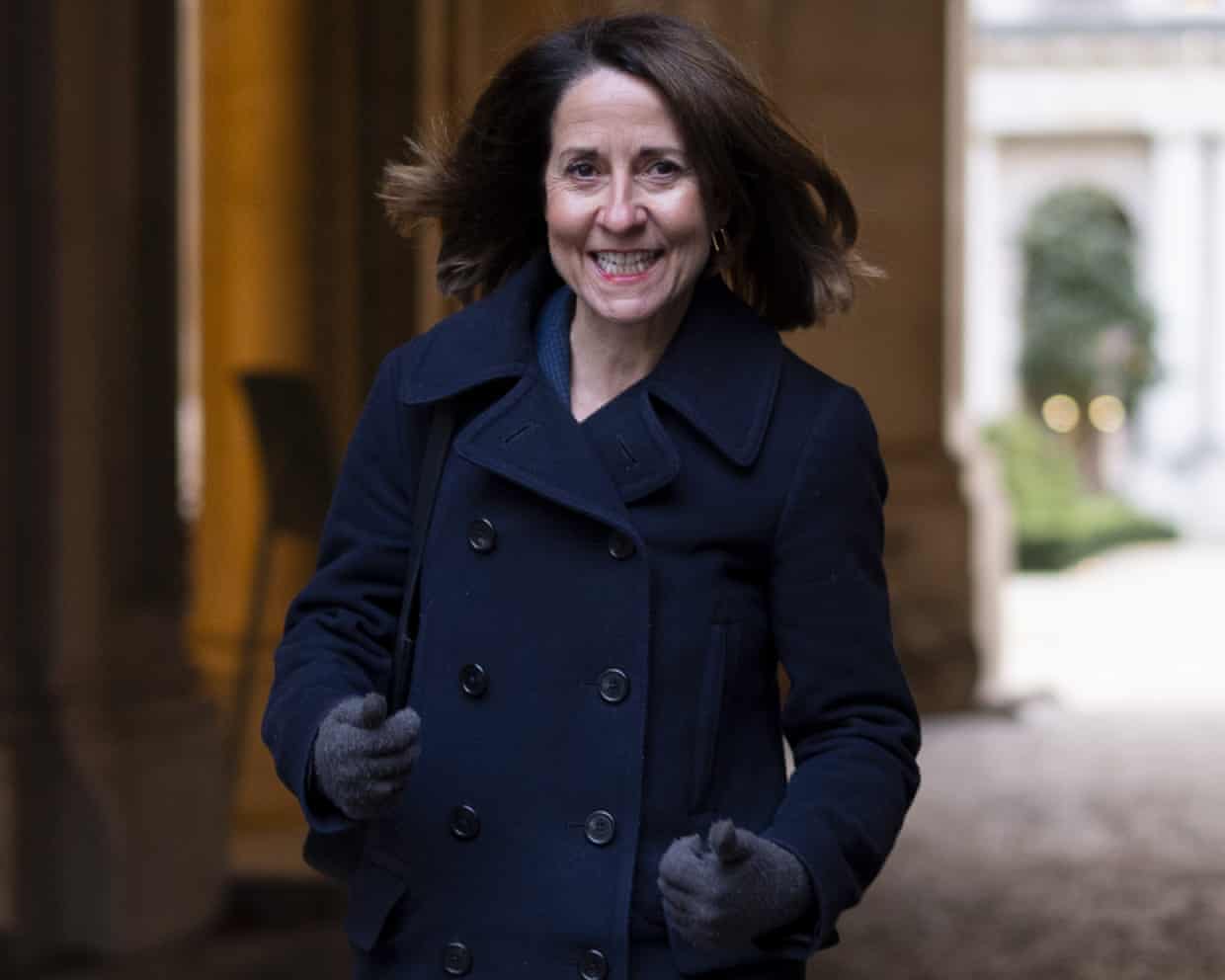
Liz Kendall urges UK public to embrace AI as government makes first £500m fund investment

‘How do I end a call?’: the elderly Japanese people determined to master smartphones

Labour and Lib Dem MPs demand ‘shameful’ Palantir NHS contract be scrapped
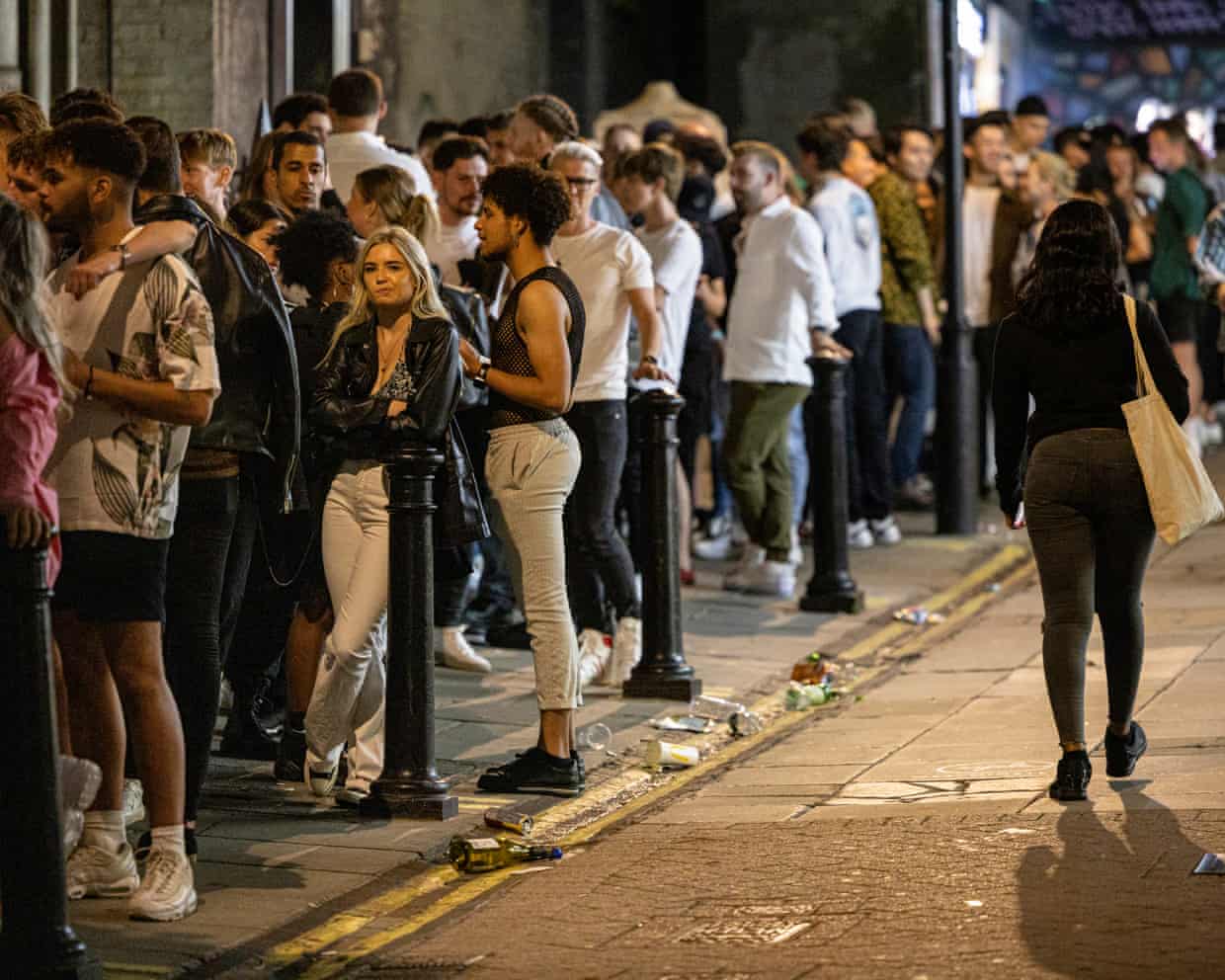
Man used AI to make false statements to shut down London nightclub, police say