Gina Rinehart’s Hancock Prospecting to pay hundreds of millions’ worth of royalties to rival family in ‘half loss half win’
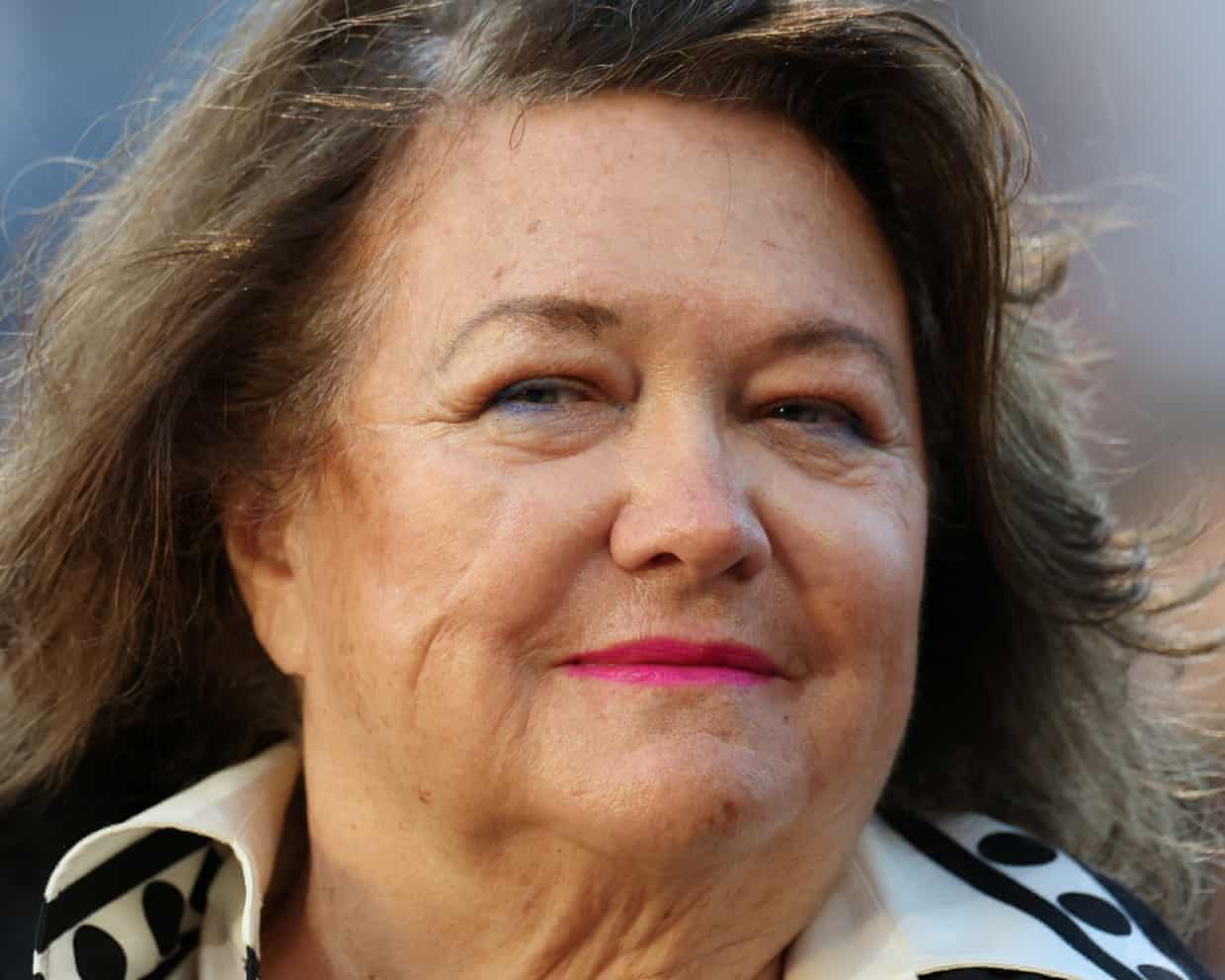
Gina Rinehart’s Hancock Prospecting has lost its bid to retain royalties from the mammoth Hope Downs iron ore project and will be forced to pay Wright Prospecting half of its royalties from the project, worth hundreds of millions of dollars.In a landmark ruling in the Western Australian supreme court on Wednesday, justice Jennifer Smith said that Wright Prospecting had successfully made out its contractual claim to 50% of past and future royalties paid from the project.But the court has dismissed Wright Prospecting’s claim to ownership in other mining assets held by Hancock Prospecting.“It could be found that Wright Prospecting won half of its case and lost half of its case,” Smith said.A spokesperson for Wright Prospecting said it “welcomes the decision of Justice Smith delivered in the Supreme Court today”.
“Wright Prospecting commenced this action to recover our share of royalties from the Hope Downs 1-3 mines.That claim has been upheld.WPPL also sought either a proprietary interest or a royalty in the Hope Downs 4-6 mines and has been successful in its royalty claim.“These proceedings were commenced in 2010 and, after many delays, we are pleased to finally receive a result in our favour.The decision is lengthy and complex.
We will review it in detail before determining if any further steps need to be taken.”The judgment in the case is anticipated to be more than 1,600 pages long and comes more than two years after the complex legal case went to trial in Perth in mid 2023.Hancock Prospecting senior executives Sanjiv Manchanda and Garry Korte were in the courtroom for the hearing.At the centre of the claim was rights to the Hope Downs mining complex near Newman in north-west Western Australia, which is a joint venture between Hancock Prospecting and Rio Tinto, and which delivered an $832m profit to Hancock Prospecting in 2025.Wright Prospecting first launched legal action more than 15 years ago, arguing that the family business should share in the spoils arising from tenements that had been pegged out by prospectors Peter Wright and Gina Rinehart’s father, Lang Hancock, in the 1950s.
The Wright family heirs, including billionaire Angela Bennett and her nieces Leonie Baldock and Alexandra Burt, claimed they were entitled to an equal share of the 2.5% royalties coming from Hope Downs to Hancock Prospecting, saying Wright Prospecting never relinquished the assets to Hancock Prospecting.Hancock Prospecting rejected the claim for past and future royalties, arguing it undertook all the work, bore the financial risk of development and is the legitimate owner of the Hope Downs assets.More details to follow … This story was amended on 15 April 2026 to reflect that Hancock Prospecting must pay Wright Prospecting half of its royalties from the Hope Downs project, not half its earnings as a previous version stated.
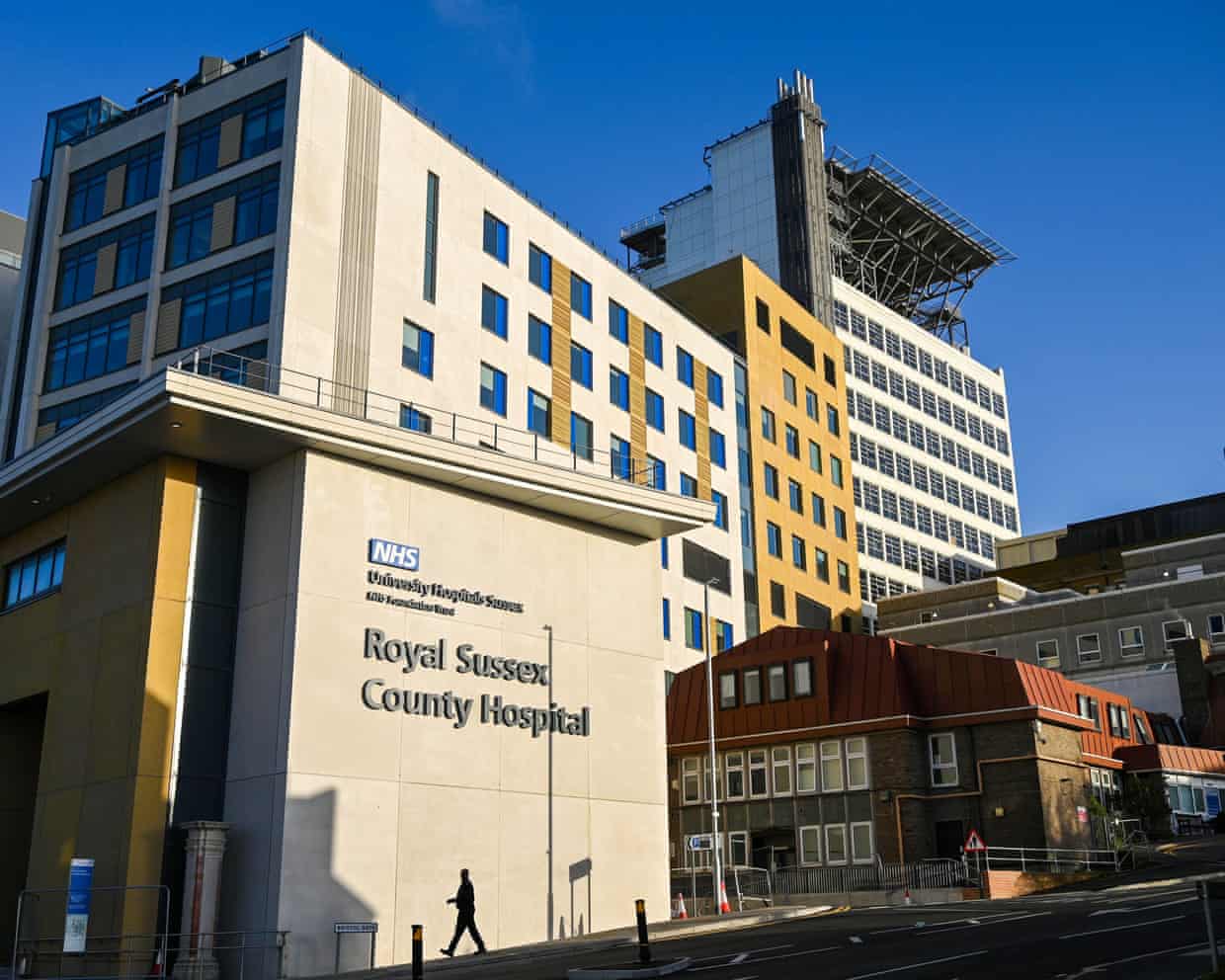
Sussex baby deaths inquiry will fail to learn lessons after excluding families, Streeting warned
An inquiry into the preventable deaths of babies in Sussex will fail to learn the lessons as it “systematically” excluded dozens of families, Wes Streeting has been warned before a meeting with bereaved parents.The health secretary has ordered a review of nine infant deaths at the University Hospitals Sussex NHS foundation trust amid maternity scandals across England. However, families are calling on Streeting to expand the investigation to all those who died and might have survived with better care.To date, the families of more than 60 babies who died between 2019 and 2023 have expressed concerns about their care, although the true figure is expected to be higher.Dr Marija Pantelic, a public health expert whose baby Sasha died in the care of UH Sussex in January 2022, said the narrow scope and opt-in nature of the review was dangerous and potentially harmful as it would be based on the experiences of an “overwhelmingly white and British” group of parents

AI to predict how bowel cancer patients will respond to new NHS drug
A new AI-driven way of identifying how patients with advanced bowel cancer will respond to a drug that was recently introduced by the NHS has been announced.Researchers at London’s Institute of Cancer Research and the RCSI University of Medicine and Health Sciences in Dublin have developed the method with the goal of sparing potentially thousands of patients from being given drugs that would be ineffective in fighting their cancers.In the UK alone, nearly 10,000 cases of advanced bowel cancer are identified every year, with young adults seeing a particular rise in diagnoses. Bowel cancer has the second highest mortality rate of any cancer, behind only lung cancer, and while survival rates can be as high as 98% when caught early, the five-year survival rate for advanced bowel cancer can be as low as 10%.The study tracked 117 European bowel cancer patients who had been treated with chemotherapy and bevacizumab, a drug that was approved by the NHS in December

More than a fifth of UK’s ‘austerity children’ scarred by poverty, study says
More than a fifth of all “austerity generation” British children have been scarred by poverty for at least half their childhood, a direct legacy of the welfare benefit cuts imposed by Conservative governments in recent years, research reveals.The proportion of children born after 2013 who spent at least six of their first 11 years of life in hardship surged after ministers froze working age benefits levels and imposed policies such as the two-child limit, it found.Austerity policies, which drastically shrank annual welfare spending by tens of billions a year and took thousands of pounds a year out of low-income family budgets, effectively pitched hundreds of thousands more children into sustained poverty.The University of Oxford study said the austerity-era growth in children exposed to poverty for most of their formative years was a “significant social problem” that would cause long-term harms to their health, education and life chances.The study’s co-author, Selçuk Bedük, said the post-2013 austerity cuts to welfare increased both the numbers of children experiencing poverty and the time they spent in it
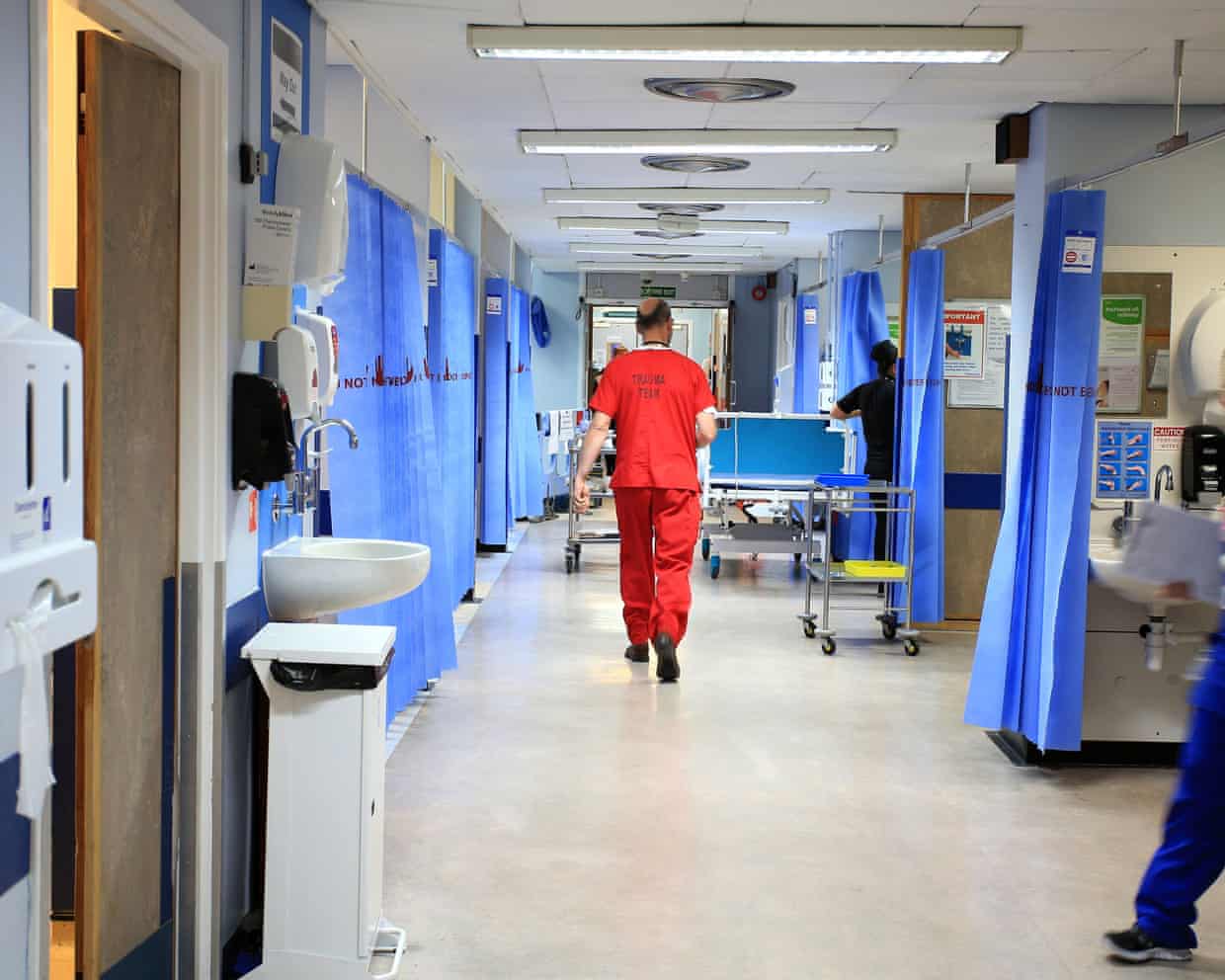
Private firms providing services to NHS made £1.6bn profit in two years, research finds
Private firms providing services to the NHS including healthcare and consultancy have made £1.6bn in profits over the last two years, research reveals.The findings – on the basis of contracts worth £12bn – have prompted claims of “scandalous” profiteering, concern that the health service is being “taken for a ride” and calls for ministers to impose a cap on maximum profit levels.The £1.6bn in profits made in 2023-24 and 2024-25 would have been enough to pay for 9,178 doctors or 19,428 nurses during that time, according to the Centre for Health and the Public Interest
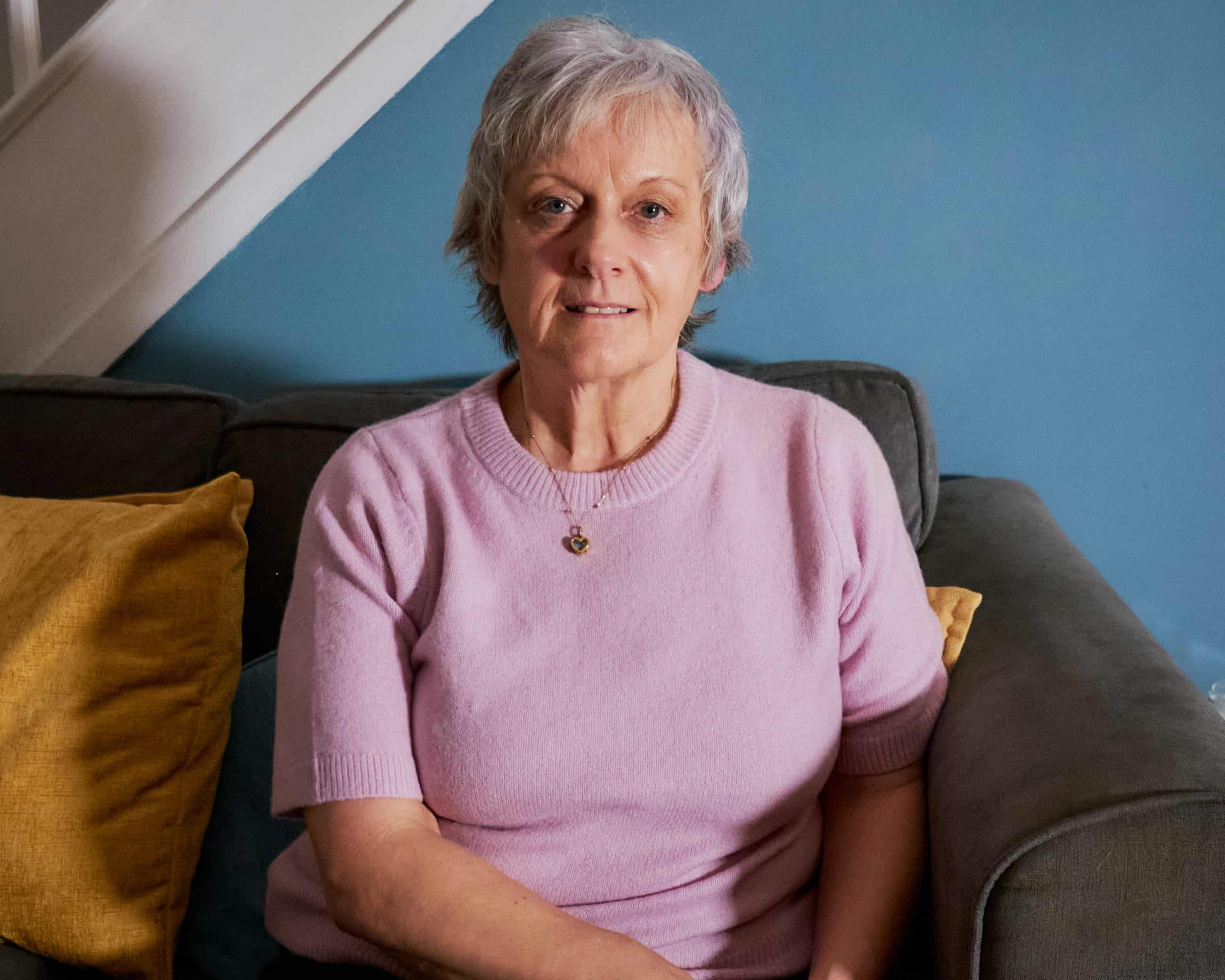
‘I just want to feel like me again’: the women still waiting for breast reconstruction years after lockdown
At the height of Covid, hundreds of cancer patients had mastectomies without the reconstruction that would normally accompany them. They would eventually get the surgery, they were told – but for many that promise feels more meaningless by the dayEvery time she lifts her arms to get dressed or hang out her washing, Julie Ford gets a painful reminder of one of the most terrifying experiences of her life. At 7am one day in April 2021, she had gone into hospital, alone and wearing a mask, to have her right breast and lymph nodes removed in a bid to stop breast cancer from spreading. Later that day, still groggy from the anaesthetic, in pain and with surgical drains hanging from both sides of her chest, she had staggered to the door with the help of two nurses. She was eased into a friend’s car and driven home to fend for herself
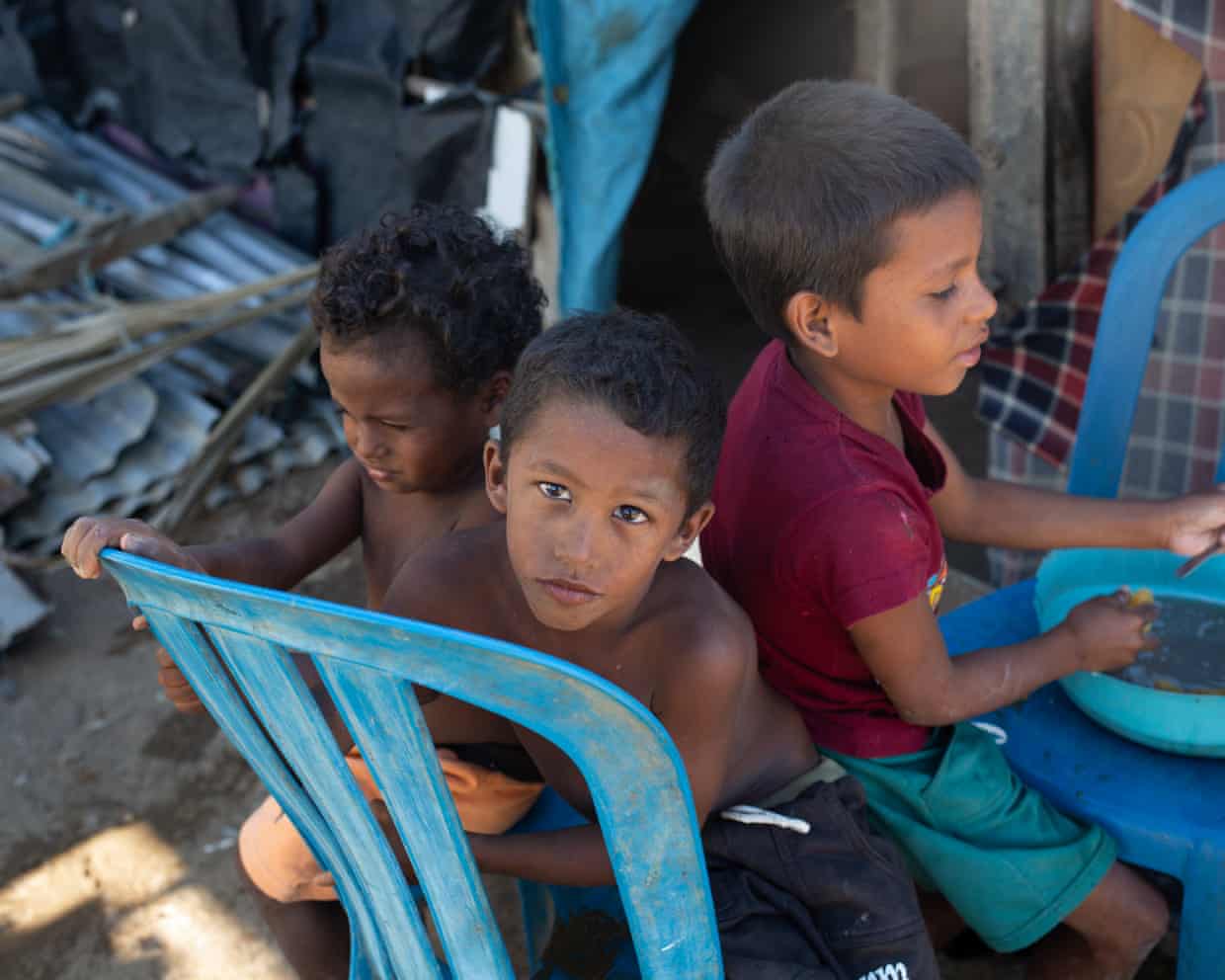
Iran war could plunge 32 million into poverty, says United Nations
More than 32 million people worldwide could be plunged into poverty by the economic fallout from the Iran war, with developing countries expected to be hit hardest.In a report issued amid doubts over a fragile ceasefire, the United Nations Development Programme (UNDP) said the world was facing a “triple shock” involving energy, food and weaker economic growth.The agency tasked with tackling poverty said the conflict was reversing gains in international development, with the impact expected be felt unevenly across regions.Alexander De Croo, administrator of the UNDP and former prime minister of Belgium, said: “A conflict like this is development in reverse. Even if the war stops, and a ceasefire is obviously very very welcome

The Breakdown | Will Bath or anyone else stop the Bordeaux Bègles juggernaut in Europe?

Ben Stokes plays down talk of McCullum disagreement but plans ‘different’ path to success
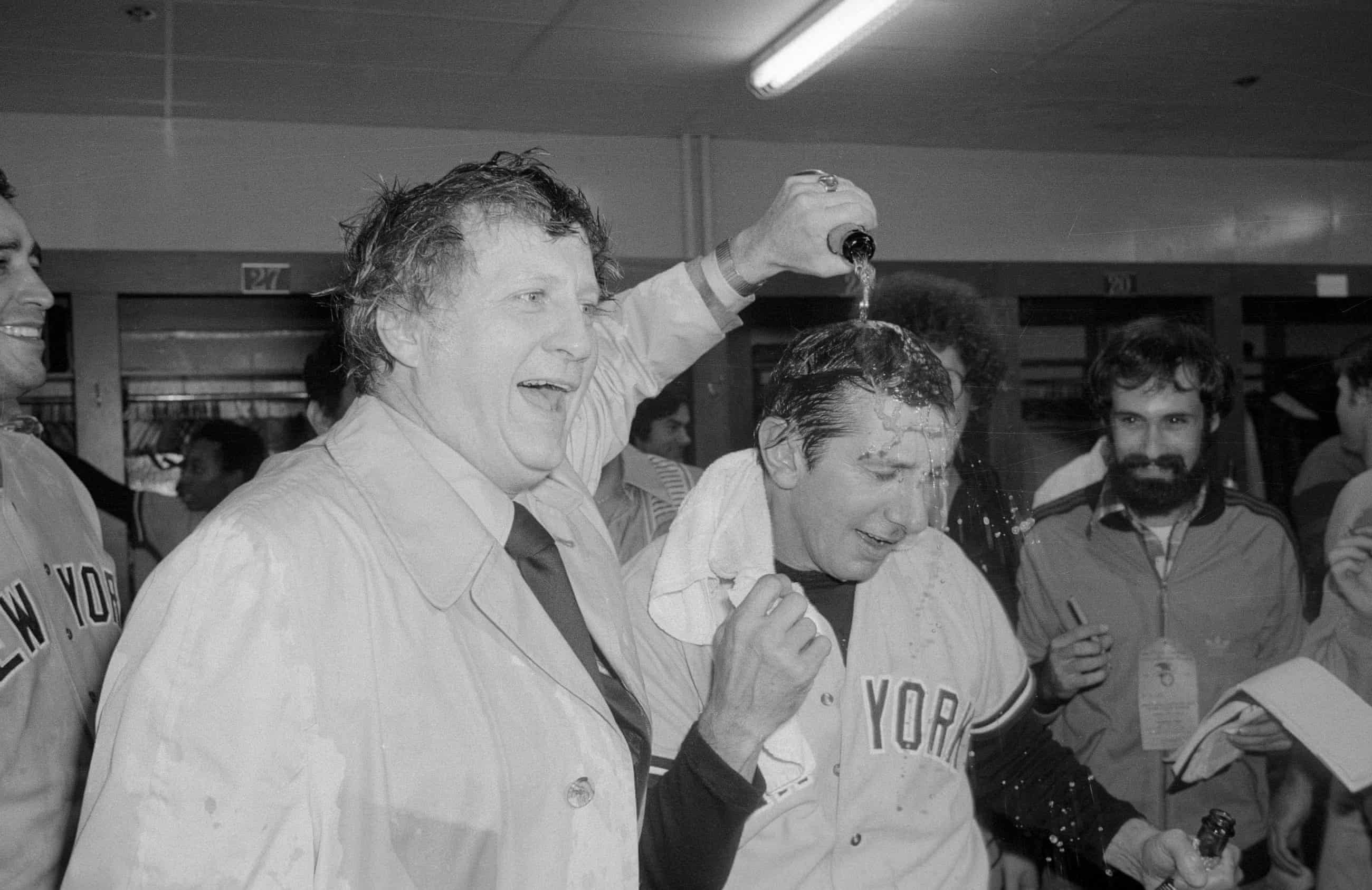
Boss of the Bronx: the turbulent reign of George Steinbrenner, baseball’s ultimate showman

The Masters, the Premier League run-in, the National: is there a better sporting month than April? | Sean Ingle

Azzi Fudd taken first in WNBA draft by Dallas Wings in UConn reunion with Paige Bueckers

WNBA draft: Azzi Fudd goes No 1, UCLA smash record and Flau’jae Johnson traded – as it happened