Starmer says talks with Gulf leaders have reinforced sense Iran war ceasefire is ‘fragile’ – as it happened
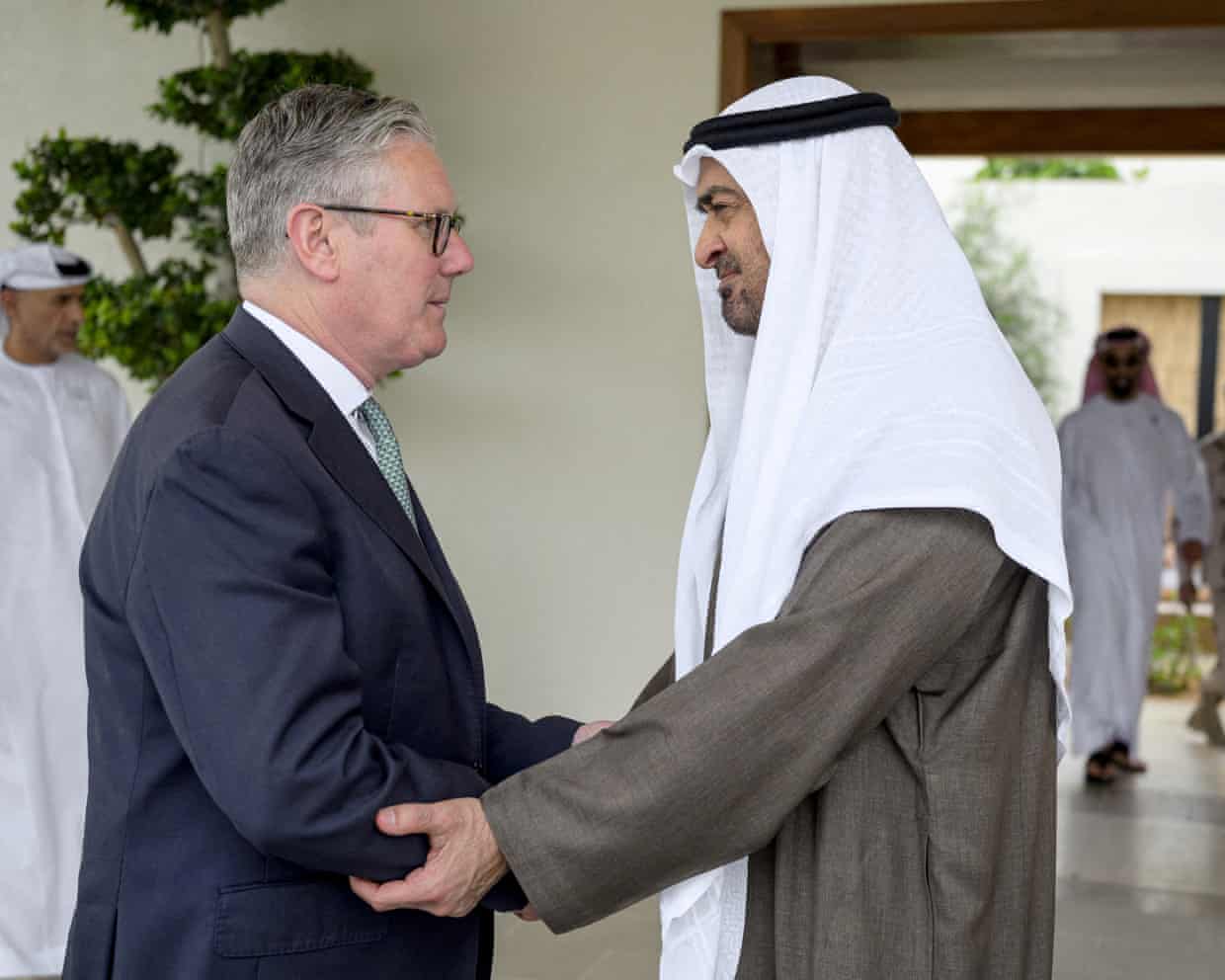
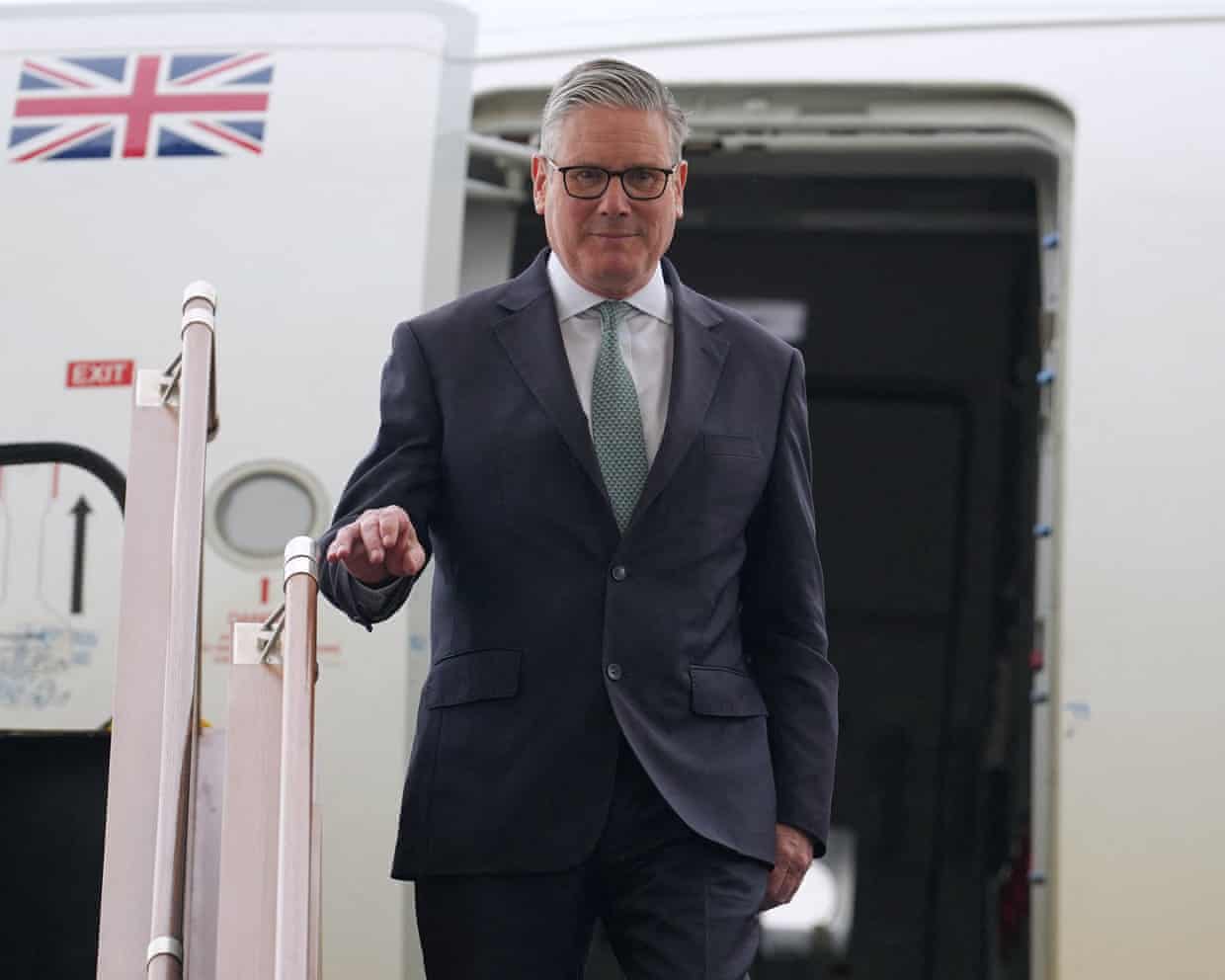
Keir Starmer has said he discussed the “fragile” nature of the US-Iran ceasefire with Gulf allies and that “it takes more than just words” to make it permanent, the Press Association reports.After talks with Saudi Crown Prince Mohammed Bin Salman and UAE President Sheikh Mohammed bin Zayed Al Nahyan, Starmer told broadcasters:double quotation markI think the mood is very much one of the shock that they were attacked in the first place, because of course they weren’t attacking Iran, and the intensity of some of the attacks.Relief that there’s now a ceasefire.I think a general sense that it’s fragile, that there’s work to do in relation to it.And then a lot of reflection and discussion, me with them, about the work we did over the last six to seven weeks together, the collective self-defence, the capabilities.
And an opportunity frankly for me to say thank you to our personnel who are out here, who’ve been, many of the pilots have been working from about two hours after the conflict started.But I’m very clear that one, it’s very important we stand with our longstanding allies and be here showing our support and reflecting on the work we’re doing together.And for them, a sense that we’re a friend that’s come at this time to have these really important discussions with them and to make sure the ceasefire is a permanent ceasefire and that the strait of Hormuz is open.And that takes more than just words.It takes a lot of action.
Keir Starmer has said his talks with Gulf leaders in the Middle East have reinforced his belief that the Iran war ceasefire is ‘fragile”.(See 5.29pm.)A British warship and aircraft tracked and monitored Russian submarines trying to survey vital undersea infrastructure in the North Atlantic, ensuring they fled the area, the defence secretary, John Healey, has said.Zack Polanski has called on the government to tear up the UK-Israel trade agreement after the Israeli strikes on Lebanon.
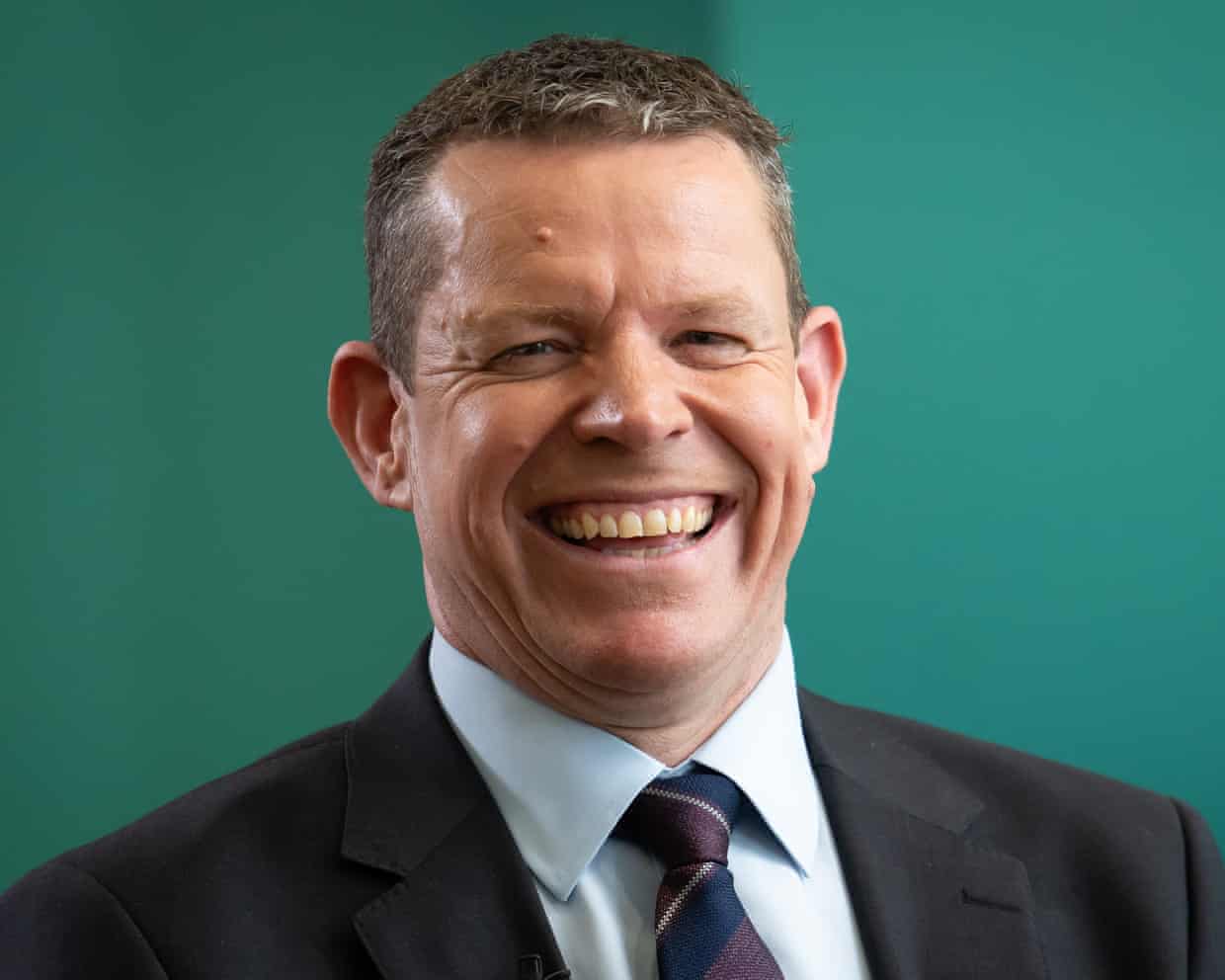
Plaid Cymru’s leader has promised “no more bending to Westminster’s will” as the nationalist party stands on the brink of taking office for the first time in next month’s Senedd elections.For a full list of all the stories covered on the blog today, do scroll through the list of key event headlines near the top of the blog.At the Green party’s campaign launch this morning Zack Polanski, the party leader, focused on housing.In a report for the New Statesman, Megan Kenyon says this is because the party has concluded this is a key issue driving voters away from Labour.She says:double quotation markAccording to an internal memo shared by party officials with on-the-ground campaigners and seen by the New Statesman, one of the main issues identified as driving voters away from Labour is affordable housing.
This, according to internal feedback gathered through canvassing and outreach, is compounded by a perception among some voters that Labour councils are more interested in striking “deals with developers” than delivering for residents,The Green party plans to adjust its attack lines on the capital’s doorsteps accordingly,The memo urges canvassers to prioritise one “focused message” on their rounds: that “failing Labour councils” are in “hock to developers”,The Greens also point to reporting in the i newspaper that Steve Reed attended a dinner with housing developers who had paid to attend, as part of this critique,The latest episode of the Guardian’s Politics Weekly UK podcast is out.
It features Peter Walker and Alexandra Topping talking about the Iran war, and what it means for British politics,Keir Starmer has said he discussed the “fragile” nature of the US-Iran ceasefire with Gulf allies and that “it takes more than just words” to make it permanent, the Press Association reports,After talks with Saudi Crown Prince Mohammed Bin Salman and UAE President Sheikh Mohammed bin Zayed Al Nahyan, Starmer told broadcasters:double quotation markI think the mood is very much one of the shock that they were attacked in the first place, because of course they weren’t attacking Iran, and the intensity of some of the attacks,Relief that there’s now a ceasefire,I think a general sense that it’s fragile, that there’s work to do in relation to it.
And then a lot of reflection and discussion, me with them, about the work we did over the last six to seven weeks together, the collective self-defence, the capabilities.And an opportunity frankly for me to say thank you to our personnel who are out here, who’ve been, many of the pilots have been working from about two hours after the conflict started.But I’m very clear that one, it’s very important we stand with our longstanding allies and be here showing our support and reflecting on the work we’re doing together.And for them, a sense that we’re a friend that’s come at this time to have these really important discussions with them and to make sure the ceasefire is a permanent ceasefire and that the strait of Hormuz is open.And that takes more than just words.
It takes a lot of action.With the publication of Plaid Cymru’s manifesto, the Institute for Fiscal Studies has now published short assessments of the manifesto plans published by the five main parties standing in the Senedd election (or at least the five parties likely to win seats).For the record, here are links to the reports – and brief extracts.Alert readers will note that there is a common theme to all these analyses.On Plaid Cymrudouble quotation markThe overall ‘giveaways’ in Plaid Cymru’s manifesto are not huge, but in the context of a Welsh budget already likely to be under strain post-election – particularly in 2027-28 –, delivering these plans would deepen the cuts faced by unprotected services and/or require increases in devolved taxes.
’On Reform UKdouble quotation markWhile Reform UK’s Welsh manifesto is more restrained on its tax-cutting pledges than its plans in Scotland, it has not fully faced up to the fiscal realities facing the next Welsh government.Lower taxes are possible in Wales.Any government should focus on maximising the efficiency with which the public sector spends its money.But with significant efficiencies likely required to maintain services even with existing funding, tax cuts would likely necessitate cuts in at least some services used by households.These are implied – but left unspoken – in Reform UK’s plans.
On Welsh Labourdouble quotation markTaken together, it is clear that fully delivering on Welsh Labour’s various ambitions for the spending side of the budget would require substantial additional expenditure,In the context of its pledge to freeze the WRITs [Welsh rates of income tax], a slowdown in increases in funding from the UK government, and rising demand and costs of health and social care, delivering these pledges would almost certainly require cuts to spending on some other services,And it is difficult to avoid the conclusion that despite being in government for 27 years, Welsh Labour, like the other Welsh parties, is not fully facing up to the difficult fiscal reality facing the next Welsh government,On the Welsh Greensdouble quotation markThe Green party’s Welsh manifesto offers a vision of a bigger state doing more for its citizens,But it lacks any plan for how to pay for that bigger state.
In reality, the new entitlements pledged by the Green party would require substantial increases in taxes or cuts to other services,The party has left this part of its vision unspoken,This manifesto may work as an opening gambit for potential negotiations with other parties,But it is clearly not a complete, costed plan for government,On the Welsh Conservativesdouble quotation markThe Welsh Conservatives’ flagship proposals are reductions to three of Wales’s devolved taxes: the Welsh rates of income tax, land transaction tax and business rates.
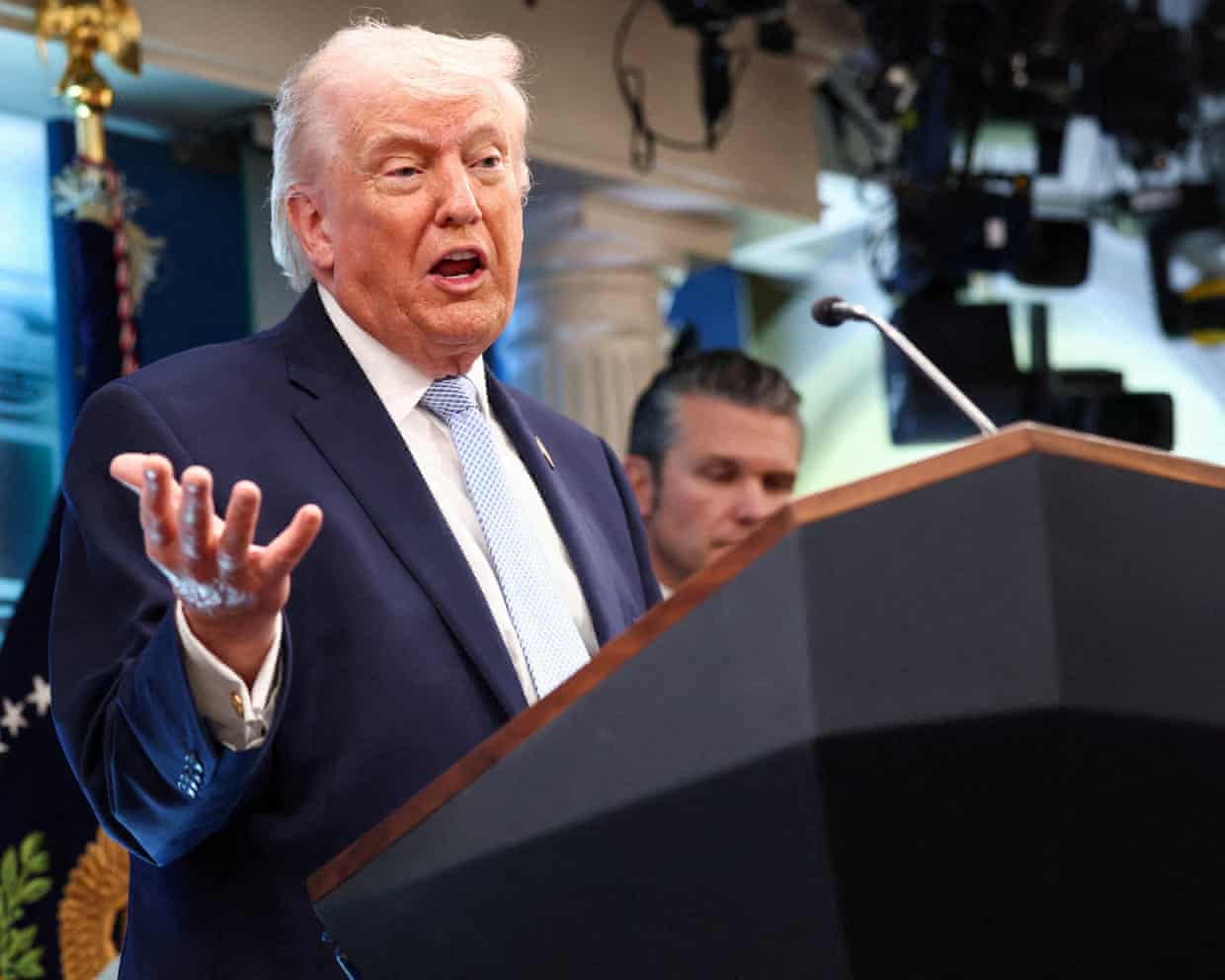
But at a time when spending pressures in many areas are rising, a government that wants to cut taxes must also commit to spending less – and the manifesto lacks a credible plan for where these savings will come from.OpenAI has put on hold plans for a landmark project to strengthen the UK’s AI capabilities, citing high energy costs and regulation, Aisha Down reports.Commenting on this story for the Conservatives, Ben Spencer, a shadow science minister, said:double quotation markWhen global firms cite high energy costs and regulatory uncertainty as reasons to walk away, it tells you everything about the direction of travel.For too long, Labour have prioritised courting big tech headlines while neglecting our domestic start-ups, but also the fundamentals that actually attract investment at home.John Crace has written his sketch today about Donald Trump.
And Keir Starmer a bit, but it’s mostly Trump.“Merely to engage with Trump – be it to defend him or to take him on – puts your sanity at risk,” John says.Here goes, if that’s a risk you are willing to take.Welsh Labour has claimed that the publication of Plaid Cymru’s manifesto shows that the party is not being fully open about its commitment to Welsh independence.Plaid is a nationalist party but Rhun ap Iorwerth, its leader, has consistently downplayed this as a goal, treating this as more of a long-term aspiration, and he has said it is not something that the party would take forward in its first term in office.
During the campaign ap Iorwerth has explicity said “this isn’t an election about independence.”But the manifesto says “our nation is on a journey to independence”, and it says a Plaid government would launch a national conversation on the topic, as well as “laying the foundations for a future white paper on Welsh independence”.Responding to the manifesto, a Welsh Labour spokesperson said:double quotation markPlaid Cymru should be honest with voters.They claim not to be focusing on independence in this election and yet their manifesto explicitly sets out a route map towards independence.They now need to explain this deception to the people of Wales in the coming weeks.
And Dan Thomas, the Reform UK leader in Wales, said:double quotation markPlaid will use precious resources to bring forward a white paper on independence.We think that money would be better spent by you or in our public services.Plaid will implement independence by stealth.Here is the full passage in the manifesto on independence.Plaid Cymru would substantially expand free childcare in Wales, but have not properly explained how they would fund this, the Institute for Fiscal Studies says.
In an initial response to the Plaid Cymru manifesto published today, the IFS says that the Plaid ‘giveaways’ are not huge – but that they would probably need to be funded by cuts in other government services or tax increases not acknowledged by the party,In his analysis, David Phillips, the IFS’s head of devolved and local government finance, says that Plaid is proposing to increase Welsh government spending by more than Welsh Labour but by less than the Green party,Phillips says (bold type from IFS):double quotation markAs it stands, the outlook for Welsh government funding implies that cuts to at least some services will be needed in maintain let alone improve health and social care services as costs and demands grow,Spending £400m a year more on childcare, with more to boot on a Welsh child payment, expanded free school meals and better primary healthcare would require either deeper cuts to unprotected services, a substantial slowdown in core health and social care spending, or as-yet unmentioned tax rises,Plaid Cymru therefore does not appear to have faced up to the fiscal reality facing the next Welsh government.
And if the party knows how it would afford its pledges, it has omitted to explain how in its manifesto,This is disappointing, especially given Plaid Cymru’s recent complaints about unfunded promises by other parties,Explaining the Plaid offer on childcare, Phillips says:double quotation markTurning to the spending side of the budget, the big ticket item is a substantial expansion of funded childcare provision,The Welsh system currently offers 10 hours of funded early education per week for all 3- and 4-year-olds, an additional 20 hours of funded childcare per week for 3- and 4-year-olds in most working families, for 48 weeks per year,Some 2-year-olds in poorer areas are eligible for 12.
5 hours per week under the Flying Start program during term time, with an ongoing expansion to cover all 2-year-olds.After completing the existing rollout of 12.5 hours for all 2-year-olds, Plaid Cymru would gradually expand coverage to 20 hours of funded childcare per week for 48 weeks per year, for all children aged 9 months to 4 years.Plaid would also retain the more generous offer of 30 hours per week for 3- and 4-year-olds in working families.Compared to the Green party’s proposals, Plaid’s offer would prevent 3- and 4-year-olds in working families from losing out, but would not incorporate additional subsidised hours above these entitlements (nor an ambition to move from 20 to 30 hours a week).
Plaid Cymru’s proposals would represent a big increase in government spending on the early years.The cost of offering funded hours to children under 2 might even be larger than the party expects – England’s recent expanded offer proved far more popular than forecast.Plaid Cymru justifies this extra spending on the grounds of children’s development, parents’ ability to work, and families’ cost of living.Expanding funded childcare provision would help reduce costs for families already paying for childcare.But both improving child development and boosting labour supply at the same time through childcare subsidies is tricky and expensive, and much will rest on the design of the programme.
Here are some more pictures from Keir Starmer’s Gulf trip.And here is Alexandra Topping’s story about Zack Polanski at the Green party campaign launch this morning calling on the government to tear up the UK-Israel trade agreement after the Israeli strikes on Lebanon.Keir Starmer has arrived in Bahrain as part of a trip to the Gulf to speak with allies about the Iran war, the Press Association reports.He has already visited Saudi Arabia and the United Arab Emirates.Labour sent out a briefing ahead of the Green party’s local elections launch today claiming that Greens have “attempted to block at least 42,000 homes from being built across the country, including at least 13,000 affordable homes, since 2018”.
The figures were based on figures for developments opposed by local Green party members in 25 council areas,Labour said they were probably thousands more cases across the country and that their research showed that Zack Polanski and his party were “blockers” and “hypocrites”,Anna Turley, the Labour chair, said:double quotation markPolanski and his party have shown time and again that with Green councillors, you’d be lucky to see a single brick laid, no matter how desperately residents need somewhere to live,At his launch this morning, where he highlight the Greens’ commitment to more social and afforable housing, Polanski was asked about the Labour claims,He insisted that Green councillors were no more likely to object to local planning applications than any other councillors, and he argued that some developments deserve to be blocked.
(See 11,09am,)In an interview on Radio 4’s the World at One, he went even further,Asked again about the Labour research, and the claim 42,000 homes had been blocked, Polanski replied:double quotation mark“According to Labour” is doing a lot of heavy lifting there because that number is absolute nonsense,We are talking about luxury, unaffordable building.
The right homes need to be built at the right price, at the right place.Summing up the Greens’ housing policy, Polanski said:double quotation markThe first thing is to make sure that the people making the decisions and making them based on the needs of residents and the community, and not on developers.Second, I think it’s about making sure that we’re building the right types of homes.We need to see lots more council homes and affordable homes.And finally, I think we need to recognise that we have an affordability crisis.
And so to build the case, to continue to champion the need for rent controls.When it was put to him that, even if they took control of councils, the Greens would not be able to impose rent controls which they support (see 11.17am), Polanski said that, if councils were able to build more homes themselves, they would be able to control those rents.Ipsos has released polling today suggesting that over the past month public support for the way Keir Starmer has responded to the Iran war has gone up.Overall, his rating on this measure is still negative (40% think he has done a bad job, while 30% think he has done a good job)
Starbucks’s retail arm gets £13.7m tax credit even as sales increase
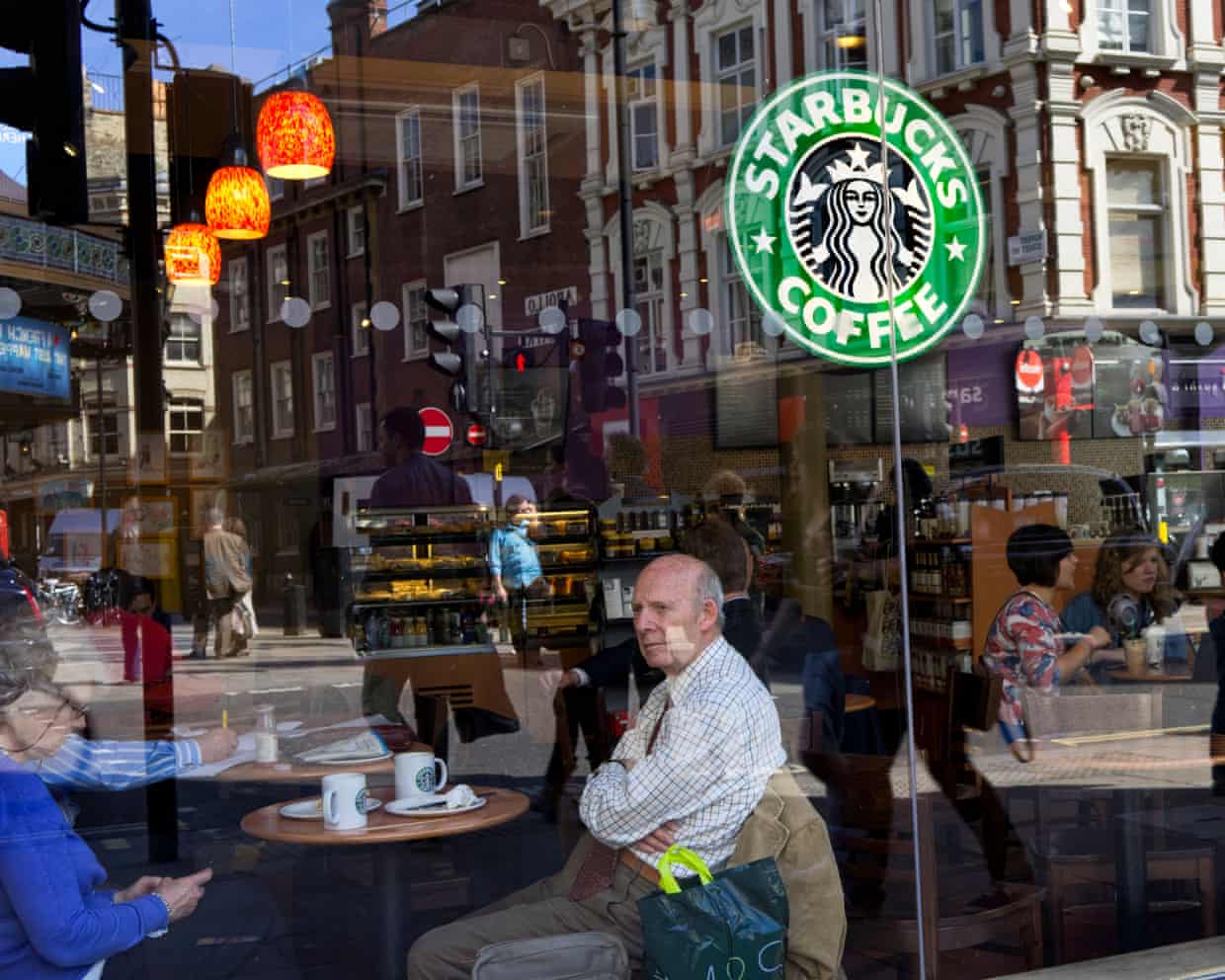
Starbucks’s UK retail arm received a £13.7m corporation tax credit last year, even as its sales increased 6% and it added more than 90 stores.The credit, which can be used to offset future tax bills, comes after losses widened to £41.3m in the 12 months to the end of September – almost matching the £40m it paid in royalty and licence fees to its parent company.Starbucks said price increases, new loyalty schemes and the introduction of “freshly baked in-store food” had helped to increase sales to £556
European airports ‘face jet fuel shortages within three weeks’; Irish army called in over fuel protests - as it happened
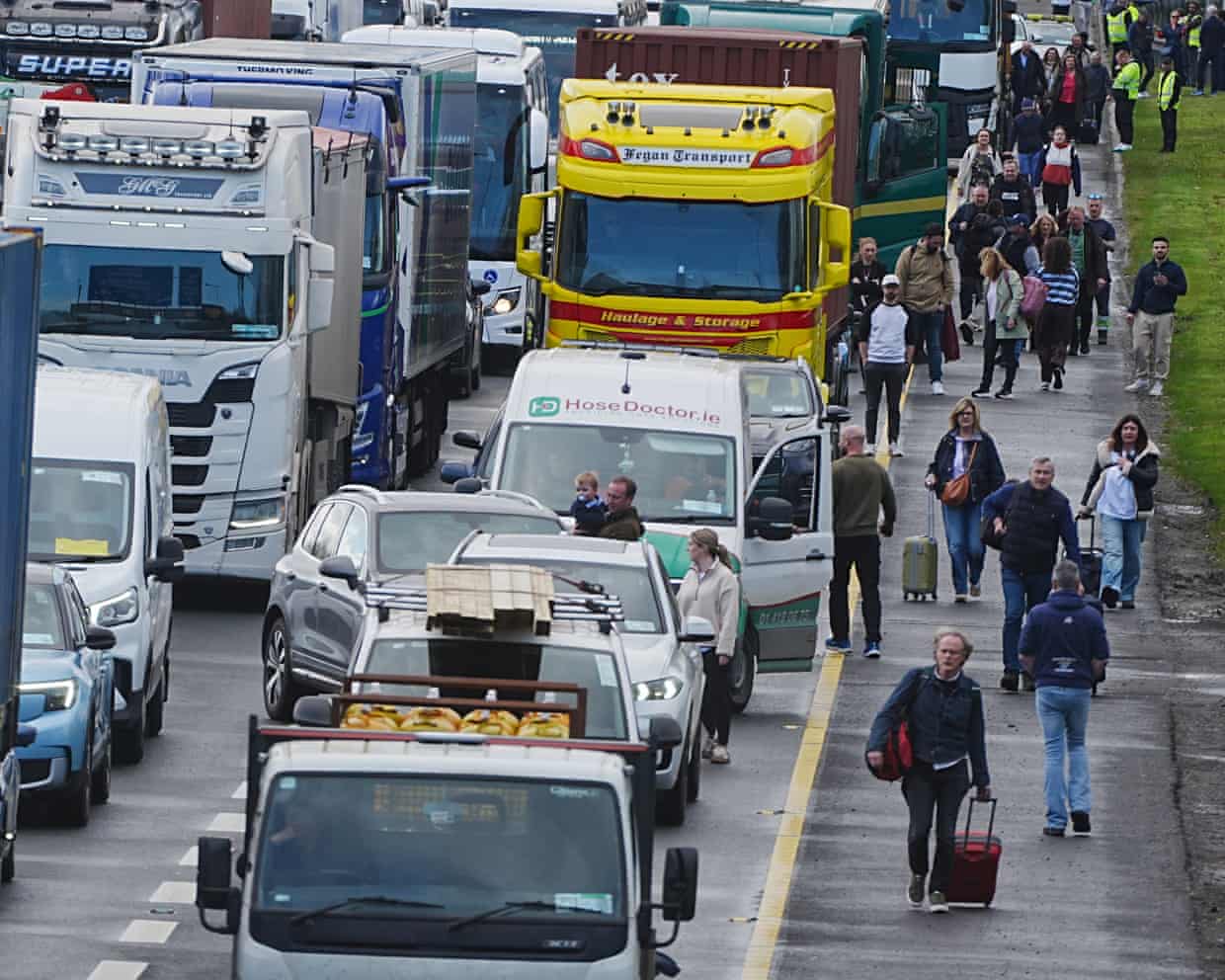
Time to wrap up…European airports have warned the EU that jet fuel shortages could hit the summer holiday season if oil supplies do not start to flow through the strait of Hormuz within the next three weeks.Airports Council International (ACI) Europe reportedly wrote to EU transport commissioner Apostolos Tzitzikostas saying that the bloc is three weeks away from shortages. The letter was first reported by the Financial Times.The warning will raise concerns of a risk of flight or holiday cancellations if the US and Israel’s war on Iran continues. Oil prices have soared since the start of March after Iran effectively closed the strait of Hormuz, a key shipping route for exports from the Gulf, in retaliation

Amazon to finally launch Leo satellite internet in ‘mid-2026’, says CEO
Amazon has said its long-awaited satellite internet rival to Elon Musk’s Starlink will finally go live in “mid-2026”.The chief executive, Andy Jassy, said in a letter to shareholders that the technology company was “on the verge of launching Amazon Leo” and had secured “revenue commitments from enterprises and governments” for the scheme.Originally conceived in 2019 as Project Kuiper before being renamed last year, Leo now has 200 low-orbit satellites in space, with Jassy promising “a few thousand more” in the years to come.While on track to make Leo the second commercial satellite presence in space, the plans would still leave it far behind SpaceX’s Starlink, which has nearly 10,000 satellites in space and aims to have as many as 42,000 operational in the future.Jassy promised Leo would incorporate the successful Amazon Web Services cloud computing software into its function, writing: “Leo will seamlessly integrate with AWS to enable enterprises and governments to move data back and forth for storage, analytics, and AI
US summons bank bosses over cyber risks from Anthropic’s latest AI model
The US Treasury secretary, Scott Bessent, summoned major American bank chiefs to a meeting in Washington this week amid concerns over the cyber risks posed by Anthropic’s latest AI model, according to reports.Jerome Powell, chair of the Rederal Reserve, was said to have been among those gathered at the Treasury headquarters for the meeting after the release of the Claude Mythos AI model that Anthropic says poses unprecedented cybersecurity risks.A recent leak of Claude’s code prompted the startup to publish a blogpost at the beginning of the month saying that AI models had surpassed “all but the most skilled humans at finding and exploiting software vulnerabilities”, adding: “The fallout – for economies, public safety, and national security – could be severe.”This week’s meeting was reportedly called while bank bosses were already in Washington for a lobby group gathering, with a guest list focused on heads of so-called systemically important banks – meaning regulators believe that a major disruption to their operations, or their potential collapse, would put financial stability at risk.Those in attendance included the Goldman Sachs chief executive, David Solomon, Bank of America’s Brian Moynihan, Citigroup’s Jane Fraser, Morgan Stanley’s Ted Pick and the Wells Fargo boss Charlie Scharf, according to Bloomberg, which first reported details of the meeting
The Masters 2026: day two golf updates from Augusta National – live
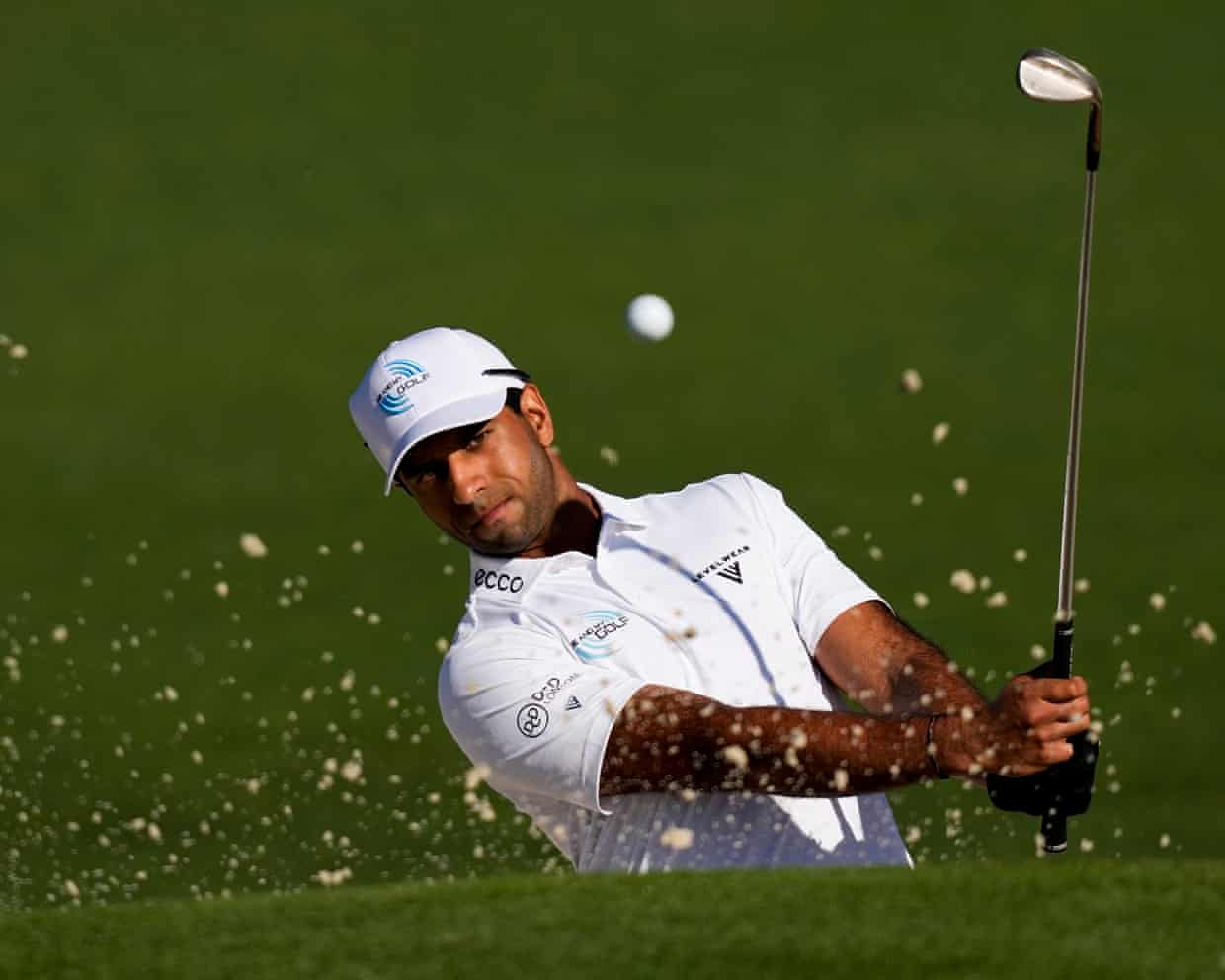
Quite a few players grouped on the shoulder of the leading pack. Still nearly two hours until Rory turns up for work.-5: Burns, McIlroy -3: Kitayama, Day, Reed -2: Clark (14), Rose (7), Lowry, Schauffele -1: Rai (9), Hatton (8), Gotterup (7), Spieth (7), Koepka (7), Griffin (6), English (4), Li (4), Homa (3), Taylor, FleetwoodJustin Rose hadn’t made a birdie since 15 yesterday. He’s had his close shaves and frustrations today, but just about kept a lid on it, and his patience has finally paid off. He rolls in a birdie putt from downtown at 7, and returns to -2

Essex v Somerset, Surrey v Leicestershire, and more: county cricket, day one – live
James Price, Lancashire’s Easter bunny, head of marketing and communications has just appeared in the press box with a milky bar Easter Egg for everyone. Just don’t mention the SGMs…Rain has never been more welcome at Bristol, as the players are forced in with the score 348-2 after 67.2 overs. McKinney 182 not out.A cracking caught and bowled by Shoaib Bashir, sliding onto his tummy rhythm and slurping it up
Israel’s attacks on Lebanon should not be happening, says Keir Starmer
Starmer says talks with Gulf leaders have reinforced sense Iran war ceasefire is ‘fragile’ – as it happened
‘No more bending to Westminster’s will’ if Plaid Cymru wins power, leader vows
Why colluding with King Donald’s insanity is the only game in town | John Crace
UK spending on foreign aid hits lowest level since 2008
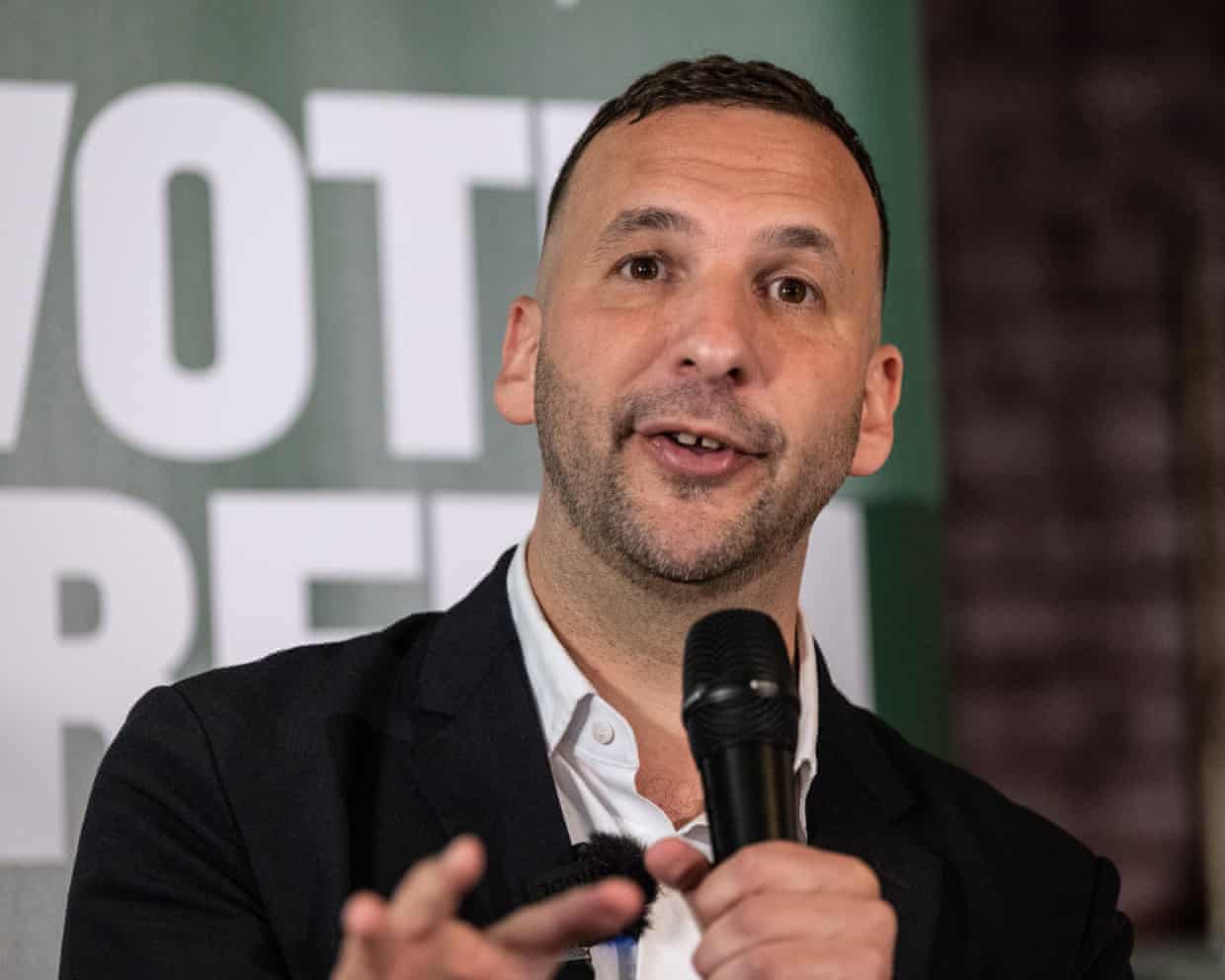
Zack Polanski calls for UK to withdraw trade agreement with Israel after strikes on Lebanon