US summons bank bosses over cyber risks from Anthropic’s latest AI model
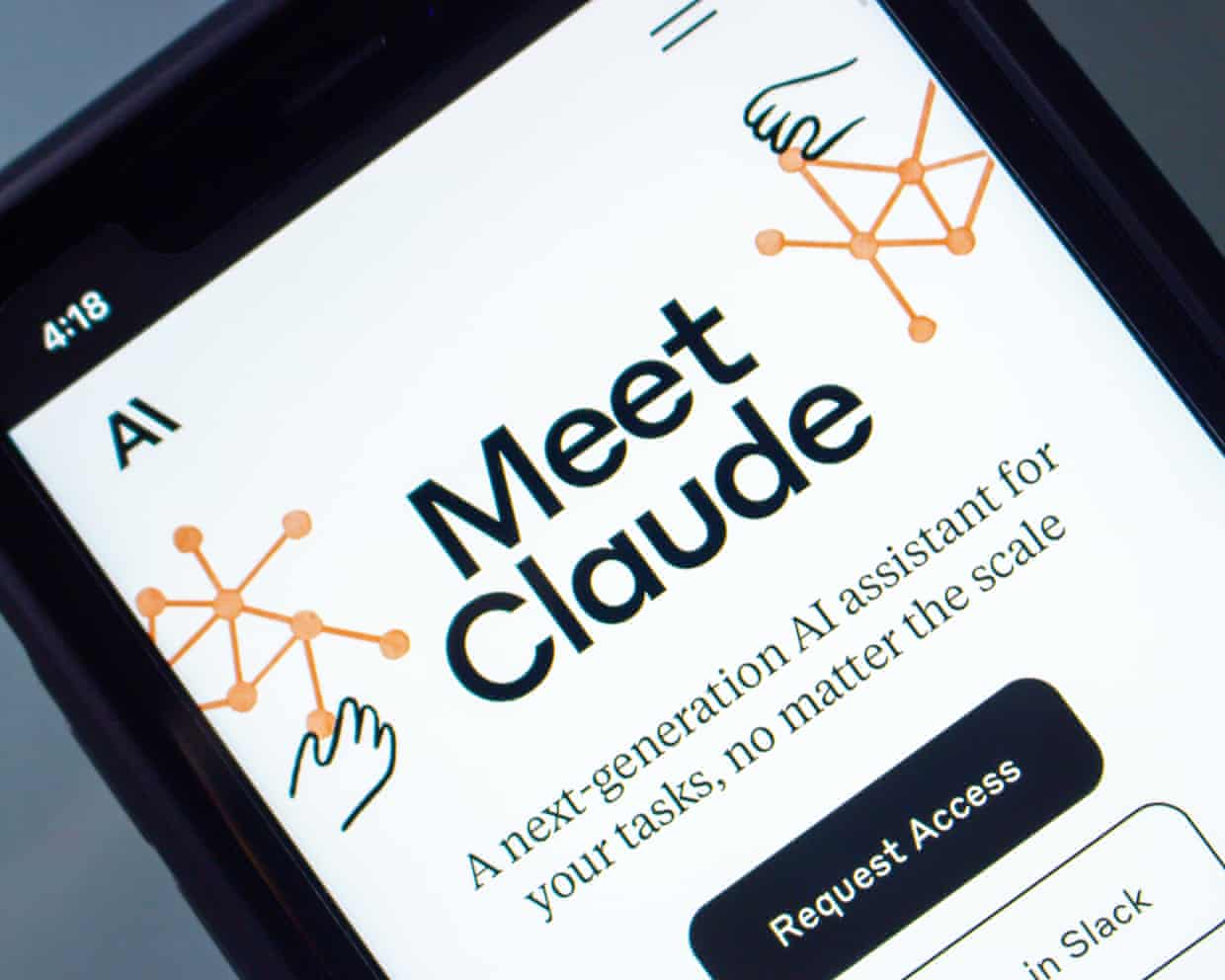
The US Treasury secretary, Scott Bessent, summoned major American bank chiefs to a meeting in Washington this week amid concerns over the cyber risks posed by Anthropic’s latest AI model, according to reports.Jerome Powell, chair of the Rederal Reserve, was said to have been among those gathered at the Treasury headquarters for the meeting after the release of the Claude Mythos AI model that Anthropic says poses unprecedented cybersecurity risks.A recent leak of Claude’s code prompted the startup to publish a blogpost at the beginning of the month saying that AI models had surpassed “all but the most skilled humans at finding and exploiting software vulnerabilities”, adding: “The fallout – for economies, public safety, and national security – could be severe.”This week’s meeting was reportedly called while bank bosses were already in Washington for a lobby group gathering, with a guest list focused on heads of so-called systemically important banks – meaning regulators believe that a major disruption to their operations, or their potential collapse, would put financial stability at risk.Those in attendance included the Goldman Sachs chief executive, David Solomon, Bank of America’s Brian Moynihan, Citigroup’s Jane Fraser, Morgan Stanley’s Ted Pick and the Wells Fargo boss Charlie Scharf, according to Bloomberg, which first reported details of the meeting.
JP Morgan’s Jamie Dimon was invited but unable to attend.In an annual letter to shareholders, published this week, Dimon warned that cybersecurity “remains one of our biggest risks” and that “AI will almost surely make this risk worse”.Anthropic has said that its Mythos model, yet to be released, has exposed thousands of vulnerabilities in software and popular applications, prompting it to limit the release of the new model to a small clutch of businesses, including Amazon, Apple and Microsoft.This is the first time Anthropic has restricted the release of a product.The networking companies Cisco and Broadcom have also gained access, along with the Linux Foundation, which promotes the free, open-source Linux computer operating system.
The news comes amid concerns that hackers could end up using such tools for figuring out passwords or cracking encryption that is intended to keep data safe.The company said the oldest of the vulnerabilities uncovered by Mythos were up to 27 years old, none of which is believed to have been noticed by their creators or tech monitors before being identified by the AI mode.The meeting comes weeks after the US government designated Anthropic as a supply chain risk, allegations that Anthropic is fighting in court.The Federal Reserve, Anthropic and the US banks declined requests for comment from Bloomberg.The Treasury did not respond to the news outlet’s request for comment.

Amazon upsets ebook lovers by ending support for old Kindle devices
Amazon is to stop supporting older Kindle models leaving longtime ebook fans unable to access new content from the Kindle store.Devices released during or before 2012 will no longer receive updates from 20 May, affecting owners of older Kindles, including the earliest models such as the Touch and some Fire tablets. It is thought that 2m e-readers could be affected.Users will still be able to read ebooks they have downloaded, and their accounts and their Kindle library will remain accessible on mobile and desktop apps. Active users have been offered discounts to help “transition to newer devices”

OpenAI shelves Stargate UK in blow to Britain’s AI ambitions
OpenAI has put on hold plans for a landmark UK investment citing high energy costs and regulation, in a blow to the government which has put AI at the centre of its growth strategy.Stargate UK was a part of the UK-US AI deal announced last September, in which US companies appeared to commit £31bn to the UK’s tech sector, part of a larger series of investments intended to “mainline AI” into the British economy.It came as the Labour government seeks to make AI and datacentres the engine of its growth plans, alongside closer ties with Europe and regional growth.“This is a wake-up call for the government to manage energy costs in the UK and foundation infrastructure,” said Victoria Collins MP, the Liberal Democrat spokesperson for science, innovation and technology. “We cannot be dependent on US tech companies to build our own sovereign capabilities – whether that’s energy cost, supply or even data and phone signal
British computer scientist denies he is bitcoin developer Satoshi Nakamoto
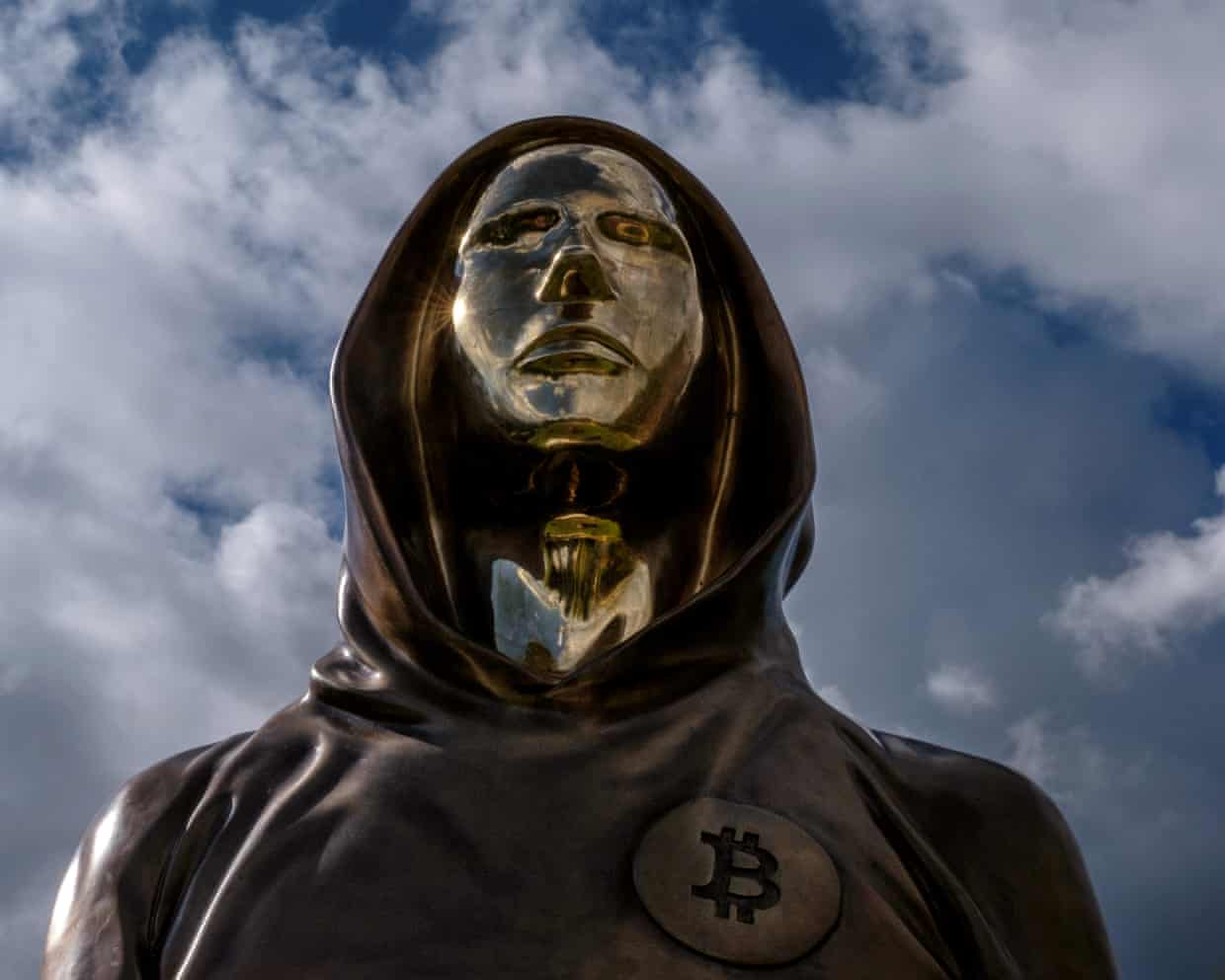
A British computer scientist has insisted he is not the elusive developer of bitcoin, after a report claimed to unmask him as its creator.A story in the New York Times details a years-long effort to unmask Satoshi Nakamoto, the mysterious author of the bitcoin white paper which laid the theoretical foundations for modern digital currencies.It names Adam Back, a London-born computer scientist and entrepreneur. In a thread on X, Back promptly denied being the mysterious – and presumably ultra-wealthy – technologist.“I also don’t know who satoshi is, and i think it is good for bitcoin that this is the case, as it helps bitcoin be viewed [as] a new asset class, the mathematically scarce digital commodity,” he wrote

Britons warned about Russian hackers targeting internet routers for espionage
Russian hackers are exploiting commonly sold internet routers to harvest information for espionage purposes, the UK’s cybersecurity agency has said.The hack could allow attackers to obtain users’ credentials, redirect them to fake sites, and potentially access other devices on their home network such as phones and PCs, said Alan Woodward, a professor at the University of Surrey.The National Cyber Security Centre said on Tuesday the operations were “believed to be opportunistic in nature, with the actor targeting a wide pool of victims and then likely filtering down for users of potential intelligence value at each stage of the exploitation chain”.It follows a common pattern of cyber-actors targeting edge devices – hardware such as internet routers or internet-connected security cameras – that act as a bridge between users and the cloud.Woodward said: “It’s not the first time that warnings have come out about routers
The life-changing magic of wearing smartglasses | Letters
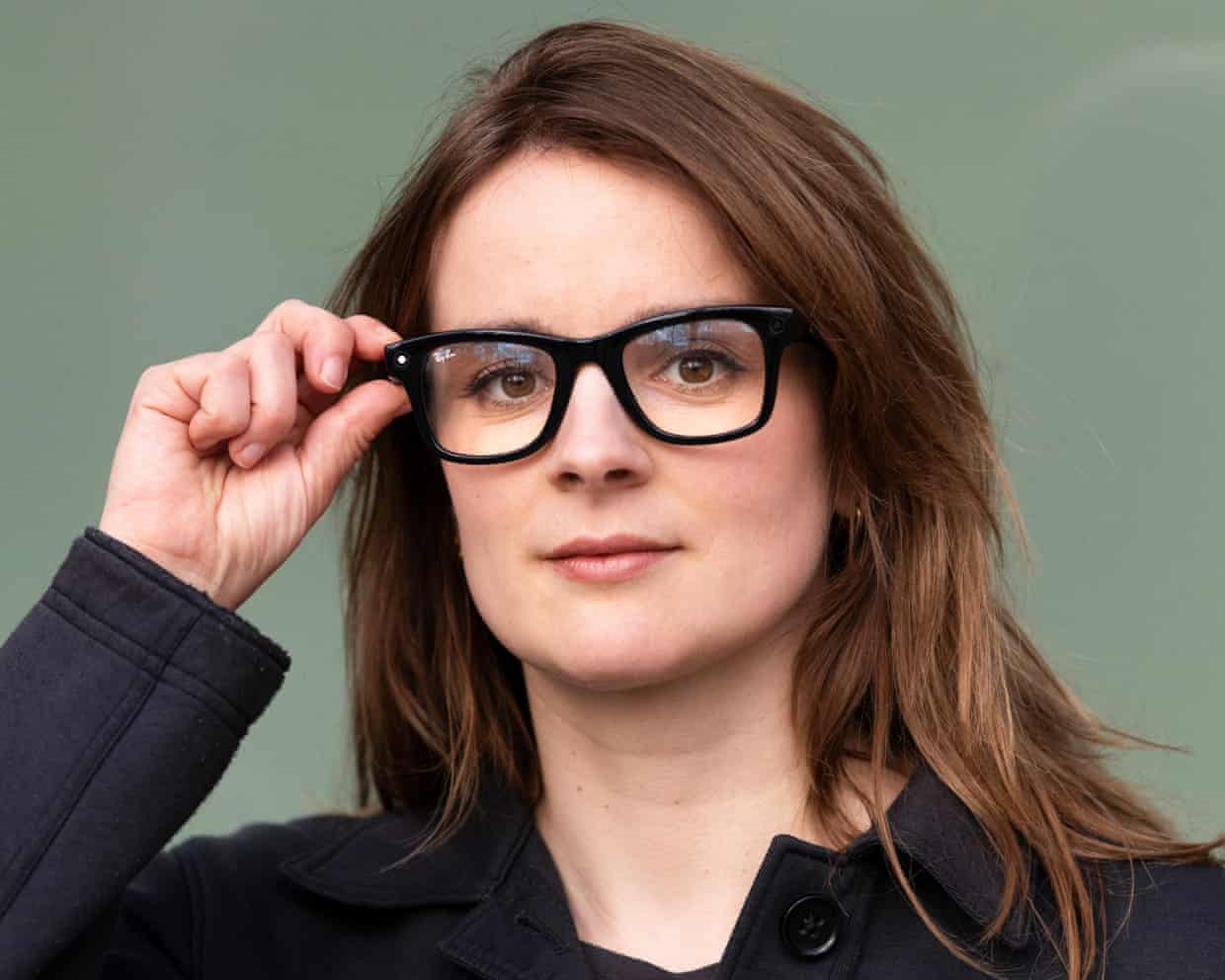
I read with sympathy the concerns of Elle Hunt in relation to privacy issues around Meta smartglasses (I wore Meta’s smartglasses for a month – and it left me feeling like a creep, 1 April). Clearly there needs to be ongoing development of technology and protocols that protect the public from ill-intentioned users. As the chief executive of a charity supporting people with a visual impairment, however, I would like to emphasise the point touched upon in your article: how transformative this technology is already proving for blind people.We are seeing significant numbers of our visually impaired staff and clients using Meta glasses in conjunction with their mobile phones to improve their ability to perform ordinary functions that most of us take for granted. A visual impairment can be disempowering and isolating

Tell us: do you use AI chatbots to make decisions for you?
AI chatbots like ChatGPT, Gemini and Claude are now a part of everyday life.More and more people are using them to help make decisions in their lives, like sending text messages, deciding what to cook, or navigating relationships.We want to hear about your experiences of using chatbots. Are you addicted to them? And what type of decisions are you using them for?You can tell us your experiences of using chatbots using this form.Please include as much detail as possible

US inflation soars in March as war on Iran drives economy into uncertainty

Welcome to Y’all Street: bullish Dallas aims to steal New York’s financial crown
‘Irresponsible failure’: Google, Meta, Snap and Microsoft slam EU over child sexual abuse law lapse
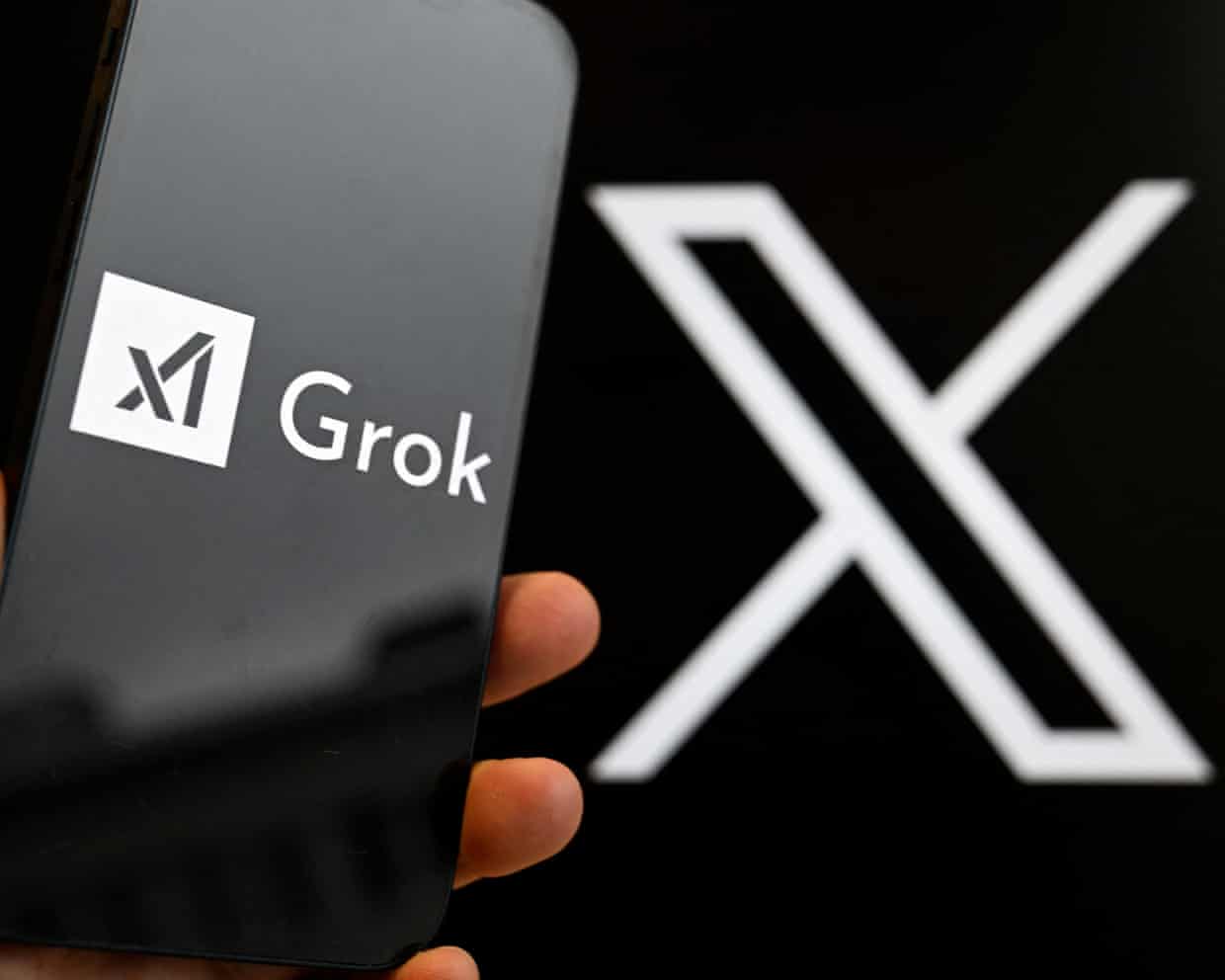
Elon Musk’s xAI sues Colorado over new rules for artificial intelligence

Grand National preview: Jagwar to deny Irish battalions in Aintree spectacular

Two-horse trainer hopes to keep Grand National fairytale tradition alive