Easy as ABC: voters in England tend to pick names nearer top of ballot, data suggests
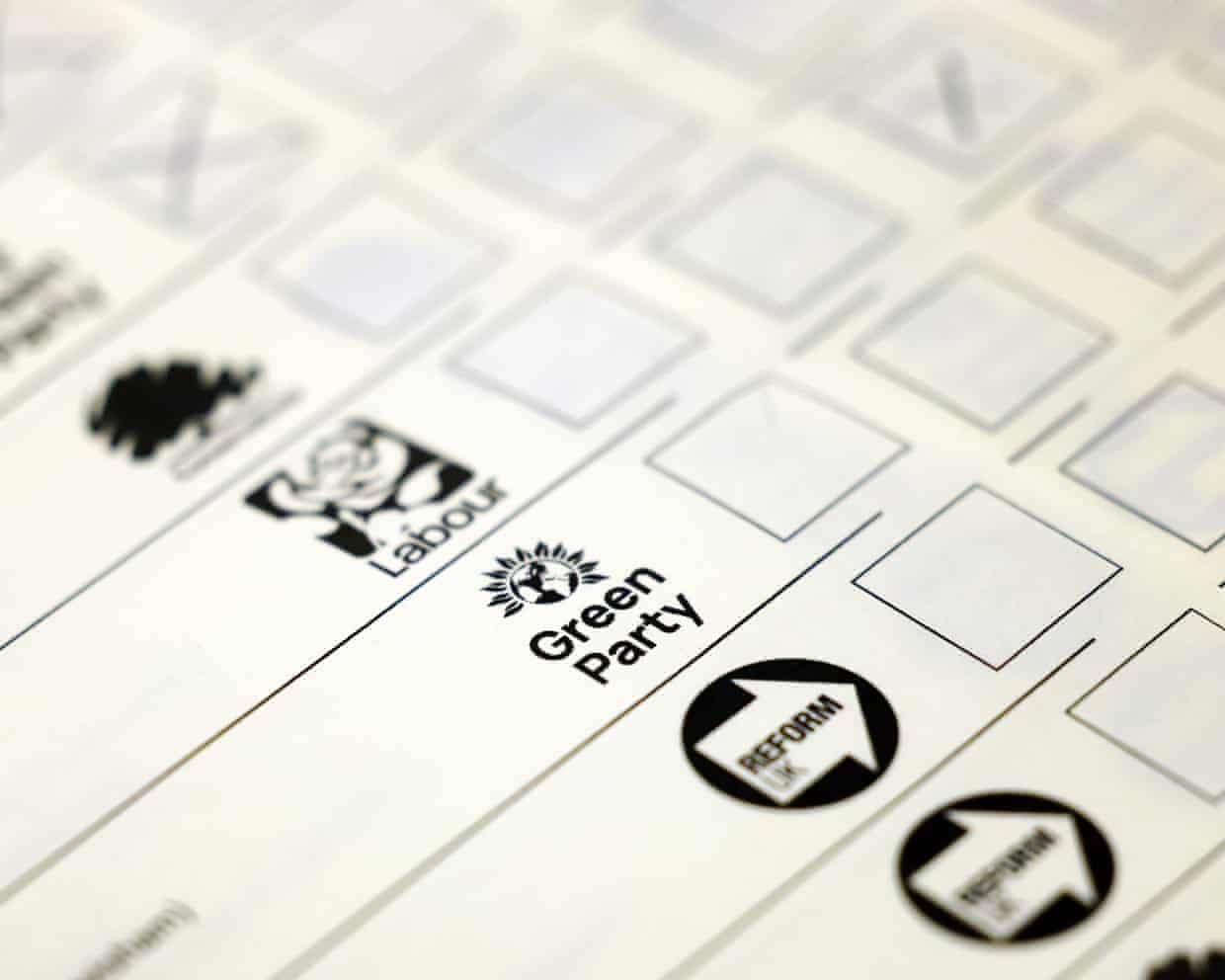
Fancy your chances in politics? Then perhaps you should change your name to Aaron Aaronson or Aaliyah Aardvark, figures from last week’s local elections in England suggest.A Guardian analysis of election results compiled by the website Democracy Club points to a striking alphabet effect.In wards where a party fielded three candidates, those listed nearer the top of the ballot paper – with a surname nearer the start of the alphabet – finished ahead of their party colleagues in 2,200 cases, or 65% of the time.By contrast, candidates listed third out of their party’s list – with a surname nearer the end of the alphabet – topped their party’s slate only 382 times, or 11%.If ballot order had no relationship with performance, the figures would be expected to fall much closer to one-third in each position.
The figures show that out of the main parties in England, Reform had the strongest relationship between where candidates placed among their party colleagues, and the initials of their surname.About 74% of alphabetically advantaged Reform candidates topped their party’s vote, compared with fewer than 8% of Reform candidates nearest the bottom of the ballot paper.The Green party had the second-strongest surname effect, followed by Labour.Juliet Zhong, who unsuccessfully stood for Reform UK in Kensington and Chelsea in London, said: “In the Queen’s Gate ward, where I stood alongside my two fellow Reform UK candidates, Ms Noble and Mr Walker, all our leaflets displayed our three names together.However, the election results showed: Noble 120, Walker 115, and then Zhong (me) 102.
That is about 15% to 18% less.It makes no sense at all, as all our campaign materials featured all three of our names.”Zhong said that this phenomenon was being seen across the party.She added: “My party colleague, Henry Woodruff, also noted this in our group chat after the election.He secured 288 votes, while his wardmates trailed at 320 and 345.
It’s no coincidence that the top scorer, Andrew Barclays (345 votes), sat comfortably at the summit of the ballot paper.”She said candidates’ names should be grouped by party, rather than alphabetically, adding; “It would surely be more logical for voters to see candidates classified by their party rather than playing a game of ‘find the surname’.This would ensure a level playing field, regardless of whether a party is perched at the top or relegated to the bottom of the list.”Election-winners whose names are near the top of the alphabet are less likely to think their surname is a factor in their success.Nick Abear, a Green party candidate who was elected to the Redhill West & Meadvale Ward in East Surrey, said: “I hadn’t really considered it because I think most people know who (or which party) they are going to vote for in advance of voting.
The thought of someone turning up to vote and thinking: ‘I’ll just stick my X on the top line’ seems unlikely.”Abear did, however, get more votes than his Green party colleague Elly Heaton.Andy Adams won a council seat in Winchester for the Liberal Democrats last week, and said it was an issue he had known about for a while.“I have heard of this alleged effect before and I always regale staff at polling stations with it as I visit as the candidate, joking that I am living proof that it is by no means always true.I stood for Winchester city council 11 times and once for parliament before I was finally successful this year.
”Adams added that the effect could sometimes work: “In a very close election and at local level the numbers can be very close at times … a very long list would reasonably be expected to give rise to the effect.I would probably support randomising ballot papers in principle even if I would not stand to gain from such an innovation.”He added: “My husband is a Wiggins and whilst we decided not to double-barrel, if he were interested in politics then he would be well advised to become an Adams-Wiggins, or so it seems.”The system used across local elections varies depending on the council, with most urban areas electing three councillors for each ward, but some rural areas electing fewer.Last week, 864 wards had at least one party standing three candidates.
Another way of looking at it – looking across all wards – is to compare the average vote share each candidate got compared with the rest of their party,This shows a similar pattern: candidates with surnames near the beginning of the alphabet slightly outperformed the party average vote share, and those with surnames beginning W, Y and Z underperformed in their party,Unfortunately, the results suggest that if your name is Zebedee Zurcher, you might want to consider a career outside of politics,
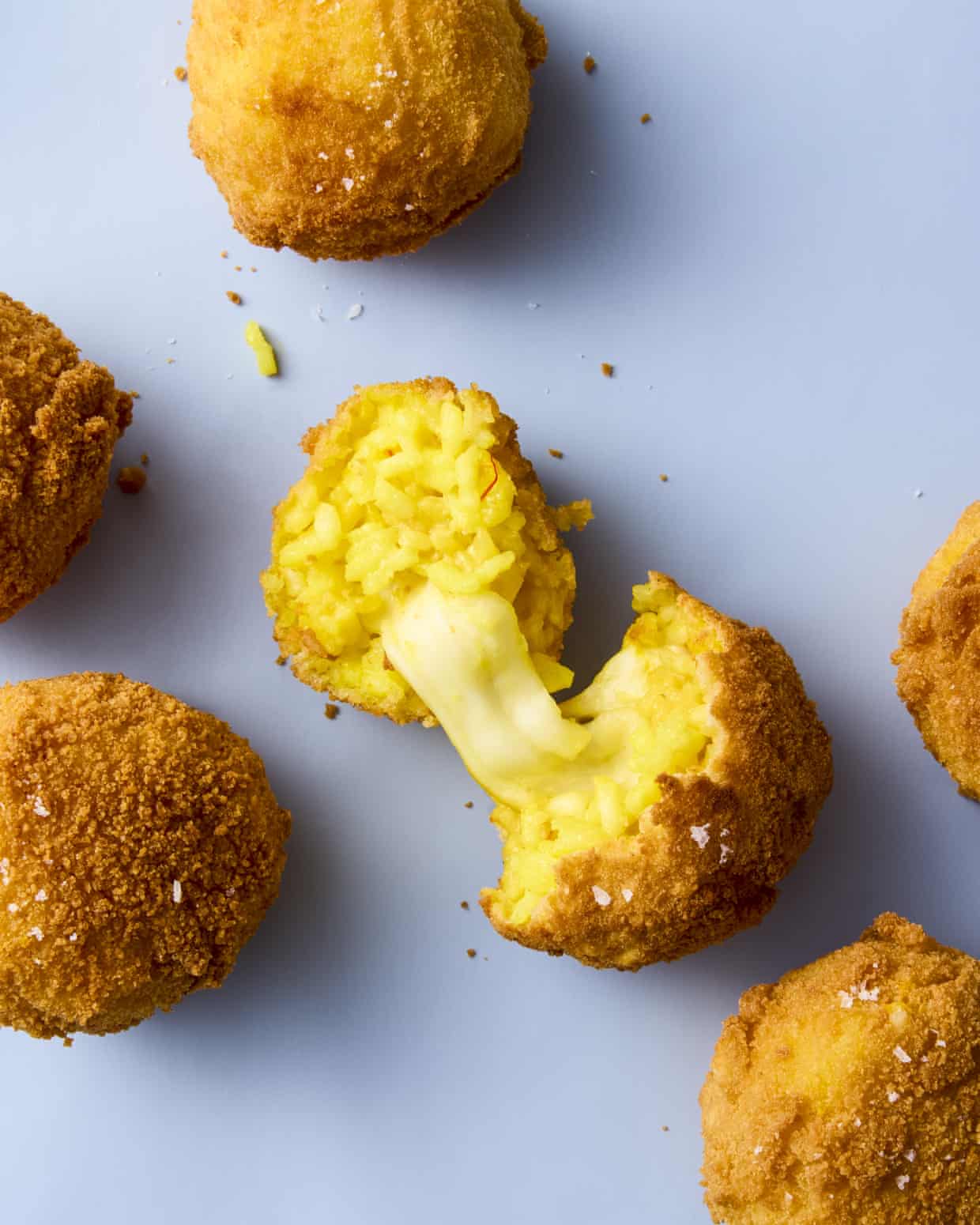
How to make arancini – recipe | Felicity Cloake's Masterclass
Before I wrote this recipe, it hadn’t occurred to me that the word “arancini” means “little oranges”, and, plump, round and golden as they are, it makes sense, too. Indeed, these robust rice balls, which are said to have come to Sicily with Arab invaders in the 10th century, are now, according to the late Antonio Carluccio, the local equivalent of a sandwich lunch.Prep 25 min Cook 45 min Makes 8 large ballsFor the risotto700ml chicken stock, or vegetable stock100ml white wine (optional)250g short-grain rice (eg, arborio)½ tsp salt, plus extra to season1 very generous pinch saffron (optional)50g parmesan, or grano padano or vegetarian alternative, gratedBlack pepperFor the arancini2 eggs plus 1 egg yolk100g mozzarella, drained and cut into chunksOptional other fillings of your choice – meat ragu, pesto, sauteed mushrooms, wilted or defrosted greens170g plain flour 250g fine dried breadcrumbs (preferably not panko)Neutral oil, for fryingFlaky sea salt, to finish (optional)Risotto is a northern Italian dish, so Sicilian arancini weren’t designed with it in mind, but they are great vehicles for risotto leftovers. My recipe is intended for 700g cooked rice, but adjust the fillings and coating according to what you have; these are also a great way to repurpose small amounts of ragu, cooked vegetables, fish or meat.If you’re cooking the rice from scratch, put the stock and wine (or substitute 100ml extra stock, if you prefer) in a medium pan and bring to a boil – I like chicken stock, because I find it the most neutrally savoury, but use whatever suits the fillings you’re using
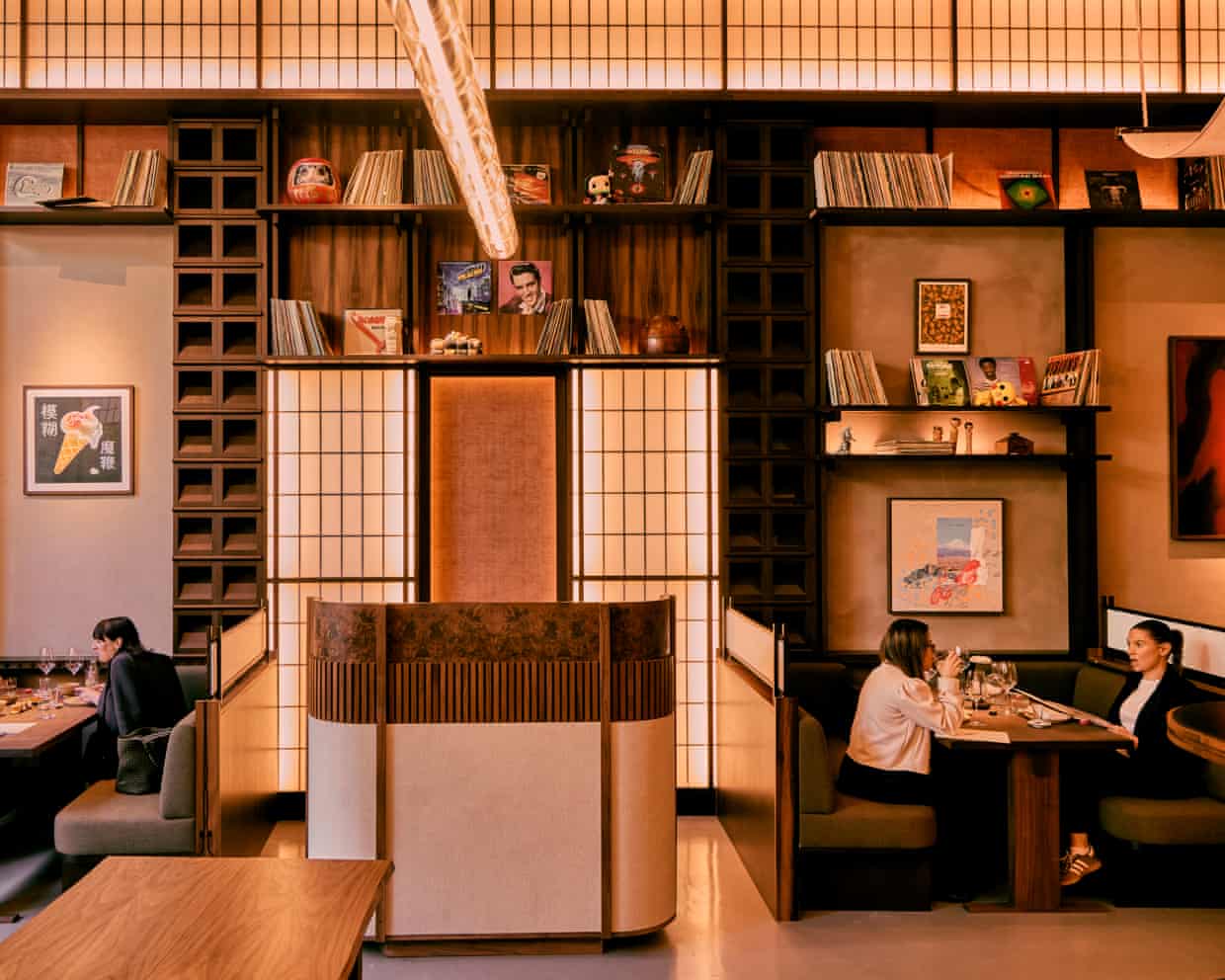
Mitsu, London EC2: ‘Determinedly fun and delicious’ – restaurant review | Grace Dent on restaurants
No spoilers, but I knew even before I’d reached for my chopsticks that Mitsu would be a vast improvement on its predecessor, because it has taken the place of Nobu Shoreditch in the under-gusset of the Aethos hotel, a Swiss-owned “lifestyle hospitality brand”, in east London. Nobu was gargantuan, moodily lit (that is, pitch black), woundingly expensive and terrifically hard to book, despite having something like 797 seats; it was also one of the most soulless London restaurants of the past 25 years. Nobu Shoreditch felt symbolic: it was where all the raffish hope of the 1990s YBA crowd and the early noughties electroclash heads went to die.But that was then, and now, in 2026, the Aethos crew has deftly brightened and lightened the mood of the room, making it actually cosy and adding a twinkly central bar; there’s an open robata kitchen and roomy booths, as well as a pretty Japanese garden. Mitsu calls itself an izakaya, which is what European restaurateurs always say when they mean the Japanese-influenced food isn’t too po-faced and you can get really tipsy on sake
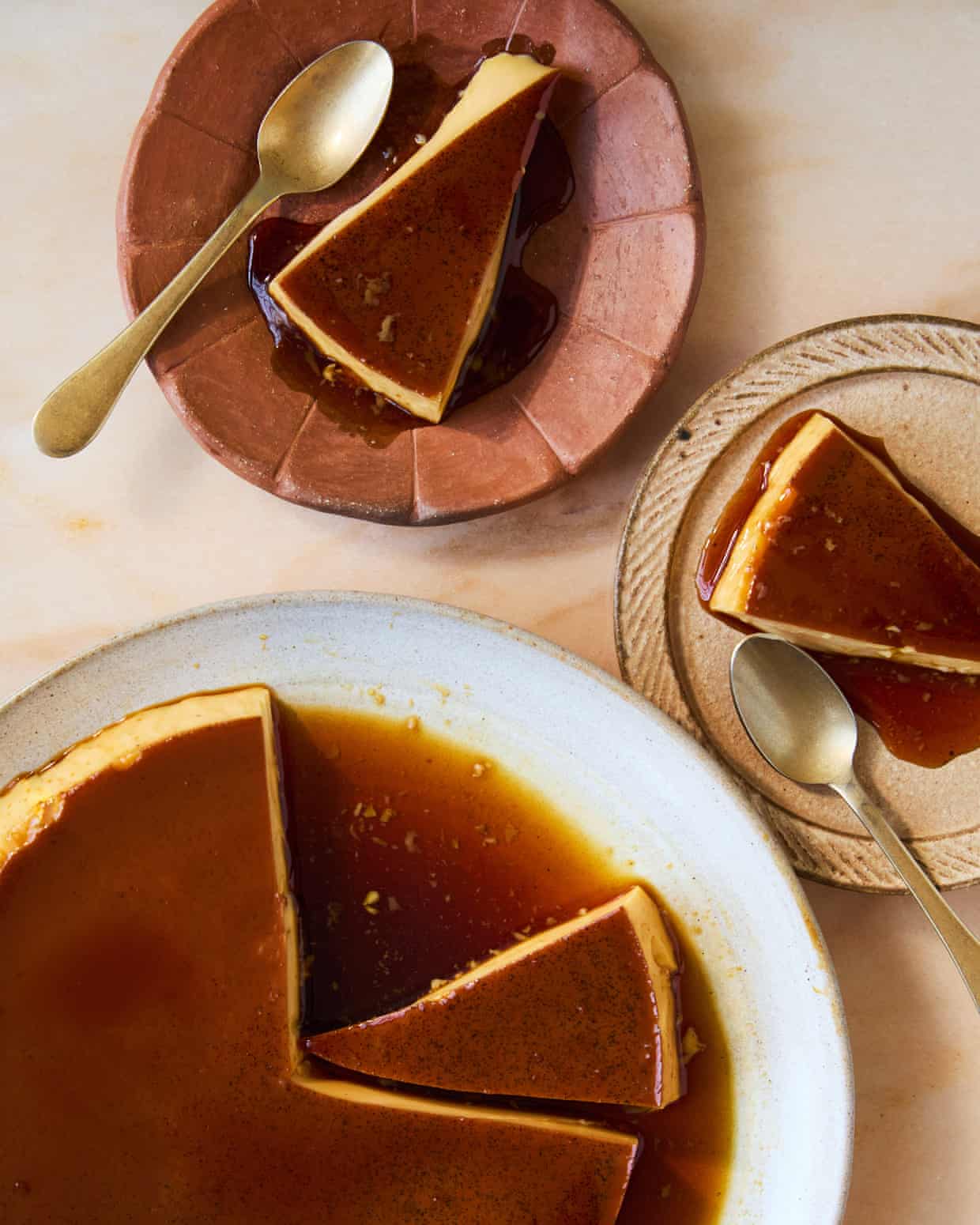
Benjamina Ebuehi’s recipe for Mexican-style vanilla bean flan | The sweet spot
I started the year in one of my favourite places: Mexico City. I’ve since become one of those annoying people who finds a way to bring it up in nearly every conversation, so please indulge me just this once! Each time I’ve been to Mexico, I develop a new fixation, and this year I ate a considerable amount of flan. It’s seen as a bit of a retro dish here in the UK, and perhaps a little divisive, but I love it.Mexican-style flan is typically made with condensed milk, giving it a gorgeous, silky, creamy texture. I’ve also added plenty of vanilla – brought back from my trip, of course

How to match wine with vegetables
At a recent tasting, I got chatting to a winemaker from Australia’s Clare Valley as I bravely made my way through his wares: a ripe, leathery shiraz and a deep, dark cabernet sauvignon that put me in mind of blackcurrant bushes. These were serious wines – and good value, too. A generation ago, such gutsy New World reds were all the rage, but now, lamented the winemaker, gen Z was more interested in lighter, cooler-climate wines, lower on the alcohol and brighter on the palate.The Guardian’s journalism is independent. We will earn a commission if you buy something through an affiliate link
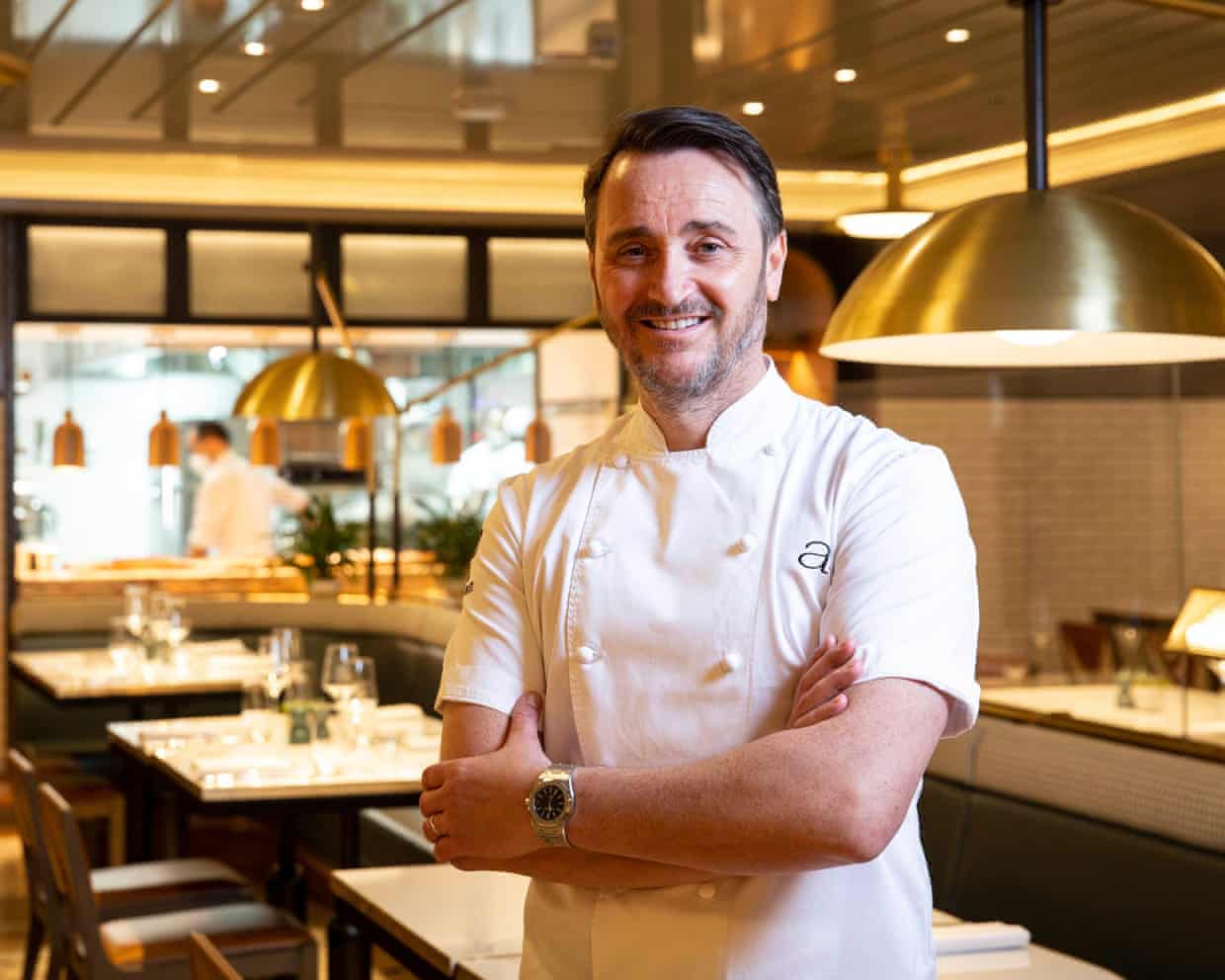
‘Restaurants won’t survive’: Michelin chef opens venues abroad to withstand UK taxes
A British Michelin-starred chef says he is opening restaurants abroad to subsidise his UK venues against a backdrop of high taxes and a struggling hospitality sector.Jason Atherton is now in Forte dei Marmi, on the Tuscan coast in Italy, where he is preparing his newest opening, Maria’s, which will be in the Principessa hotel. The Sheffield-born chef now has restaurants all over the world, including in Dubai and St Moritz.He said he was finding it easier to make a profit in countries with more forgiving policies towards restaurants, pubs and bars. “I am trying to sustain our business by opening abroad
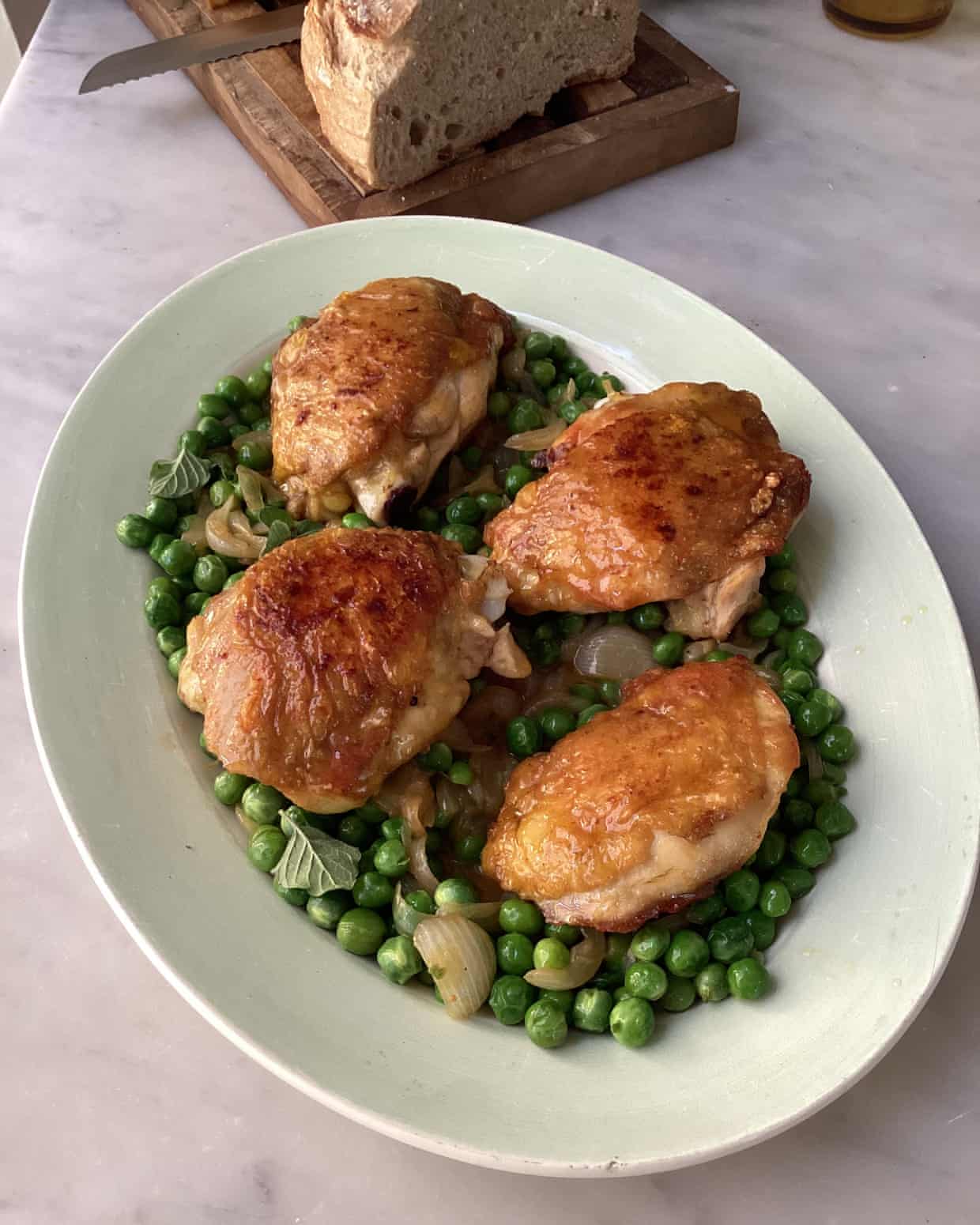
Rachel Roddy’s recipe for spring chicken thighs with spring onions, mint and peas | A kitchen in Rome
The weather lately has been as temperamental as peas in pods. But peas are even harder to read than the sky: some pods contain sweet things no bigger than peppercorns, which explode when you bite them; the contents of others, however, are closer to small ball bearings, their size very likely a sign that all the natural sucrose has been metabolised and transformed to pea starch. The best thing for the tiny ones is to snack on them alongside a bit of cheese, whereas the path for big ones is the same as for dried peas, so pea and ham soup or a long-simmered puree.The Guardian’s journalism is independent. We will earn a commission if you buy something through an affiliate link
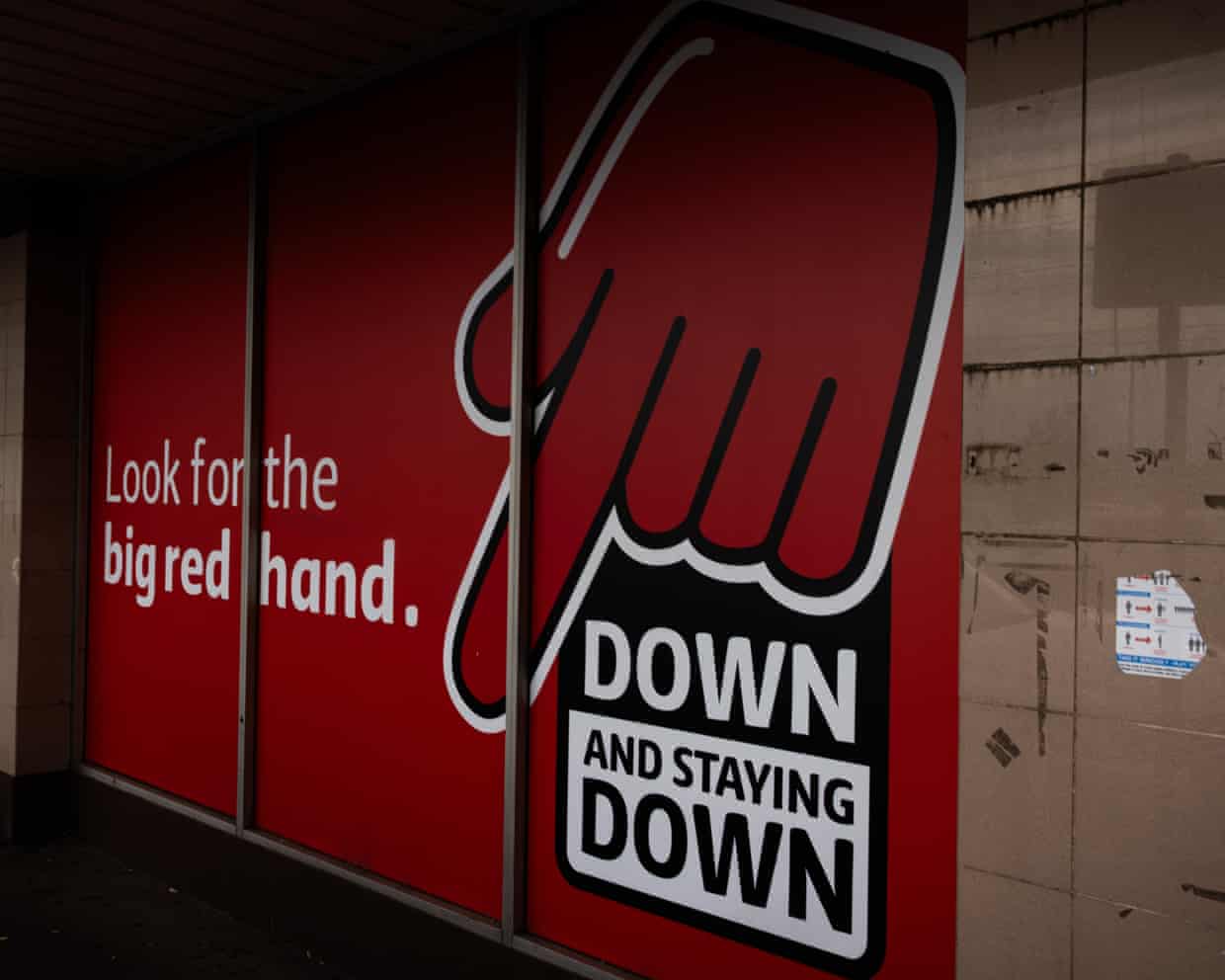
Court rules Coles misled shoppers with its ‘Down Down’ discount campaign

Housing market in England and Wales weakening due to Iran war, say estate agents

Datacentres using 6% of electricity supply in UK and US, research says

Nvidia’s Jensen Huang joins other US bosses on Trump trip to China

Ivan Cleary begins long goodbye with a legacy built to last long after he leaves Panthers | Nick Tedeschi

Sarah Taylor named England men’s fielding coach while Gay, Rew and Baker are called up