What is PCOS, what are the symptoms and treatment, and why is it being renamed PMOS?
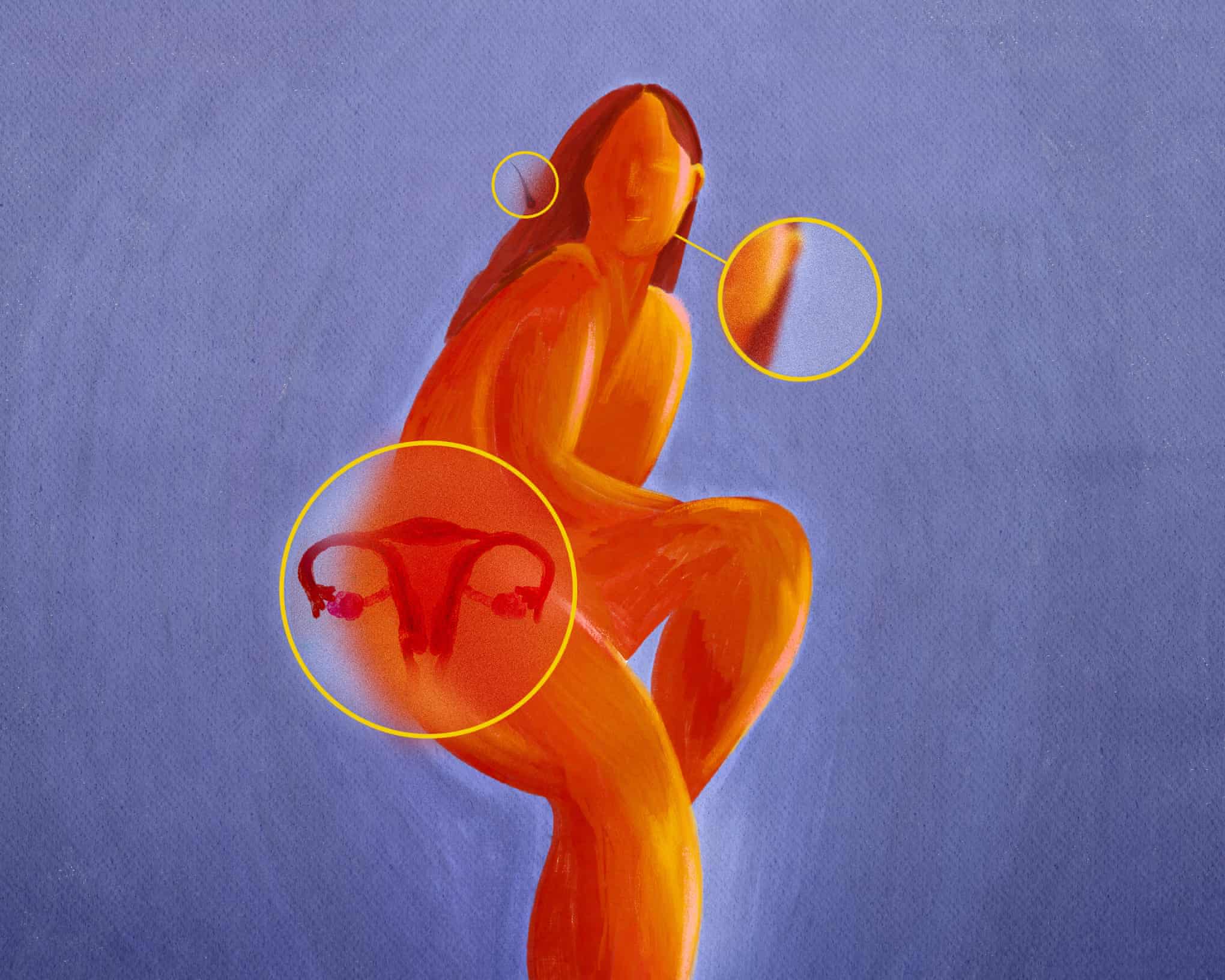
Polycystic ovary syndrome is being relabelled polyendocrine metabolic ovarian syndrome to correct the misconception that it is solely a gynaecological disease that creates ovarian cysts.Here’s what you need to know about the condition ‘Unprecedented’ global effort gives new name to polycystic ovary syndrome – and new hope to millions of women ‘I still want to scream’: the loneliness and confusion of living with PMOSWith polycystic ovary syndrome (PCOS) now being rebadged as polyendocrine metabolic ovarian syndrome (PMOS), we take a look at the condition and explore why experts have decided it is time for a new name.It’s a multifaceted condition that can affect women differently but symptoms tend to begin in late adolescence.As the NHS notes, these can include irregular or no periods, irregular ovulation, extra facial or body hair, acne, weight gain and hair loss from the head.“At different stages of your life you present in different ways,” says Prof Colin Duncan of the MRC Centre for Reproductive Health at the University of Edinburgh in Scotland.
The original name derived from a common feature of the condition – polycystic ovaries,But the moniker is misleading,“It implies there are cysts in the ovaries,” Duncan says,But that’s not the case,He says the erroneous name probably arose when researchers first looked at the ovaries of people with the condition and saw multiple small fluid-filled sacs.
These sacs are not cysts, they are follicles – structures that contain an egg.In healthy women, multiple follicles start to develop within an ovary each month, a process that eventually leads to one reaching maturity and releasing an egg, while the others wither away.In women with PMOS the development of some follicles becomes paused, and often a follicle does not mature to release an egg.The development of polycystic ovaries is associated with another common hallmark of the condition: an overproduction of androgens by the ovaries.These “male sex hormones” are produced in all women but people with PMOS often have an excess.
This overproduction is usually caused by an imbalance between two other hormones: follicle-stimulating hormone and luteinising hormone.Research is ongoing into why exactly that hormone imbalance occurs.Other factors also make the overproduction of androgens worse.Many people with PMOS are more resistant to the hormone insulin, meaning the body produces higher levels of this hormone in an effort to compensate.Crucially, high levels of insulin also increase the production of androgens.
“Increased androgens will also make you more insulin resistant,” Duncan says.“And insulin-resistance makes you produce more androgens.So there is this vicious cycle.”Excess body weight can also amplify the situation.Not only is this linked to insulin resistance but it can also lead a drop in the levels of a protein that mops up excess androgens.
PMOS itself can increase the risk of weight gain.PMOS can run in families, suggesting genes play an important role.Researchers are trying to identify which genes are involved.“Because it’s a complex hormonal disorder, it’s not surprising that it’s not a single gene, but that many genes are involved,” says Stephen Franks, an emeritus professor of reproductive endocrinology at Imperial College London.Research suggests there could also be other factors at play, for example, studies in animals have suggested greater exposure to androgens in the womb might increase the risk of offspring developing PMOS.
“I think probably it is a mixture of nature, nurture and prenatal programming,” Duncan says.The condition is now diagnosed based on what is called the Rotterdam Consensus.In this framework, women must have two of the following three symptoms: biochemical or clinical manifestations of high levels of androgens – for example excess facial or body hair, or acne – irregular periods, and polycystic ovaries.“It means you can have polycystic ovary syndrome without polycystic ovaries or you can have polycystic ovary syndrome without an irregular period,” Duncan says.According to the World Health Organization, the condition affects an estimated 10% to 13% of women of reproductive age.
“Although it’s a lifelong condition, diagnostically it can only really be diagnosed in the reproductive years,” Duncan says.Duncan adds the condition is more common in some countries than others.For example, it is more prevalent in south Asia and less prevalent in northern Europe.But the WHO notes that about 70% of women are thought to be unaware they have the condition.“Polycystic ovary syndrome is a lifelong condition,” Duncan says.
“And at different parts of your life, there are different things that become more important to you.”For example, irregular ovulation can make it difficult for some women to become pregnant, with the NHS that it is one of the most common causes of female infertility.But PMOS is not just about women’s potential to have children.“Sometimes people will come with irregular bleeding that sometimes can be prolonged, and that’s because of the lack of a normal cyclical hormone profile,” Duncan says.The condition also increases the risk of high cholesterol and is associated with an increased risk of endometrial cancer.
What’s more, PMOS increases the risk of type 2 diabetes and high blood pressure and these factors contribute to higher risk of cardiovascular disease later in life.In addition, it is associated with a greater risk of obesity – a condition that can exacerbate symptoms of PMOS and raise the risk of other disorders such as sleep apnoea.“Women with polycystic ovary syndrome burn off less calories in response to eating than other people,” Duncan says.“So they find gaining weight easier and losing weight more challenging.”“We also know that because they see that their weight doesn’t respond the same way to diet and exercise [as] their friends, there’s a much higher incidence of eating disorders in [people with] polycystic ovary syndrome,” he says.
PMOS can also affect other areas of mental health, with women who have the condition at higher risk of depression and anxiety.As Duncan points out, there is no cure and it’s a lifelong disorder.“How you manage it depends on what the key issues are at the time,” he says, noting sometimes that will mean focusing on weight-loss strategies, while other times it might mean focusing on fertility or prevention of diabetes and cardiovascular disease.Franks says hormonal contraceptives can be used to regulate periods and suppress levels of androgens to help reduce hair growth in women who have excess body hair, while drugs can be given to stimulate ovulation in women hoping to become pregnant.The development of a new wave of weight-loss medications could also be beneficial, Franks says, and trials are ongoing.
The main reason is that it is a misnomer.Not only can people have the condition without having polycystic ovaries, but the condition does not involve cysts.There is another problem with the name PCOS: “It implies it’s all about the ovary, which it’s not,” Duncan says.Franks agrees.“It’s a disorder in the ovary, but there are other manifestations which are equally if not more important in terms of metabolic abnormalities.
”He says he was persuaded of the need for the name change after surveys carried out by Prof Helena Teede, an endocrinologist from Monash University, which revealed the majority of both health professionals and people with the condition felt a change was needed,“I think it was time,” he says,The name change to polyendocrine metabolic ovarian syndrome is the fruit of years of international effort and, it is hoped, will tackle the misleading aspects of the PCOS label,In particular PMOS reflects the long-term, complex nature of the health condition, emphasising that it is a hormonal or “endocrine” disorder that can affect the body’s reproductive and metabolic systems and is associated with multiple health conditions,
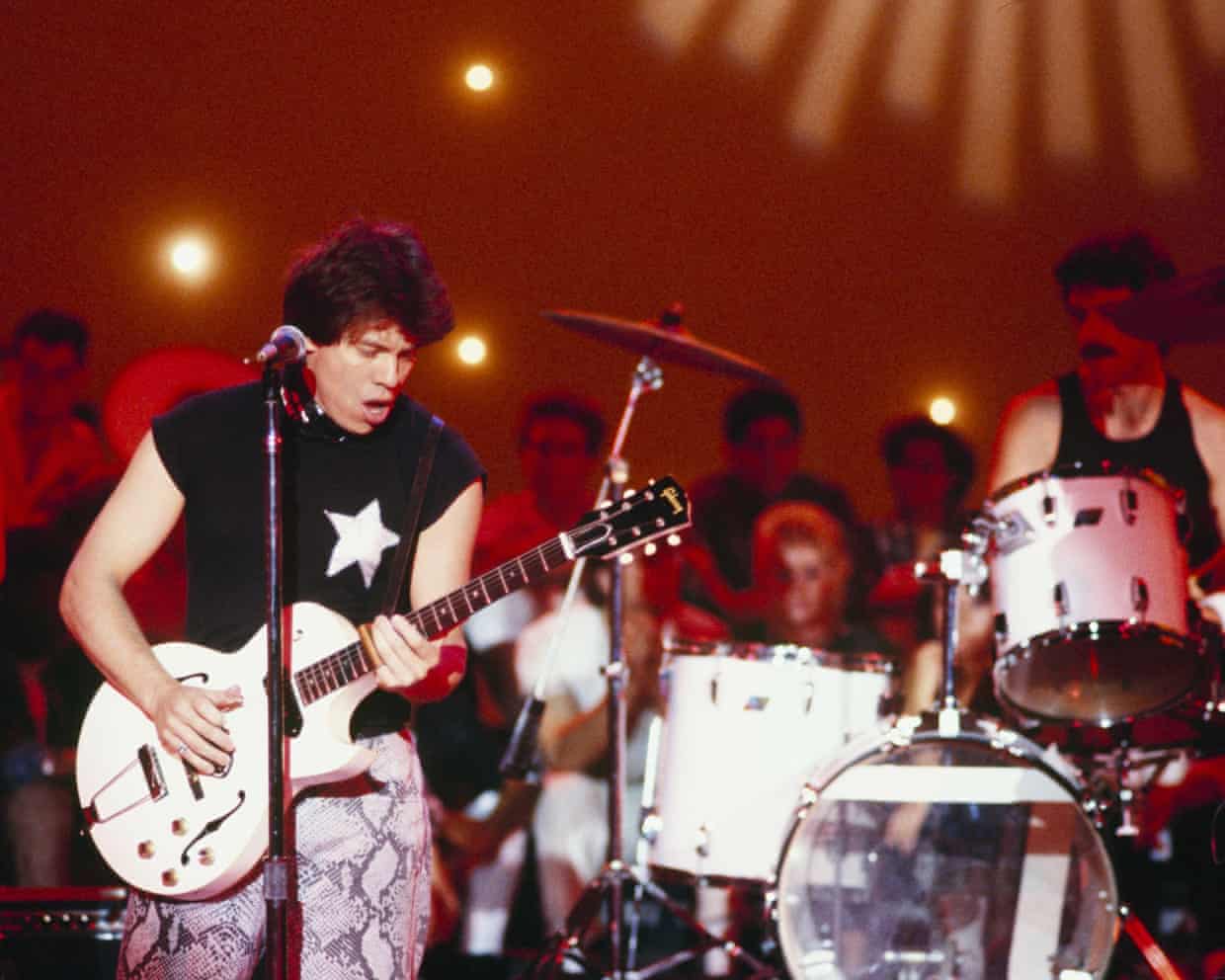
‘Using his Terminator voice, Arnie said: “Your song. Give it to me. Now”’: Bad to the Bone’s creation – and aftermath
Before Bad to the Bone, we just played obscure blues songs from the archives. But when we toured with the Rolling Stones, I noticed the reaction to their Start Me Up. I said: “Man, we’d better hurry up and write an original song with a catchy intro or, five years from now, people will go, ‘Oh yeah, George Thorogood – wasn’t he good at playing Chuck Berry or something?’”Bad to the Bone is a male fantasy. Let’s face it: every guy wants to be bad. We were raised on Hollywood movies and all those tough guys, like Bernardo from West Side Story, or Howlin’ Wolf – we opened for him in 1974 and he had a ferocious reputation

What is a ‘Scientology speedrun’ and why is social media suddenly obsessed with it?
Ima, if someone said “Scientology speedrun” to me I would think about Tom Cruise in tight shorts. But that is not what is happening, is it?Not quite, Cait. The Scientology speedrun appears to have spawned in March when content creator Swhileyy filmed himself rushing the Church of Scientology on Hollywood Boulevard in Los Angeles. That video gained 90m views before it was deleted.Since then, groups of mostly young men have documented themselves charging into the LA centre, pulling in millions of views on TikTok
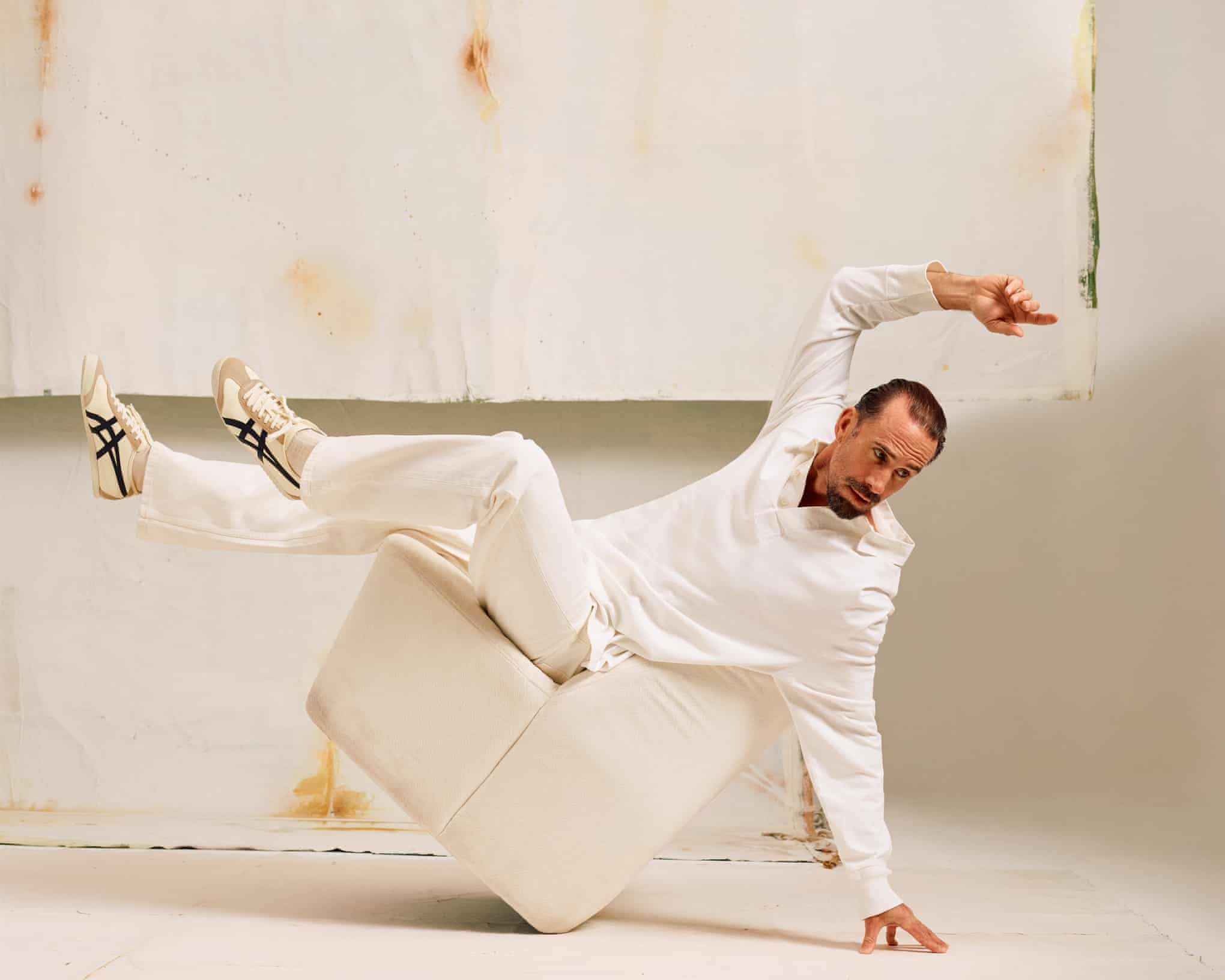
Joseph Fiennes on parenting, politics and banning children from social media: ‘Stand up, Keir, this is your kids’ generation’
He’s played English titans from William Shakespeare to Gareth Southgate, but what does the actor really think about the country today?The Guardian’s journalism is independent. We will earn a commission if you buy something through an affiliate link. Learn more.We are at a corner table in a breakfast place in Chelsea, Joseph Fiennes opposite me on the banquette with his jack russell, Noa. “Dog duty,” he says, apologetic

The Guide #242: Everyday Hollywood film comedies have faded but can they make a comeback?
There was a striking moment during this week’s episode of The Rewatchables, the wildly popular film-recap podcast that I reach for when I’ve had my fill of history/football/glum current affairs pods. The episode was revisiting 90s comedy There’s Something About Mary, a film that in some ways holds up hilariously, and in others has aged about as well as a bottle of semi-skimmed on a summer’s day in Death Valley. As part of the episode, the podcast’s panel were going through their favourite comedy films by decade and were spoilt for choice – until, that is, they reached the 2020s, when they seemed to collectively draw a blank. “The Drama’s pretty funny …” one offered tentatively. Finally, host Bill Simmons cut through the umming, ahhing and awkward silence to get to the heart of the matter: “Do we have comedies any more? What happened to comedies?”Yes, what did happen to comedies? Or rather, what happened to the “everyday” American comedies like There’s Something About Mary that once set up a permanent frat house residence in cinemas? You know the ones I mean: those that took a familiar real-world situation – teens trying to lose their virginity, a man clashing with his girlfriend’s dad, a maid of honour struggling to arrange a hen do, stunted adolescents refusing to fly the nest – and stretched them to absurd and lurid extremes

Ah, ah, ah, ah - I saved my dad’s life with a little help from The Office and the Bee Gees
When my father collapsed suddenly, an episode of the US comedy in which Steve Carell does CPR to the tune of Stayin’ Alive sprung miraculously to mindIt was a boiling hot day last summer, four days after my dad’s 73rd birthday. Mum was plating up dinner and Dad was on the sofa complaining about how stifling it was. I was meant to head to work, for my job as a personal trainer, but decided to take the evening off. It was just as well: as I turned back to Mum, Dad collapsed backwards and suffered a massive cardiac arrest.Mum was hysterical
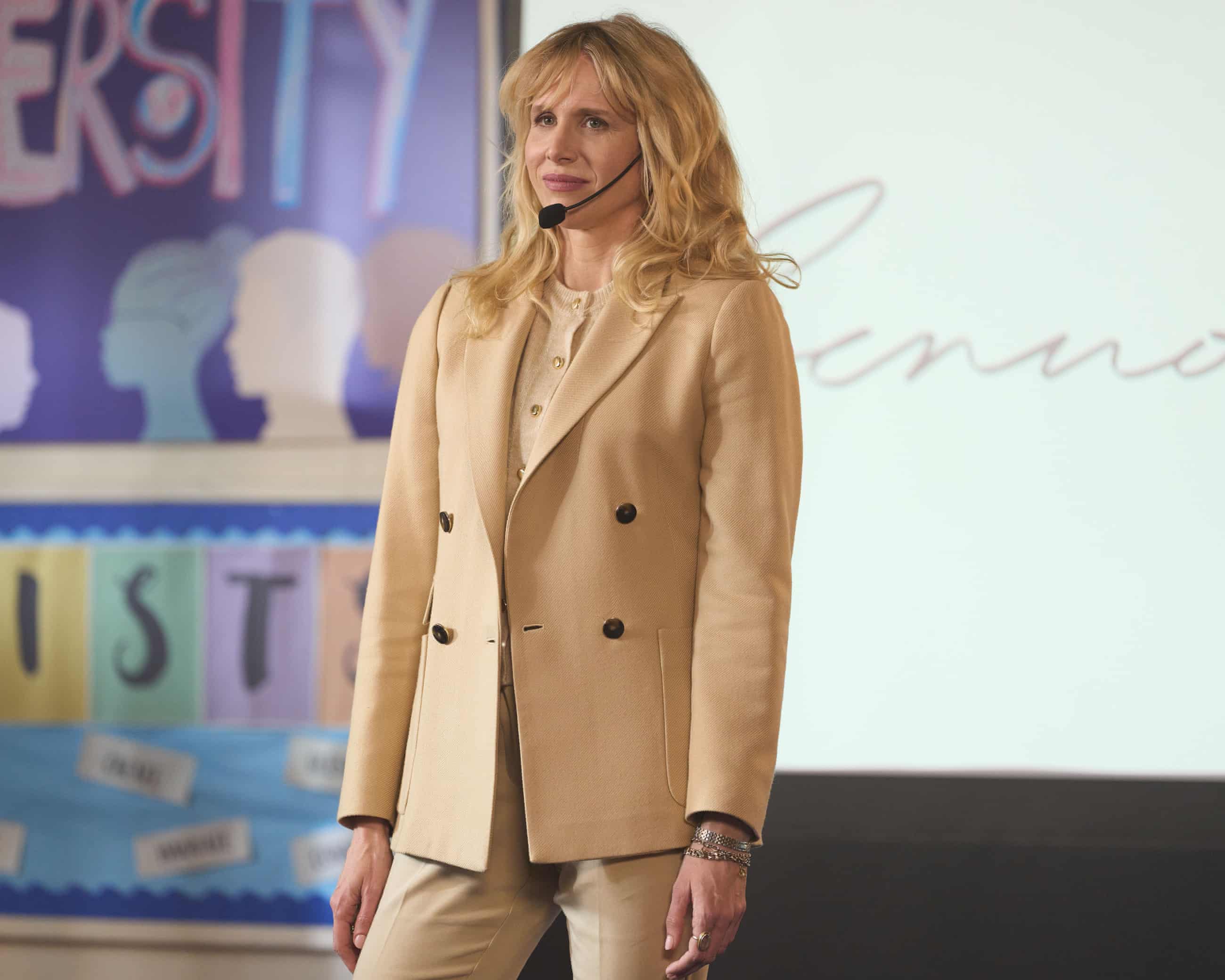
Amandaland to Olof Dreijer: the week in rave reviews
Lucy Punch’s middle-class antihero is back, and one half of the Knife presents an album of dazzlingly inventive psychedelia. Here’s the pick of the week’s culture, taken from the Guardian’s best-rated reviewsBBC iPlayerSummed up in a sentence This retrospective on one of David Attenborough’s greatest pieces of TV is packed with brilliant anecdotes.What our reviewer said Victoria Bobin’s rollicking film is the story of a giant pop-culture moment, a gang of mates remembering how they sensed conditions were right to create a blockbuster masterpiece – if they were willing to flirt with failure and even death to get there.” Jack SealeRead the full reviewFurther reading Happy centenary, David! Attenborough’s 100 most spectacular TV momentsBBC iPlayerSummed up in a sentence The return of the much-loved Motherland spin-off, focusing on delusional, narcissistic mum Amanda.What our reviewer said “Lucy Punch’s portrayal of Amanda is mesmerisingly convincing

Nissan ponders building cars for Chinese rivals at Sunderland plant

Global oil inventories falling at record pace amid Iran war; UK bond recovery fizzles out as Streeting ‘prepares challenges’ – business live

Datacentres using 6% of electricity supply in UK and US, research says

Nvidia’s Jensen Huang joins other US bosses on Trump trip to China
England v New Zealand: second women’s ODI delayed by rain – live

Gay, Rew and Baker called up to England Test squad and Robinson in from cold