Sam Altman defends OpenAI in courtroom showdown with Elon Musk
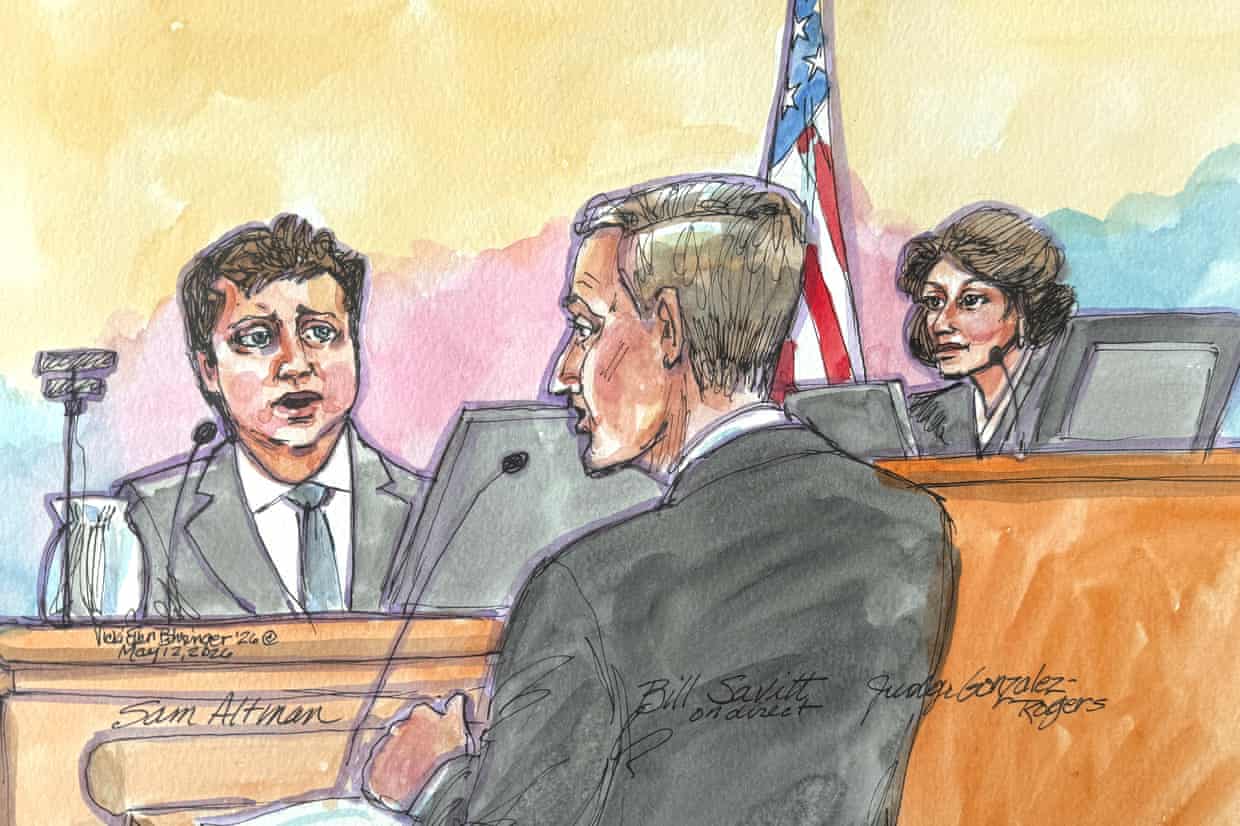
The OpenAI CEO, Sam Altman, took the stand on Tuesday to defend himself and his company against a lawsuit by Elon Musk,Altman is set to be one of the final witnesses in the trial, which has pitted two of the tech industry’s most powerful men against each other in a dramatic courtroom showdown,Musk has accused Altman and OpenAI of breaking the AI firm’s founding agreement by restructuring it into a for-profit enterprise, alleging that Altman essentially swindled him into co-founding the company and providing tens of millions in financial backing,Musk also claims Altman unjustly enriched himself in the process and is seeking the CEO’s removal from OpenAI, the redistribution of $134bn to the firm’s non-profit and the undoing of its for-profit conversion,OpenAI and Altman have rejected all of Musk’s claims, arguing that he is motivated by jealousy after a failed bid to take over the AI firm in 2018 and a subsequent departure from its board.
They argue that Musk was also always aware of plans to create a for-profit structure and that OpenAI’s non-profit still oversees the for-profit business.Altman’s testimony is one of the marquee moments of the three-week trial, which has featured some of the biggest names in Silicon Valley, including Musk and Microsoft’s CEO.The outcome of the case is hugely important for OpenAI, which is seeking to go public at about a $1tn valuation later this year.In the bitter feud between Musk and Altman, the reputational stakes are winner-takes-all.When Altman took the stand just before 9am local time in the Oakland, California, federal courthouse, he began by recapping some of his career in tech before addressing some of Musk’s allegations directly.
“You, as you know, have been accused of stealing a charity,” OpenAI’s lawyer asked Altman.“What is your response to that?“It feels difficult to even wrap my head around that framing,” Altman responded.“We created the largest or one of the largest charities in the world.”“What would you say to the suggestion that OpenAI was Mr Musk’s startup?” OpenAI’s lawyer asked.“I would not agree with that characterization at all,” Altman replied.
Altman claimed in his testimony that in 2017 there were discussions at OpenAI about creating a for-profit structure but that they fell through due to disagreements over its ownership.Musk wanted to be CEO of the organization, Altman said.The CEO also alleged that when Musk was asked what would happen to control of the company in the future if he died, the centibillionaire suggested that it could go to his children.“Mr Musk felt very strongly that if we were going to form a for-profit, he needed total control over it initially,” Altman said, adding that Musk’s request made him “extremely uncomfortable”.Altman’s testimony framed Musk as an erratic, sometimes vindictive leader while at OpenAI.
He claimed that Musk had “demotivated some of our key researchers” through aggressive demands and management techniques such as ranking employees.Altman also claimed that Musk was later offered a chance to invest in OpenAI’s for-profit entity, but that he turned down the opportunity because he refused to invest in companies that he did not control on principle.At one point in the final moments of his opening testimony, Altman fit in a dig at Musk’s accusation that the OpenAI CEO had “stolen a charity”.“This whole ‘you can’t steal a charity.’ I agree you can’t steal it.
Mr Musk did try to kill it, I guess twice,” Altman said.Altman’s character and leadership of OpenAI have been a core focus of the trial, with Musk’s lawyers attempting to portray Altman as deceptive and self-serving.Several former OpenAI executives, notably those who were involved in briefly ousting Altman in 2023, have testified during the proceedings that he was untrustworthy and had a pattern of lying.Mira Murati, OpenAI’s former chief technical officer, accused him of “creating chaos”.Musk’s attorney, Steven Molo, began a combative cross-examination of Altman with a series of questions about whether Altman ever misled former colleagues or investors, asking him if he was a “completely trustworthy” person.
“You’ve repeatedly been called deceptive and a liar by people with whom you’ve done business, right?” Molo asked.“I have heard people say that,” Altman replied.Molo read out a list of statements from former OpenAI executives and other co-workers who have suggested that Altman fed them falsehoods or misrepresented himself.Molo also tried to portray Altman as the one bent on control, rather than Musk.“You had a fixation on this concept of being CEO didn’t you?” Molo asked.
“I don’t agree with that characterization,” Altman replied,Molo pressed Altman during the cross-examination on his connections to other companies, suggesting potential conflicts of interest, and questioned his dual role on the board of OpenAI’s non-profit and as its CEO,At one point, Molo asked Altman if he would ever fire himself,Altman largely responded to Molo’s aggressive questioning with short, yes-or-no responses and occasional claims that he did not recall exact details related to the case or disputed the characterization of events,The cross-examination was punctuated with frequent objections from OpenAI’s attorney, especially as Molo brought up accusations of Altman being dishonest.
The trial is the culmination of several tumultuous weeks for Altman, who was recently the target of a molotov cocktail attack at his San Francisco home and was the subject of an unflattering, widely circulated New Yorker profile, which was mentioned at the trial,Musk has also been exposed to embarrassment during the case, with details about his romantic relationship with former OpenAI board member, Shivon Zilis, becoming public and OpenAI president, Greg Brockman, describing Musk throwing a tantrum during a meeting shortly before leaving the company,The trial is set to hold its closing arguments on Thursday, followed by the nine person jury deliberating whether Altman, Brockman and OpenAI will be held liable,
‘Hold the line’: Burnham tells allies in parliament he still has options to return
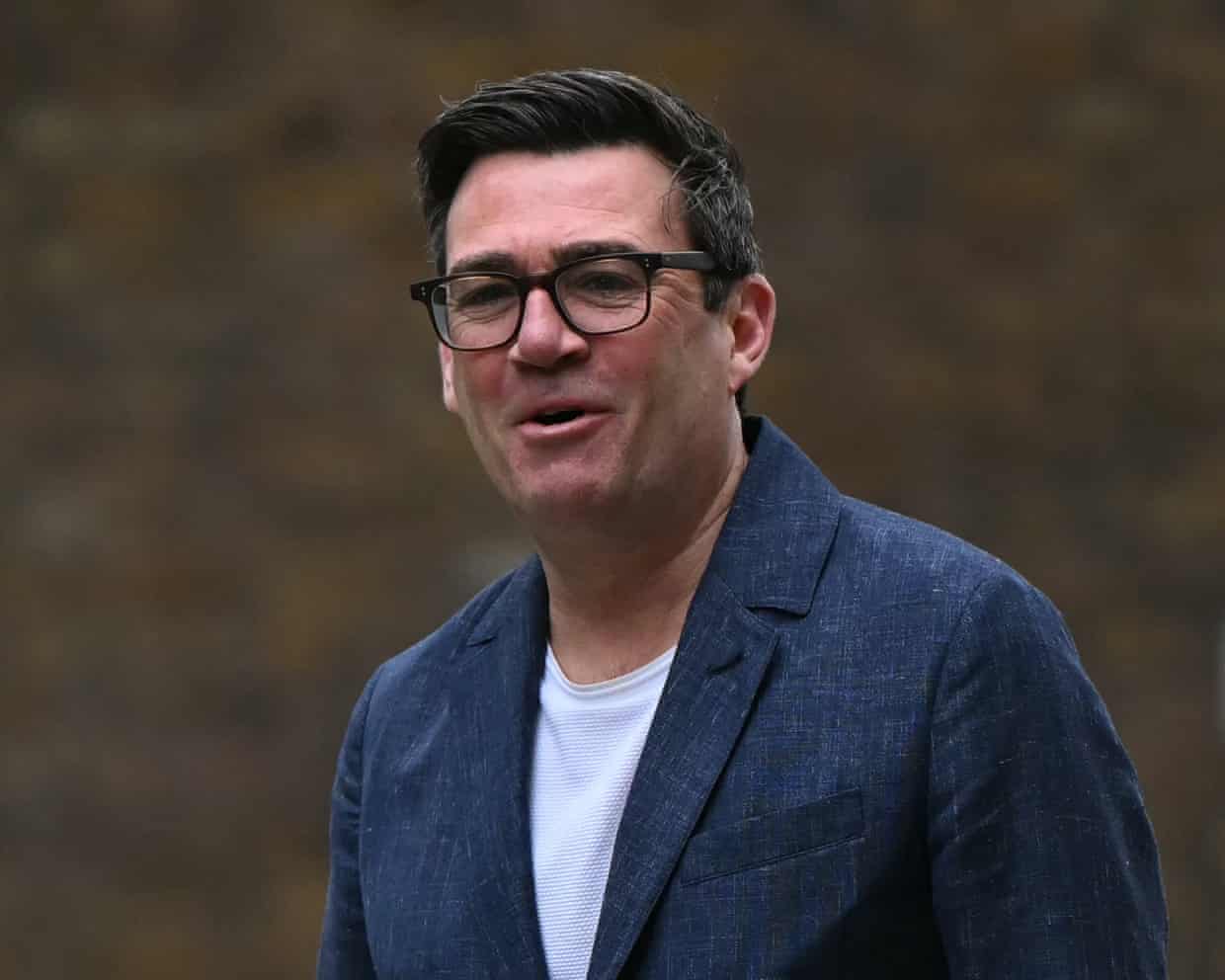
Andy Burnham has told Labour MPs they should hold the line and that he has options to return to parliament after several seats identified by his allies failed to materialise.Two seats that backers of the Greater Manchester mayor had described as “nailed on” as recently as Monday night are now out of contention after the MPs concerned got cold feet.Burnham spoke to a number of MPs by phone on Tuesday and assured them that he still intended to seek an imminent return to parliament.The Guardian was told by two MPs on Wednesday that Jeff Smith, who represents Manchester Withington, an affluent suburb of the city, was in talks about stepping aside for Burnham, but his friends denied it. Asked whether he was about to make way, Smith told the Press Association he was not
EU proposes end to ‘five tabs, three apps and a prayer’ for cross-border train bookings
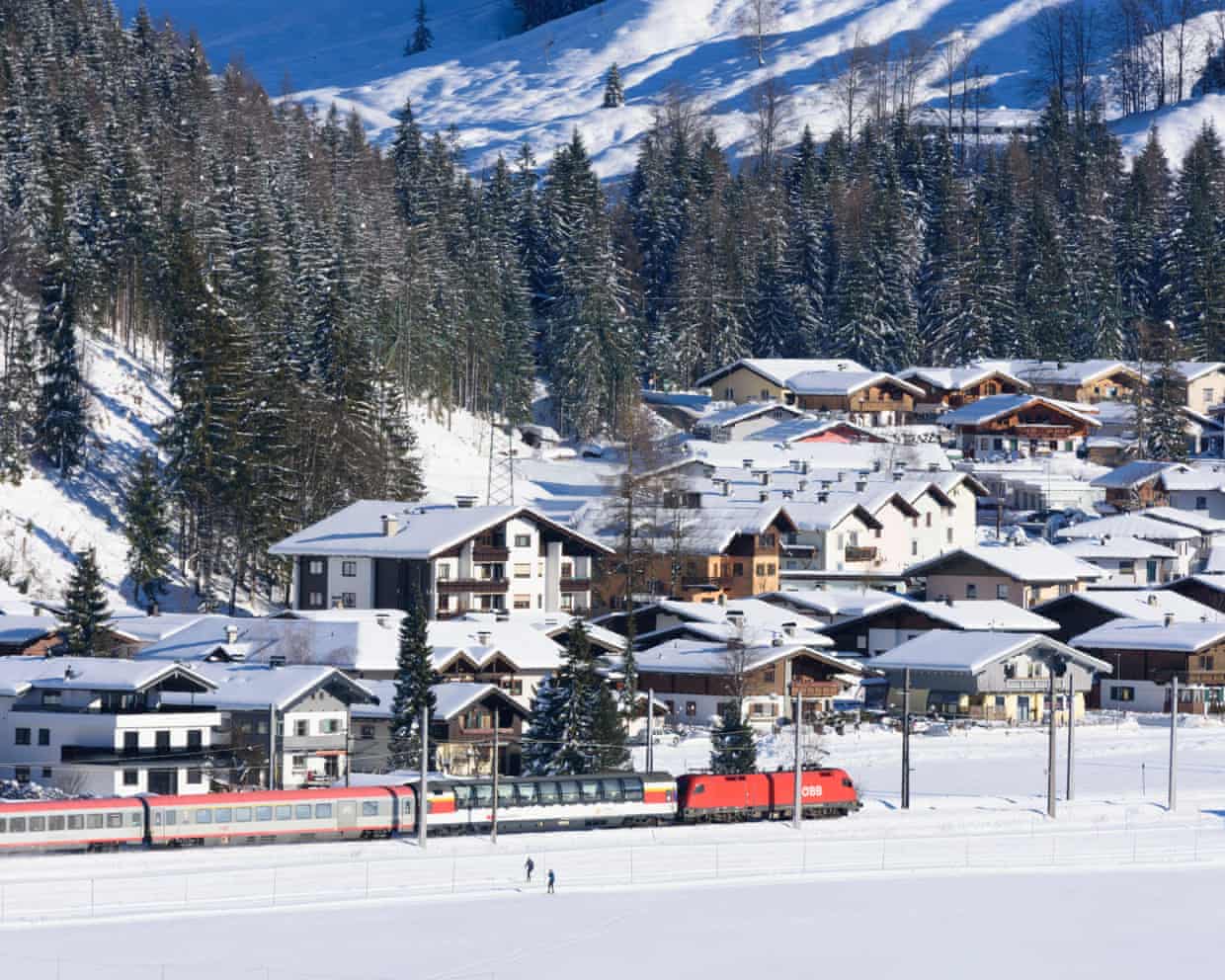
Cross-border train journeys through several European countries are the stuff of many a holidaymaker’s dreams.But the reality of trying to buy the tickets, navigating multiple websites without knowing who can help if a connection is missed, can prove less than relaxing. As one MEP puts it, it can often require “five tabs, three apps and a prayer”.Now, however, the European Commission has proposed that before the end of the decade passengers should be able to buy one ticket for one journey and be better protected when trains are late or cancelled.“Europeans will be able with the click of a button to plan, compare and purchase multimodal journeys across borders while benefiting from stronger rail passenger rights, greater transparency and better protection every step of the way,” the EU transport commissioner, Apostolos Tzitzikostas, said on Wednesday, as he published new rules intended to transform the “excessively complex” experience he said rail travellers met when booking tickets
What is the king’s speech and what is the state opening of parliament?
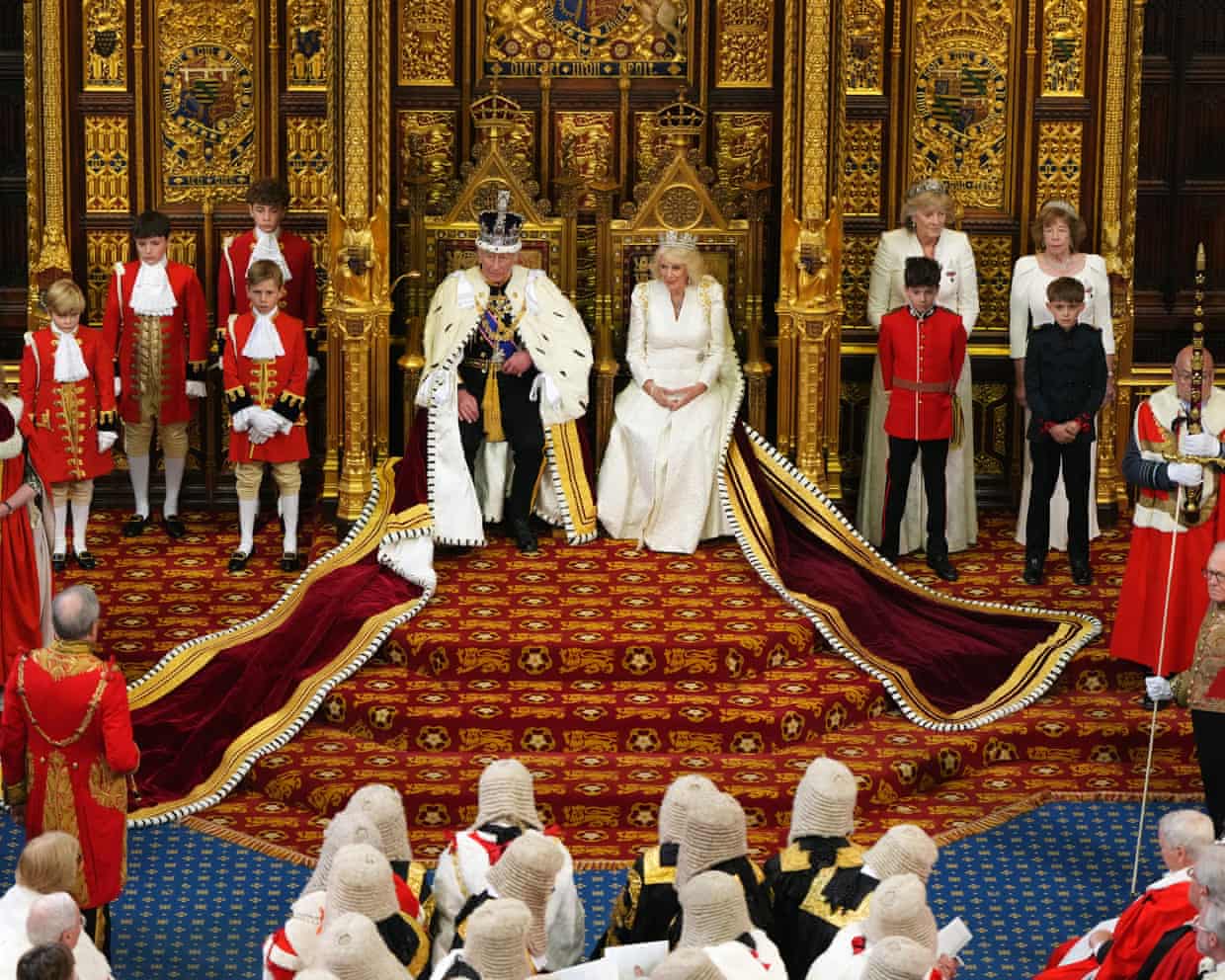
The king’s speech is the centrepiece of the state opening of parliament, the main ceremonial event of the parliamentary calendar, and the only regular occasion when the three constituent parts of parliament – the sovereign, the House of Lords and the House of Commons – meet. It marks the start of the new parliamentary year,Although delivered by the monarch in their constitutional role as the UK head of state, the speech is written by the government to outline its policies and proposed legislation for the new parliamentary session. Formally called the “speech from the throne” because it is delivered from the throne of the House of Lords, the monarch reads it out in a neutral tone. Whatever their private feelings the monarch must not show any preference for any political party or its policies.The event is taking place as the prime minister, Keir Starmer, fights for his future in Downing Street after heavy losses in the 7 May elections
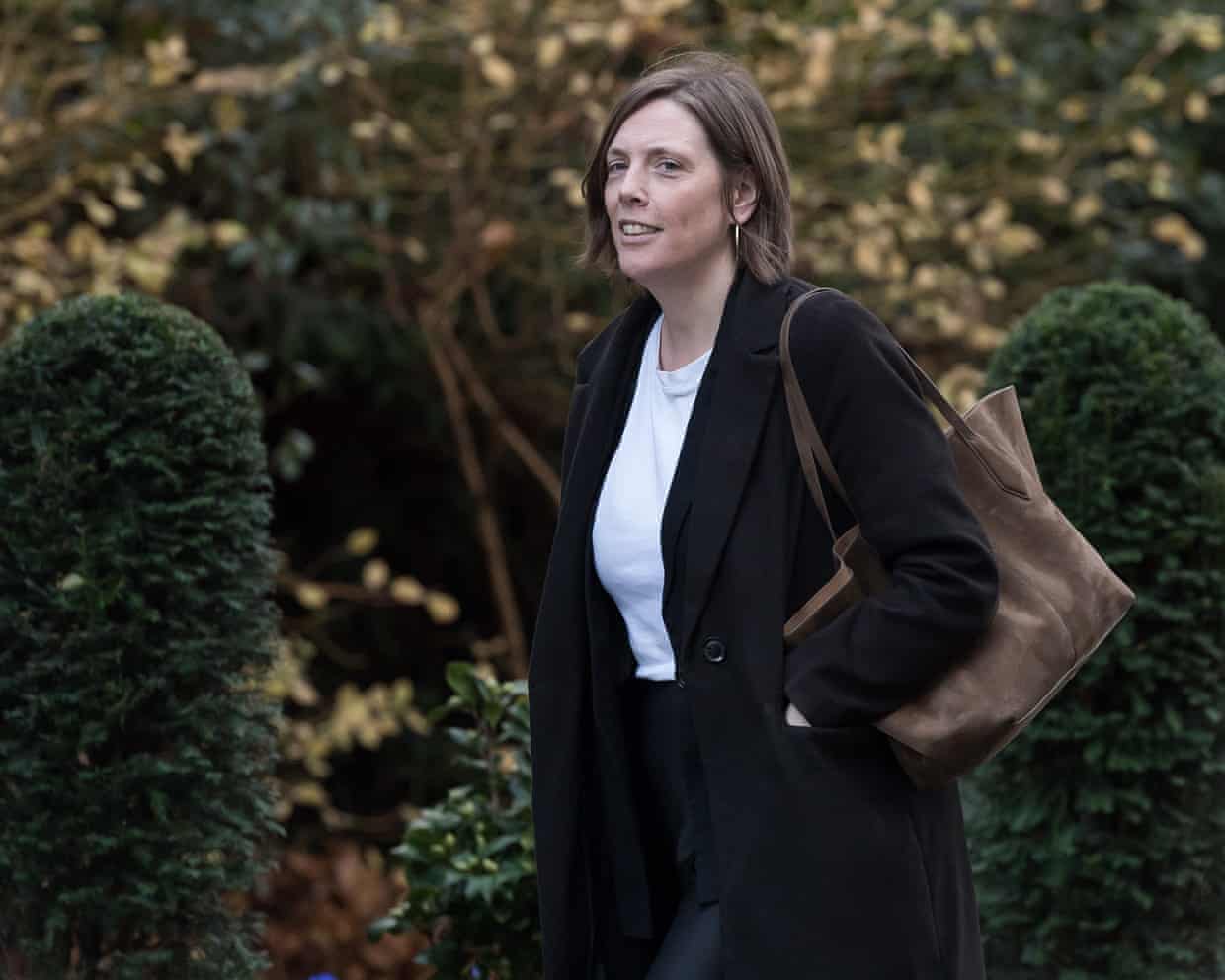
Online safety campaigners reveal Starmer frustrations after Phillips exit
Internet safety and children’s rights campaigners have accused Keir Starmer of failing to act on proposals to stop children sending and receiving nude images on their phones, after Jess Phillips resigned from the government saying she was tired of seeing “opportunities for progress stalled and delayed”.The Labour politician was one of four ministers who quit on Tuesday and joined more than 80 MPs calling for the prime minister to go.In a coruscating letter she focused on a lack of urgency and boldness in tackling child abuse images, accusing Starmer of failing to take action to stop children being able to take or send naked pictures.She said: “Over a year ago I presented solutions, long worked on by brilliant civil servants, that would end the ability for children in the UK to take naked images of themselves.“We could stop this abuse
Are working-class voters lost to Labour for good? | Letters
It would be helpful for progressive parties and the media to focus more on why so many people voted for Reform UK. Your article (What’s behind surge in support for Reform and Greens across England? Five key takeaways, 10 May) indicates that it gained more support in deprived areas – but this doesn’t answer the question why.What sort of UK do Reform voters want? Do they want councils that reduce local care services for their vulnerable elderly relatives and children, to save a few pennies off council tax? The ending of environmental protections? The scrapping of equal-opportunities policies that protect women and minority groups?When Reform voters are asked about the party’s policies, they fail to articulate much apart from “stop the boats” – because Reform’s plans have very little detail or real‑world application.The Labour government has been in power for less than two years and has delivered the Renters’ Rights Act and the Employment Rights Act, removed the two-child cap on universal credit, increased provision of free school meals and facilitated millions more NHS appointments.The focus on personality-driven politics has left the door open for local governments to be led by privately educated multimillionaires who dismiss the climate crisis and favour cryptocurrency
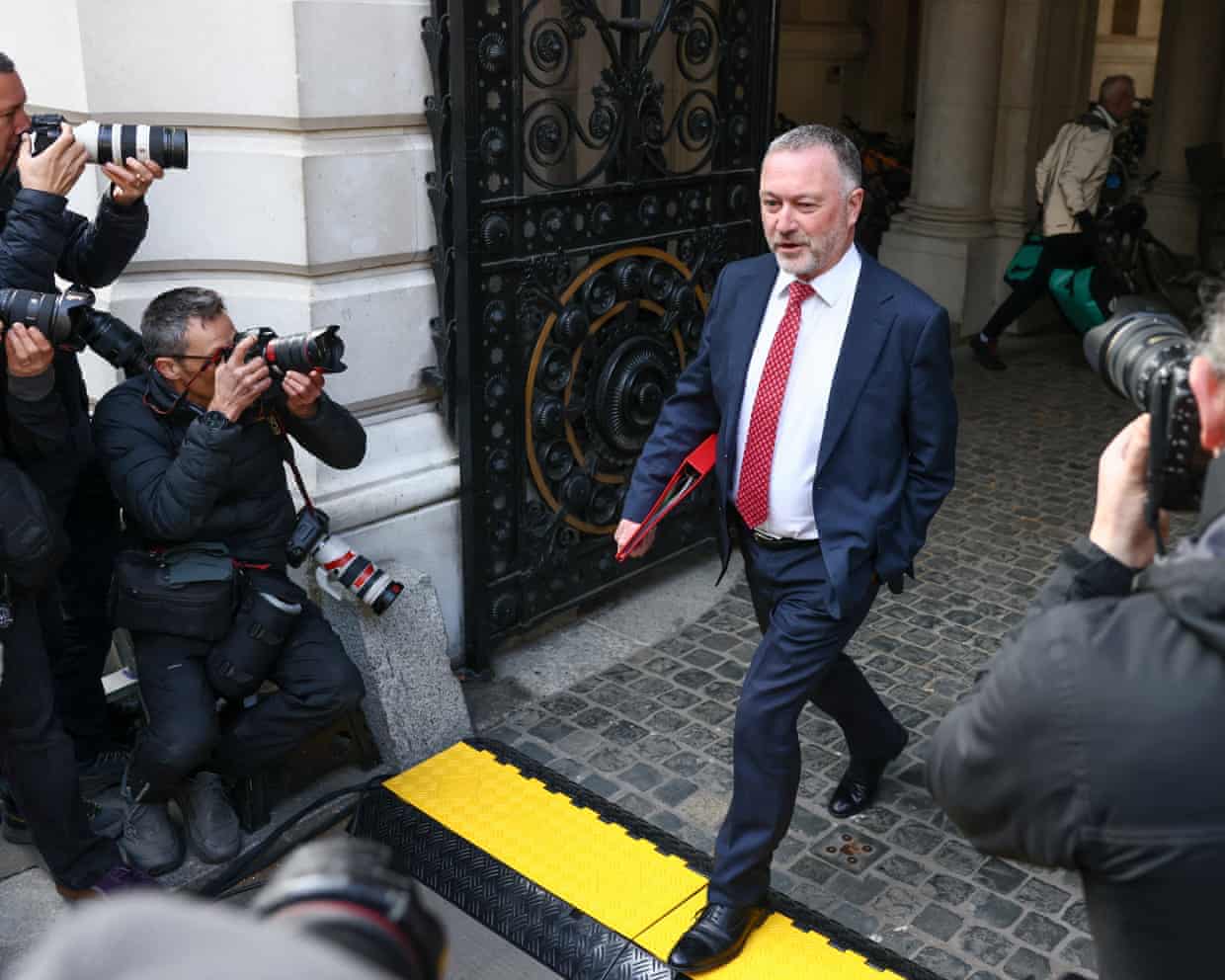
Labour MPs channel Tory psychodrama as Starmer keeps hiding in plain sight | John Crace
It used to be football managers who measured their time at a club in months. Or even days at Spurs. Anything over two years qualifies you for a long service medal. Now it’s prime ministers. In fact it’s worse than that
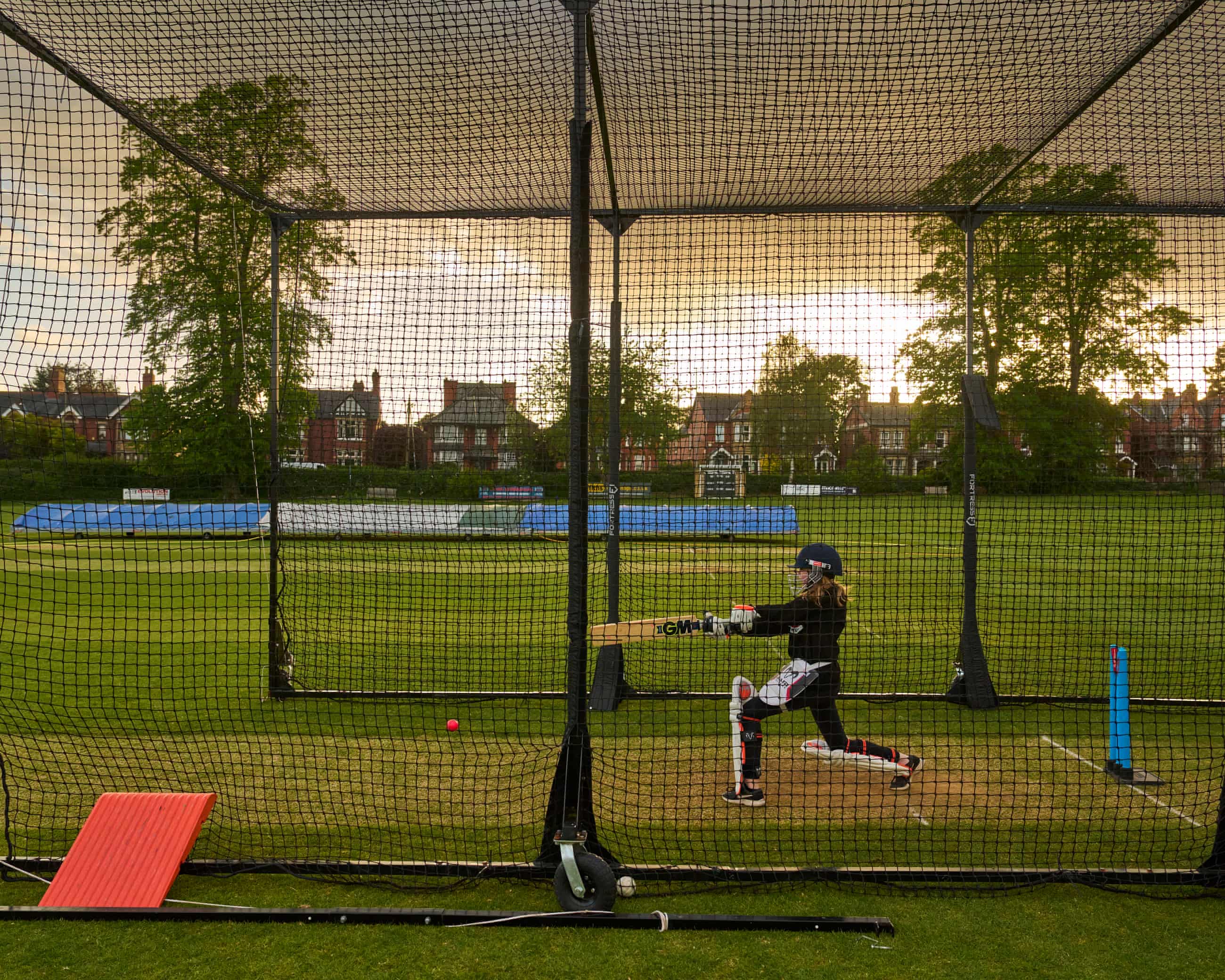
The Spin | ‘We have a hoot on the field’: Oswestry CC boasts 10 mother-daughter pairs
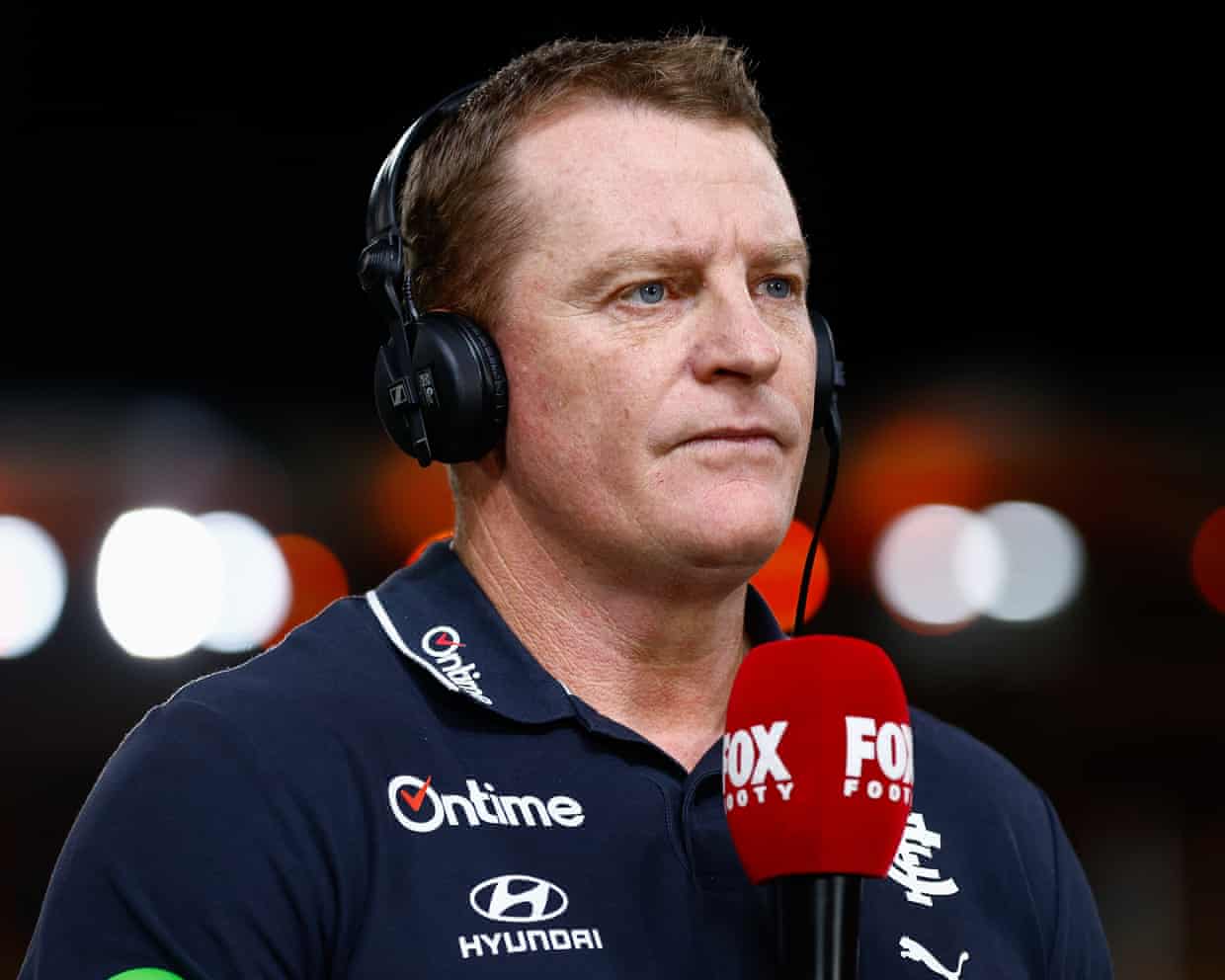
From the Pocket: Voss coached the way he played and his brutal football failed Carlton
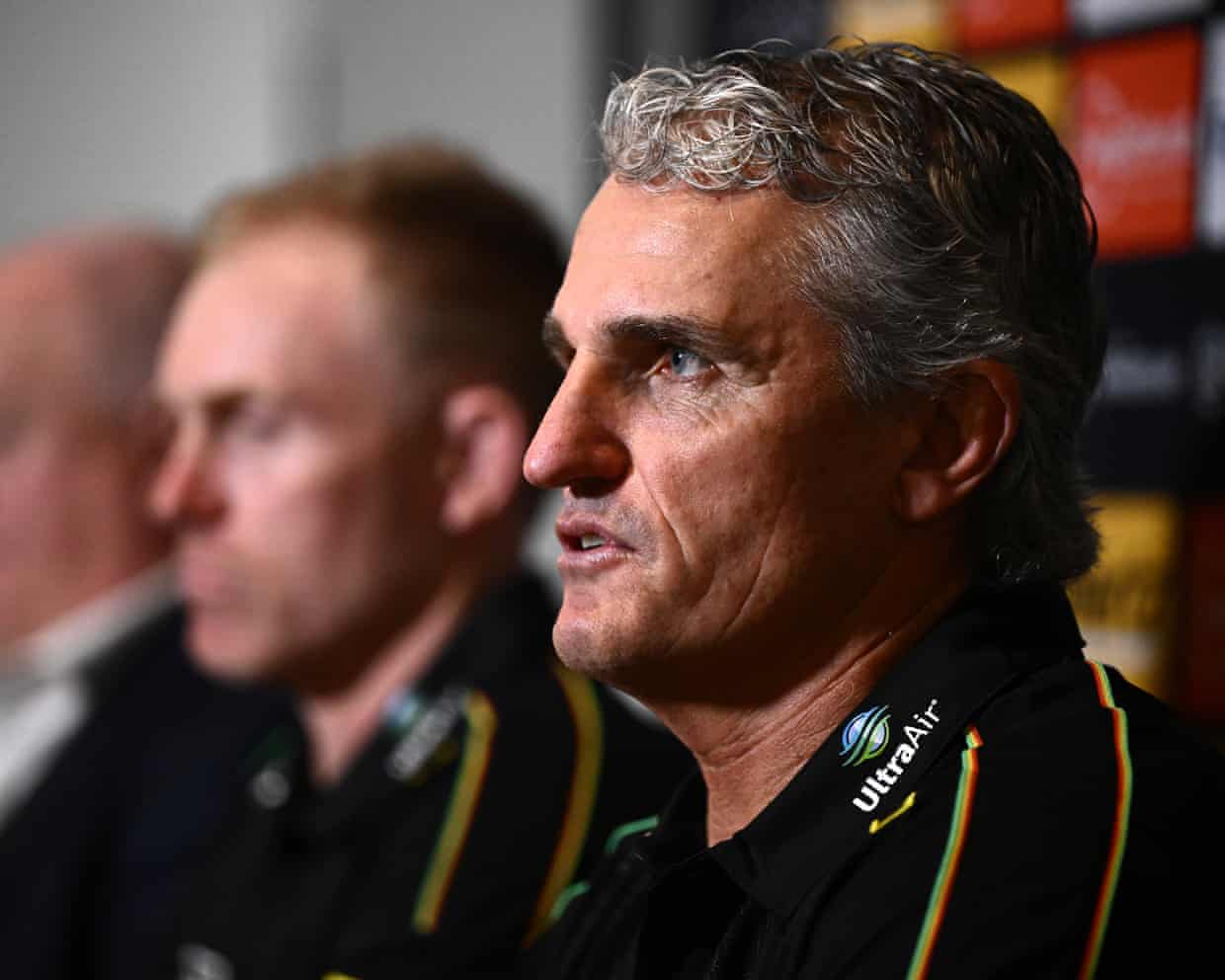
Cleary to finish up as Panthers coach and end greatest modern-day NRL dynasty
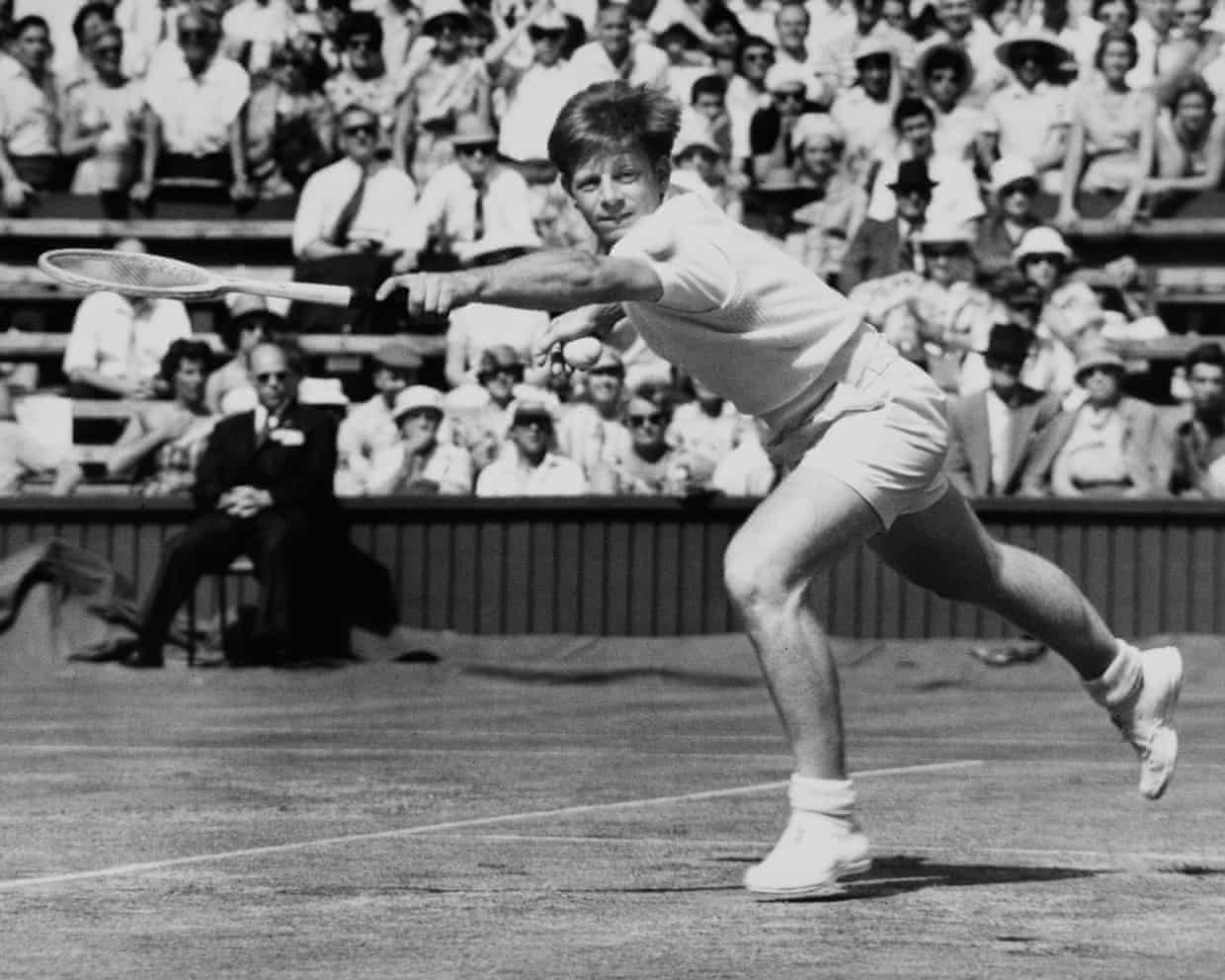
Billy Knight obituary
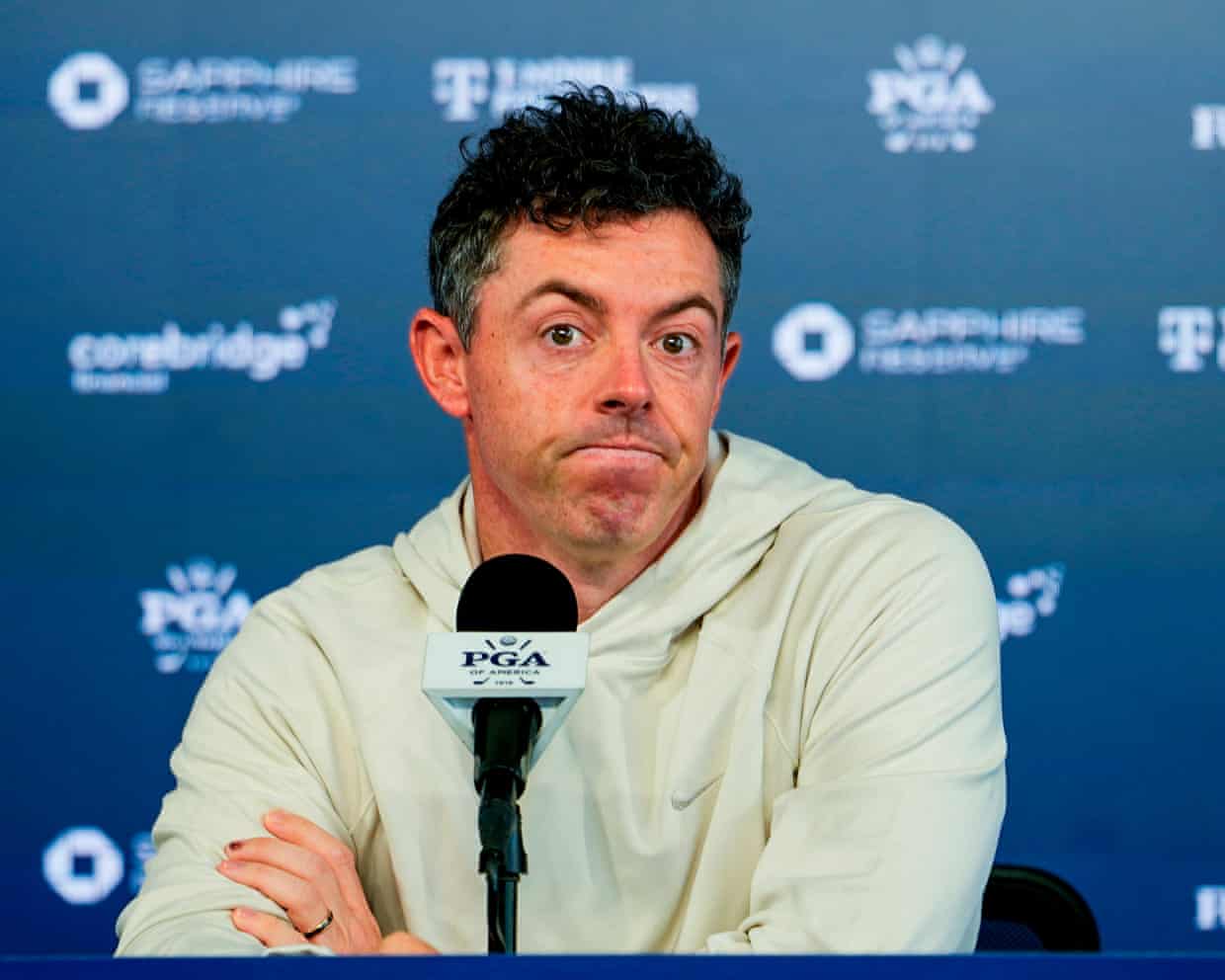
Rory McIlroy claims he knew LIV was in trouble and breakaway tour was always a ‘risk’
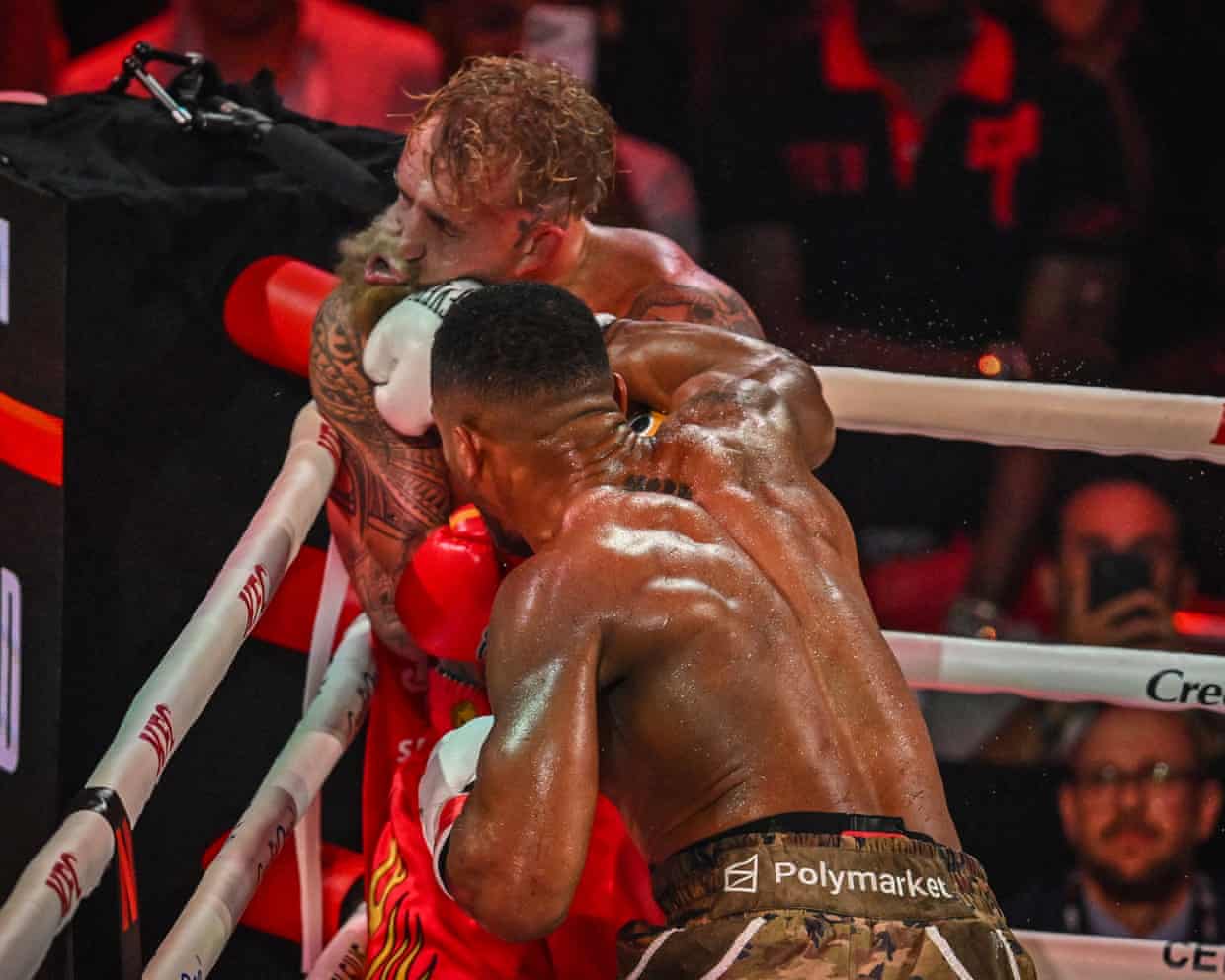
Jake Paul admits broken jaw from Anthony Joshua fight may have ended boxing career