Starmer needs sharper survival strategy if he is to stay on
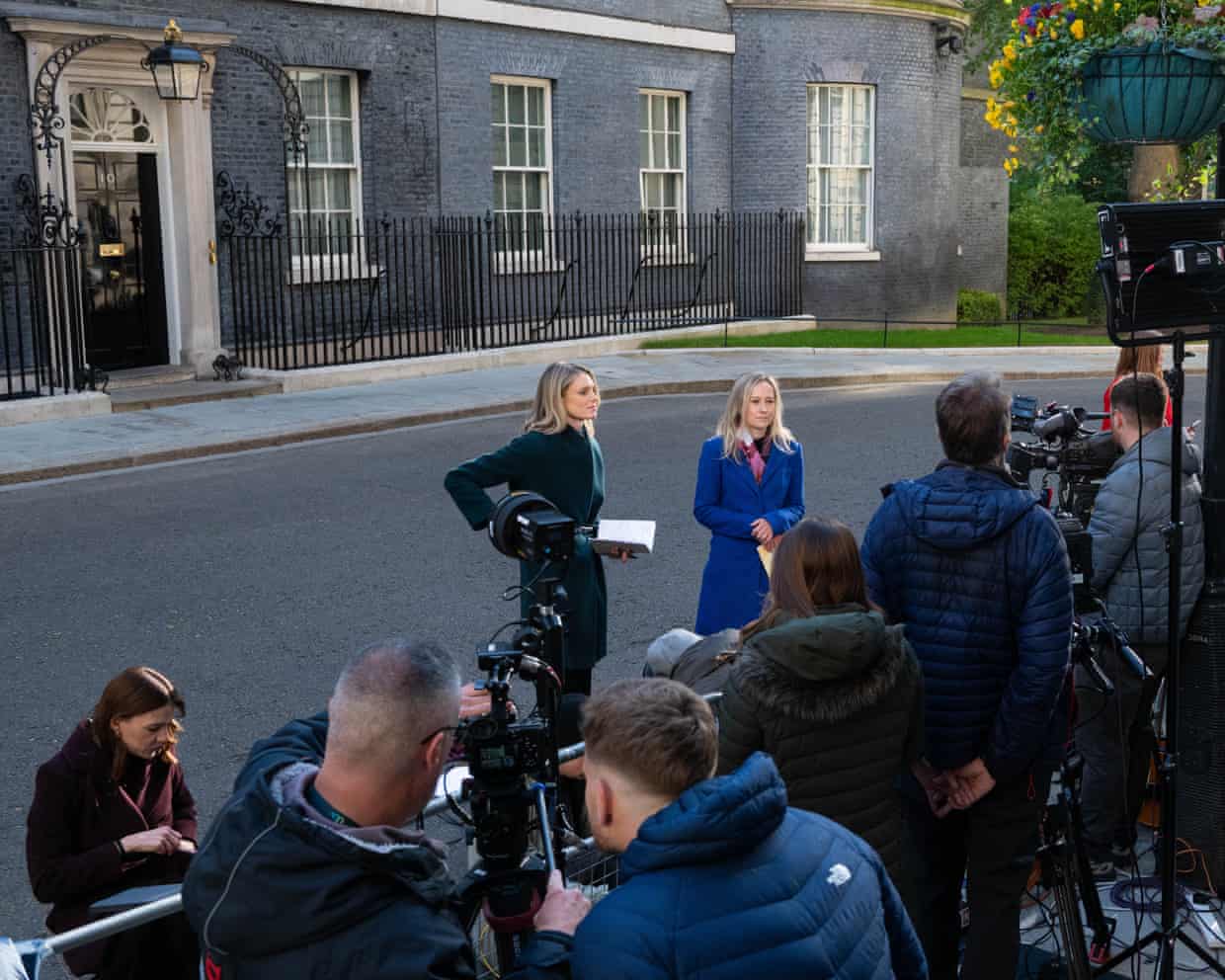
The last time Keir Starmer faced a threat to his leadership, his core team assembled in the cabinet room and persuaded ministers to fire off a succession of supportive tweets in an attempt to keep him in office.This time has been different.As the number of MPs calling for the prime minister to resign has grown over the last 48 hours, much of the cabinet has remained quiet.And though the prime minister remained in office on Tuesday night, some in government were wondering whether his political operation was as sharp as it once was, especially since the departure of Starmer’s long-term aide Morgan McSweeney.“How could they not plan for this, it’s mad,” said one MP, frustrated at what they saw as a lack of fightback from Downing Street.
Another said there was “literally no guidance or plan,I have no idea what plan it was that they think they were preparing,”Starmer’s political operation is a very different one from what it was for most of his first 20 months in office, during which the prime minister would decide the broad direction of the government but leave much of the daily politics to McSweeney,When faced with a scandal, for example, it was often McSweeney who would lead the strategy over how to respond and, if required, make the first phone call to a minister whom the prime minister wanted to resign,McSweeney resigned as chief of staff in February over his role in recommending Peter Mandelson as ambassador in Washington.
He remains close to Starmer and is understood to have spoken to the prime minister in recent days about his situation.He is not providing advice to No 10 however, even behind the scenes.Starmer appointed Vidhya Alakeson and Jill Cuthbertson after McSweeney’s resignation, and they led the fightback in February when the Scottish Labour leader, Anas Sarwar, called for Starmer to resign.Alongside Amy Richards, the Downing Street political director, and Jonathan Reynolds, the chief whip, they coordinated a response to Sarwar that was so swift it gave any potential rival very little time to act.This time the same team has once more assembled in the cabinet room, albeit largely without Cuthbertson, who is on maternity leave.
While she came in to Downing Street on Monday evening, sources say it was only briefly and she did not get involved in making calls.“They have really missed Jill, she was the one with the connections across the Labour party,” said one government official.Stuart Ingham, one of the prime minister’s longest-standing aides, and Sophie Nazemi, his director of communications, have also pitched in.Downing Street officials say they have tried to use broadly the same tactics as they employed last time to keep him in post, with phone calls across the party and defiant messages in public.Some have been warning of dire consequences should the prime minister be ousted, such as a spike in bond yields – though they have been careful not to use those arguments too directly with Labour MPs.
“There is a very good chance that we are heading for a Liz Truss moment in the next few months,” said one government figure, referring to the jump in UK borrowing costs that followed the former prime minister’s “mini-budget”.“We can’t say so in such terms to MPs though, as they get nervous about being made to feel like they are being held hostage.”To an extent, Starmer’s aides have been helped by the fact that MPs are still in their constituencies after the local elections, and do not return to Westminster until Wednesday.While their absence has made it more difficult to coordinate the prime minister’s defence, it has also prevented the same level of collaboration among his opponents.For some MPs, the outreach has worked.
On Tuesday more than 100 Labour MPs, including the former minister Tulip Siddiq, Carolyn Harris and Perran Moon, signed a letter insisting: “This is no time for a leadership contest.”The letter was coordinated by backbenchers and some parliamentary ministerial aides.Organisers say it did not come from No 10, though MPs said it had been circulated by government whips.Starmer himself made his message clear at cabinet – it was time to trigger a leadership contest or stand down.In words that in effect dared the health secretary, Wes Streeting, to move against him, the prime minister said: “The past 48 hours have been destabilising for government and that has a real economic cost for our country and for families.
“The Labour party has a process for challenging a leader and that has not been triggered.”Sources told the Guardian that Starmer did not give cabinet critics time to respond, before moving the conversation on to the Middle East.They added that he did not have one-on-one meetings before or after cabinet, apart from with his close ally Richard Hermer.One source said Streeting had tried to speak to the prime minister privately after, but had been rebuffed.While Starmer then headed to a technical college in south London for a planned ministerial visit, his words persuaded some cabinet ministers to issue supportive statements to reporters outside Downing Street as they left the meeting.
Others, however, have remained quiet, in marked contrast to February, when every cabinet minister quickly issued public declarations of support.Streeting himself has remained quiet in public, as have Ed Miliband, the energy secretary, and Yvette Cooper, the foreign secretary.As the dust began to settle on another day of political drama, Starmer’s allies were quietly hopeful they had shored the prime minister up for another day, even if they were wary of predicting any further into the future.“I don’t know what happens next,” said one.“It might be that Andy or Wes backs down having marched their armies halfway up the hill.
Or it might be that one of them succeeds and arrives in Downing Street just as the jet fuel runs out,”
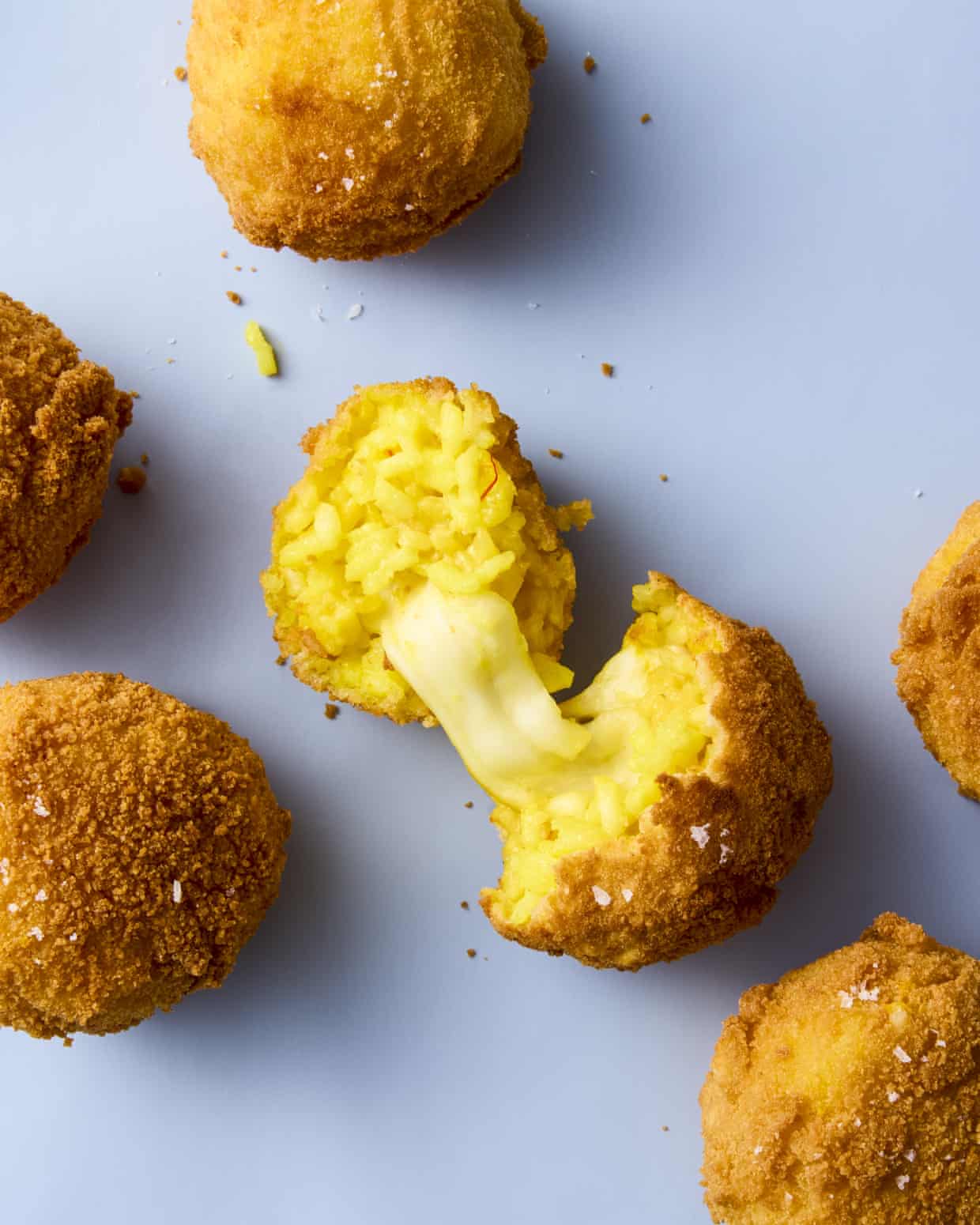
How to make arancini – recipe | Felicity Cloake's Masterclass
Before I wrote this recipe, it hadn’t occurred to me that the word “arancini” means “little oranges”, and, plump, round and golden as they are, it makes sense, too. Indeed, these robust rice balls, which are said to have come to Sicily with Arab invaders in the 10th century, are now, according to the late Antonio Carluccio, the local equivalent of a sandwich lunch.Prep 25 min Cook 45 min Makes 8 large ballsFor the risotto700ml chicken stock, or vegetable stock100ml white wine (optional)250g short-grain rice (eg, arborio)½ tsp salt, plus extra to season1 very generous pinch saffron (optional)50g parmesan, or grano padano or vegetarian alternative, gratedBlack pepperFor the arancini2 eggs plus 1 egg yolk100g mozzarella, drained and cut into chunksOptional other fillings of your choice – meat ragu, pesto, sauteed mushrooms, wilted or defrosted greens170g plain flour 250g fine dried breadcrumbs (preferably not panko)Neutral oil, for fryingFlaky sea salt, to finish (optional)Risotto is a northern Italian dish, so Sicilian arancini weren’t designed with it in mind, but they are great vehicles for risotto leftovers. My recipe is intended for 700g cooked rice, but adjust the fillings and coating according to what you have; these are also a great way to repurpose small amounts of ragu, cooked vegetables, fish or meat.If you’re cooking the rice from scratch, put the stock and wine (or substitute 100ml extra stock, if you prefer) in a medium pan and bring to a boil – I like chicken stock, because I find it the most neutrally savoury, but use whatever suits the fillings you’re using
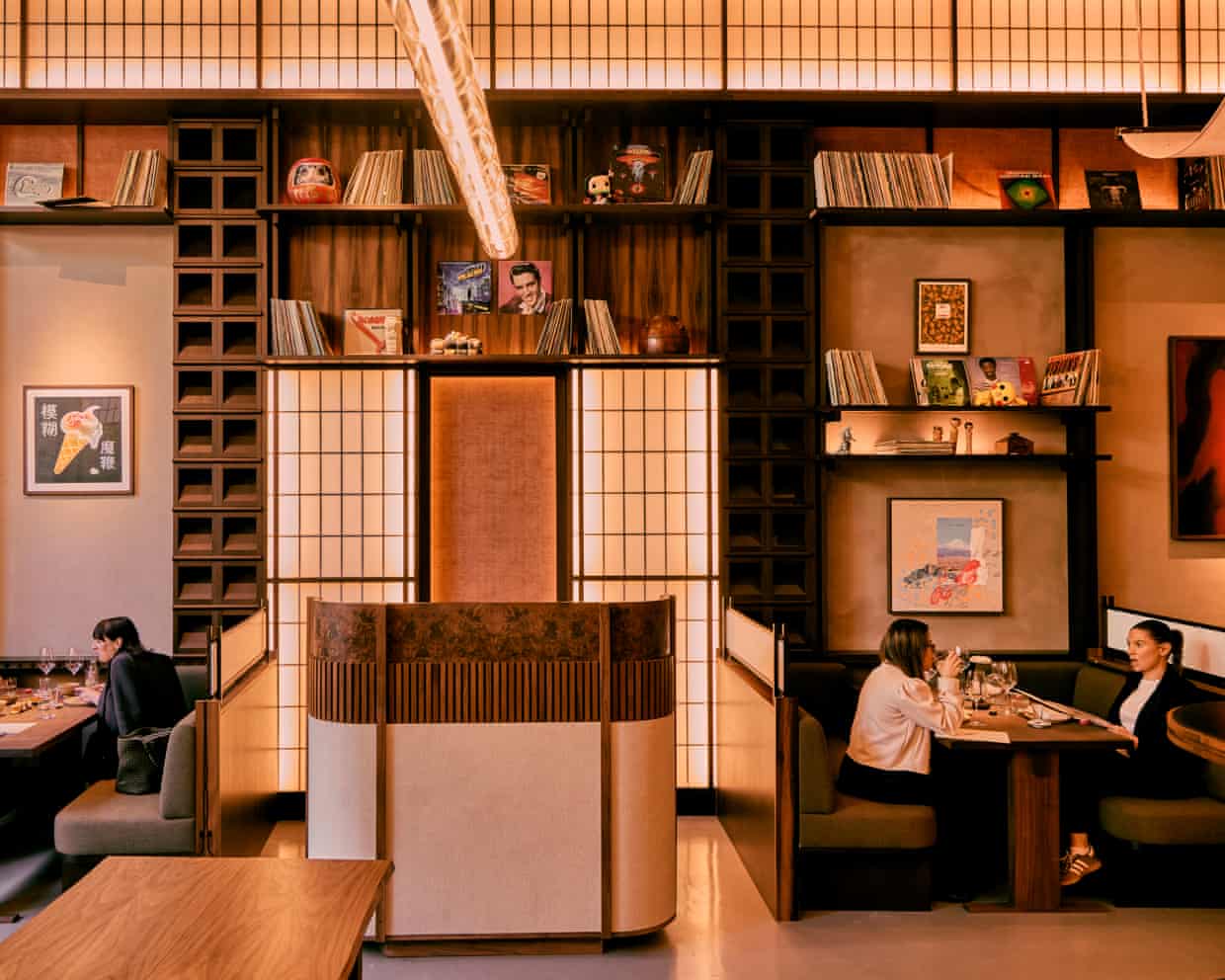
Mitsu, London EC2: ‘Determinedly fun and delicious’ – restaurant review | Grace Dent on restaurants
No spoilers, but I knew even before I’d reached for my chopsticks that Mitsu would be a vast improvement on its predecessor, because it has taken the place of Nobu Shoreditch in the under-gusset of the Aethos hotel, a Swiss-owned “lifestyle hospitality brand”, in east London. Nobu was gargantuan, moodily lit (that is, pitch black), woundingly expensive and terrifically hard to book, despite having something like 797 seats; it was also one of the most soulless London restaurants of the past 25 years. Nobu Shoreditch felt symbolic: it was where all the raffish hope of the 1990s YBA crowd and the early noughties electroclash heads went to die.But that was then, and now, in 2026, the Aethos crew has deftly brightened and lightened the mood of the room, making it actually cosy and adding a twinkly central bar; there’s an open robata kitchen and roomy booths, as well as a pretty Japanese garden. Mitsu calls itself an izakaya, which is what European restaurateurs always say when they mean the Japanese-influenced food isn’t too po-faced and you can get really tipsy on sake
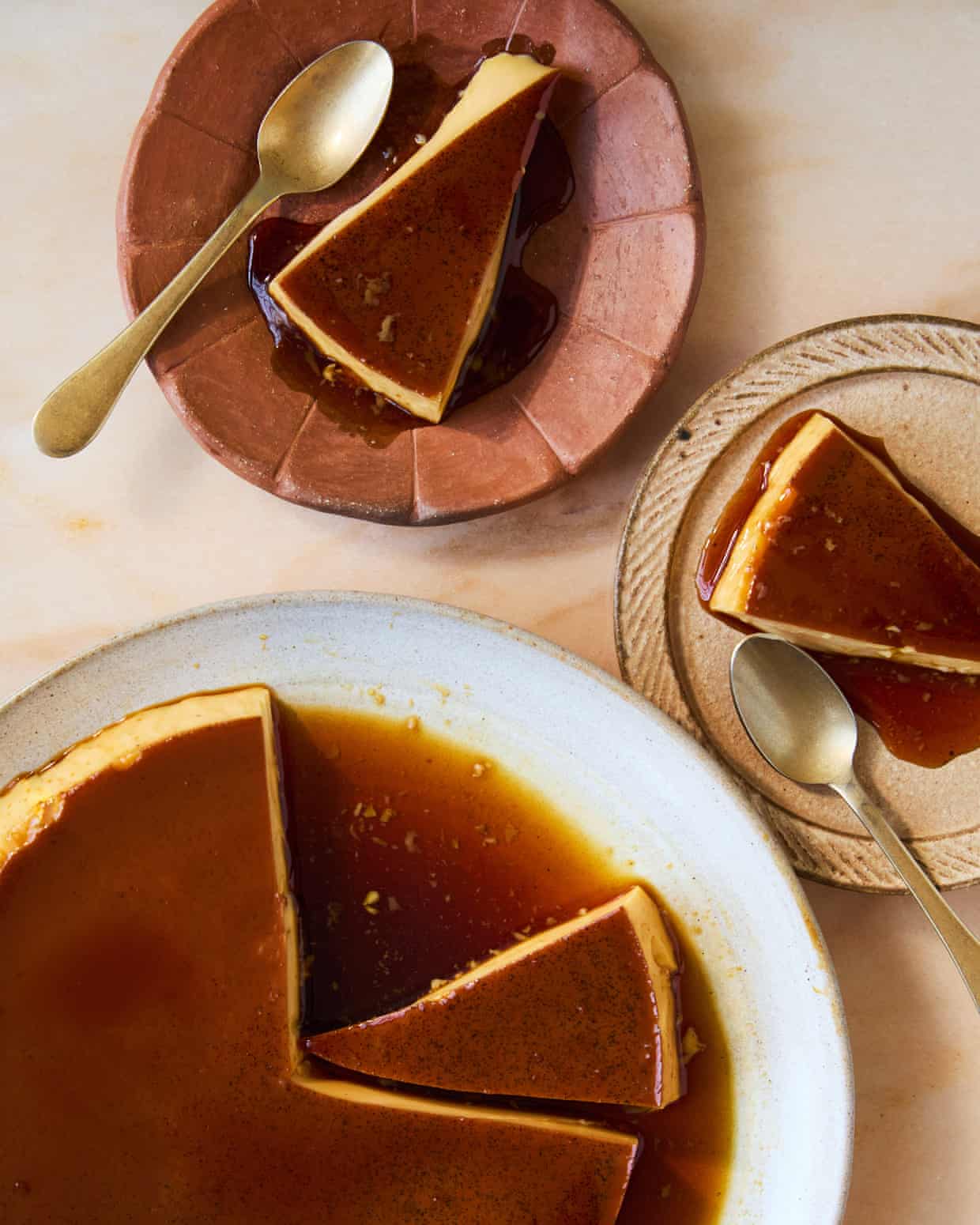
Benjamina Ebuehi’s recipe for Mexican-style vanilla bean flan | The sweet spot
I started the year in one of my favourite places: Mexico City. I’ve since become one of those annoying people who finds a way to bring it up in nearly every conversation, so please indulge me just this once! Each time I’ve been to Mexico, I develop a new fixation, and this year I ate a considerable amount of flan. It’s seen as a bit of a retro dish here in the UK, and perhaps a little divisive, but I love it.Mexican-style flan is typically made with condensed milk, giving it a gorgeous, silky, creamy texture. I’ve also added plenty of vanilla – brought back from my trip, of course

How to match wine with vegetables
At a recent tasting, I got chatting to a winemaker from Australia’s Clare Valley as I bravely made my way through his wares: a ripe, leathery shiraz and a deep, dark cabernet sauvignon that put me in mind of blackcurrant bushes. These were serious wines – and good value, too. A generation ago, such gutsy New World reds were all the rage, but now, lamented the winemaker, gen Z was more interested in lighter, cooler-climate wines, lower on the alcohol and brighter on the palate.The Guardian’s journalism is independent. We will earn a commission if you buy something through an affiliate link
‘Restaurants won’t survive’: Michelin chef opens venues abroad to withstand UK taxes
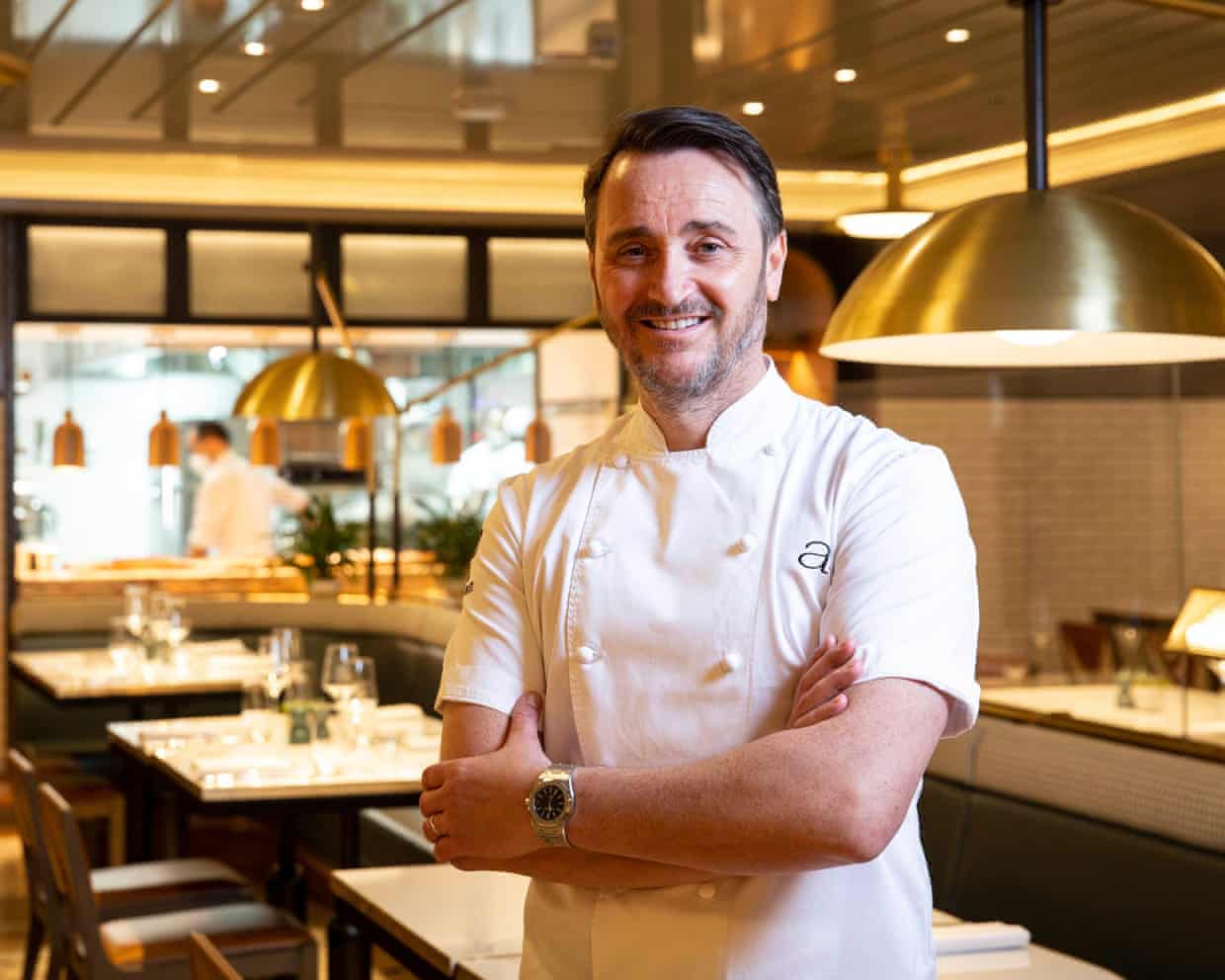
A British Michelin-starred chef says he is opening restaurants abroad to subsidise his UK venues against a backdrop of high taxes and a struggling hospitality sector.Jason Atherton is now in Forte dei Marmi, on the Tuscan coast in Italy, where he is preparing his newest opening, Maria’s, which will be in the Principessa hotel. The Sheffield-born chef now has restaurants all over the world, including in Dubai and St Moritz.He said he was finding it easier to make a profit in countries with more forgiving policies towards restaurants, pubs and bars. “I am trying to sustain our business by opening abroad
Rachel Roddy’s recipe for spring chicken thighs with spring onions, mint and peas | A kitchen in Rome
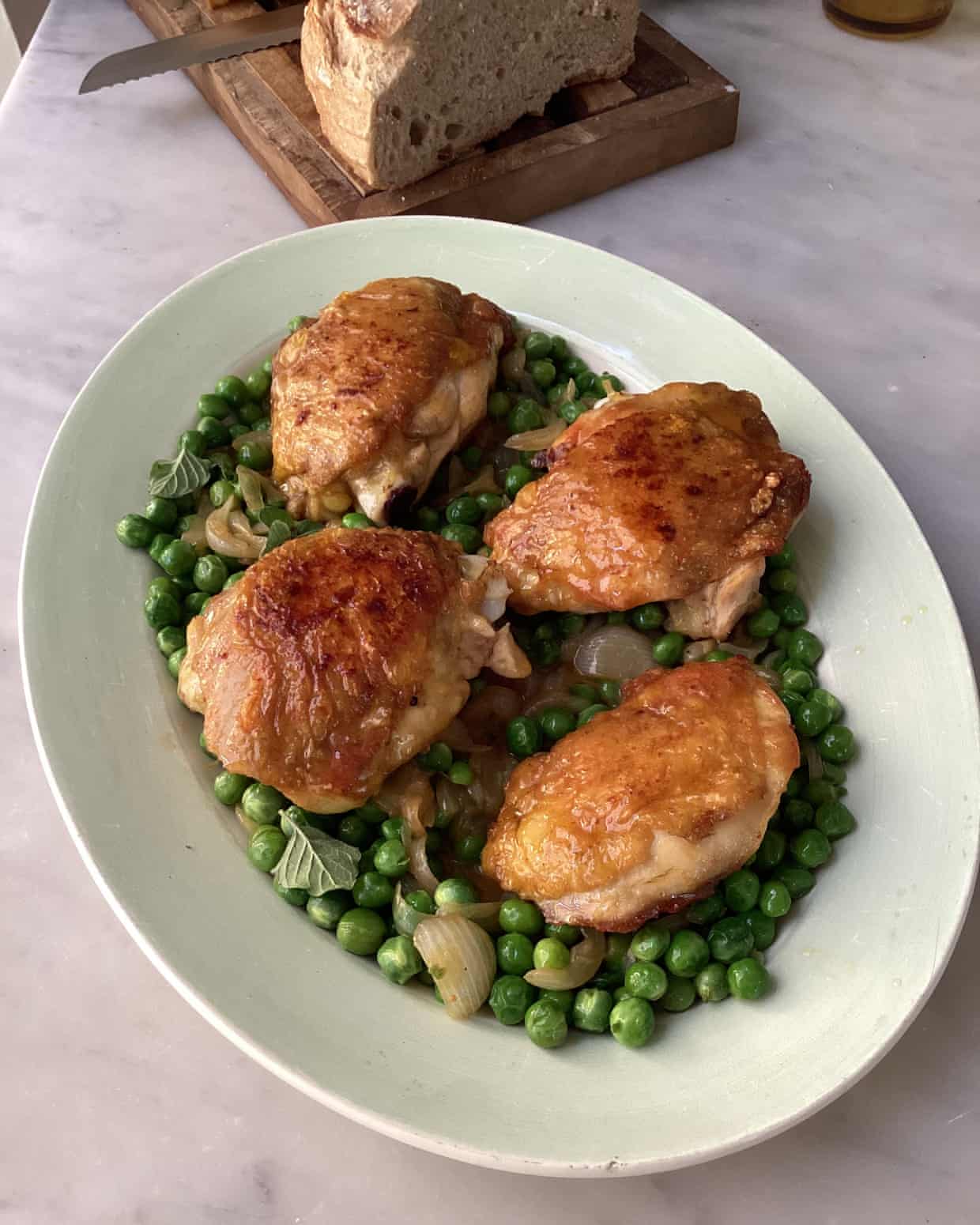
The weather lately has been as temperamental as peas in pods. But peas are even harder to read than the sky: some pods contain sweet things no bigger than peppercorns, which explode when you bite them; the contents of others, however, are closer to small ball bearings, their size very likely a sign that all the natural sucrose has been metabolised and transformed to pea starch. The best thing for the tiny ones is to snack on them alongside a bit of cheese, whereas the path for big ones is the same as for dried peas, so pea and ham soup or a long-simmered puree.The Guardian’s journalism is independent. We will earn a commission if you buy something through an affiliate link

‘We have the same monster’: three women brought down their rapist – this is what happened next

Did breakthrough in US fentanyl crisis start in China?

Getting children to eat their vegetables starts in the womb, researchers suggest

Older people risk mental decline if they do long hours of caring, UK study shows
Capacity of lifts not kept up with UK obesity levels, study shows

More than 6,000 children treated at obesity clinics in England, figures show