Seven people barred from coming to UK for far-right rally
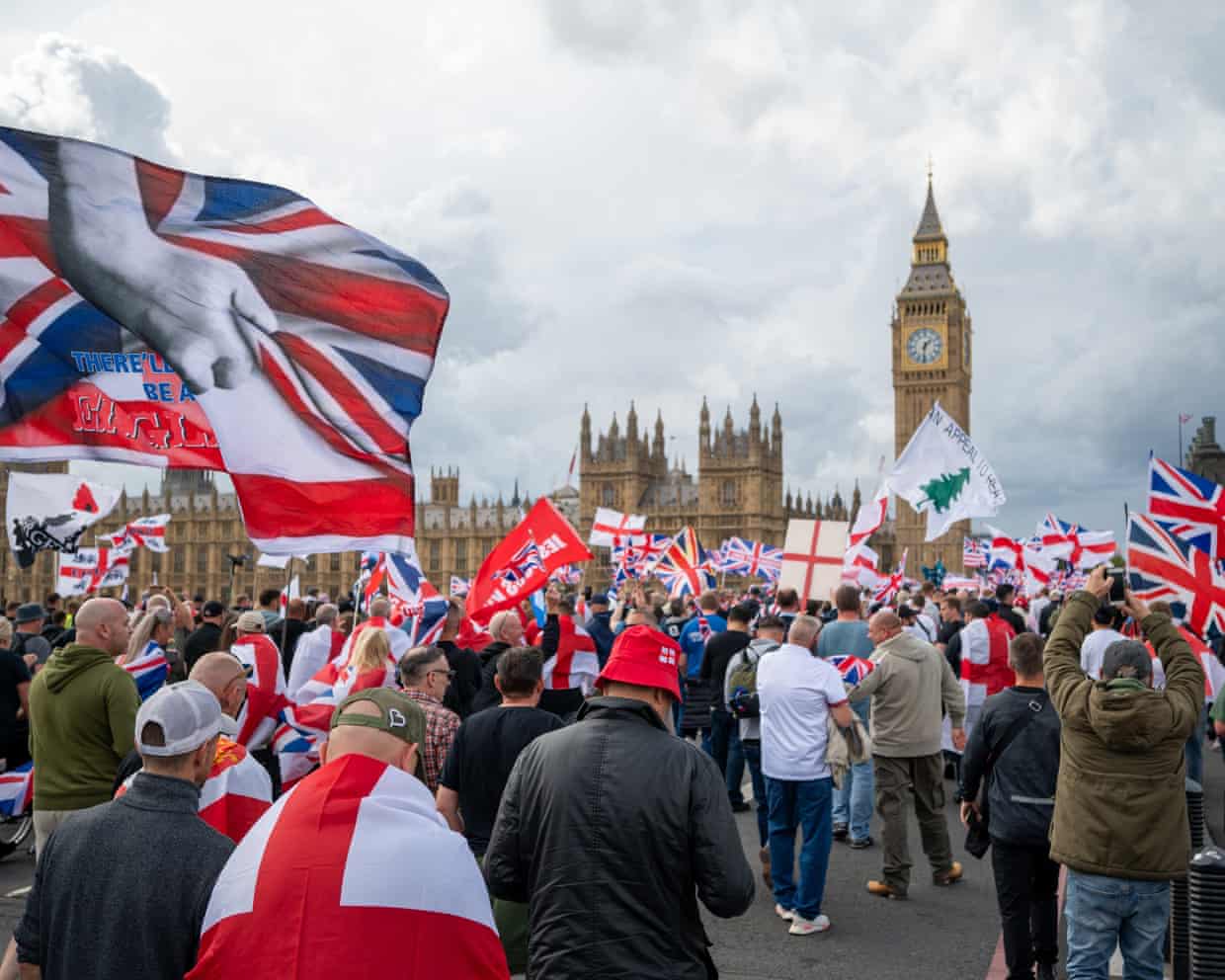
Seven people hoping to attend a far-right rally in central London on Saturday have been blocked from entering the country by the home secretary, Shabana Mahmood.Keir Starmer, the prime minister, promised on Monday to block “far-right agitators” hoping to attend the Unite the Kingdom event on 16 May organised by Tommy Robinson, whose real name is Stephen Yaxley-Lennon.Joey Mannarino, a US-based commentator, and Valentina Gomez, a Maga influencer, had their authorisation to enter the UK withdrawn on the grounds that their presence “would not be conducive to the public good”.The identities of the other five banned people are not known.In a speech aimed at resetting his premiership, Starmer said he would ban extremists from coming to Britain to speak at the nationalist march on Saturday.
“This is nothing less than a battle for the soul of our nation,” he added.An estimated 100,000 people attended last year’s nationalist event, thought to be the largest far-right rally of its type in British history.The event was addressed remotely by Elon Musk, who was condemned by Downing Street for using “dangerous and inflammatory” language.Mannarino and Gomez were given permission to enter the UK for Saturday’s rally via an electronic travel authorisation but the Home Office intervened to withdraw this approval.Mannarino has been accused of misogyny after declaring publicly that he would never believe a rape allegation regardless of any court verdict.
He spoke at Britain First’s March for Remigration events in Birmingham and Manchester last summer,Gomez, 26, attended the first Unite the Kingdom rally in September last year alongside Robinson and warned from the stage that “rapist Muslims” were “taking over” the UK,The far-right march coincides with a Nakba Day event marking the 1948 displacement of Palestinians during the establishment of Israel,Both events are being reviewed by the Metropolitan police amid claims of a “risk of public disorder” after the Golders Green attacks,Mark Rowley, the Met police commissioner, has expressed “concern” about the scale of the protests and has said his officers were “looking hard at what conditions and powers we should use”.
A spokesperson for the prime minister said a decision on the events was a matter for the police, adding: “Those who threaten our communities and spread racism have no place on the streets of the UK where individuals pose a threat or seek to spread extremism the government won’t hesitate to deny entry.”
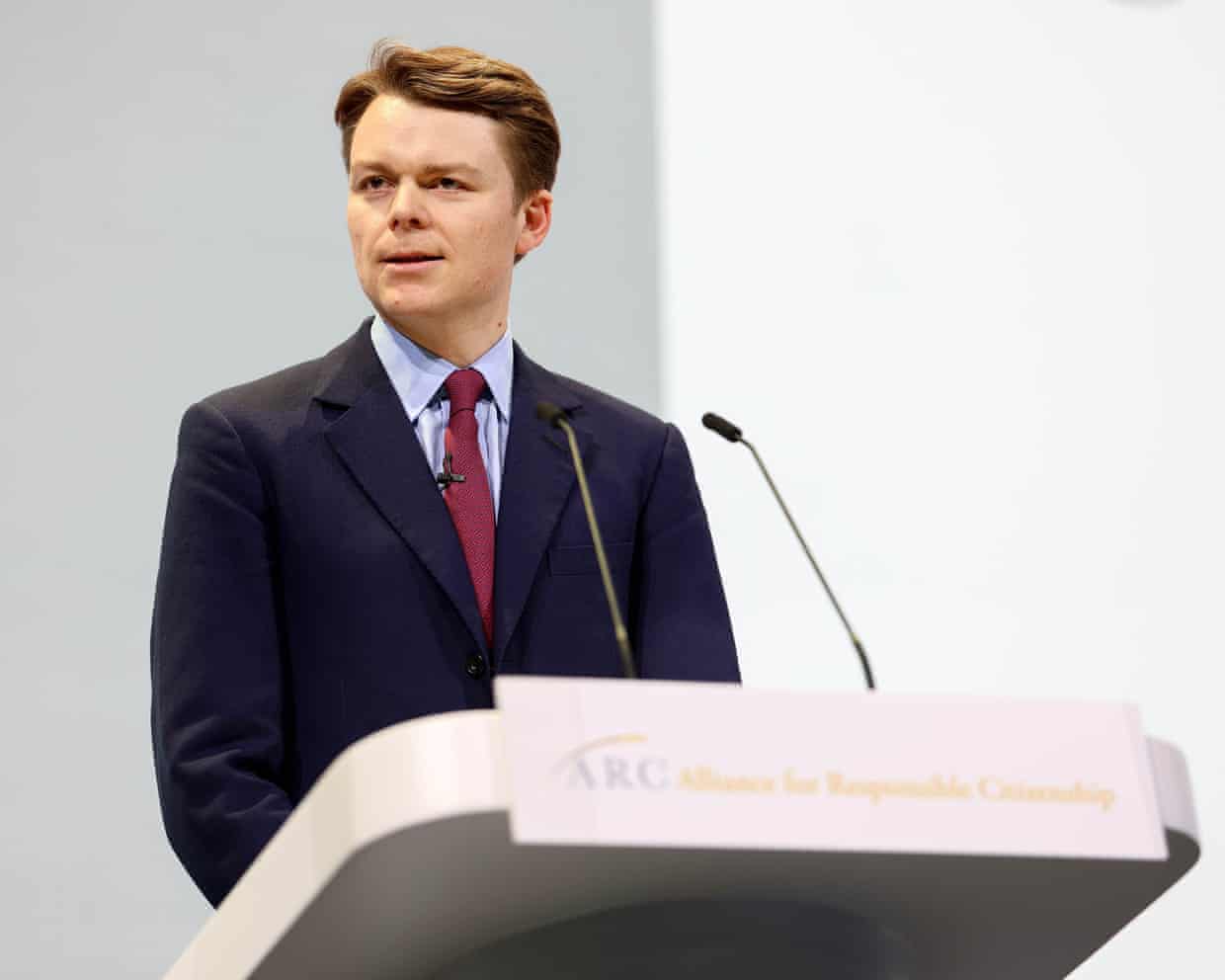
Who is Louis Mosley, the man tasked with defending Palantir against its critics?
The hall was packed with rightwing radicals when Louis Mosley heralded a coming revolution. Just as Oliver Cromwell – that “crusader for Christ and liberty” – routed King Charles I’s royalists, “a similar revolution is brewing today”, said the UK and Europe boss of Palantir. Globalism’s “twilight” was upon us, he said in a speech dotted with admiring mentions of the podcaster Joe Rogan and “Elon’s Doge”.It was not a typical peroration for a big UK government contractor with more than £600m in deals with the NHS, the Ministry of Defence and police. But Palantir, the world’s most controversial tech company, is no typical contractor
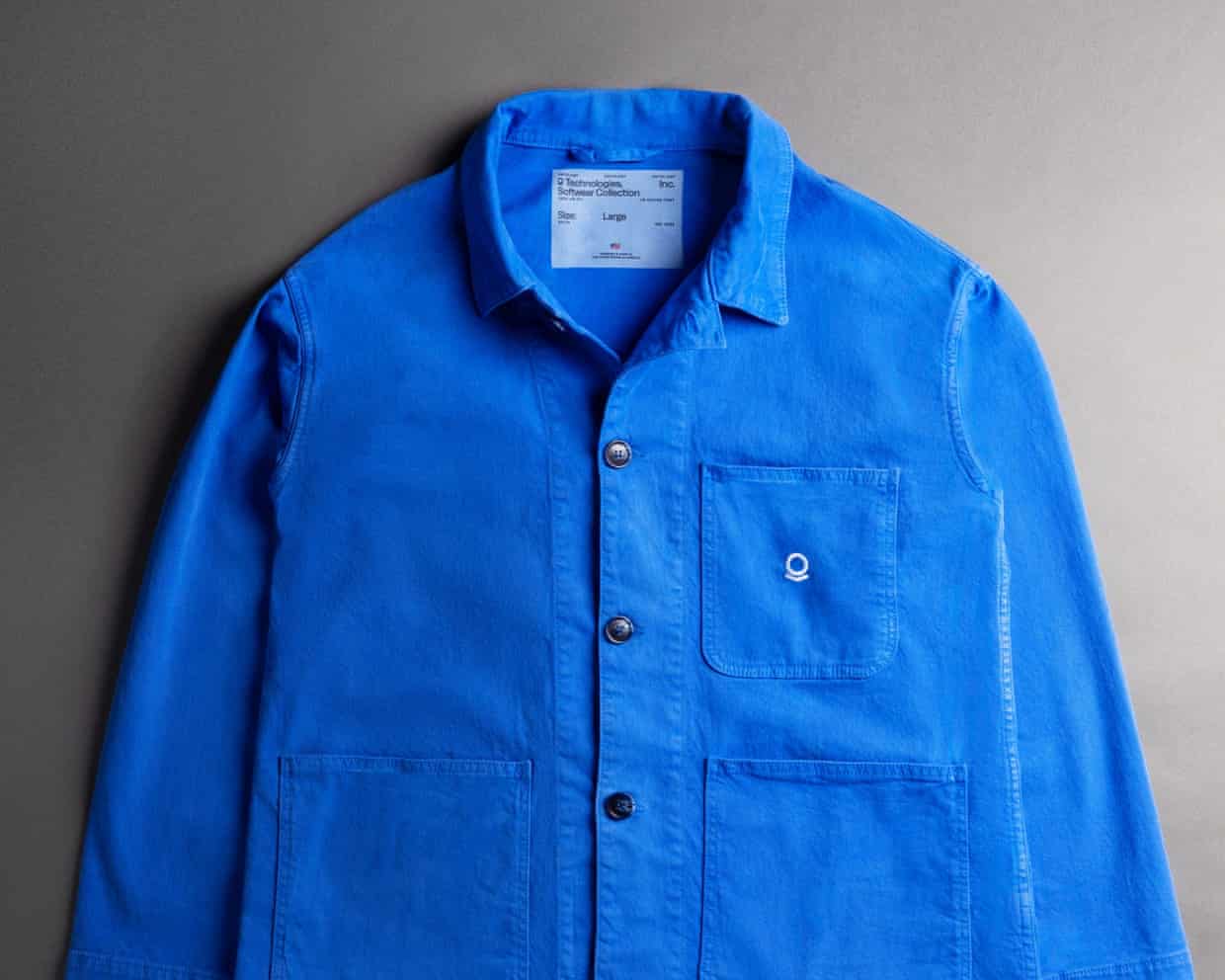
AI-powered surveillance company Palantir created a chore coat. Great, now I have no choice but to burn mine | Van Badham
It’s taken me years to find a chore coat with a cut that flatters my big tits but, now that I finally own one, I want to incinerate it.Such is the power of brand contamination; infamous data surveillance megacorp Palantir has decided to bang a logo on a chore coat to sell as corporate merch.Chore coats are the traditional short denim or twill jacket of the 19th-century French working class. Palantir, however, is a company whose public words and commercial-in-confidence activities are inspiring local calls to have its contracts cancelled and its business banned.The gentle French garment is now as cursed as whatever “Marie Amazonette” will ever wear to the Met Gala
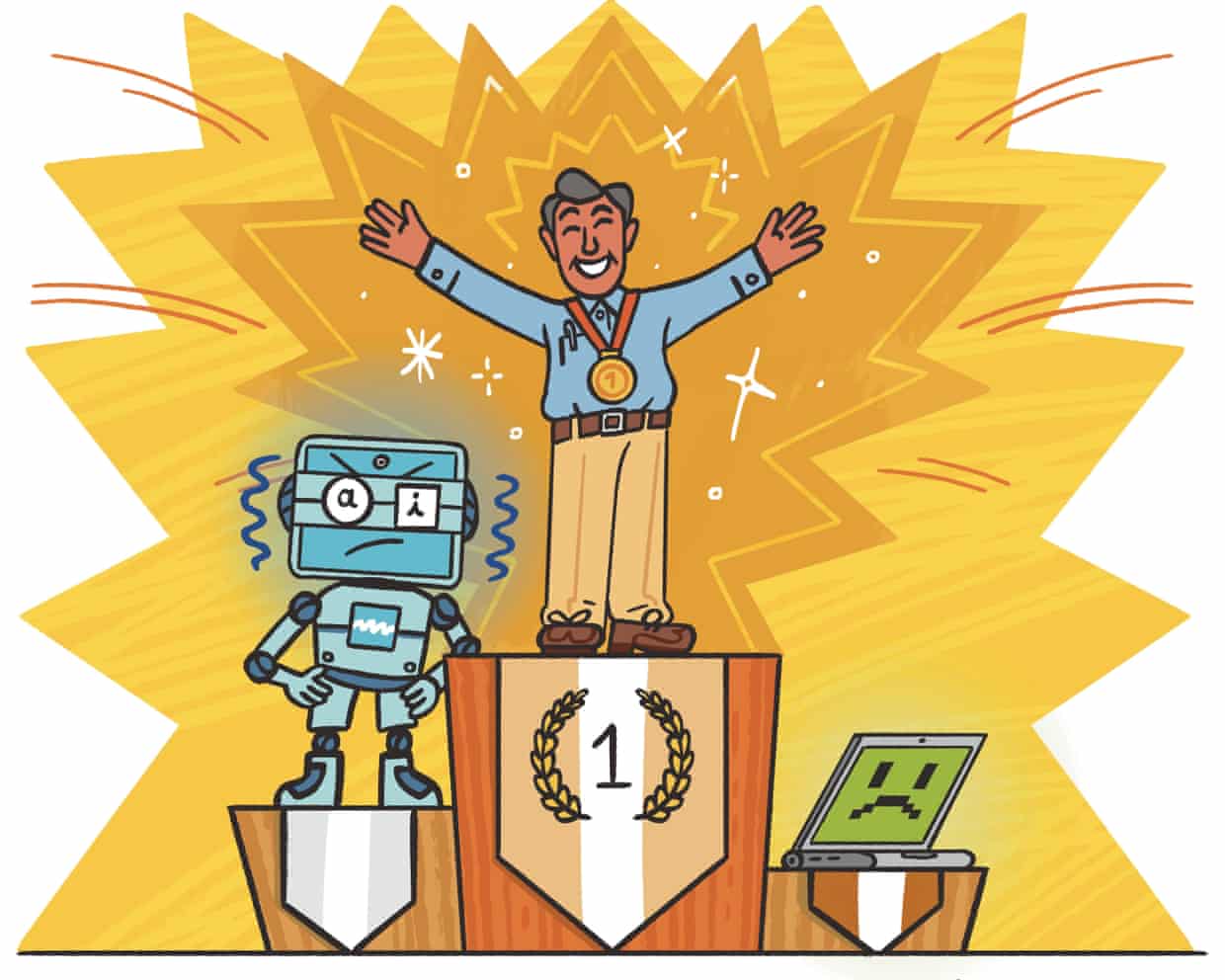
‘Being human helps’: despite rise of AI is there still hope for Europe’s translators?
In February 2022, while he was plugging away at rendering the US writer Dana Spiotta’s novel Wayward into French, the literary translator Yoann Gentric decided he needed a bit of light relief. He would test whether AI could put him out of work.Gentric had been grappling with a short non-verbal sentence that described the book’s protagonist’s feelings upon opening a window: “Bright, sharp night air, bracing.” He put the prompt into DeepL, a neural-network-powered machine translation engine that regularly outperforms Google Translate in accuracy assessments.The proposed translation was reassuring, with his job security in mind: L’air de la nuit, vif et vif, était vivifiant (The night air, lively and lively, was enlivening

UK schools should remove pupils’ online photos as AI blackmail threat grows, say experts
UK schools should remove pictures of pupils’ faces from their websites and social media accounts because blackmailers are using them to create sexually explicit images, experts have said.Child safety experts and the UK’s National Crime Agency (NCA) warn that criminals are using AI to manipulate photos of children and then demand cash not to publish them.They are recommending educational institutions remove identifiable pictures of children from their websites and social media accounts – or consider not using them at all.The Internet Watch Foundation (IWF) said an unnamed UK secondary school had recently been subjected to a blackmail attempt after criminals used the institution’s website or social media accounts to take photos of schoolchildren and then, using AI tools, turned them into child sexual abuse material (CSAM). The blackmailers sent the images to the school and threatened to publish them online if they did not receive money

Meta sues Ofcom over fines regime for breaches of Online Safety Act
Meta has launched a legal challenge against the UK’s media regulator over the fees and fines regime it is enforcing under landmark digital safety legislation.The Facebook and Instagram owner is claiming that Ofcom’s methodology for calculating the charges is flawed and should not be based on a company’s global revenue. Breaches of the Online Safety Act can be punished by fines of up to 10% of qualifying worldwide revenue (QWR) or £18m – whichever is higher.In the case of Meta, which reported revenues of $201bn last year, Ofcom could in theory impose a fine of $20bn for breaches. Under regulations introduced in September, Ofcom’s fees will also be based on a proportion of an organisation’s QWR and apply to businesses that made more than £250m of this revenue a year

‘No one has done this in the wild’: study observes AI replicate itself
It’s the stuff of science fiction cinema, or particularly breathless AI company blogposts: new research finds recent AI systems can independently copy themselves on to other computers.In the doom scenario, this means that when the superintelligent AI goes rogue, it will escape shutdown by seeding itself across the world wide web, lurking outside the reach of frantic IT professionals and continuing to plot world domination or paving over the world with solar panels.“We’re rapidly approaching the point where no one would be able to shut down a rogue AI, because it would be able to self-exfiltrate its weights and copy itself to thousands of computers around the world,” said Jeffrey Ladish, the director of Palisade research, a Berkeley-based organisation which did the study.The study is one more entry in a growing catalogue of unsettling AI capabilities revealed in the past months. In March, researchers at Alibaba claimed to have caught a system they developed – Rome – tunnelling out of its environment to an external system in order to mine crypto

Democrats are playing with fire in trying to reclaim tax cuts from Republicans
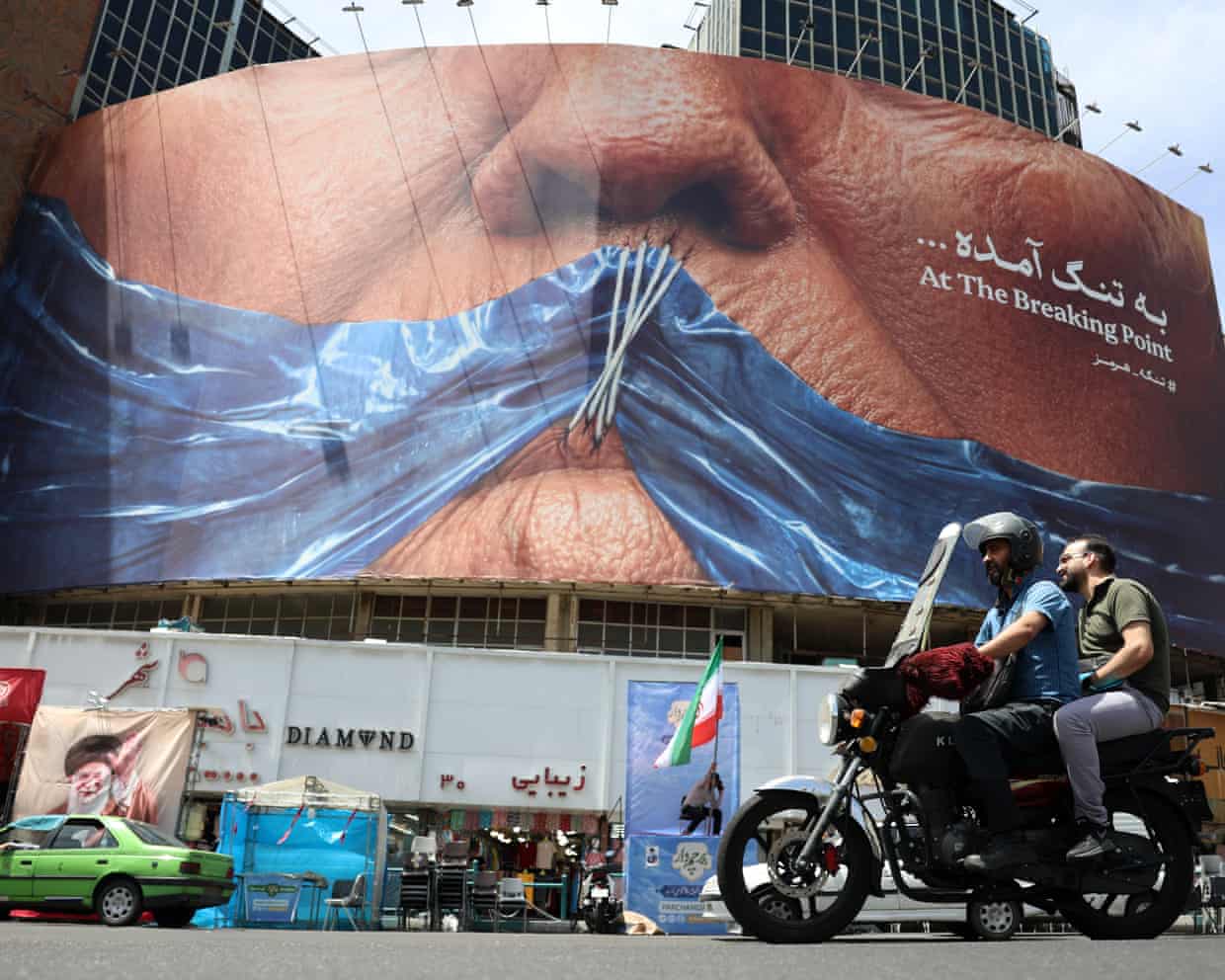
Oil prices climb after Trump dismisses Iran’s response to peace plan
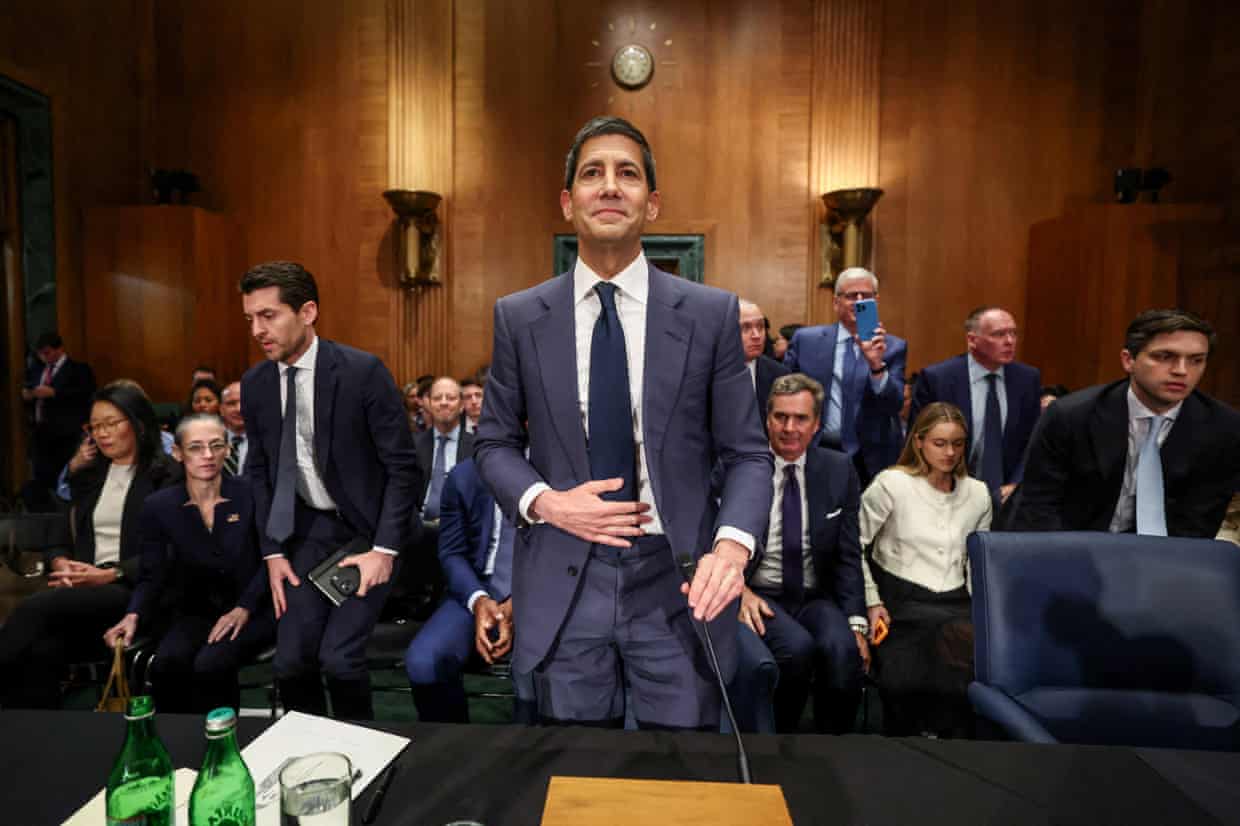
US Senate expected to confirm Kevin Warsh as next Federal Reserve chair
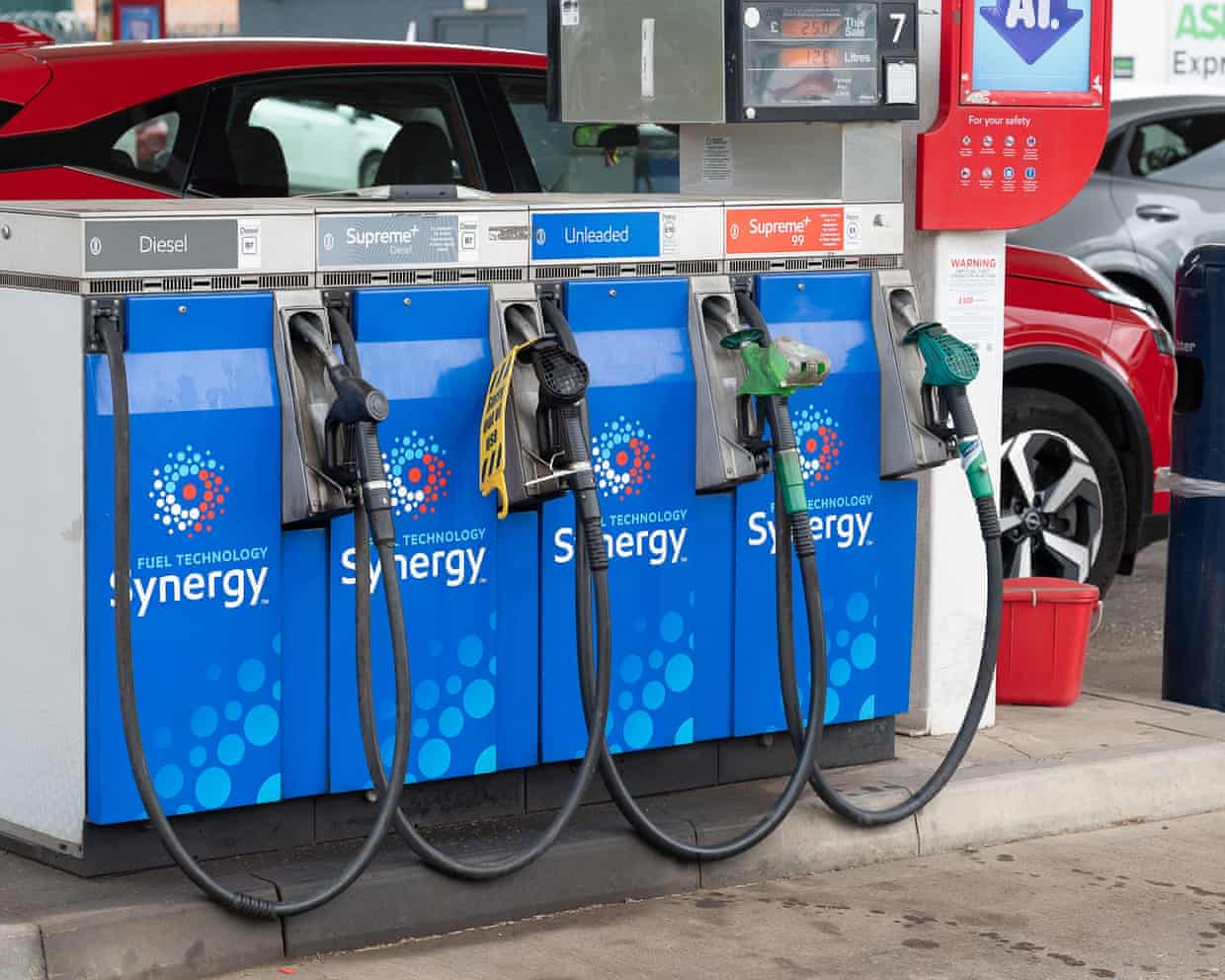
UK households bracing for new cost of living crisis, report finds
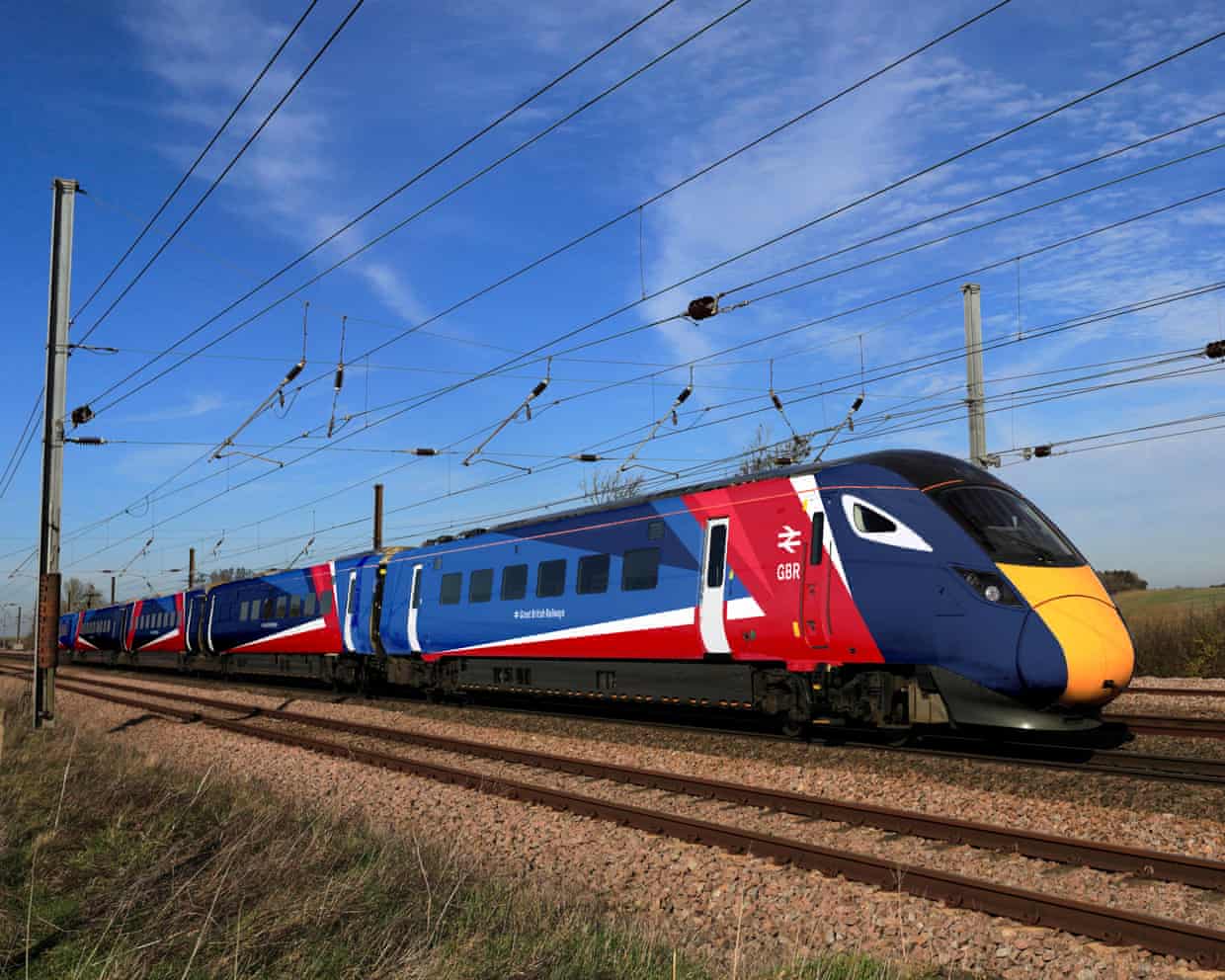
Delayed Great British Railways’ first station to open at Cambridge South in June
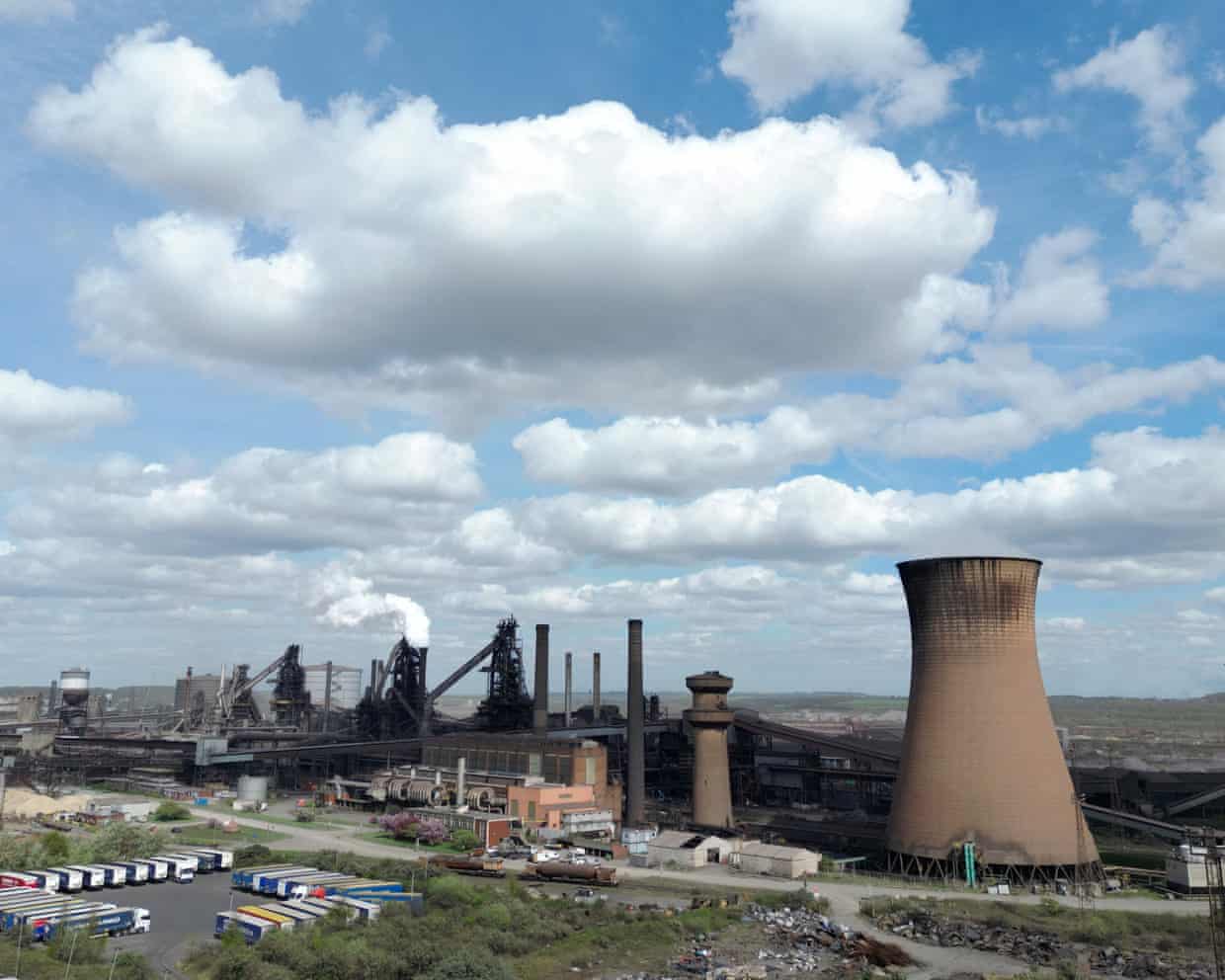
Full nationalisation of British Steel expected in king’s speech