May elections: What’s at stake across England, Wales and Scotland?
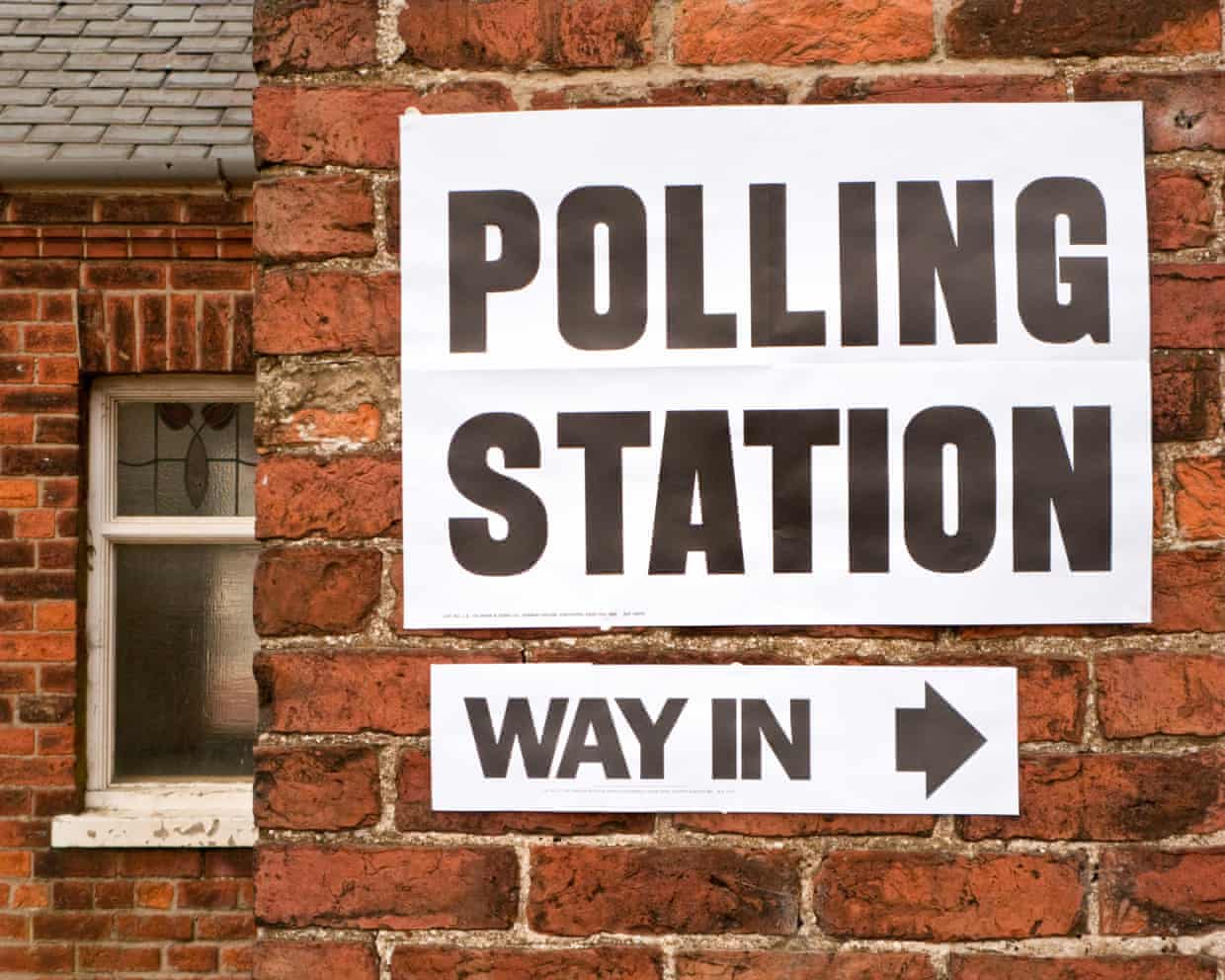
The Scottish, Welsh, and local English elections on Thursday 7 May are a huge test for all the main political parties – and may be existential for Keir Starmer as prime minister and Labour leader,The elections, two years into a Labour government, will see more than 30 million people across England, Wales and Scotland vote in the devolved administrations, in six mayoral races, and for more than 4,500 councillors in city and county councils,Polls predict a dire night for Labour, which is defending the majority of the councils,The party could face losses of more than 1,800 councillors, which would be almost three-quarters of the seats being defended,Significant losses are also expected for the Conservative party.
It is also a test for the Reform party leader, Nigel Farage, and the Green party leader, Zack Polanski, as to whether they can convert surging popularity into real power.In Scotland and Wales, nationalist parties are expected to benefit – with the possibility of Plaid Cymru taking the Welsh Senedd for the first time, and the Scottish National Party consolidating its support after it was once predicted to lose to Labour.Although the incumbent Scottish National party is cruising towards a gravity-defying fifth term in office after Thursday’s Scottish parliament elections, the fine detail of the results and the subsequent makeup of the Holyrood chamber remains exceptionally unpredictable.Reform UK, which has gained considerable momentum in Scotland over the past 18 months, is neck and neck for second place with Scottish Labour, whose rating have suffered from growing public dissatisfaction with the UK Labour government, despite its leader, Anas Sarwar, taking the career-defining decision to call for Starmer to stand aside in February.With an unusually high proportion of voters still undecided, and turnout likely to be low, many constituency seats are in the balance, and the SNP is by no means guaranteed a majority.
It could then turn to the Scottish Greens – who are anticipating a strong showing thanks in part to a Polanski bounce, although the Green Party of England and Wales is a separate entity – for support to create a pro-independence majority at Holyrood.The SNP leader, John Swinney, has pledged to hold a vote seeking the powers to hold a second independence referendum on the first day of a new parliament – despite the fact that the UK government has consistently refused previous demands and he can offer no alternative route.This week the Welsh parliament will grow from 60 to 96 members under a new, more proportional electoral system.Labour is likely to lose control of the Senedd for the first time since devolution in 1999, with Plaid Cymru’s Rhun ap Iorwerth expected to become the new first minister, putting Welsh independence firmly on the agenda.Coalition arithmetic makes it highly unlikely Reform will be able to form a government, even if it wins the most seats.
If the numbers allow, Plaid Cymru will form a minority government without entering formal coalition agreements with Labour or the Green party.Labour’s predicted losses are so catastrophic that some polls put the party in fourth place, after the Greens.Several polls suggest Eluned Morgan, the Labour first minister, will lose her seat.The Senedd’s new list system has razor-sharp margins, making predictions very difficult.As little as 0.
06% of the vote could decide the last (sixth) seat in each constituency, according to the pollsters More in Common.Sunderland is the jewel in the crown, and is expected to deliver the most significant Labour loss to Reform – it has been under continuous Labour majority control since the council’s creation in 1974.It is a key target for Reform and one that Farage believes his party will win comfortably, after taking neighbouring Durham county council last year.There will be a strong Reform challenge too in South Tyneside and Gateshead.And Labour may lose control of Hartlepool – which is likely to be an earlier result and may dominate some of Friday’s narrative.
There is even an outside chance Reform could take Newcastle city council.In Yorkshire, the prime targets for Reform are Barnsley – Labour since 1974 – and Wakefield.In cities such as Leeds and Newcastle, the Greens are expected to make gains.At Leeds city council the Labour vote could be eaten by different parties, particularly the Greens in diverse and more impoverished areas such as Harehills, where the Green party deputy leader, Mothin Ali, is a councillor.The Greens may also attract affluent progressives in places such as Roundhay.
In the east of the city, Reform is likely to make gains.Manchester city council is one of the few that Labour can safely hold – though with a Green challenge, so the most interesting moment here will be if the mayor of Greater Manchester and would-be prime minister, Andy Burnham, uses any dent in Labour’s vote as an opportunity to call for Starmer to go.Labour looks set for a torrid night in the north-west, with Reform hoping to take Tameside council in Greater Manchester.Even in Merseyside, where Labour dominates the councils, there are potential Reform gains in Sefton and St Helens.And there are also significant challenges to Labour from independent candidates, particularly in Blackburn, often associated with large Muslim communities that are disillusioned with Labour.
This is where the Tories will take their biggest battering, losing county councils that last went Tory during Boris Johnson’s “vaccine bounce”.Reform hopes to make considerable gains in Essex, Suffolk and Norfolk, taking three councils that have been Conservative since inception.Losing Essex would be a particular blow for the Conservative leader, Kemi Badenoch, because it is the home of her Saffron Walden constituency.Ex-Reform Rupert Lowe’s Restore UK party is competing in nine Norfolk council seats, all within his Great Yarmouth constituency.If he sees gains, that could deny Reform a majority on that council.
One spot to watch in the south-east is Hastings, which could be the only council outside London where the Greens have a chance of taking control.The main event here is Birmingham city council, the scene of a long-running bin dispute, recently resolved but damaging enough to cause Labour to get hammered in this set of elections.The council is likely to go into no overall control – with Labour losing to independents, Reform, Greens and the Tories.The most likely governing coalition may be with independents and Greens, but it is highly dependent on the final mix, which is very unpredictable.Reform has double-digit polling leads in a slew of West Midlands councils: Cannock Chase, Dudley, Newcastle-under-Lyme, Nuneaton, Redditch, Tamworth and Walsall.
This is the true Labour heartland, where councils that could once weigh the Labour vote rather than count it now find themselves fighting to keep control against an insurgent Green party,Hackney is the Greens’ most likely victory, where they are also expected to take the mayoralty, but they could also make gains in Lambeth, Lewisham and Waltham Forest,Independents are also a significant presence in Newham and Redbridge,Labour will hope to keep hold of former Tory-controlled councils in Westminster, Barnet and Wandsworth, though any of those may be regained by the Conservatives,Farage is targeting six councils in London including Havering, Barking and Dagenham and Croydon.
The Croydon mayoralty, however, may be one bright spot for Labour – one of the few gains of the night it hopes to make,This is the spot to watch for how the night unfolds for the Liberal Democrats, especially the party’s dominance of the home counties,Its biggest hope is to take control of the two new East and West Surrey unitary councils,The party is likely to keep the Conservatives out in Cheltenham, Eastleigh and Winchester, although any sign of Tory revival here would be positive for Badenoch’s party,
Norwegian government attacked over decision to reopen North Sea gasfields
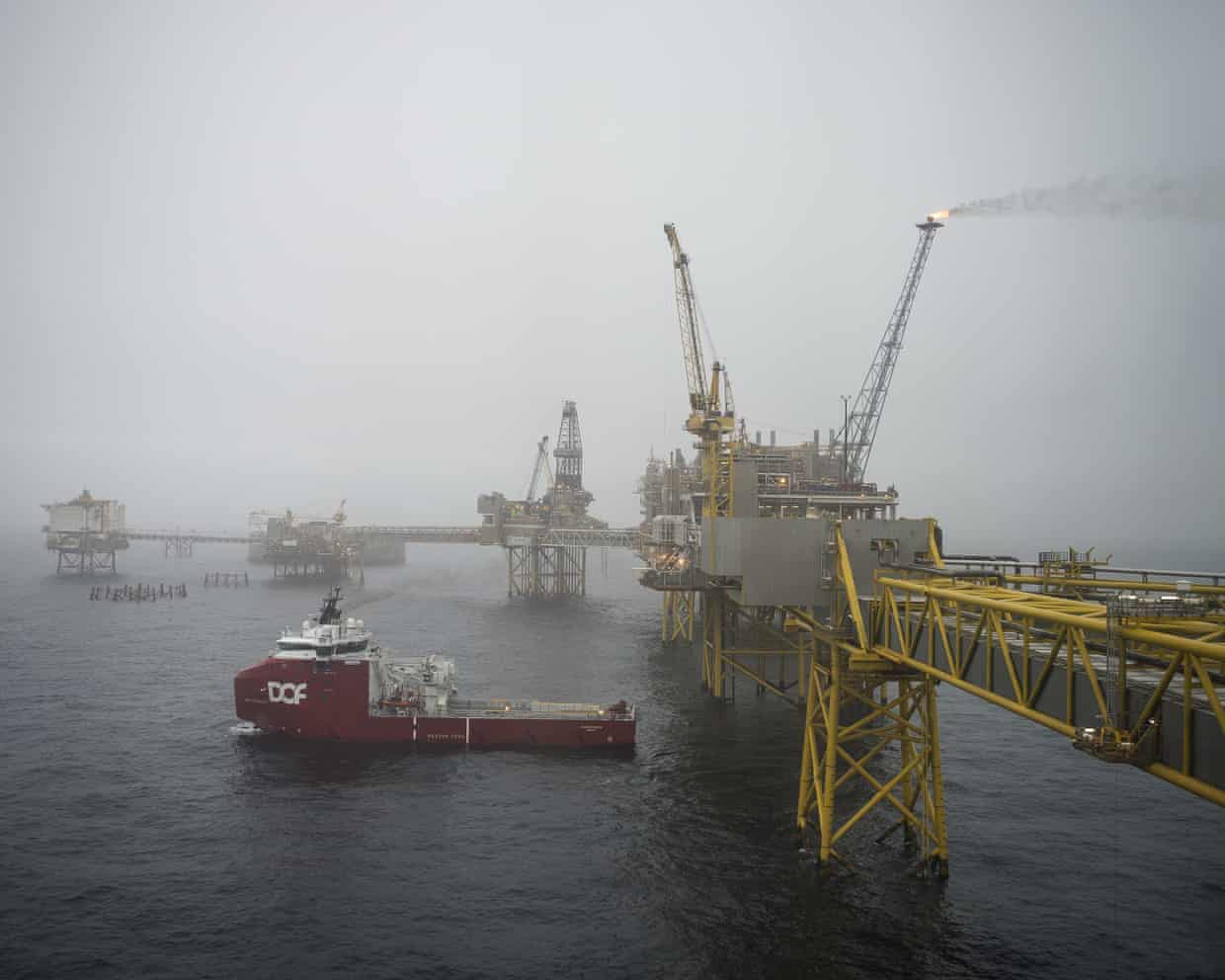
The Norwegian government has been heavily criticised for approving plans to reopen three North Sea gasfields nearly three decades after they were closed to help fill the gap in energy supplies created by the Middle East war.Amid sharp price rises in oil and gas since the US and Israel’s attack on Iran in February, Oslo has also given its approval for oil and gas companies to explore in 70 new locations in the North Sea, Barents Sea and Norwegian Sea.The decision by the Labour-run government goes against the advice of the country’s environment agency and has infuriated left-leaning parties.“We live in troubled times,” the prime minister, Jonas Gahr Støre, said as he announced the decision, which would “create great value for the community, lay the foundation for good jobs throughout the country, ensure our common welfare and contribute to Europe’s energy security and safety”.The Albuskjell, Vest Ekofisk and Tommeliten Gamma gasfields in the North Sea were closed in 1998

In this budget, all eyes are on CGT. But Labor’s rumoured family trust tweaks might also help fight tax inequality | Greg Jericho
When it comes to how wealth and high income is taxed in this country, it is not hard to agree with F Scott Fitzgerald’s line that “the rich are different from you and me”.The difference between the rich and the rest is abundantly clear when you look at how most people make money. Whereas most of us get money from salary and wages, those who earn $1m or more a year generate most of their income through capital gains, dividends and partnerships and trusts:If the graph does not display click hereUnsurprisingly, the way millionaires make money makes it much easier to avoid tax – whether through the current 50% capital gains tax (CGT) discount or the complex tax arrangements of trusts.But the government finally seems ready to address the gross inequality in the tax system. As I wrote two weeks ago, the strong rumour is that the CGT 50% discount will be abolished and replaced with the pre-1999 system of only taxing real gain
‘Your craft is obsolete’: WiseTech staff in limbo as AI touted as better than humans
Staff at WiseTech have been waiting almost three months to be told if they’re among the 2,000 people the logistics software company is to cut due to advances in AI, with workers criticising the wait as stressful and “ridiculous”.The comments come as its founder on Tuesday told investors an AI agent could learn a human’s job in just 15 minutes, according to the Australian Financial Review.The Australian Stock Exchange-listed company announced in late February that it would lay off almost 30% of its workforce across 40 countries, with 2,000 of the 7,000 jobs set to go over the next 18 months.Some areas would be hit harder than others, with product and development and customer service teams expected to be reduced by up to 50%, chief executive Zubin Appoo told an investor briefing in February.“The era of manually writing code as the core act of engineering is over,” Appoo said

New Mexico proposes $3.7bn fine for Meta and sweeping changes to its social platforms
Meta has returned to court in the US this week for the second phase of a lawsuit brought by Raúl Torrez, New Mexico’s attorney general, following a March verdict that found the company liable for child safety failures and imposed a $375m fine. On Monday, the state petitioned for a legal sanction against the company, a monetary penalty 10 times the original amount, and a sweeping, drastic overhaul of Meta’s child safety protocols.In the second part of the landmark case, known as the remedies phase, the state is asking for Meta to be declared a public nuisance and for the judge to order the company to pay $3.7bn in an abatement plan. The money would fund programs for law enforcement, mental health services and educators

Rugby union’s Pacific heartlands threatened by NRL spree after Moana Pasifika’s collapse
There’s a new war in the Pacific brewing, with the Super Rugby side Moana Pasifika collapsing and rugby league on a new signing spree in union’s traditional heartlands.The conflict spells trouble for Rugby Australia (RA), whose federal government is funding a $600m NRL franchise in Papua New Guinea, $240m of which will go into poaching talent and creating pathways throughout Fiji, Tonga, Samoa and the Cook Islands.For more than a century, since British soldiers introduced it to further the Empire, rugby union has been the national sport of all four Pacific countries. Fiji have led the way with two Olympic gold medals in sevens (2016 and 2020) and a 15s side are now neck-and-neck with Australia in the world rankings. Players with Pacific and Polynesian blood are now an invaluable part of almost every international side

‘I’m getting my mama a new house’: what happens when a huge pay boost changes WNBA players’ lives?
The WNBA is entering its 30th season, a milestone worthy of as big of a celebration as its players could muster – and this year, they mustered up a lot. The Women’s National Basketball Players Association (WNBPA) negotiated a landmark collective bargaining agreement (CBA) with the league that, among other things, introduces a revenue sharing system and an estimated average salary of $583,000.This season, all players will make the minimum of $270,000, up from $66,000; others may make as much as $1.4m. It’s money that Alysha Clark, a veteran forward for the Dallas Wings and vice-president of the WNBPA, describes to the Guardian as “amazing”
The problem with RFU’s handling of Six Nations review is that England fans aren’t stupid | Robert Kitson
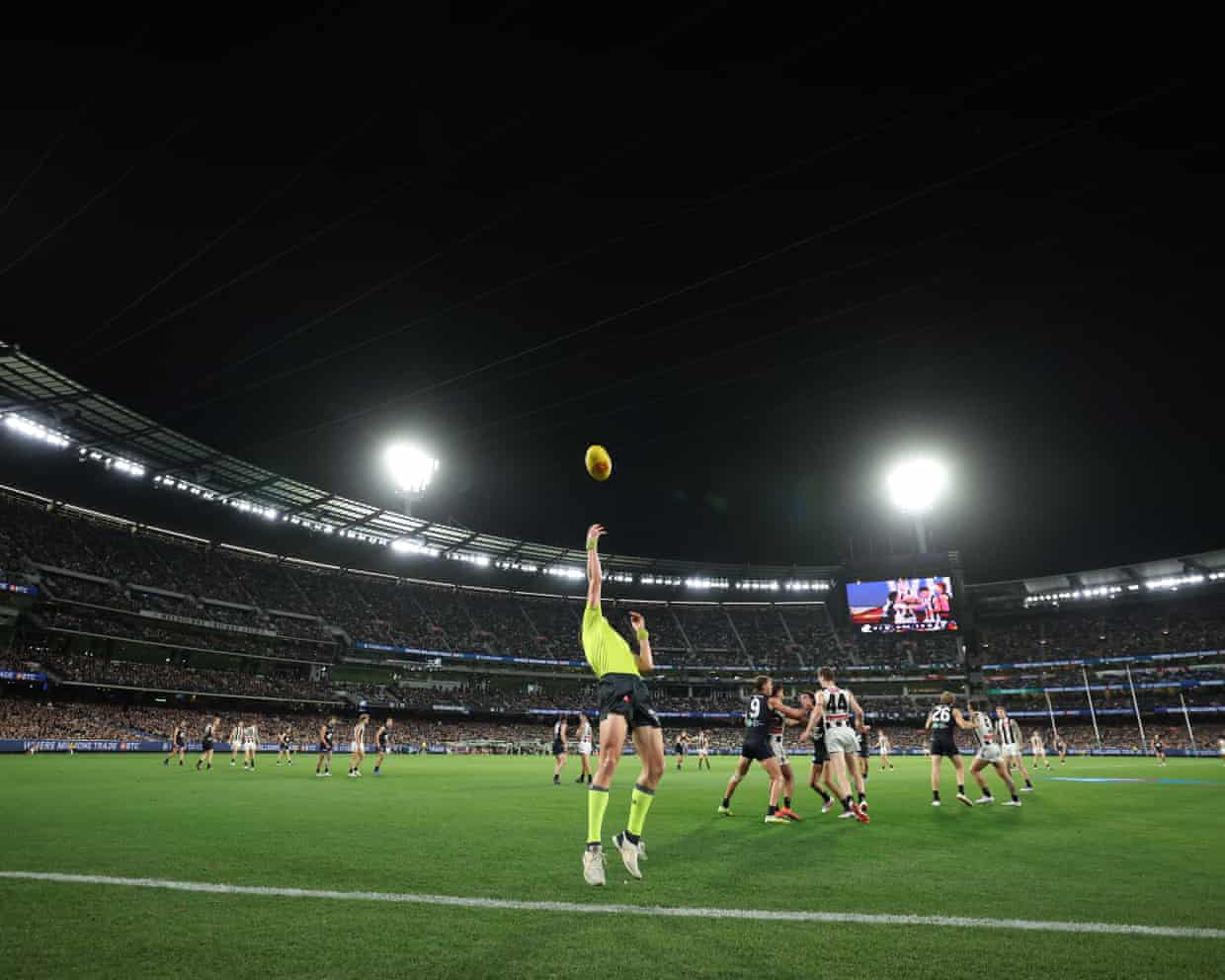
From the Pocket: uncomfortable questions have rightly been asked of Carlton – their response doesn’t cut it

Timberwolves accuse Wembanyama of goaltending after Spurs star sets NBA playoff block record

Emma Raducanu suddenly withdraws from Italian Open after press conference

Jon Rahm free for 2027 Ryder Cup after striking deal with DP World Tour

Wu Yize cements China’s status as premier snooker force as younger generation takes over