‘Close to zero impact’: US study casts doubt on effect of phone ban in schools
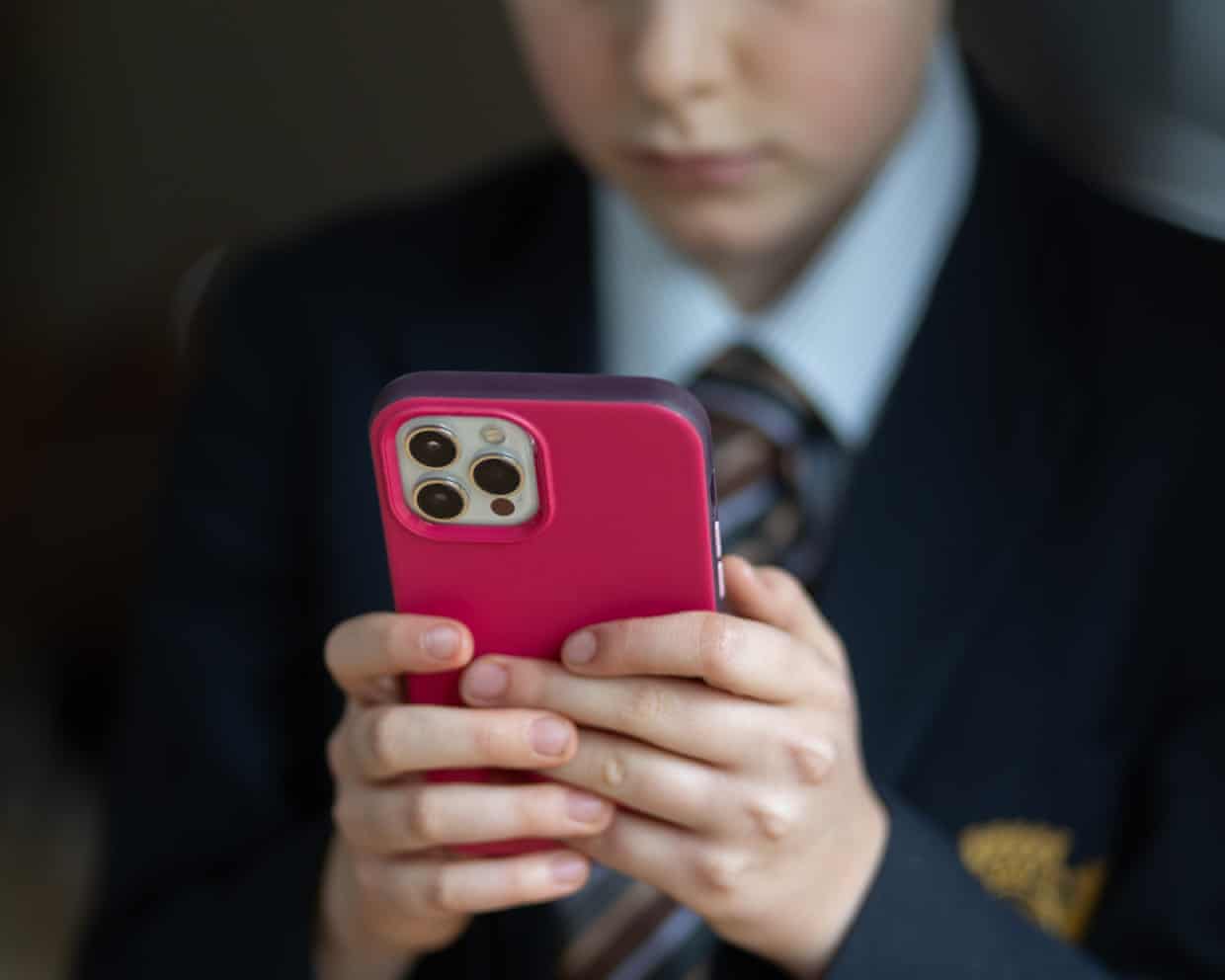
Strict bans on mobile phones in schools have “close to zero” impact on student learning and show no evidence of improvements in attendance or online bullying, a study has found.Researchers at US universities including Stanford and Duke looked at nearly 1,800 US schools where students’ phones were kept in locked pouches and found little or no differences in outcomes compared with similar schools without strict bans.The report concluded that among schools instituting a ban: “For academic achievement, average effects on test scores are consistently close to zero.”The results will come as a disappointment to teaching unions and campaigners in England who backed the government’s recent move to restrict the use of mobile phones in schools.A ban is likely to come into force next year.
But Prof Thomas Dee of Stanford University’s graduate school of education, one of the report’s authors, said it would be wrong for policymakers to see the results as a reason to shy away from restrictions.“One of the concerns I have about this study is that it might encourage people to walk away from phone bans as a compelling reform.And I think that would be a major mistake,” Dee told NPR.“There are some encouraging results in the midst of these mixed findings.They are driving down phone usage, and as schools have longer experiences with phone bans, we’re seeing a shift towards more positive outcomes.
”The study, published by the National Bureau of Economic Research, concentrated on secondary schools that required students to place their phones in magnetic pouches and found a substantial fall in phone activity by the third year of a ban based on GPS data analysed by the researchers.But lower phone use did not translate into measurable improvements in student attainment or other non-academic outcomes.“Average effects on standardized test scores are close to zero and precisely estimated, with similarly small and null effects on attendance, classroom attention, and perceived online bullying,” the researchers concluded, including relatively small “modest positive effects” on maths scores among older students and negative effects on younger pupils.It also found a rise in suspensions and a dip in students’ feelings of wellbeing in the first year after a ban as schools adapted to the change.“Over time, however, disciplinary impacts fade and wellbeing rebounds, becoming positive in subsequent years,” the report said.
Last month, the UK’s Department for Education announced that it would legislate to make restrictions on phones a statutory requirement for England’s state schools.Recent research by England’s children’s commissioner found that more than 90% of schools already had policies barring the use of phones but the new rules are likely to toughen those policies by requiring phones be handed in or locked away during the school day.The Girls’ Day School Trust, which runs 25 private and state schools, has announced a ban on phones for pupils up to year 11 from September, citing the harmful effects on girls in particular.Philip Purvis, the trust’s director of education, said: “There is a growing body of research showing the potential harms of mobile phones and social media use, along with recent large-scale studies highlighting the specific impact on teenage girls, from addiction to poor mental health and wellbeing.”As the A-level and GCSE season approaches, England’s exam regulator has warned students not to take phones or smart watches into exam halls after more than 500 candidates were disqualified last year.
Ian Bauckham, the chief regulator of Ofqual, said: “Being found with a smart device during an exam can have serious consequences, including loss of marks or disqualification from the subject.Do not become one of those statistics and risk your qualification and your future prospects.Keep your phone out of the exam hall.”
Dame Shirley Porter obituary
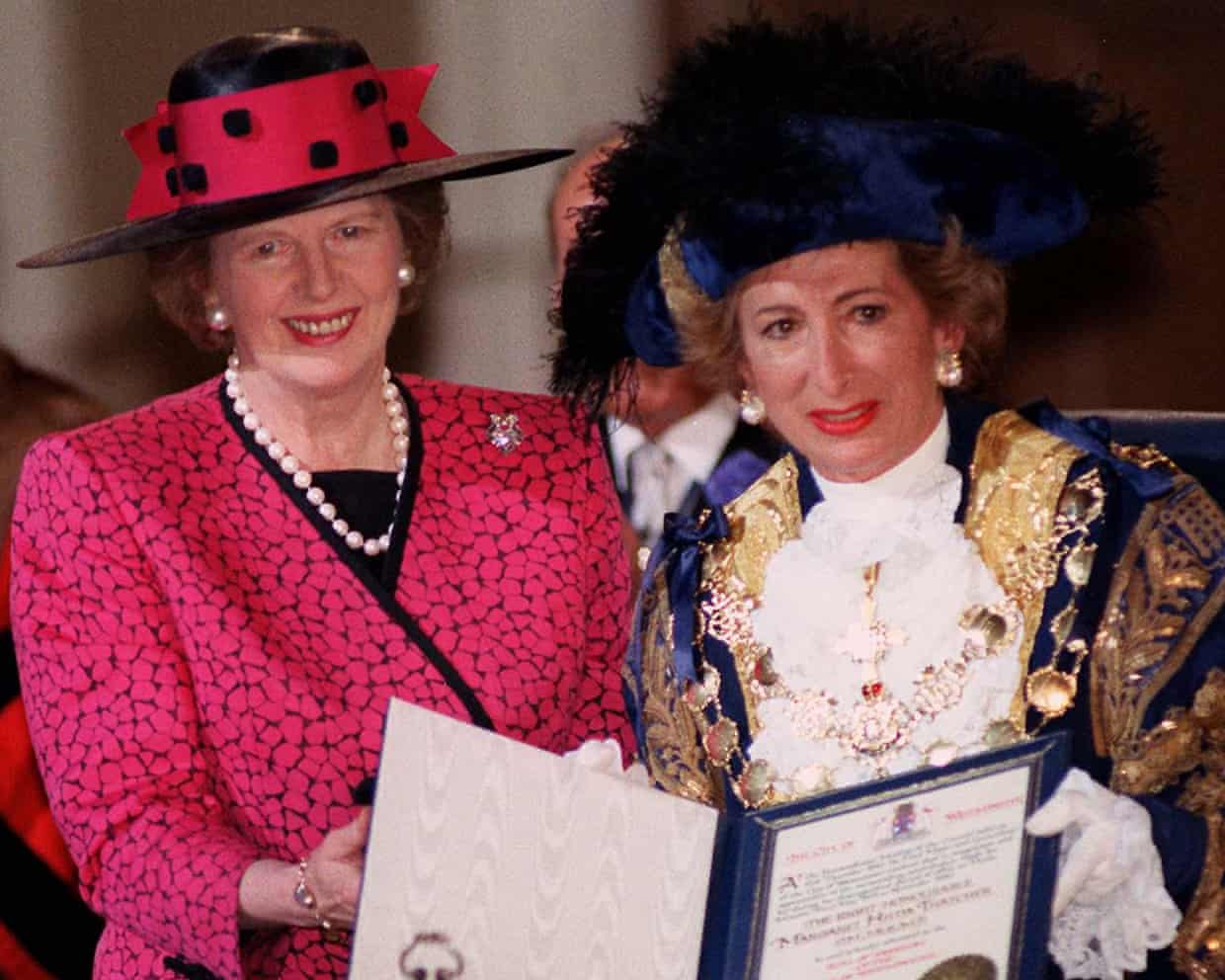
There was a time in the late 1980s when Shirley Porter was the second most famous and powerful female politician in Britain: “the Iron Lady of the town halls”. Like her heroine, Margaret Thatcher, she was a grocer’s daughter, though the family business, Tesco, was somewhat bigger than the prime minister’s corner shop. Porter’s eventual fall from grace was devastating both for her personal reputation and for Thatcherism’s perceived way of doing things. She was, simply, the most corrupt politician of her time.Porter, who has died aged 95, was pursued by the district auditor from her power base at Westminster city council, where she was leader for eight years, 1983-91, and eventually found to have acted illegally in selling council houses with the aim of increasing Conservative votes, in what became known as the “homes for votes” scandal

‘Group is a lifesaver’: strangers buy Wetherspoon’s meals for homeless people through app
Carl used to own pubs – several of them – and a string of hotels. Then two years ago, rising costs forced him into bankruptcy. Now he sleeps on the beach in summer, and in winter sits in an all-night McDonald’s nursing a single cup of coffee.Carl’s daughters are in a different part of the country with his ex-wife. To maintain the illusion that he lives a normal life, Carl is careful only to video-call them from the local Wetherspoon’s with a meal and a drink carefully positioned in shot

Man produces sperm from testicular tissue frozen as a child in breakthrough trial
In a groundbreaking fertility trial, a man whose testicular tissue was frozen before he underwent chemotherapy as a child to be re-transplanted 16 years later has been able to produce sperm.It is the first time a transplant of cryopreserved prepubertal testicular tissue has been demonstrated to restore sperm production in an adult patient. The 27-year-old man had the sample frozen when he was 10, before undergoing potent chemotherapy as part of treatment for sickle cell disease.“This is a huge finding,” said Prof Ellen Goossens, of the Vrije Universiteit Brussel, who led the trial. “Many more people will have hope that they can have biological children

Coalition accused of secretly giving big tobacco lobbyists private platform in parliament
Anti-smoking campaigners have accused the Coalition of secretly giving tobacco giants access to a parliamentary inquiry, a move they say undermines more than 15 years of precedent to protect public health.On Monday, representatives from tobacco company Philip Morris appeared before a Senate committee considering the illegal tobacco trade in Australia.Chaired by South Australian Liberal senator Leah Blyth, the committee also heard from anti-smoking campaigners, health groups and Australian Border Force, but Labor, the Greens and the Australian Council on Smoking and Health raised concerns that executives from cigarette manufacturers were allowed to give evidence in a closed session in Canberra.The committee published a full program for Monday’s hearings, but did not list evidence from Philip Morris or any other “in camera” – or private – session.Labor senator Jana Stewart and Greens senator Jordon Steele-John objected to the in-camera evidence by representatives of Philip Morris on Monday afternoon
Thousands of cancer patients in England to benefit from new immunotherapy jab
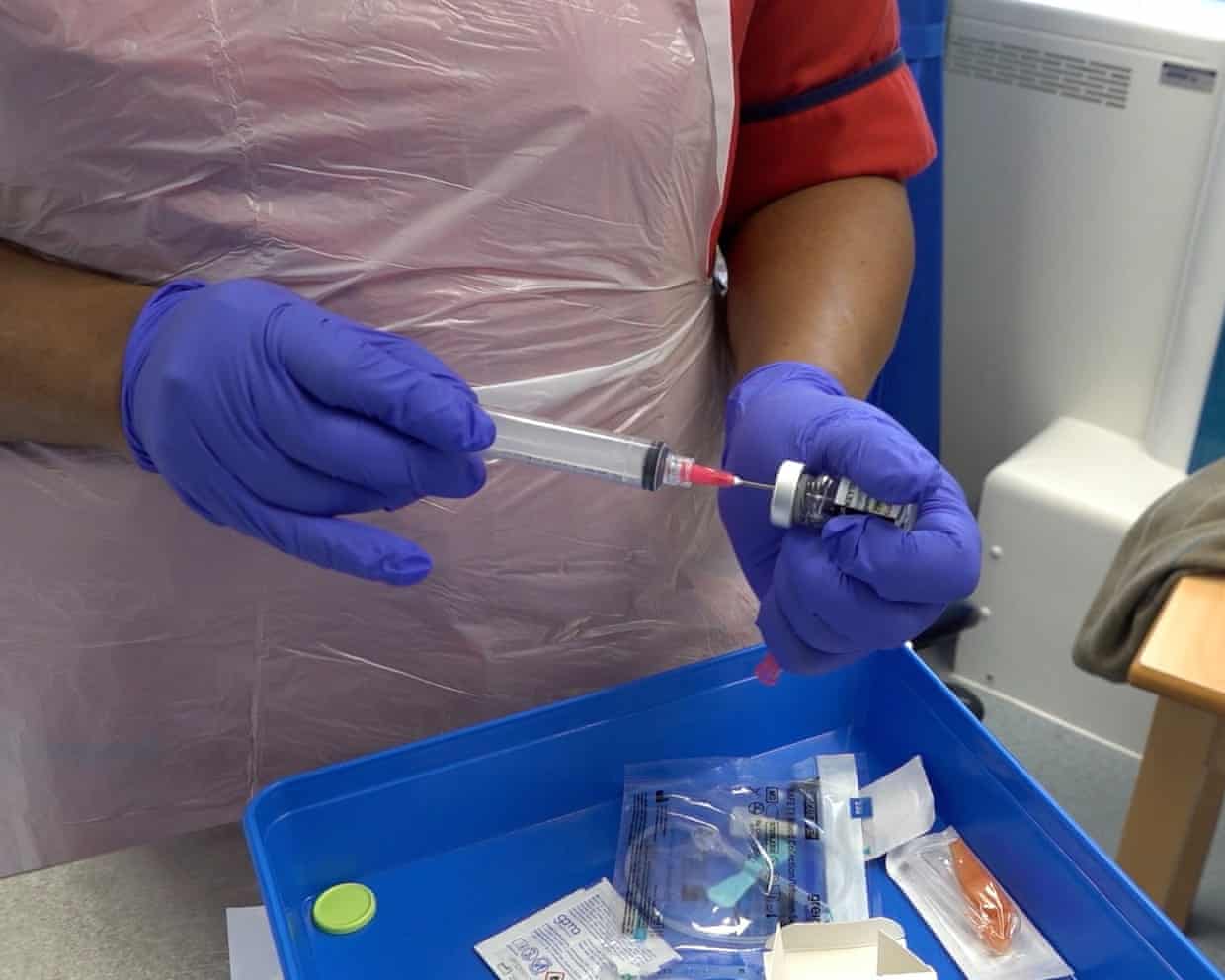
Thousands of patients across England each year will benefit from a new immunotherapy treatment that can be used for several types of cancer, the NHS has announced.The injectable form of pembrolizumab, which can be administered in under two minutes, kills cancer cells by blocking a protein called PD-1, which acts as a brake on immune responses, allowing the immune system to recognise and attack cancer cells.This new form of immunotherapy will replace pembrolizumab, which is administered via an intravenous drip in a specialist clean room. Preparing and administering it can be time-consuming and expensive for NHS staff to maintain, taking about two hours per session for patient.Most of the 14,000 patients already taking pembrolizumab are expected to benefit from the new injectable version

‘We can’t live behind walls’: Muslim-Jewish networks will not give up after Golders Green attack
‘I feel punch drunk,” says Laura Marks, the co-founder of Nisa-Nashim, a Jewish-Muslim women’s network, referring to the alleged attempted murder of two Jewish men in north London this week: “Every day it feels like there is something else. It’s relentless.”Nisa-Nashim was set up as a charity eight years ago to bring Jewish and Muslim women together through social events. The idea was to nurture relationships in UK communities that could help overcome the distrust, division and religious stereotyping exacerbated by Israel-Palestine tensions in the Middle East.The violence in Golders Green, the latest in a wave attacks targeting the Jewish community in the UK amid the deepening Middle East conflict, can feel like a demoralising rebuke to voluntary projects such as Nisa-Nashim that for years have been working relentlessly for community cohesion

Farage’s partner refuses to confirm how she paid for house in his constituency
‘Close to zero impact’: US study casts doubt on effect of phone ban in schools

Badenoch defends seeking a ban on pro-Palestine marches but not Tommy Robinson ones – as it happened
Farage deploys the rottweiler to distract from awkward £5m gift story | John Crace

There’s no excuse for boozing at work | Brief letters

Greens must take immediate action against antisemitism in party, says Lucas