‘A test of our values’: Starmer to call for whole-society response to rising antisemitism
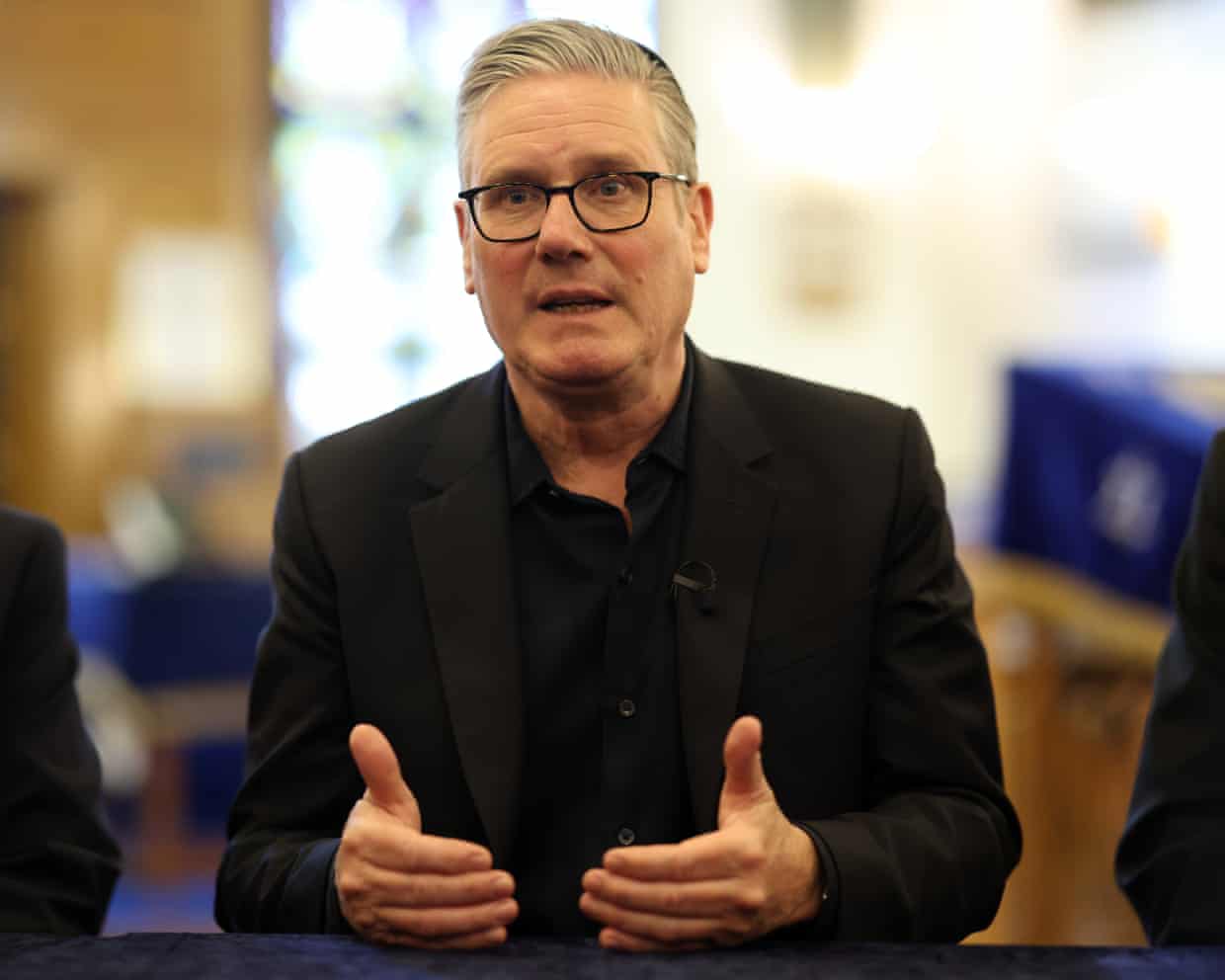
Keir Starmer will call for a whole-of-society response to rising antisemitism on Tuesday, saying that it is not enough simply to condemn the scourge, but people “must show it” through their actions too.Before a roundtable event at Downing Street, the prime minister will call for action on all forms of antisemitism, after a knife attack against the Jewish community in Golders Green last week, a spate of serious arson attacks and the terror incident in Heaton Park in October.Sarah Sackman, the Labour MP for Finchley and Golders Green, said there had been a “lack of vocal solidarity” from parts of the liberal left, including some anti-racist organisations, in the face of rising antisemitism across the UK.No 10 will host representatives from across society including business, charities, health and culture, higher education and policing, for talks with the Jewish community.Starmer is expected to say they all need to refuse to platform hatred or turn a blind eye to extremism.
“Last week’s terrorist attack in Golders Green was utterly appalling.But it was not an isolated incident.It is part of a pattern of rising antisemitism that has left our Jewish communities feeling frightened, angry, and asking whether this country, their home, is safe for them,” he will say.“These disgusting attacks are being made against British Jews.But, make no mistake, this crisis – it is a crisis for all of us.
It is a test of our values.Values that are not guaranteed, but are earned.Every single day, through our actions.“So, it is not enough to simply say we stand with Jewish communities.We must show it.
And that responsibility lies with each and every one of us.”Starmer will also convene minsters for the latest Middle East response committee, this time focused on the domestic security implications of the conflict, in particular the heightened threat to Jewish communities.The government has announced an additional £25m in funding to increase police patrols, enhance security at synagogues, schools and community centres, and place specialist and plainclothes officers in communities.The Golders Green stabbings have intensified calls for action, coming within weeks of other antisemitic incidents in the same area.The police are investigating whether these incidents involved criminal proxies acting for Iran.
Sackman, who is also the courts and legal services minister, said there has been an outpouring of support since last week’s knife attack in her constituency, with messages from Christian and Muslim faith leaders.The incident had “clearly resonated” with people, she added.“For a minority community to come under this sort of sustained level of threat and attack purely for our identity, you would expect in the normal run of things for anti-racist organisations, for trade unions, for cultural leaders to speak out,” she told the Times.“I think what has been notable is, for some time now, a lack of vocal solidarity from the moderate majority.You would expect our anti-racist movement, who quite rightly come out vocally, regularly for other minoritised communities to have responded in kind.
”Last week she wrote for the Guardian saying Jewish people wanted to go about their daily lives – working, taking their children to school and practising their faith – free from fear.Sackman wrote that she now finds herself gripping her daughters’ hands more tightly, adding that many British Jews feel exhausted and afraid.“Where are the marches in solidarity and support of our Jewish community? Where is the response of the liberal left? Where are the anti-racists, the trade unions, civil society, our friends and neighbours?” she wrote.“Where are the leaders of the powerful tech platforms who have allowed hate to proliferate via their algorithms? Where are the university chancellors, the leaders of our cultural sector and the NHS managers who must urgently root out hate in their institutions?”
New threat to Labour spending plans as UK long-term borrowing costs hit highest level since 1998
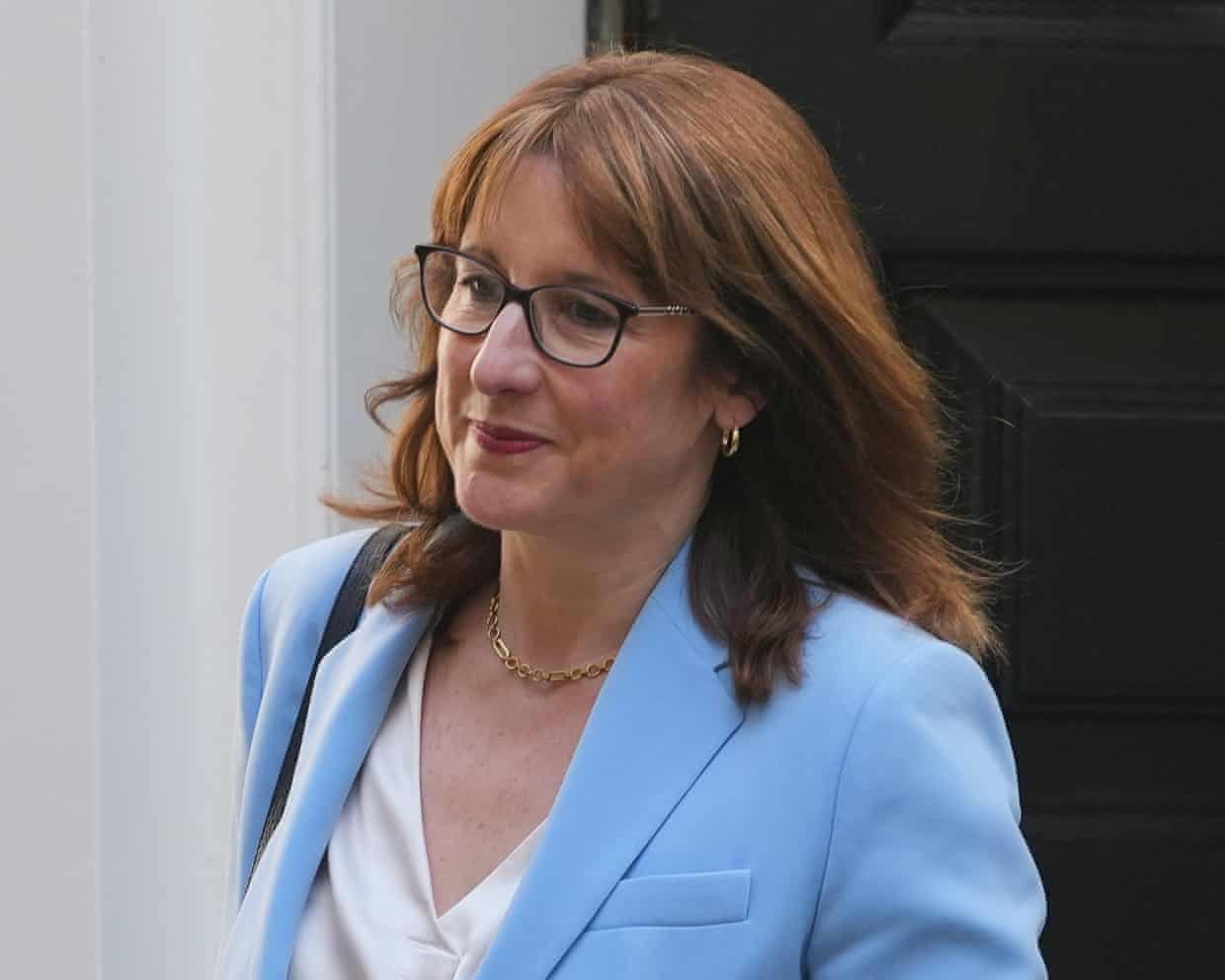
The risk to Labour’s tax and spending plans from the war in Iran was underscored on Tuesday, as long-term government borrowing costs hit their highest level since 1998.Fears of higher inflation as a result of the conflict have fuelled a selloff across government bond markets, which City analysts say has been exacerbated in the UK by uncertainty about the future of Keir Starmer’s government.The yield – effectively the interest rate – on 30-year UK government bonds (gilts) hit 5.77% on Tuesday – exceeding the 27-year high reached last September.Mohamed El-Erian, chief economic adviser at Allianz, said he was “concerned for the health of the UK economy”, after the latest market moves

UK electric car sales leap ‘could be hit by Iran war inflation and energy price rises’
A recent jump in electric car sales in the UK is likely to be “tempered” by worries over rising inflation and energy prices caused by the Iran war, a leading industry body has warned.New car sales in the UK rose by 24% year on year to 149,247 in April, according to the Society of Motor Manufacturers and Traders (SMMT).The trade body said battery electric vehicle (BEV) sales jumped by 59.1% last month and the two millionth electric car had been registered. They accounted for more than a quarter (26
Australians are poorer because of war on the other side of the world – Michele Bullock’s logic is hard to fault
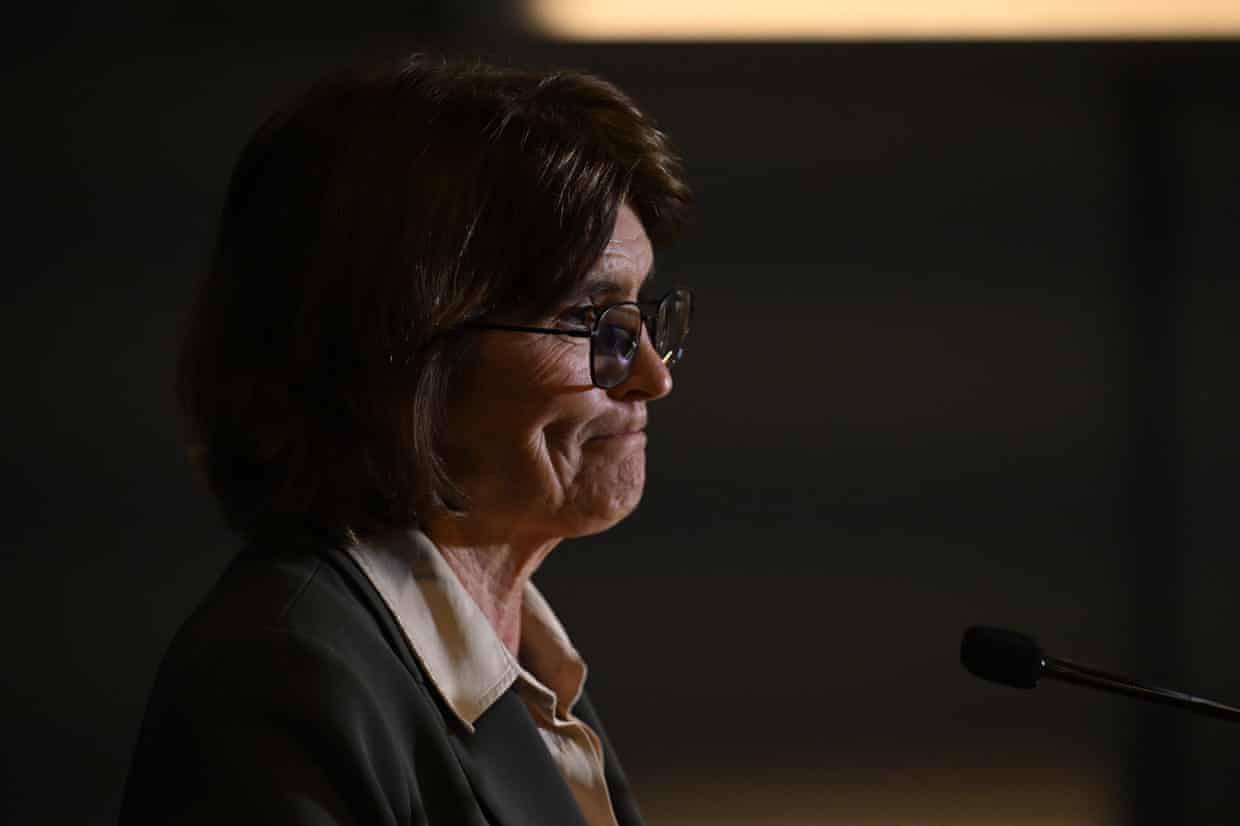
As far as rallying cries go, Michele Bullock’s “we are poorer, and there is no way out of that” leaves a lot to be desired.It’s not going to win you any applause, particularly when you’re the governor of a central bank that has just announced a third rate hike.But as a blunt way to describe what the US-Israel war on Iran means for everyday households, it’s hard to fault.“Australians are poorer because of this shock to oil prices and energy prices and all the other commodity prices that are being impacted,” Bullock told journalists.“So yes, we are all feeling poorer
Vodafone to take full control of UK mobile operator in £4.3bn deal
Vodafone is to take full control of the UK’s biggest mobile operator in a £4.3bn buyout deal with the Hong Kong conglomerate CK Hutchison.The billionaire Li Ka-shing’s business said it had agreed to sell its 49% stake in VodafoneThree – a network with more than 27 million subscribers – to its partner Vodafone.Vodafone will buy out CK Hutchison, paying cash, and cancel the shares.The deal is part of CK’s efforts to reshape its global portfolio, offloading major assets to boost shareholder returns
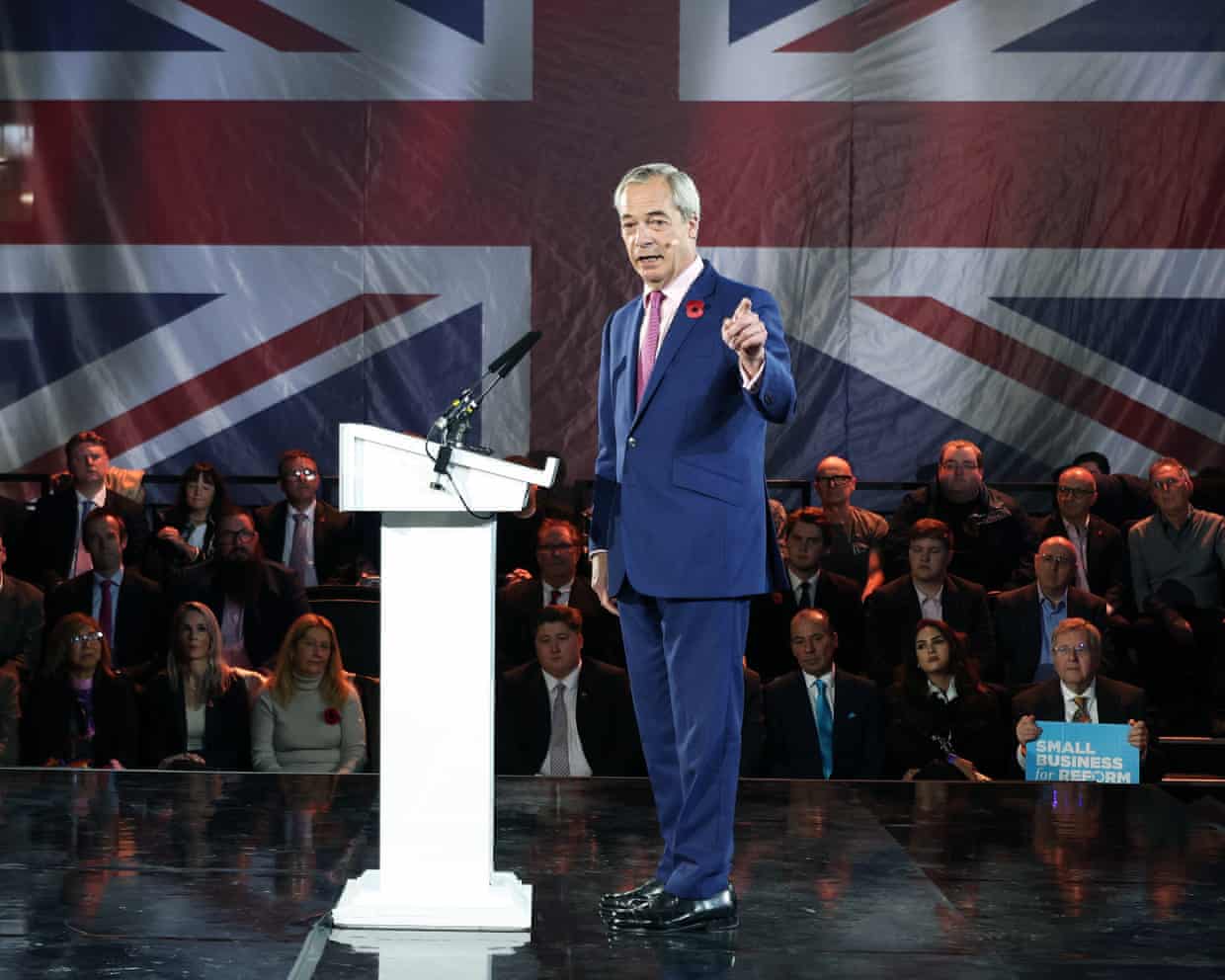
Reform UK’s immigration policies are a significant risk to the UK economy | Sushil Wadhwani
While all eyes are on the Middle East and the risk of a global recession, a possible scenario with significant downside risk for the UK economy after the next general election is building: the impact of anti-immigration policies.We do not know enough about the actual policy changes a Reform UK-led government would impose, but if we get forced repatriation (including of some who were born in Britain) combined with a climate of fear, the economic disruption could be highly significant.The number of people affected by Reform UK’s policies is necessarily uncertain, but it has been estimated that the party might want at least 2 million people to leave the country, which is considerably higher than previous talk of deporting 600,000 people.Minority ethnic NHS doctors and nurses already report that they encounter increased levels of racism at work. Home Office numbers show a steep decline in the number of foreign nurses granted entry into the UK over the past three years
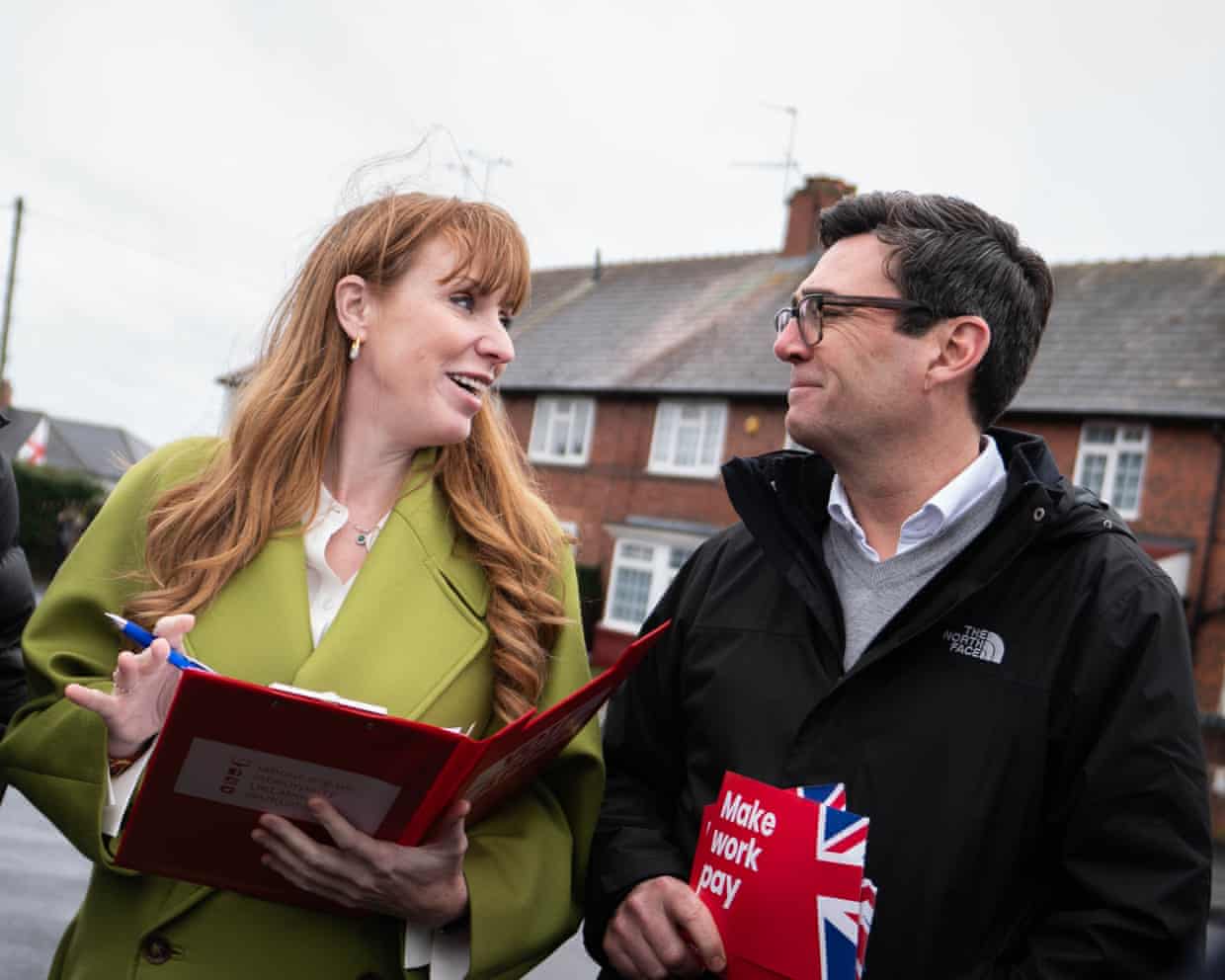
‘There is a good deal of fear’: what would a Labour leadership challenge mean for bond markets?
Who calls the shots on the bin collections in Sunderland, potholes in Hackney, or schools in Cardiff is not normally of interest to City traders in the multitrillion-pound sovereign bond market.But for those dealing in UK government debt, Thursday’s local and devolved government elections are significantly more important than usual, amid speculation that a dire showing for Keir Starmer’s Labour party could topple him as prime minister.“Usually local elections should not be a market relevant event, but this has indeed become one,” said Sanjay Raja, the chief UK economist at Deutsche Bank.“Mainly as the repercussions, not just from a leadership challenge, but also any changes to fiscal policy and any pressure on fiscal rules the chancellor had signed up to. That is what the market is really signed up to

Man produces sperm from testicular tissue frozen as a child in breakthrough trial

Coalition accused of secretly giving big tobacco lobbyists private platform in parliament

Lorraine Ribbons obituary

Martha’s rule may have saved more than 500 lives in England since 2024
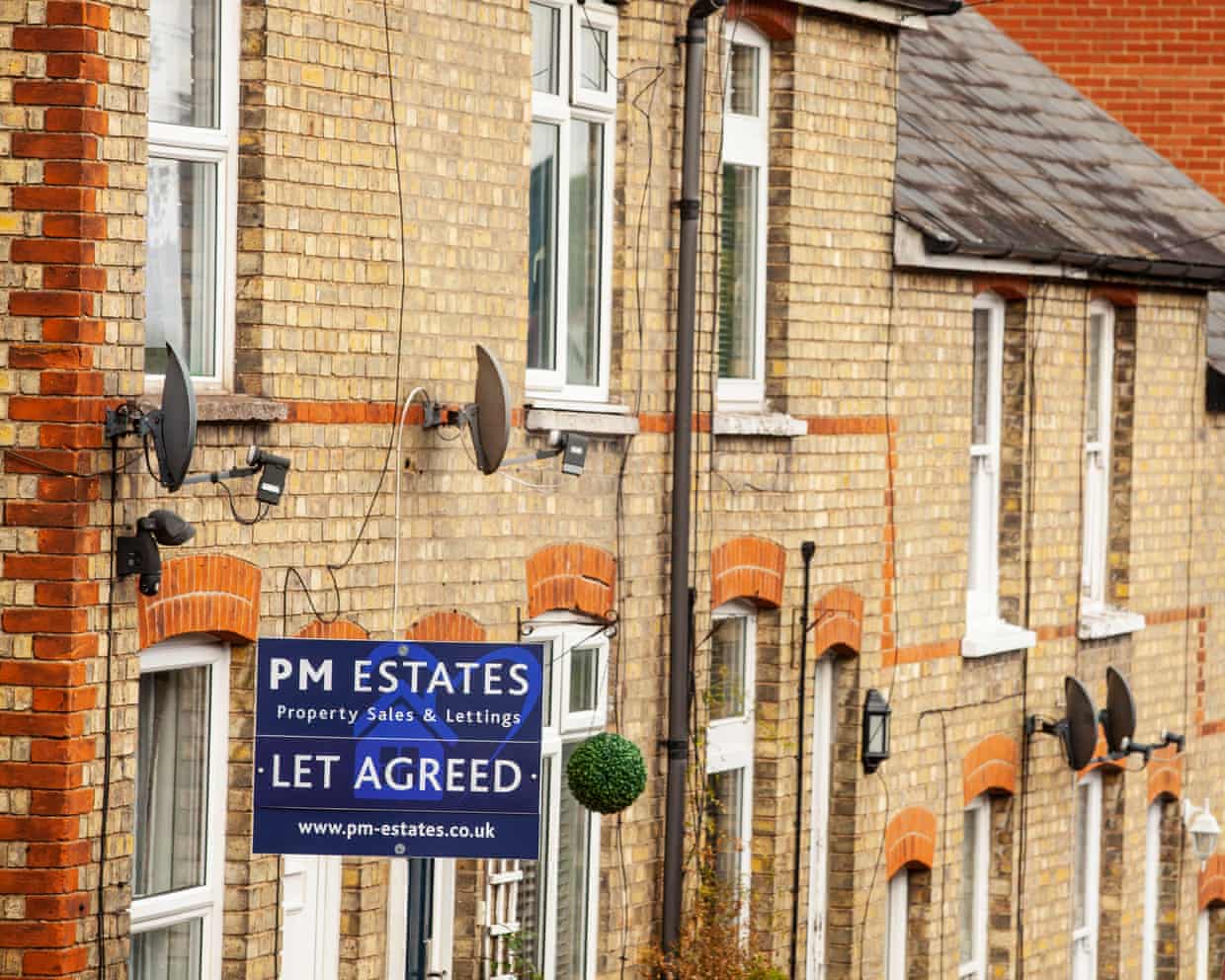
Solicitors report late flood of no-fault evictions before ban in England

Trial of non-invasive endometriosis scan boosts hopes for quicker diagnosis