UK electric car sales leap ‘could be hit by Iran war inflation and energy price rises’
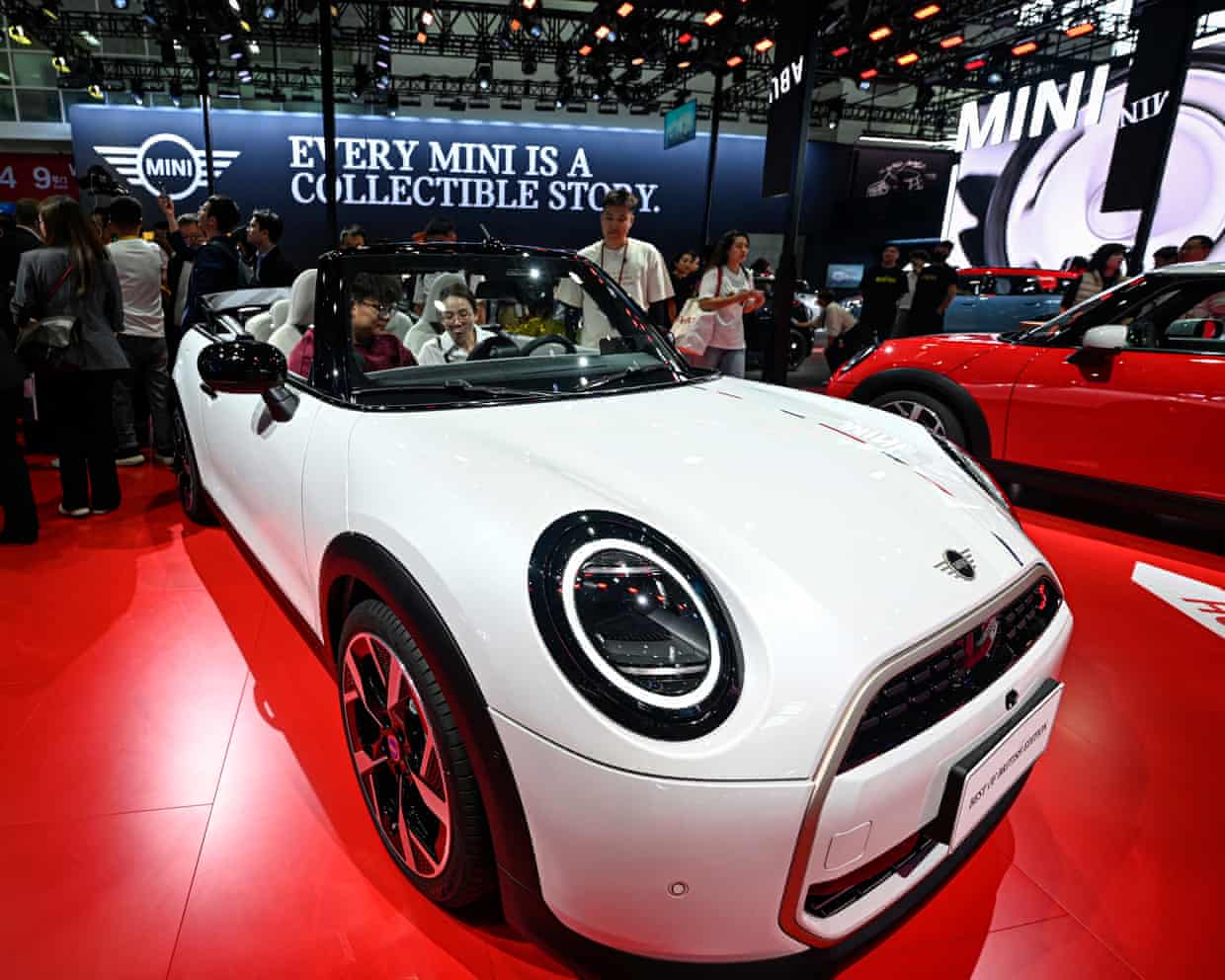
A recent jump in electric car sales in the UK is likely to be “tempered” by worries over rising inflation and energy prices caused by the Iran war, a leading industry body has warned.New car sales in the UK rose by 24% year on year to 149,247 in April, according to the Society of Motor Manufacturers and Traders (SMMT).The trade body said battery electric vehicle (BEV) sales jumped by 59.1% last month and the two millionth electric car had been registered.They accounted for more than a quarter (26.
2%) of total car sales last month.Buyers’ interest in electric cars has risen across Europe since the start of the war in Iran, as the rising cost of petrol highlights the cheaper power available from a plug.However, the SMMT said on Tuesday that the conflict’s full impact on consumers was “yet to be seen, with rising interest in EVs potentially tempered by concern over inflation, higher energy prices and the resultant negative impact on the cost of living”.Overall, the jump in car registrations last month reflected a rebound from an unusually weak April last year, after consumers had rushed to buy in March to beat incoming vehicle tax increases.The exemption from vehicle excise duty for zero- and low-emission vehicles was scrapped on 1 April last year, and the expensive car supplement was applied to BEVs.
This meant electric vehicles with a list price above £40,000 were affected by the luxury car tax for the first time, at an annual cost of £425 on top of the standard rate of duty.The threshold was later changed to £50,000 and applied retrospectively.Despite the jump in BEV sales, they have made up 23.1% of the market this year, short of the 33% required by the zero emission vehicle mandate, despite many manufacturers offering discounts and the introduction of the electric car grant last year.Car sales grew across all areas, led by fleets, up 26.
8% to 90,462 registrations.Purchases by individuals grew 20.2% to reach 56,116, while sales to the smaller business sector rose 15% to 2,669.Demand for petrol cars rose 8.2%, while diesel sales dipped 1%.
Electrified cars accounted for more than half (53.2%) of the market for the second month this year.Plug-in hybrid sales climbed 46.4% to take a 13.8% market share, while hybrid electric vehicles increased 18.
8% – 13.2% of the total.There is improving confidence in the overall market, but expectations for EV demand have weakened.Total new car sales in 2026 are now expected to rise 3.6% to 2.
093m, up from January’s 2.048m outlook, but the BEV share has been downgraded to 26.8%, from 28.5%, after a weaker than expected first quarter.Next year, the SMMT is forecasting car sales of 2.
1m, including 32% BEVs – six percentage points below the mandate target.Energy, production and charging costs remain high and consequently demand has not grown as fast as assumed when the mandate was set.It took effect in January 2024.Mike Hawes, the SMMT chief executive, said: “April’s rebound is welcome, but underlines just how significantly fiscal changes can influence the market.Two million electric car registrations is a considerable milestone to celebrate, although natural demand is still well below the level demanded by the mandate.
“The mounting cost of compliance threatens to limit consumer choice, overall decarbonisation and the sector’s competitiveness so the need for a rapid review of the transition to align policy with market realities is unchanged, else Britain’s attractiveness as a vehicle market and manufacturing hub will be put at risk.”Last month, data from the car sales website Autotrader showed the price of new battery electric cars had fallen below petrol cars in the UK for the first time.This article was amended on 5 May 2026 to clarify the list price at which the expensive car supplement applies.
Two million airline seats cut amid soaring jet fuel prices
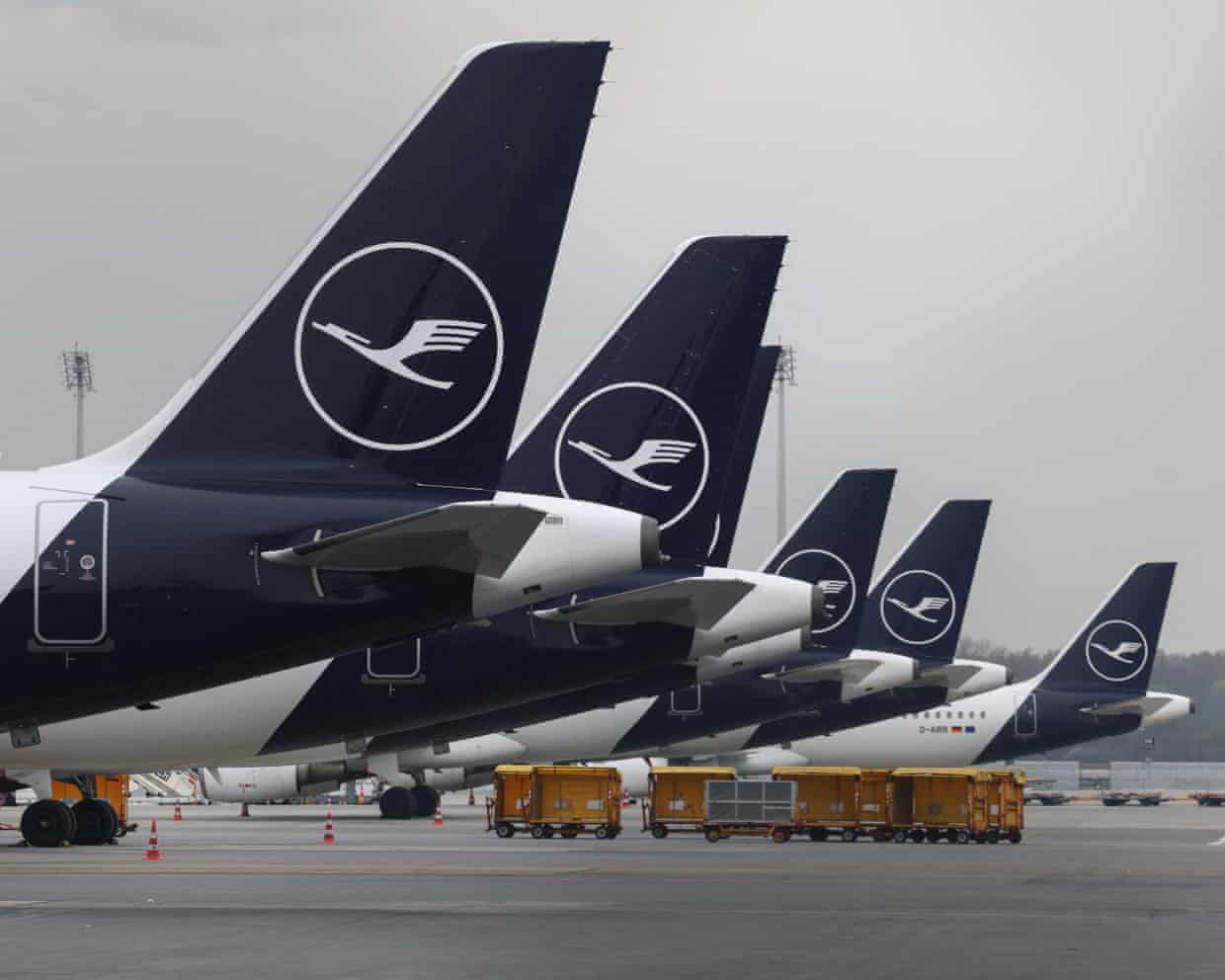
Two million airline seats have been cut from this month’s schedules as airlines redraw their operations because of soaring jet fuel prices amid the Middle East conflict.About 13,000 fewer flights will operate in May around the world after recent cancellations, according to data from the aviation analytics company Cirium.Although the figure represents less than 2% of global aviation capacity, and only a net 111 flights have disappeared from London Heathrow schedules it comes amid fears that the long-term supply of jet fuel could cause further summer cancellations, with UK airlines told at the weekend they could have more flexibility to consolidate flights on popular routes if needed.Some of the 2m seats have been cut by using smaller planes, as well as outright cancellations.Istanbul and Munich have recorded the biggest drop in flights, with Turkish Airlines and the German flag carrier Lufthansa making swingeing cuts

Stock markets are wobbling, but £10bn cash bids at fat premiums can still happen
It was a bad day for the FTSE 100 index on Tuesday – down 1.4% – but the puzzle in many quarters is why share prices haven’t fallen further since the start of the US-Israel war on Iran. The index is still up by a couple of percentage points since new year, which is not a bet most would have made at the time if they had been told an inflationary energy price shock lay around the corner.An absence of Iran-related corporate profits warnings partly explains the relative resilience, even if those usually take a while to arrive. So, too, the fact that the Footsie is overpopulated with overseas earners for whom the US economy, which isn’t suffering Europe’s soaring natural gas prices, matters more than their home market
US and tech firms strike deal to review AI models for national security before public release
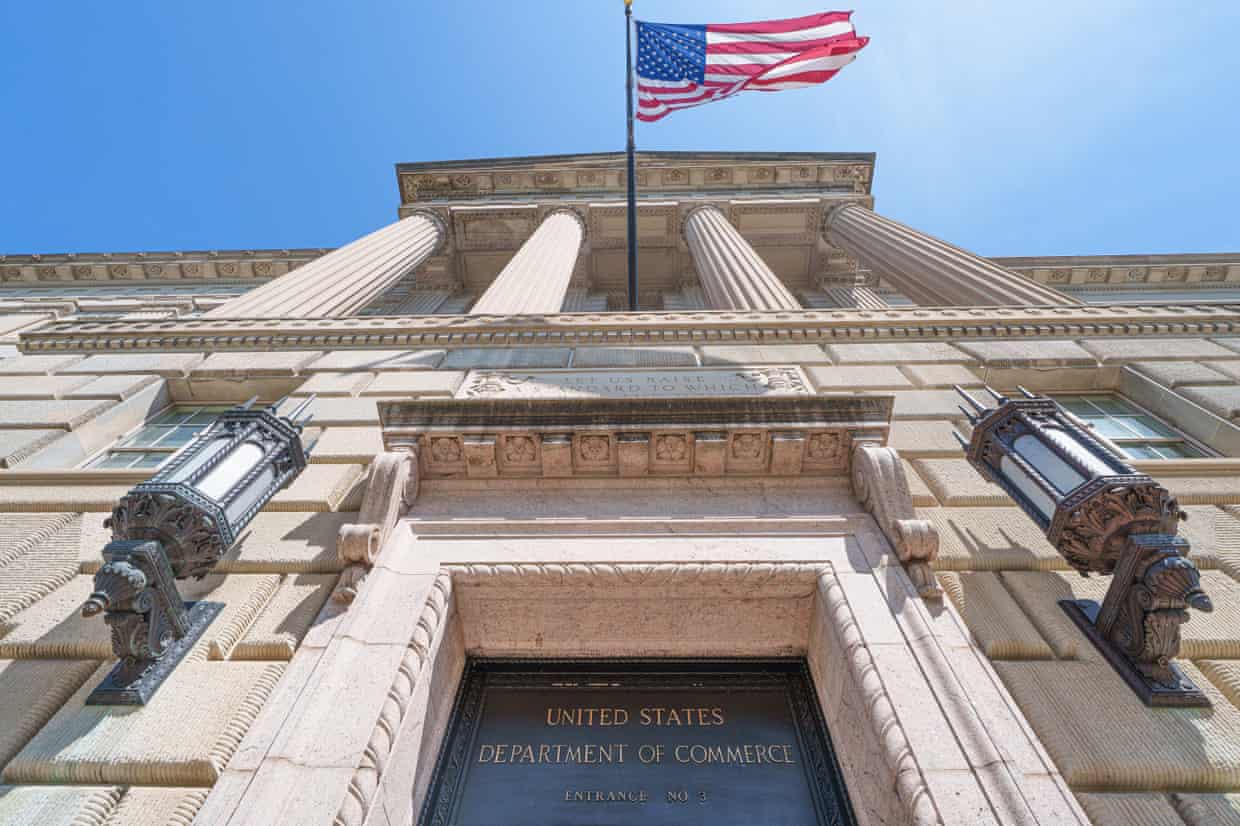
The US government has struck deals with Google DeepMind, Microsoft and xAI to review early versions of their new AI models before they are released to the public.The Center for AI Standards and Innovation (CAISI), part of the US Department of Commerce, announced the agreements on Tuesday, saying the review process would be key to understanding the capabilities of new and powerful AI models as well as to protecting US national security. These collaborations will help the federal government “scale (its) work in the public interest at a critical moment”, the agency said in a press release.“Independent, rigorous measurement science is essential to understanding frontier AI and its national security implications,” said Chris Fall, CAISI director.CAISI is an agency meant to facilitate collaboration between the tech industry and the federal government in developing standards and assessing risks for commercial AI systems
OpenAI president’s ‘deeply personal’ diary becomes focus in Musk’s case against Altman
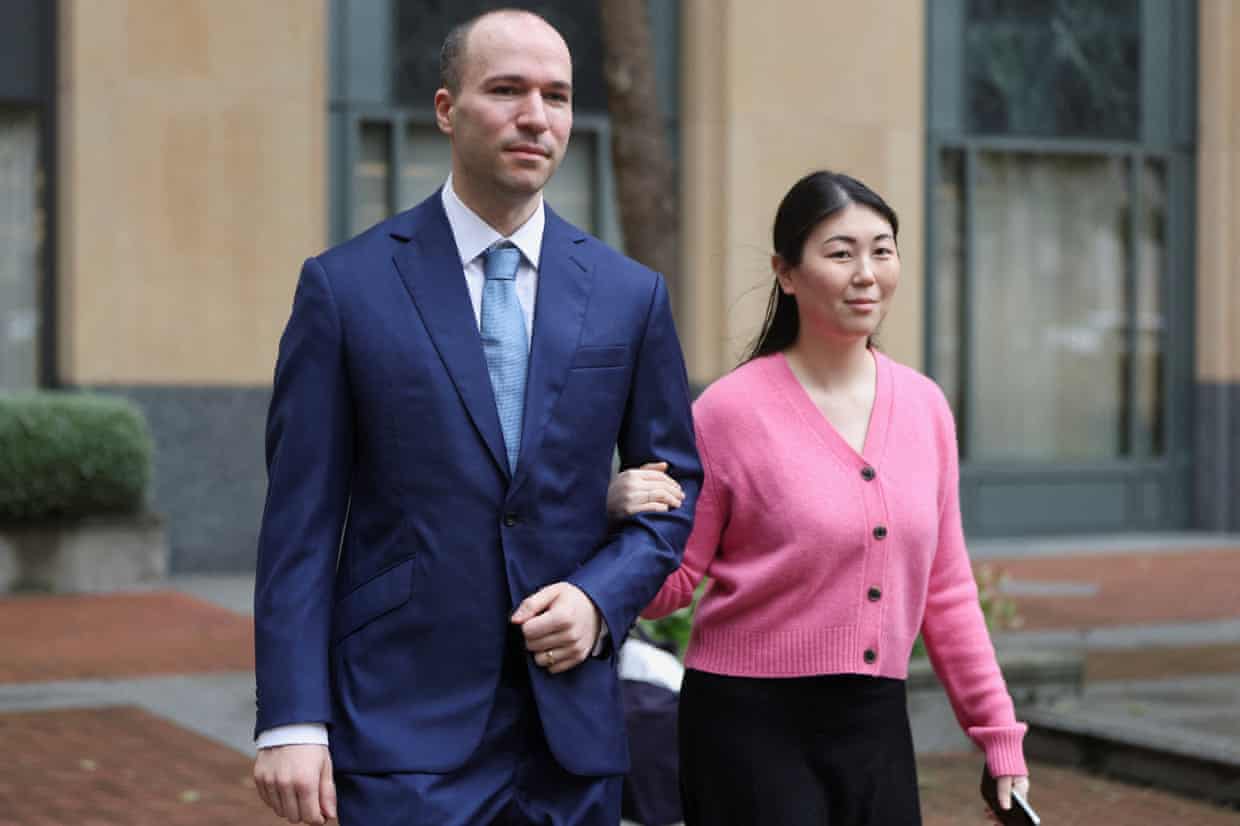
As Elon Musk’s case against OpenAI entered its second week, focus shifted to the company’s president, Greg Brockman. Over the course of several hours on Monday and Tuesday, Brockman faced questions about his emails, texts and one piece of evidence that has become central to the trial: his personal diary.Musk’s lawsuit revolves around his allegation that Brockman, OpenAI and its CEO, Sam Altman, violated the founding agreement of the artificial intelligence firm by turning it into a for-profit entity. Musk argues that Altman and Brockman also unjustly enriched themselves in the process, essentially taking Musk’s money while deceiving him about their true intent for the business. He is seeking Altman and Brockman’s removal, the undoing of the for-profit restructuring and $134bn, which Musk wants distributed to OpenAI’s non-profit

Emma Raducanu suddenly withdraws from Italian Open after press conference
Emma Raducanu has withdrawn from the Italian Open because of her continued difficulties with post-viral illness, less than 30 minutes after positively discussing her presence in Rome during her pre-tournament media interviews.Raducanu has spent the last few days competing at the Foro Italico, playing practice sets with other competitors and, having received a bye as a seeded player, she was scheduled to contest her second-round match against Solana Sierra or a qualifier.On Tuesday evening, Raducanu conducted her mandatory pre-tournament media obligations, speaking about her progress after a tricky spell. “Last two months, in the beginning, it was quite difficult,” she said. “Wasn’t feeling the best physically
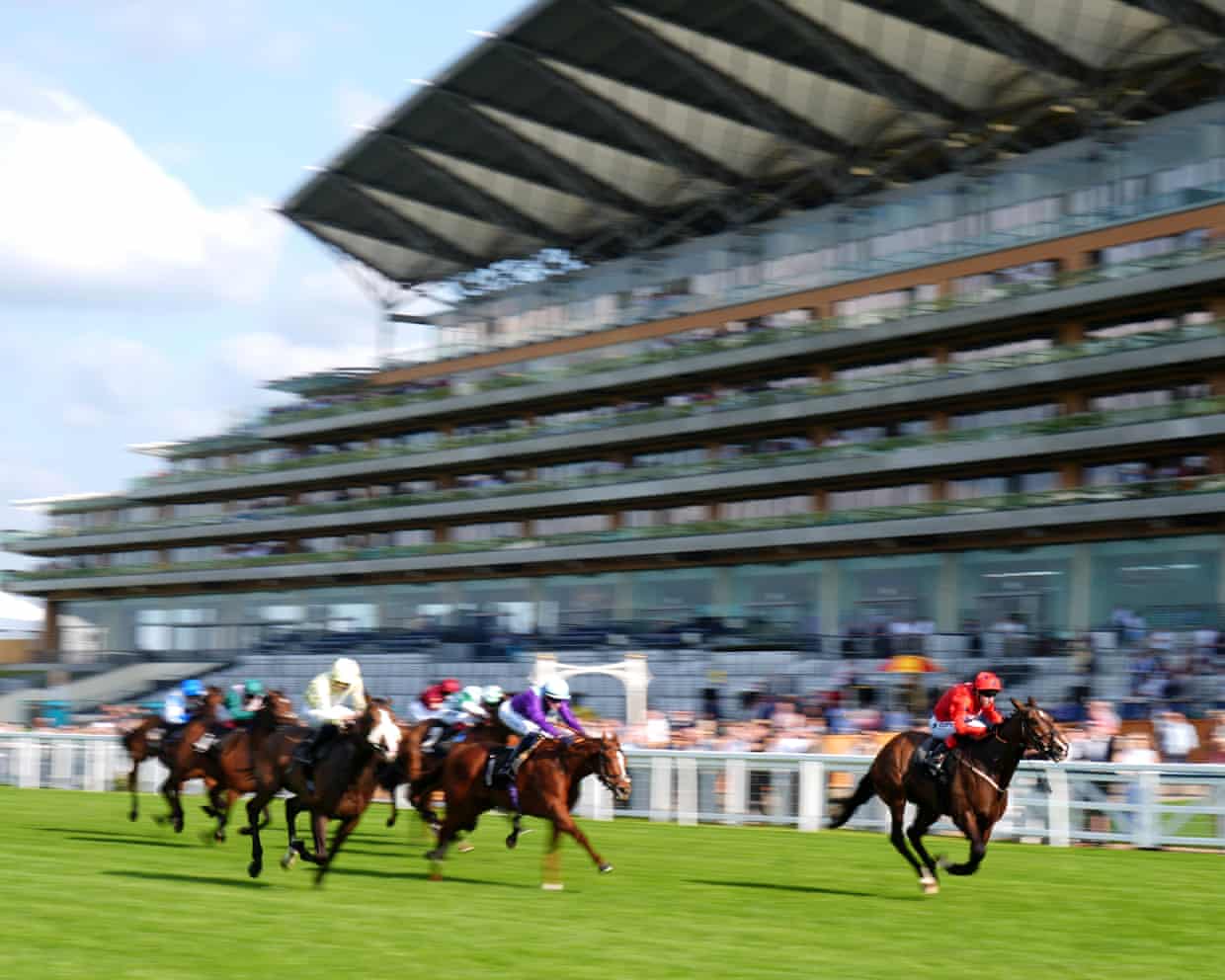
Ascot’s bold move in turf war leaves racing fighting to avoid constitutional crisis
The racing industry is such a broad and varied collection of professions, venues and interests that at times it can feel like the Holy Roman empire: there is always a turf war or two going on somewhere, but never to such an extent that the whole thing falls apart.Ascot’s announcement on Monday that it will quit the Racecourse Association (RCA) at the end of the year, however, feels like more than just another localised dispute. The email dropped at 9am on a bank holiday, as if to underline that the king’s track means business, and where Ascot has led, others may follow, putting the future of a trade association that dates back to 1907 in serious doubt.The spark that lit the fuse, just two months ago, was Charles Allen’s departure as chair of the British Horseracing Authority (BHA), after a brief and ultimately fruitless attempt to impose a modern governance structure, including a fully independent board of directors, on Britain’s second-biggest spectator sport.Ascot, along with the Jockey Club, which operates major tracks including Cheltenham, Aintree, Epsom and Newmarket, and also three key “big independent” tracks – Newbury, York and Goodwood – subsequently wrote to the RCA calling for “a formal governance review” of the Association, to ensure “significant views from key racecourses can influence outcomes”
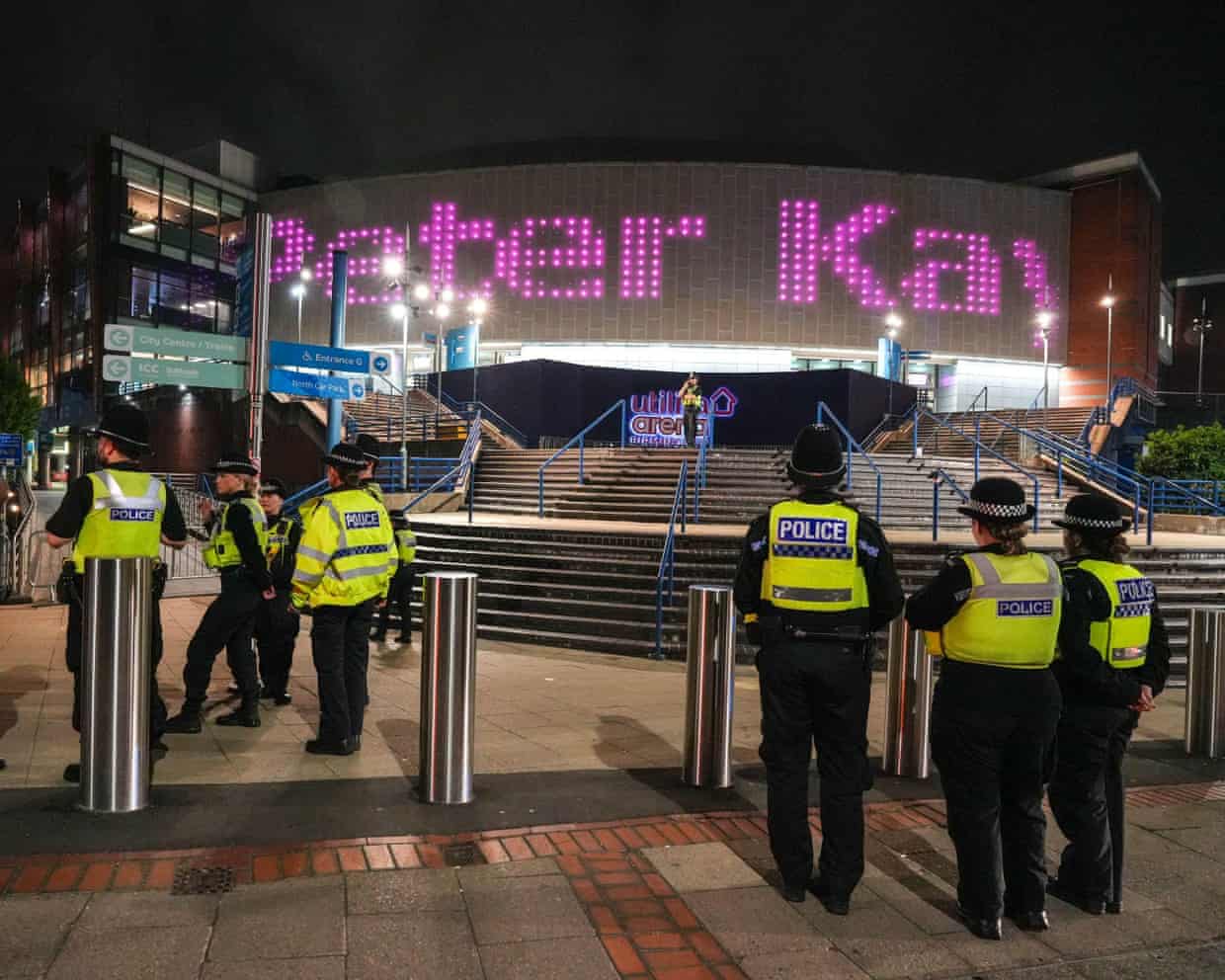
Man charged over bomb hoax after Peter Kay show evacuated

Guy Montgomery: ‘One fan took us back to his house and showed us all his guns’
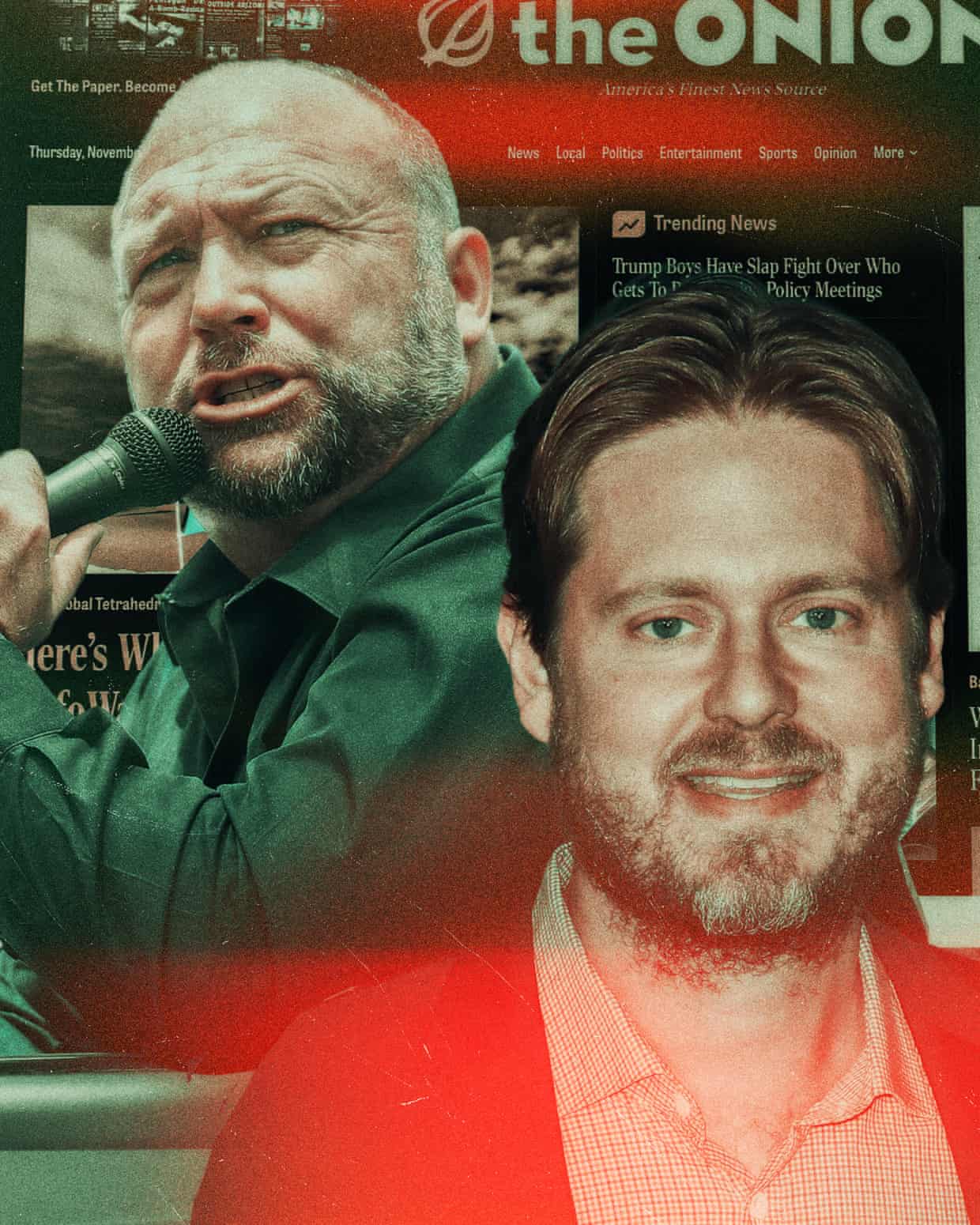
‘We have to mock the site’s insanity’: comedian Tim Heidecker on the allure of becoming Infowars’ new boss

Prince’s death made me upend my life and move to his home town
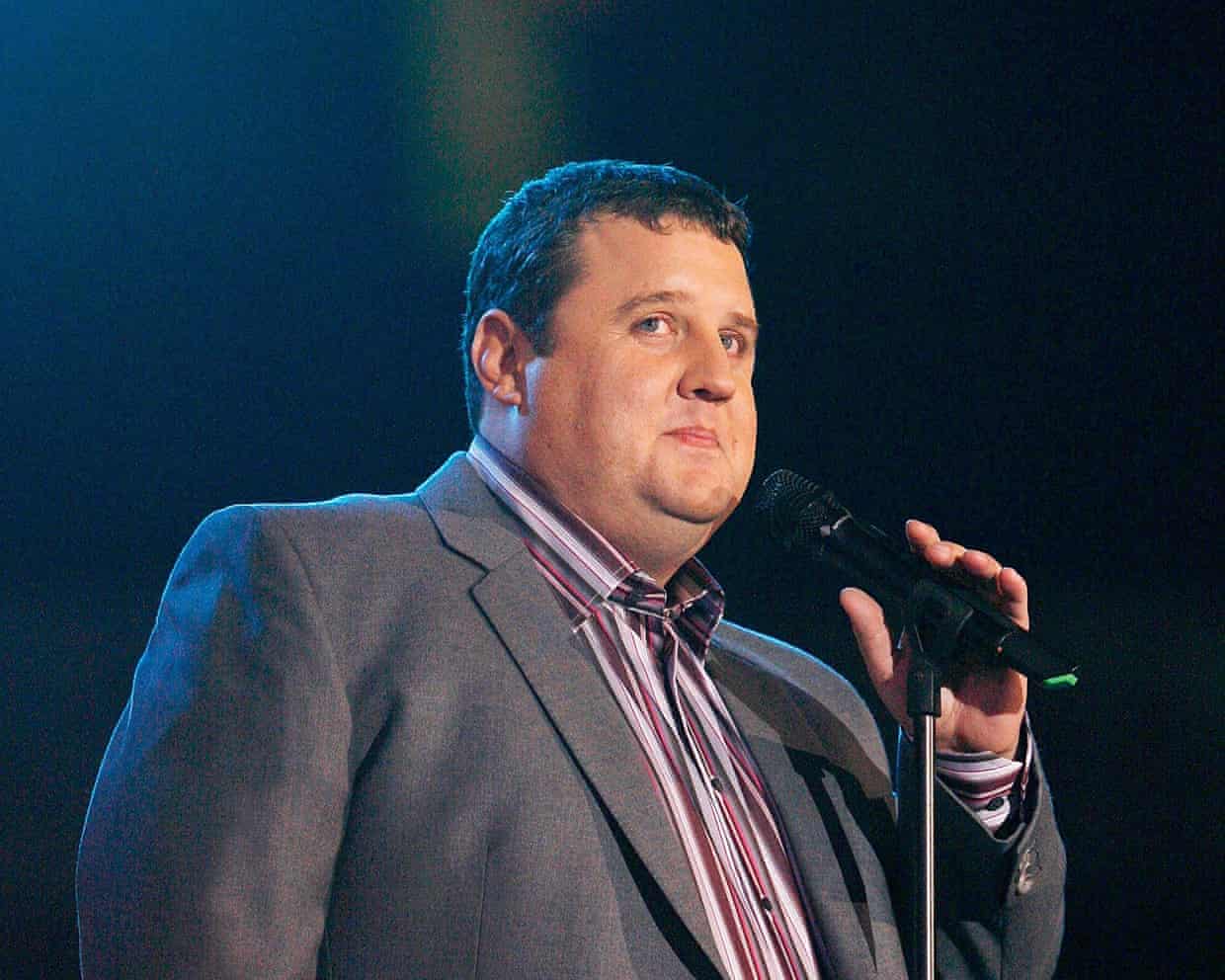
Peter Kay show stopped and 19-year-old in custody after ‘suspicious bag’ found

Jimmy Kimmel: ‘Trump has three wars going on right now – Iranians, Ukrainians and comedians’