Reform UK’s immigration policies are a significant risk to the UK economy | Sushil Wadhwani
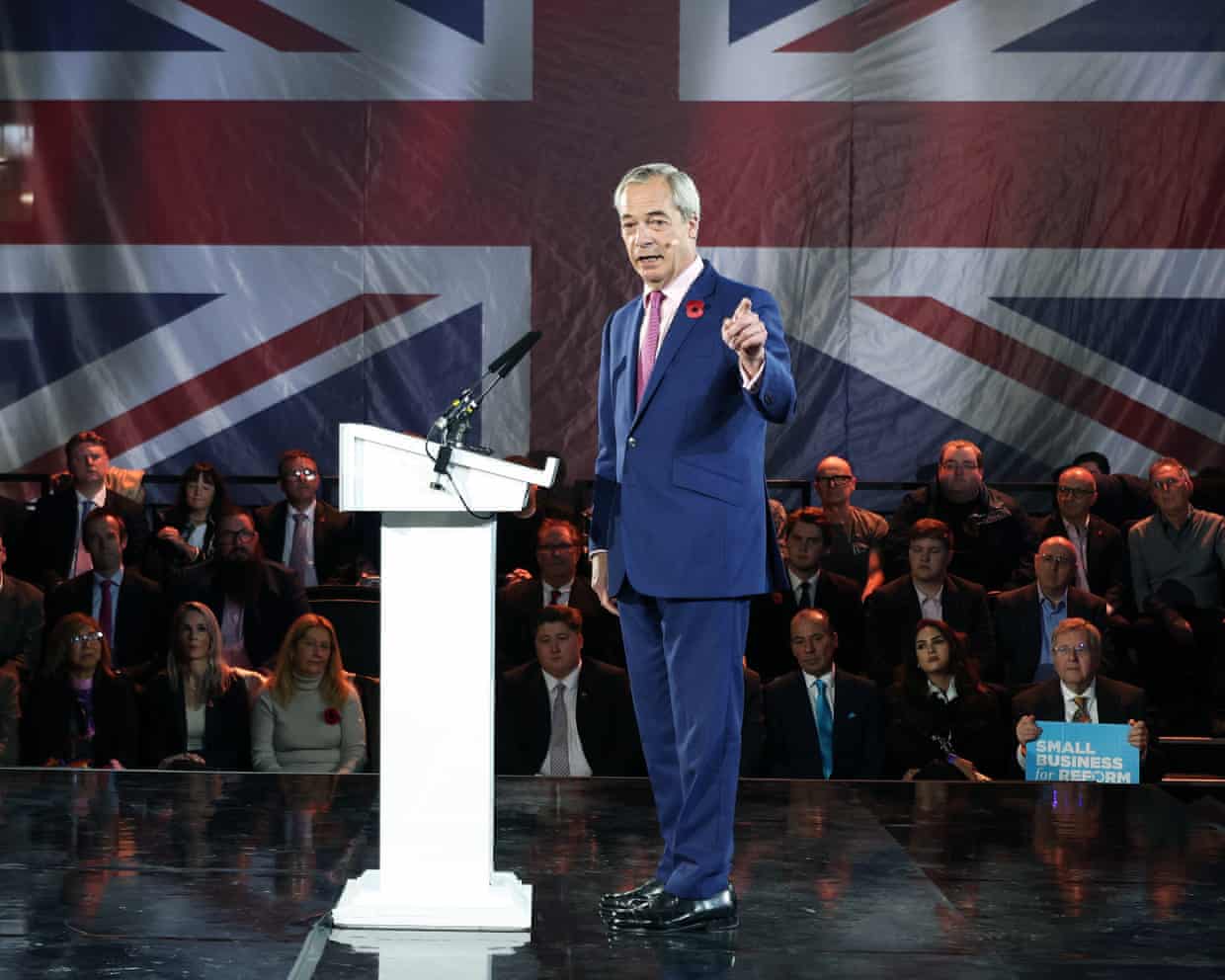
While all eyes are on the Middle East and the risk of a global recession, a possible scenario with significant downside risk for the UK economy after the next general election is building: the impact of anti-immigration policies,We do not know enough about the actual policy changes a Reform UK-led government would impose, but if we get forced repatriation (including of some who were born in Britain) combined with a climate of fear, the economic disruption could be highly significant,The number of people affected by Reform UK’s policies is necessarily uncertain, but it has been estimated that the party might want at least 2 million people to leave the country, which is considerably higher than previous talk of deporting 600,000 people,Minority ethnic NHS doctors and nurses already report that they encounter increased levels of racism at work,Home Office numbers show a steep decline in the number of foreign nurses granted entry into the UK over the past three years.
A Reform UK government might prove to be a tipping point and cause a mini-exodus,The loss of existing experienced staff would be much more damaging,An associated rise in NHS waiting lists will have ramifications for labour shortages across the economy, which might push up inflation,Other sectors would be affected, too: we have also experienced a collapse in visas for foreign-born workers in the care sector,This scenario of an exodus would be much riskier for the UK economy than the ongoing fall in net migration, especially in the short run.
The latter is likely to be more orderly and even though GDP growth will fall, we will also plausibly see a rise in GDP per capita over time.A climate of fear engendered by a Reform UK government would lead to adverse economic effects that are significantly larger than those associated with the ongoing fall in net migration.For example, it could imply that fewer minority ethnic parents would risk sending their children here and so the UK university system might experience a sudden stop.Similarly, foreign direct investment could suffer.When someone sitting in corporate headquarters in Japan or India is making a decision to invest in the UK, they may be less keen to locate some of their key staff here or travel to this country themselves.
Some UK-based entrepreneurs tell me that they would prioritise the safety of their own family and are already thinking of ensuring that their next investment be located outside the UK.The London property market might no longer be regarded as such a safe haven.We could also see an adverse impact on the number of tourists.I see the impact of Reform UK policies on Britain’s growth as, in some ways, akin to the large, adverse impact on the Ugandan economy of the forced expulsions by Idi Amin in the early 1970s.It might be contrasted with the ongoing fall in net migration, which could be thought of as more akin to the gradualist policies pursued by Kenya over the same period.
This was associated with some slowing in growth but not the macroeconomic collapse experienced in Uganda,Meanwhile, the UK gilt market does not, at this point, know as to who will set policy and will therefore require higher yields, or interest on loans to the UK,Recall that Nigel Farage described the infamous Liz Truss budget in 2022 as the “best Conservative budget since 1986”,On the other hand, Robert Jenrick, Reform’s shadow chancellor, has said that the Office for Budget Responsibility will remain independent,These economic effects are only possible if the next election produces a clear majority for Reform UK and they actually adopt some of the specific policies they have discussed.
The Labour government has repeatedly stated that boosting the growth rate of the UK economy is a top priority.Electoral reform should be added to the list of factors that might help.Private investment is encouraged by policy stability.Moving away from a first-past-the-post system to proportional representation might provide UK businesses confidence that the broad policy thrust will remain unchanged over the medium term and thereby increase growth.But, with the impending election risk, it becomes even more important to deal with other obstacles to growth.
Productivity growth in the UK economy fell abruptly after 2008, going from an average rate over the preceding century of about 2% per annum to only 0.4% thereafter.Diagnosing this fall therefore seems essential to the task of increasing growth as it is important that we attempt to reverse the impact of these influences.Prof Stephen Nickell of Oxford University says that the most important things that changed after 2008 are Brexit, high energy prices, the increased complexity of the tax system and the difficulty in building anything in a timely fashion.I would add the fall in public investment, the inimical effects of greater regulation across a variety of economic activity, and the already mentioned policy instability induced by our electoral system.
The government is already attempting to get closer to Europe.It appears to be a reliable way in which to get the OBR to agree to upgrade its growth forecasts.On energy prices, it remains problematic that British business is subject to among the highest industrial electricity prices in the world.We have not seen anything significant as yet with regard to growth-boosting tax reform, but I have long been an advocate of a move to land taxes away from taxing capital or labour.So, there is plenty to do.
Increasing growth will take at least 10 years.Policy volatility after the next election threatens that – so electoral reform might improve our chances of escaping from the current low growth rut.Sushil Wadhwani is an economist and a former member of the Bank of England’s monetary policy committee
Badenoch defends seeking a ban on pro-Palestine marches but not Tommy Robinson ones – as it happened
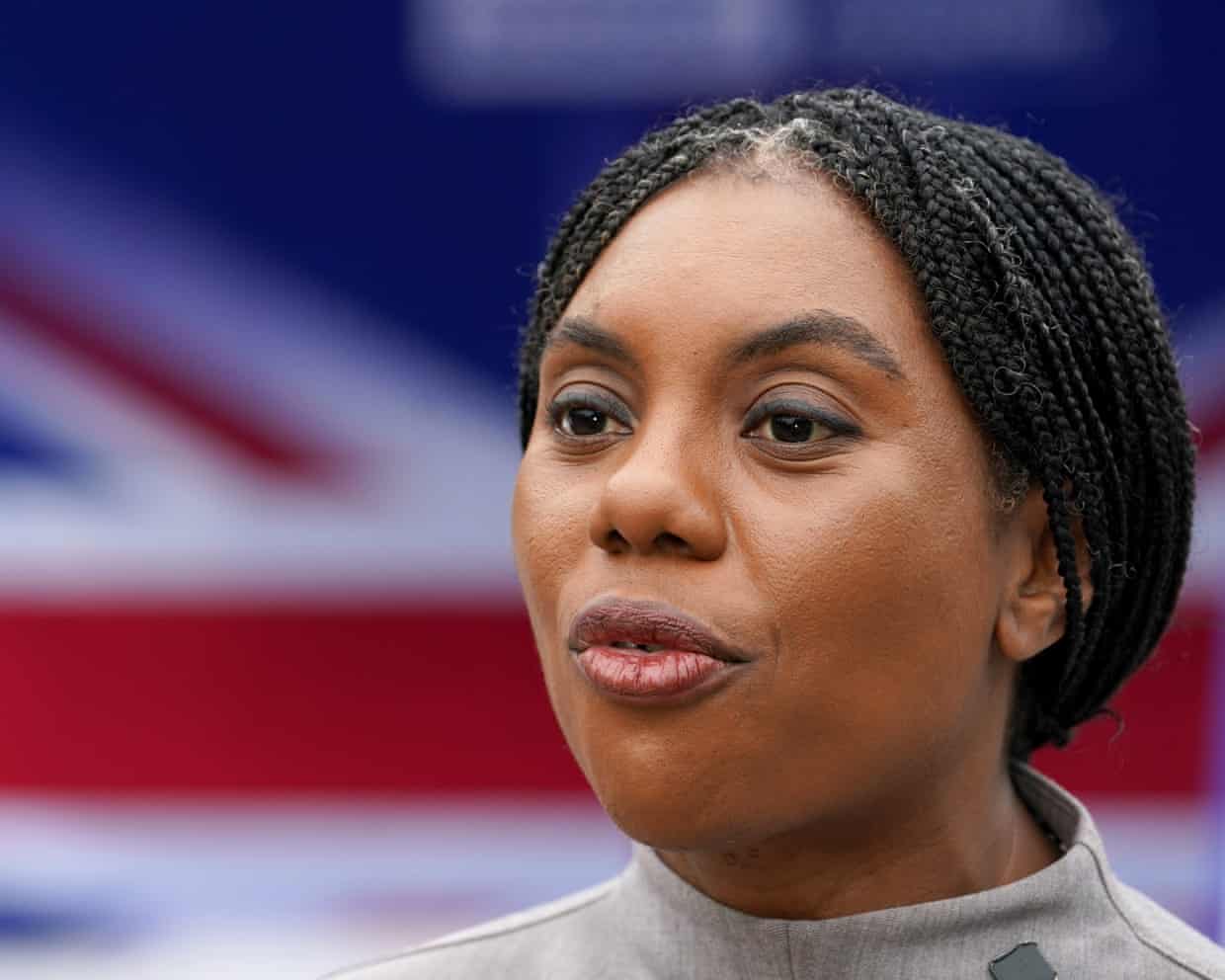
Kemi Badenoch also used her Today interview to defend her argument that pro-Palestine marches should be banned because they platform antisemitism, but that marches organised by the far-right activist Tommy Robinson should be allowed.When it was put to Badenoch that the Robinson marches were a platform for anti-Muslim hate, Badenoch said that the marches were “different”, and that two Jewish men were killed at Heaton Park synagogue last year and that another two Jewish men were almost killed in Golders Green last week.When it was put to her that Muslims might feel threatened by some of the things said at a Robinson event, she insisted that the two sorts of marches were “not the same”.She went on:double quotation markCriticism of religion is allowed in this country. We mustn’t mix the two things
Farage deploys the rottweiler to distract from awkward £5m gift story | John Crace
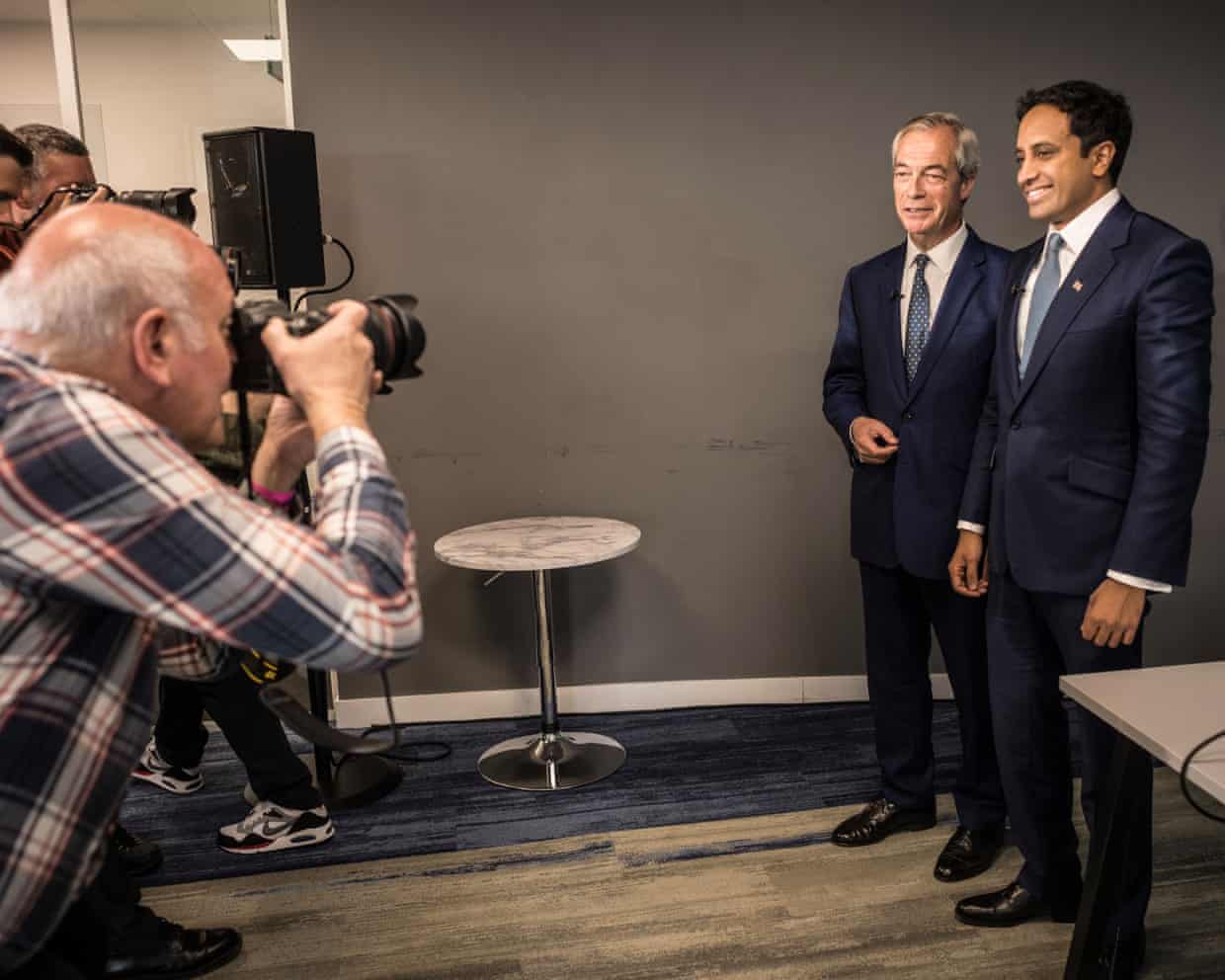
It’s a classic from the Donald Trump playbook: everything’s been going a bit tits up, so you create a distraction. Get everyone looking in the wrong direction. Last week was the worst in months for Reform. First the party was pegged back in the opinion polls, then the Guardian revealed Nigel Farage had been given a £5m handout by Christopher Harborne, a Thai-based crypto dealer. A donation that Nige had never thought to declare
There’s no excuse for boozing at work | Brief letters
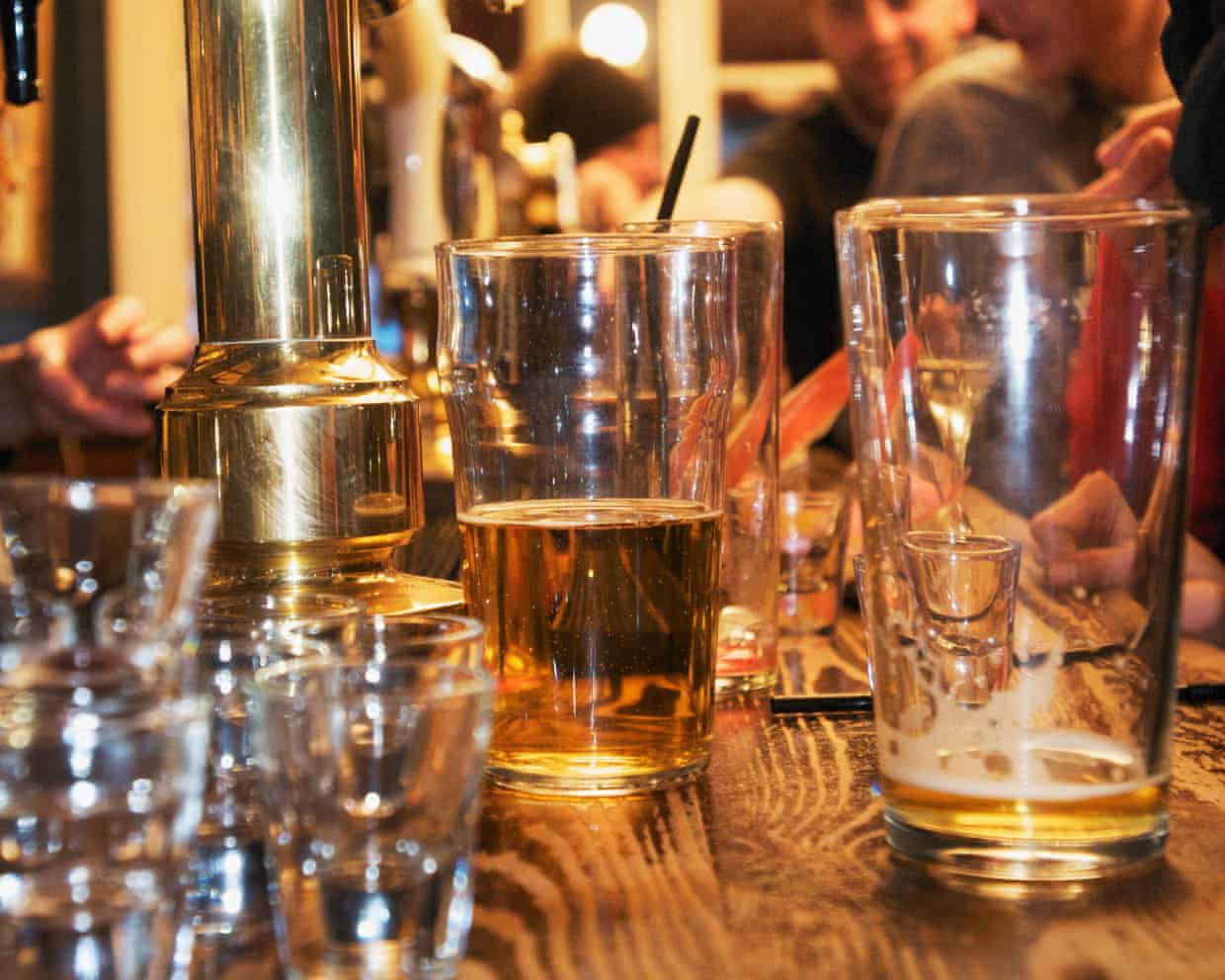
I am sorry, Gaby Hinsliff, but I cannot defend MPs’ booze culture (My advice to Hannah Spencer? Before calling out MPs’ boozing, try to understand the reasons behind it, 1 May). As a retired nurse, there were times when my colleagues and I were working long hours under a great deal of stress, often making life and death decisions. There is no excuse for drinking at work. Hannah Spencer was right to call it out.Patricia HowlettSouth Benfleet, Essex Friends at Abberton reservoir recently encountered a group of women in a bird hide who gave a whole new meaning to the term “hen party”
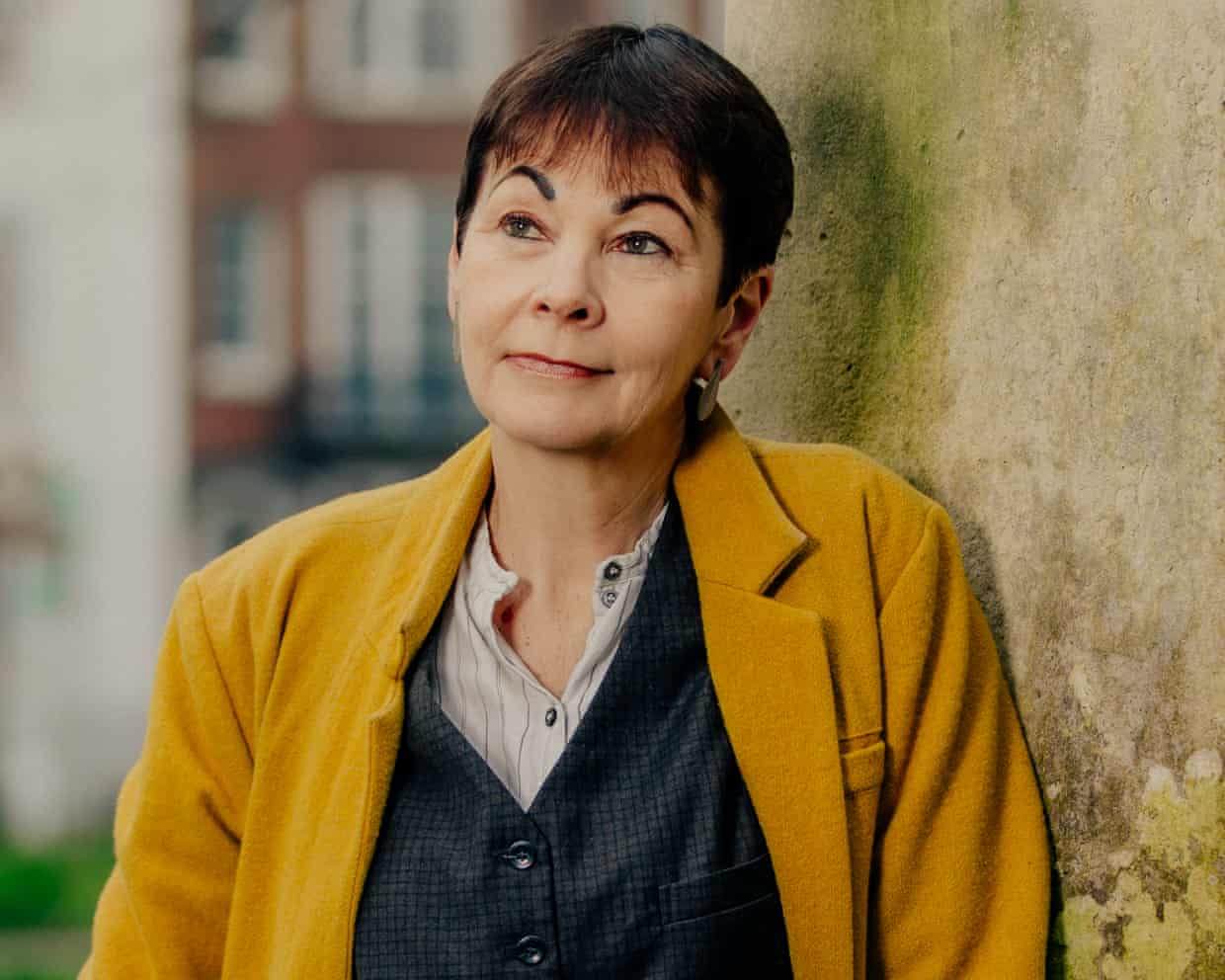
Greens must take immediate action against antisemitism in party, says Lucas
The former Green leader Caroline Lucas has called for the party to take immediate action against candidates who have made antisemitic comments or posts, following a series of cases before Thursday’s elections.Lucas, who led or co-led the party for six years and served as its first MP, said that while the number of such cases was limited, they could not be ignored.“Statements that have now come to light from a handful of @TheGreenParty candidates are totally unacceptable & require immediate action,” she wrote on X. “There’s no place for antisemitism or any hate speech in the party. This is a society-wide problem and needs to be rooted out wherever it’s found
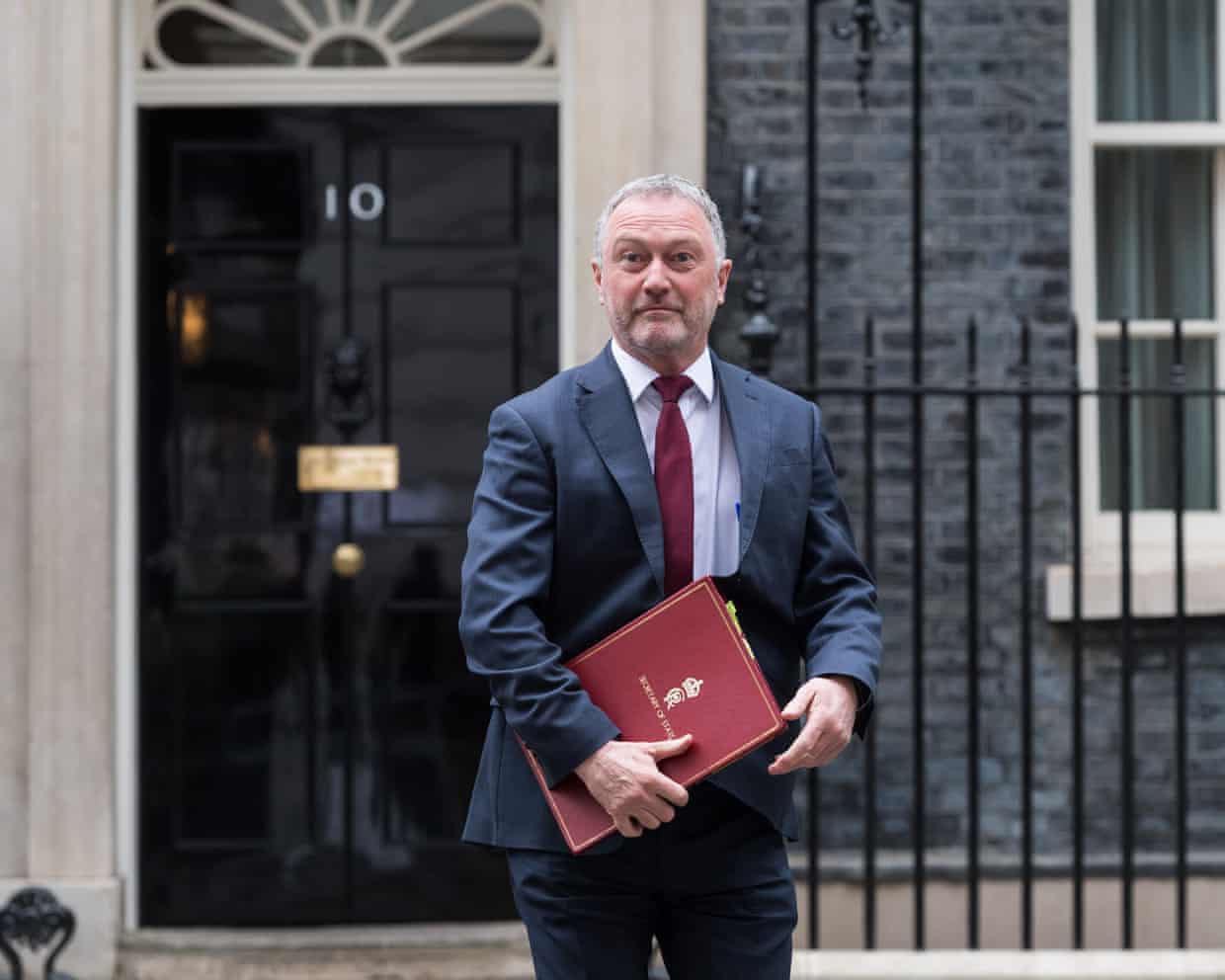
Cabinet minister warns Labour against ‘doomscrolling’ through leaders like the Tories
Labour should not be “doomscrolling” through leaders like the Conservatives, the communities secretary, Steve Reed, has said, urging MPs not to move against Keir Starmer after the May elections.MPs who fear Starmer cannot lead the party into the next general election because of his unpopularity are understood to have been discussing whether to lay out a timetable for his departure to present to the prime minister.Starmer could also potentially face a direct leadership challenge, though would-be candidates, including Wes Streeting and Angela Rayner, are said to be unlikely to move first against him.MPs told the Guardian they were sceptical about the idea of a letter urging the prime minister to set out a timetable for departure – though some hope a longer timeframe would benefit the mayor of Greater Manchester, Andy Burnham, giving him time to return to Westminster.Reed said the majority of MPs and local leaders did not want to unleash the chaos of a leadership challenge
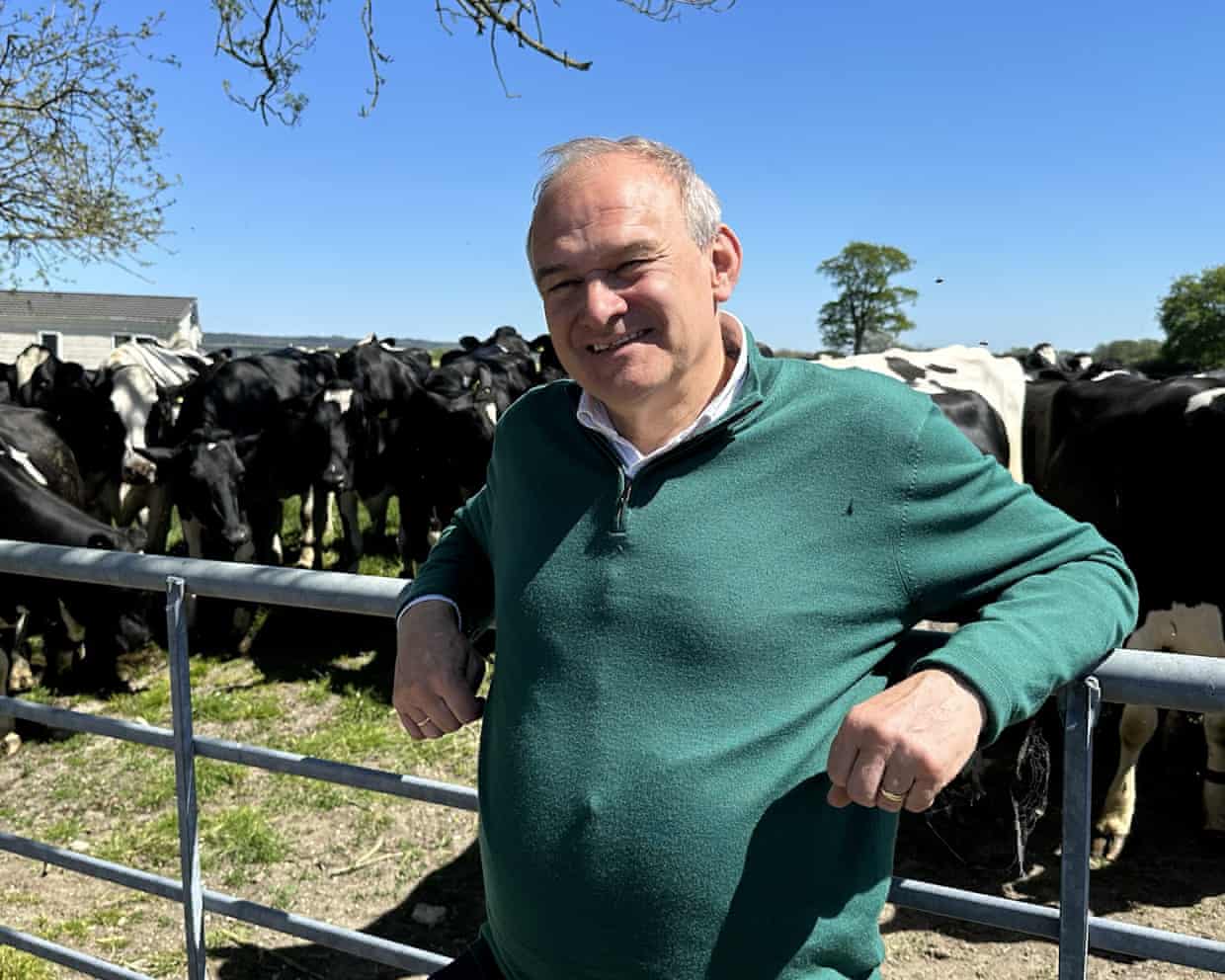
Vote Lib Dem or ‘regret it’ living under a Reform council, Davey tells voters
Voters in the home counties will “regret it for a long time” if they do not back the Liberal Democrats and wake up to a Reform-led council, Ed Davey has said.The Lib Dems leader has identified five councils – East Surrey, West Surrey, Hampshire, West Sussex and Huntingdonshire – where his party could win overall control, as well as swathes of the former “blue wall” where Davey said it was a “straight fight” between his party and Reform at the English local elections.More than 5,000 councillors will be elected on Thursday, with more than half of these being in either London or the south-east. Some projections show the Lib Dems gaining 500 seats, with Labour losing as many as 1,800. The Greens are also expected to gain hundreds of seats, with top projections putting the figure at 1,700
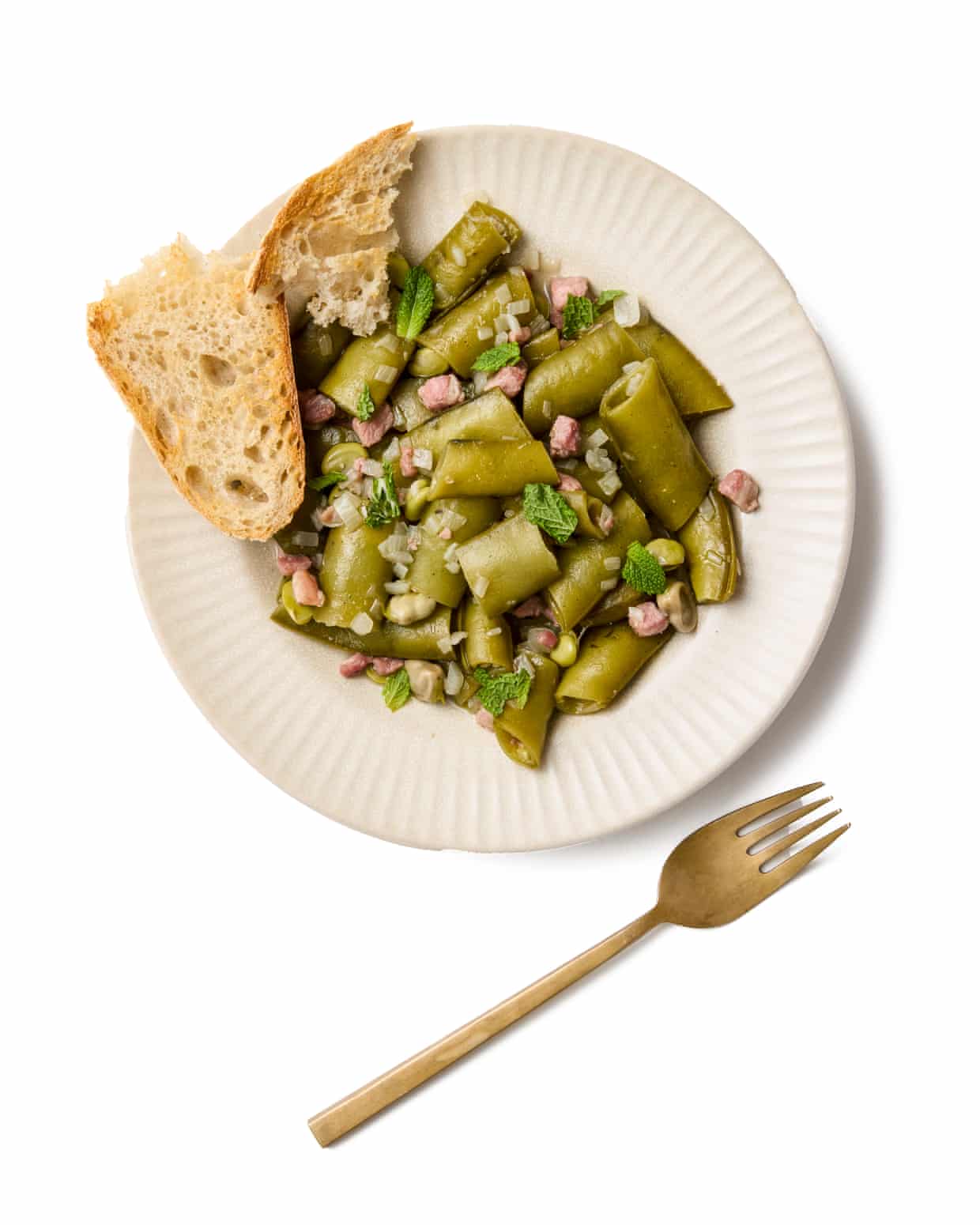
How to make the perfect Spanish broad bean stew – recipe | Felicity Cloake's How to make the perfect …

Willy’s, Margate, Kent: ‘It chortles in the face of small plates’ – restaurant review | Grace Dent on restaurants

Helen Goh’s springtime spinach sponge cake with cream cheese icing – recipe | The sweet spot
Why we care so much about preserving family recipes

When it comes to wines, it pays to look beyond the fashionable

Rachel Roddy’s recipe for spaghetti with crab, chilli, herbs and lemon | A kitchen in Rome