Peter Unwin obituary
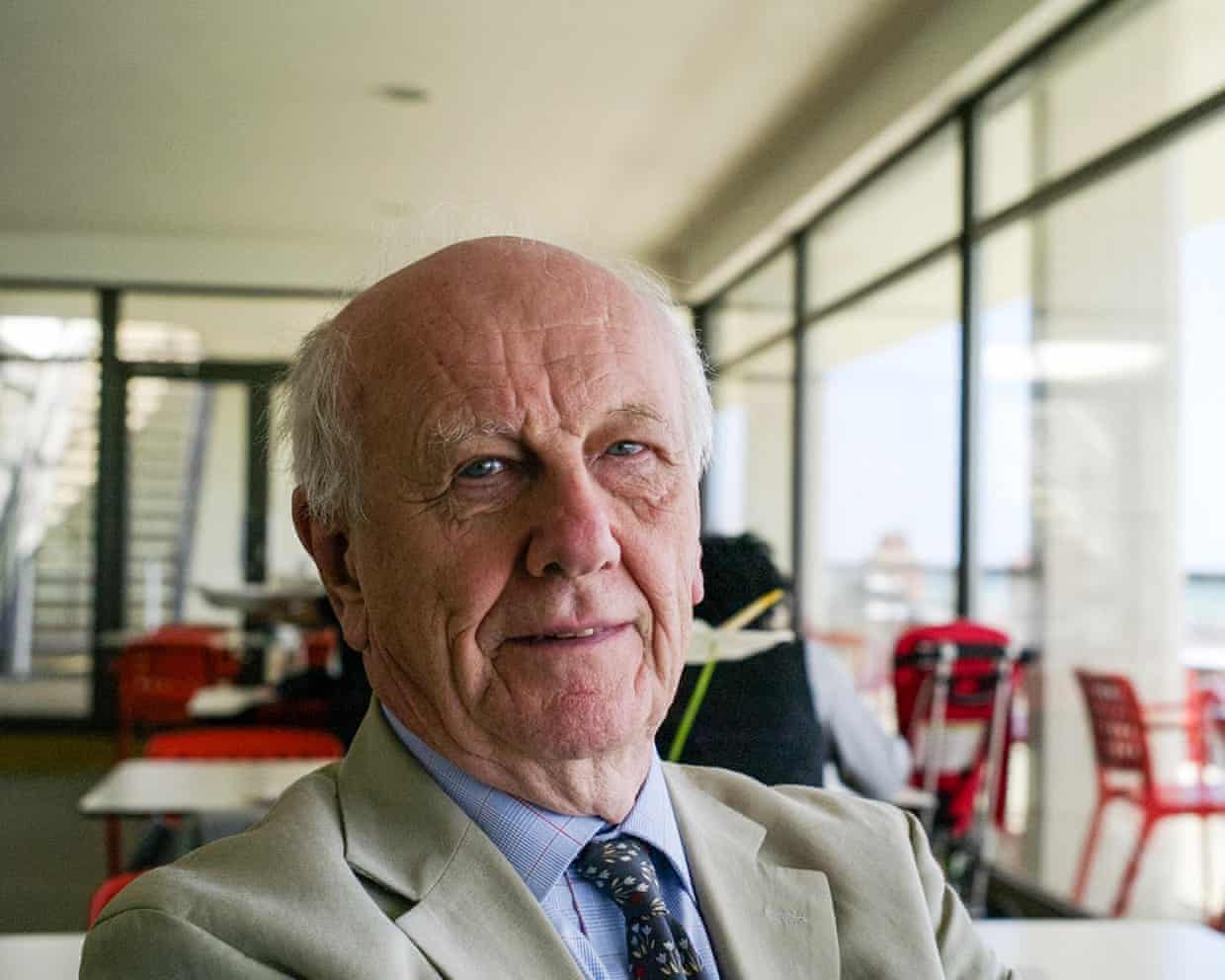
My father, Peter Unwin, who has died aged 93, was a distinguished diplomat, author and commentator on foreign affairs.His main area of expertise was central Europe, and he was posted to Budapest twice, first as third secretary (1958-61) and then as ambassador (1983-86), hosting the visit of the then British prime minister, Margaret Thatcher, and encouraging the opening up to the west.In 1991, he wrote Voice in the Wilderness, his biography of Imre Nagy, the reformist Hungarian prime minister, who was executed for standing up to the Soviet Union.Throughout his life Peter championed the causes of democracy, international norms and the rule of law.His first job in the Foreign Service was in 1956 in the Levant department.
As he confessed later: “There I sat, bemused, right through the Suez crisis, and it only gradually dawned on me that most of the people round me had no idea of what was going on either.”Born in Middlesbrough, North Yorkshire, to Nora (nee McDonnell) and Arnold Unwin, a businessman, Peter attended Ampleforth college, and won a scholarship to Christ Church, Oxford, where he studied history.In 1955 he married Monica Steven, the daughter of refugees from Nazi Germany, and together they made a formidable partnership: her joie de vivre and sense of style matched by his quiet intellectualism and gentle decency.After completing his national service in the Intelligence Corps, Peter joined the Foreign Service.After Budapest, he was posted to Tokyo (1961-63), New York (1967-70) and twice to Bonn (1973-76, 1980-83).
He held three positions at the Foreign and Commonwealth Office in London in the 1960s and 70s, enjoyed a sabbatical at Harvard in the US in 1979, and his last two jobs were as the British ambassador in Copenhagen (1986-89) and deputy secretary general of the Commonwealth (1989-93).He was made CMG in 1981.Peter wrote extensively about foreign affairs, and his seven books include Hearts, Minds and Interests (1998), Where East Meets West (2000) and the edited Newcomers’ Lives (2013), a collection of obituaries from the Times of people who had come to Britain as immigrants.He was a passionate European who despaired of Brexit and warned of American overreach.Peter was exceptionally fair minded.
We used to joke that if you asked him a question about current affairs, he would declare: “There are six ways of looking at this,” and proceed to explain them all.He detested snobbery and was wary of elitism.In retirement, particularly in his last years, he was known for his impeccable manners.He was a lifelong Catholic of quiet, determined faith.He is survived by Monica, their children, Julia, Paul, Jo and me, nine grandchildren and three great-grandchildren.
Synthetic opioids may have caused hundreds more UK deaths than thought
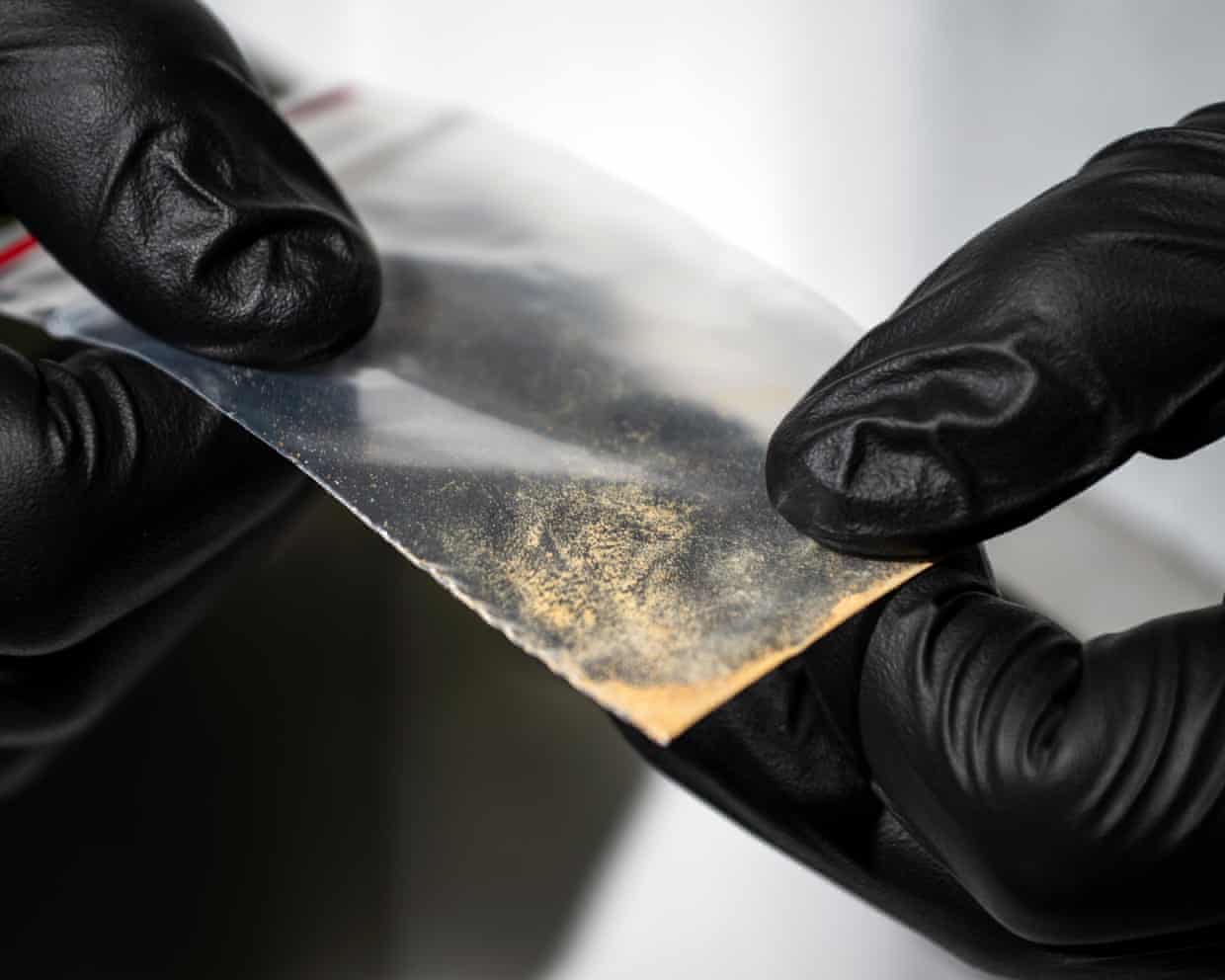
Deaths caused by a synthetic opioid that is hundreds of times stronger than heroin may have been underestimated by up to a third across the UK, according to research.Nitazenes are a class of synthetic opioids that are extremely potent, and up to 500 times stronger than heroin. They were manufactured originally as a painkiller in the 1950s but their development was halted due to their extreme potencies resulting in a high risk of addiction.In 2024, the National Crime Agency (NCA) reported that 333 fatalities across the UK were linked to the drug. However, researchers at King’s College London say that the true number of deaths may have been underreported, due to concerns that samples of the drug are likely being missed in postmortem toxicology tests
The troubling rise of longevity fixation syndrome: ‘I was crushed by the pressure I put on myself’
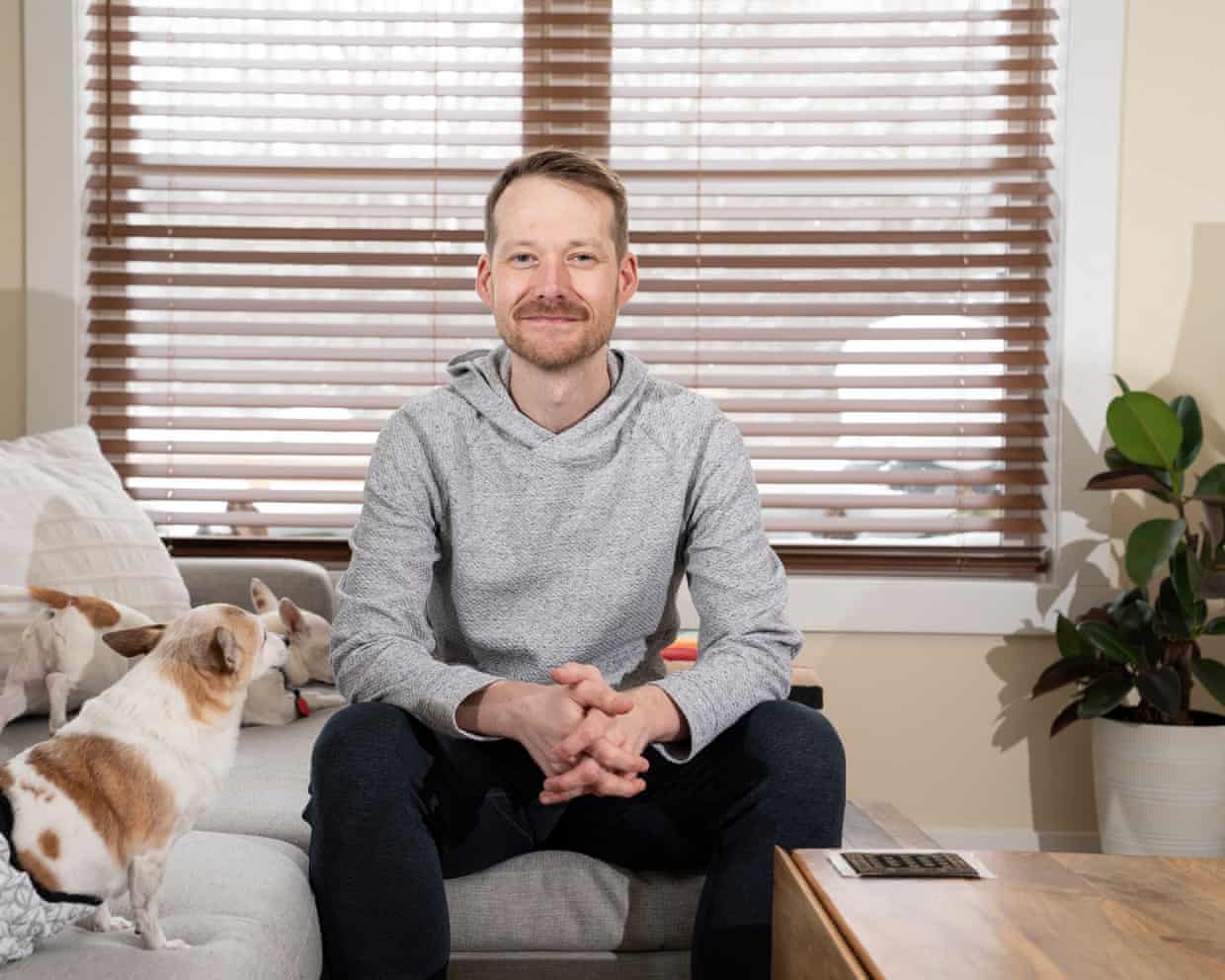
It was a pitta bread that finally broke Jason Wood. It arrived with hummus instead of the vegetable crudites he had preordered in a restaurant that he had painstakingly researched, as he always did, weeks before he and his husband visited. “In that moment, I just snapped,” he recalls. “I hit rock bottom, I got angry … I started crying, I started shaking. I just felt like I couldn’t do it any more, like I had been crushed by all this pressure I put on myself
The sneeze secret: how much should you worry about this explosive reflex?
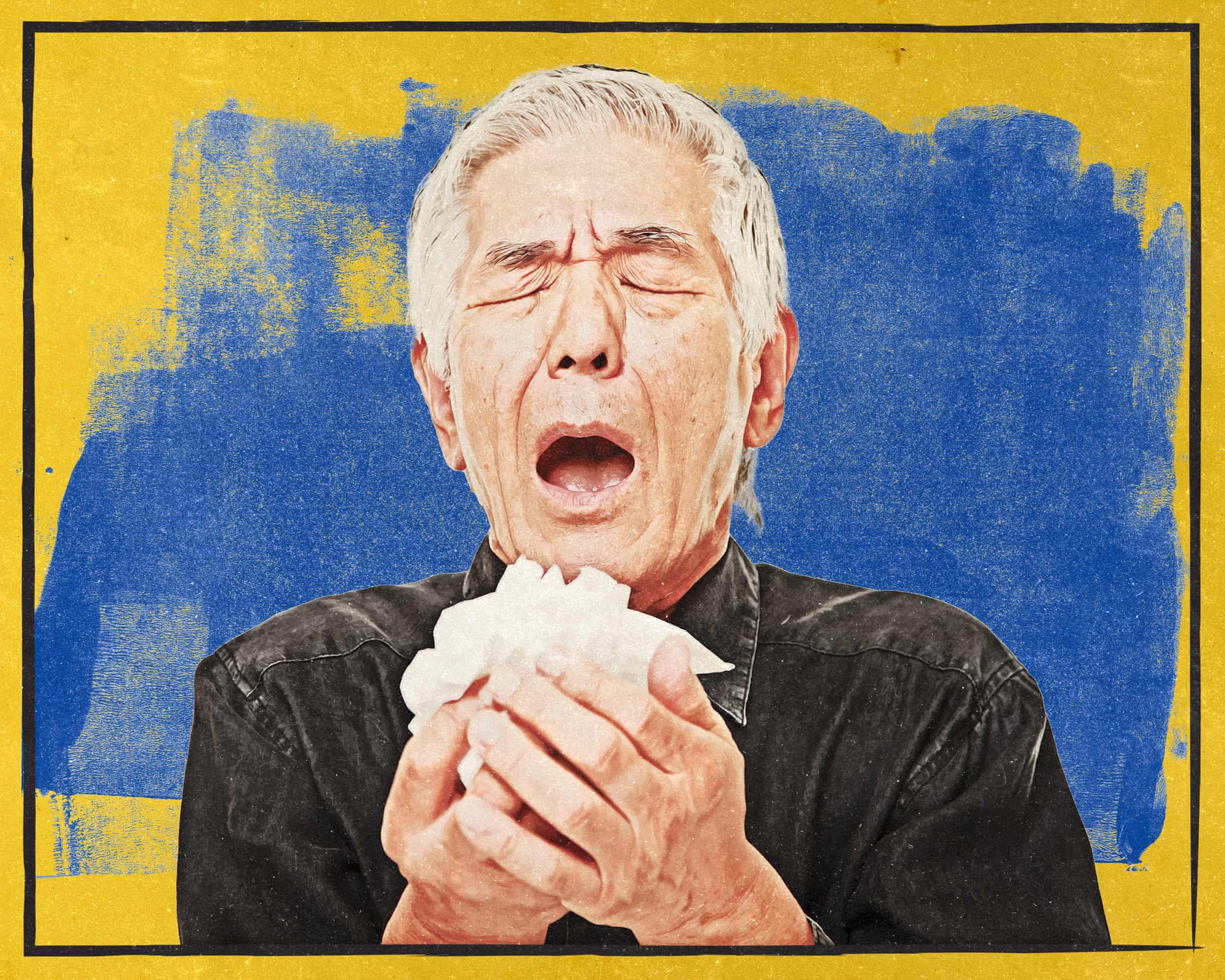
It is one of the most powerful involuntary actions the human body can perform. But is a big sneeze a sign of illness, pollution or something else entirely?How worried should we be about a sneeze? It depends who you ask. In the Odyssey, Telemachus sneezes after Penelope’s prayer that her husband will soon be home to sort out her house-sitting suitors – which she sees as a good omen for team Odysseus, and very bad news for the suitors. In the Anabasis, Xenophon takes a sneeze from a soldier as godly confirmation that his army can fight their way back to their own territory – great news for them – while St Augustine notes, somewhat disapprovingly, that people of his era tend to go back to bed if they sneeze while putting on their slippers. But is a sneeze an omen of anything apart from pathogens, pollen or – possibly – air pollution?“It’s a physical response to get rid of something that’s irritating your body,” says Sheena Cruickshank, an immunologist and professor at the University of Manchester
‘16 years later, I’m not unhappy’: the rise of Britain’s multigenerational flatmates
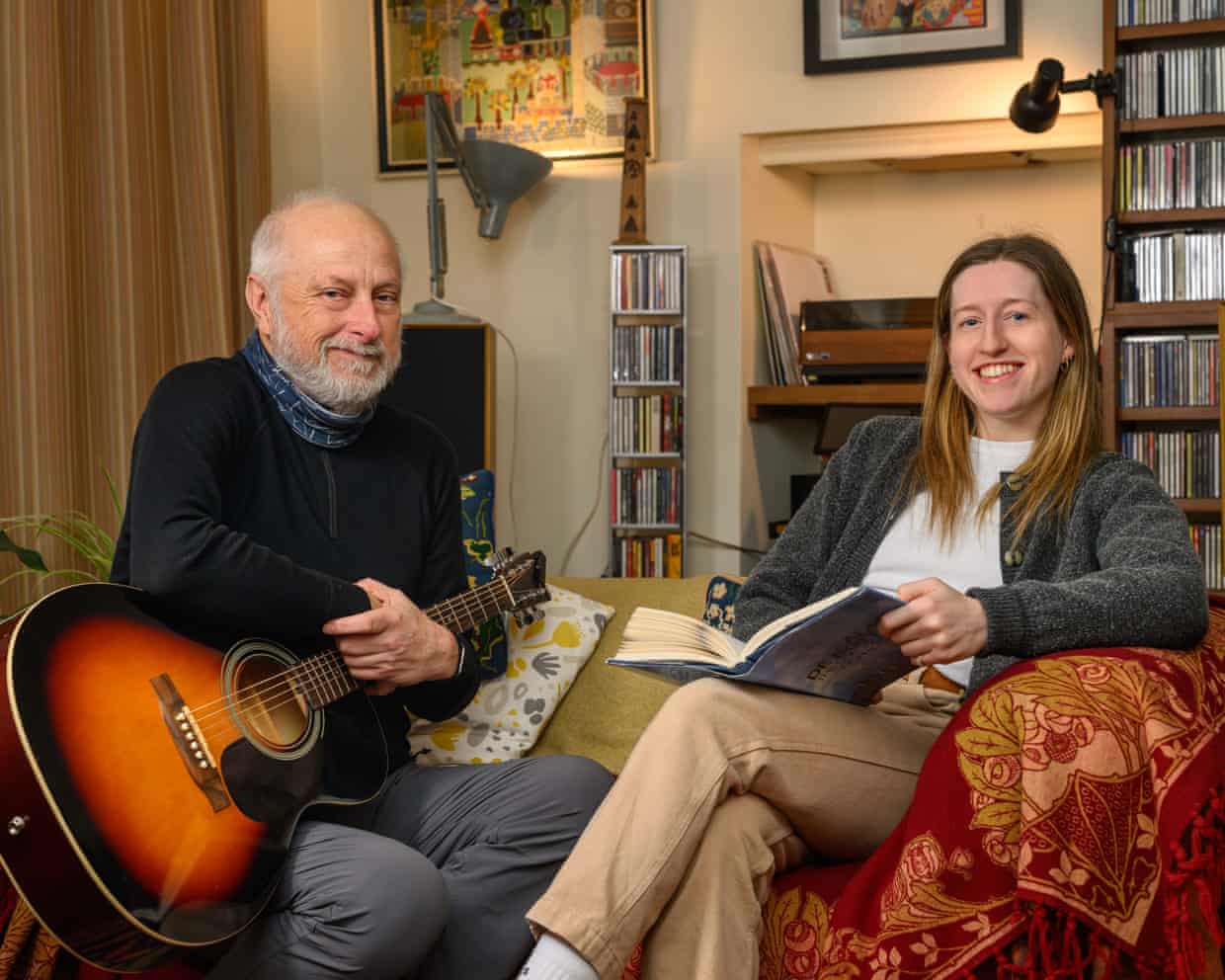
When Nicola Whyte first moved into a four-bedroom house share in Balham 16 years ago, she never imagined she would still be living there at 45. But with rents soaring, and ongoing challenges in saving up for a house deposit, she has ended up as a housemate far longer than she anticipated.“I didn’t think I was going to be here 16 years later, but I’m not unhappy,” she said. “My friends sometimes think I’m a bit weird, they ask me how I can still do it. But I really enjoy it
UK’s ‘unsung army’ of full-time unpaid carers needs more support, report says
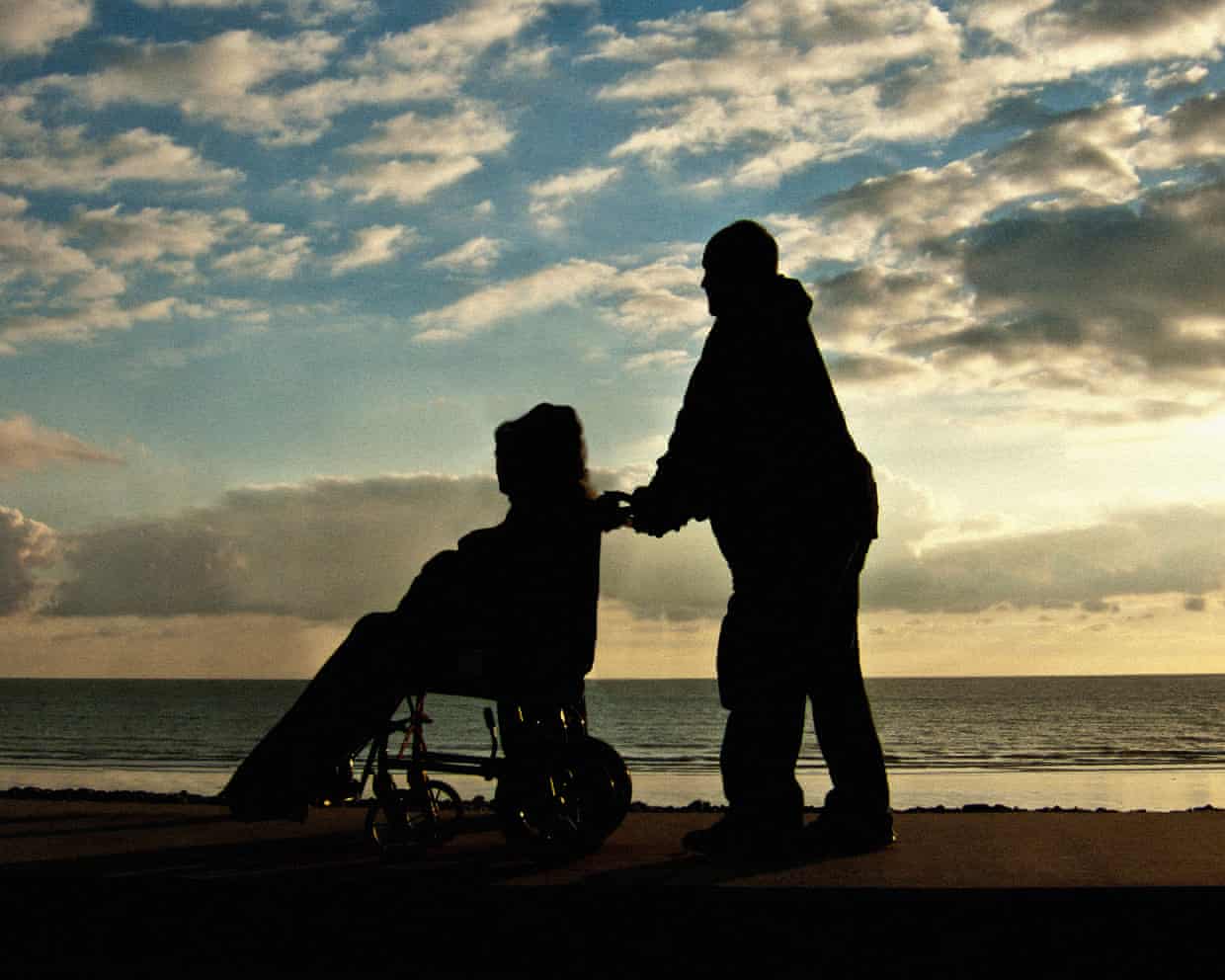
A growing “unsung army” of 1 million people with full-time caring responsibilities needs better support, according to a report that found one in three unpaid carers from poorer backgrounds were unable to work because of their duties.The trend is the result of an ageing society and rising ill-health and disability concentrated in the poorest half of the country’s working-age families, the Resolution Foundation’s research found.Almost one in three working-age adults in lower-income families had a disability, compared with fewer than one in five in better-off families, the thinktank said.It added that in homes of modest means, 1 million people had caring responsibilities of 35 hours or more a week – the equivalent of a full-time job – making it challenging to secure paid work.Mike Brewer, the deputy chief executive of the Resolution Foundation, said: “Britain is getting older and sicker, while a greater share of its population has a disability

Menstrual blood test could offer alternative to cervical screening for cancer
A pioneering test of period blood for signs of cervical cancer could be a convenient, non-invasive and accurate way of screening for the disease, researchers have said.A regular sanitary pad topped with a blood sample strip can pick up human papillomavirus (HPV), which causes most cases of cervical cancer, and could be used by women at home, the results of a study indicate.Currently, most women undergo cervical screening under the care of a clinician, who collects a sample via a brush inserted into the vagina. But millions of women invited for screening do not attend.Researchers in China compared the diagnostic accuracy of menstrual blood with samples collected by a clinician for detecting cervical cell abnormalities (CIN2 and CIN3), which can require treatment

Futile resignations and blatant revisionism to the fore as Starmer staggers on | John Crace
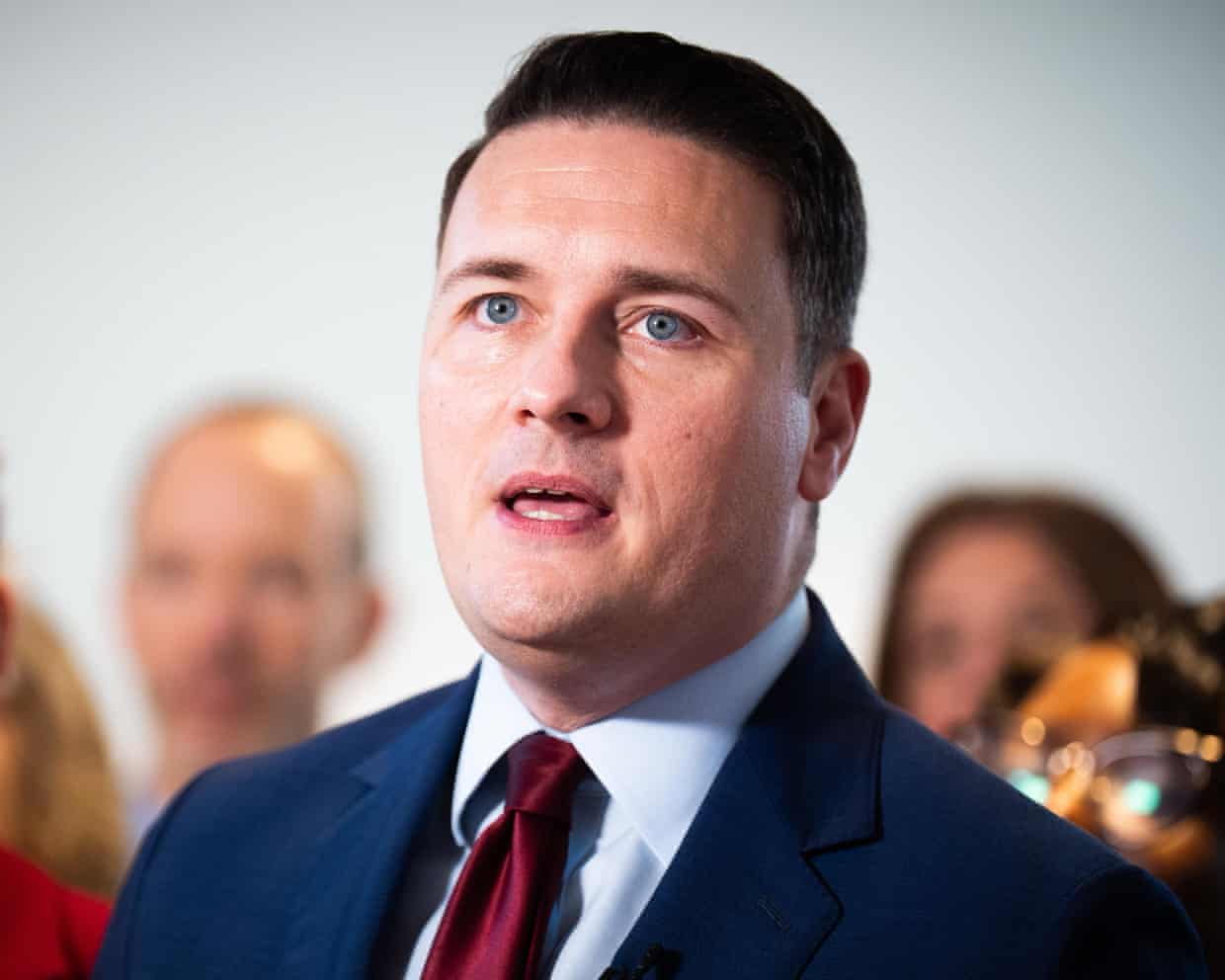
Streeting wrote off his re-election chances in WhatsApp exchanges with Mandelson
Peter Unwin obituary

Sarwar has shown his ruthless streak. But will his swipe at Starmer mean anything to voters?

Scottish Labour leader Anas Sarwar calls on Keir Starmer to stand down

Planning ahead: the political leadership campaigns that launched too soon