Big US banks rake in near $50bn profit as Iran war shakes markets
Big US banks raked in nearly $50bn (£37bn) worth of profits in the first three months of the year, as they benefited from stock market turbulence triggered by the US-Israeli war on Iran.Wall Street’s largest lenders have reported a jump in first-quarter earnings, reflecting the surge in demand for trading services as investors dumped risky stocks and bonds and sought safer havens for their cash.On Wednesday, Bank of America and Morgan Stanley posted a leap in profits, joining Goldman Sachs, JP Morgan, Citi and Wells Fargo in announcing strong results this week. Collectively, the six banks reported $47.4bn in profits
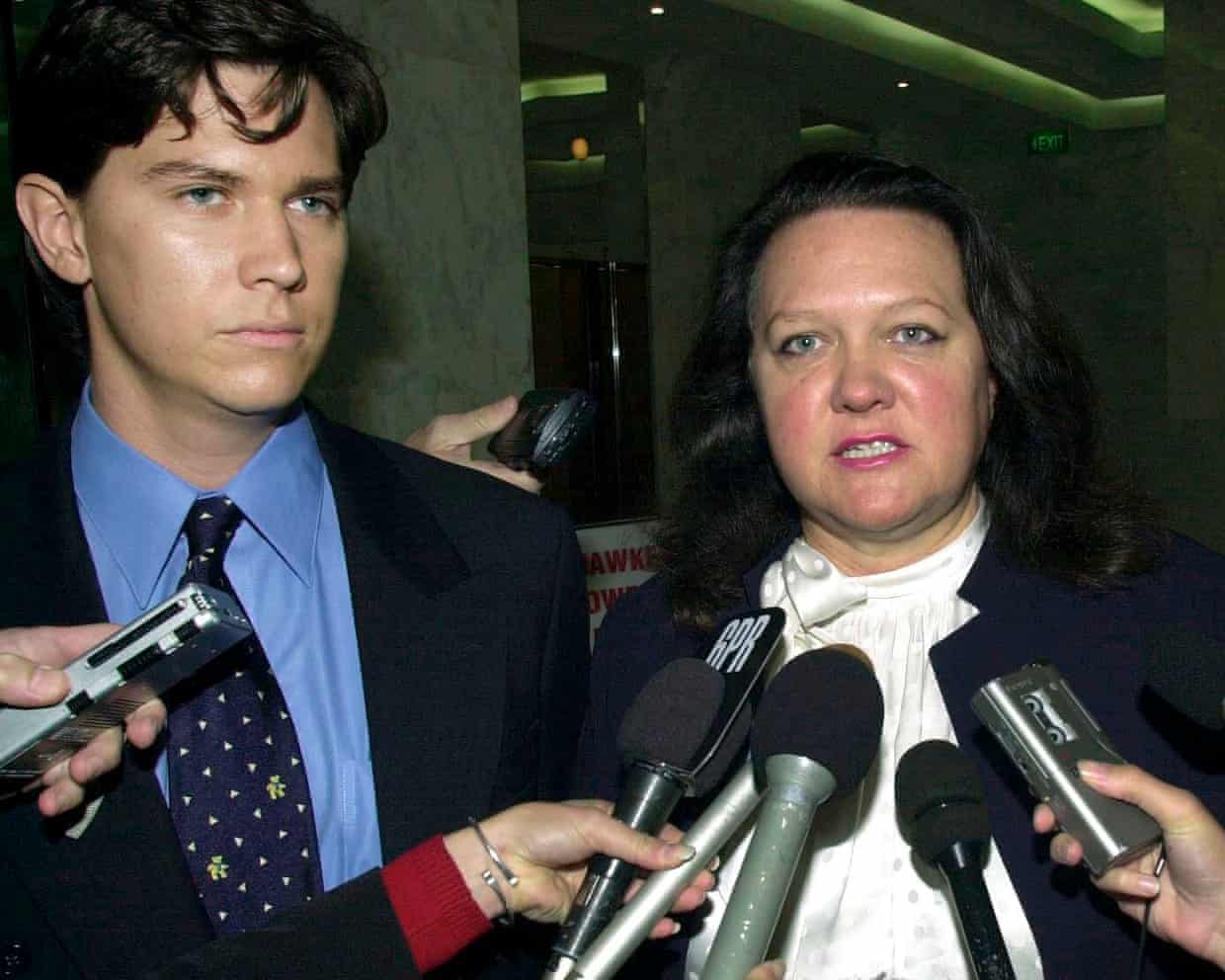
Gina Rinehart has been forced to share her riches. But will she fight on or end the family feud?
Gina Rinehart does not like to lose.Engaged in bitter legal battles for most of the past 35 years, Australia’s richest person has shown her propensity to fight tooth and nail to retain control of her family’s iron ore empire – and the riches that flow from it.Even as her own children were due to receive their inheritance from their grandfather Lang Hancock more than 20 years ago, Rinehart sought to block them in an ugly legal dispute that showed the lengths she was prepared to go to retain control.But as rain drizzled down on Perth’s central business district on Wednesday, Justice Jennifer Smith handed down a judgment that will force Rinehart to share. Not just hundreds of millions of dollars in royalty payments pocketed by Hancock Prospecting, but also some of the credit for the making of the Pilbara iron ore industry
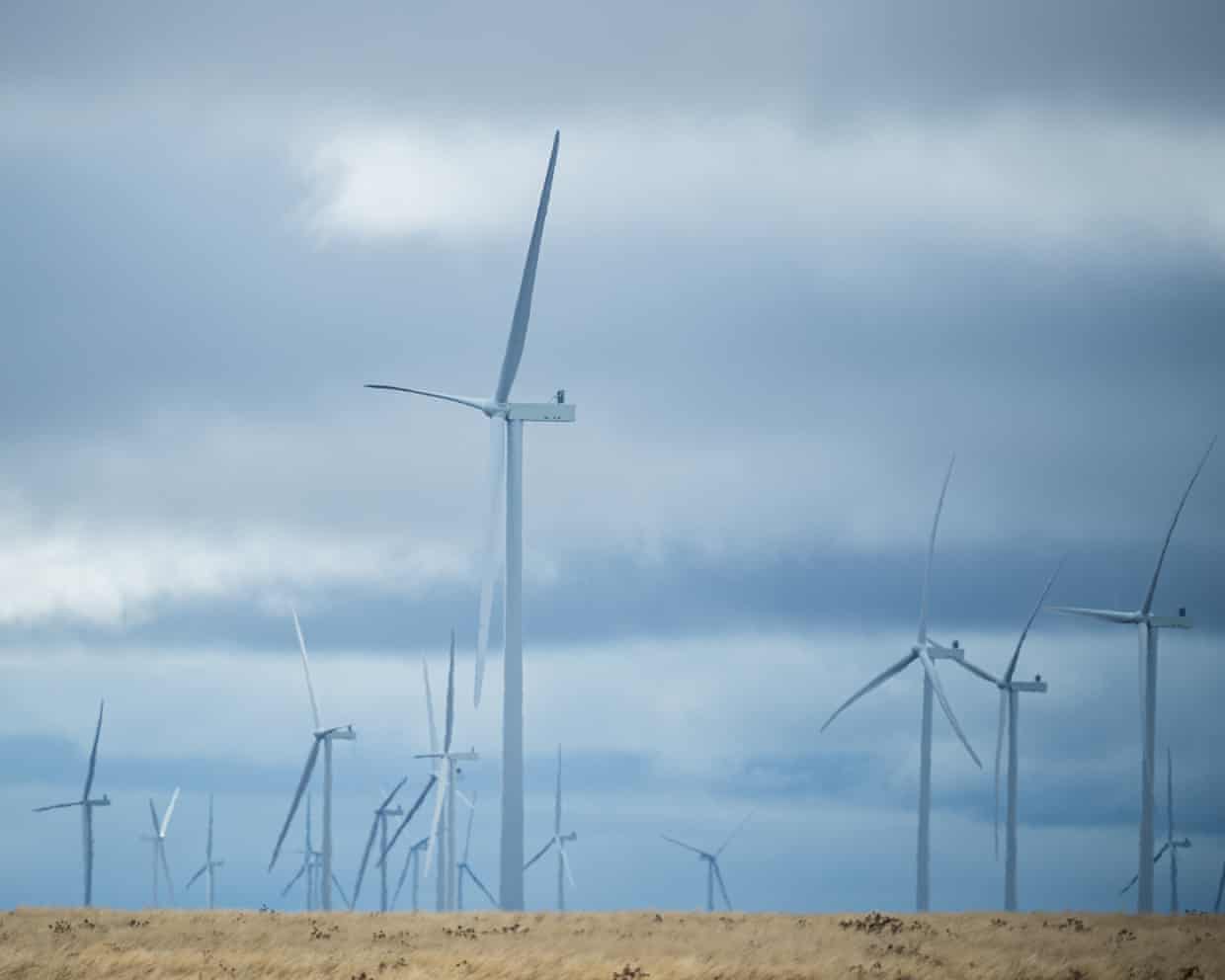
Amazon enters agreements for nine Australian renewable projects to power datacentres
Amazon has entered power agreements with nine new renewable projects in New South Wales and Victoria, as the technology company seeks to source renewable power for its datacentre operations in Australia.The nine deals, including one windfarm and 10 solar and battery projects, will take the amount of renewable energy Amazon is sourcing in Australia from 430MW to nearly 1GW.The power purchase agreements are contracts between energy providers and datacentre operators to meet the expected demands of their centres. Amazon has entered into agreements for more than 20 projects in Australia as it aims to reach net zero carbon emissions by 2040.These include power from Victoria’s Golden Plains 2, the largest windfarm in Australia, which began operating in 2024
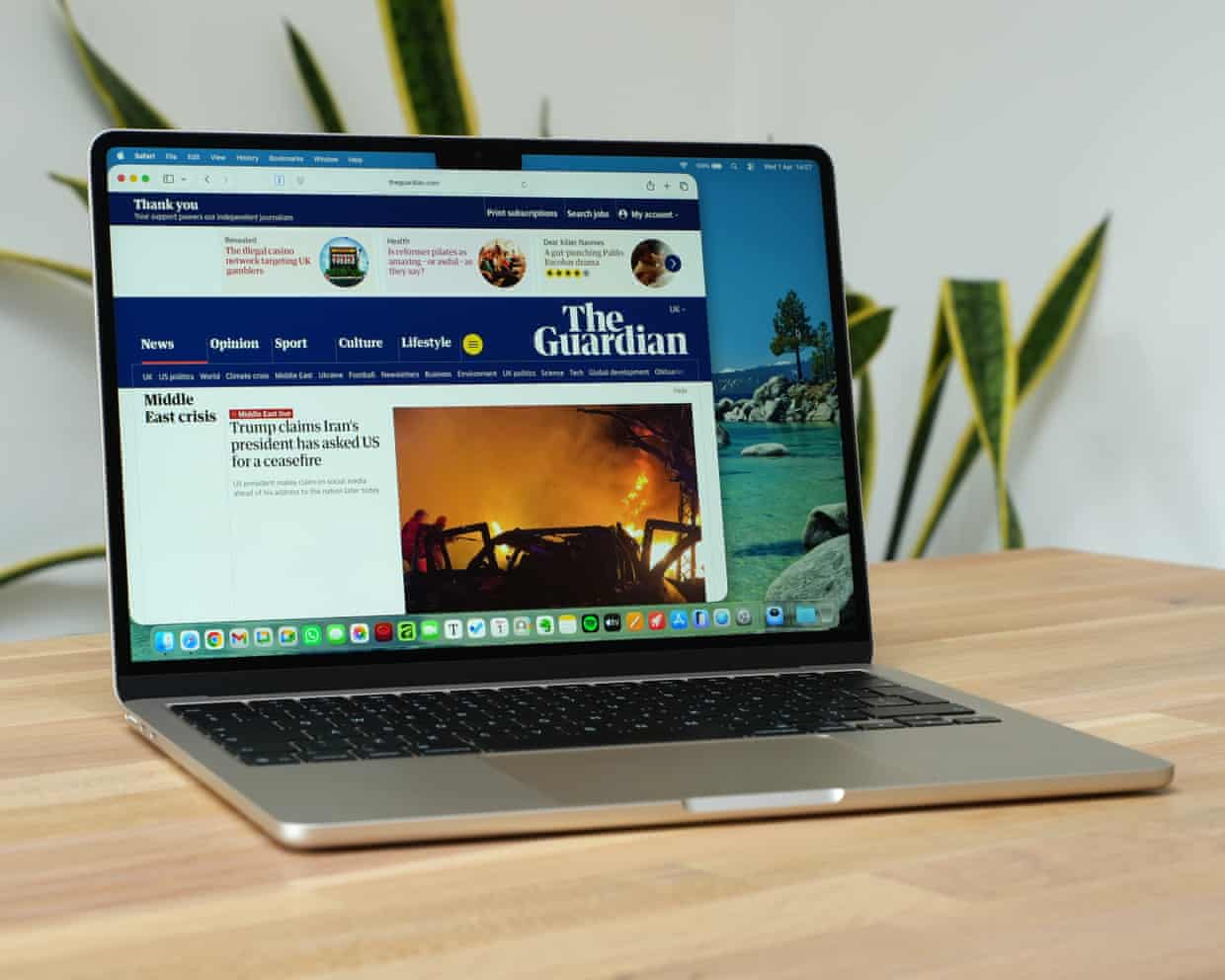
MacBook Air M5 review: Apple’s best consumer laptop speeds up
Apple’s latest MacBook Air is its most powerful yet, comes with double the starting storage and is better than ever for getting work done and as the benchmark for a consumer laptop. But this year the new lower-cost MacBook Neo has muddied the waters.The Guardian’s journalism is independent. We will earn a commission if you buy something through an affiliate link. Learn more
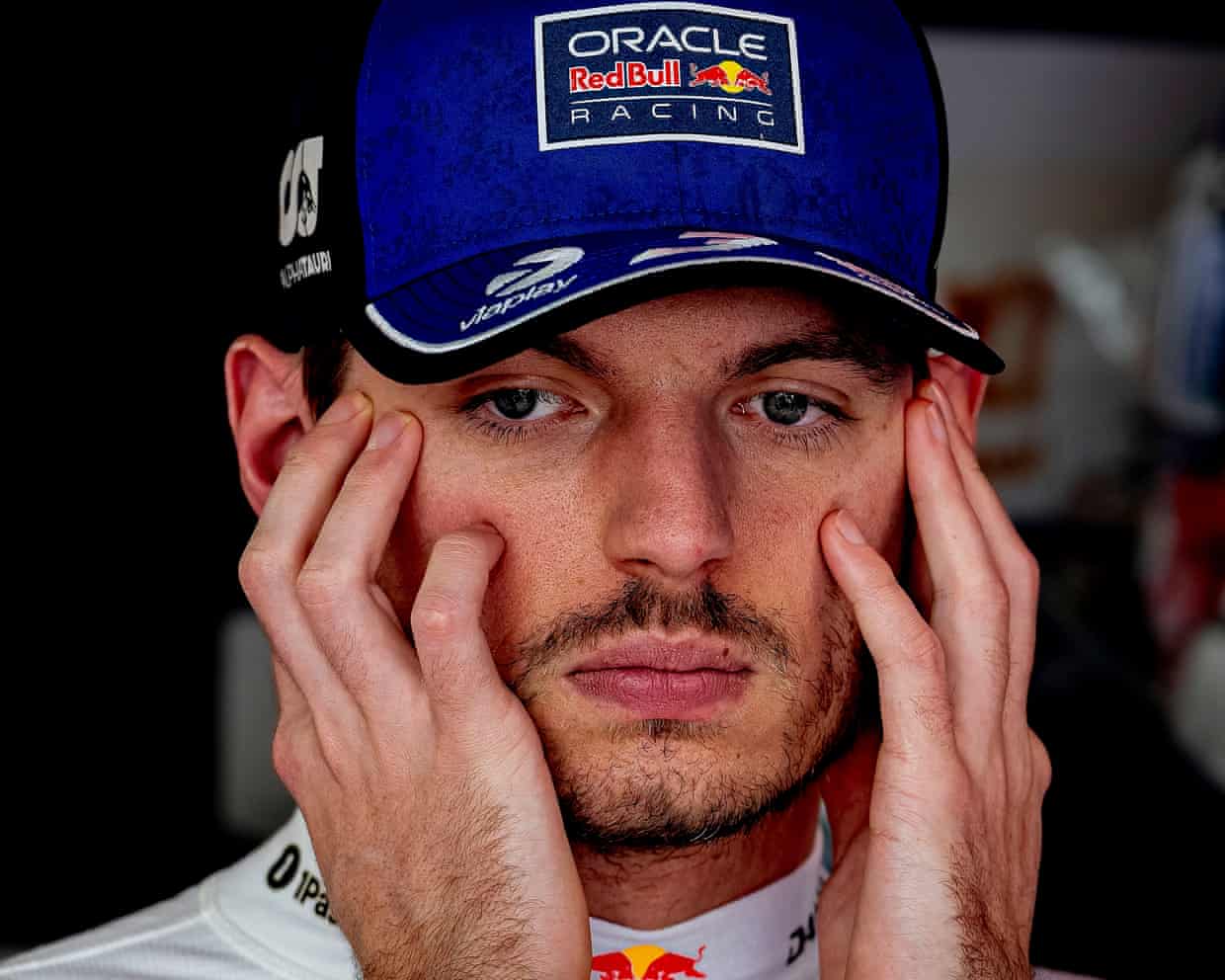
Unhappy Verstappen ‘has to be listened to’ over new rules, says F1 chief Domenicali
Formula One must listen to Max Verstappen’s grievances about the sport’s new regulations and their effects on racing, according to F1’s CEO, Stefano Domenicali. His intervention comes as key players hold meetings to consider adjusting the rules for the remainder of the season.Verstappen has been outspoken in his dissatisfaction with the new formula and the part energy management now plays in preventing being able to race flat-out. The four-time champion is not alone in his feelings with other drivers also critical of the deployment and recharging of electrical energy.Verstappen, one of F1’s biggest names, has been so disenchanted, however, that he has repeatedly suggested he is considering his future in F1 and Domenicali confirmed he had been speaking to the Dutchman and other drivers about their concerns

The Dianna Russini fallout is less about scandal than who carries blame in the NFL | Melissa Jacobs
Dianna Russini, one of the NFL’s most high-profile reporters, is photographed holding hands with New England Patriots head coach Mike Vrabel at a fancy resort in Sedona, Arizona. Rumors fly. Vrabel and Russini, who are both married to other people, issue statements denying the assumptions of something untoward. But the firestorm only grows. Russini resigns from her post at the Athletic, Vrabel continues with his job as usual
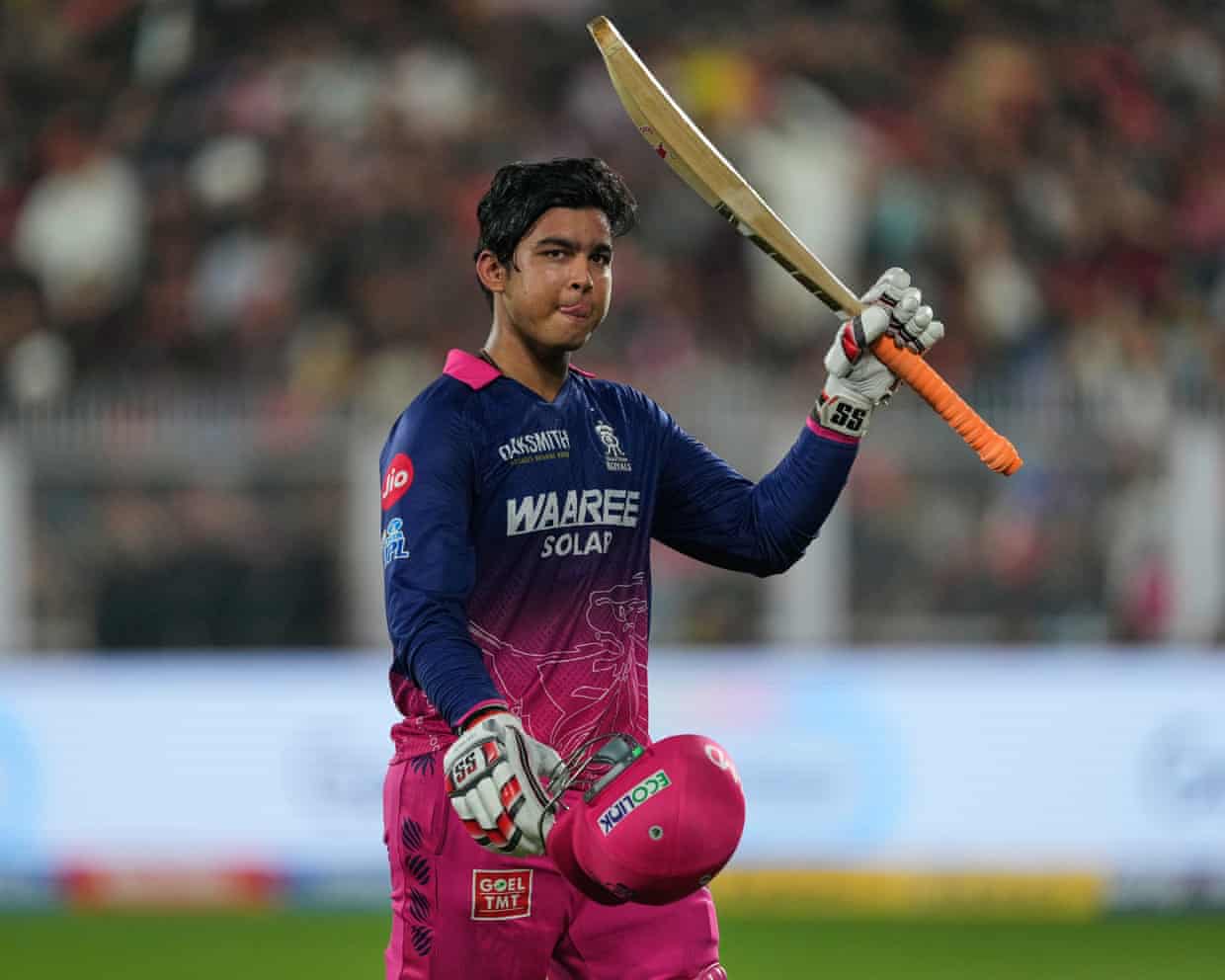
The Spin | Teenager Sooryavanshi from ‘a different planet’ but superstardom not guaranteed

How the streaming dream turned sports on TV into a costly maze

American investor agrees to buy Exeter Chiefs with plans to inject fresh funding
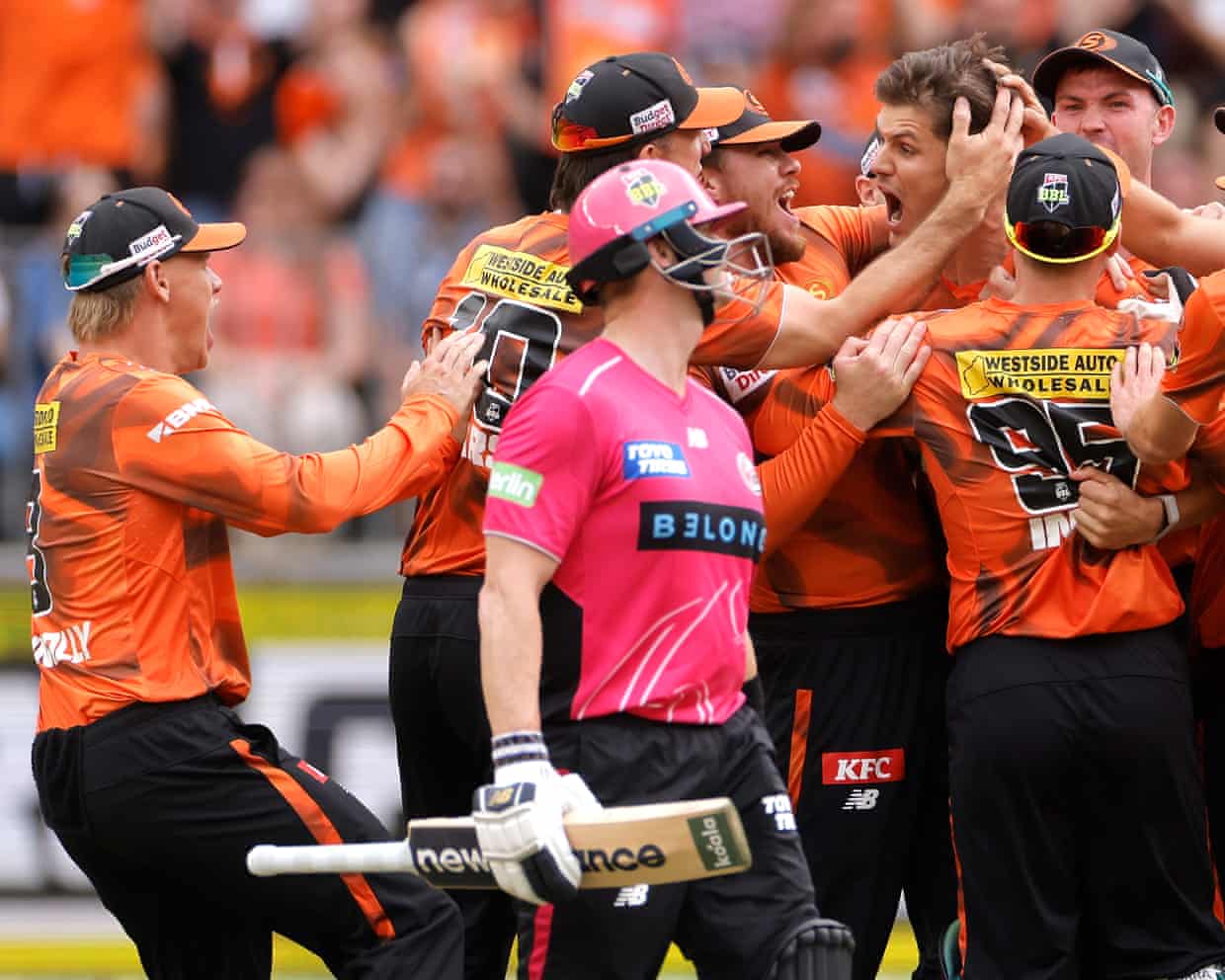
Half-billion dollar BBL sell-off stalls as states urge Cricket Australia to be patient
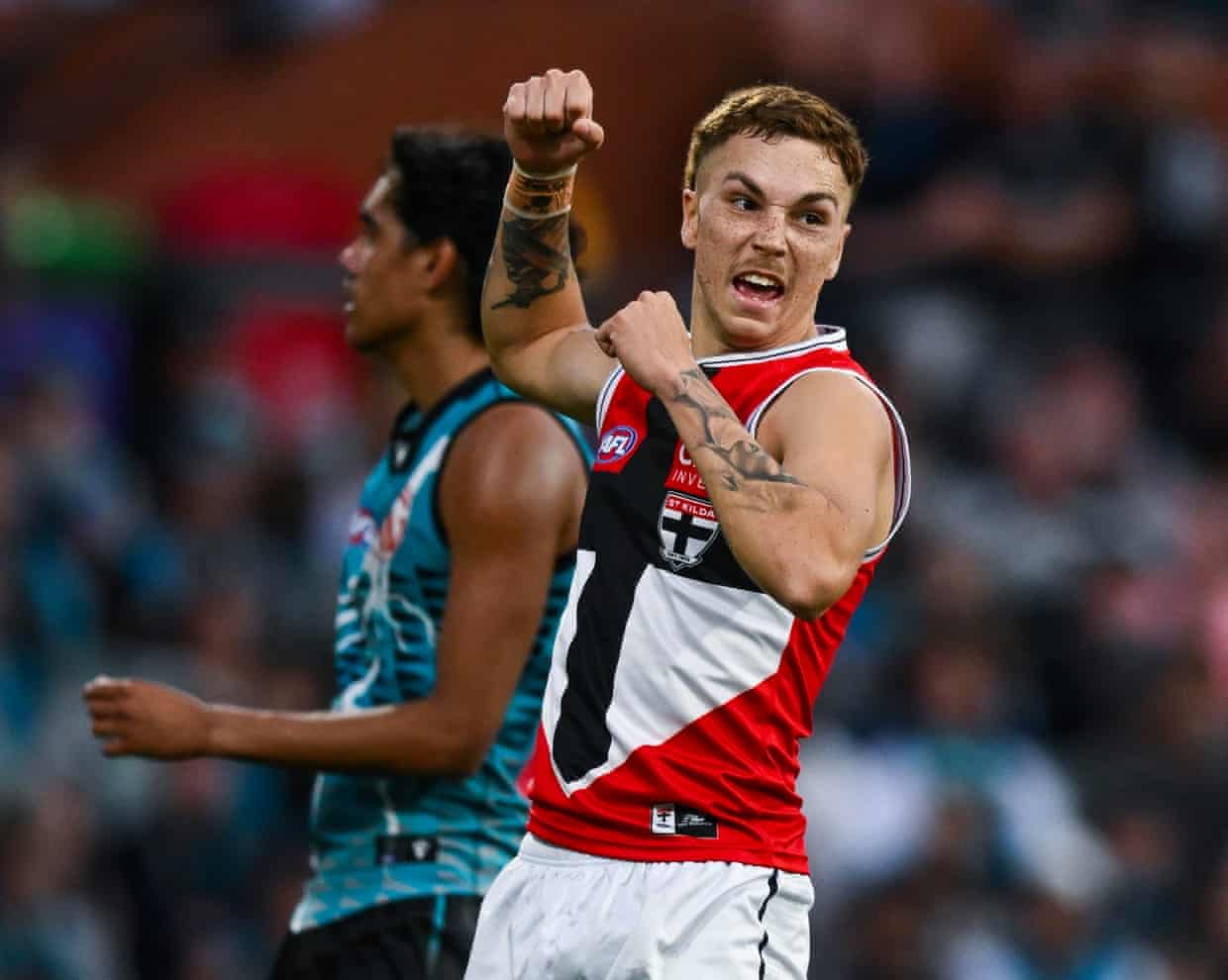
From the Pocket: AFL tribunal verdicts sit as uneasily as any in recent memory
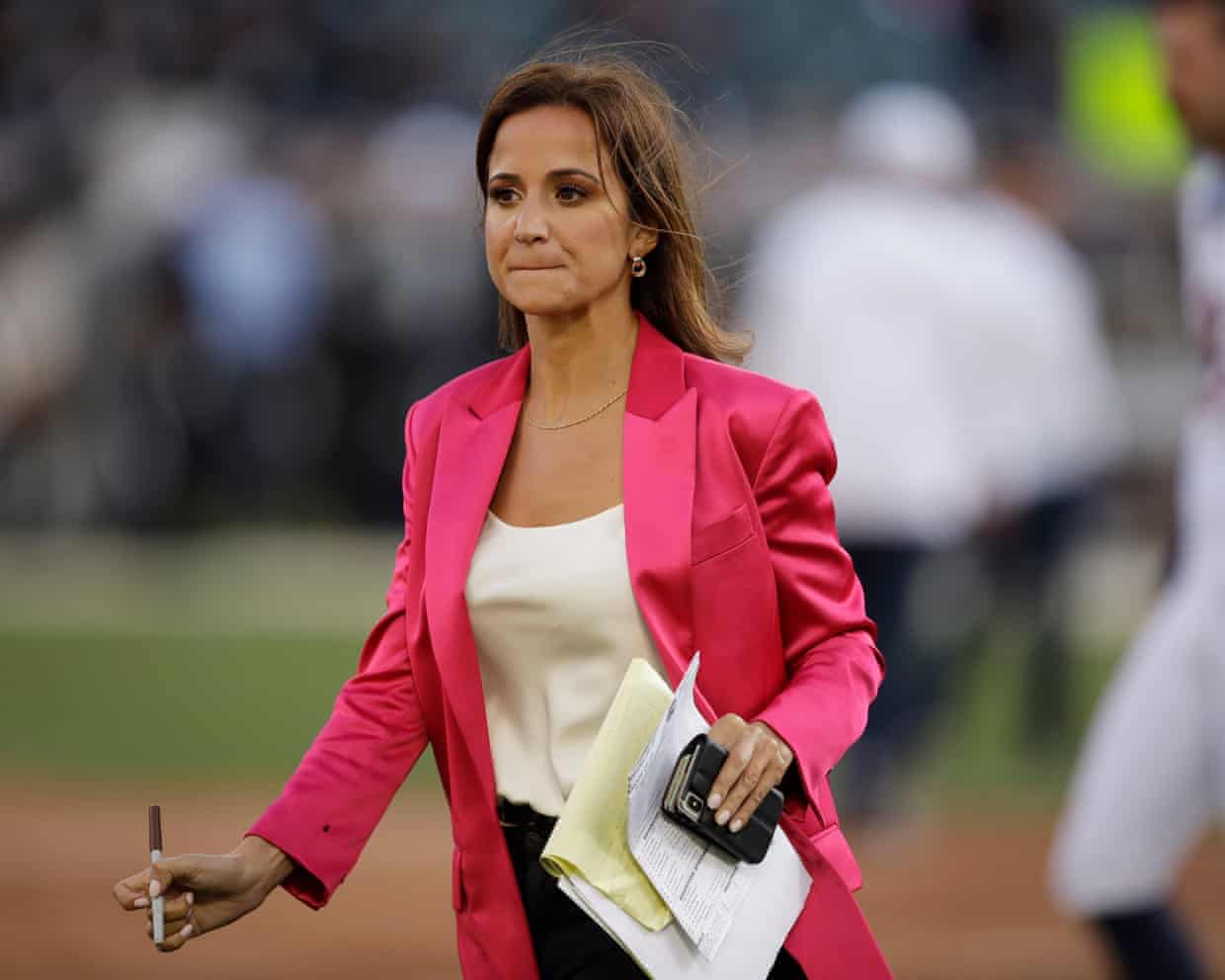
NFL reporter Russini resigns amid ‘self-feeding speculation’ over photos with Patriots’ Vrabel