Ministers urged to share Mandelson vetting files with intelligence committee

Ministers are under growing pressure to share the documents from Peter Mandelson’s vetting process with the parliamentary committee tasked with deciding if they should be made public,In February, MPs passed a binding parliamentary motion, known as a humble address, requiring the government to publish “all papers” relating to Mandelson’s appointment as ambassador to the US,The motion made an exemption for documents “prejudicial to UK national security or international relations”, which would be given to the Intelligence and Security Committee, a trusted nine-person group of MPs and peers who oversee the activities of the intelligence agencies,Officials within the Cabinet Office have discussed for weeks how to comply with the terms of the humble address because it would be “unprecedented” to disclose details of Mandelson’s developed vetting process,As the Guardian revealed last week, United Kingdom Security Vetting (UKSV) decided that Mandelson should be denied clearance but that advice was overruled by the Foreign Office so he could take up his post.
At the heart of the controversy are two documents.The first was produced by UKSV setting out its conclusion and explaining why it ranked Mandelson a “high concern”.The Cabinet Office on Friday published a template of that file on its website.The second is a highly confidential document produced by the Foreign Office in which it explained its decision to overrule UKSV.Some officials have been in favour of disclosing the documents to the ISC to comply with parliament’s wishes.
According to a government source, Cat Little, the permanent secretary in the Cabinet Office, was in favour of the outcome of the UKSV decision being made public and the relevant documents being disclosed, in full and unredacted form, to the ISC.However, others in officialdom have been opposed to disclosure, citing, among other issues, the risk to national security.Such was the extent of concerns over risks of disclosure that senior officials, including Little, knew about Mandelson’s vetting failure but did not inform Keir Starmer, the prime minister, for several weeks.Amid an impasse, there were fears among at least some officials that there might be a cover-up and the documents would never see the light of day.After the Guardian’s revelations last week, it seems inconceivable that the documents will not be disclosed, but there are still concerns there may be delays and obstacles.
Alex Burghart, a Conservative shadow minister, told the BBC’s Sunday with Laura Kuenssberg that MPs had instructed the prime minister to hand over “all of the documents associated with this” two months ago,He said: “We understand that No 10 are trying to work out whether they should release documents under the humble address,That’s not what parliament said,Parliament said hand it over and if it’s sensitive, it should go to the ISC,Once again this government is not doing the right thing.
The only reason this has come out now is because of investigative journalism.”The ISC is expected to meet in the coming days, with Little likely to face questions from its members.A spokesperson for the government said it was “committed to complying with the humble address in full as soon as possible”.They added: “Any documentation within the scope of the humble address that requires redaction on the basis of national security or international relations will be provided to the ISC.This will include documents provided to the Foreign Office by UK Security Vetting.
”The best public interest journalism relies on first-hand accounts from people in the know.If you have something to share on this subject, you can contact us confidentially using the following methods:The Guardian app has a tool to send tips about stories.Messages are end to end encrypted and concealed within the routine activity that every Guardian mobile app performs.This prevents an observer from knowing that you are communicating with us at all, let alone what is being said.If you don’t already have the Guardian app, download it (iOS/Android) and go to the menu.
Select ‘Secure Messaging’,If you don’t need a high level of security or confidentiality you can email investigations,contact@theguardian,com,Finally, our guide at theguardian.
com/tips lists several ways to contact us securely, and discusses the pros and cons of each,

Just the tonic: why it’s more than a mixer
If a tonic is something that “makes you feel stronger and happier”, my tonics come in the form of good wine, bad chocolate and an ageing whippet called Ernie. Recently, though, I’ve found myself craving the OG tonic – tonic water – which started life as a malaria treatment in the age of the British empire.The Guardian’s journalism is independent. We will earn a commission if you buy something through an affiliate link. Learn more
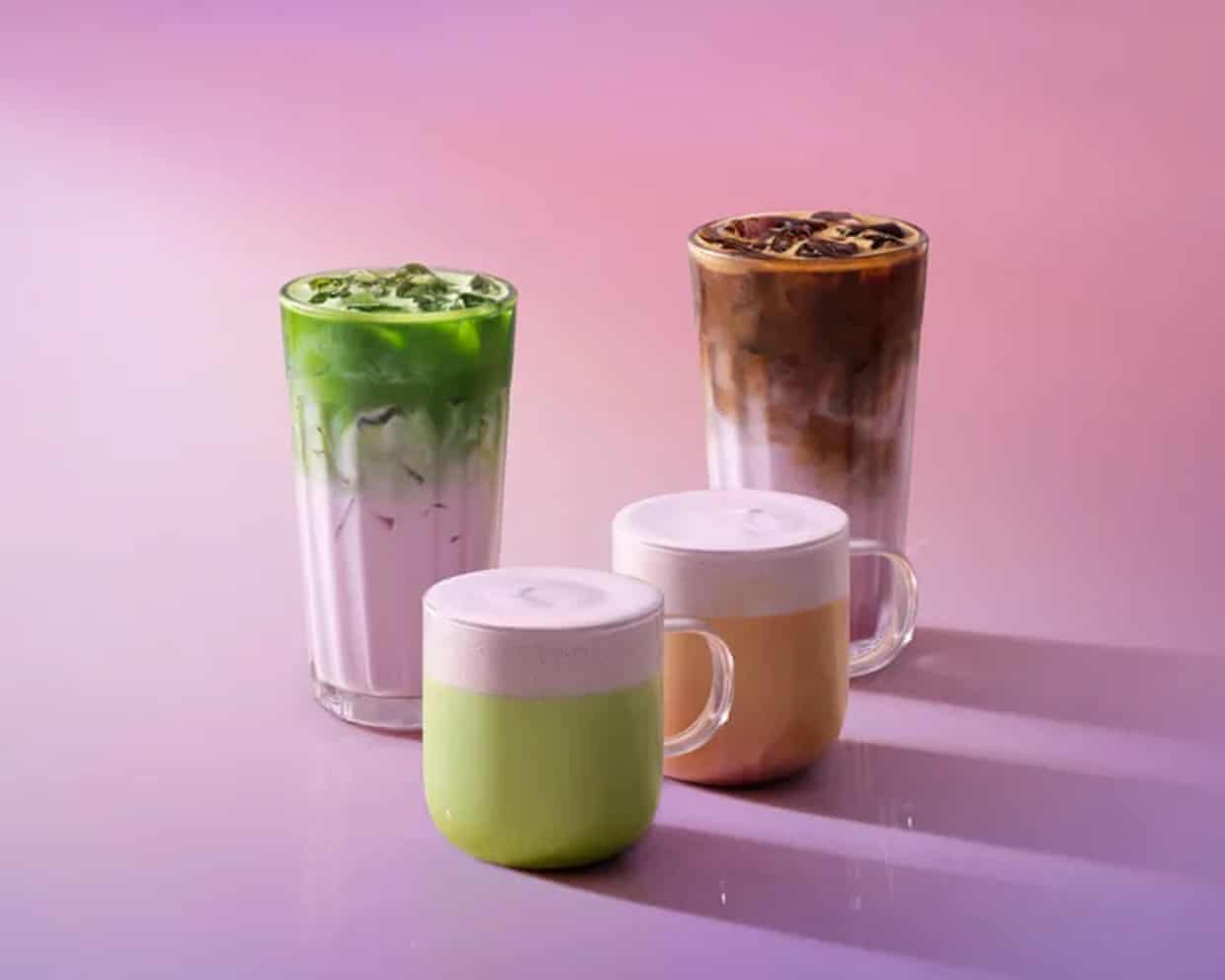
Move over matcha: how ube cocktails and coffees are hitting the UK’s sweet spot
Bright purple coffees and cocktails made with a root vegetable called ube have hit the high street in the UK after the yam’s striking hue caused a sensation on social media. Many are calling ube the “new matcha”, and it has a nutty, creamy, sweet taste, like a mix between coconut and vanilla.Ube coloured and flavoured drinks became popular in the US last year, after an earlier boom in Australia. Farmers in the Philippines, where the root vegetable is often sourced, have been struggling to meet demand.Now, the purple drinks have crossed the pond: Starbucks and Costa both launched ube drinks in their UK stores last month
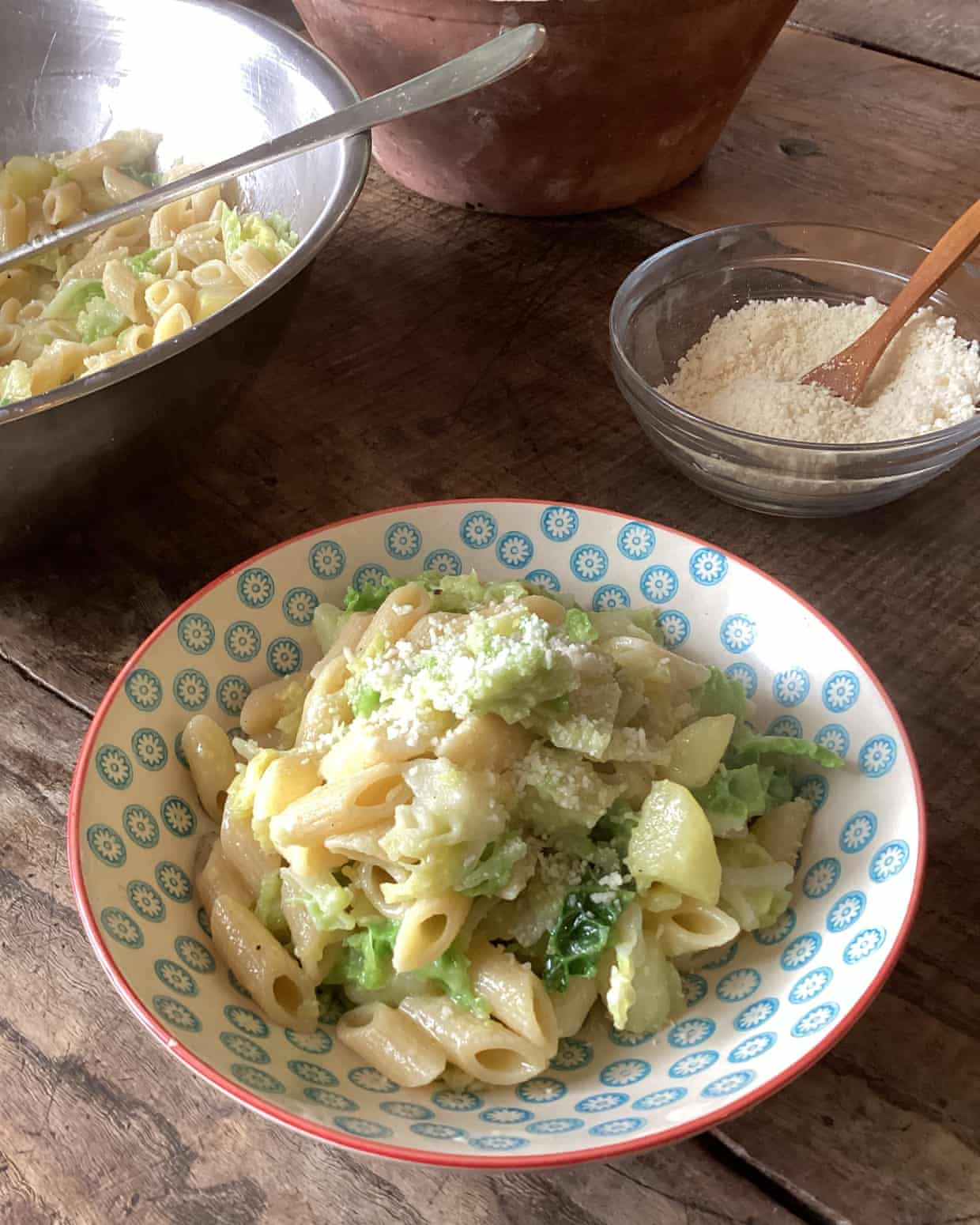
Rachel Roddy’s ‘high-ranking’ penne with potatoes, cabbage, butter and cheese – recipe
In December 2023, the magazine La Cucina Italiana ranked Italians’ favourite pasta shapes, according to data gathered by Unione Italiana Food (“the leading association in Italy for the direct representation of food product categories”). I love this sort of thing. According to the UIF, by processing NielsenIQ data (comprehensive market research, consumer intelligence and retail measurement), they identified the five most popular shapes from over 500, and examined how preferences vary in different regions.In first place was spaghetti, while penne came in second, with these two shapes – which also takes in thinner spaghettini, chunkier spaghettoni and both ridged and smooth penne – accounting for 78% of all pasta sold in Italy in 2023. The regional variations of three, four and five are as follows: in the north-west and north-east, fusilli, short pasta and mixed pasta for broth or minestra; in central Italy, short pasta, fusilli and rigatoni; in the south, mixed pasta for broth or minestra, short pasta and tortiglioni
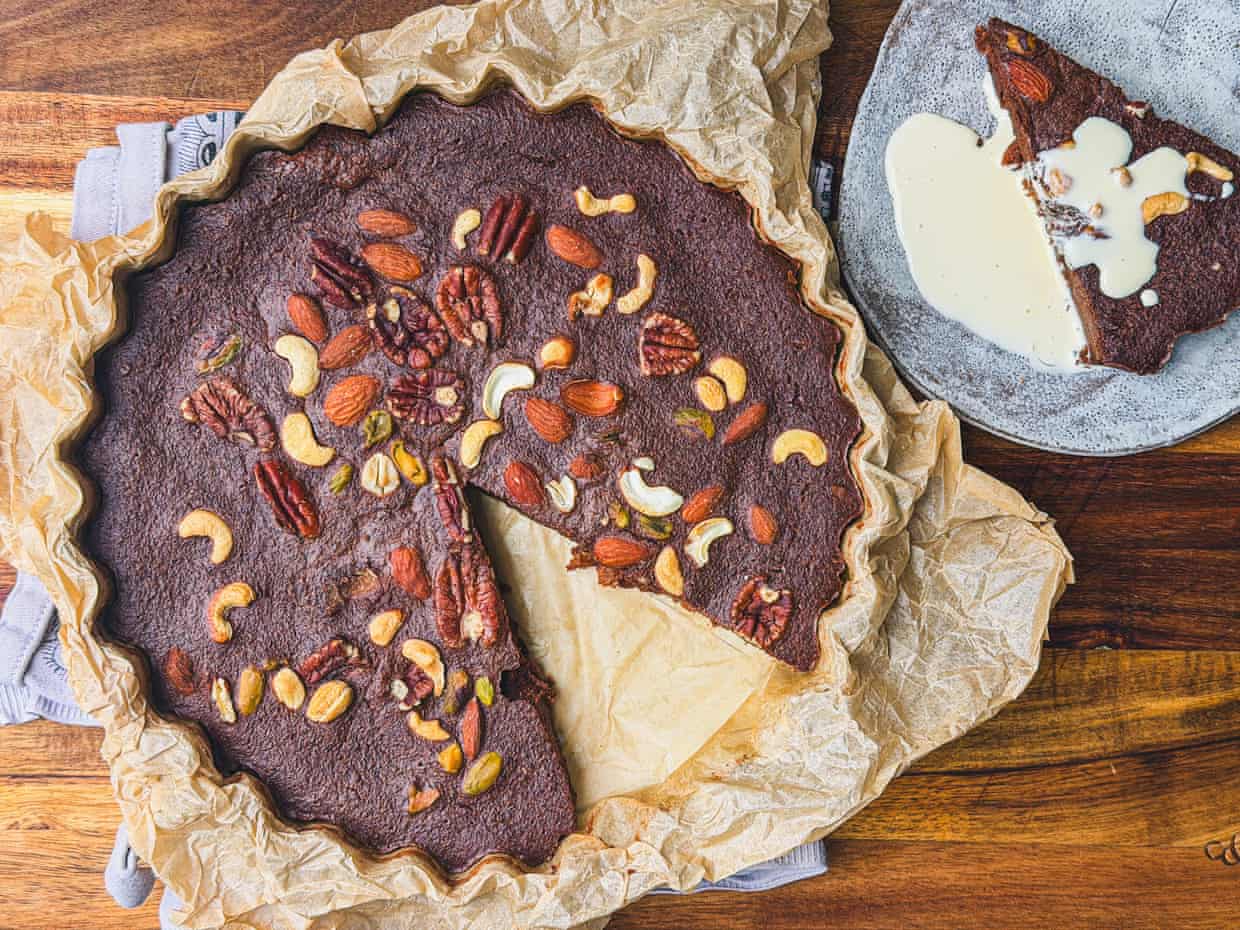
How to turn old bread into a brilliant Italian cake – recipe | Waste not
Old sourdough is my secret ingredient. To stop it going mouldy, I take it out of any plastic packaging and keep it in the bread bin with plenty of airflow around it – that way, it will dry out slowly, rather than turning mouldy. Any odds and ends, meanwhile, I store in a cloth bag to use in various dishes, from pangrattato (or poor man’s parmesan) to strata, a savoury bread-and-butter pudding.My new favourite recipe discovery for using up stale bread is today’s torta paesana, or village cake, from Lombardy. The best way I can come up with to describe it is that it’s a bit like a firm baked custard
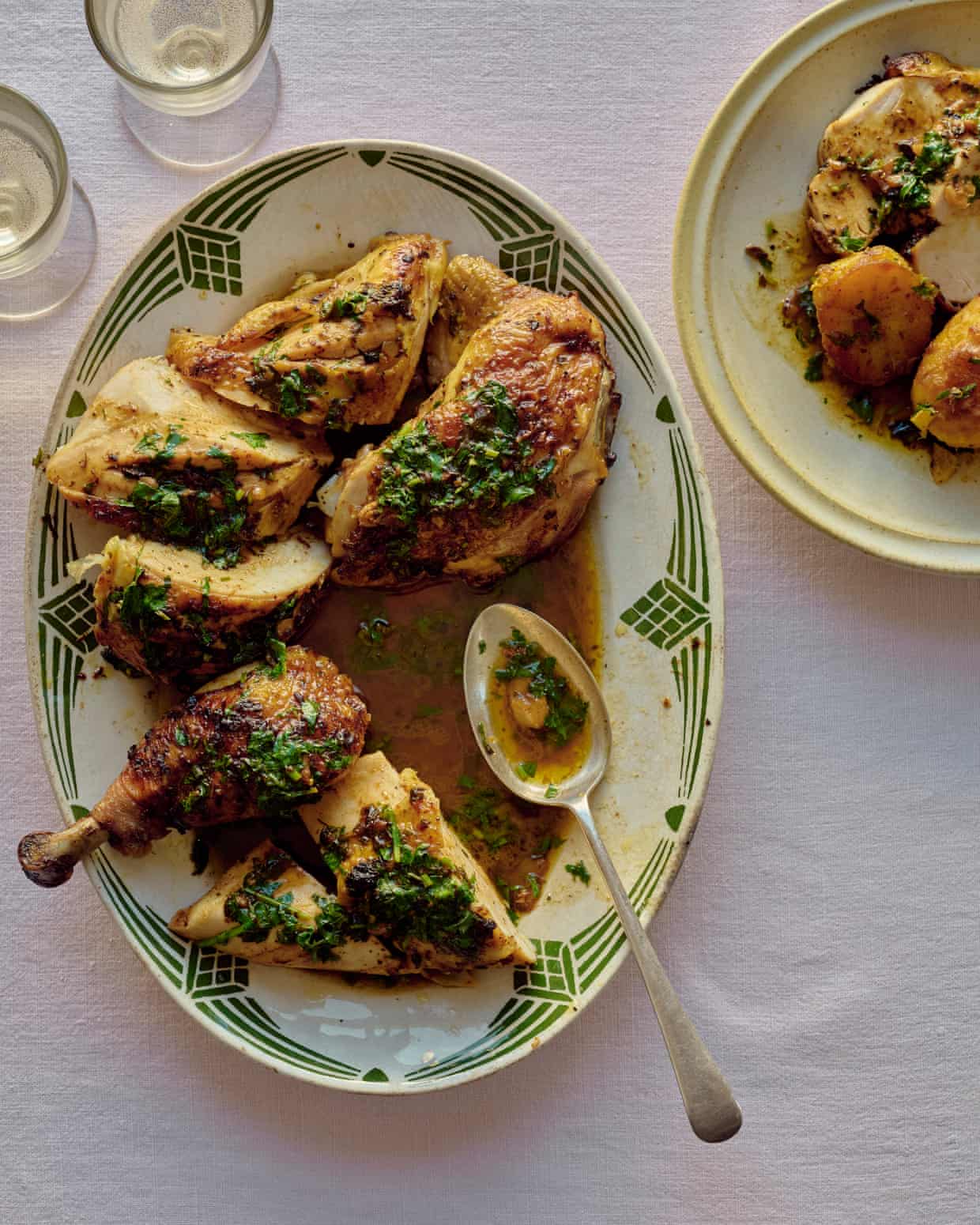
Roast chicken, cheesy scones and a genius cocktail: Ravinder Bhogal’s recipes for cooking with lime pickle
I’m obsessed with lime pickle. It’s savoury, sour, funky, spicy and full of bold personality that enlivens anything it’s smeared on. It’s made by salting and fermenting limes with chillies and spices for a fierce, flavour-packed condiment that’s traditionally eaten as a side to poppadoms or with simple dal and rice. Over the years, I have also folded it into grilled cheese toasties, marinades for fat prawns to barbecue in the summer or made compound butters with it to smother over sweet potatoes before roasting. It’s an instant flavour bomb and my pantry is never without a jar

Vegemite is recognised globally – but how many people know Milo was invented in Australia?
The chocolate malt powder is sold in more than 40 countries, and Australian cafe owners say there’s ‘jingoistic pride’ in serving it on their menusGet our weekend culture and lifestyle emailWhen I order the jumbo-sized Milo Godzilla at Ho Jiak in Sydney’s Haymarket, it arrives as advertised – it’s comically large. The Malaysian restaurant prepares the drink by swirling Milo powder with hot water, adding sweet drizzles of condensed milk then chilling the mix with ice. Scoops of ice-cream are added and extra choc-malt powder is showered on top. Served in a one-litre jug, it’s so big I can’t finish it solo: staff hand me three takeaway cups to transport the leftovers.Like many beloved Milo drinks, the Godzilla is native to south-east Asia

Ed Miliband to double down on net zero with measures to combat Iran energy shock

ABF poised to reveal result of Primark and food business demerger plan

How a fiery attack on Sam Altman’s home unfolded

Kenyan firm sacks more than 1,000 workers after losing Meta contract

‘This feeling sucks’: $381m Mets, with second-highest payroll in MLB, lose 11th game in a row

James Rew shines with the bat as Somerset set up Hampshire chase – as it happened