Five key questions: who overruled decision to deny Mandelson security clearance?

The revelation that Peter Mandelson failed his security vetting clearance, only for the decision to be overruled by the Foreign Office so he could take up his post as ambassador to the US, raises a number of questions,According to multiple sources, Mandelson was initially denied clearance in late January 2025 after a developed vetting process, a type of a highly confidential background check carried out by UK Security Vetting (UKSV), a division of the Cabinet Office,By that stage he had already been announced as Keir Starmer’s pick for ambassador in Washington,Within two days, the Foreign Office had overruled the UKSV decision, granting him clearance despite the recommendation from security officials,It is not known who made the decision to overrule security officials, or why.
According to multiple sources, senior government officials have been considering whether to withhold from parliament sensitive documents that would reveal Mandelson failed the security vetting process.But it remains unclear who made the decision to overrule UKSV, who knew about it – and whether that step was cleared with senior politicians.Here are five key questions that are likely to be asked of the government and the civil service in the coming days.On 5 February, Starmer responded to a question from a journalist by saying there was “security vetting, carried out independently by the security services, which is an intensive exercise that gave him [Mandelson] clearance for the role.You have to go through that before you take up the post.
” He added: “Clearly both the due diligence and the security vetting need to be looked at again.”That statement appears to directly contradict the outcome of Mandelson’s vetting application to UKSV, according to sources.If Starmer was not aware of the UKSV decision, it is possible he inadvertently misled the public.But that would in turn raise another question: why was the prime minister not informed that his soon-to-be ambassador had not received vetting approval from security officials? Who made that decision, and why?Yvette Cooper was not foreign secretary when the decision was made by the Foreign Office to overrule UKSV’s decision.However, she has been dealing with the fallout, including intense parliamentary scrutiny.
On 16 September, Cooper and Olly Robbins, her top official, responded to questions over the vetting process with a letter to the foreign affairs select committee.“Peter Mandelson’s security vetting was conducted to the usual standard set for developed vetting in line with established Cabinet Office policy,” the letter said, explaining that the process had been undertaken by UKSV on behalf of the Foreign, Commonwealth and Development Office (FCDO).In what may have been a carefully worded sentence, Cooper and Robbins said that vetting process “concluded with DV clearance being granted by the FCDO in advance of Lord Mandelson taking up post in February”.While it is technically correct the process “concluded” with clearance being “granted by the FCDO”, there may be questions about whether that statement was sufficiently transparent.The answer is not known – but an appearance by Robbins before the foreign affairs select committee may offer some clues.
Robbins said the “vast majority” of vetting reports were “relatively straightforward”, adding: “Ones that require more senior judgment, and potentially a discussion about managing and mitigating risks, are escalated appropriately.”Robbins declined to say if Mandelson’s appointment had been “escalated” in this way.Sir Chris Wormald, who was at the time cabinet secretary, gave evidence at the same hearing.He said the developed vetting process would typically culminate in a report that was received by a “line manager – in this case, that would be Sir Oliver – and then a decision is taken on whether the relevant level of security clearance is to be granted and what mitigations, if any, are required”.That would suggest that the decision came from Robbins, who was then just weeks into his role as permanent secretary.
Is that true? If so, given the magnitude of the decision, did he consult or inform Wormald, David Lammy, who was then foreign secretary, or anyone at Downing Street, such as Starmer or his then chief adviser, Morgan McSweeney? And were any mitigations of risks identified by UKSV sought before the body’s verdict was overruled?While it is rare for applicants to fail developed vetting, there are many reasons they might fail,According to publicly available government documents, the UKSV developed vetting process includes a questionnaire and interviews requiring disclosure of highly private information, including about personal finances, business connections and sexual history,The precise reason that UKSV recommended that Mandelson should not receive clearance is now likely to be subject to intense speculation,However, sources said there were strong reservations in some quarters of government about releasing that information,Developed vetting is a highly confidential process that receives input from the security services.
The reasons for a UKSV denial of clearance have never before been made public,That is a live question under consideration at the top levels of government,In February, parliament voted for a rare motion, known as a humble address, to compel the government to publicly release “all papers relating to Mandelson’s appointment”,The language in the motion made an exception for papers “prejudicial to UK national security or international relations”, which, it said, should be provided to the intelligence and security committee,Top officials are divided about whether to release documents related to UKSV’s vetting of Mandelson, and the Foreign Office’s decision to grant him clearance, to the trusted committee.
Such a decision would be unprecedented,
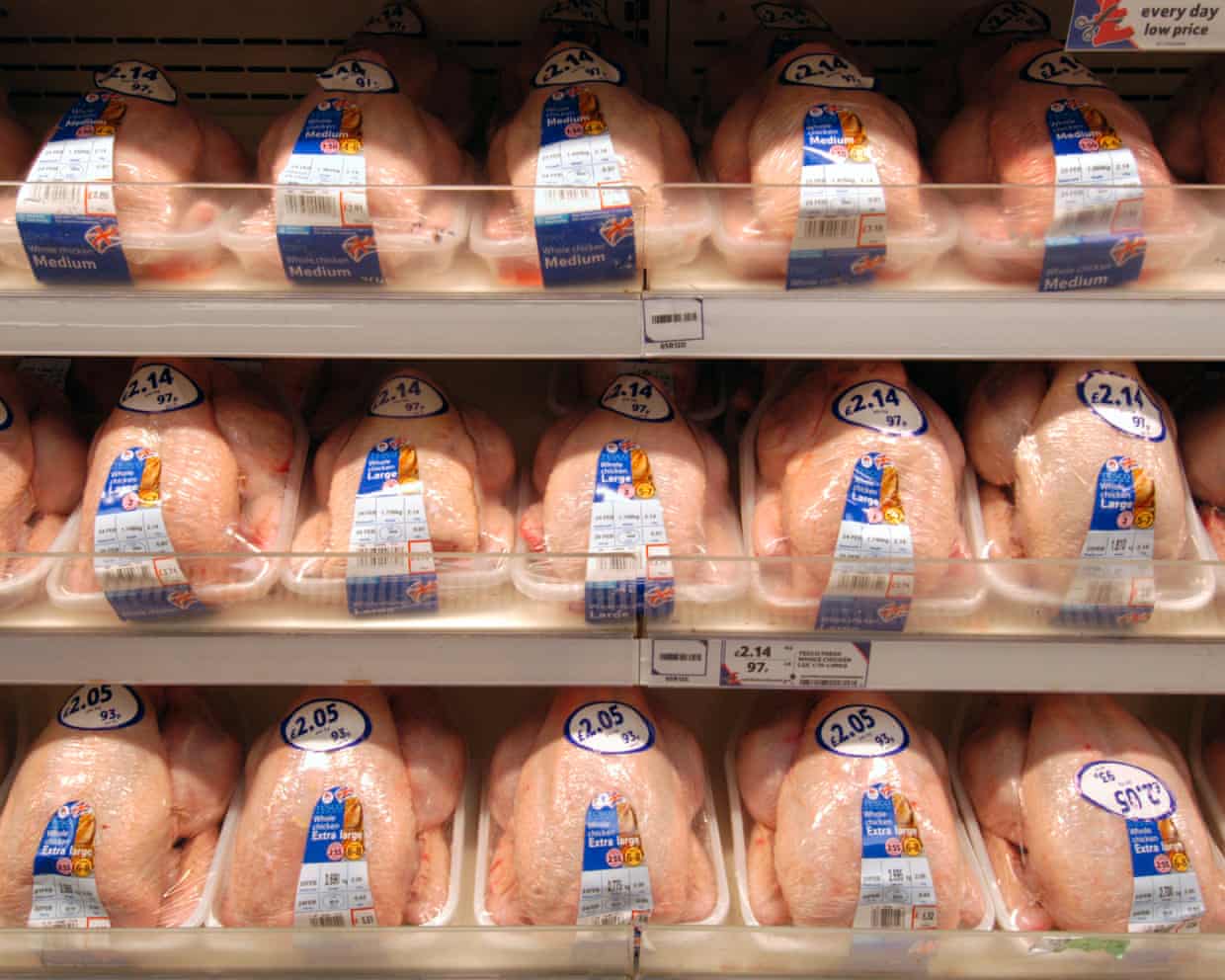
UK could face gaps on supermarket shelves by summer if Iran war continues
The UK could face some gaps on supermarket shelves this summer if disruption caused by the Iran war continues, with shortages of carbon dioxide potentially hitting supplies of chicken, pork and fizzy drinks.Government ministers are drawing up contingency plans for a “reasonable worst-case scenario” if the key shipping lane of the strait of Hormuz does not reopen, disrupting supplies of the CO2 required by the food industry.Officials from departments including No 10, the Treasury and the Ministry of Defence have run a planning operation named Exercise Turnstone to rehearse various scenarios of how British industry could be affected by a long closure of the strait.The planning exercise run by the government’s Cobra emergency committee, details of which were first reported by the Times, was based on multiple disruptive events happening at once, including the strait still being closed in June, a lack of a permanent peace deal between the US and Iran, and a mechanical failure at one of the UK’s key CO2 plants.The business secretary said on Thursday that the public should be “reassured” by the fact ministers were making contingency plans for possible repercussions from the war, adding that supplies of CO2 were “not a concern” for the UK economy
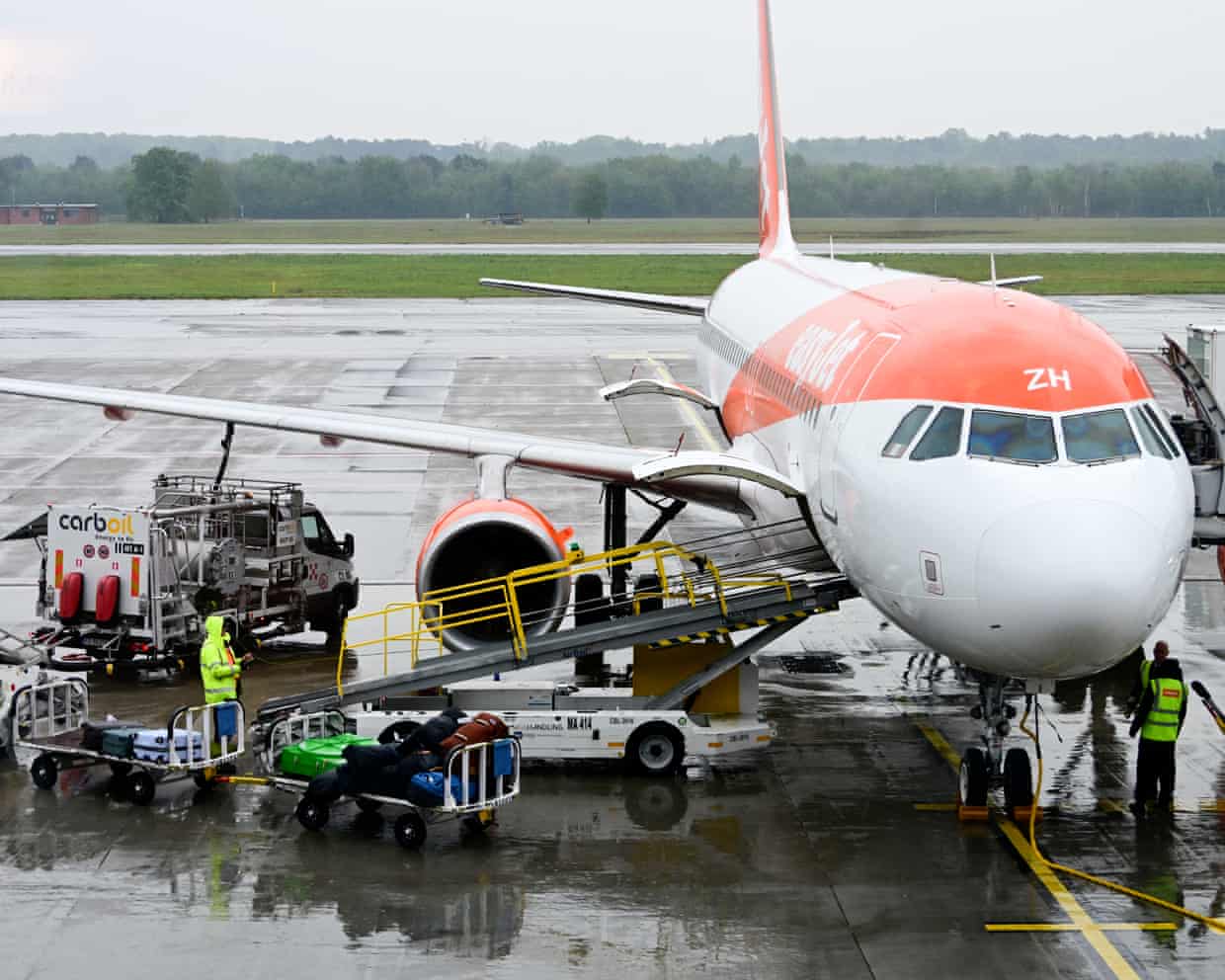
EasyJet warns of impact on profits as Iran war hits bookings and fuel prices
The budget airline easyJet has warned the impact of the Iran war on bookings and oil prices will hit its profits, having driven up fuel costs by £25m in the last month alone.It said it expected to report an increased pre-tax loss of £540-£560m for the six months to March, up from £394m in the first half of 2024-25. The carrier typically makes its money in the second half of the year which includes the peak summer period.The airline said it remained confident in its fuel supply. While it has hedged 70% of its needs for the rest of the financial year to September, it said that each $100 (£74) movement in the spot price jet of fuel per metric tonne was adding £40m in costs for its unhedged supply – and currently the price is about $800 higher than before the conflict started
UK economy showed surprise 0.5% growth before Iran war
UK GDP expanded by a stronger than expected 0.5% in February, official figures show, suggesting the economy was gaining momentum before the onset of war in the Middle East dashed hopes of recovery.The jump, reported by the Office for National Statistics (ONS), was significantly bigger than the 0.1% forecast by economists. January’s flatlining figure was also revised up, to 0
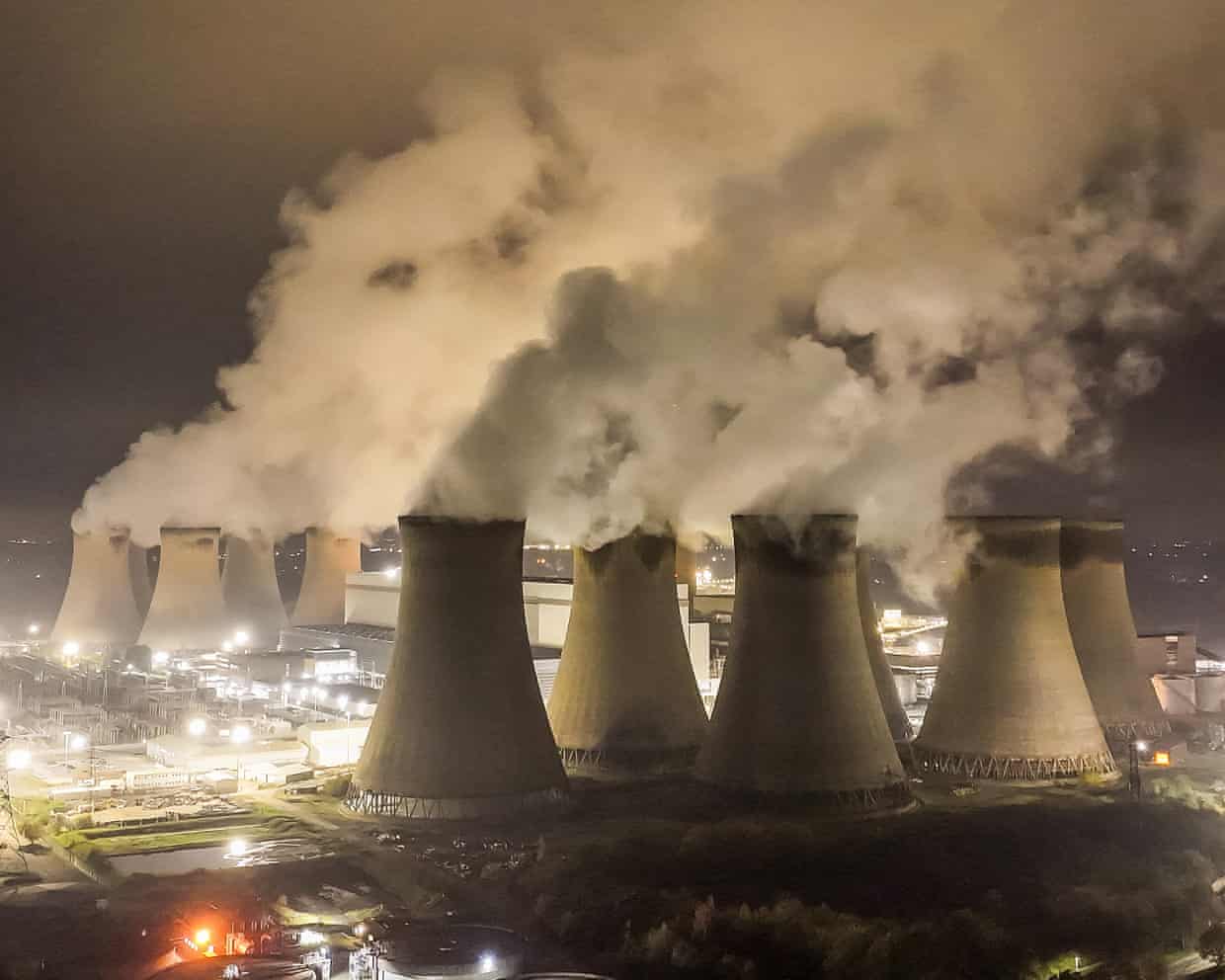
Drax claimed record £999m in subsidies for burning trees in 2025, thinktank says
The owner of the Drax power plant in North Yorkshire received record subsidies of almost £1bn for burning trees to generate electricity in 2025, a climate thinktank has calculated.The company was paid £999m last year for generating about 4.5% of Great Britain’s electricity from its biomass plant, costing each household £13 a year, according to analysts at Ember.The power plant was able to claim £2.7m a day from energy bills in part by increasing its power generation by about 2% from the year before – but mostly due to the rising payouts from a legacy renewables support scheme
Reeves gives more energy bill support to businesses as Iran war pushes up costs
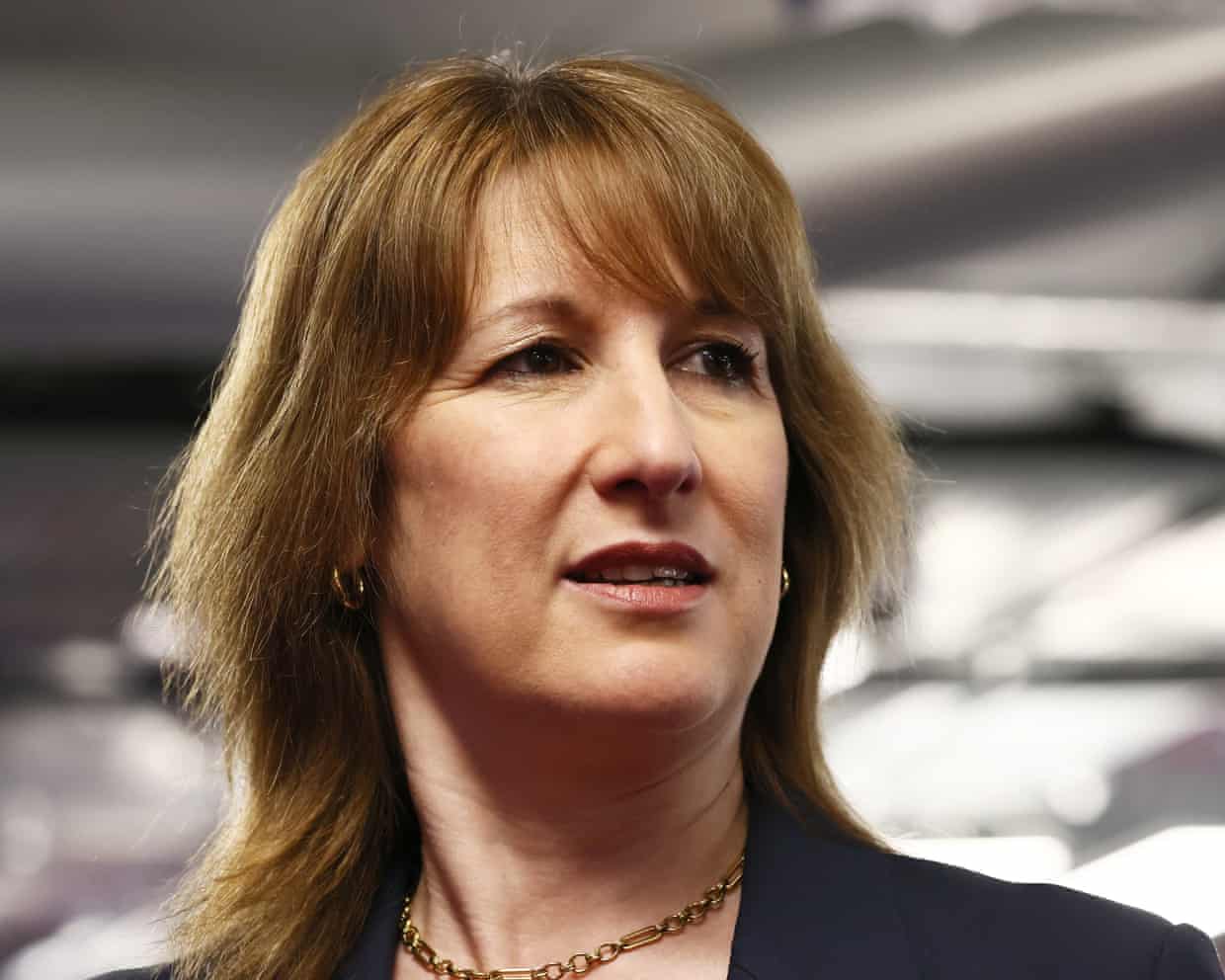
Rachel Reeves has announced an expansion of support for the most energy-intensive UK businesses, as they face soaring bills as a result of the Middle East conflict.The chancellor said the long-promised British Industrial Competitiveness Scheme (BICS) would be expanded to cover 10,000 companies, up from the 7,000 originally announced.The scheme, which the government says will cut companies’ bills by up to 25%, will not come into operation until next year, although in a significant concession Reeves said support would then be backdated to this month.The announcement was welcomed by business groups, but some criticised the fact the money would not arrive until next April, urging Reeves to bring support forward as they face a looming crisis as a result of the ongoing closure of the strait of Hormuz.Speaking in Washington, where she is attending the spring meeting of the International Monetary Fund (IMF) this week, the chancellor said: “This government has the right plan for the economy: backing British industry, cutting electricity costs and building a stronger, more resilient future

Shares in Allbirds surge after maker of wool sneakers announces pivot to AI
Allbirds, the maker of minimalist wool sneakers beloved by Silicon Valley, announced on Wednesday that it is leaving shoes behind and pivoting to artificial intelligence. The new focus and rebrand as “NewBird AI” sent the company’s stock up 582% as of mid-day during a flurry of trading.The surging stock price and new direction is a bizarre, rapid turnaround for a company that had fallen into disrepair in recent years. Once valued at $4bn, Allbirds’ shares had lost 99% of their worth since 2021 and earlier this month the company announced plans for a $39m sale to brand management firm American Exchange Company.Allbirds’ declaration that it will concentrate on acquiring graphics processing units to help support AI compute stands out as one of the most baffling pivots of the AI boom, a period in which many companies have tried to shoehorn in AI to appeal to investors and the market

Roast chicken, cheesy scones and a genius cocktail: Ravinder Bhogal’s recipes for cooking with lime pickle

Vegemite is recognised globally – but how many people know Milo was invented in Australia?

What can I do with leftover rice? | Kitchen aide
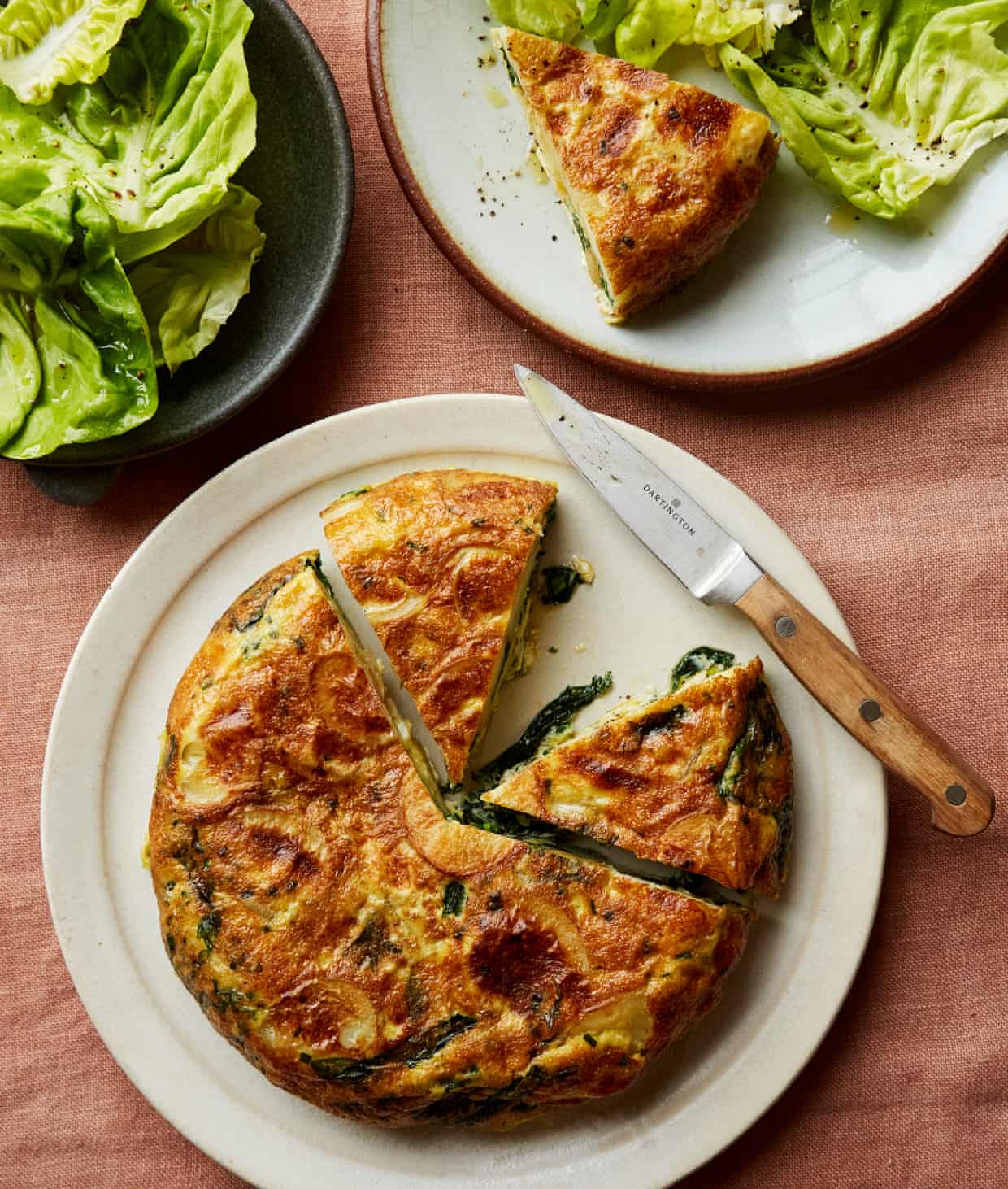
José Pizarro’s recipe for nettle (or wild garlic) and goat’s cheese tortilla
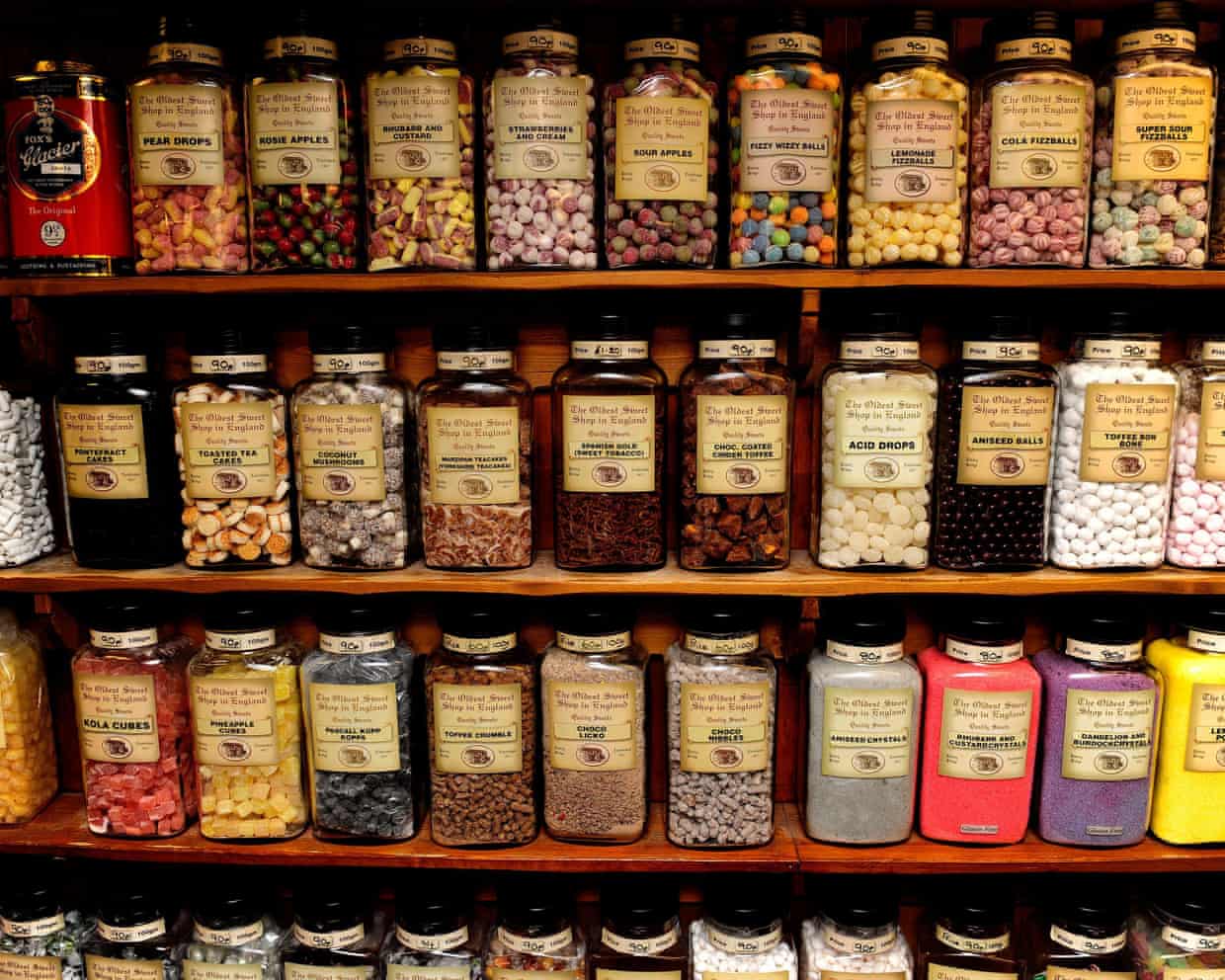
Gone from shop shelves, but not forgotten | Letters
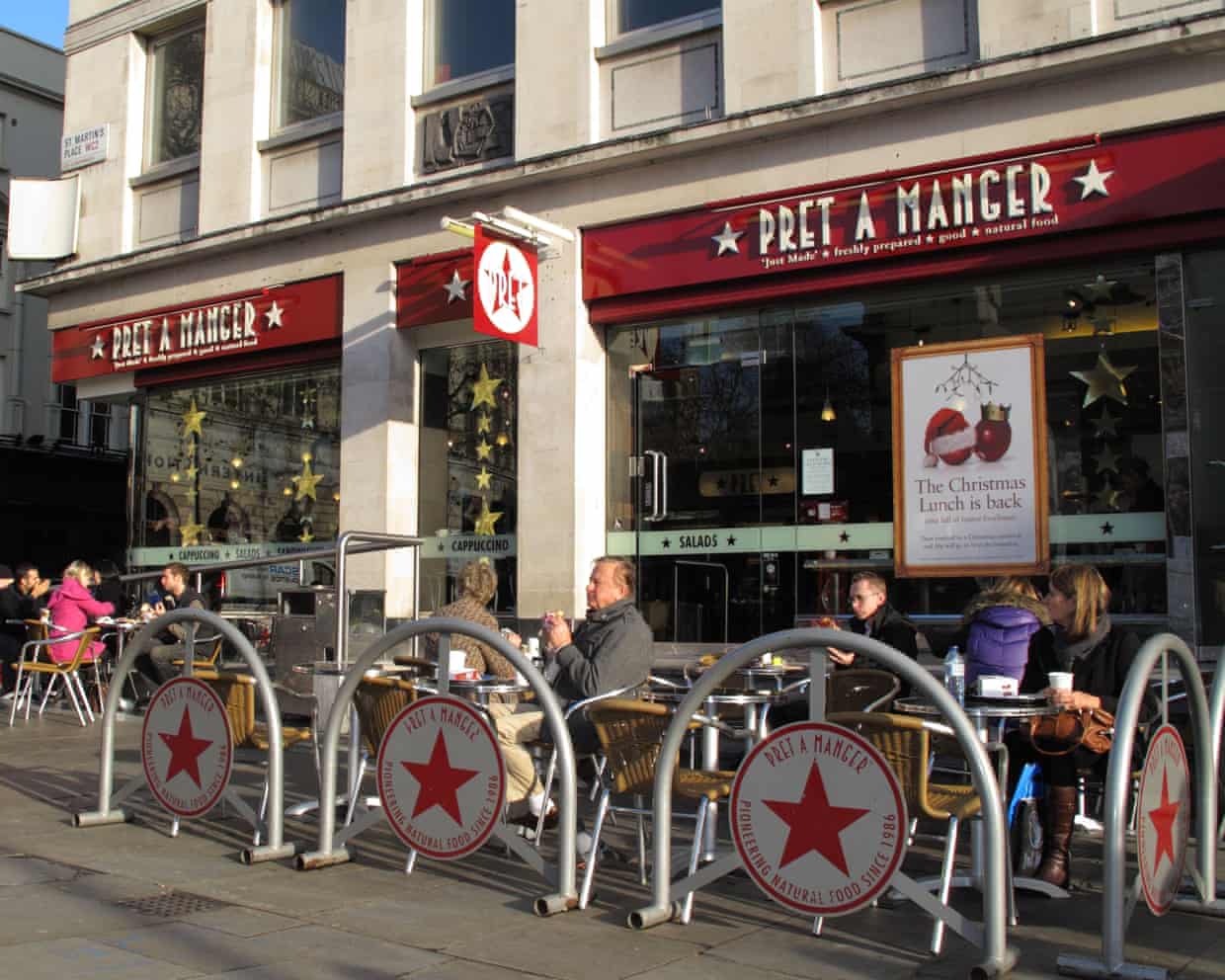
Cornichon shortage leaves British sandwich shops in a pickle