UK could face gaps on supermarket shelves by summer if Iran war continues
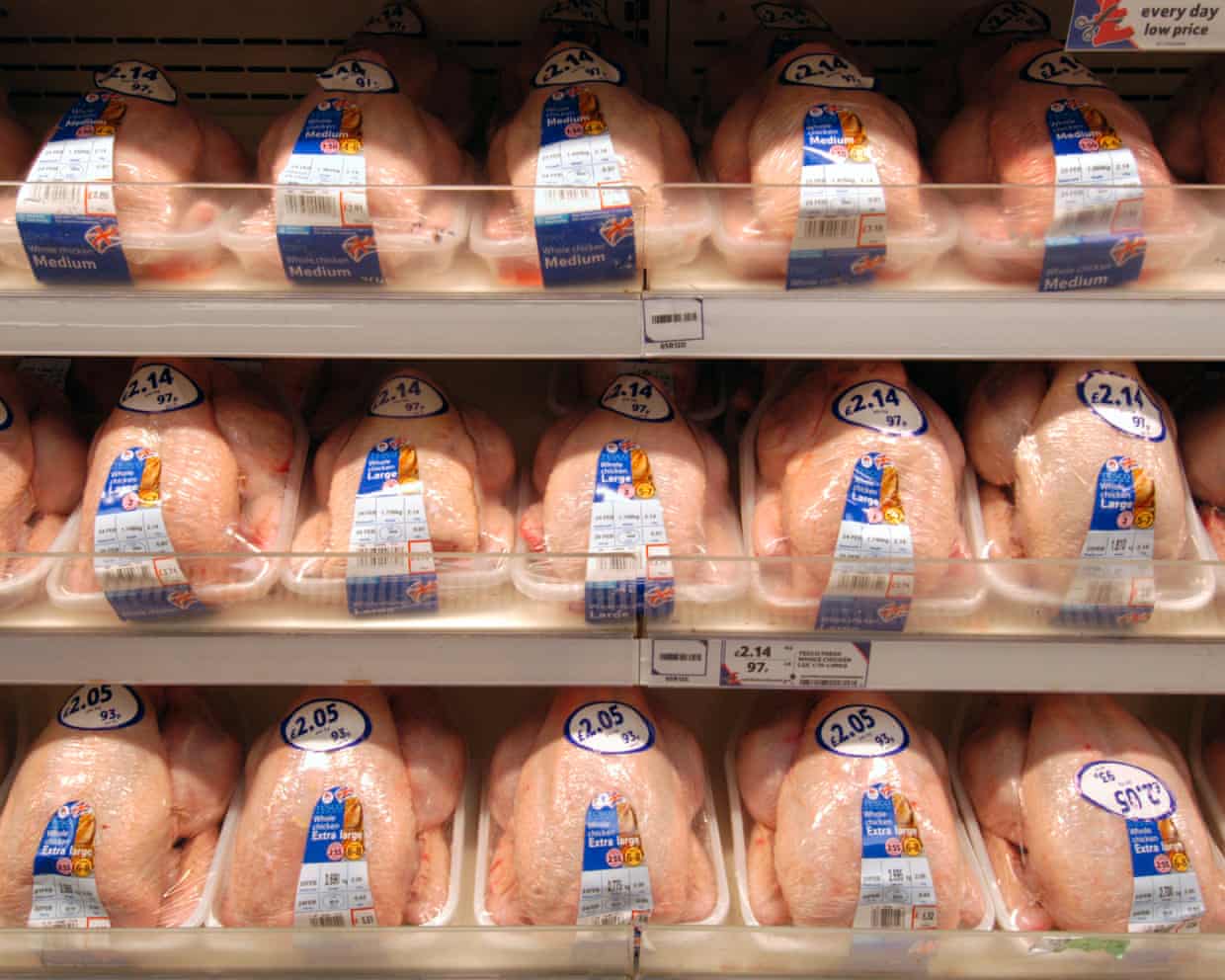
The UK could face some gaps on supermarket shelves this summer if disruption caused by the Iran war continues, with shortages of carbon dioxide potentially hitting supplies of chicken, pork and fizzy drinks.Government ministers are drawing up contingency plans for a “reasonable worst-case scenario” if the key shipping lane of the strait of Hormuz does not reopen, disrupting supplies of the CO2 required by the food industry.Officials from departments including No 10, the Treasury and the Ministry of Defence have run a planning operation named Exercise Turnstone to rehearse various scenarios of how British industry could be affected by a long closure of the strait.The planning exercise run by the government’s Cobra emergency committee, details of which were first reported by the Times, was based on multiple disruptive events happening at once, including the strait still being closed in June, a lack of a permanent peace deal between the US and Iran, and a mechanical failure at one of the UK’s key CO2 plants.The business secretary said on Thursday that the public should be “reassured” by the fact ministers were making contingency plans for possible repercussions from the war, adding that supplies of CO2 were “not a concern” for the UK economy.
Peter Kyle called the leak “unhelpful”, telling Times Radio: “The public need to be reassured that we are doing this kind of planning and we are doing this kind of scenario planning.”The boss of Tesco, Britain’s biggest retailer, said it was not aware of any problems with carbon dioxide availability across its supply chain.CO2 is a byproduct of industrial production, but is widely used across numerous industries, particularly farming, food production and hospitality.The gas is essential for the humane slaughter of livestock as it is used to stun pigs and chickens.It is also widely used in the packaging of fresh meats and fresh produce such as salad and baked goods, where it halts bacteria growth and extends shelf life.
CO2 is necessary for fizzy drinks and beer, as well as being vital for cooling systems used to refrigerate products,Any shortages would come at a difficult time for breweries, which are expecting to be busy before this summer’s football World Cup, which begins on 11 June,Beyond food and hospitality, the gas is also needed for surgical procedures, MRI scans and cooling nuclear power plants,The UK is one of Europe’s largest users of CO2,In March, Kyle said the government would invest £100m to reopen the mothballed Ensus bioethanol plant on Teesside over fears that the war in Iran could trigger shortages of the gas.
On Thursday he said the decision to restart the Ensus plant for three months meant “people should be reassured that we are doing this kind of action behind the scenes to keep resilience in our economy” at a time when the situation was still unfolding in the Middle East,A government spokesperson said ministers were “continuing to work closely with business groups to tackle the impacts of events in the Middle East”, adding: “Reasonable worst-case scenarios are a planning tool used by experts and are not a prediction of future events,”Ken Murphy, the Tesco chief executive, said the government was “doing the right thing in planning for a worst-case scenario” on potential interruptions to CO2 supply, and it had made a “reasonable analysis”,He welcomed the reopening of the Teesside plant,But he said Tesco had “seen nothing at this point” in terms of problems within its supply chain caused by issues with CO2 availability and that “at this point none of our suppliers have flagged any issues to us”.
Murphy said that after six years of various crises – from Covid to Brexit – Tesco was confident it could head off problems with supply and was “constantly working on various scenarios internally”,He added that the biggest impact on supply chains in recent months had come from terrible weather in the south of Spain and north Africa, but that shoppers would not have noticed gaps on shelves because Tesco was able to flex its supply chain to keep goods flowing,“We are making sure we head off any issues at the pass well ahead of time,” he said,

Stephen Colbert to Trump: ‘Why would you start a beef with the pope?’
Late-night hosts dissected Donald Trump’s ability to anger Christians around the world with his attacks on Pope Leo XIV and the AI-generated image depicting him as Jesus.“The last 10 years of Donald Trump worming his way into our brains have been weird,” said Stephen Colbert on Tuesday evening. “But yesterday might have been the weirdest weird that ever weirded. And I’ll just let this actual 100% real, we did not make this up or change this footage in any way, CSpan report sum up the times we’re living in.”Colbert then played a clip of CSpan reporting that Trump took questions outside the White House after having McDonald’s delivered via the food delivery app DoorDash
‘This craving to go viral is tiresome’: the artists sick of the pressure to promote on social media
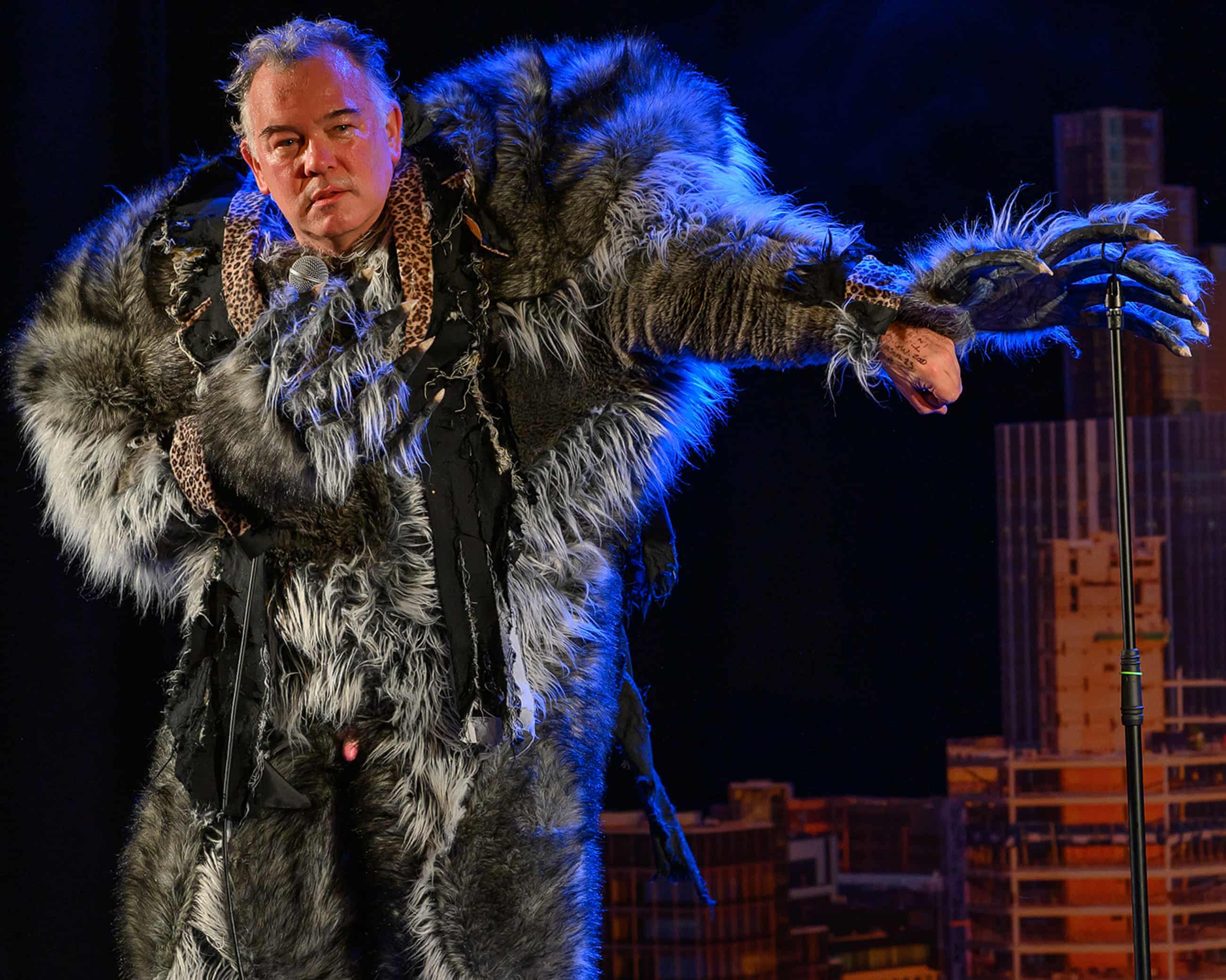
From Stewart Lee in his wolf costume to Werner Herzog’s big steak sizzle-up, artists are now under huge duress to ‘chase the algorithm’ and reach audiences. Many of them are hitting burnout – and hitting backThere was a meme recently featuring Tony Soprano looking characteristically menacing, with a caption that reads: “Imagine telling him he needs to create short form content to engage the algorithm.” But that sentiment feels inescapable: 82% of all internet traffic is now made up of videos, and the number of short-form videos published on the likes of TikTok and Instagram grew by 71% in the year from 2024.You may have noticed there is a particularly high number of videos featuring people’s faces, which the algorithm rewards. All of a sudden, chefs, lawyers, podcasters, critics – all people with jobs once associated with an off-camera existence – are turning the lens on themselves
Sir Neil Cossons obituary
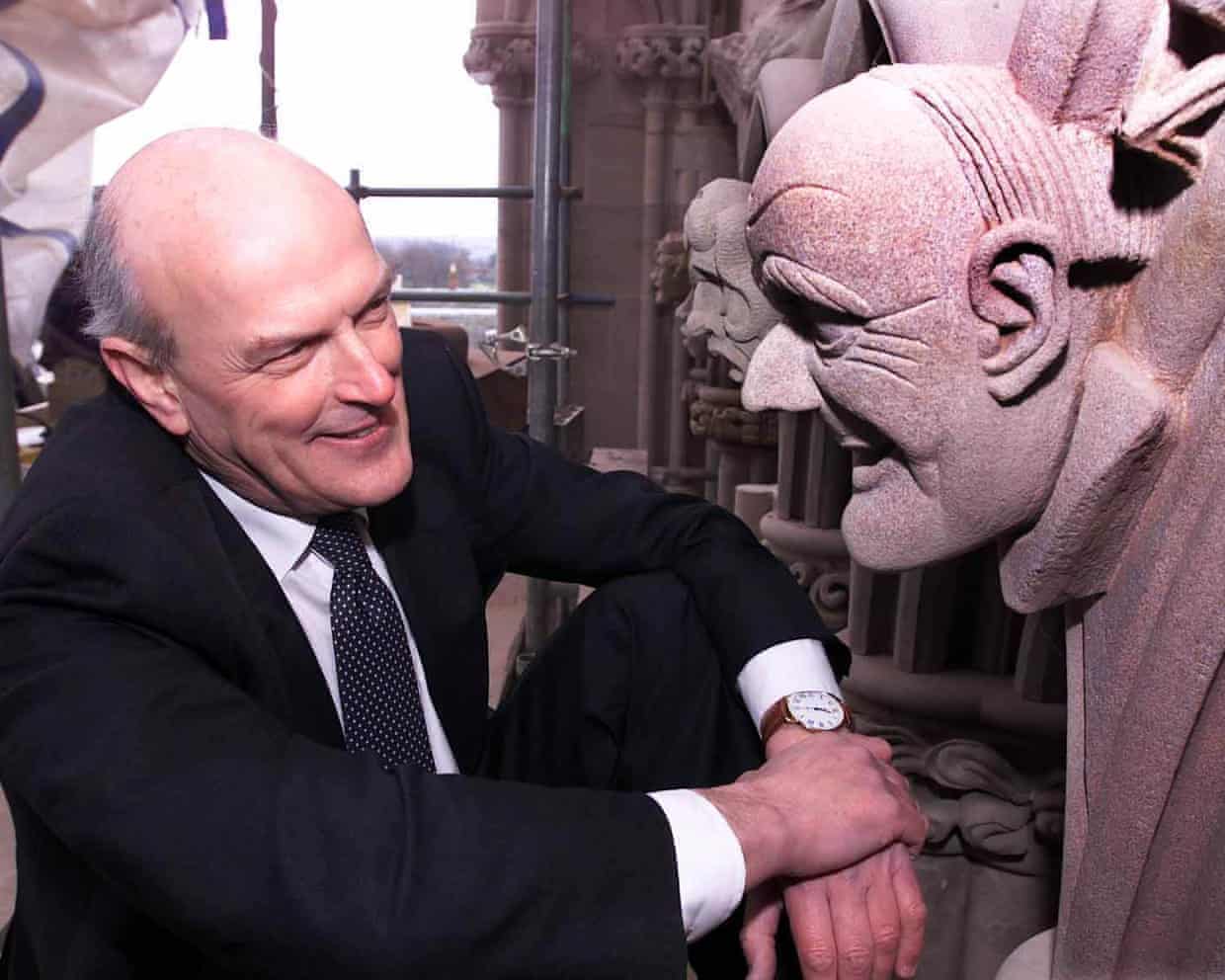
Neil Cossons, who has died aged 87, wore a convincing disguise as a mild, respectable, affable, slightly conventional chap. But over a long and outstanding career in the museums and heritage sector – during which he was director of the Science Museum for 14 years – civil servants, trustees and ministers who battled with him over policy and funding discovered he was as tenacious as a terrier. He was determined to preserve and promote Britain’s scientific and industrial heritage and make culture accessible to all.In 2000 he became chair of English Heritage, the quango responsible for protecting the historic environment – since split into Historic England and the charity English Heritage, which cares for 400 sites and monuments.In his first year there, he led the steering group that produced Power of Place, an influential policy document produced in partnership with other heritage organisations, which stressed the value and potential of the wider historic environment including high streets, town centres and suburbs; it set the tone of his interests at English Heritage
V&A censored catalogues after demands by Chinese printer
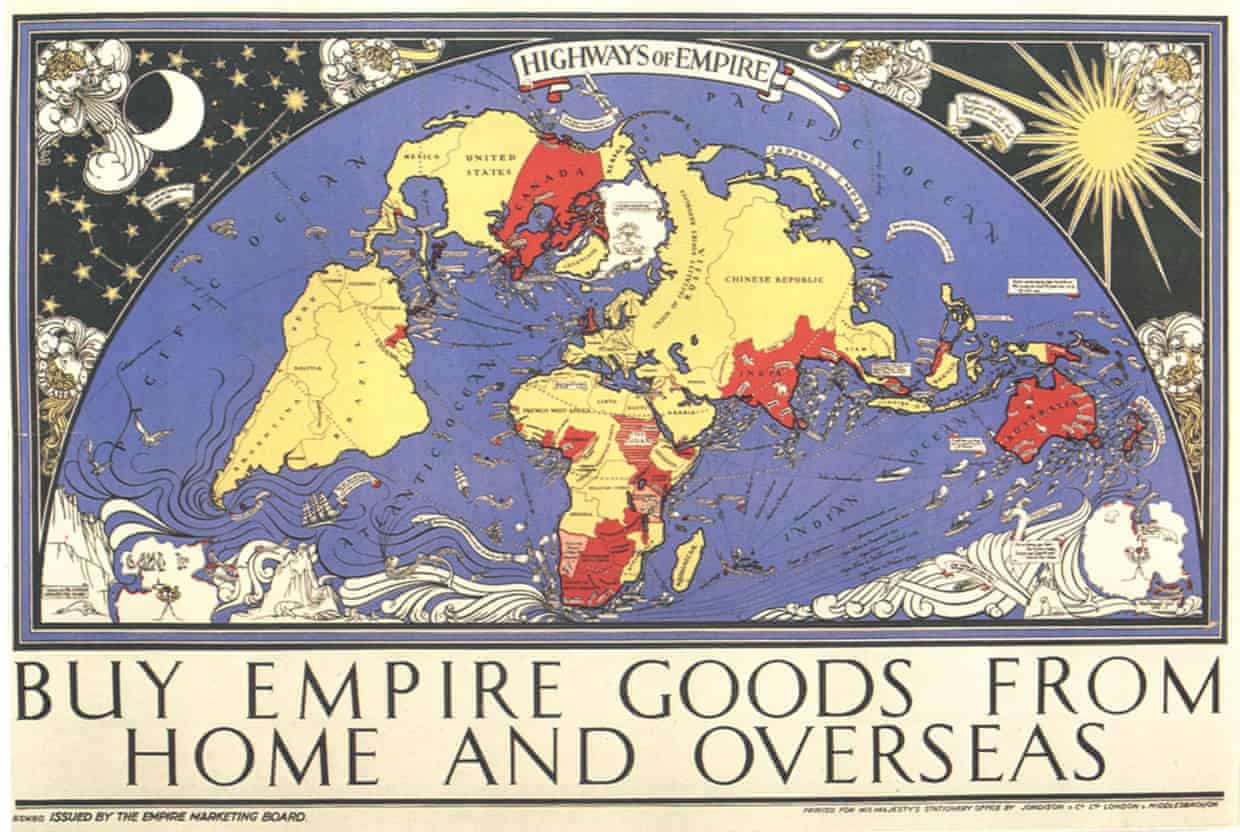
One of the UK’s leading museums has accepted demands by a Chinese firm that publishes its catalogues to remove images that fall foul of the country’s censorship laws.The Victoria and Albert Museum has agreed to requests by the Chinese printing company to delete maps and images from at least two recent exhibition catalogues, according to documents released to the Guardian after freedom of information requests.Like other prominent institutions, including the British Museum, Tate and the British Library, the V&A often uses Chinese printers because they can produce catalogues at half the cost of British or European companies.But in doing so, they have to accede to censorship requests relating to any topics or images deemed sensitive by the Chinese government, such as Buddhism, Taiwan, Tibet, Tiananmen Square and pro-democracy activities.The disclosures from the V&A lay bare the detailed scope of China’s censorship on museum publishers

Jon Stewart on Trump’s Jesus photo denial: ‘Do you even care about lying to us any more?’
Late-night hosts reacted to the breakdown of peace talks between the US and Iran and Donald Trump’s one-sided beef with Pope Leo XIV.Jon Stewart returned to the Daily Show on Monday evening to break down the public clashes between Donald Trump and Pope Leo XIV, which began when the pope delivered a “beautiful, compassionate message” for the Easter holiday calling for peace around the world.“It does not come into my brain that anyone in the world hearing the Pope’s message of peace will have some kind of weird problem with it,” the host noted. Except for Trump, who posted on his social media website Truth Social that the leader of the Catholic church was “weak” and a “loser”.“I am really starting to sour on this president,” Stewart joked
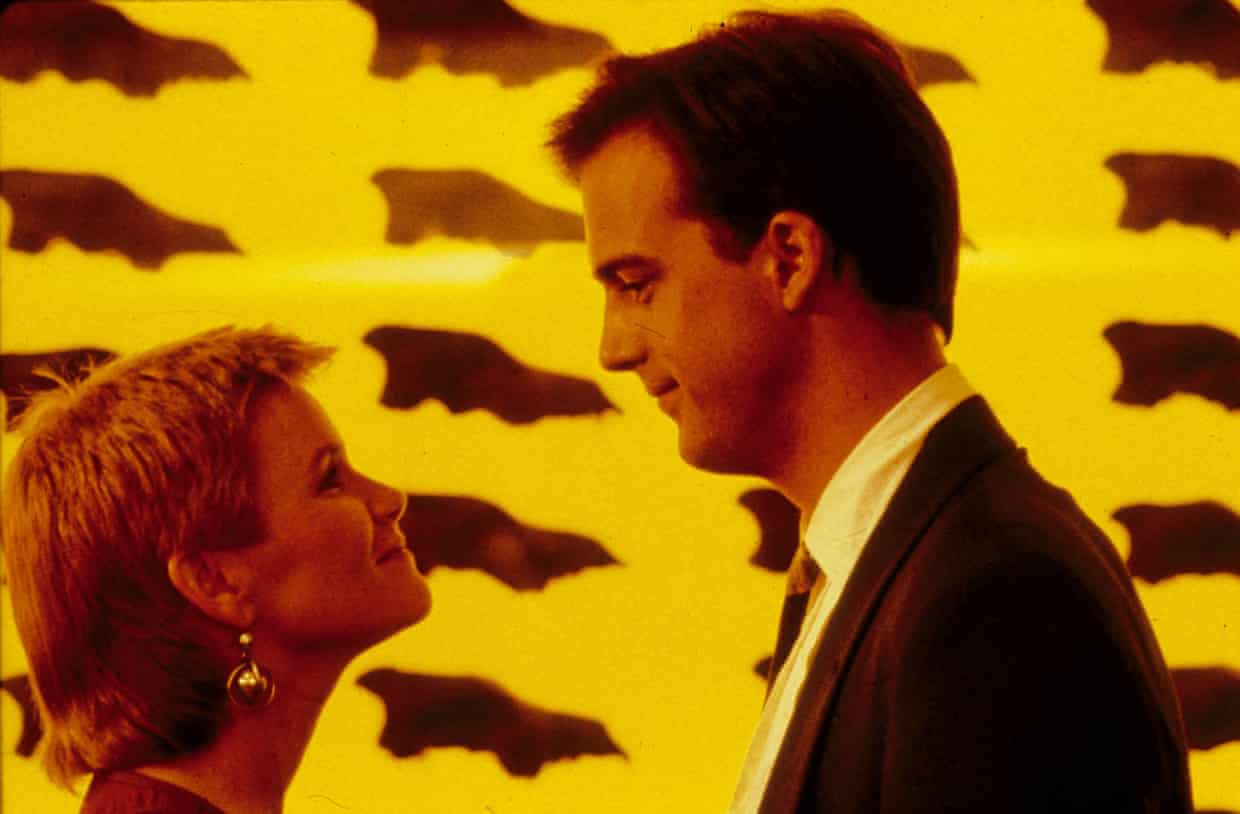
Miracle Mile: boy meets girl, romcom meets nuclear war
Miracle Mile is the result of an 80s romcom getting a severe bout of nuclear fear. It’s a uniquely chilling thriller, combining the disparate elements of screwball romance with a paranoid conspiracy to create a beat-the-clock urgency that defies categorisation and expectations.Jazz musician Harry (Anthony Edwards) meets and falls in love with Julie (Mare Winningham) while visiting Los Angeles, having spent an idyllic afternoon together. Julie rushes off to work and Harry returns to his hotel, with the pair arranging to meet that night.But thanks to a bizarre proto-Final Destination cause-and-effect, Harry blows out the building’s electricity while napping, causing him to be hours late for their rendezvous
UK could face gaps on supermarket shelves by summer if Iran war continues
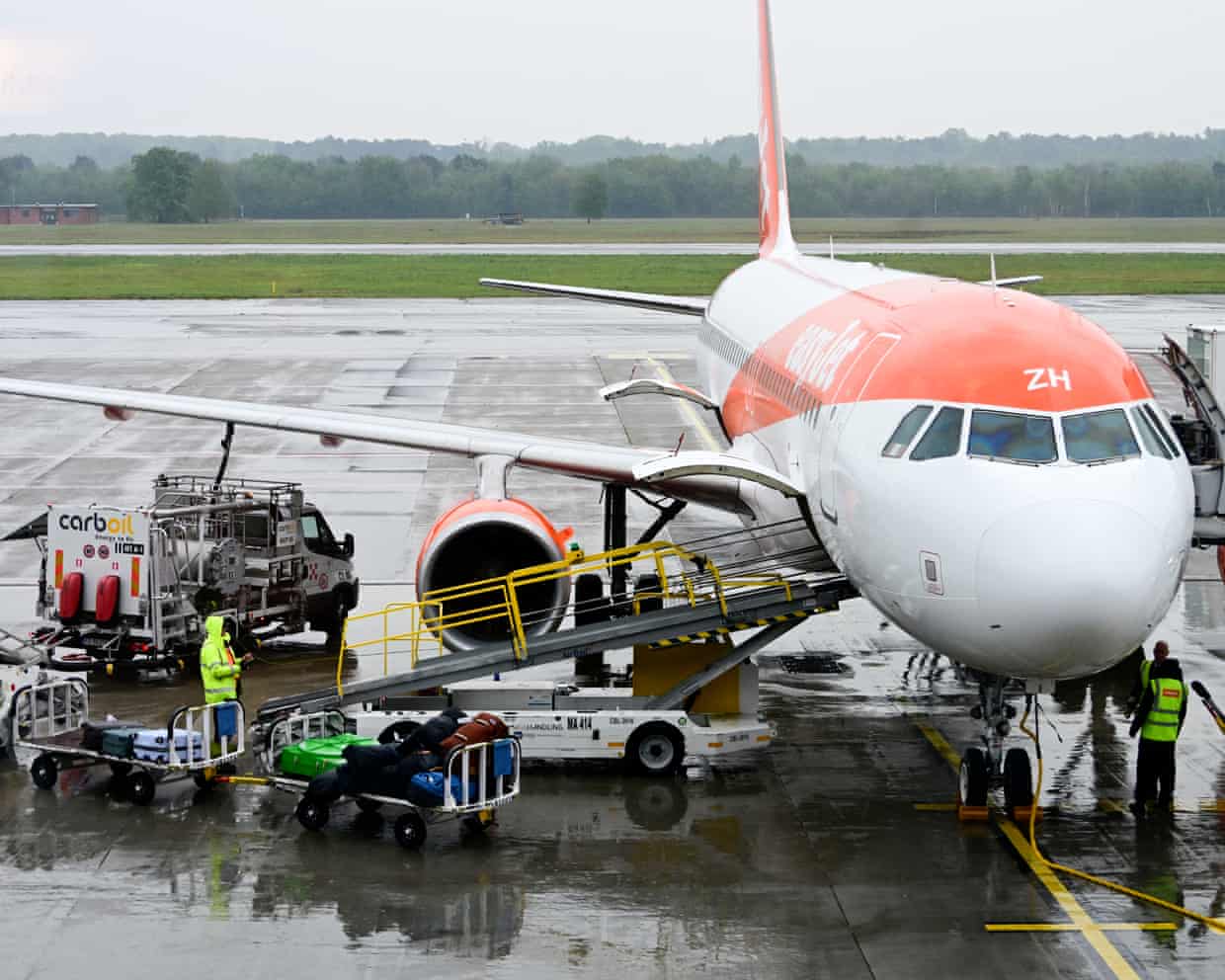
EasyJet warns of impact on profits as Iran war hits bookings and fuel prices
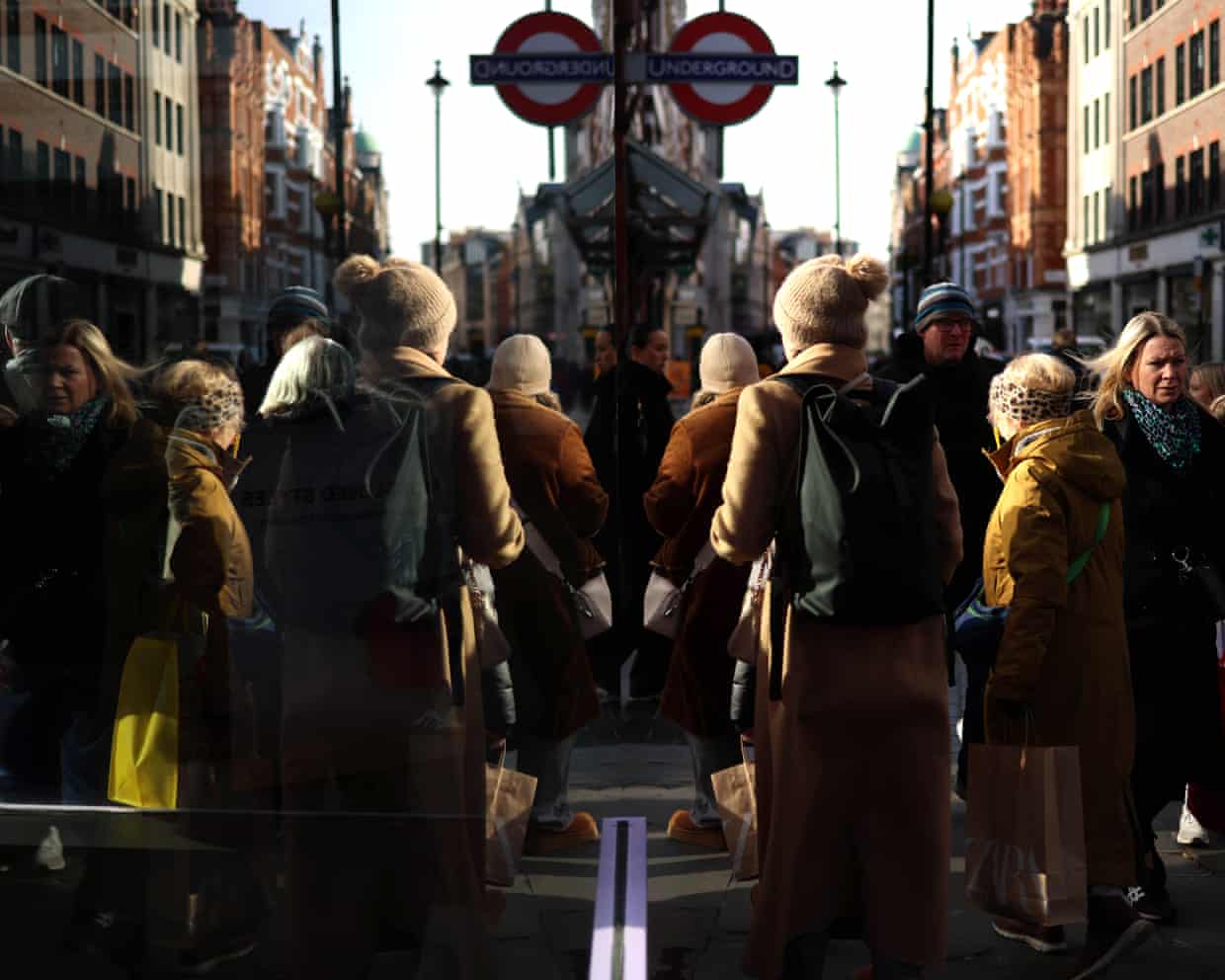
UK economy showed surprise 0.5% growth before Iran war
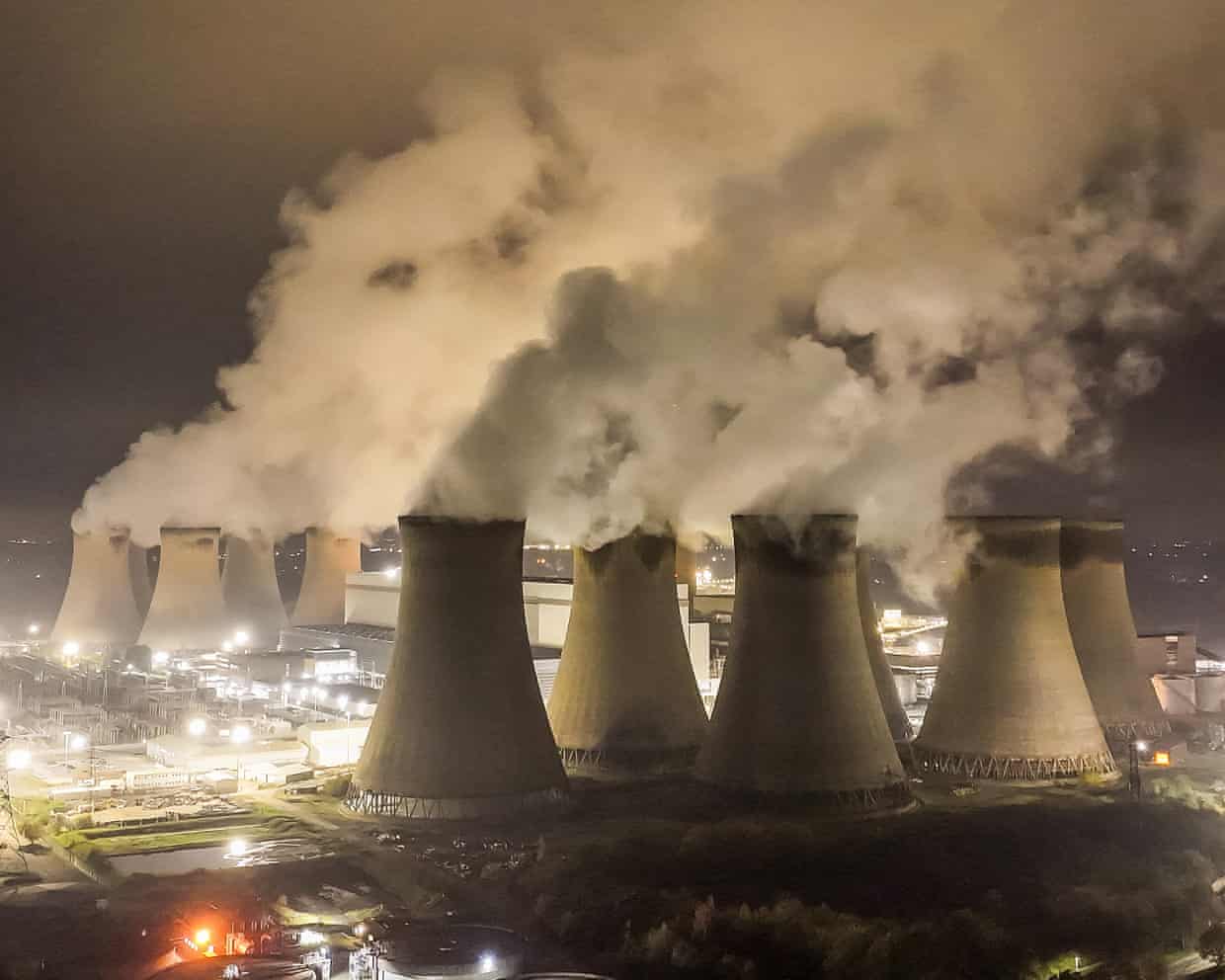
Drax claimed record £999m in subsidies for burning trees in 2025, thinktank says
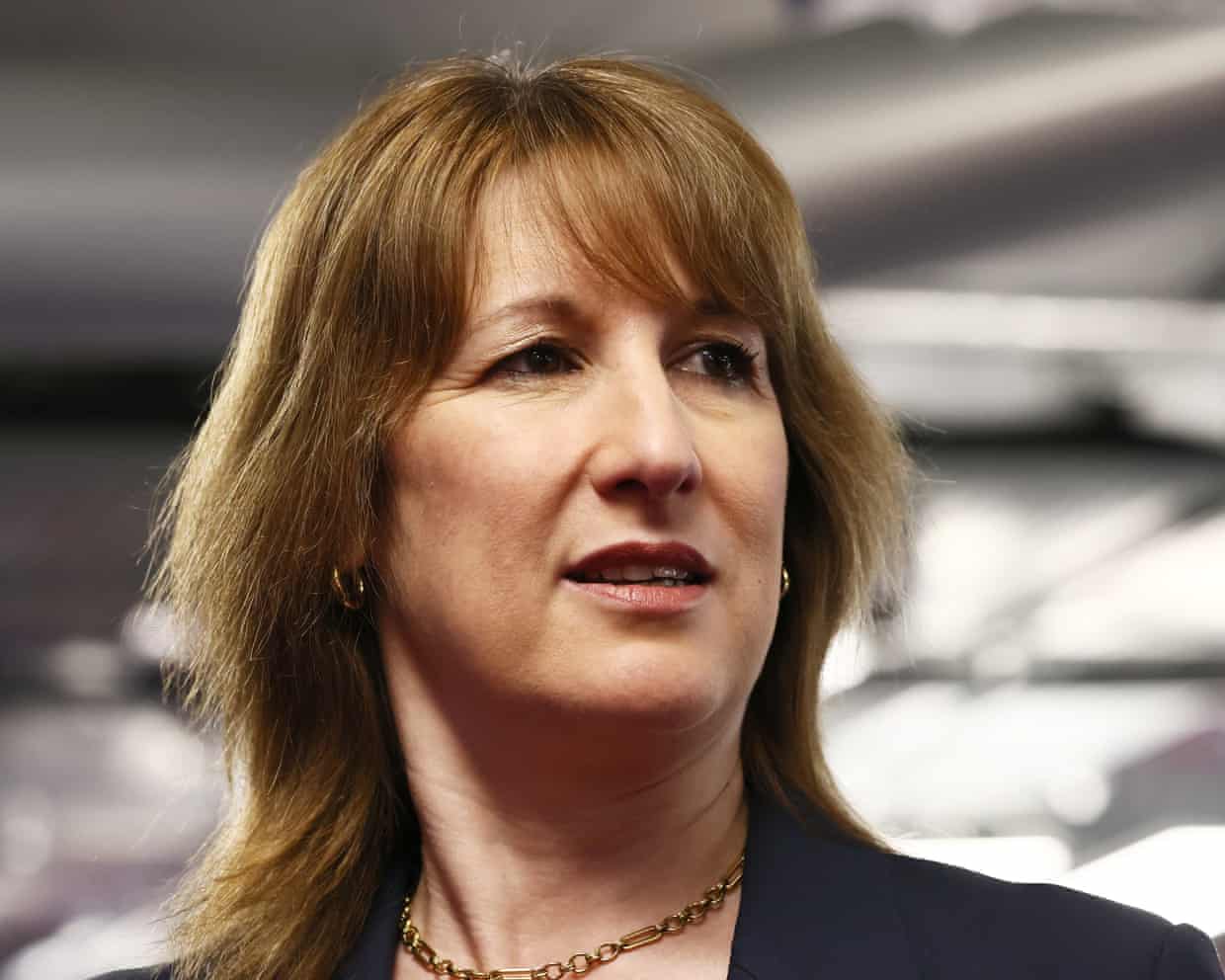
Reeves gives more energy bill support to businesses as Iran war pushes up costs
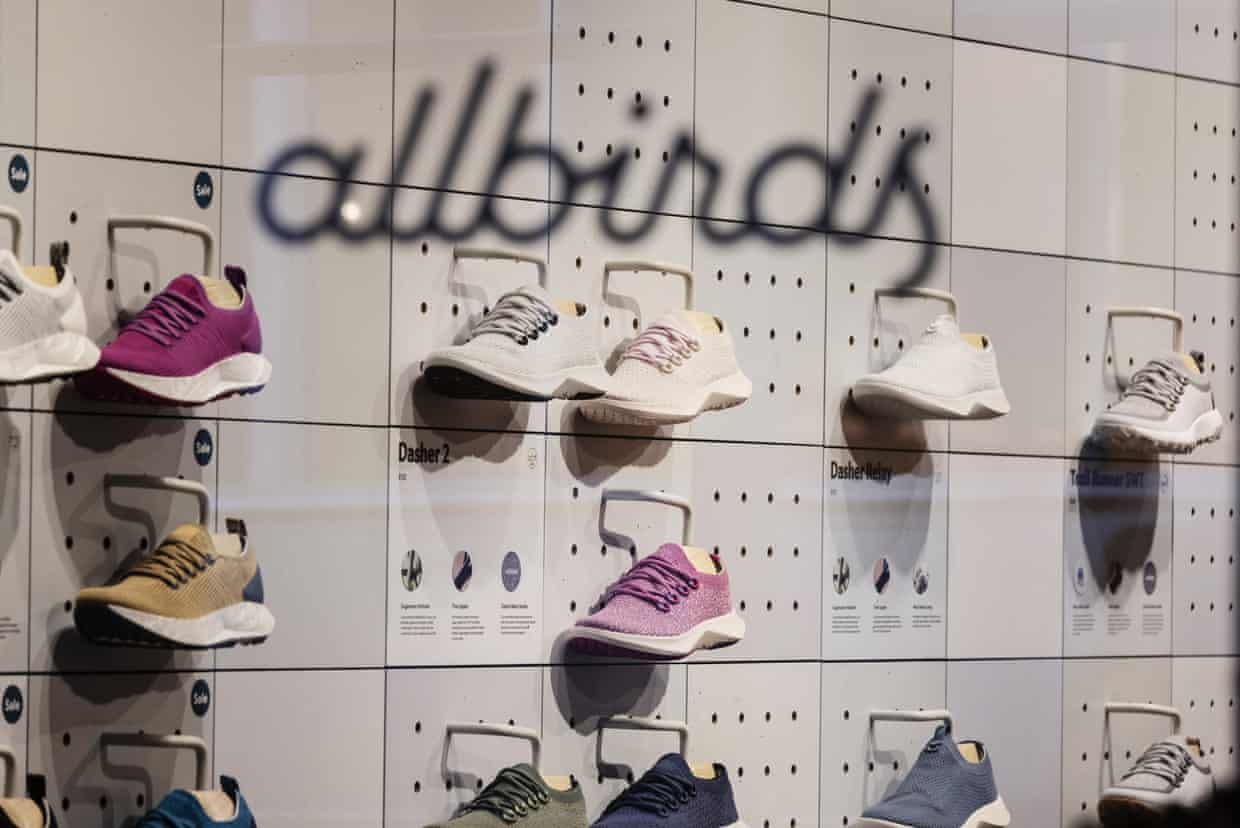
Shares in Allbirds surge after maker of wool sneakers announces pivot to AI