Society of Editors decries Starmer’s plan to reduce media scrutiny of No 10
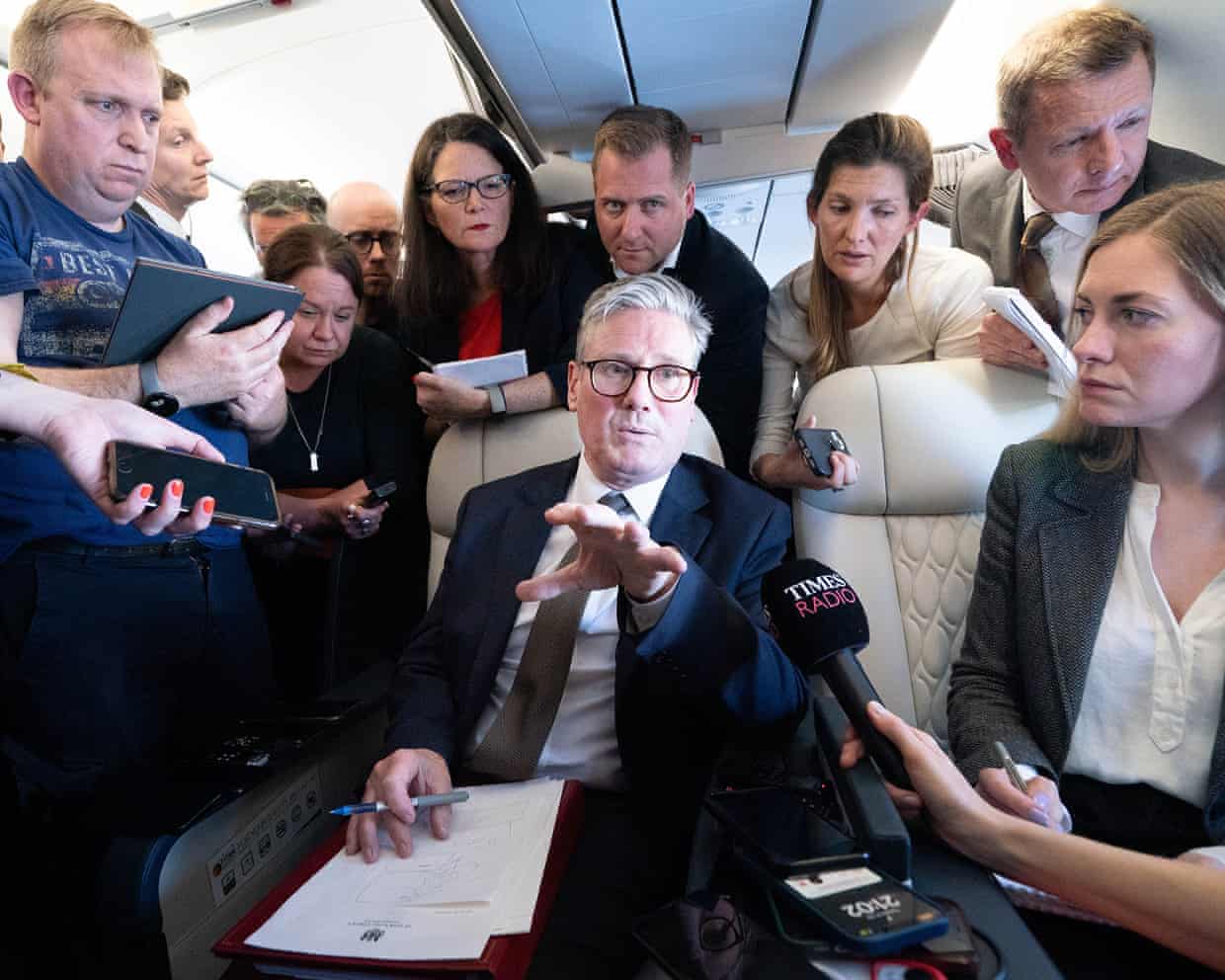
The Society of Editors has raised concerns about Keir Starmer’s plan to reduce scrutiny of No 10 by political journalists, saying it risks weakening transparency.The body, which represents news organisations, said regular, open and robust questioning was a cornerstone of democracy and that the plan to reduce briefings was deeply concerning.Downing Street’s director of communications, Tim Allan, unveiled the plan on Thursday without consulting the group of political journalists known as the lobby who traditionally attend briefings twice a day to question the prime minister’s spokesperson.Allan said the government would be reducing the briefings to one a day, and would sometimes replace the single briefing with a press conference.Held at 9 Downing Street, lobby briefings are on the record but not broadcast.
Journalists can ask as many questions as they want, and on any topic.Government press conferences, in contrast, tend to involve a limited number of questions from selected journalists.Attendance at press conferences will also be widened to include content creators and sector journalists.Politico reported on Friday that at least one influencer has told it that in a previous interview with a government minister they were asked to pre-submit questions for approval and warned against going off subject matter.Starmer has always positioned himself as a champion of press freedom, but the changes have caused concern among journalists and news organisations five years after Boris Johnson’s No 10 also attempted to reduce scrutiny from the media by excluding some reporters.
The chief executive of the Society of Editors, Dawn Alford, said: “Regular, open and robust questioning of government is a cornerstone of democratic accountability,The afternoon lobby briefing has for many years provided journalists with a vital opportunity to challenge those in power and to seek clarity on fast-moving and often complex matters of public interest,“It is deeply concerning that such a significant change has been announced without proper consultation with the journalists most affected,Transparency is not just about access in theory; it is about meaningful access in practice,“Replacing routine, journalist-led questioning with government-controlled press conferences risks limiting who can ask questions, how long ministers are held to account, and which issues are addressed.
Expanding attendance should not come at the expense of experienced political reporters being able to ask sustained, informed and challenging questions.”Senior political journalists have said the reforms could restrict access and undermine scrutiny, particularly if the government controls the timetable, format and selection of questioners.Allan said in his email announcing the change that the media landscape had been “utterly transformed”, leaving the current arrangements not fit for purpose.“The afternoon lobby has become very sparsely attended,” he said.“It often repeats lines given at the morning lobby or repeats government lines on stories which are freely available elsewhere.
It is not a good use of journalists’ time, or a good use of our communications resources.“Instead of afternoon lobby, we will commence occasional afternoon press conferences with ministers in No 9 Downing Street.These will start with the minister setting out a new announcement from the government and taking questions on it.“We will be instigating a series of morning press conferences in No 9 Downing Street with ministers, and occasionally the prime minister setting out the main government announcements of the day.These will be open to the lobby, to sector journalists and to content creators.
“When such press conferences occur, there will not be a lobby briefing that day.”A government spokesperson said: “We are committed to journalistic scrutiny of government decision-making as part of the democratic process, which is why we will continue to host a daily lobby briefing.“However, the media landscape and the ways in which the public consumes information has changed irrevocably in recent years.It is right that our communications approach reaches the public where they are, whilst continuing to be held accountable by traditional media.”The Conservatives and Liberal Democrats said they would restore afternoon lobby briefings.
UK Foreign Office victim of cyber-attack in October, says Chris Bryant
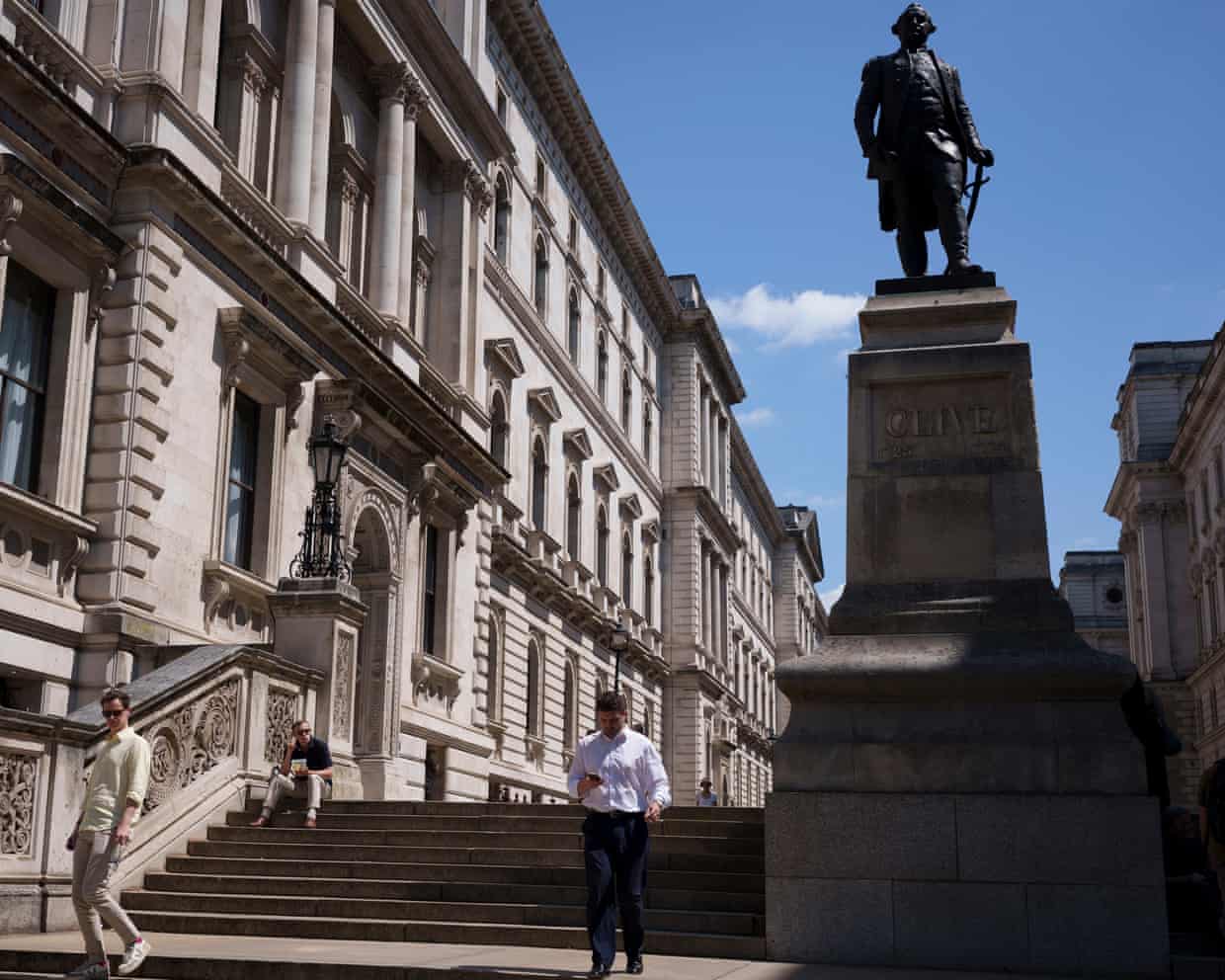
The UK’s Foreign, Commonwealth and Development Office was hacked in October, a minister has said.Chris Bryant, a trade minister in Keir Starmer’s government, told Sky News there was a low risk to “any individual” from the cyber-attack.Details of the hack emerged on Friday in a report by the Sun that claimed a Chinese hacking group was behind it.But Bryant told broadcasters it was “not clear” who perpetrated the attack and cautioned against speculation. “There certainly has been a hack at the FCDO and we’ve been aware of that since October,” Bryant told Sky News
Society of Editors decries Starmer’s plan to reduce media scrutiny of No 10
The Society of Editors has raised concerns about Keir Starmer’s plan to reduce scrutiny of No 10 by political journalists, saying it risks weakening transparency.The body, which represents news organisations, said regular, open and robust questioning was a cornerstone of democracy and that the plan to reduce briefings was deeply concerning.Downing Street’s director of communications, Tim Allan, unveiled the plan on Thursday without consulting the group of political journalists known as the lobby who traditionally attend briefings twice a day to question the prime minister’s spokesperson.Allan said the government would be reducing the briefings to one a day, and would sometimes replace the single briefing with a press conference.Held at 9 Downing Street, lobby briefings are on the record but not broadcast
Reform-run Kent council accused of blocking scrutiny of claim it saved £40m
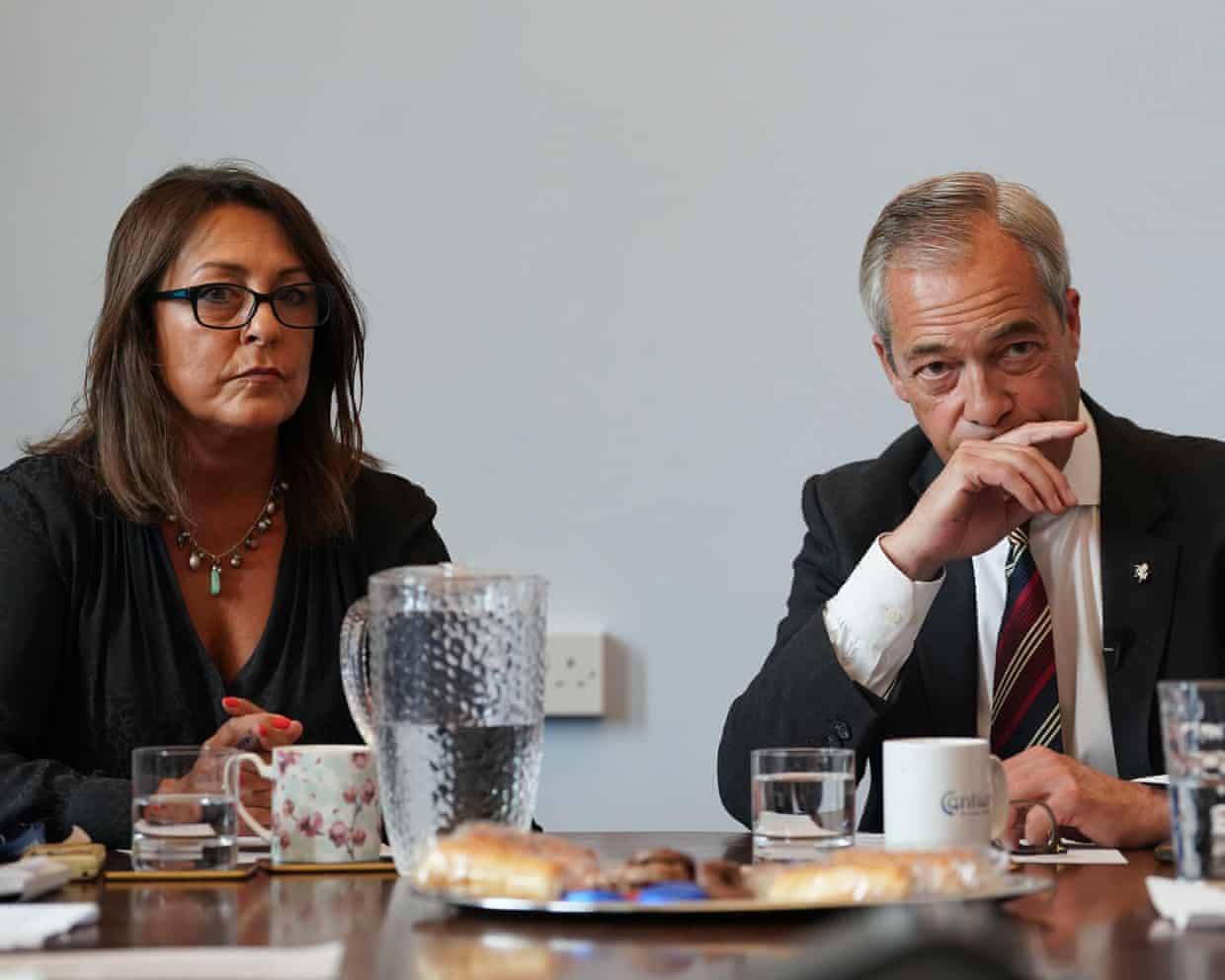
Reform-run Kent council has been accused of trying to block scrutiny after it refused, for more than five months, to produce evidence that it had saved more than £40m by cancelling two environmental projects that did not exist yet.Polly Billington, a Labour MP in Kent, first requested background to the claim via a freedom of information (FoI) request in July. She said the subsequent delay had not been explained and seemed to show the council was embarrassed at what the documents would show.Kent county council said it rejected any suggestion of a cover-up, and that it planned to release the information to Billington, the East Thanet MP, later this week.The saga began when the Kent leader, Linden Kemkaran, told a council meeting on 10 July that the authority had saved £32m by scrapping a programme to make properties more environmentally friendly, and £7
Reform candidate who told Lammy to ‘go home’ questioned other MPs’ loyalty to UK
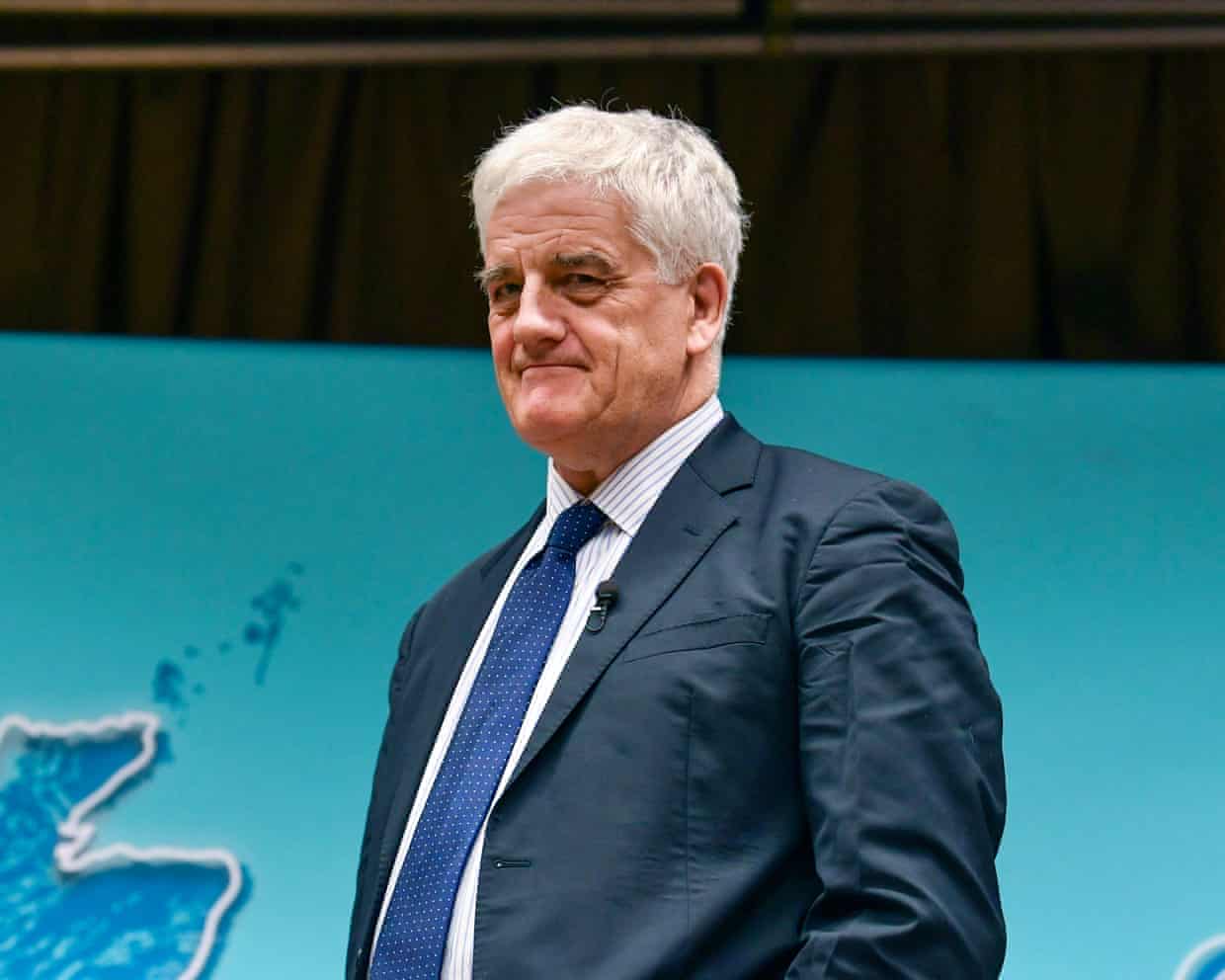
A Reform UK mayoral candidate who said David Lammy should “go home to the Caribbean” has suggested that at least eight other politicians from minority ethnic backgrounds do not have a primary loyalty towards the UK.Nigel Farage’s party has so far refused to condemn Chris Parry, a retired naval rear admiral who has been picked to contest the now-postponed Hampshire and the Solent mayoral election for the party, over his comment about Lammy, the deputy prime minister.In a post in February, referring to a news story about the UK government supposedly considering talks about reparations for slavery – which ministers have in fact rejected – Parry is said to have written: “Lammy must go home to the Caribbean where his loyalty lies.”Labour said the emergence of the other comments, all made since May this year, showed Reform had to act swiftly, saying he was “dragging his party further into the gutter”.The bulk of the comments by Parry, all made on X, involve him quote-retweeting posts by others about the politicians, some originating from far-right or openly anti-Islam accounts
Lib Dems call for inquiry into hostile foreign state interference to include US
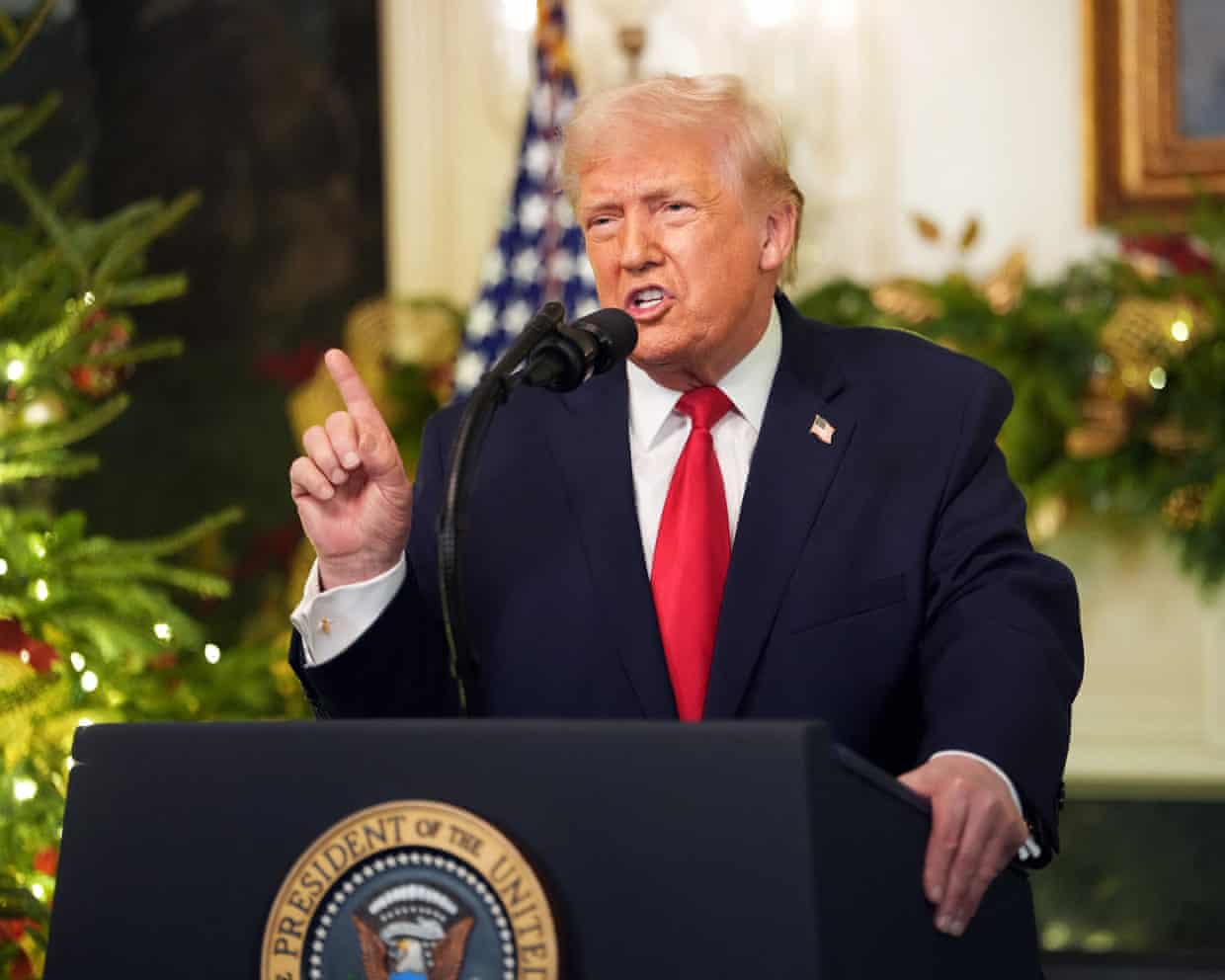
An inquiry into interference by hostile foreign states in the UK should be extended to cover the actions of Donald Trump’s US, the Liberal Democrats have said.In a letter to the communities secretary, Steve Reed, whose department is leading on the independent review, the Lib Dems said the US government’s explicit support for far-right nationalist parties in Europe amounted to outside interference.The US national security strategy, set out this month, said Europe faces “civilisational erasure” due to migration and EU integration, and that Washington should “cultivate resistance” within the continent.The document used language echoing the racist “great replacement” conspiracy theory, saying several countries risked becoming “majority non-European”, and praised the “growing influence of patriotic European parties”.The inquiry into the effect of financial influence and other interference is expected to primarily focus on Russia and similar hostile states
Farage avoids police investigation over alleged electoral law breach
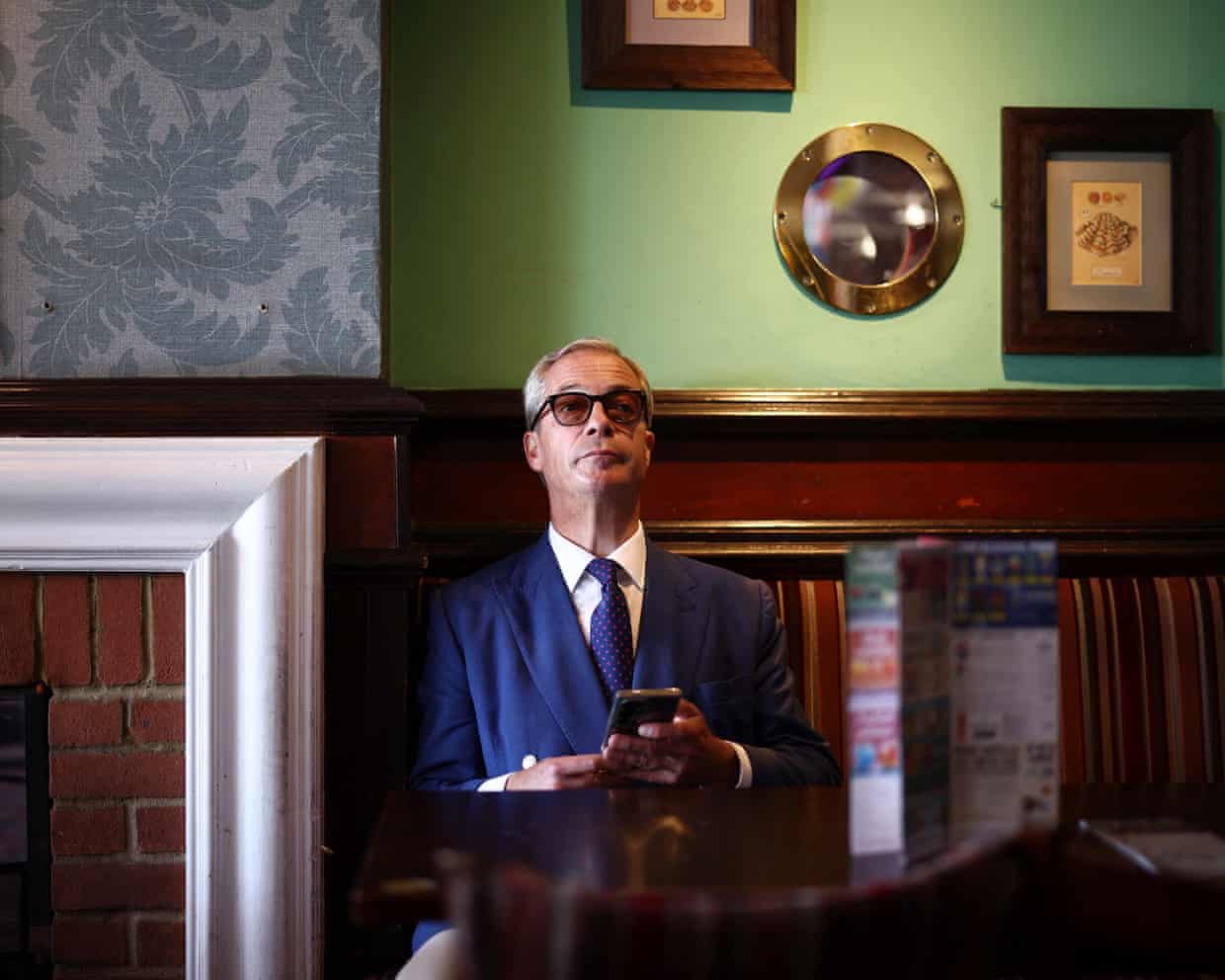
Nigel Farage has avoided investigation over claims his general election campaign breached electoral law last year – in part because too much time has passed since the alleged offences.The Reform UK leader was told on Thursday that Essex police could not open an investigation because it was now time-barred, more than a year having passed since any alleged offence. The Electoral Commission, which had been asked to open a separate inquiry into other elements, said it had not identified any undeclared spending that should have been reported.“We have assessed a report relating to an allegation around misreported expenditure by a political candidate in connection with the general election in July 2024,” Essex police said.It said the report had been made on 5 December
Was 2025 the year that business retreated from net zero?

Why is Truth Social owner Trump Media merging with a fusion energy firm?
FTSE 100 closes near record high as Santa Rally builds, despite weak retail sales – as it happened

Independent businesses: have your online sales been affected by the rise of AI?
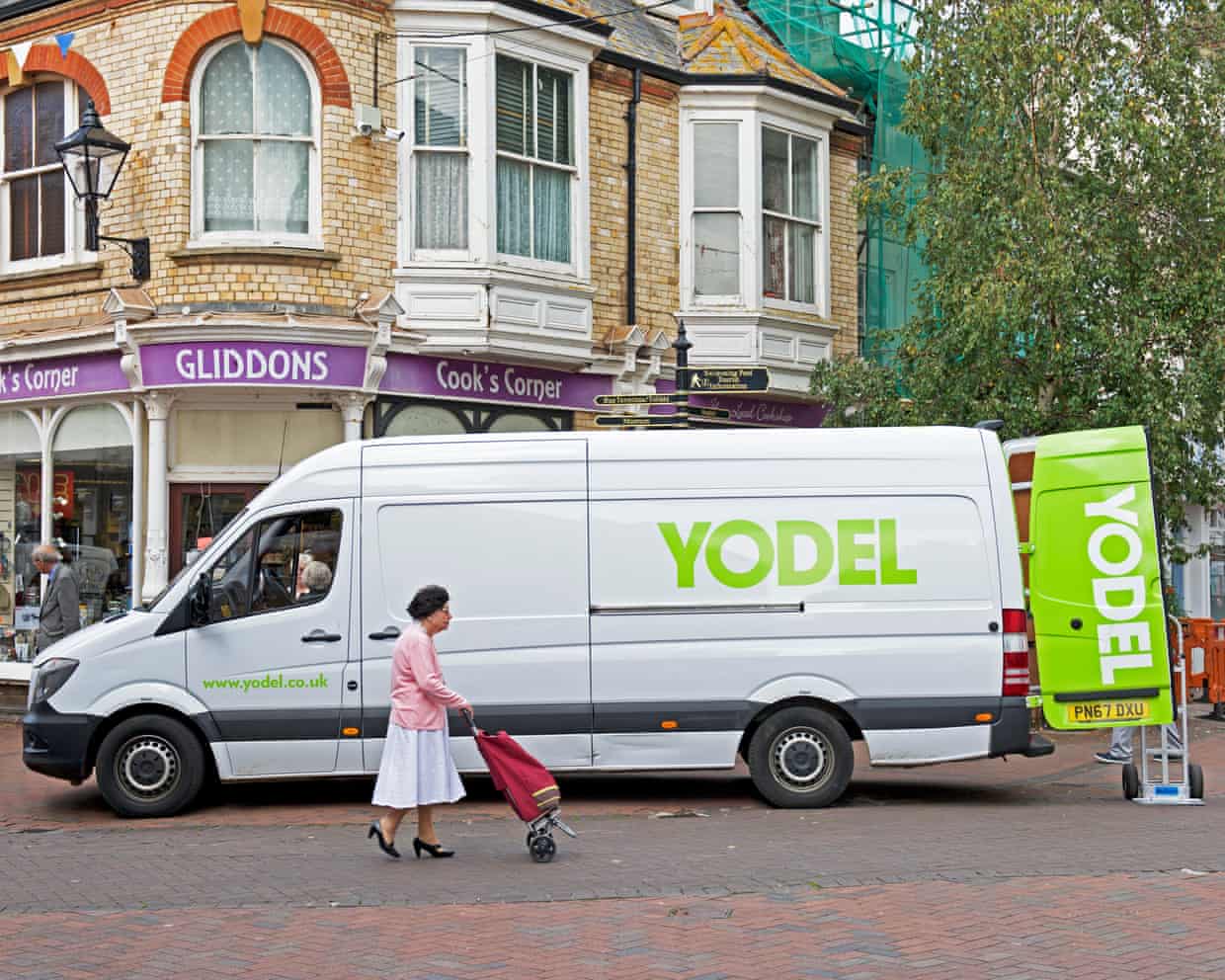
Former Yodel owner probably forged mother’s signature in takeover bid, judge rules
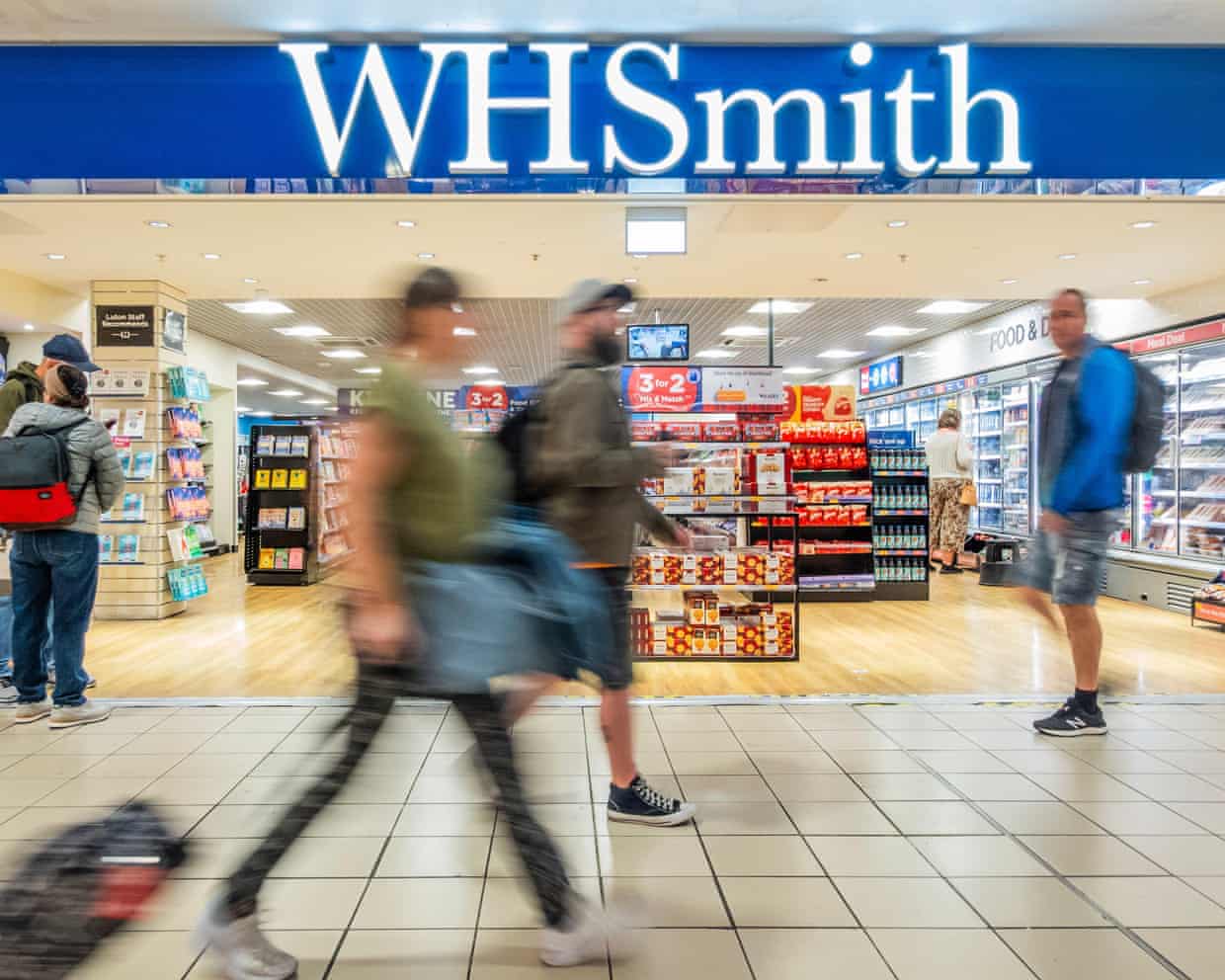
WH Smith tries to recover bonuses from ex-bosses as watchdog investigates accounting error