Mark Fisher obituary
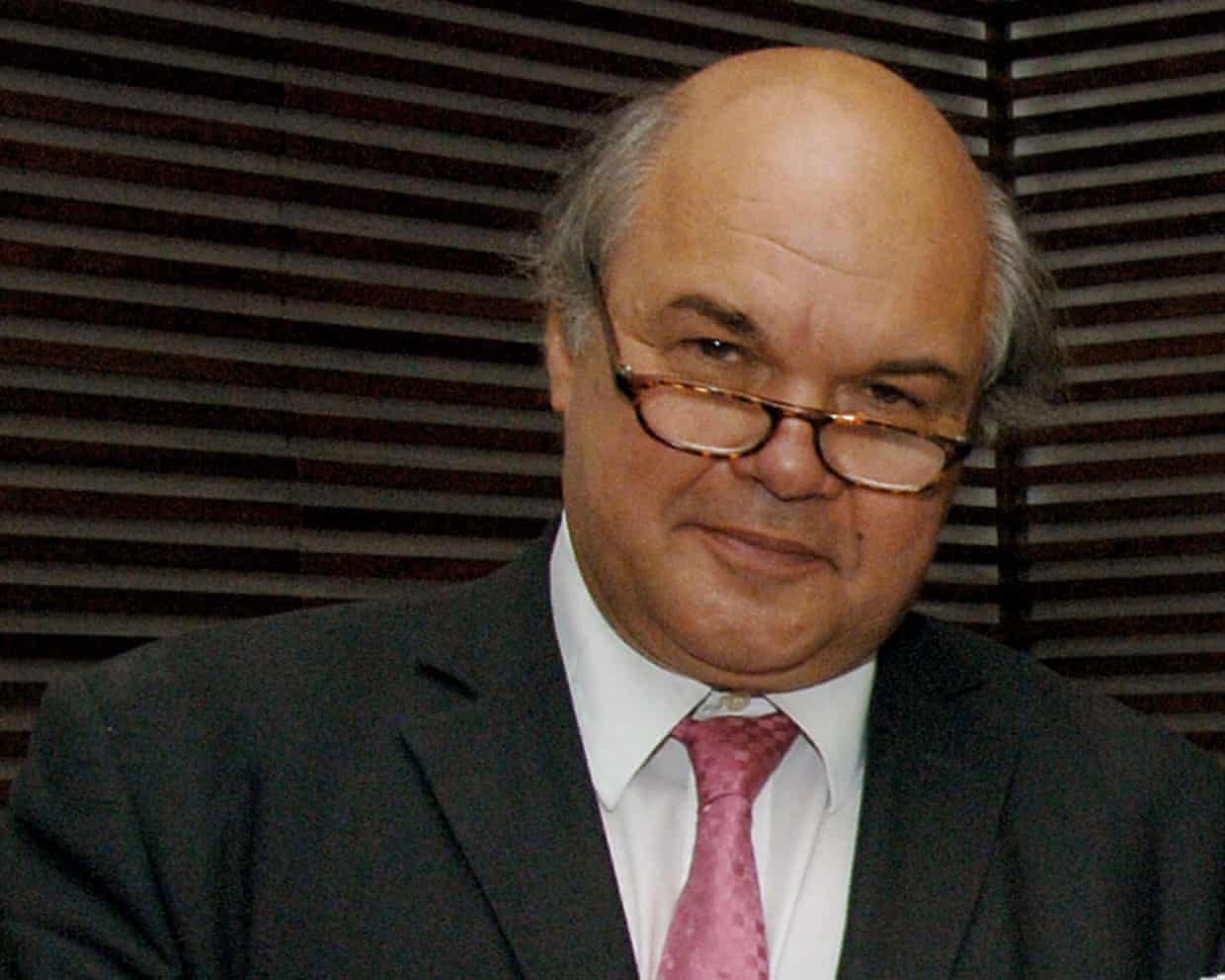
It was a source of sorry disappointment to Mark Fisher, the former Labour arts minister, who has died aged 81, that he held this government post for only a little over a year before being dropped from office.Yet such an outcome was predictable – and probably inevitable – given that he was an uncompromising lifelong idealist who never learned to deploy the sort of silky skills needed to guarantee a long and successful frontline political career.When Tony Blair’s government took office in 1997, Mark Fisher was appointed on the day following the election.It was the job of his dreams.He had been the opposition spokesperson since 1987, appointed less than four years after becoming an MP, and he had been instrumental in helping develop a strategy for the arts as an important part of Labour’s new “Cool Britannia” agenda.
But he lost the job in Blair’s first reshuffle in July 1998 and returned to the back benches for his remaining 12 years in parliament.“He was miserable to be cast aside so quickly,” noted Alan Howarth, his successor in the role – who further recorded the typical generosity shown to him by Fisher at the time.Fisher was not driven by personal ambition and in that regard was a member of what is perhaps a dying breed of politician.He believed in public service – such as had been practised by generations of his family – and while never securing political eminence at Westminster, he was hugely admired throughout his 27 years as a popular and energetic constituency MP for Stoke-on-Trent Central.He was a cheerful man with a perpetual smile and drew an irrepressible enjoyment from a life in politics, despite a growing disillusion with the Blair government.
It was a surprise that he even entered Westminster.The son of the former Conservative minister Sir Nigel Fisher, an MP from 1950 to 1983, he grew up disdaining both the lifestyle in general and Conservative politics in particular.He had followed his father to Eton and Trinity College, Cambridge, where he read English literature, and in 1964 joined Labour while at Cambridge because he felt that the policies of the then Labour leader, Harold Wilson, could bring about a real change in Britain.It was only in 1979 that he decided to seek election to the Commons, standing unsuccessfully as the candidate for Leek, in Staffordshire.On leaving university, he had worked as a documentary film producer and scriptwriter (1966-75), and was then appointed as the principal of the Tattenhall Centre of Education, run by Cheshire county council.
The job involved running courses for school pupils with poets and artists, and Fisher was in his element.He loved all the arts, particularly poetry, and could recite Shakespeare’s sonnets by heart.By this point he made many contacts in the arts world that would help him later in his political life and that also fuelled his passion for a properly funded national arts programme.He remained at Tattenhall until the general election of 1983, having been elected meantime as a member of Staffordshire county council (1981-85), where he chaired the libraries committee.In the Commons he was always on the left wing, and his bold maiden speech was a blistering attack on the Thatcher government’s policies on welfare.
He accused the Conservatives of putting value for money above consideration of its impact on people and thus creating indefensible social inequality – not least in Stoke-on-Trent.He was a member of the Commons Treasury and civil service committee (1983-85) until securing his first front bench post as an opposition whip (1985-87) and then becoming arts spokesperson.For three years from 1983 he chaired the parliamentary Labour party arts committee.He was regarded as something of a rebellious character, but in reality merely defended his political beliefs.A libertarian by instinct, in 1992 he promoted as a private member the Right to Know bill, which was a forerunner to the Freedom of Information Act, passed in 2000.
He was also a member and first chairman of the Parliament First group, believing that the executive was increasingly using the legislature as a rubber stamp.His play Brave New Town was performed in Basingstoke in 1974, and The Cutting Room for the Royal Court Upstairs in 1990.He co-wrote the report City Centres, City Cultures, in 1998; jointly edited Whose Cities? in 1991; and published A New London: Two Views, with the architect Richard Rogers, in 1992, and the illustrated guide Britain’s Best Museums and Galleries, in 2004.He also wrote and published poetry.Fisher told me, when I interviewed him for a BBC Radio 4 programme about children of MPs who themselves became MPs, that his father was not really a Conservative, having been raised as a Liberal.
They disagreed about tactics, but there was never any acrimony between them.Other politicians in the extended family include the Liberal Sir Geoffrey Shakespeare (Nigel Fisher’s stepfather), who was parliamentary private secretary to Lloyd George, and Nigel’s second wife, Patricia Ford (nee Smiles), an Ulster Unionist who was the first woman elected for a seat in Northern Ireland, which she took over from her father, Sir Walter Smiles.The Conservative MP Sir Michael Grylls was Mark’s stepbrother-in-law.Born in Woking, Surrey, Mark was the second child of Nigel and Lady Gloria Vaughan, the daughter of the 7th Earl of Lisburne; his parents separated when he was young.In 1971 he married Ingrid Hunt Geach, a model who later became his constituency secretary.
They had two children, Rhydian and India, and Mark became stepfather to two children from Ingrid’s former marriage, Francesca and Crispin.Having divorced in 1999, Mark married Gillian FitzHugh, who worked for a children’s charity, in 2010.Gillian survives him, along with his children and stepchildren.Mark Fisher, politician, born 29 October 1944; died 16 November 2025

Advertising giant WPP relegated from FTSE 100 after nearly 30 years
WPP has been relegated from the FTSE 100 after nearly 30 years, as the advertising multinational struggles to stem an exodus of clients and match the artificial intelligence and data capabilities of rivals.The market valuation of WPP, once the world’s largest advertising group, has plummeted from about £24bn in 2017 to £3.1bn.The company’s share price has plunged by two-thirds this year and it has been relegated from the blue chip index after a quarterly reshuffle, confirmed when stock markets closed on Wednesday afternoon.British Land, which was the most valuable company in the FTSE 250, was promoted to the FTSE 100 to take the spot vacated by WPP
Post Office avoids fine over leak of wrongfully convicted operators’ names
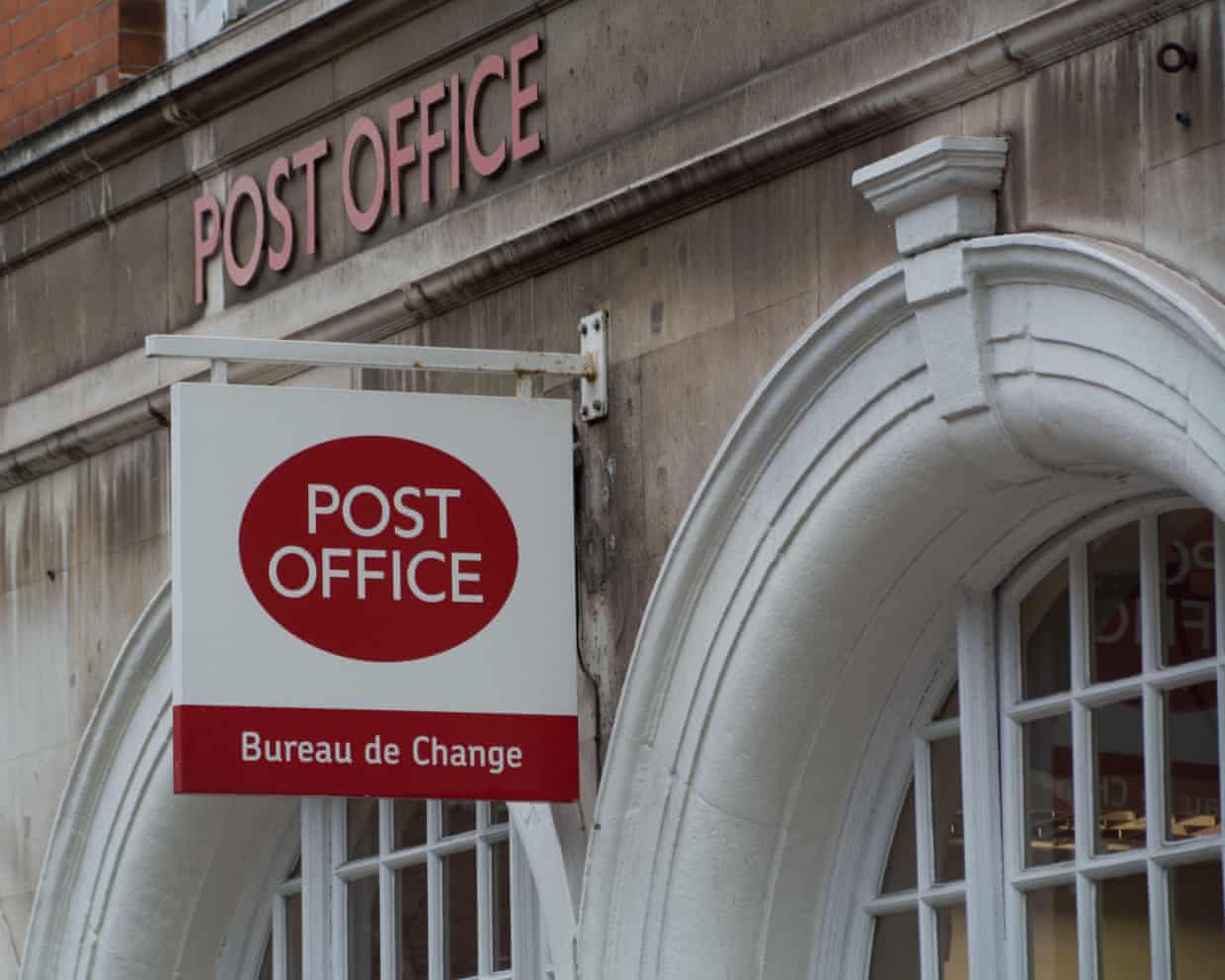
The Post Office has avoided a fine over a data breach that resulted in the mistaken online publication of the names and addresses of more than 500 post office operators it had been pursuing during the Horizon IT scandal.The Information Commissioner’s Office (ICO) has reprimanded the Post Office over the breach, in which the company’s press office accidentally published an unredacted version of a legal settlement document with the operators on its website.The ICO said the data breach in June last year involving the release of names, home addresses and operator status of 502 out of the 555 people involved in the successful litigation action against the Post Office led by Sir Alan Bates had been “entirely preventable”.“The people affected by this breach had already endured significant hardship and distress as a result of the IT scandal,” said Sally Anne Poole, the head of investigations at the ICO.“They deserved much better than this

Doom, gloom … and Belle Gibson? The top Google searches in Australia in 2025
We may, indeed, be living in the end of times, with natural disasters, death and politics dominating Google searches in Australia in 2025.Cyclone Alfred was the number one overall Google search term by Australians in 2024, according to the annual search results list released by the tech company on Thursday.It was followed by American political activist Charlie Kirk, who also topped Wikipedia’s list of the year’s most-read articles after being fatally shot in September, and in third place was Australian federal election 2025.When we weren’t voting or doomscrolling, we were watching television. Belle Gibson, the Australian wellness scammer and subject of the hit show Apple Cider Vinegar, made it into the overall top 10 list, as did serial killer Ed Gein from the series Monster
Amazon and the tightening grip of capitalism | Letters
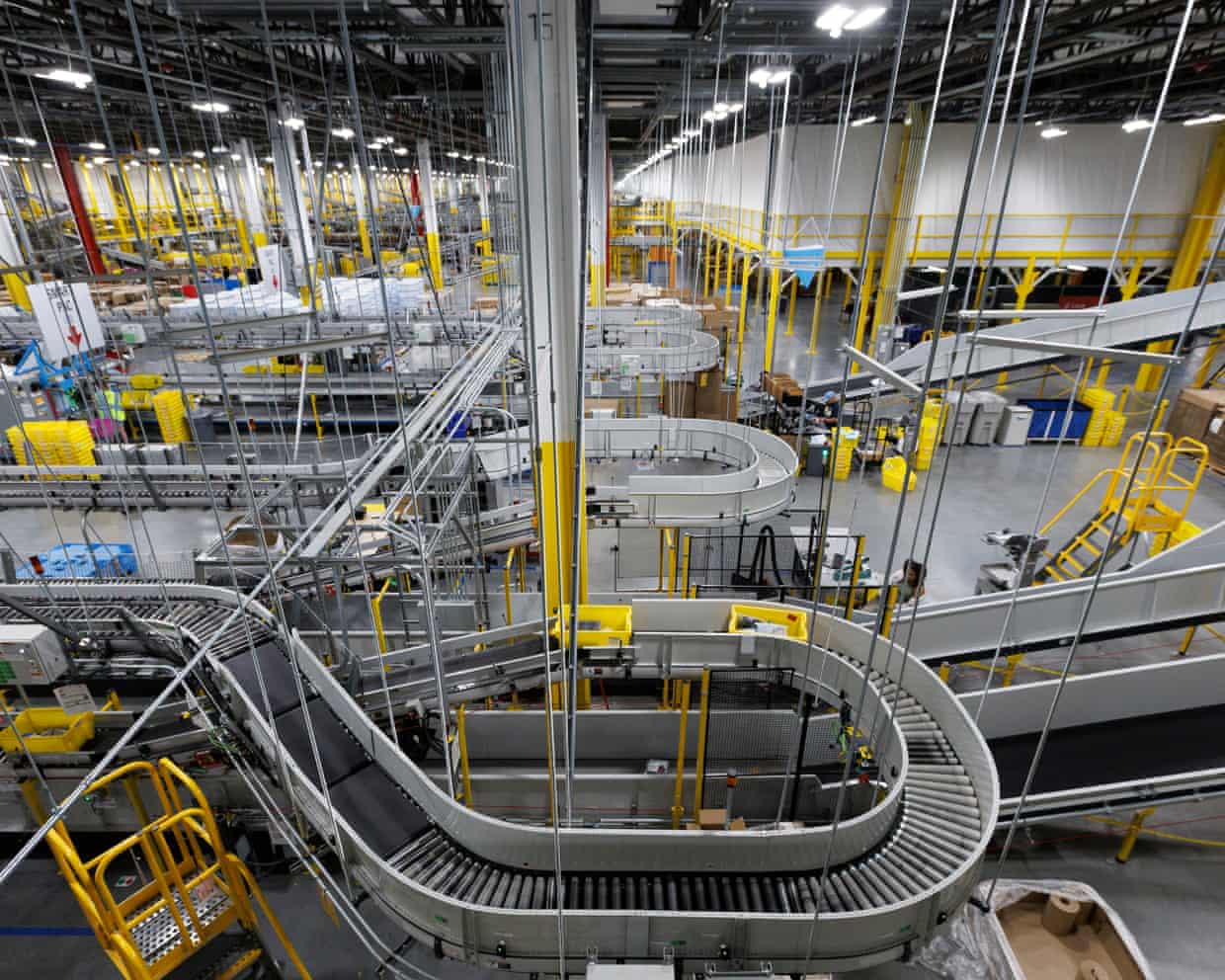
Yanis Varoufakis argues that Amazon marks a shift to “technofeudalism”, claiming its ownership of digital infrastructure forces capitalists, governments and users to pay it economic rents (How Amazon turned our capitalist era of free markets into the age of technofeudalism, 27 November). This rests on an idealised view of capitalism. Early capitalism saw similar dynamics: the East India Company, backed by the British state, controlled trade routes, exploited resources and wielded political power, enabling it to charge above-market prices for commodities such as tea and spices.In Capital, Karl Marx noted that English landlords helped establish capitalism by dispossessing peasants and commodifying land. They earned monopoly rents from their exclusive control of this productive resource – a portion of surplus value originally created by exploited labour and first appropriated by industrial capitalists before being transferred to landowners
Maro Itoje eyes World Cup glory after England dodge big guns in 2027 draw
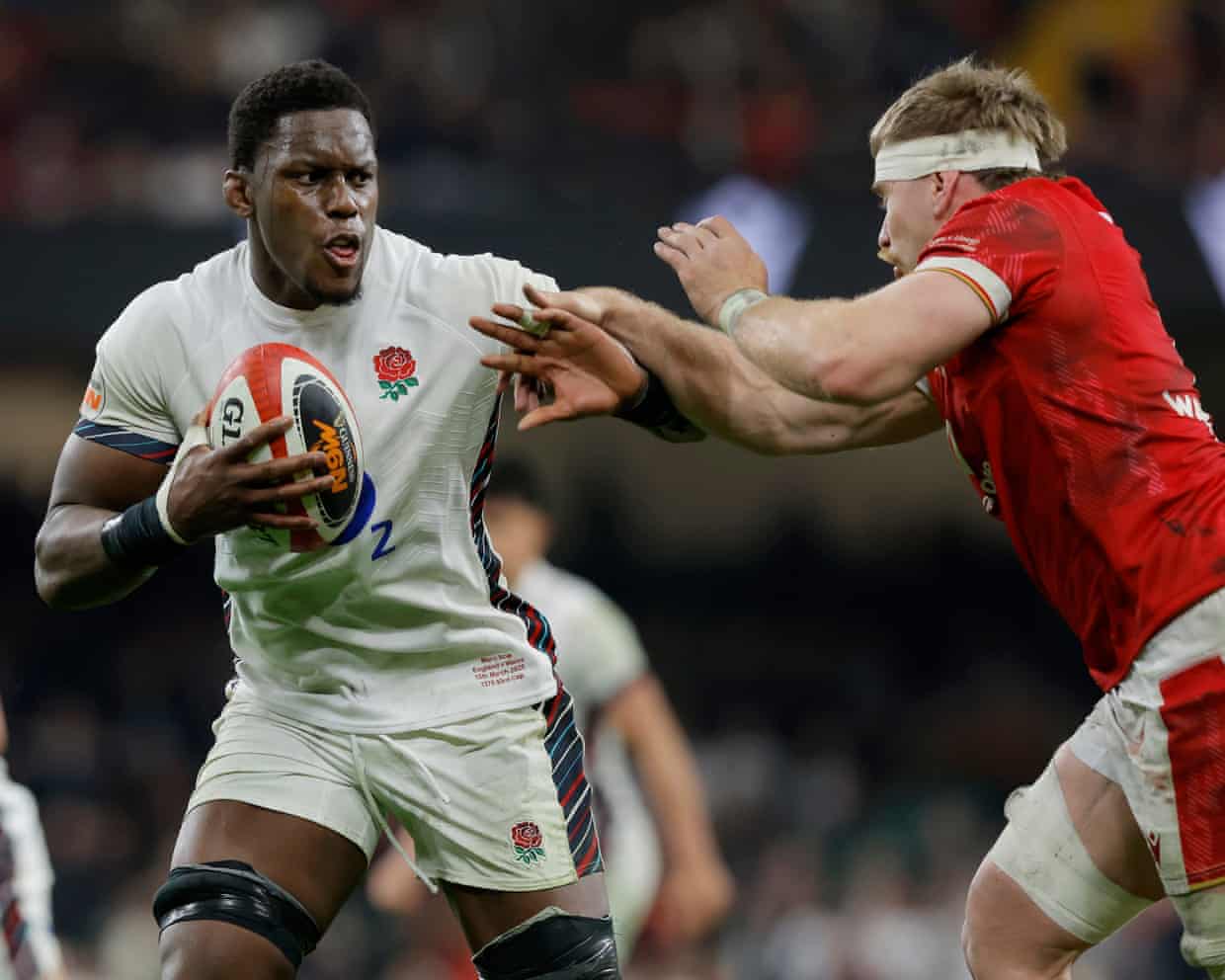
Maro Itoje has set his sights on Rugby World Cup glory in Australia in 2027 after England were handed a potentially favourable path through the tournament when the draw was made in Sydney on Wednesday.England, who have risen to third in the world rankings after an 11-match winning streak, emerged on the other side of the draw from the reigning world champions, South Africa, the three-times winners New Zealand and France.England are in Pool F with Wales, Tonga and Zimbabwe at the expanded 24-team event with Italy, Australia, Ireland and Argentina possible opponents in the last 16 and beyond.“Our ambition is to do very well and win this tournament,” Itoje, the England captain, said. “But to do that we know we have to make sure we get our preparation right and the next two years leading to the World Cup is massive

Cummins conundrum is key as Australia try not to overthink tactics
Will the captain return? Will Nathan Lyon play? Who will open? Ashes hostilities are renewed and the hosts don’t need to ask too many questionsAt last, at long last, an Ashes series is about to start. It feels that way, anyway, after so many months of lead-up, such an eternal blur of preview and prediction and preamble, were supposed to reach their end – only to find that the end was instead a momentary interruption, a hiccup, an indigestion-dream of a Test from Perth, a contest done in the span of 31 hours, leaving everyone to return to punditry and prognostication for a further 11 blasted and benighted days.We are, for pity’s sake, in a discussion cycle about Ben Stokes correctly applying a bike helmet while not on a bike, or Steve Smith correctly applying eye-black stickers in his Tim Tebow tribute act, or the archaeologically uncovered fact that Australian teams have a good record at the Gabba. Like farmers waiting for the rains, we are praying for play to start to let us talk about something that has happened, rather than something that might. Even the day-night format means another wait, four more hours than would usually be the case before the balm of the first ball
Australian supermarket sorbet taste test: is this the most enjoyable taste test yet?
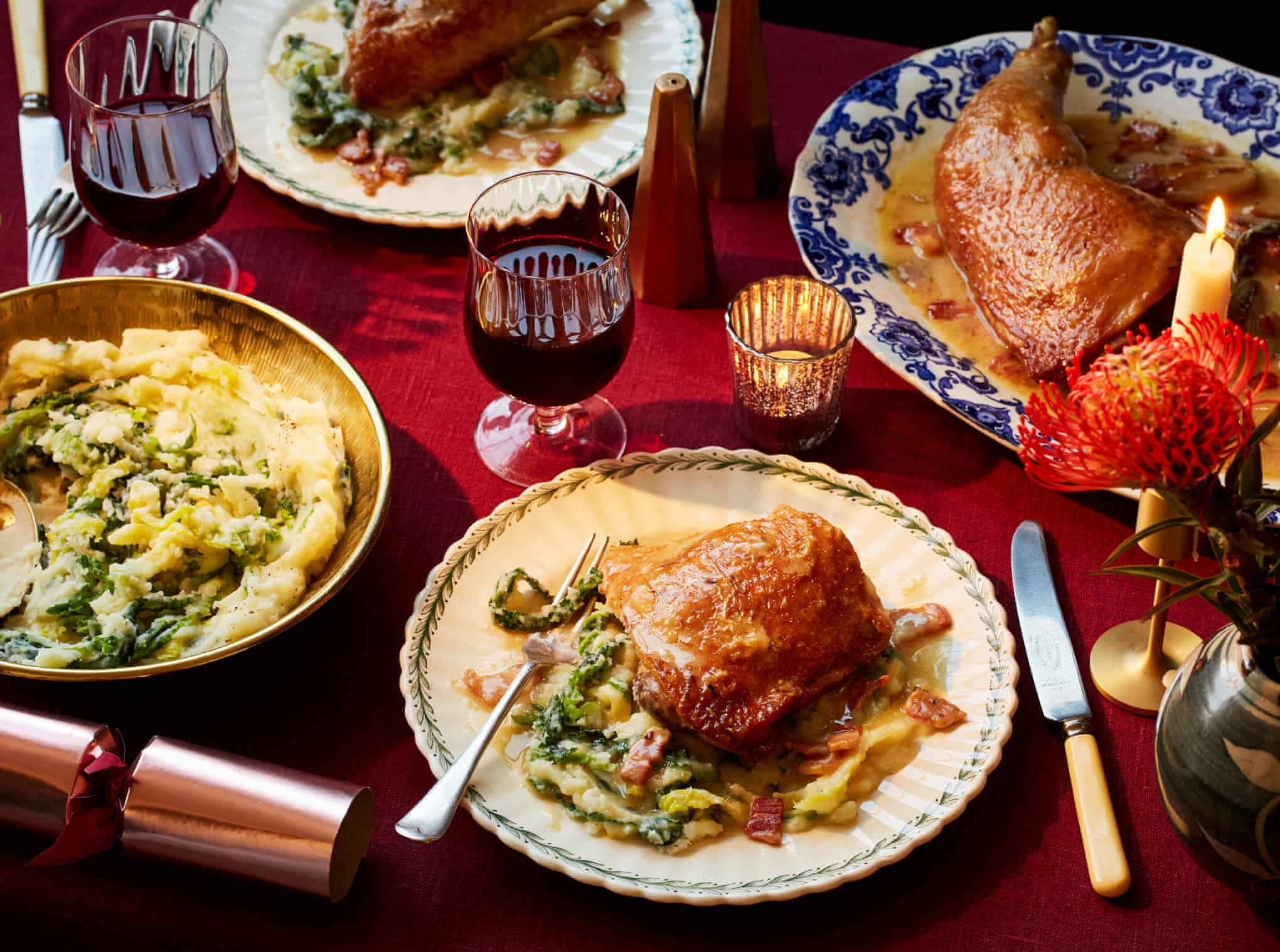
Christmas main course made easy: Max Rocha’s braised turkey legs with colcannon – recipes
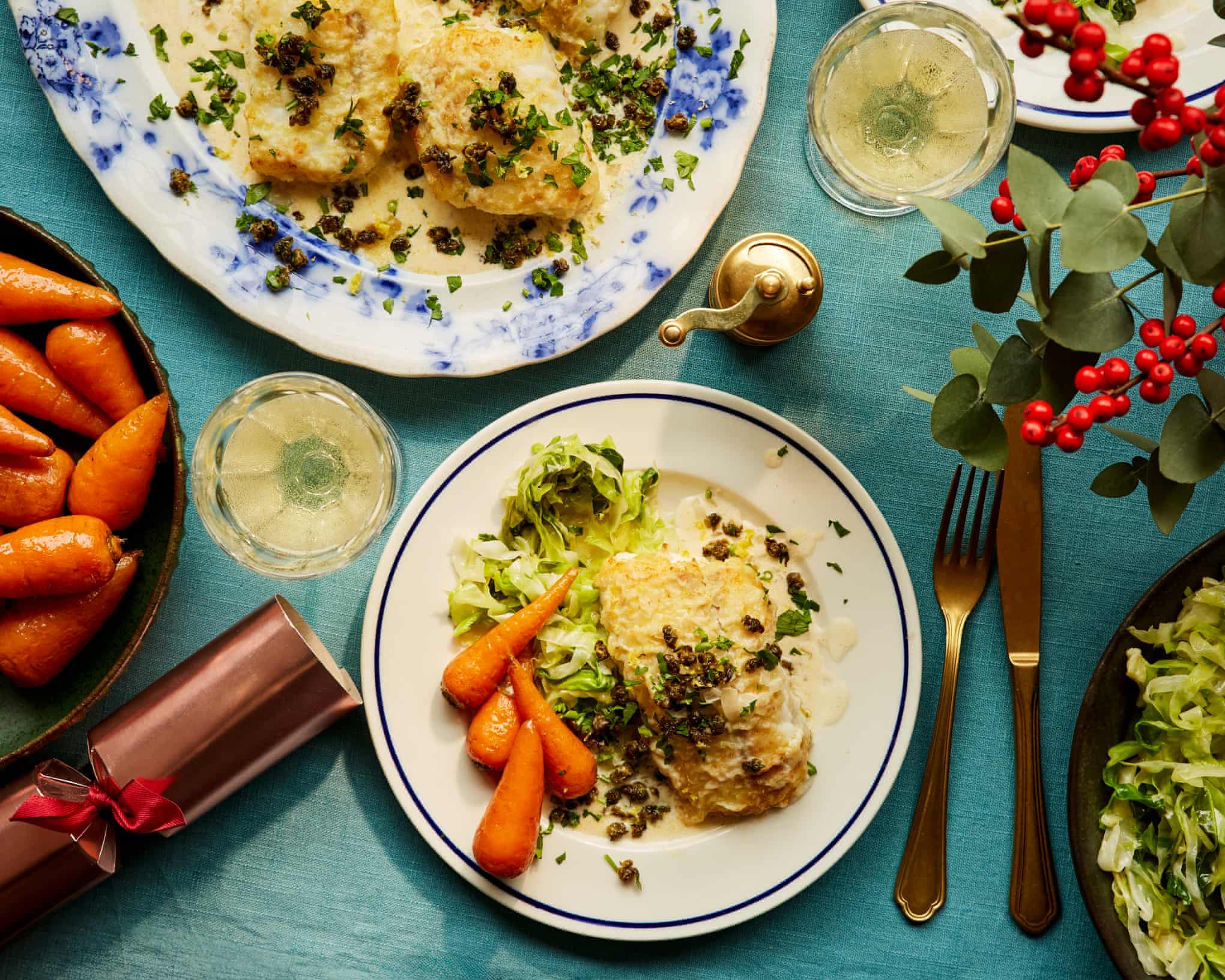
Christmas mains: Georgina Hayden’s pan-fried monkfish in a herby champagne butter – recipe
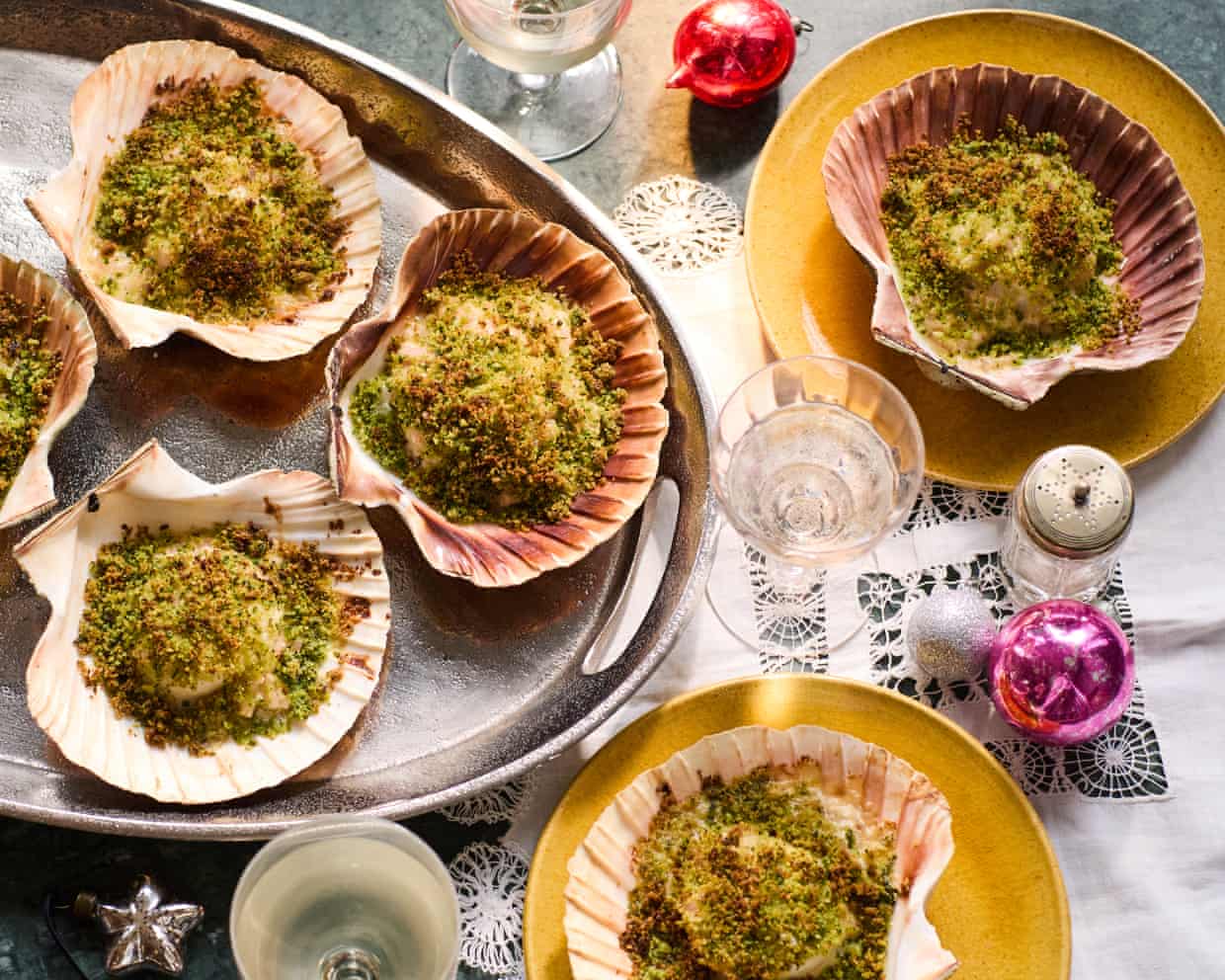
How to make coquilles St-Jacques – recipe | Felicity Cloake's Masterclass
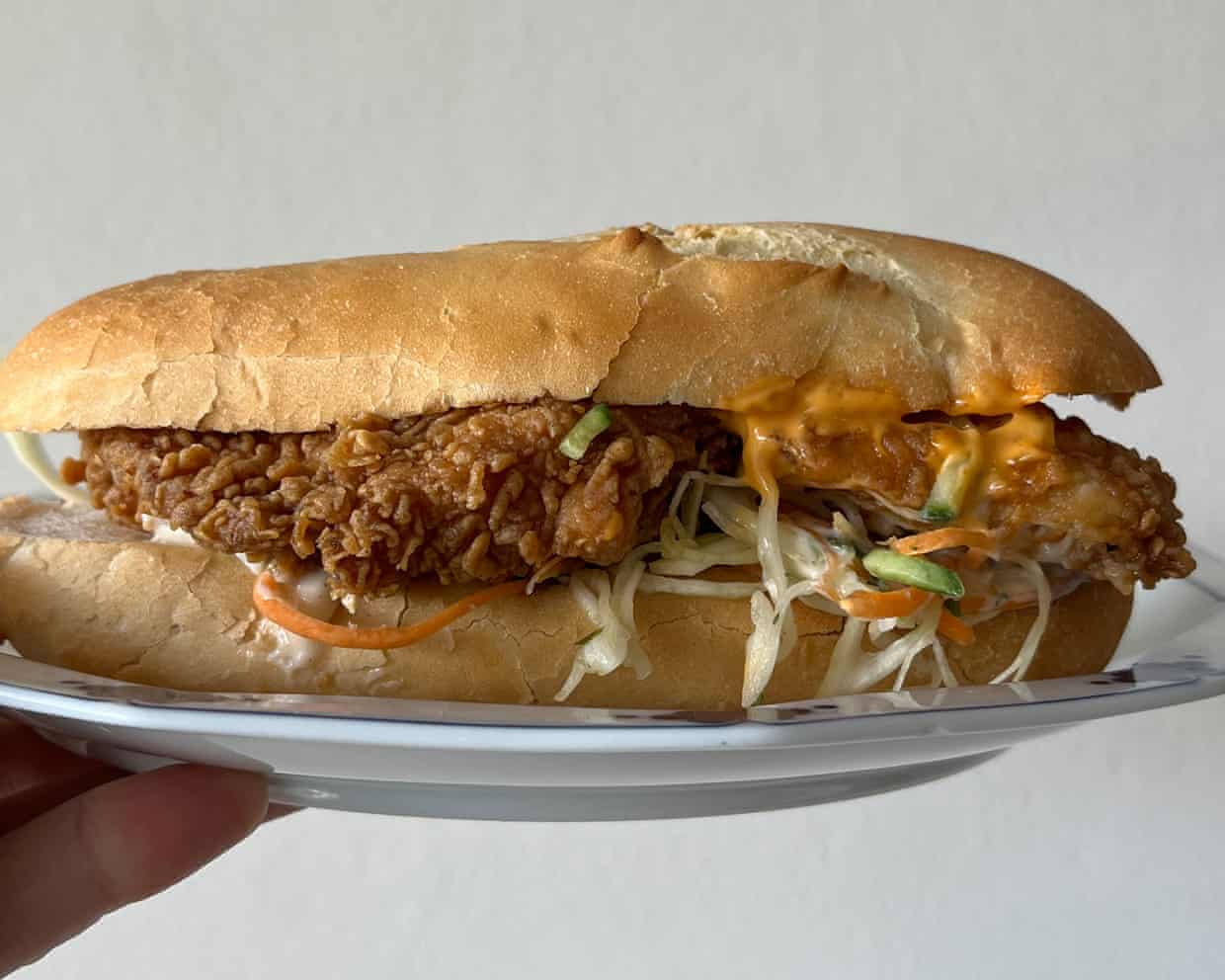
KFC’s bánh mì has its name but not its nature. Who is this sandwich for?

Skye Gyngell obituary