Nvidia quarterly earnings show immunity to AI bubble fears as it cashes in on datacenter boom

Nvidia released its quarterly earnings on Wednesday, with the chipmaker revealing higher than expected revenues and extending its yearslong streak of surpassing Wall Street’s sky-high expectations.The company receives the vast majority of its revenue from its data center business, which has been buoyed by the tech industry’s immense investment into AI infrastructure.On Wednesday, Nvidia reported 75% year-over-year growth of this vertical to $62.3bn.The world’s most valuable publicly traded company, Nvidia has dominated the chip market as its processing units have become the backbone of the artificial intelligence boom.
The company also posted an enormous total profit for the fiscal year: $120bn.“Our customers are racing to invest in AI compute – the factories powering the AI industrial revolution and their future growth,” CEO Jensen Huang said in a statement accompanying the earnings report.Investors have been more skeptical in recent months regarding the massive amount of spending that big tech companies have poured into advancing their AI products, with share prices for most of the so-called Magnificent Seven tech firms starting the year off in decline.Nvidia’s growth, meanwhile, has acted as a reassurance to the market, with a stock rally on Wednesday ahead of the company’s earnings report.Throughout the 2024 and 2025 fiscal years, Nvidia beat Wall Street’s expectations every quarter.
The chipmaker reported earnings of $1.62 per share, beating the $1.53 per share that Wall Street analysts estimated.Its overall revenue for the quarter was $68.13bn, more than analysts’ prediction of $66.
2bn in revenue,Shares in the company rose by around 3% in after-hours trading immediately following the earnings report, although those gains dropped to less than 1% as the day went on,Despite Nvidia’s huge profits, there has been increased scrutiny of the company’s various multibillion dollar deals with AI firms like OpenAI,The circular nature of these deals, where Nvidia invests in a company only for that company to turn around and purchase chips from Nvidia, has led some analysts to worry that the AI industry is on riskier footing than its backers would admit,One of Nvidia’s marquee deals, a proposed $100bn investment into OpenAI, also fell through earlier this month.
Instead, Nvidia will reportedly invest $30bn into OpenAI as the ChatGPT creator seeks to go public later this year at a valuation of around $730bn.“We continue to work with OpenAI towards a partnership agreement, and believe we are close,” Huang said on Wednesday’s earnings call.Huang has repeatedly downplayed concerns around how AI will disrupt or replace workers across numerous industries.Last month, Huang spoke out against fears of AI replacing software technologies during a global rush to sell off software stocks.At the World Economic Forum in Davos earlier this year, he also framed AI as a job creator that would unlock productivity gains and become a core part of international infrastructure.
“In this new world of AI, compute equals revenues,” Huang said on the call.After years of markets swooning over advances in generative AI, however, some investors have grown more skittish and wary of volatility or potential negative effects that AI may have on the economy.This week, a piece of speculative fiction from a research firm caused a market downturn and panic on Wall Street after it outlined an imagined future where AI had caused surging unemployment.
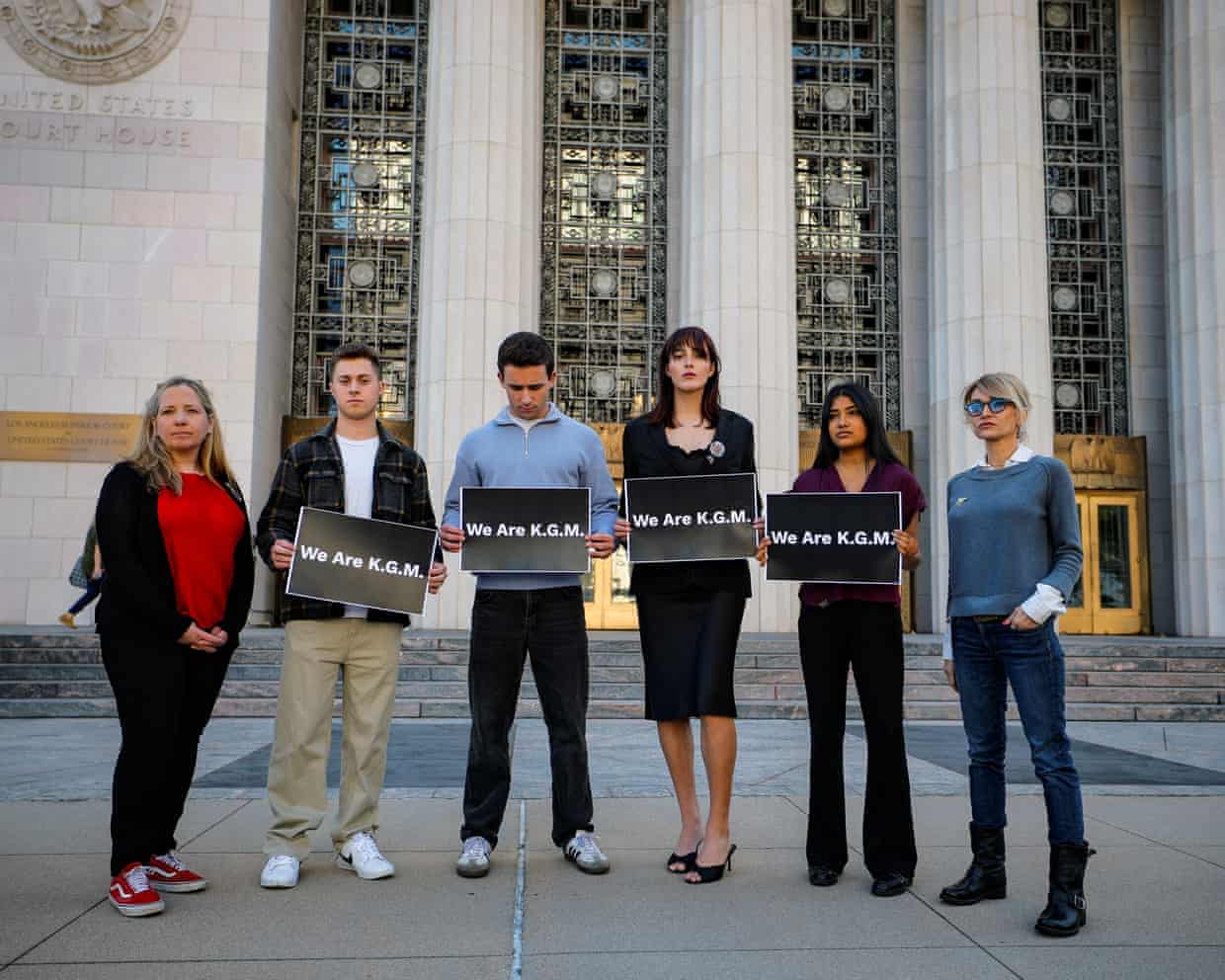
Twenty-year-old to testify at US trial about harm from social media addiction
For the first time, a jury will hear testimony this week from a young woman who alleges social media companies intentionally create addictive products, harming children. The witness taking the stand, known by her initials KGM, is the lead plaintiff in an expansive lawsuit against Meta – which owns Instagram and Facebook – and YouTube currently at trial in Los Angeles.KGM, who is now 20, alleges that she became addicted to social media apps before she was 10 and would spend hours every day scrolling through photos and videos. This led to years of mental health issues, according to her lawyers and court documents.KGM is expected to testify about how her constant use of social media led to depression, anxiety and body dysmorphia
Nvidia quarterly earnings show immunity to AI bubble fears as it cashes in on datacenter boom
Nvidia released its quarterly earnings on Wednesday, with the chipmaker revealing higher than expected revenues and extending its yearslong streak of surpassing Wall Street’s sky-high expectations.The company receives the vast majority of its revenue from its data center business, which has been buoyed by the tech industry’s immense investment into AI infrastructure. On Wednesday, Nvidia reported 75% year-over-year growth of this vertical to $62.3bn. The world’s most valuable publicly traded company, Nvidia has dominated the chip market as its processing units have become the backbone of the artificial intelligence boom
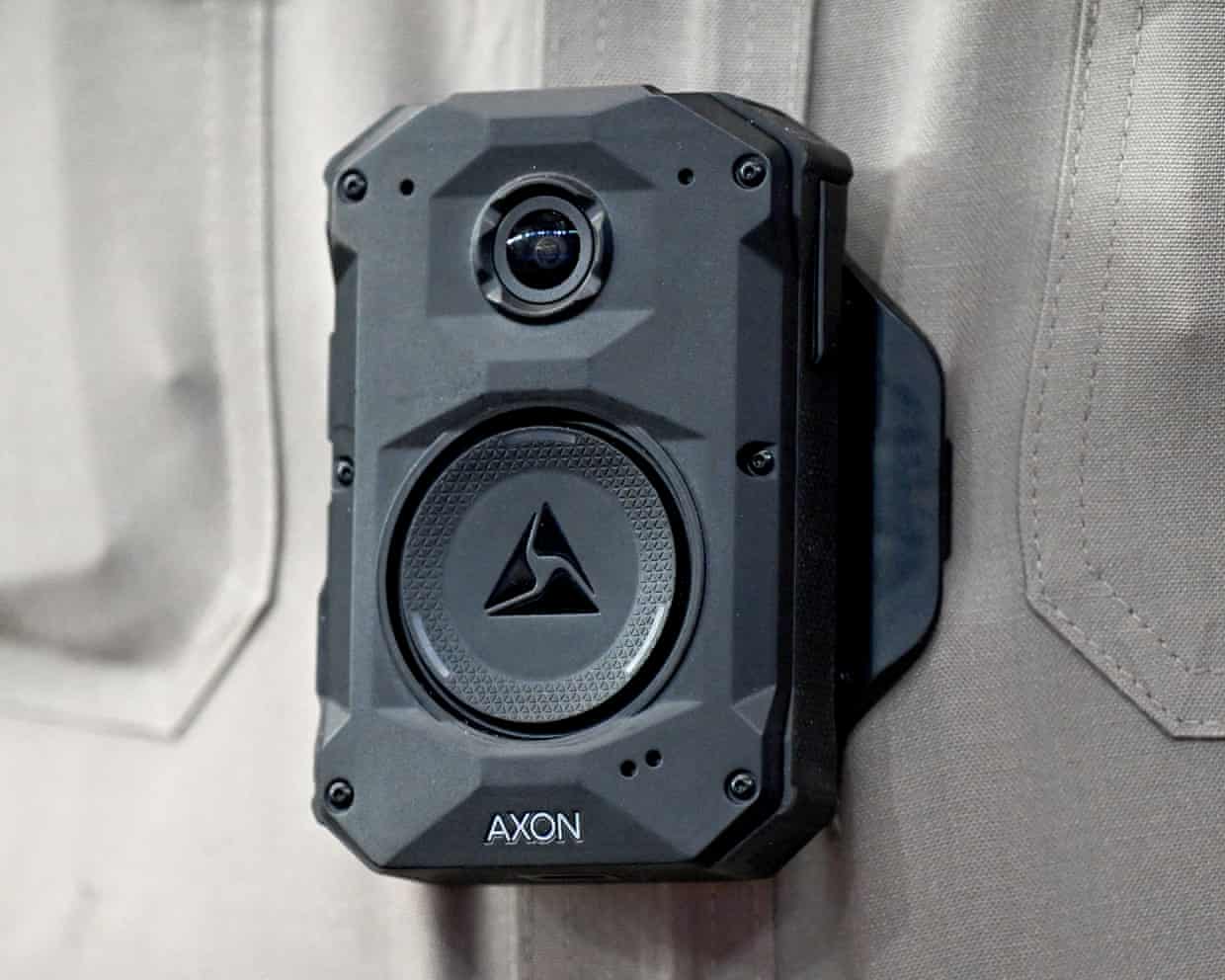
Top US body-camera maker reports record revenue amid Trump immigration crackdown
The largest body-camera maker in the US celebrated its latest financial results on Tuesday – reporting record revenue and forecasting major growth – as it prepares to cash in on the Department of Homeland Security’s planned rapid acquisition and deployment of these devices nationwide.In Tuesday’s earnings presentation, body-camera maker Axon, which also makes the well-known Taser device, announced that it blew past Wall Street expectations with $797m in revenue, up 39% year-over-year.The company attributed its growth to the offerings of its “AI era plan”, which includes a voice-activated companion for its body cameras. Executives also outlined a “major opportunity” for working with federal law enforcement in the year to come, in particular: body cameras and software licenses for the DHS.Asked by investors about his biggest worries, CEO Rick Smith said: “A misstep around privacy and data handling
Meta’s AI sending ‘junk’ tips to DoJ, US child abuse investigators say
Meta’s use of artificial intelligence software to moderate its social media platforms is generating large volumes of useless reports about cases of child sexual abuse, which are draining resources and hindering investigations, said officers from the US Internet Crimes Against Children (ICAC) taskforce.“We get a lot of tips from Meta that are just kind of junk,” Benjamin Zwiebel, a special agent with the ICAC taskforce in New Mexico, said last week during his testimony in the state’s trial against Meta. The state’s attorney general alleges the company’s platforms are putting profits over child safety. Meta disputes these allegations, citing changes it has introduced on its platforms, such as teen accounts with default protections. The ICAC taskforce is a nationwide network of law enforcement agencies coordinated with the US Department of Justice to investigate and prosecute online child exploitation and abuse cases

Treasury calls in Blair thinktank to advise on using AI across public services
Ministers have called in Tony Blair’s thinktank and private tech companies to guide them on deploying AI across the UK government in a move campaigners compared to “inviting in foxes to consult on the future of the henhouse”.James Murray, chief secretary to the Treasury, chaired a meeting on Wednesday with the director of AI at the Tony Blair Institute for Global Change (TBI), the chair of IBM and senior executives at AI companies including Faculty AI, now part of Accenture, and Dex Hunter-Torricke, a former communications adviser at Google, Facebook and Elon Musk’s SpaceX.“These people are exactly who can help us create change across the public sector – giving us the hard truths on our approach to AI and advising where we need to prioritise our investment to support real efficiencies,” said Murray, who added that their advice will “feed into efficiency processes ahead of the next spending review”.The move came after the technology secretary, Liz Kendall, last month said the government’s goal was to “make Britain the fastest AI adoption country in the G7”.The Treasury said it showed it was committing “to private sector engagement on the deployment of artificial intelligence across the public sector so it can improve efficiency and productivity”

Facial recognition error prompts police to arrest Asian man for burglary 100 miles away
Police arrested a man for a burglary in a city he had never visited after face scanning software deployed across the UK confused him with another person of south Asian heritage.Alvi Choudhury, 26, a software engineer, was working at the home he shares with his parents in Southampton in January when police knocked on his door, handcuffed him and held him in custody for nearly 10 hours before releasing him at 2am.Thames Valley police had used automated facial recognition software which matched him with footage of a suspect of a £3,000 burglary 100 miles away in Milton Keynes, according to documents shared with the Guardian by Liberty Investigates.But the CCTV footage showed a noticeably younger man with different features apart from similar curly hair, said Choudhury, who was left confused about why he had been arrested.“I was very angry, because the kid looked about 10 years younger than me,” said Choudhury, who wears a beard

Jon Stewart on politicization of USA hockey win: ‘Is Kash Patel a Make-a-Wish man?’

Down with Love: Ewan McGregor and Renée Zellweger’s perfectly offbeat 60s fantasy

Maxi Shield, beloved Australian drag queen and Drag Race Down Under star, dies aged 51

Kenneth Williams and racist attitudes | Brief letters

Philippe Gaulier obituary

‘Musicians drank too much and slept on my barn floor’: Andrew Bird on making cult album The Mysterious Production of Eggs