Twenty-year-old to testify at US trial about harm from social media addiction
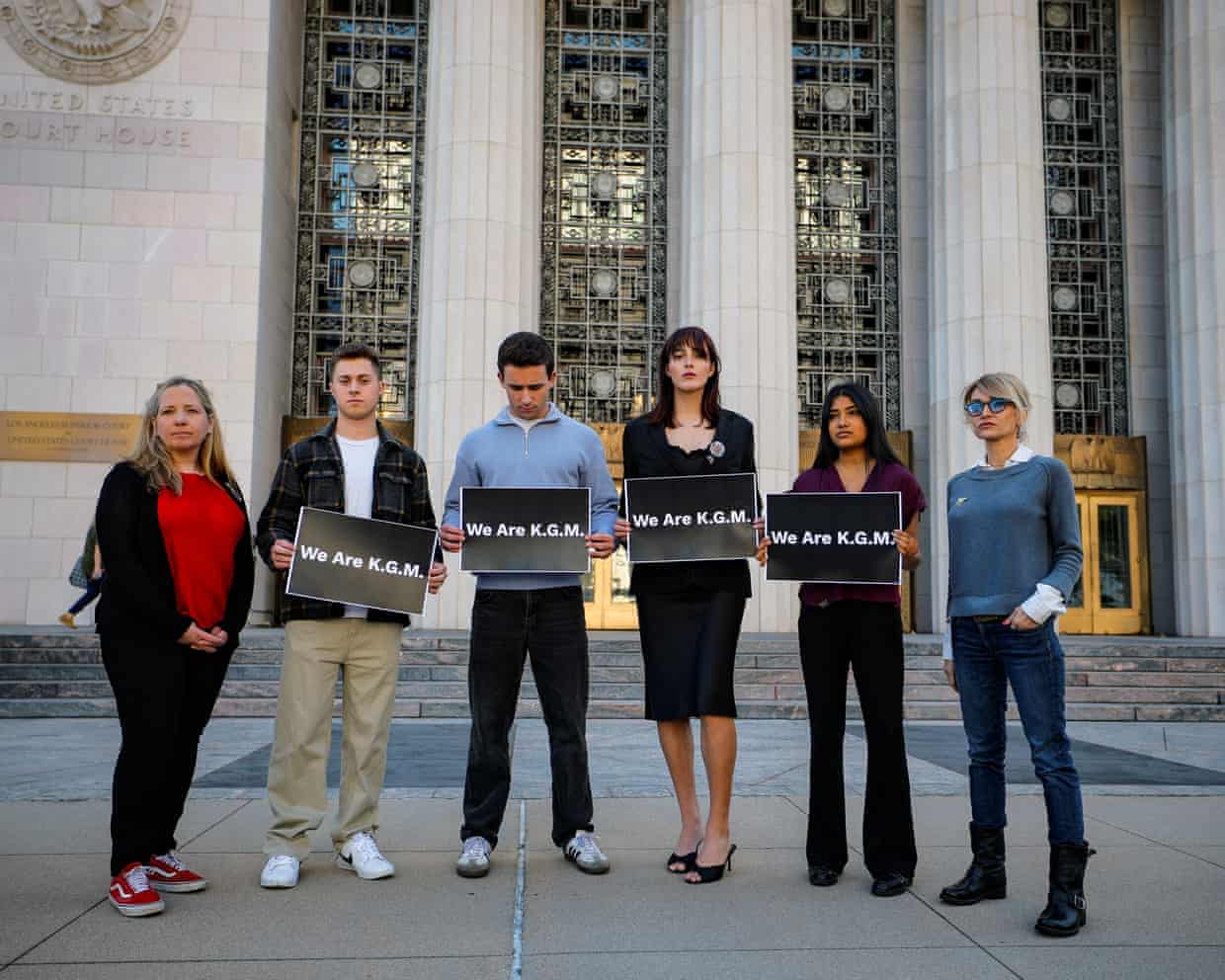
For the first time, a jury will hear testimony this week from a young woman who alleges social media companies intentionally create addictive products, harming children,The witness taking the stand, known by her initials KGM, is the lead plaintiff in an expansive lawsuit against Meta – which owns Instagram and Facebook – and YouTube currently at trial in Los Angeles,KGM, who is now 20, alleges that she became addicted to social media apps before she was 10 and would spend hours every day scrolling through photos and videos,This led to years of mental health issues, according to her lawyers and court documents,KGM is expected to testify about how her constant use of social media led to depression, anxiety and body dysmorphia.
According to court documents, her mother attempted to block her use of the apps to no avail.She “developed a compulsion to engage with those products nonstop”, due to their “addictive design” and “constant notifications”, her lawsuit says.This trial is the first in a consolidated group of cases in Los Angeles superior court brought against the social media companies on behalf of more than 1,600 plaintiffs, including more than 350 families and 250 school districts.KGM’s case is also the first of more than 20 “bellwether” trials, which are used to gauge juries’ reactions and potential verdicts, as well as set legal precedent.TikTok and Snap were originally named as defendants in KGM’s case, but just before the trial began last month, both companies reached settlement agreements with the plaintiffs, the terms of which have not been publicly disclosed.
Meta and YouTube deny wrongdoing in the case.Liza Crenshaw, a spokesperson for Meta, said: “The question for the jury in Los Angeles is whether Instagram was a substantial factor in the plaintiff’s mental health struggles.The evidence will show she faced many significant, difficult challenges well before she ever used social media.” Meta also filed a brief on Wednesday arguing that KGM’s mental health issues were exacerbated by her home life.YouTube spokesperson José Castañeda called the allegations in the lawsuits “simply not true” and said that providing young people with a “safer, healthier experience has always been core to our work”.
Before KGM’s testimony, which is expected on Thursday, youth leaders, online safety advocates and parents held a Wednesday press conference on the courthouse steps,Lennon Torres, the campaigns and program manager for advocacy group Heat Initiative, emphasized the importance of the first-of-a-kind trial,“Let me be very clear about one thing: the verdict in this case is not the point,That is not justice,This is justice,” Torres said.
“We have found a microphone and a voice that breaks through their predatory algorithms, and we will be heard.”Along with KGM, jurors are also expected to hear from her mother, Karen, and sister Keanna.KGM’s former therapist, Victoria Burke, testified on Wednesday, saying she worked with KGM when she was 13 and diagnosed her with body dysmorphic disorder and social phobia, according to NBC News.The therapist said that the teen would often turn to her phone to make it look as if she were “doing something rather than sitting and being perceived as having no friends”.Burke said she thought social media played a part in KGM’s mental health issues, but was not solely to blame.
“I believe it was a contributing factor, not a causation factor,” she testified.Over the course of the trial, KGM’s lawyers have called to the witness stand Mark Zuckerberg, the CEO of Meta; Adam Mosseri, the head of Instagram, and Cristos Goodrow, the vice-president of engineering at YouTube.Zuckerberg said during his testimony last Wednesday that Meta had improved in identifying underage users, but he added: “I always wish that we could have gotten there sooner.” He said some users lie about their age when joining Instagram and that the company removes those it identifies as underage.The plaintiffs’ lawyers hit back at those claims: “You expect a nine-year-old to read all of the fine print? That’s your basis for swearing under oath that children under 13 are not allowed?”When Mosseri took the stand a week earlier, he pushed back on the science behind social media addiction, denying that users could be “clinically addicted”.
He described children’s high usage of Instagram as “problematic use” – similar to “watching TV for longer than you feel good about”,Psychologists do not classify social media addiction as an official diagnosis, but researchers have documented the harmful consequences of compulsive use among young people, and lawmakers around the world repeatedly voiced concern about social networks’ addictive potential,KGM’s lawyers are expected to wrap their arguments in the coming days and then Meta and YouTube’s lawyers will present their cases,

WPP to sell assets and cut jobs in radical shake-up to counter AI threat
The beleaguered UK advertising group WPP has announced a radical restructure to counter the threat posed by the growth of artificial intelligence, including plans to sell assets and job cuts.Aiming to be “a simpler, lower-cost, AI-enabled business”, the London-based company laid out plans to achieve £500m of annual savings by 2028, at a cost of £400m over two years.Cindy Rose, the chief executive who took over last summer, said the company was “unveiling a bold plan for a simpler, more integrated WPP that’s fit for the future and built to win”. It has struggled to stem a growing exodus of clients and is racing to match the AI and data capabilities of rivals, amid fears that AI will allow customers to bring more marketing functions in-house.Rose said WPP had identified several assets that it wanted to shed, without naming them
Ocado to cut 1,000 jobs in £150m cost-saving drive
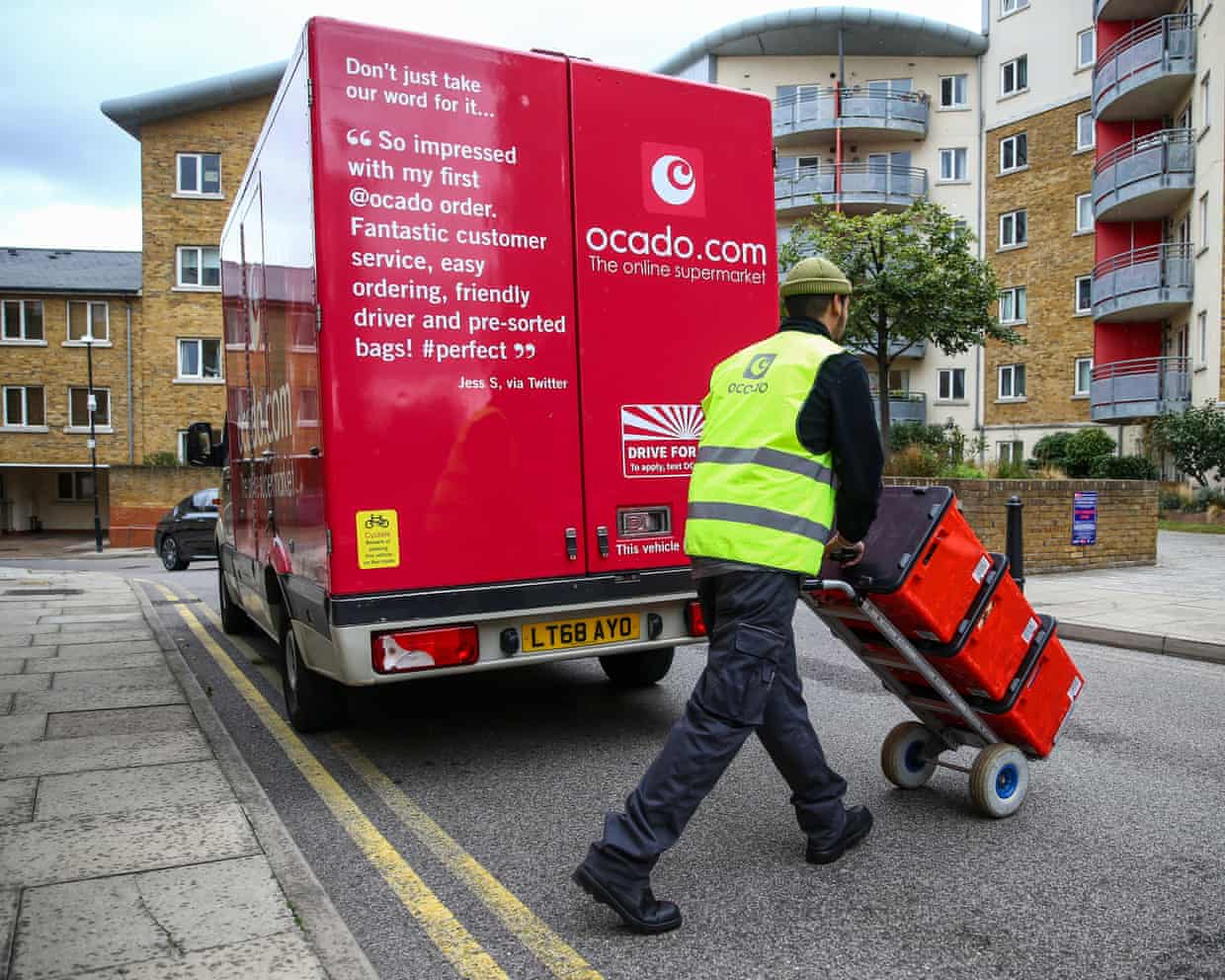
Ocado is to cut 1,000 jobs as the retail technology business attempts to slash £150m in costs though a substantial restructuring programme.The company confirmed that about 5% of its global workforce will be affected. About two-thirds of the jobs are expected to go from the UK, where the company is based in Hatfield, Hertfordshire. About half the jobs going are in technology, with the rest made up of support staff.The business, which provides technology for robotic warehouses for supermarket chains, said it plans to scale back research and development, helping it cut about £150m in technology and support costs in 2026
Qantas unveils major changes to frequent flyer program and a bumper $1.46bn profit
Qantas is overhauling its frequent flyer program to entice members to climb its vaunted membership tiers, in changes designed to prevent customers from switching to rival schemes.The reforms, described by the airline as the “biggest changes to status in program history”, have been unveiled during a hugely profitable period for Qantas, with revenue rising across its domestic, international and loyalty scheme businesses.On Thursday, Qantas announced planned changes to the loyalty scheme to allow members to roll over some of their status credits - the currency used to determine membership tiers - helping people reach or maintain high levels such as gold and platinum.This differs from the previous system of unused credits resetting to zero at the end of a holder’s membership year.However, the amount of credits needed to keep status levels is increasing, according to analysis from comparison site Finder
Lawyers for US cancer sufferers challenge Bayer’s $7.25bn Roundup settlement deal
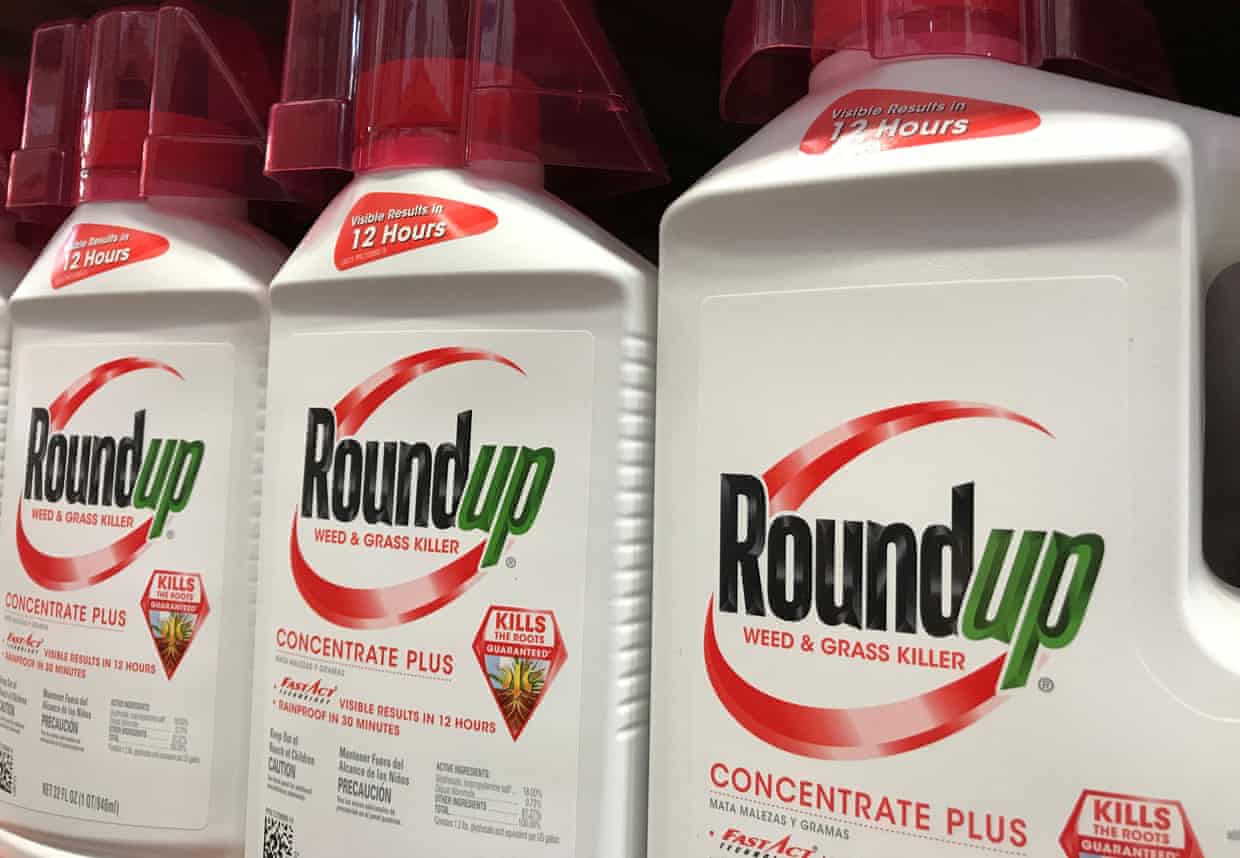
A group of 14 law firms representing nearly 20,000 plaintiffs is seeking to intervene in Bayer’s proposed class-action settlement of Roundup litigation, citing concerns that the deal will not be fair to cancer sufferers.The group filed both a motion to intervene and a motion for an extension of time for court preliminary approval of the deal in St Louis city circuit court in Missouri late on 24 February.The law firms say the deal appears “unprecedented” and raises multiple “red flags”.“It is hard to escape the impression that the proposed settlement would give Monsanto everything it desires – a near-complete release of liability for Monsanto and its parent company, Bayer AG – while giving inadequate consideration to many putative class members, who would surrender their substantive rights in exchange for settlement offers that may never result in payment,” the law firms state in their motion.Bayer and a different group of plaintiffs’ lawyers filed the settlement proposal with the court on 17 February, with a provision to seek preliminary court approval within a 15-day period

Public health advocates say more transparency needed in debate over illicit tobacco as industry links questioned
A former Australian Border Force officer who has positioned himself before government inquiries as Australia’s “foremost law enforcement expert” on illicit tobacco also advises nicotine industry-linked organisations – leading public health advocates to argue that more transparency is needed.Rohan Pike, who spent more than two decades in law enforcement and now runs a consultancy, has become a prominent media commentator on the illicit tobacco trade, promoting policies that align with those supported by the tobacco industry.Those positions include opposing further excise increases on cigarettes and pushing for the legalisation of nicotine pouches.In May he was appointed as an illicit-trade adviser to the Global Institute for Novel Nicotine Products (Ginn), a UK-based trade association representing manufacturers of alternative nicotine products, including pouches and “heat not burn” nicotine products. Pike said he does not receive funding or payment from Ginn
France’s Engie strikes deal to buy UK Power Networks for £10.5bn
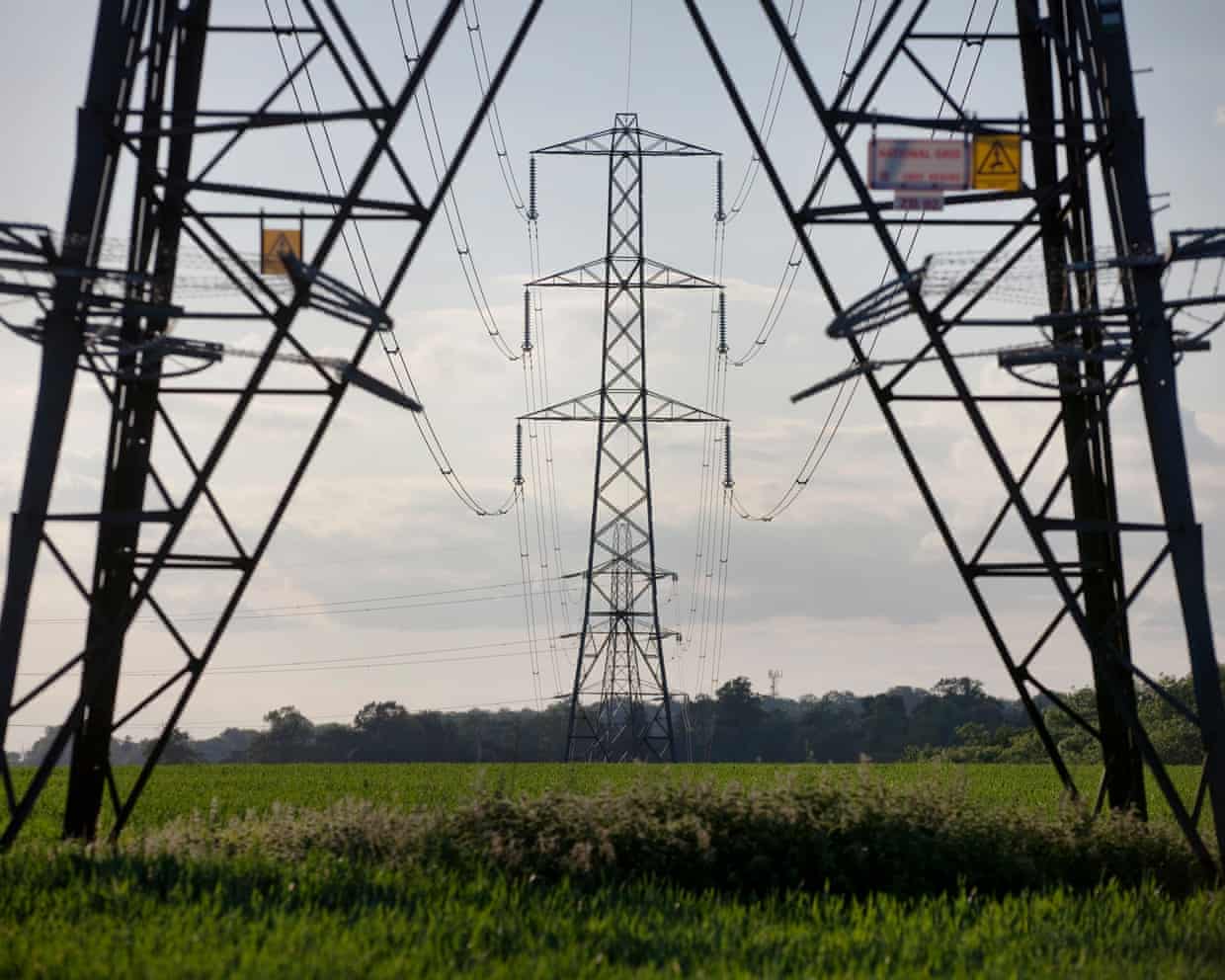
A French utility has agreed to buy the owner of the electricity cables and power lines across London, the south-east and the east of England in a deal worth £10.5bn.Paris-headquartered Engie said on Wednesday that it had struck a deal to buy UK Power Networks (UKPN) in a “major milestone” for the company’s ambition to become the “best energy transition utility”.Engie will buy the electricity network operator, which operates about 192,000km of power lines serving 8.5 million customers across London and southern and eastern England, from a Hong Kong-based conglomerate founded by billionaire business magnate Li Ka-shing, which has owned UKPN for the past 15 years

Jon Stewart on politicization of USA hockey win: ‘Is Kash Patel a Make-a-Wish man?’

Down with Love: Ewan McGregor and Renée Zellweger’s perfectly offbeat 60s fantasy
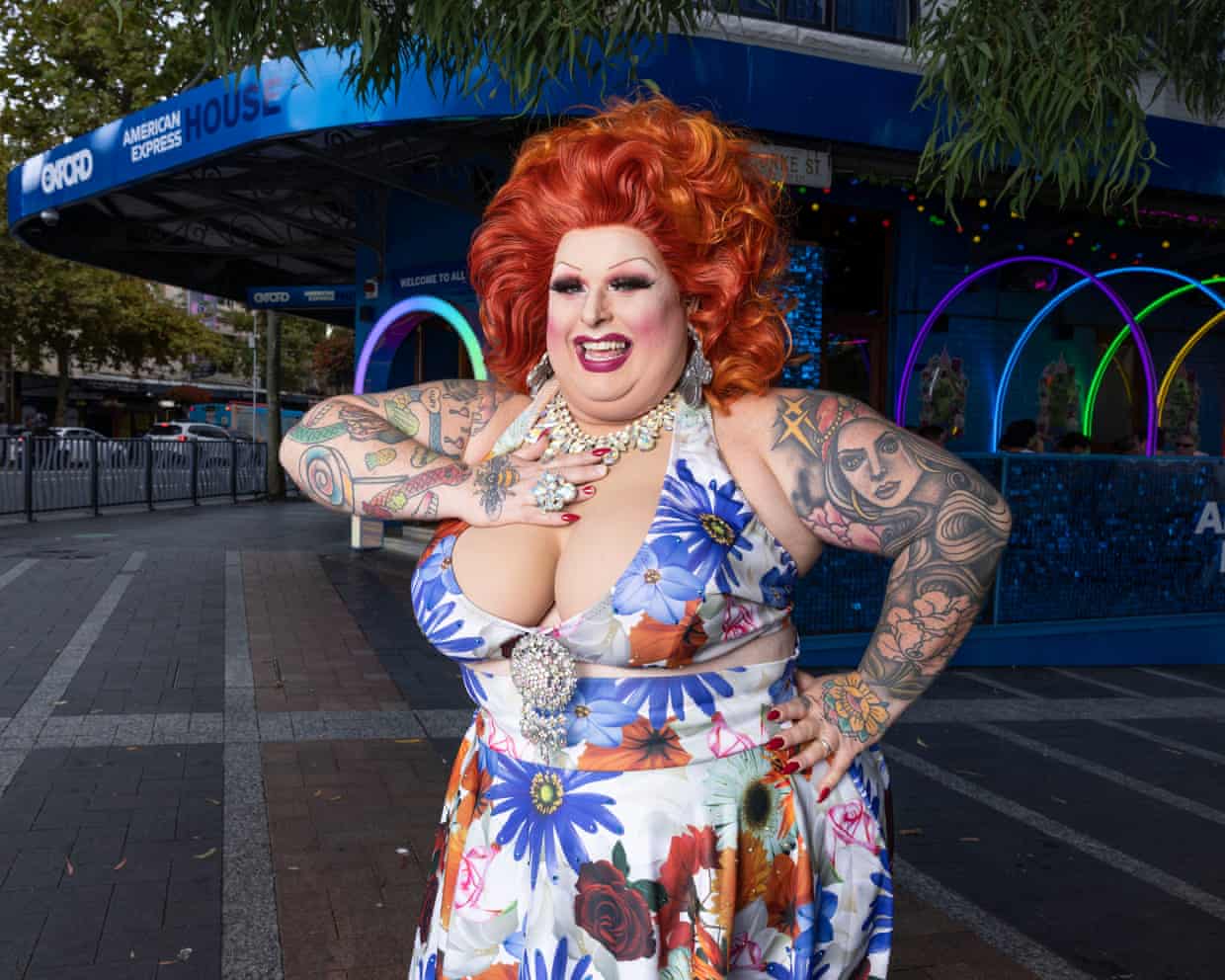
Maxi Shield, beloved Australian drag queen and Drag Race Down Under star, dies aged 51

Kenneth Williams and racist attitudes | Brief letters

Philippe Gaulier obituary

‘Musicians drank too much and slept on my barn floor’: Andrew Bird on making cult album The Mysterious Production of Eggs