How to make the perfect bara brith – recipe | Felicity Cloake's How to make the perfect …
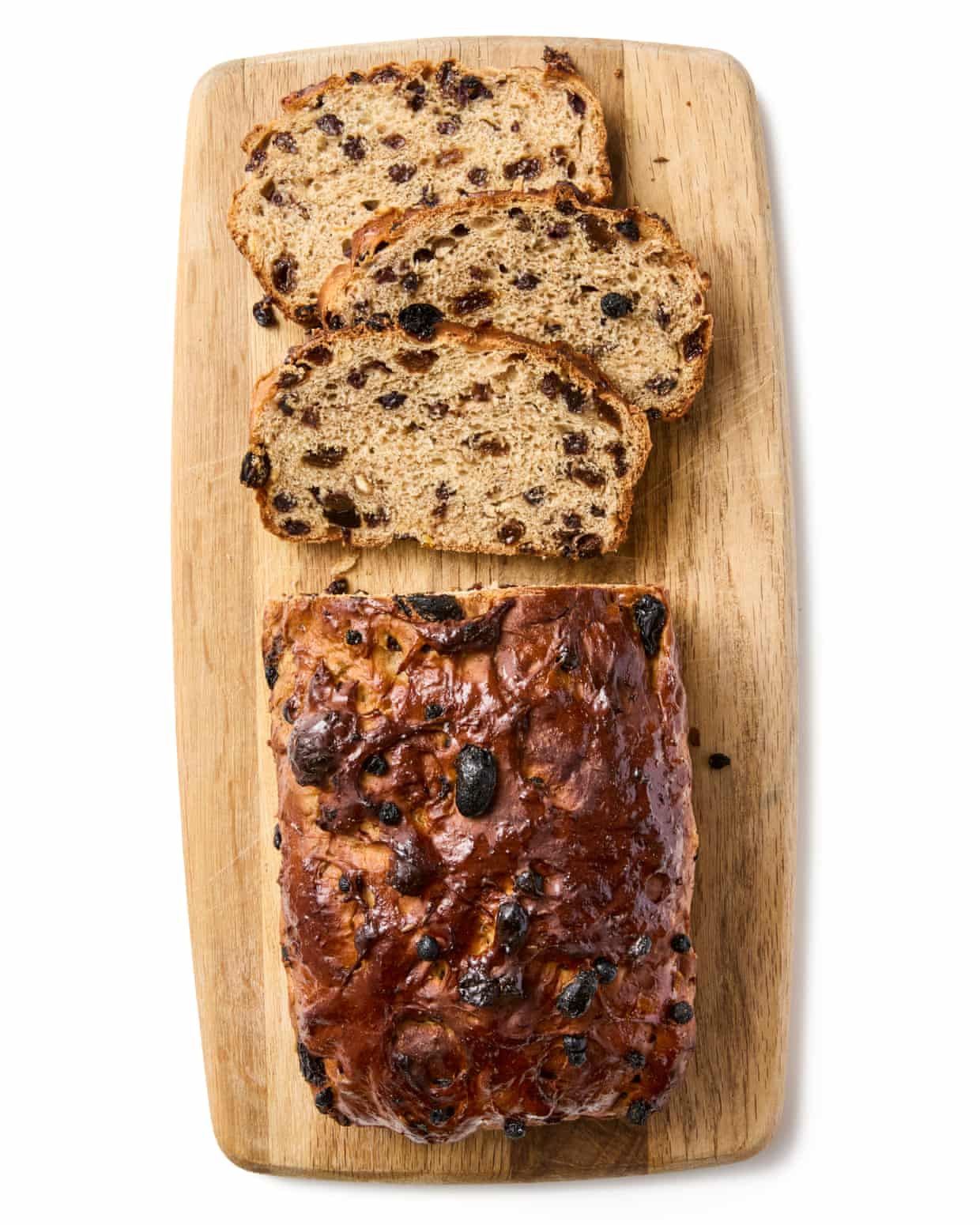
Bara brith, the traditional Welsh fruit loaf whose name means speckled bread, is, as Ben Mervis notes, not dissimilar to Yorkshire brack, Irish barmbrack and Scottish “kerrie loaf” – the last is a new one on me, though, of course, I’m more than familiar with how well they all pair with strong tea and cold salty butter.According to food writers Laura Mason and Catherine Brown, they were originally known as teisen dorth in south Wales, and they date the recipe to no earlier than the beginning of the 20th century.However, the digitising of records since their book Food of Britain was published in 1999 allowed me to find a reference to it being eaten before school examinations in Bala, Gwynedd, in Seren Cymru from 1857.(Pen Vogler notes that “anything made with flour, however, is likely to be relatively modern, as wheat was too unreliable to be a staple in wet, upland Wales.”) There’s no reason to doubt the pair’s claim that bara brith was originally made from excess bread dough, but I think it’s good enough to need no such excuse.
The biggest divide in bara brith recipes is between those raised with yeast, as seems to have been more common up until the mid-20th century, and those that take advantage of chemical raising agents – the earliest recipe I find that uses baking powder comes from a Miss AM Davies of Montgomeryshire (modern-day northern Powys), and appears in the 1946 collection Farmhouse Fare.The pastry chef Roger Pizey notes in his book World’s Best Cakes that, while “originally bara brith included yeast … I prefer this yeast-free version that tastes better the day after you have made it”.It cannot be denied that baking powder and bicarbonate of soda are far less capricious than yeast, and give good moist results – Elizabeth Luard’s recipe, which she credits in A Cook’s Year in a Welsh Farmhouse to her “neighbour and tutor in all things Welsh, Jane Edwards”, who got it “from her mother, who had it from her mother, which is good enough for me”, is particularly squidgy.That said, though I’d by no means class the modern bara brith as inferior, their softer, crumblier texture places them in the cake, rather than bread category.Yeast, meanwhile, as used by Regula Ysewijn in her book Oats in the North, Wheat from the South, chef Bryn Williams (whose recipe comes from his nain) and the great collector and conservator of old Welsh recipes, Bobby Freeman, in her Book of Welsh Bread, gives a lighter, chewier crumb that’s better suited to topping with butter and serving for tea.
Like Freeman, I’m of the opinion that we have enough recipes for fruit cakes and bara brith doesn’t need to be one of them – though, if you’re in a hurry, the lovely-looking recipe from Anna Jones’s mother-in-law Sian should do the trick.Almost everyone just specifies flour, with the exception of Freeman, who calls for wheatmeal flour, a mixture of white flour and wheat bran that’s hard to find these days.Though there’s no need to use bread flour, it will give a lighter texture, so I’ve recommended it.The slightly rough texture and robust flavour of Freeman’s loaf proved so popular with my testers that I’ve suggested adding a little wholemeal flour to the mix as well as the white variety.If you don’t fancy buying two different sorts of flour, just use one or the other, bearing in mind that wholemeal flour, which Jones uses in her bara brith (see above), will absorb more liquid than the white sort, so you’ll need to adjust the amount of buttermilk accordingly.
I rather belatedly came across a recipe from Mrs EB Jones, proprietor of the Powys Temperance Hotel on Market Square, Llanrhaeadr-Ym-Mochnant, which uses a proportion of oat flour, too – I haven’t tried it yet, but reports are good,Gluten-free readers, meanwhile, might be interested in Ceri Jones’s take,Contrary to my assumption that bara brith was a fatless loaf, most recipes incorporate lard or butter; only Edwards and Mervis stick to eggs alone (which do, of course, contain fat, but that’s by the by),Lard is more popular in older formulas (one from 1929 substitutes beef dripping) and gives the crumb a pleasant softness, but butter has the better flavour – it’s still frustratingly hard to get hold of lard with any kind of traceability, so I’ve left the choice up to you,(Vegans: Gaz Oakley has a plant-based version that uses margarine and looks good to me.
)Davies, writing in a time of rationing, calls for powdered egg and Mervis, Ysewijn and Edwards for the fresh variety, but I don’t think Williams or Freeman’s recipes suffer from their omission.I think Davies’ buttermilk seems to help make the crumb especially soft, but if you can’t get hold of any, you could swap it for Williams’ water or Freeman’s ordinary milk.Mervis’ recipe in The British Cookbook includes caster sugar, Davies’ brown sugar, which popular opinion agrees probably refers to the same soft light brown sugar used by Williams’ grandmother, while Freeman recommends molasses sugar (the same dark brown muscovado deployed by Edwards) and Ysewijn suggests replacing her white sugar with golden syrup, which, I caution, does make the dough very sticky and hard to knead.If you’re making this by hand, it’s probably best to confine the syrup (or Davies’ treacle) to a single tablespoon for flavour.Indeed, I’ve kept the sweetness in general quite minimal here; Davies and Edwards both use half as much sugar as flour, while Williams’ more austere loaf calls for one part sugar to 7½ parts flour; Freeman uses even less.
While bara brith should be sweet (arguably), it must be borne in mind that dried fruit is itself very sugary and, as mentioned previously, this is not a cake,I’ve gone for the darkest, most treacly kind for its robust, bitter edge,As Jones notes, “traditionally, raisins, currants and sultanas are used in bara brith, but I like to mix in dates, dried apricots and sour cherries, too” – though I’ve kept things classic with gritty little currants (forever my favourite of the dried vine fruits) and plump golden sultanas, you might like to ring the changes,I would recommend including candied peel, however (though if you don’t have any, or don’t care for it, you might prefer Mervis’ spoonful of marmalade or Davies’ grated lemon zest),Soaking the fruit in tea seems now to be regarded as a defining characteristic of bara brith, though the early recipes don’t mention this step, leading me to wonder if it’s perhaps a misunderstanding over the name tea loaf, which, in fact, refers to the occasion for which it was generally served.
Nevertheless, it does give the bread a pleasant squidginess, so it’s a positive development in my opinion; I particularly love the citrus tang of Ysewijn’s earl grey.It’s worth taking a little time to pat the fruit dry before you incorporate it into the dough, so it doesn’t make things too sticky and wet, and I like to add it after the yeast has had a chance to get going, so the soaked fruit doesn’t interfere with the first proof.Everyone but Davies specifies mixed spice (non-UK readers might find it helpful to know that this refers to a mixture of sweet spices usually including allspice, cinnamon, nutmeg, mace and cloves, and is easy enough to blend at home); she uses caraway seeds, “if liked” (I do) and “spices”, which I suspect refers to the same sort of flavours.Be aware that many of these sweet spices inhibit yeast activity, so it’s safer to add them at the same time as the fruit.Many of the loaves have a delicious crackly top crust, but Mervis goes one better and glazes the top of his bara brith with honey, leaving it irresistibly shiny and golden.
Prep 15 min Soak 2 hr+Rise 1 hr 30 min+Cook 40 min Makes 1 loaf75g sultanas 75g currants 25g candied peel 150ml just-brewed hot earl grey, or other black tea 150g strong white flour 100g strong wholemeal flour 7g quick/instant/fast-acting yeast 50g dark brown sugar ½ tsp fine salt 30g lard, or butter, melted and left to cool150ml buttermilk, or ordinary milk, at room temperature½ tsp caraway seeds (optional)½ tsp mixed spice 1 tbsp honey, or syrup or sugar, to glazePut the dried fruit and peel in a heatproof bowl and pour over the hot tea.Leave to sit for a few hours, or overnight, then drain in a sieve, reserving any remaining liquid.Put both flours in a large bowl and stir through the yeast, sugar and salt.Add the cooled fat, any reserved drained tea (but not the fruit itself for now) and enough buttermilk to bring the mix together into a coherent but not too sticky dough.Transfer to a lightly oiled bowl, cover with a damp tea towel and leave in a warmish place for about an hour, until significantly expanded (it may not actually double in size).
Meanwhile, tip the drained soaked fruit on to a clean tea towel and pat dry.Tip out the dough on to a clean surface, press it down flat, then tip the fruit and spices all over the top.Knead by folding the dough over on itself several times, as if making pastry, until the fruit mix is thoroughly incorporated.Lightly grease a small loaf tin (I use a 22cm x 11cm one), put the dough in it, then cover lightly and leave to prove again until the dough has risen to the top of the tin.Heat the oven to 200C (180C fan)/390F/gas 6, then bake the loaf for about 40 minutes, until the top is a rich, brown colour.
Heat the honey (or syrup or sugar) with a dash of water until melted, then use this to brush the top of the loaf.Leave to cool, then slice and serve.Bara brith: are you team sweet and cakey, or plain and yeasted, traditional or personalised? And if you prefer to leave it to the professionals, where would you recommend going to try some?
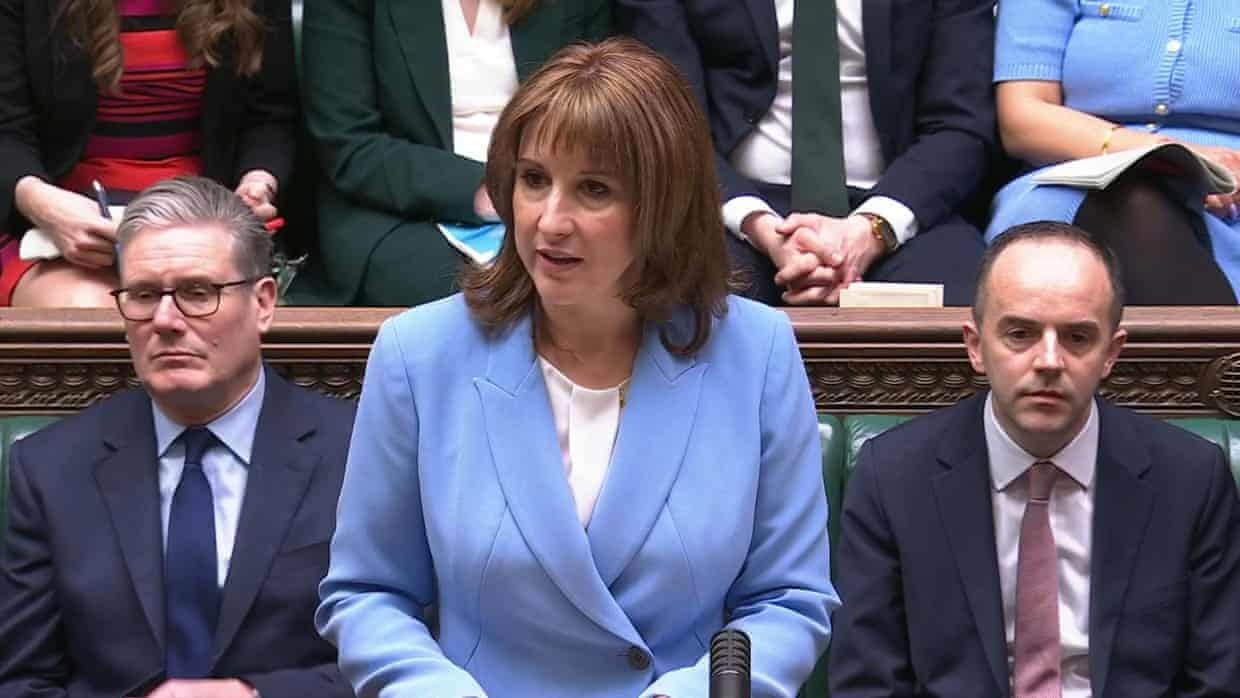
Iran conflict could have ‘very significant’ impact on UK economy, OBR warns in spring forecast – live updates
Here’s a grim chart from the OBR, showing how growth in GDP per person has been much weaker than if it had followed its rate before the financial crisis.The OBR’s David Miles tells reporters:double quotation markRight now, the level of GDP per person in the UK is around about 30% below where it would have been had there not been a profoundly different trajectory for productivity in the period since the financial crisis.It is not surprising on the back of that that the fiscal situation in the UK remains very challenging.And of course, such forecasts could already be out of date due to the market turbulence this week.As the OBR explain:double quotation markConflict in the Middle East, which escalated as we were finalising this document, could have very significant impacts on the global and UK economies

Stock markets slump amid Iran war as gas prices jump 30% to three-year high
The war in the Middle East has plunged financial markets into turmoil for a second day, with oil and gas prices surging and global stock markets plummeting days after the US-Israel attack on Iran..After a calm Monday, US stocks fell sharply on Tuesday morning, with the Dow dropping more than 1,000 points as concerns over higher gas prices started spooking investors.The London stock market has fallen deep into the red, with the FTSE 100 index losing about 350 points by Tuesday afternoon, falling to 10,420 in a 3.3% drop and leaving it on track for its worst day in 11 months – since Donald Trump’s “liberation day” tariff shock of April 2025

OpenAI amends Pentagon deal as Sam Altman admits it looks ‘sloppy’
OpenAI is amending its hastily arranged deal to supply artificial intelligence to the US Department of War (DoW) after the ChatGPT owner’s chief executive admitted it looked “opportunistic and sloppy”.The contract prompted fears the San Francisco startup’s AI could be used for domestic mass surveillance but its boss, Sam Altman, said on Monday night the startup would explicitly bar its technology from being used for that purpose or being deployed by defence department intelligence agencies such as the National Security Agency (NSA).OpenAI, which has more than 900 million users of ChatGPT, made the deal almost immediately after the Pentagon’s existing AI contractor, Anthropic, was dropped.Anthropic had insisted “using these systems for mass domestic surveillance is incompatible with democratic values”, leading the US president, Donald Trump, to call Anthropic “leftwing nut jobs” and directing the federal government to stop using its technology.Despite denials from OpenAI that the agreement allowed for surveillance use, commentators raised the spectre of the Snowden scandal, which broke in 2013, when it emerged the NSA was engaged in mass harvesting of phone and internet communications
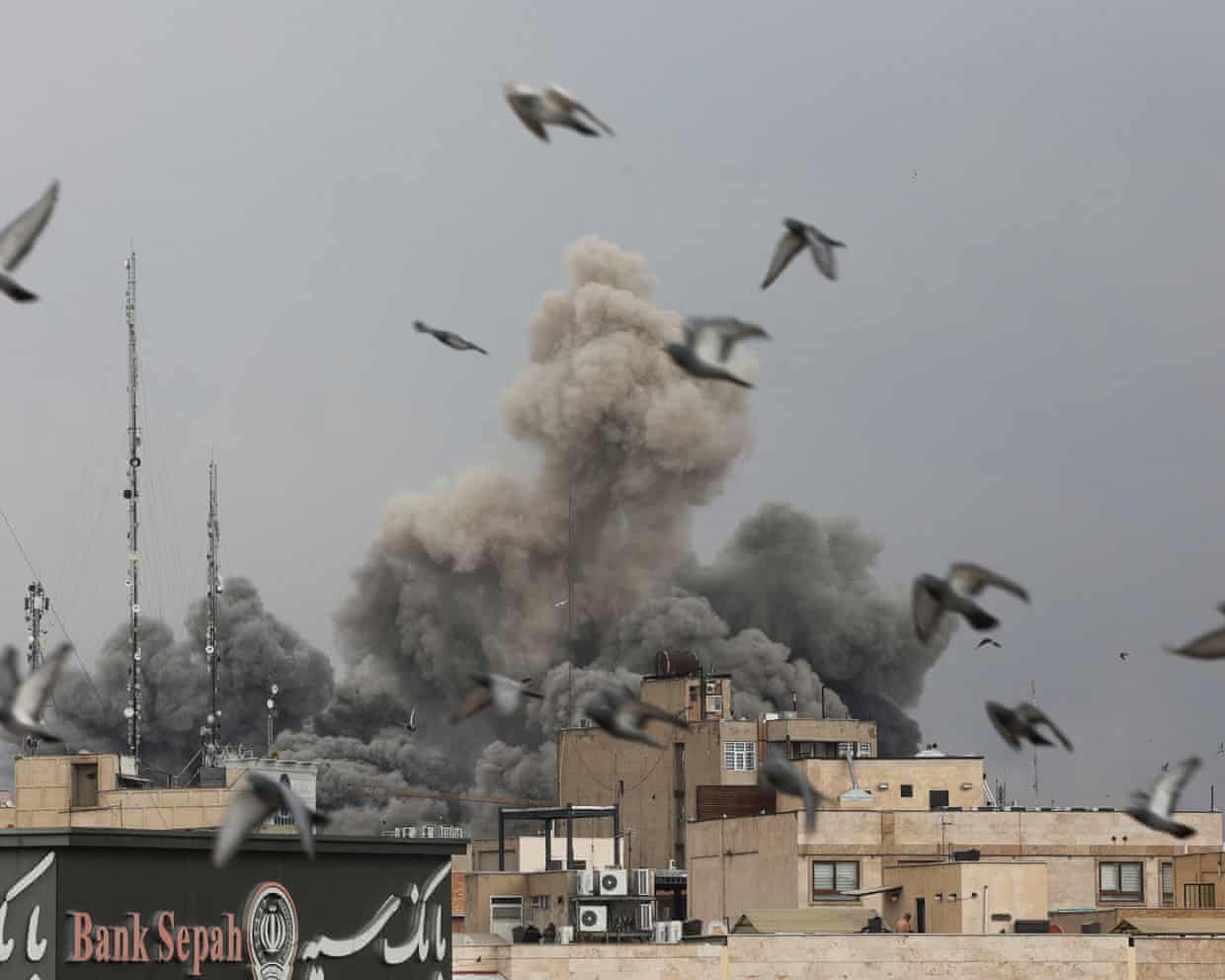
Iran war heralds era of AI-powered bombing quicker than ‘speed of thought’
The use of AI tools to enable attacks on Iran heralds a new era of bombing quicker than “the speed of thought”, experts have said, amid fears human decision-makers could be sidelined.Anthropic’s AI model, Claude, was reportedly used by the US military in the barrage of strikes as the technology “shortens the kill chain” – meaning the process of target identification through to legal approval and strike launch.The US and Israel, which previously used AI to identify targets in Gaza, launched almost 900 strikes on Iranian targets in the first 12 hours alone, during which Israeli missiles killed Iran’s supreme leader, Ayatollah Ali Khamenei.Academics studying the field say AI is collapsing the planning time required for complex strikes – a phenomenon known as “decision compression”, which some fear could result in human military and legal experts merely rubber-stamping automated strike plans.In 2024 the San Francisco-based Anthropic deployed its model across the US Department of War and other national security agencies to speed up war planning
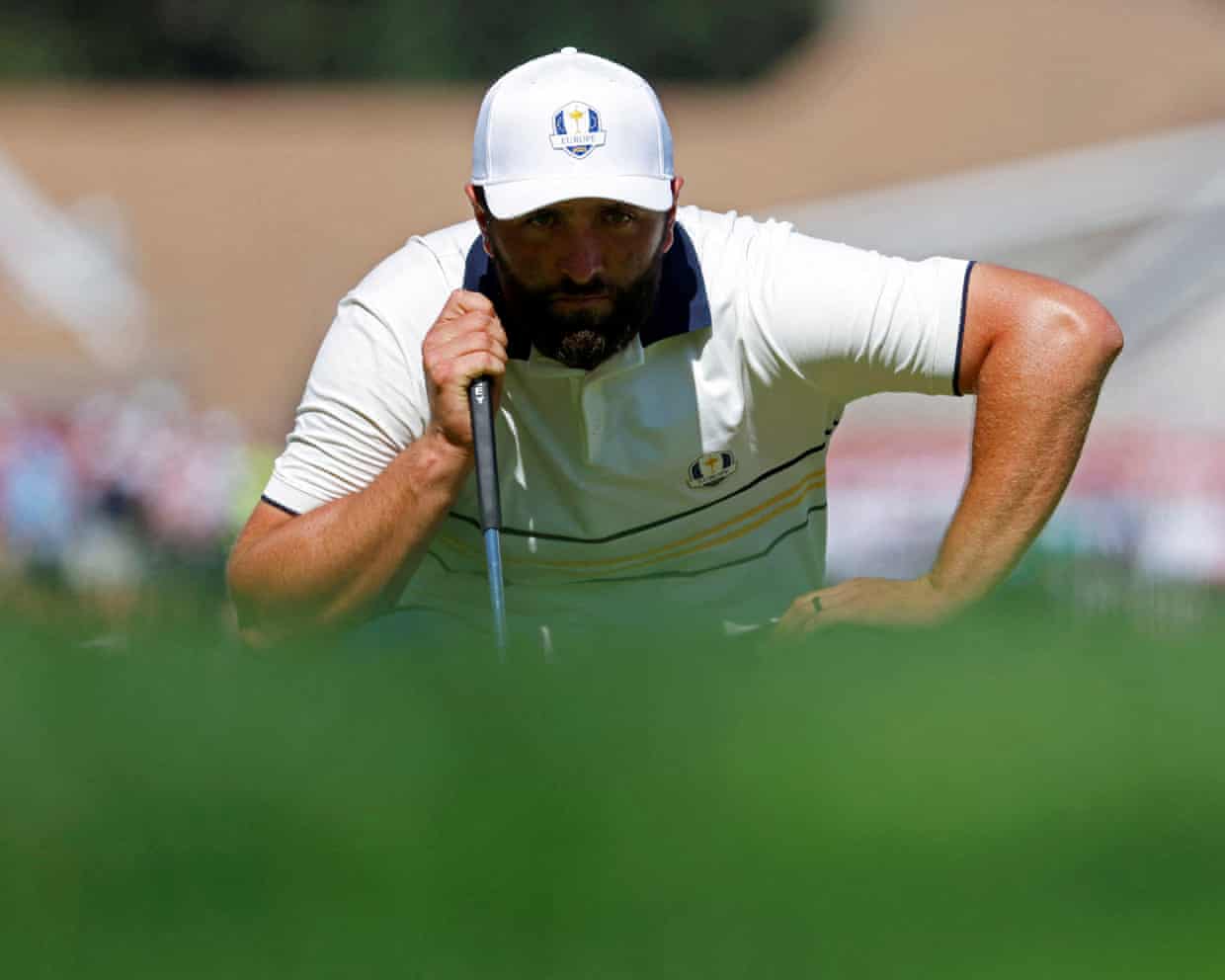
Jon Rahm accuses DP World Tour of ‘extorting players’ by issuing LIV fines
Jon Rahm’s dispute with the DP World Tour has escalated after the Spaniard accused the organisation of “extorting” golfers over fines for competing on the LIV circuit. Rahm’s Ryder Cup future remains in peril with no resolution to the matter in sight, with insiders at the DP World Tour and Europe’s Ryder Cup fans baffled by his stance.Rahm incurred fines and suspensions as a DP World, formerly European, Tour member playing on what are regarded as competing Saudi-backed LIV events. Rahm signed for LIV in 2023 in a deal reportedly worth hundreds of millions of dollars.Rahm has appealed against those sanctions with a hearing to come
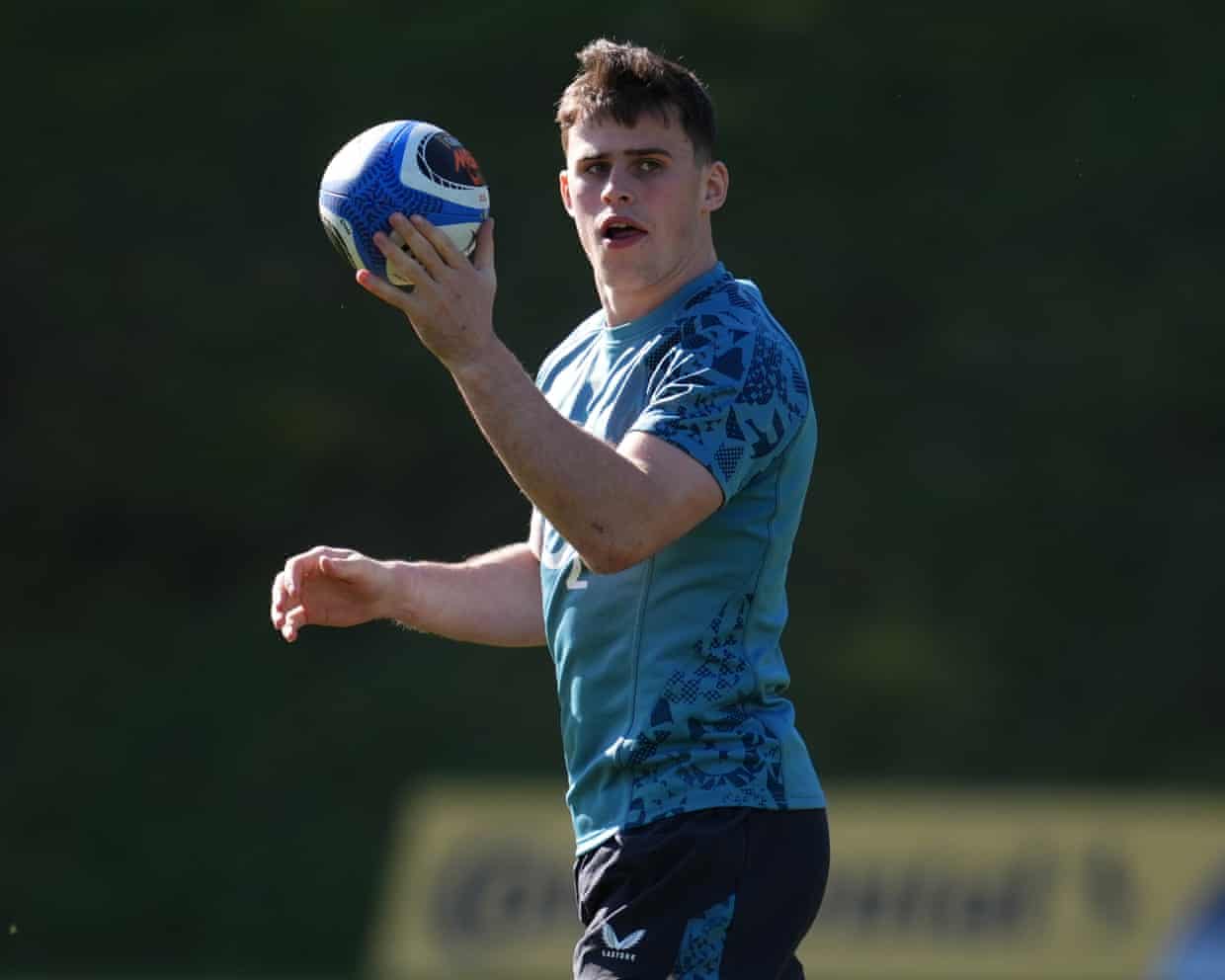
England make 12 changes for Italy game as Borthwick swings Six Nations axe
Steve Borthwick has wielded the axe and made 12 changes to his England team to face Italy, picking an entirely different back line as he seeks to salvage his side’s Six Nations campaign with the most radical selection of his tenure.Borthwick has made nine personnel changes as well as moving Tommy Freeman to outside-centre, Ben Earl back to No 8 and Tom Curry to openside. Fin Smith has also been installed at fly-half and with Henry Pollock dropped after just one start.Seb Atkinson, Cadan Murley and Elliot Daly all come into the side to make their first appearances of this year’s Six Nations, while Guy Pepper makes his first start. In a measure of just how radical Borthwick’s selection is, only the captain Maro Itoje and the props Ellis Genge and Joe Heyes are selected in the same position as against Ireland
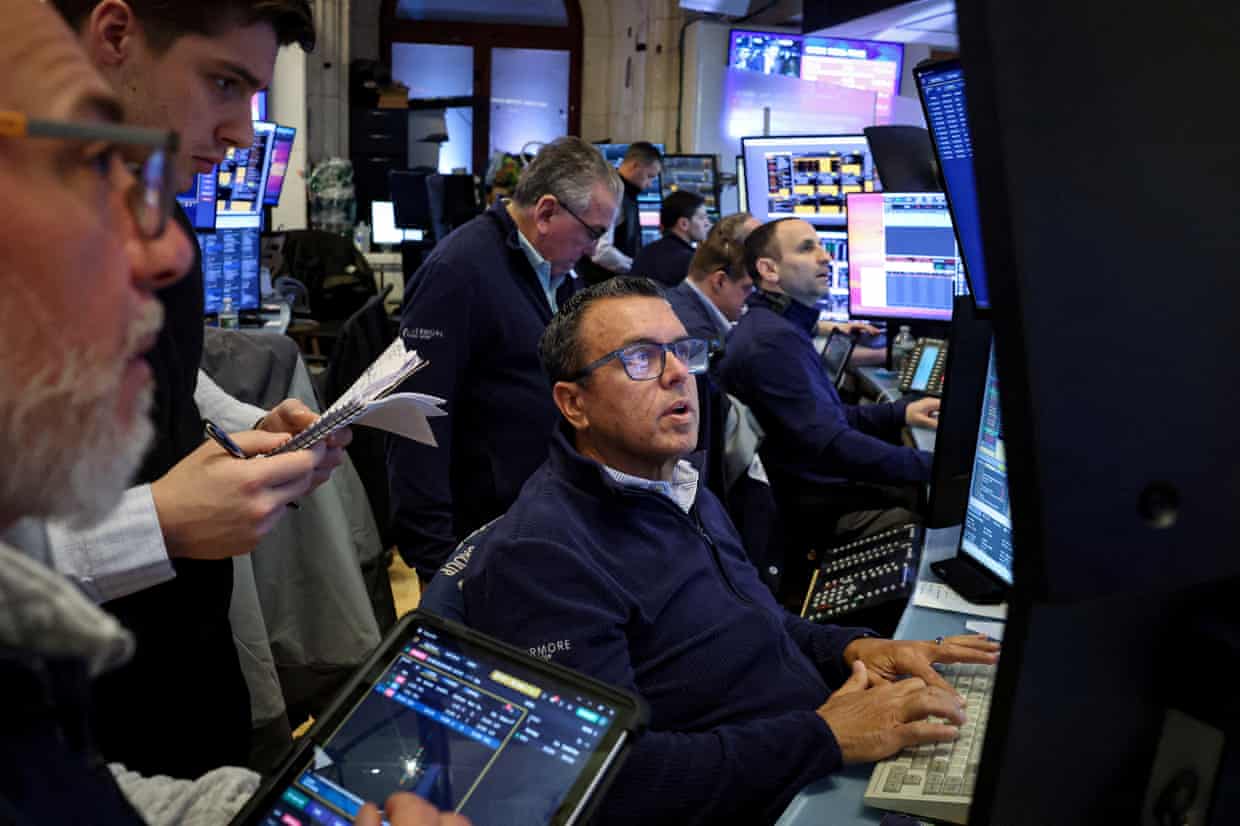
US markets see-saw as investors keep close eye on Iran war

A gas shock – not an oil shock – from the Iran war looks more threatening | Nils Pratley
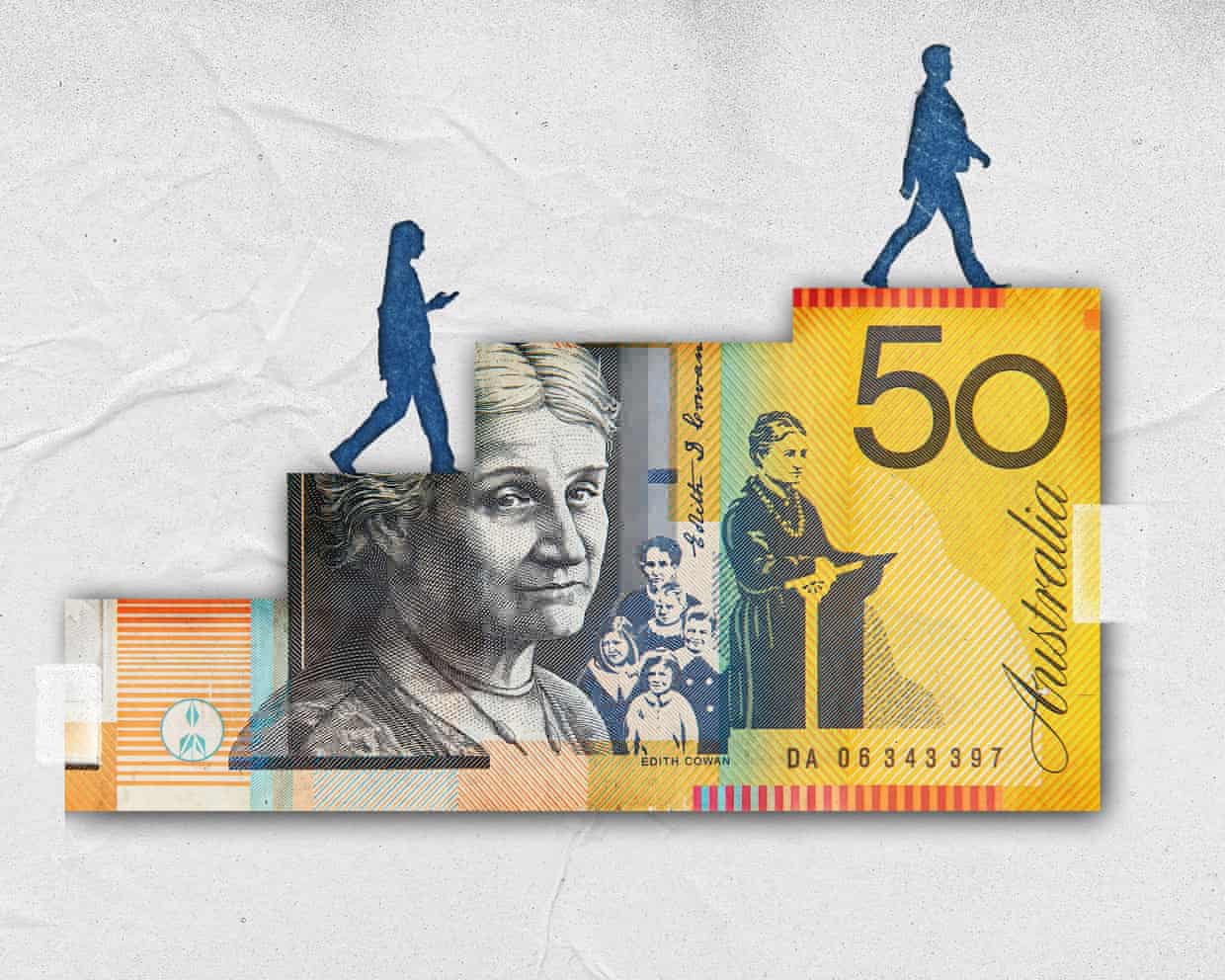
Men almost twice as likely as women to earn high salaries in ‘reality check’ on Australia’s gender pay gap
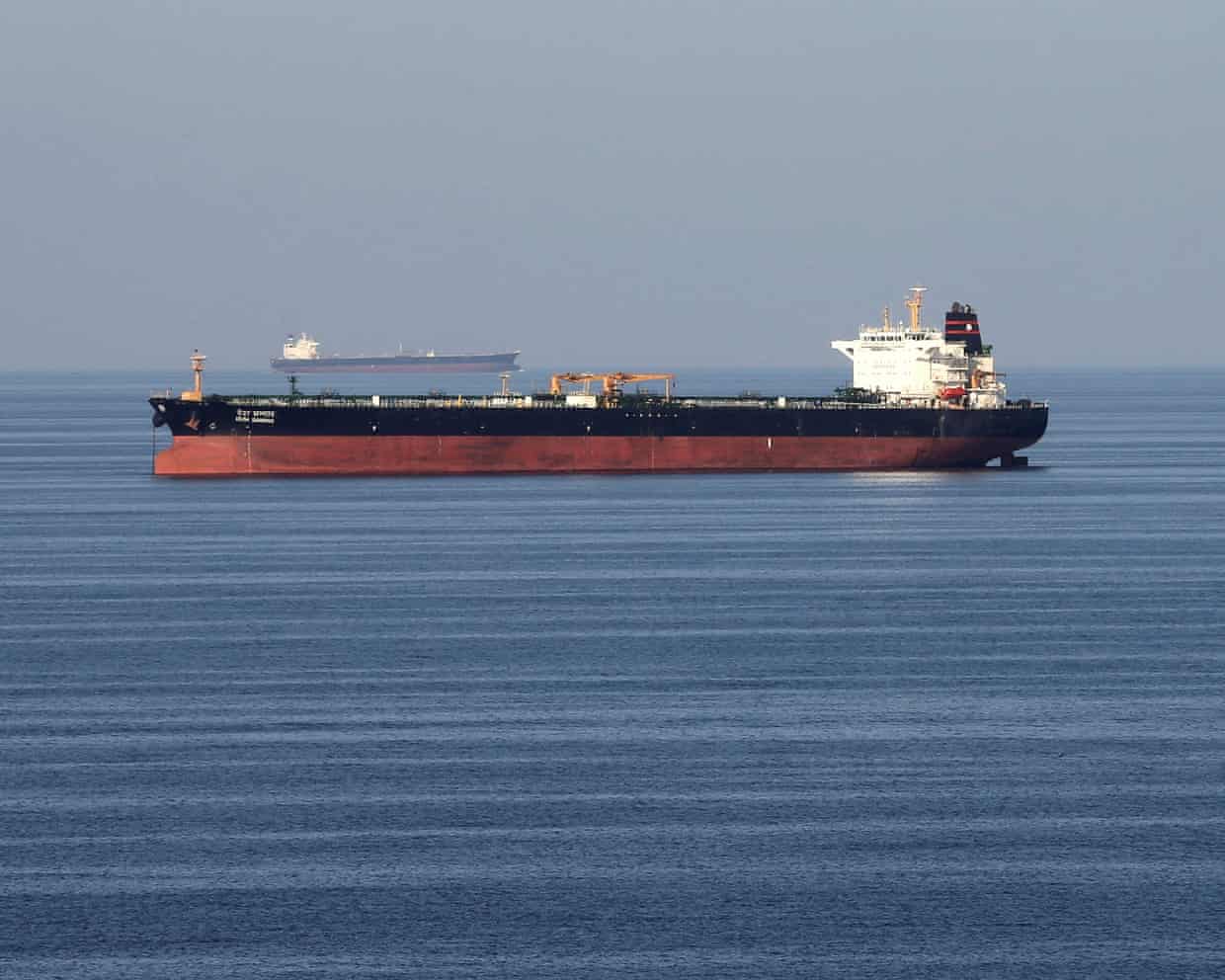
Maritime insurers cancel war risk cover in Gulf as Iran conflict disrupts shipping
BrewDog bought by US cannabis and drinks firm for £33m, costing nearly 500 jobs
McDonald’s CEO’s awkward taste test sparks mocking online: ‘His aura screams kale salad’