Stock markets slump amid Iran war as gas prices jump 30% to three-year high

The war in the Middle East has plunged financial markets into turmoil for a second day, with oil and gas prices surging and global stock markets plummeting days after the US-Israel attack on Iran..After a calm Monday, US stocks fell sharply on Tuesday morning, with the Dow dropping more than 1,000 points as concerns over higher gas prices started spooking investors.The London stock market has fallen deep into the red, with the FTSE 100 index losing about 350 points by Tuesday afternoon, falling to 10,420 in a 3.3% drop and leaving it on track for its worst day in 11 months – since Donald Trump’s “liberation day” tariff shock of April 2025.
Almost all stocks fell.In Asia, stock markets also tumbled, with Japan’s Nikkei down 3.1% and South Korea’s Kospi plunging 7.2%.Brent crude, the global oil benchmark, jumped a further 6% to nearly $84 a barrel on Tuesday.
The month-ahead UK gas price has jumped by 30%, to 148p a therm, adding to Monday’s 44% surge to reach almost double its levels last week and a three-year high.Soaring global energy prices will jeopardise Rachel Reeves’s plan to conquer inflation and revive sluggish UK economic growth, economists have warned.The pound has hit its lowest level against the US dollar in almost three months.Sterling is down 0.8% against the dollar, or about one cent, to $1.
33 on Tuesday morning.Bitcoin fell 2.5%, while gold – which surged on Monday amid a rush into safe haven investments – dropped by 1.1% to $5,266 an ounce.UK government borrowing costs also rose on Tuesday morning.
The interest rate, or yield, on two-year bonds has surged by 13.5 basis points (bps), while the 10-year yield jumped by 11bps and 30-year yields are up 9bps.The City anticipates that an interest rate cut is much less likely, given fears of an inflation spike.As the conflict, sparked by US-Israeli airstrikes on Iran since Saturday, has expanded across the region, with Israel launching fresh attacks on Tehran and Beirut on Tuesday, money markets now see just a 29% chance that the Bank of England lowers interest rates at its next meeting, on 19 March.That is down from 80% last week.
This will disappoint borrowers hoping for cheaper interest rates, and is a blow to Reeves, who has taken the credit for the six rate cuts since August 2024 and has vowed to tackle the cost of living crisis.The rise in oil and gas prices is expected to drive UK inflation higher, after it fell to 3% in January from 3.4% in December.Jess Ralston, the head of energy at the research group Energy and Climate Intelligence Unit, said: “The energy crisis commission warned that the UK remained dangerously underprepared for another energy crisis.“Nobody knows exactly how the next few weeks will play out, but with homes and businesses still facing the debt and after-effects of the last gas crisis, people will understandably be concerned.
”The markets also anticipate fewer US interest rate cuts this year.At the end of last week, the swaps markets priced in 61 basis points of cuts by the US central bank, but this has fallen to 46 points – which would mean fewer than two quarter-point cuts from the Federal Reserve this year.“Stubbornly high oil and gas prices could impact economies around the world.Specifically, they could be inflationary and disrupt plans to cut interest rates,” said Jemma Slingo, a pensions and investment expert at Fidelity International.The International Monetary Fund said on Tuesday that “disruptions to trade and economic activity, surges in energy prices and volatility in financial markets” because of the crisis in the Middle East added to an “already uncertain” global environment.
However, the ultimate impact will depend on the extent and duration of the conflict.

US military reportedly used Claude in Iran strikes despite Trump’s ban
The US military reportedly used Claude, Anthropic’s AI model, to inform its attack on Iran despite Donald Trump’s decision, announced hours earlier, to sever all ties with the company and its artificial intelligence tools.The use of Claude during the massive joint US-Israel bombardment of Iran that began on Saturday was reported by the Wall Street Journal and Axios. It underlines the complexity of the US military withdrawing powerful AI tools from its missions when the technology is already intricately embedded in operations.According to the Journal, US military command used the tools for intelligence purposes, as well as to help select targets and carry out battlefield simulations.On Friday, just hours before the Iran attack began, Trump ordered all federal agencies to stop using Claude immediately
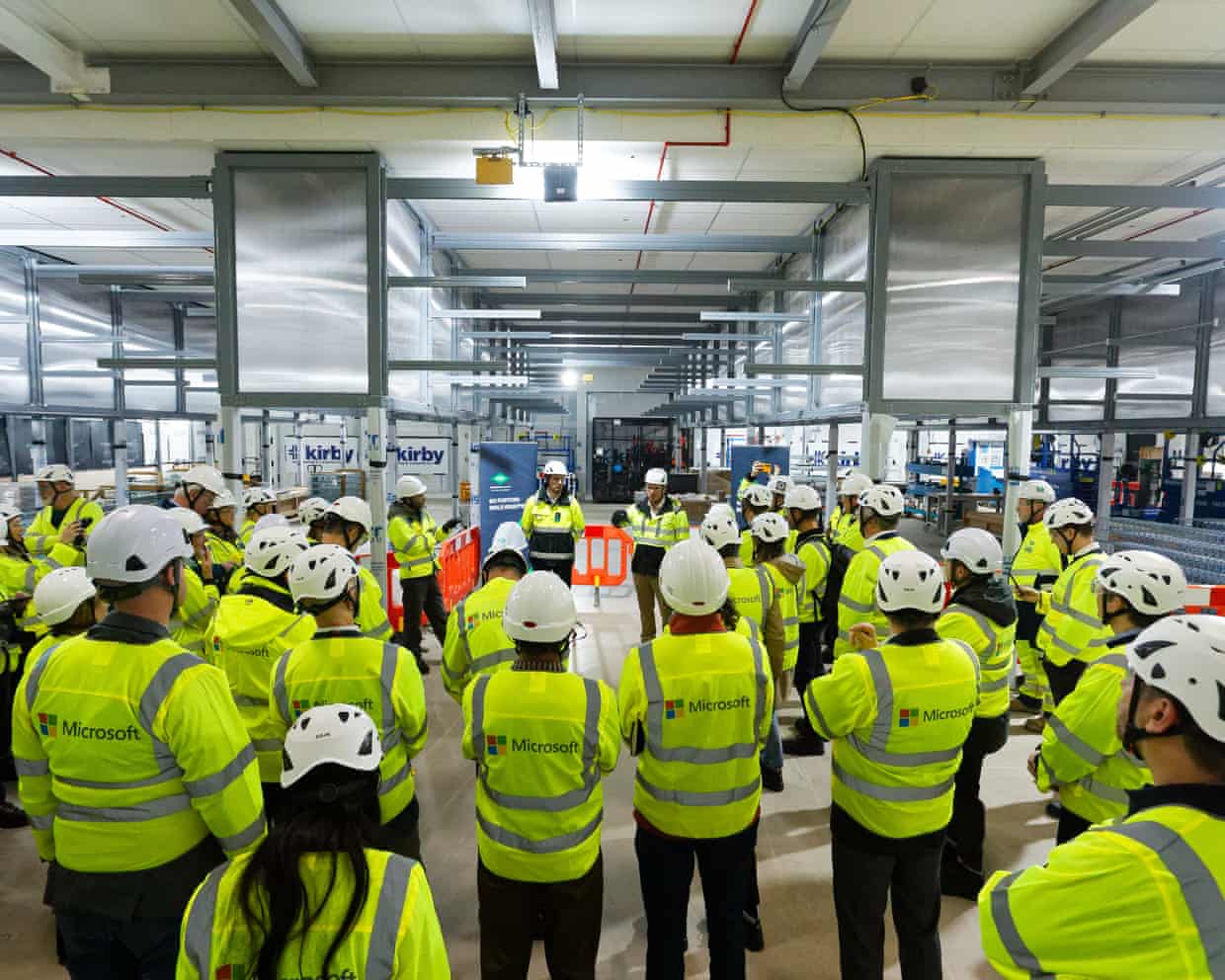
Datacentre developers face calls to disclose effect on UK’s net emissions
Datacentre developers are facing pressure to reveal whether their projects will increase the UK’s net greenhouse gas emissions, amid concerns the sites could double national electricity demand.Campaign groups have written to the UK technology secretary, Liz Kendall, warning that the energy required by new AI infrastructure poses a “serious threat to efforts to decarbonise the electricity grid”.Developers should demonstrate that their projects will not cause an increase in the UK’s overall CO2 emissions or local water scarcity, as part of a forthcoming national policy statement (NPS) on datacentres, the letter says.“Without these commitments, such vast electricity use will inevitably generate vast climate emissions,” the campaigners write.The letter is signed by Foxglove, a group that campaigns against big tech dominance, and five other non-governmental organisations including the environmental campaign group Friends of the Earth
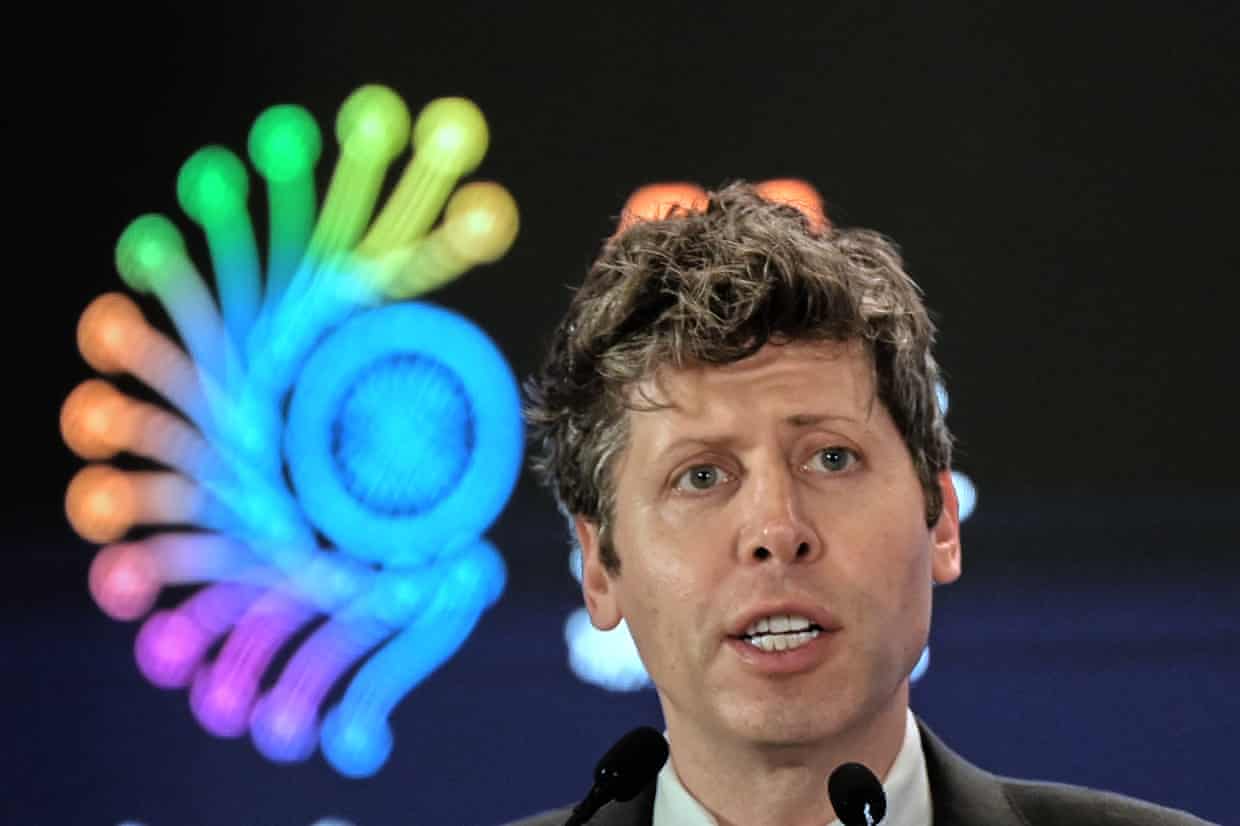
OpenAI to work with Pentagon after Anthropic dropped by Trump over company’s ethics concerns
OpenAI said it had struck a deal with the Pentagon to supply AI to classified US military networks, hours after Donald Trump ordered the government to stop using the services of one of the company’s main competitors.Sam Altman, OpenAI’s CEO, announced the move on Friday night. It came after an agreement between Anthropic, a rival AI company that runs the Claude system, and the Trump administration broke down after Anthropic sought assurances its technology would not be used for mass surveillance – nor for autonomous weapons systems that can kill people without human input.Announcing the deal, Altman insisted that OpenAI’s agreement with the government included assurances that it would not be used to those ends.“Two of our most important safety principles are prohibitions on domestic mass surveillance and human responsibility for the use of force, including for autonomous weapon systems,” Altman wrote on X

Her husband wanted to use ChatGPT to create sustainable housing. Then it took over his life.
On 7 August, Kate Fox received a phone call that upended her life. A medical examiner said that her husband, Joe Ceccanti – who had been missing for several hours – had jumped from a railway overpass and died. He was 48.Fox couldn’t believe it. Ceccanti had no history of depression, she said, nor was he suicidal – he was the “most hopeful person” she had ever known

Suicide forum found to be in breach of Online Safety Act after failing to block UK users
A suicide forum linked to deaths in Britain has been ruled provisionally in breach of the Online Safety Act after it failed to properly block access to UK users when ordered to do so last year.Ofcom, the online regulator, said it could now apply to the courts to demand internet service providers block access to the site in the UK. This will depend on how the site, which also faces fines, responds over the next 10 days.Coroners had been raising concerns about the links between the forum and suicides in the UK since at least 2019, campaigners said. The family of 17-year-old Vlad Nikolin-Caisley, from Southampton, said he took his own life in 2024 after using the site, which Ofcom is not naming
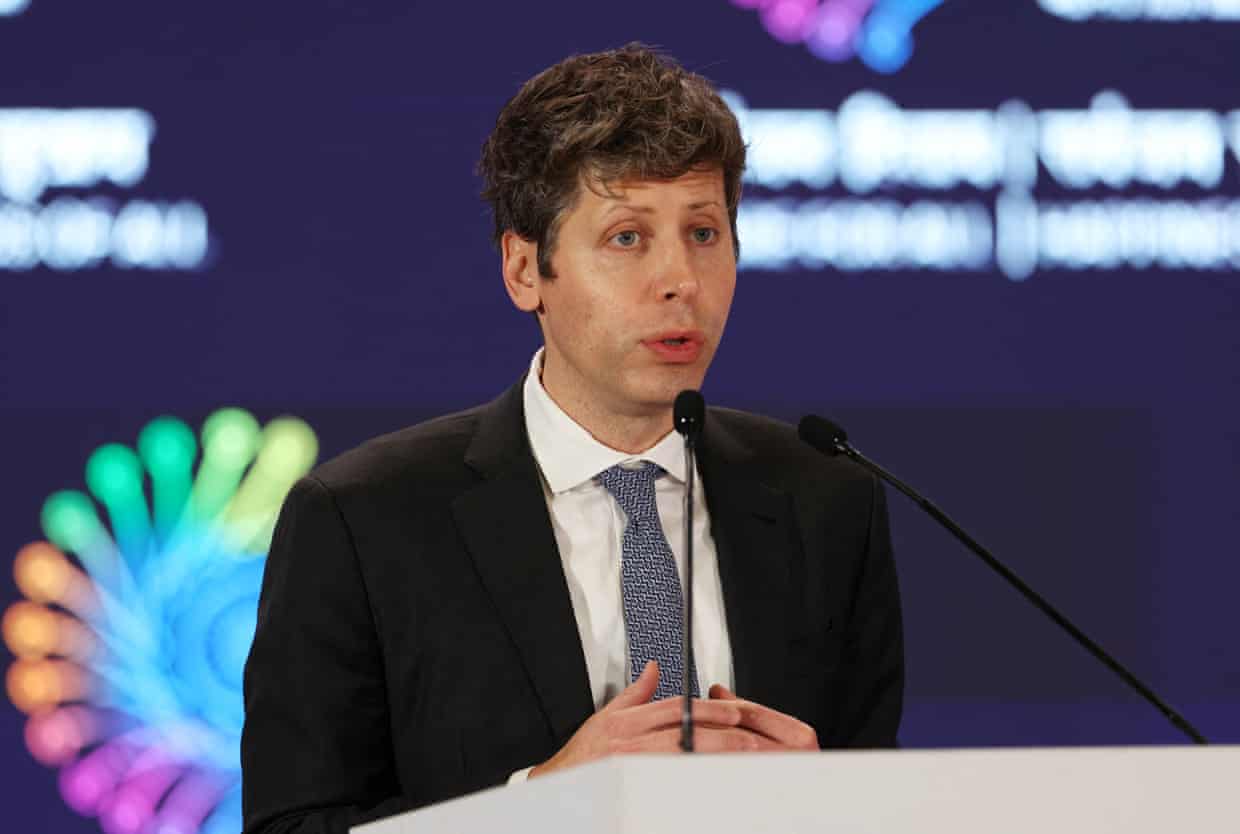
OpenAI announces $110bn funding round that would value firm at $840bn
OpenAI said on Friday it is raising $110bn in a blockbuster funding round that would value the ChatGPT maker at $840bn, in a deal that signals the feverish pace of investment in artificial intelligence.It’s more than double the amount the company raised last year, when it racked up $40bn in the largest private tech deal on record.This year’s funding round, which is still open, includes a $30bn investment from SoftBank, $30bn from Nvidia, and $50bn from Amazon, and comes ahead of the AI startup’s expected mega-IPO later this year. Even more investors are expected to join.“We’re super excited about this deal,” OpenAI CEO Sam Altman told CNBC on Friday
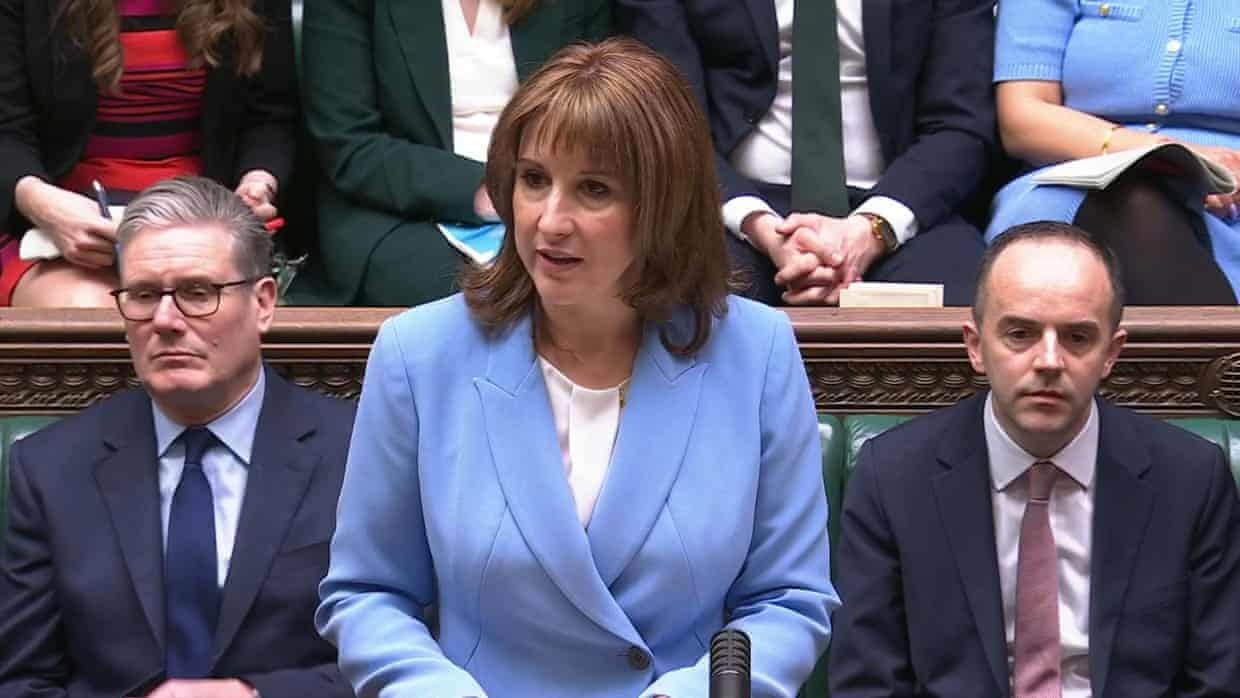
Iran conflict could have ‘very significant’ impact on UK economy, OBR warns in spring forecast – live updates
Stock markets slump amid Iran war as gas prices jump 30% to three-year high
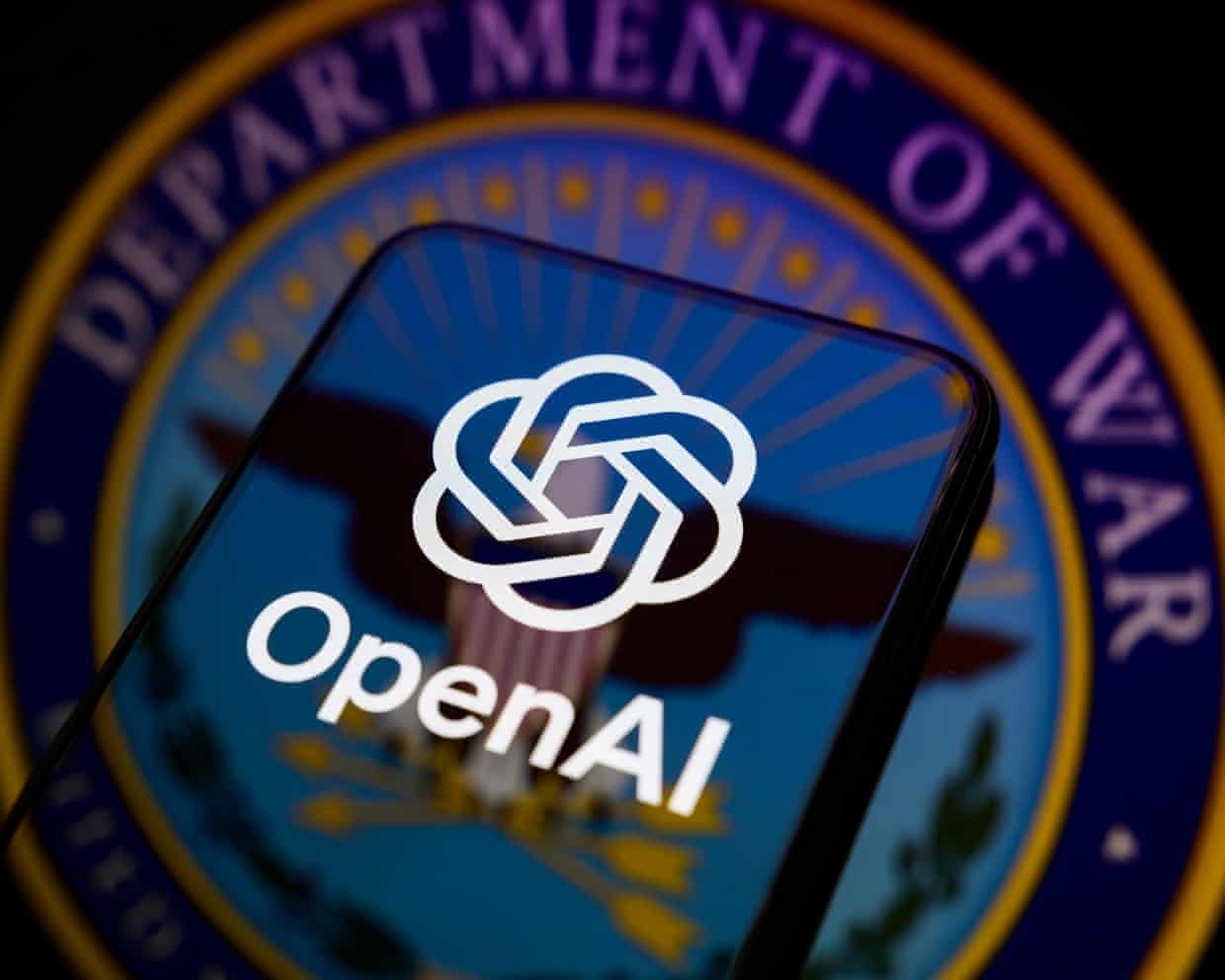
OpenAI amends Pentagon deal as Sam Altman admits it looks ‘sloppy’

Iran war heralds era of AI-powered bombing quicker than ‘speed of thought’

Jon Rahm accuses DP World Tour of ‘extorting players’ by issuing LIV fines

England make 12 changes for Italy game as Borthwick swings Six Nations axe