The rise of ‘beef days’: why even meat lovers are cutting back

“I love beef,” says Vlad Luca, 25,But unlike most other self-proclaimed steak lovers, Vlad eats it only four times a year, on designated “beef days”,The “beef days” phenomenon has been popularised by the brothers John and Hank Green, known collectively as vlogbrothers on YouTube,John, 48, is better known for his YA fiction, including The Fault in Our Stars, while Hank, 45, is a self-described science communicator and entrepreneur,They have been making videos on their shared channel since 2007, and have more than 4 million subscribers.
In June 2024, John posted a video announcing that “an idea inspired by early modern humans” – feast days – had pushed him to commit to eating less beef,John did not want to give up beef entirely, but he feared the impact of the beef industry on the Paris agreement’s limit of 1,5C of post-industrial global heating and the devastating effects of beef farming on deforestation,He compared the overconsumption of beef to the “coolness” of tobacco back in the day: “Norms feel permanent, but norms can change and when they do it can be powerful,” he said,He announced that his family would consume beef only on four “beef days” a year, mimicking feast days found across many cultures.
When Luca found that video, the idea of “beef days” resonated with him – he loved beef, but not the industry’s impact on the planet.He also found the concept of going entirely vegetarian intimidating.“It’s little changes that could make a difference,” he said.“I’m not preachy about it.I hate blaming consumers for what the industry does.
”More than a year on, Vlad continues to observe “beef days”.He cares about climate breakdown, and says a lot of young people do, but he feels that an all-or-nothing approach to social norms – such as completely overhauling how often you drive or eat meat – is unhelpful, and in some cases unrealistic.“Sometimes I look at a burger and salivate over it, but that makes the times that I do eat it more special,” he said.Luca, who is from Romania, often times his “beef days” to coincide with visits to his home country, where his family loves to cook meat.He sees these occasions as celebrations rather than relapses.
Beef is the second-biggest contributor to the UK’s agricultural output, valued at £4,1bn in 2024,However, households waste about 250,000 tonnes of beef, pork and poultry products (not including bones and fat) annually,Compared with other meats, beef has a much larger environmental footprint,Scientists say that shifting even part of our diets towards lower-impact meats or plant-based proteins can free up land and significantly cut planet-heating pollution.
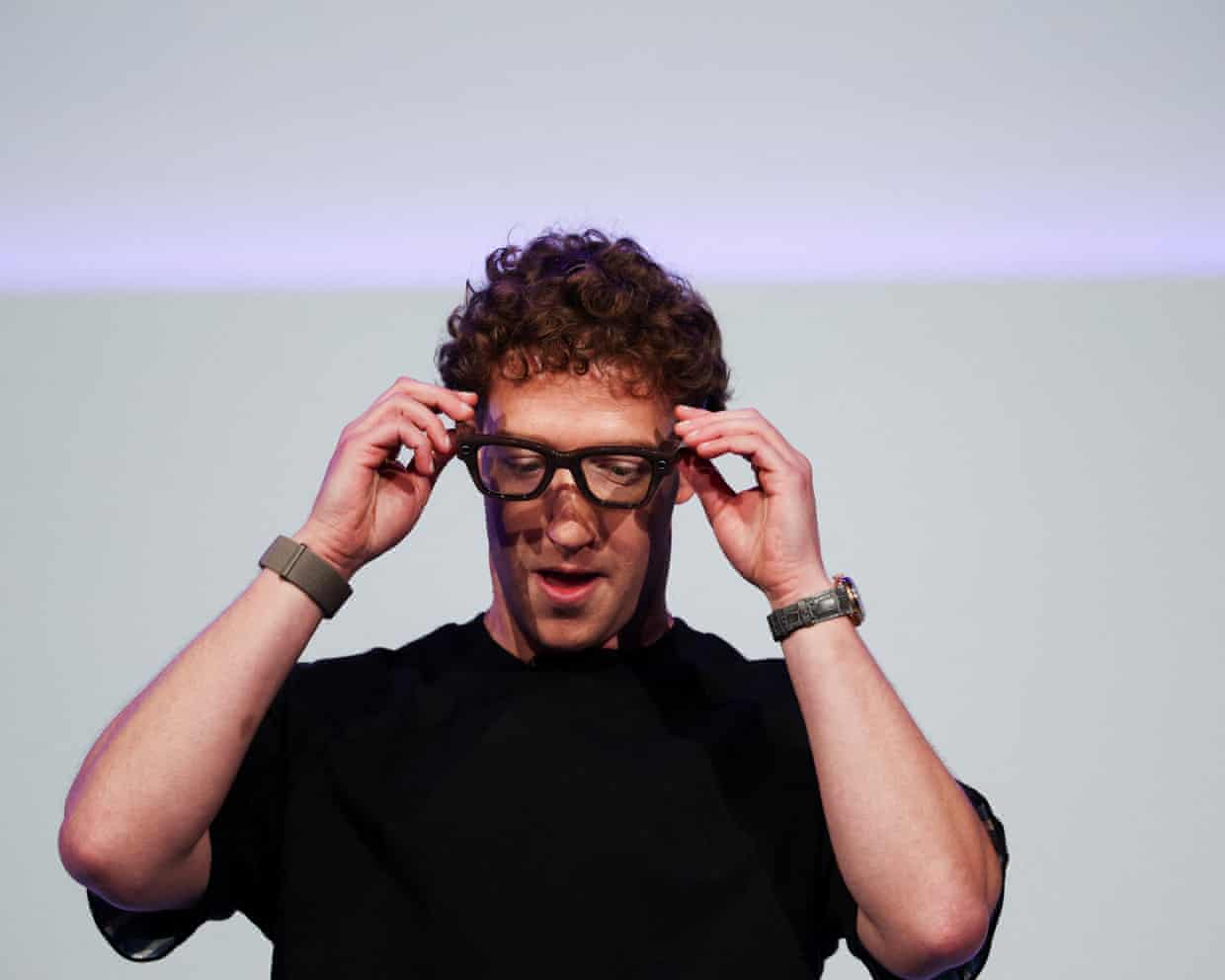
‘Marketplace for predators’: Meta faces jury trial over child exploitation claims
Meta’s second major trial of 2026 over alleged harms to children begins on Monday.The landmark jury trial in Santa Fe pits the New Mexico attorney general’s office against the social media giant. The state alleges that the company knowingly enabled predators to use Facebook and Instagram to exploit children.The trial will introduce evidence that Raúl Torrez, the state’s attorney general, believes shows how Meta’s social networks create dangerous environments for children, exposing them to sexual exploitation, solicitation, sextortion and human trafficking.The lawsuit states that Meta’s design choices and profit incentives prioritized engagement over child safety and that it failed to implement effective safeguards

Viral AI personal assistant seen as step change – but experts warn of risks
A new viral AI personal assistant will handle your email inbox, trade away your entire stock portfolio and text your wife “good morning” and “goodnight” on your behalf.OpenClaw, formerly known as Moltbot, and before that known as Clawdbot (until the AI firm Anthropic requested it rebrand due to similarities with its own product Claude), bills itself as “the AI that actually does things”: a personal assistant that takes instructions via messaging apps such as WhatsApp or Telegram.Developed last November, it now has nearly 600,000 downloads and has gone viral among a niche ecosystem of the AI obsessed who say it represents a step change in the capabilities of AI agents, or even an “AGI moment” – that is, a revelation of generally intelligent AI.“It only does exactly what you tell it to do and exactly what you give it access to,” said Ben Yorke, who works with the AI vibe trading platform Starchild and recently allowed the bot to delete, he claims, 75,000 of his old emails while he was in the shower. “But a lot of people, they’re exploring its capabilities
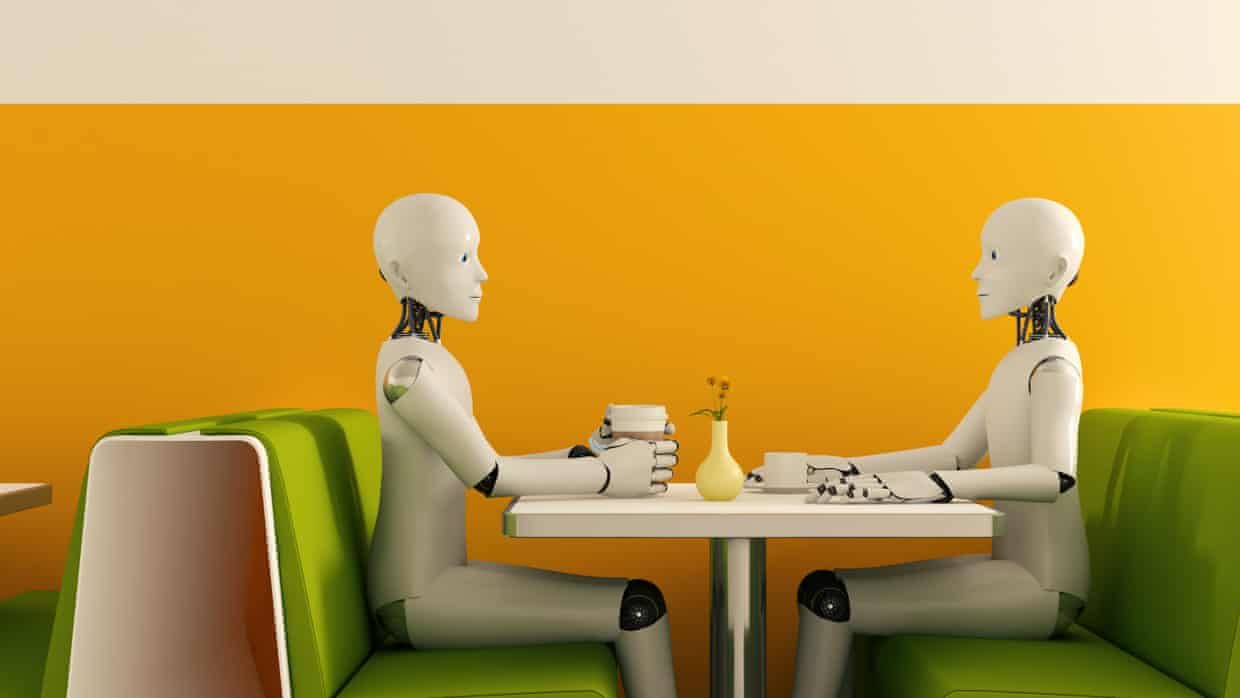
What is Moltbook? The strange new social media site for AI bots
On social media, people often accuse each other of being bots, but what happens when an entire social network is designed for AI agents to use? Moltbook is a site where the AI agents – bots built by humans – can post and interact with each other. It is designed to look like Reddit, with subreddits on different topics and upvoting. On 2 February the platform stated it had more than 1.5m AI agents signed up to the service. Humans are allowed, but only as observers
‘It’s really sad’: US TikTok users rethink app over concerns about privacy and censorship
Many TikTok users across the US say they’re rethinking their relationship with the platform since its ownership and terms and conditions have recently changed, with some citing censorship and lack of trust as reasons why they’re removing themselves from the app.Keara Sullivan, a 26-year-old comedian, says TikTok jumpstarted her career and provided a pathway to getting a manager and a literary agent.“I’m not one of those creators who’s a TikTok hater,” said Sullivan, who has more than half a million followers on the platform. “I’m very transparent about the fact that where I am in my career is largely because of TikTok.”That’s why, she said, it’s “really sad” for her to step away from the platform – at least for now
Why TikTok’s first week of American ownership was a disaster
A little more than one week ago, TikTok stepped on to US shores as a naturalized citizen. Ever since, the video app has been fighting for its life.TikTok’s calamitous emigration began on 22 January when its Chinese parent company, ByteDance, finalized a deal to sell the app to a group of US investors, among them the business software giant Oracle. The app’s time under Chinese ownership had been marked by a meteoric ascent to more than a billion users, which left incumbents such as Instagram looking like the next Myspace. But TikTok’s short new life in the US has been less than auspicious

US authorities reportedly investigate claims that Meta can read encrypted WhatsApp messages
US authorities have reportedly investigated claims that Meta can read users’ encrypted chats on the WhatsApp messaging platform, which it owns.The reports follow a lawsuit filed last week, which claimed Meta “can access virtually all of WhatsApp users’ purportedly ‘private’ communications”.Meta has denied the allegation, reported by Bloomberg, calling the lawsuit’s claim “categorically false and absurd”. It suggested the claim was a tactic to support the NSO Group, an Israeli firm that develops spyware used against activists and journalists, and which recently lost a lawsuit brought by WhatsApp.The firm that filed last week’s lawsuit against Meta, Quinn Emanuel Urquhart & Sullivan, attributes the allegation to unnamed “courageous” whistleblowers from Australia, Brazil, India, Mexico and South Africa
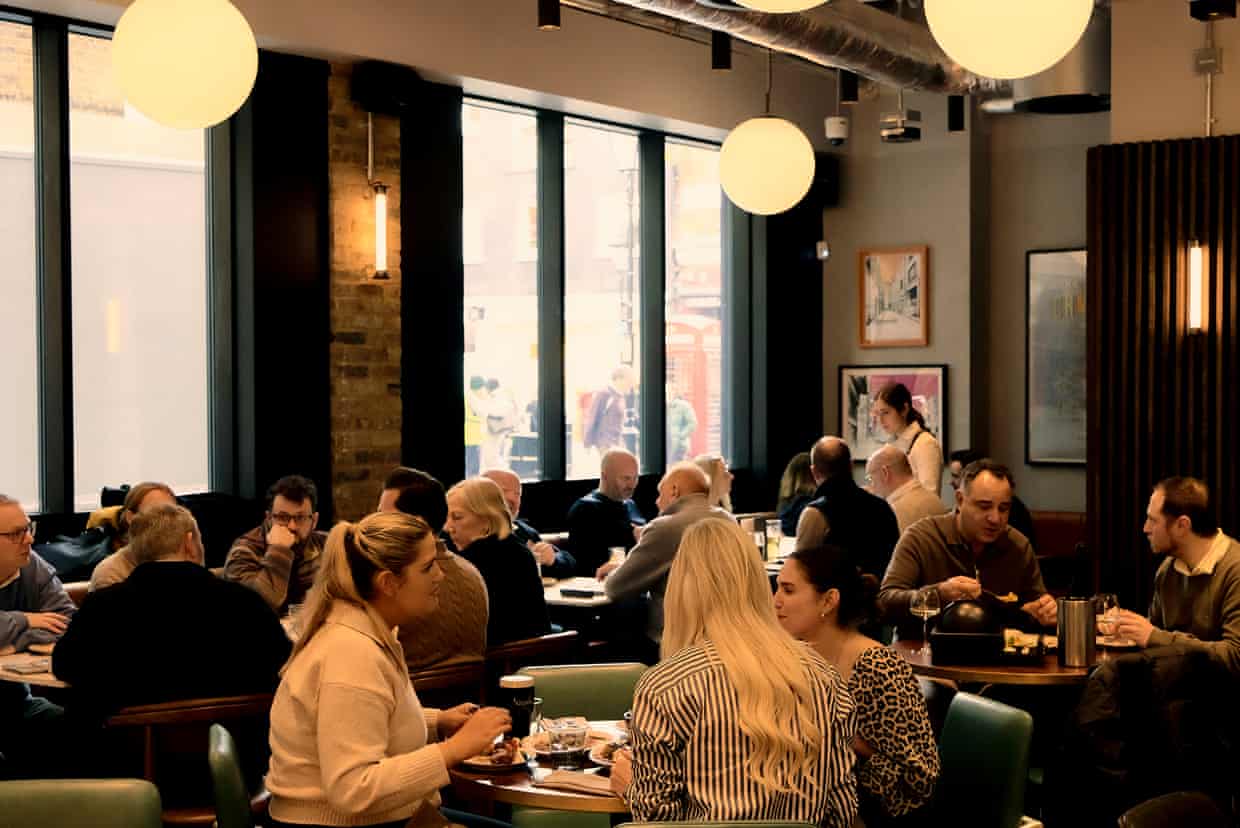
Guinness Open Gate Brewery, London WC2: ‘Absolute “will-this-do?” nonsense’ – restaurant review | Grace Dent on restaurants
The rise of ‘beef days’: why even meat lovers are cutting back

New type of Bordeaux wine to gain official status as result of climate pressure

Benjamina Ebuehi’s recipe for citrus and almond cake | The sweet spot

‘It’s still a family favourite’: your heirloom recipes – and the stories behind them

Rachel Roddy’s puntarelle, radicchio, celery, apple and cheese salad recipe