My week avoiding ultra-processed foods: ‘Why is it this hard?’
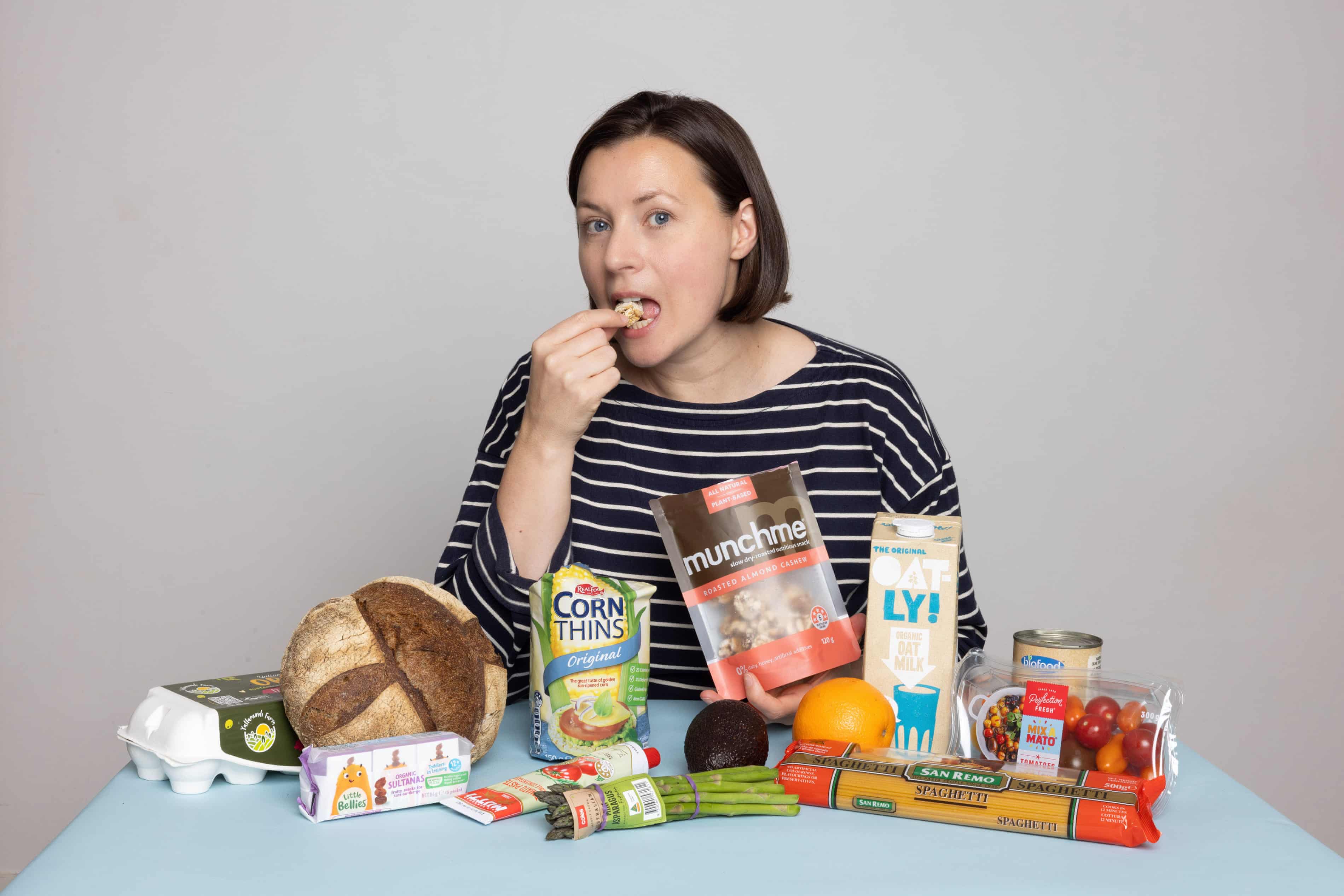
I’ve been eating ultra-processed foods (UPFs) all my life,Breakfast as a child was often Coco Pops, Rice Bubbles or white toast slathered in spreadable butter,Dinners usually involved processed sauces, such as Chicken Tonight or Dolmio, and my lunchboxes always contained flavoured chippies or plasticky cheese,I don’t blame my parents for this,Now I’m a parent too, I have cartons of juice and flavoured yoghurt as part of my parenting arsenal.
Packaged foods are omnipresent in our lives.But, unfortunately, some of these foods are very bad for our health.In 2025, a global report linked UPFs to multiple adverse health outcomes, including type 2 diabetes, heart disease and depression.Alongside the US and the UK, Australia is one of the highest consumers of UPFs.A fact that feels unsurprising but still alarming.
It spurred me to accept a challenge to ditch UPFs for a week.Before I begin I know it won’t be easy.My pantry is stocked with UPFs, from allegedly healthy crackers to chocolate and biscuits.I’m not even confident I can go a day without them, let alone a working week – especially as the rest of my household won’t be joining me.Feeling ambitious, I call Prof Mark Lawrence from Deakin University to help me understand the difference between processed food and ultra-processed food.
A rough rule of thumb, he says, is to avoid products with a long list of ingredients,Steer clear of the middle supermarket aisles, and don’t buy products made with “chemical-sounding” ingredients,“Those are a big clue that it’s ultra-processed,” he says,Lawrence adds: “This isn’t poor behaviour on behalf of most people,These products are now so engineered into our food systems … It’s really difficult to avoid them.
”Sign up for the fun stuff with our rundown of must-reads, pop culture and tips for the weekend, every Saturday morningDoes he think I can do it? It helps if you have some spare time and are food literate but, he says: “It’s possible.”Seeking reassurance, I ask Dr Phillip Baker at the School of Public Health at the University of Sydney for more tips.He says to avoid ingredients that I’d never cook with at home.Sir, I say silently, this is how I am in this predicament.Before I get started, I familiarise myself with the Nova classification system, which lists food by its level of processing.
Level one includes fruit, vegetables, nuts, milk, coffee, tea, pasta and rice.Level two is “processed culinary ingredients” including butter, honey and oils.Three is processed foods, such as canned fish, freshly made bread and cheeses.Four is UPF territory – processed bread, ice-cream, chocolates, energy drinks, chicken nuggets, pastries and sweetened juices.So basically everything I have in my fridge and freezer.
To give myself a good chance of avoiding UPFs, I stock up on rye bread from a bakery.It costs more than twice as much as a loaf of processed supermarket bread.I also buy butter made from 100% milk, as my usual spreadable one contains emulsifiers, added colours and flavourings.The butter, like the bread, is $10.This exercise is starting to feel expensive – and it’s not even day one.
My first day starts well.I have avocado on toast instead of Vegemite.I’m working from home, so I snack on raw nuts instead of dark chocolate.I’m feeling perky and proud of myself.At lunch, I eat mushrooms on toast with grated cheese.
As the week progresses I realise one of the downsides of eating like this is it takes so much longer to prepare food – and there’s more washing up.I wouldn’t have this problem, I think, if I just unwrapped a sandwich from the cafe.By dinnertime, I’ve snacked on every fruit I can find in the house.I’m still hungry but determined not to fail.I pick up my child from daycare.
We play, snack on (more) fruit, and I start preparing spaghetti bolognese, which passes the no-UPF test,For a side, my partner pops a plastic-wrapped, undeniably ultra-processed garlic bread in the oven for himself,The buttery garlic scent is so, so tempting, but I resist,Success,Day two is an office day and I soon come up against my first real UPF hurdle.
When I order a takeaway coffee, I have to pause: is oat milk OK? The barista knows my usual order, so when I ask to look at the ingredients on their alternative milk cartons, we get chatting,“Almond milk is the worst,” he says,Most alternative milks are classified as UPFs, but this one has maltodextrin, vegetable gums and sunflower lecithin,All big no-nos,Disappointed, I order a batch brew instead.
It’s fruity and smooth, but it doesn’t have that creaminess I wanted from the oat,Dairy milk would have been fine too, but I forgot this was an option,Back at my desk, I battle my urge to get a chocolate biscuit from the kitchen and make do with a banana,One of the things Lawrence said earlier starts to resonate: “It’s not only the direct effect of these products [that is an issue], it’s the secondary effect of displacing nutritious foods,” A banana is more nutritious than a Mint Slice.
I don’t need an expert to tell me that, but what Lawrence was saying does help me reframe my food cravings.In an ordinary week, lunch would be takeaway, but not knowing what’s gone into them means it’s off the cards.I go to the supermarket to stock up on produce instead – strawberries, blueberries, cheese, cucumber, carrot, an additive-free granola and rice crackers.I spend at least 10 minutes reading the packets of rice crackers.It comes to around $50 – a lot for lunch – but as I can use some of it for breakfast and lunch tomorrow, I figure it’s cheaper than buying takeaway.
My homemade healthy lunches and treats make me feel unbelievably smug.The mental effort, though, is starting to add up.Later in the week I find myself in a fluster over rice bran oil listed in a frozen curry.Does this count? I can’t quite remember.I’m on the verge of tears.
I’m so ready to quit,Suddenly my child needs me, my partner’s asking me a question and I don’t have time to figure out the answer,I put the curry back in the freezer,On Wednesday morning, I’m in better spirits,Breakfast is granola with blueberries and cow’s milk, which tastes sweeter than I remember.
A colleague shares dates and nuts with me for a mid-morning snack and lunch is a delicious, filling, home-prepared salad.Things are looking up!For dinner, I eat the butter chicken curry I was concerned about yesterday.Theoretically, I could have made this myself, which means it’s not a UPF.But it has many ingredients.I’ve downloaded apps (Yuka and Open Food Facts) which help me assess packaged foods – but even they allow things I’ve previously ruled out.
Which rules do I listen to?By the end of the week, my preplanned, no-UPF mornings feel almost routine.I pack snacks for the office, look forward to my black coffee, and I barely notice the open packet of Mint Slices.By Friday lunch, I’m faced with a dilemma: should I join colleagues at a cafe, something I’ve avoided all week? Almost everything on the menu feels risky, but I go anyway.I need social connection.Avoiding UPFs has become my whole personality and I miss the spontaneity of going out for meals.
The sourdough crumpets pass the no-UPF test.Even the butter is OK.But the jam, which arrives in a tiny jar, contains pectin, which, when commercially produced as a gelling agent for store-bought jams, makes it a UPF.I’m hungry, I eat the jam.It’s like a smack of sugar, a hit of something my body has been craving all week.
But I’m sad that I’ve failed.I recall something dietitian Evangeline Mantzioris, Associate Prof from Adelaide University, said to me earlier: “Pick one ultra-processed food that gives you the most joy and eat that one, then don’t eat the others that don’t give you as much joy.”Maybe the all-or-nothing approach wasn’t the right way to do this?After work, I’m invited for drinks.“Is alcohol UPF?” I frantically search on my phone.Turns out fermented beer, wine and cider is OK.
I order a glass of wine, relaxing my shoulders for the first time.I realise the ultimate treat is simply taking a break from thinking about everything I consume.It’s actually easy being UPF-free when I’m cooking for myself, I think.I just need time, enough forethought and the budget.UPFs are everywhere, in places I didn’t anticipate, and avoiding them entirely is too difficult to do alone.
Why is it this hard?Over the weekend I let go of the zero-sum approach and simply order what makes me feel good, trying to limit my UPF intake rather than overthink it,I keep my no UPF mornings, but I’m back to drinking oat milk in my coffee,I aim for balance, and to follow Mantzioris’s advice: “Enjoy it when you do have it,” This article was amended on 20 January 2026 to clarify that pectin, which is a natural fibre, is a UPF when commercially produced as a gelling agent for store-bought jams,
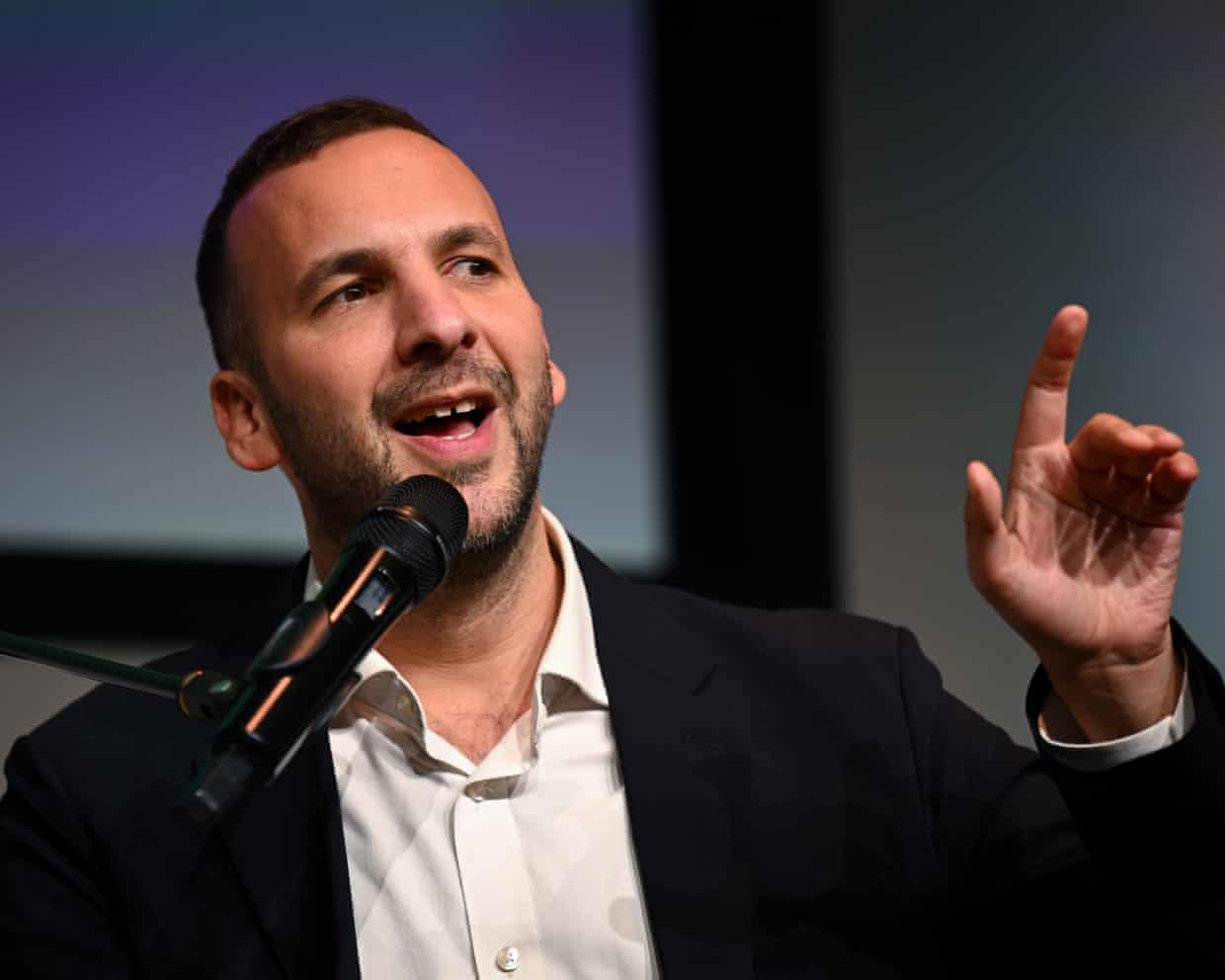
UK should consider expelling US forces from British bases, says Zack Polanski
The UK should consider expelling the US from British military bases, the leader of the Green party has said, as he advocated leaving Nato and spending less on American weapons as part of a wider dismantling of the two countries’ defence alliance.Zack Polanski told the Guardian he believed Britain should wean itself off its reliance on American military cooperation, though would not say whether he supported spending more money to replace that capability.His comments come as the prime minister, Keir Starmer, attempts to placate the US president and dissuade him from his threats to invade Greenland and to impose tariffs on European countries who oppose him.Polanski told the Guardian’s Politics Weekly podcast: “I think it’s pretty worrying that we’ve allowed ourselves to become so reliant on American interests, and that a lot of this depends on if Donald Trump is in a good mood or not.”He added: “We should be reviewing US bases on UK soil, and actually looking at a genuine strategic defence review

Reeves plans to refund some visa fees in effort to attract ‘trailblazer’ investment to UK
Rachel Reeves will pledge to refund visa fees for some global businesses on Tuesday, as she flies to the World Economic Forum in Davos aiming to showcase the UK as a haven of stability, despite Donald Trump’s latest tariff threats.The chancellor, who will be accompanied by the business secretary, Peter Kyle, will hold a series of meetings with business leaders at the annual gathering of the global elite in the Swiss mountain resort.She will announce tweaks to the visa regime aimed at encouraging “trailblazer” businesses to bring highly skilled staff to the UK – including refunding fees – and speeding up the time it takes to qualify as a sponsor of migrant workers.“Some countries give you a platform, but Britain gives you momentum. My message at Davos this week is clear: choose Britain – it’s the best place in the world to invest,” the chancellor said in pre-released remarks

UK ministers scrap foreign students target in shift to overseas hubs strategy
Ministers are scrapping target numbers for international students in the UK and will instead focus on encouraging universities to open hubs abroad, as part of a plan to bring British education to people “on their own doorsteps”.The government’s new international education strategy will set a target of increasing global “education exports” to £40bn a year by 2030, replacing the previous target – set in 2019 – of recruiting 600,000 international students a year to study in the UK.The Department for Education said it would also bring in “toughened compliance standards” to ensure people coming to the UK to study were genuine students, and that universities would face recruitment caps and licence revocations if they failed to meet those standards.“This approach removes targets on international student numbers in the UK and shifts the focus towards growing education exports overseas by backing UK providers to expand internationally, build partnerships abroad and deliver UK education in new markets,” the DfE said.The education secretary, Bridget Phillipson, said: “By expanding overseas, our universities, colleges and education providers can diversify income, strengthen global partnerships and give millions more access to a world-class UK education on their doorstep, all whilst boosting growth at home

Starmer plays down prospect of retaliatory tariffs against US over Greenland
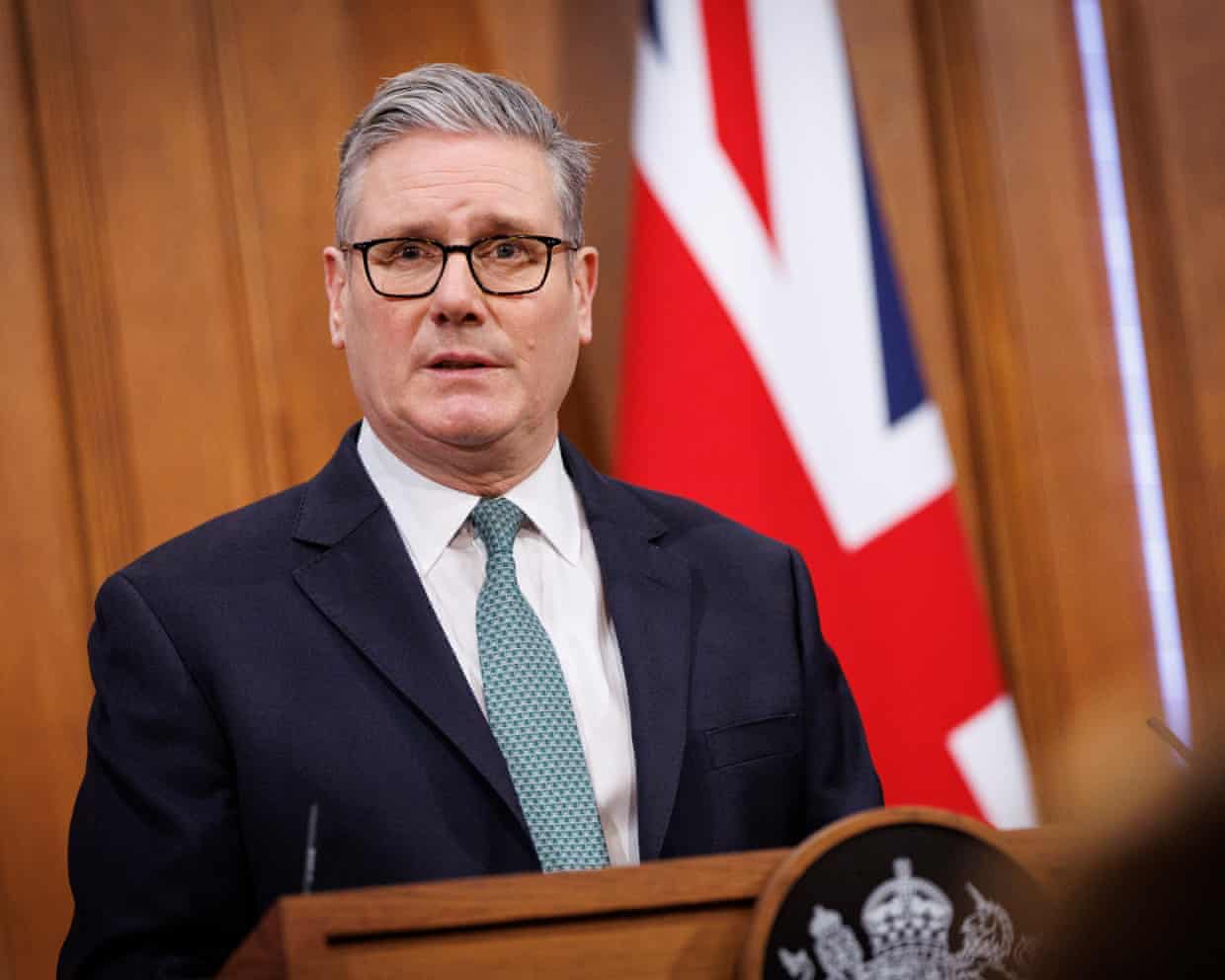
Keir Starmer has played down the prospect of retaliatory tariffs on the US, after Donald Trump threatened to impose fresh levies against Nato allies if a deal over Greenland is not reached.The prime minister said US tariffs would damage the British economy and were “in no one’s interests”, despite growing pressure domestically to take a more forceful response. The UK would prefer a “calm discussion” with allies, he added.However, Downing Street sources suggested Starmer was not yet at the stage of ruling out tariffs completely, and would assess the situation as it developed.The UK government is preparing for the possibility of a taxpayer-funded support package to try to shield British businesses in the event that the US pushes ahead with its threats next month
Minister defends UK’s decision not to hit back at Trump tariffs threat, saying ‘aim is to de-escalate’ – as it happened
Nigel Farage, the Reform UK leader, is normally proud of his friendship with Donald Trump, and he rarely criticises him in public. But on Saturday, after Trump announced tariffs on eight Nato countries not supporting his proposed purchase of Greenland, Farage said he did not support the move, which he said would “hurt” the UK.Today, speaking to journalists as he unveiled his latest defector (see 12.56pm), Farage said that Trump’s proposal was “wrong” and that he would be said he would be “having some words with the American administration” about it in Davos.Keir Starmer has played down the prospect of retaliatory tariffs on the US, saying they would be the “wrong thing to do”, after Donald Trump threatened them against Nato allies to try to secure Greenland

Badenoch warns Tory MPs about people trying to ‘undermine party from within’
Robert Jenrick’s defection does not mean the Conservatives are moving towards the centre ground, Kemi Badenoch has told her MPs in a letter that warned about people seeking to “undermine the party from within”.In a lengthy message to the MPs, seen by the Guardian, Badenoch said the party must avoid “psychodrama”, “intrigue” and damaging splits, saying a small number of Tory staffers were briefing against the party while claiming to be Conservative sources.“I ask everyone to satisfy themselves that their staff are acting in line with our strategy and values,” she wrote. “Undermining the party from within, whether by MPs or by staff, is unacceptable.”Badenoch was due to meet groups of MPs on Monday and speak to the entire parliamentary party on Wednesday, in the wake of three defections in a week, two involving sitting MPs
The inside track on curbing UK prison violence | Letters
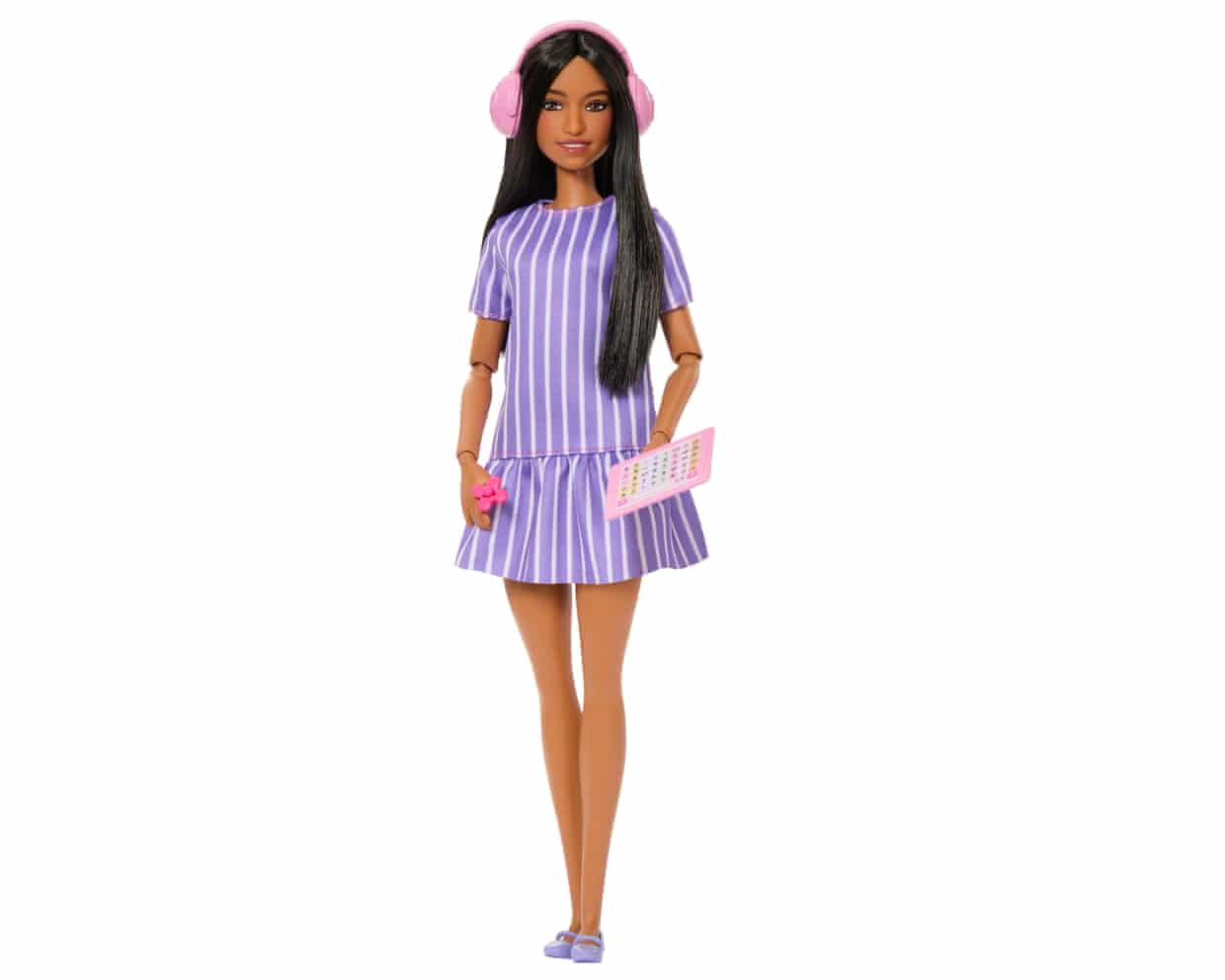
She’s just autistic Barbie – let children play | Letters

Private investigators must be trained to spot signs of domestic abuse and stalking | Letter

Positive thinking could boost immune response to vaccines, say scientists

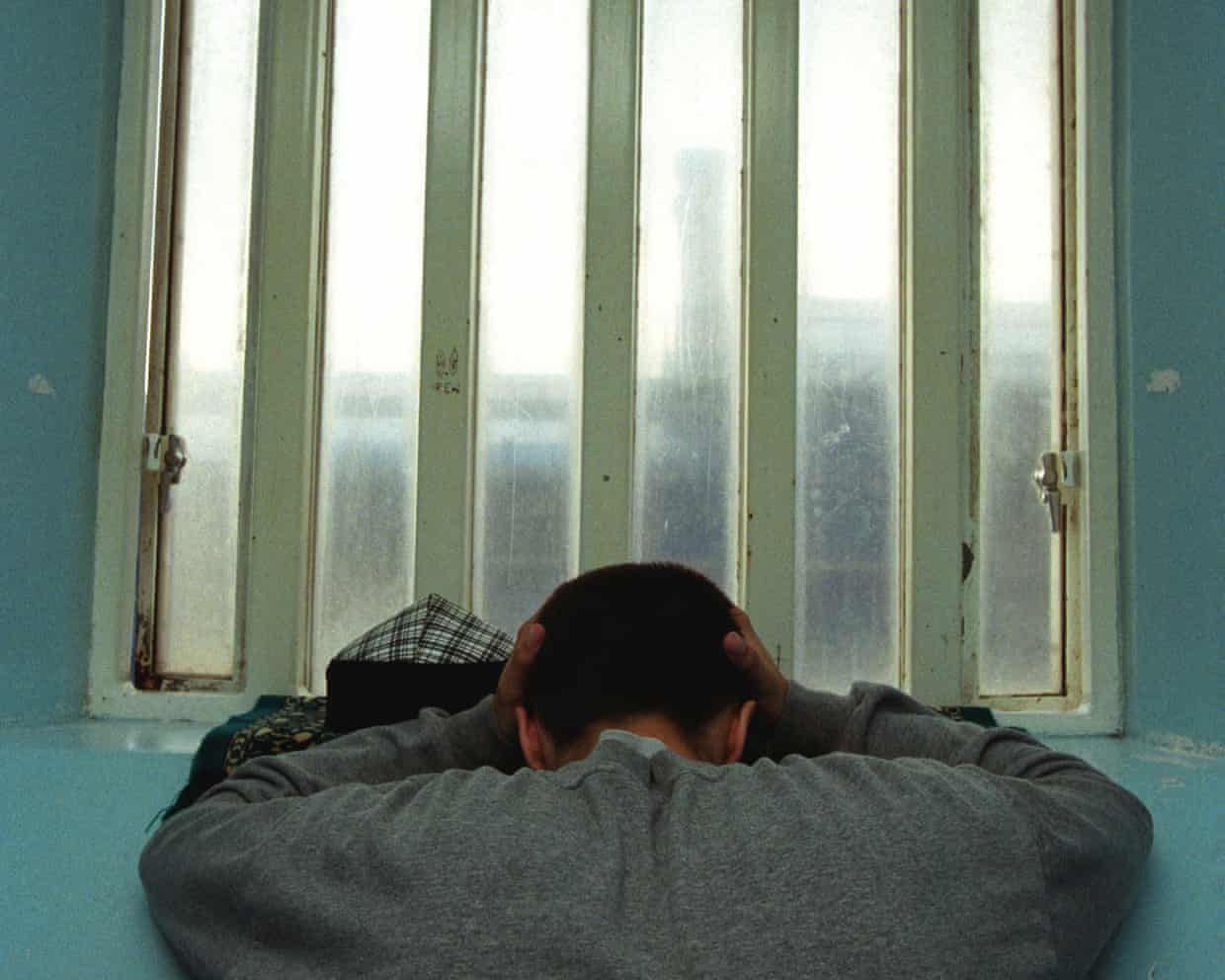
Pepper spray use at young offender institutions in England ruled legal

‘Jess’s rule’ posters remind GPs in England to re-examine patients’ symptoms