My cultural awakening: a Rihanna song showed me how to live as a gay man in Iran

My sexuality had to be hidden from my friends, my parents, not to mention the authorities.Then I found freedom at house parties and one song that sums up me finally being able to be myselfI was raised in Tehran, under the Ayatollah’s sharia law and daily watch of Basij – the “morality police”.My parents fell in love with the Islamic Revolution when I was a baby and welcomed life under its strict religious rules.The Ayatollah’s face stared down from the walls at home, a daily reminder of what was expected and what was forbidden.This included being gay, but by my teenage years I knew I was different from my peers, and began hiding my sexuality from my parents and the world outside.
The other side of life under the regime was that there was little room for celebration: happy events, even religious ones, came with inherent guilt while frivolous outside influences, including western music, were considered dangerous,And so I was in my mid-20s before I went to my first real party: an underground gathering that would become my gateway to a hidden, gay Tehran,At university, I had three gay friends who understood one another’s predicament and the intricate lies required to keep our secret,They told me about these parties, in the apartments of other gay men and trans women who transformed their homes with sound systems, lights and homemade alcohol into club nights behind closed doors,I longed for and dreaded an invite, wondering if I was ready to be let loose with the biggest circle of gay men I’d been among, worrying I’d see someone I knew, afraid of the morality police and, more so, my parents finding out.
There were so many layers of haram – forbidden behaviour – what would I tell them?When I eventually got an invite, I dressed in a tight shirt with the top buttons undone (trendy even among straight men) and spent an hour gelling my hair like the boybands I’d watched on MTV after my parents went to bed,Music videos were popular in the Middle East,Friends would ask: “Have you seen Britney or Rihanna’s latest ‘show’?” Indeed, I envied Britney’s red latex in Oops! I Did it Again and had heard Rihanna’s Umbrella, but my exposure to non-Iranian pop was still limited,I made the usual excuse to my parents – that I was going to dinner – and got into a friend’s car where Rihanna’s Don’t Stop the Music was playing on cassette,“This is cool,” I said.
“Have you not heard it?” he asked.“It’s the new thing.You’ll definitely hear it tonight.”When we reached the apartment and entered, I was instantly enraptured by the music.A moment of doubt arrived, then euphoria.
Sure enough, Rihanna’s song came on.The room bounced up and down, I caught my friend’s eye and pinched myself.I was lost in a new world.On the drive home, I listened again to take myself back.Over the next few years, I immersed myself in that scene, partying once or twice a fortnight, each time leaving home feeling anxious about what my parents thought.
Then I sat in my friend’s car, and the worry melted away.I threw my own party, in my father’s holiday home outside the city, on a night my parents wouldn’t be visiting.I hired a sound system and lights – and, of course, ensured Rihanna played.Don’t Stop the Music became a mainstay.Whenever it came on, my best gay friend and I would exchange a look that said: “It’s our song, let’s go.
” Rihanna, Britney and Madonna were the mark of a good party.After university, then compulsory military service, I knew I wanted to leave Iran.I moved to London, where I work as a doctor and have a partner.I’ve never confirmed my sexuality to my parents; they know, but it remains unspoken.I’ve written about gay Tehran and the parties in a book about my life there, The Ayatollah’s Gaze, under my pen name; to reveal my identity would still be dangerous.
Maybe that will change soon for me – mostly, for those who are still there,Now, there is full-blown war,When the supreme leader, the Ayatollah, was killed a week ago, the promise of regime change became real for so many of us,I messaged my best gay friend who lives not far from the compound where Khamenei was hit,I worry that he and others are safe – but I also know the excitement they finally feel for futures we have dreamed of.
“Are you OK?” I wrote, cautious still of sending anything anti-regime on WhatsApp.“Congratulations, he is finally dead,” he replied.“You have no idea how we are feeling!” I feel it, too: jubilant and closer to a day where the parties we enjoyed together are no longer hidden.A friend from those days lives in Europe and visits sometimes.Each time we’ve heard Rihanna play – in a shop, club or bar – he elbows me, as if to say: “Do you remember your terrible dance moves to this?” That song showed me that gay life in Iran was possible – I cannot forget it.
You can tell us how a cultural moment has prompted you to make a major life change by filling in the form below or emailing us on cultural.awakening@theguardian.com.Please include as much detail as possiblePlease note, the maximum file size is 5.7 MB.
Your contact details are helpful so we can contact you for more information,They will only be seen by the Guardian,Your contact details are helpful so we can contact you for more information,They will only be seen by the Guardian,If you include other people's names please ask them first.

Cancer death rate in Britain down by almost a third since 1980s
The rate of people dying from cancer in the UK has fallen by almost a third since the 1980s amid seismic progress in prevention, diagnosis and treatment, a report has found.About 247 in every 100,000 people die from cancer each year, a 29% drop from the peak in 1989 of about 355 per 100,000, according to an analysis by Cancer Research UK (CRUK).Cancer remains Britain’s biggest killer, causing about one in four deaths, and survival rates lag behind a number of European countries, including Romania and Poland.However, in the past decade alone, the rate of people dying from cancer has fallen by 11%. The death rate for ovarian cancer dropped by 19% between 2012-2014 and 2022-2024, stomach cancer fell by 34% and lung cancer 22%
Labour to set up new extremism whistleblowing service for university staff
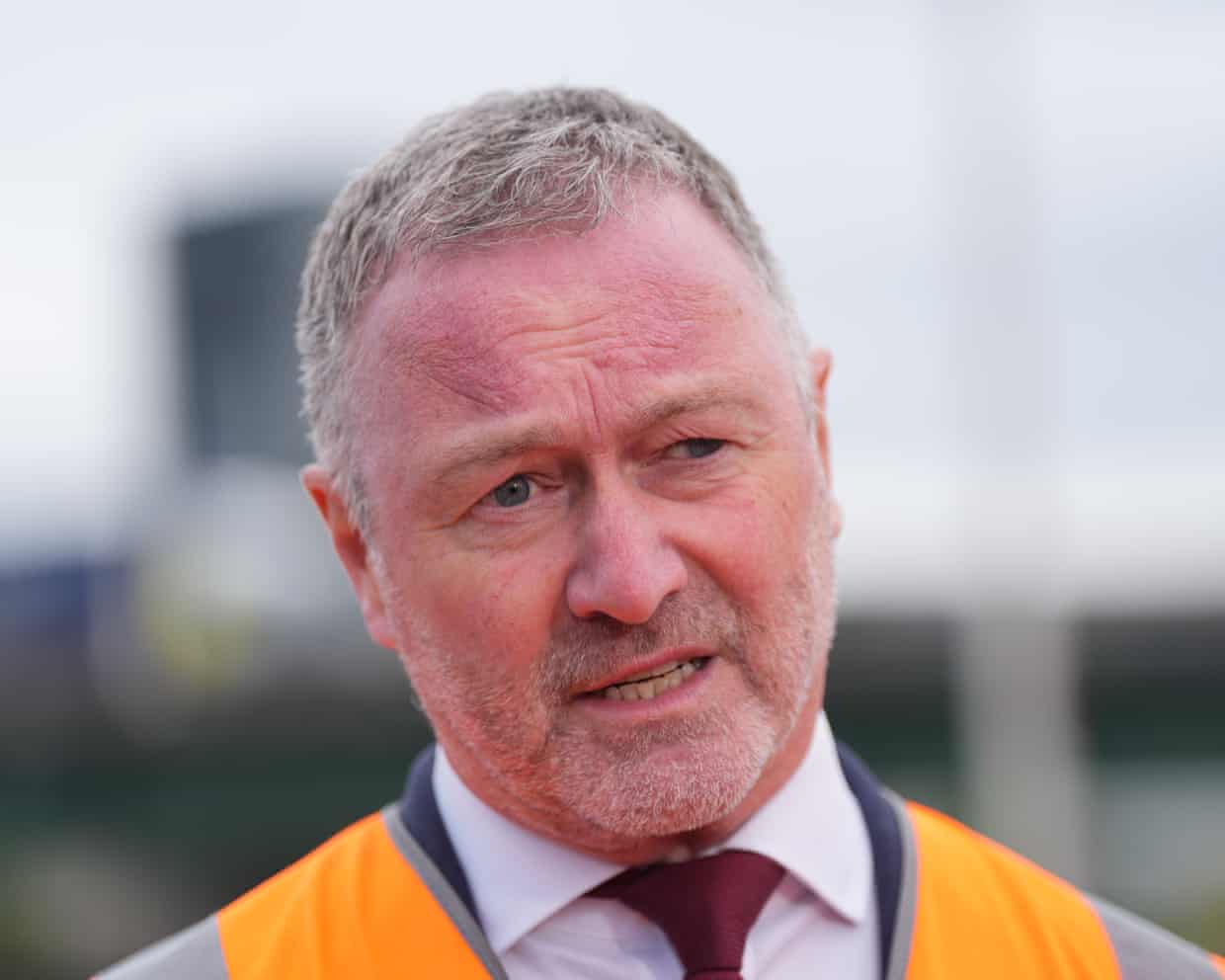
The UK government will expand powers to tackle extremism by setting up a new whistleblowing route for university staff and giving the Charity Commission powers to shut down charities, as part of a new action plan to strengthen social cohesion.The plan, announced by the housing, communities and local government secretary, Steve Reed, will invest a further £5m in the Common Ground Resilience Fund, which was launched to support organisations and authorities tackling divisions in communities.“We must listen to people’s concerns about growing divisions and take action to bring our communities back together,” Reed said.As well as a new whistleblowing service, the plan will include a new Campus Cohesion Charter to strengthen respect and shared values across universities.The strategy will also introduce an annual State of Extremism report setting out the nature and scale of the threat facing the UK and the government’s response, while the Visa Watchlist Taskforce will be strengthened to block hate preachers and extremists from entering the country
NHS England pauses new referrals for masculinising or feminising hormone treatment in under-18s
The NHS is pausing new referrals for masculinising or feminising hormone treatment for 16 and 17-year-olds after an in-depth review found there was insufficient evidence to support its continued use.Prescriptions for hormones had been available in England for under-18s with a diagnosis of gender incongruence or dysphoria who met certain criteria.But after the Cass review, NHS England commissioned its own review of all the available clinical evidence. That review has now concluded and found the evidence did not back the continued use of the treatment for 16 and 17-year-olds.In her review of children’s gender care, Hilary Cass had recommended “extreme caution” in providing such treatment and a “clear clinical rationale for providing hormones at this stage rather than waiting until an individual reaches 18”
Recreational drugs can more than double risk of stroke, study suggests
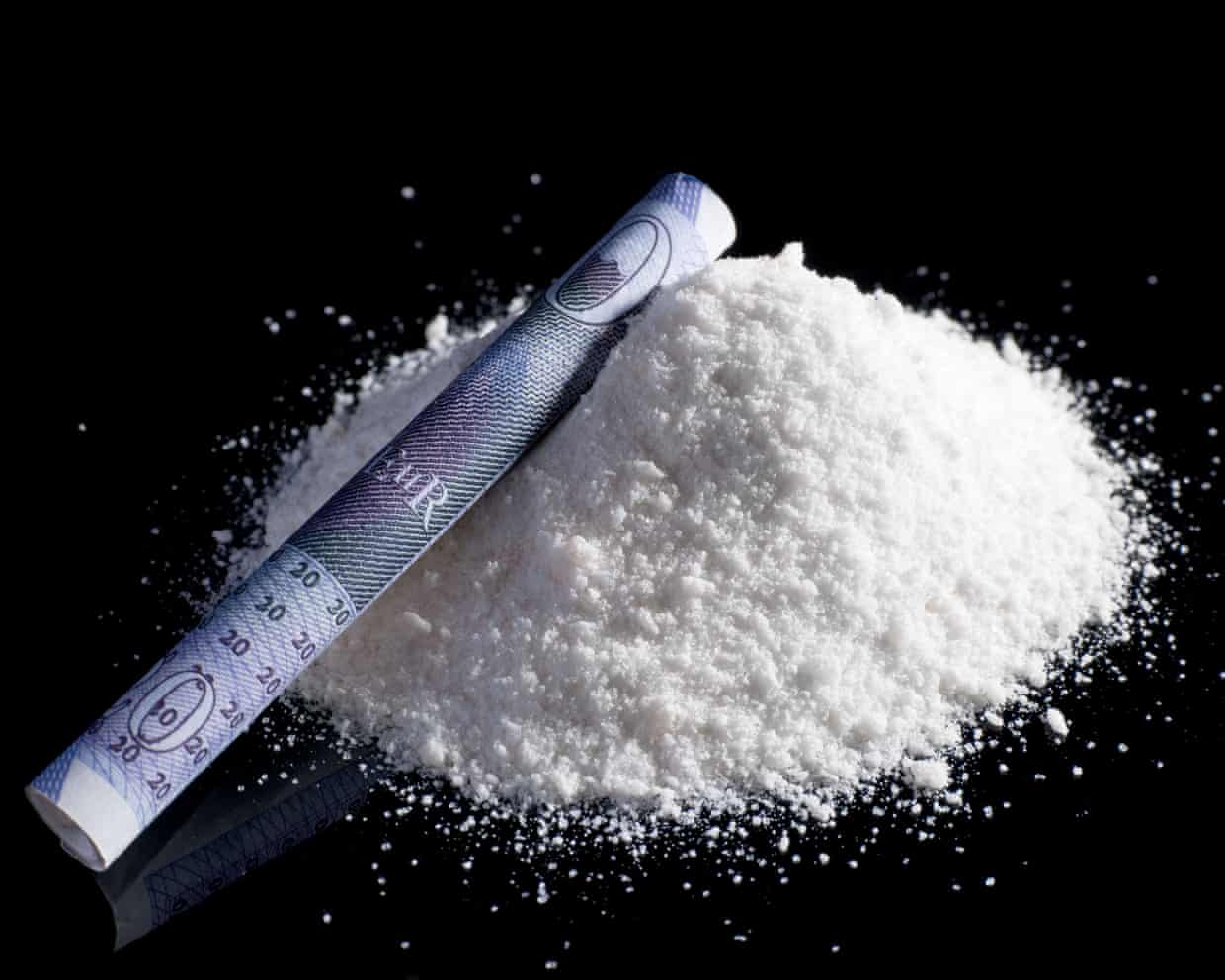
Recreational drugs can more than double the risk of stroke, with some of the most concerning impacts seen among younger people, a major review suggests.Scientists analysed medical data from more than 100 million people and found that the risk of stroke was 122% higher for amphetamine users and 96% higher for cocaine users compared with those who did not take the drugs.Cannabis users were also at greater risk, suffering 37% more strokes than non-users, the review found, though researchers saw no evidence that opioids, a highly addictive painkiller, added to a person’s risk of stroke.The rise in strokes observed in connection with some drugs was not confined to older people. When researchers focused on under-55s, they saw a near tripling in stroke risk among amphetamine users
Martha’s rule may have saved 400 lives so far in England, figures show
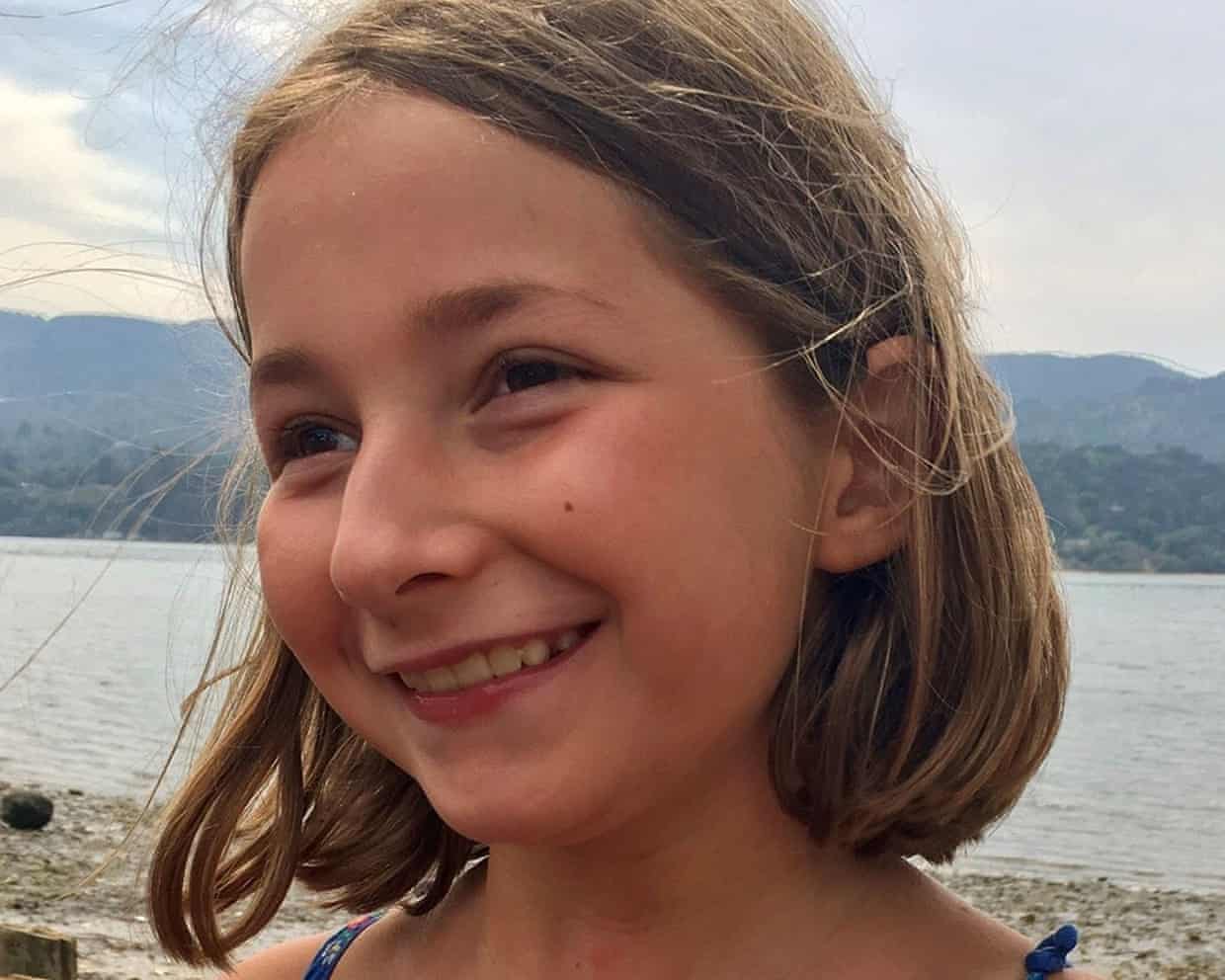
More than 400 lives may have been saved as a result of Martha’s rule, which lets NHS patients request a review of their care, official figures reveal.Helplines received more than 10,000 calls in the first 16 months of the scheme after its introduction in England in 2024, according to data seen by the Guardian. Thousands of patients were either moved to intensive care, received drugs they needed or benefited from other changes as a direct result of the calls.The system is named after Martha Mills, 13, who died in 2021 from sepsis after a bicycle accident. A coroner found she would probably have survived if she had been moved to the intensive care unit at King’s College hospital in London when she began deteriorating
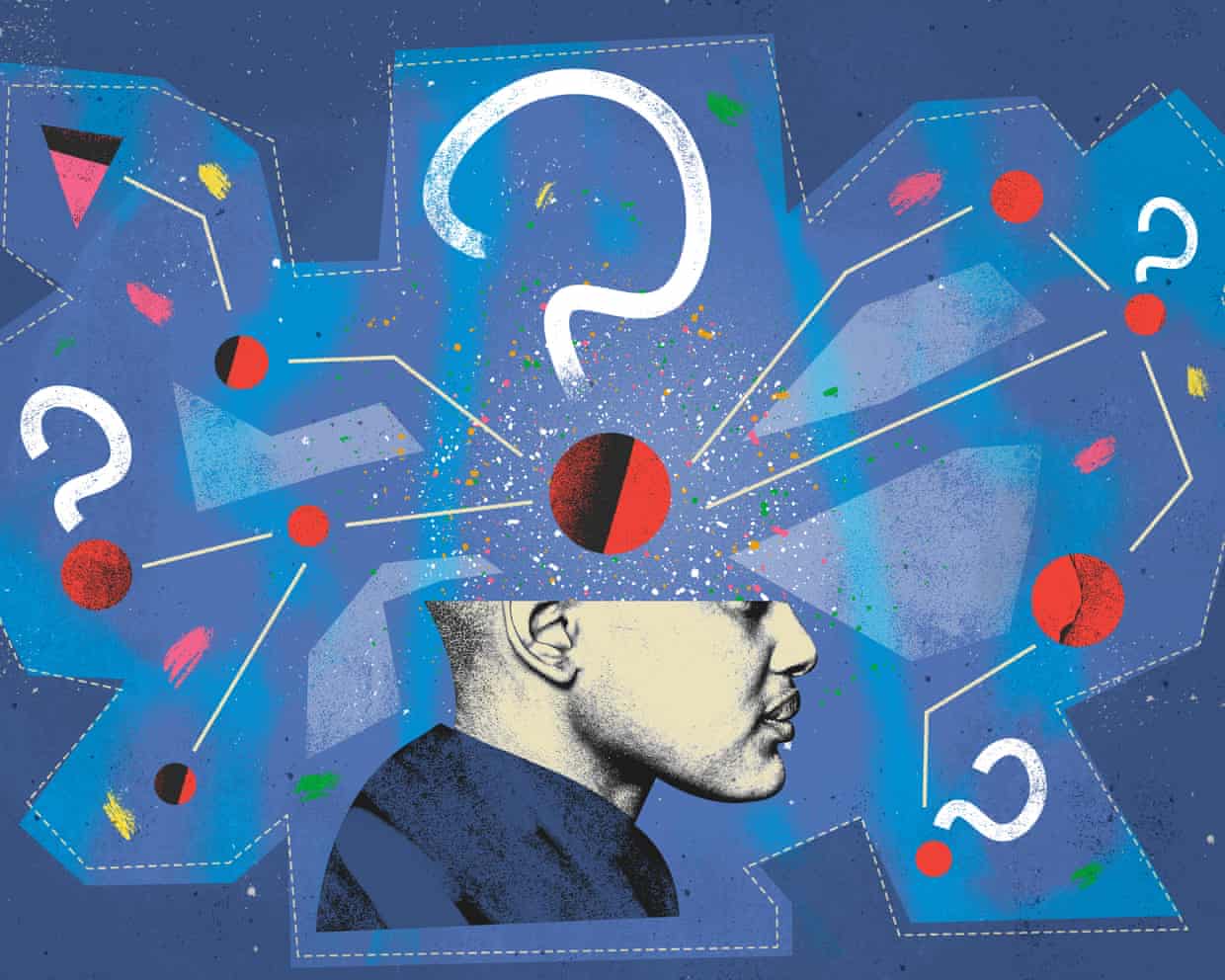
How ADHD diagnosis helped my mental health | Letters
In suggesting there is a possibility that we all lie somewhere on an ADHD continuum, your correspondent (Letters, 27 February) is missing the point.ADHD – and autism – are neurodiversities, meaning that the brains of individuals with ADHD and/or autism are “wired” differently from those of people with “typical” brains. In other words, you either have it or you don’t. To suggest that everyone is a bit ADHD or a bit autistic is insulting to those of us who actually are ADHD/autistic, and diminishes our lived experience. Yes, self-help tools can be useful
OpenAI delays ‘adult mode’ for ChatGPT to focus on work of higher priority
Liverpool and Manchester United complain to X over ‘sickening’ Grok AI posts
How AI firm Anthropic wound up in the Pentagon’s crosshairs

AI allows hackers to identify anonymous social media accounts, study finds

ChatGPT driving rise in reports of ‘satanic’ organised and ritual abuse, UK experts say
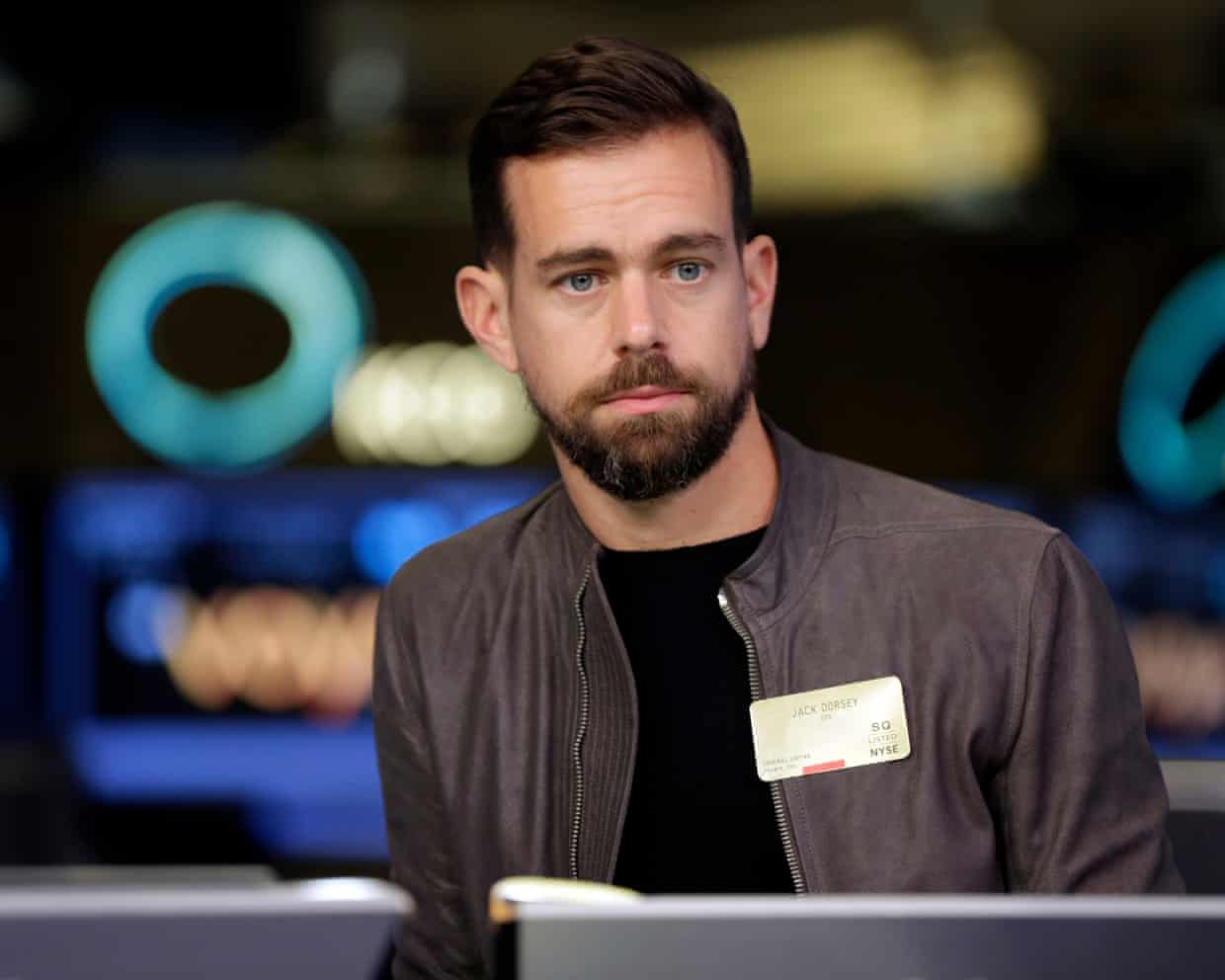
Current and former Block workers say AI can’t do their jobs after Jack Dorsey’s mass layoffs: ‘You can’t really AI that’