Sir Neil Cossons obituary
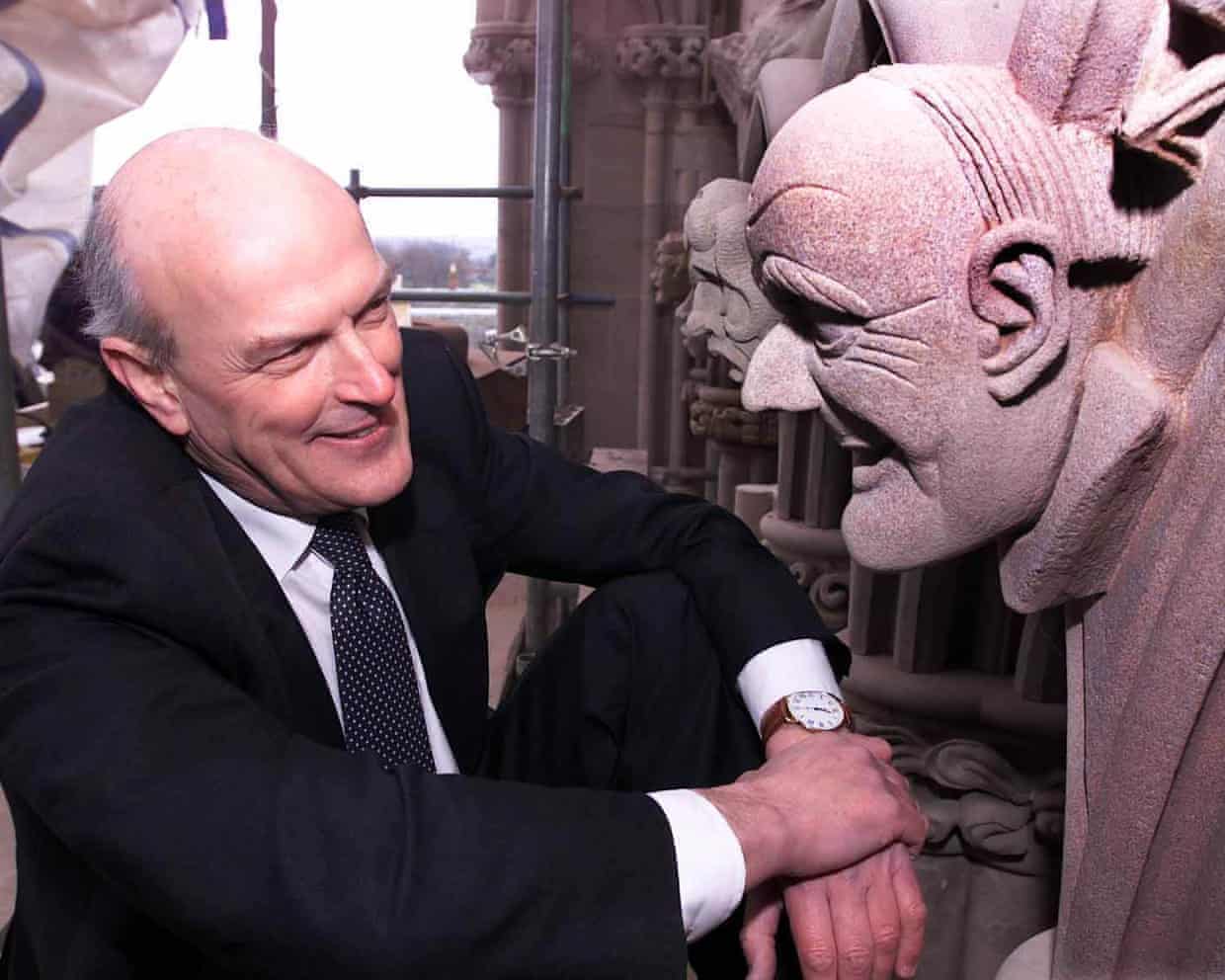
Neil Cossons, who has died aged 87, wore a convincing disguise as a mild, respectable, affable, slightly conventional chap.But over a long and outstanding career in the museums and heritage sector – during which he was director of the Science Museum for 14 years – civil servants, trustees and ministers who battled with him over policy and funding discovered he was as tenacious as a terrier.He was determined to preserve and promote Britain’s scientific and industrial heritage and make culture accessible to all.In 2000 he became chair of English Heritage, the quango responsible for protecting the historic environment – since split into Historic England and the charity English Heritage, which cares for 400 sites and monuments.In his first year there, he led the steering group that produced Power of Place, an influential policy document produced in partnership with other heritage organisations, which stressed the value and potential of the wider historic environment including high streets, town centres and suburbs; it set the tone of his interests at English Heritage.
He fought a war of words with the then London mayor, Ken Livingstone, over what he saw as poor-quality towers splintering the London skyline, and championed terrace houses in Liverpool and other northern cities threatened with wholesale demolition.He campaigned to preserve English Heritage funding and to convince politicians of the importance of heritage in the daily life of the nation, not just as tourist attractions.In 2005 when the then culture secretary, Tessa Jowell, insisted that a 5% government grant slash was “a good outcome” for English Heritage, he told her to her face in public that she was wrong.His audience took it as the fighting words of a man who had finished his term of office and was heading for the sunlit uplands of the private sector.In fact he was about to sign on again, at the age of 66, leaving only in 2007.
He took office at a time when epic lottery-funded millennium projects were opening their doors – or apologising for missing the deadline – across the country,One of the starriest was the British Museum’s £100m Great Court, designed by Norman Foster,Cossons accused the museum of “dereliction of their duty to the building” over their contractor’s use of slightly cheaper French Anstrude Roche Claire stone instead of British Portland,He inherited the ambitious English Heritage plans for Stonehenge, where the facilities had been condemned by a parliamentary committee as “a national disgrace”, but the schemes became bogged down in bitter controversy over the proposal to divert the main road into a long tunnel under the site,A new visitor centre finally opened in 2013; the row over the road tunnel continued.
Cossons was born in Beeston, Nottingham, the son of Arthur, the head of a local boys’ junior school, and Evelyn (nee Bettle), a teacher, and was educated at Henry Mellish grammar school in Bulwell, before studying geography at the University of Liverpool, from where he graduated in 1961.He inherited his deep interest in industrial history and archaeology from Arthur, who also taught miners’ night classes and took the family on regular outings to industrial heritage sites.After stints at Leicester Museum, the Railway Museum in Swindon and Bristol City Museum, where he was curator of technology, at the age of 29 he was appointed deputy director of Liverpool Museum.In 1971 Cossons became the first director of the Ironbridge Gorge Museum Trust in Shropshire, a site regarded as the birthplace of the industrial revolution, and he set about preserving not just the scattered iron foundry sites and the famous bridge, but the unlisted and threatened vernacular buildings of the town where the ordinary workers had lived, which he regarded as an essential part of the story.Under Cossons, Ironbridge became a major tourist attraction, with 250,000 yearly visitors by the end of his tenure, and in 1986 it was inscribed as a Unesco World Heritage site.
He moved to London in 1983 to become director of the National Maritime Museum at Greenwich and three years later was appointed to the directorship of the Science Museum,Ian Blatchford, the present director, said that Cosson’s legacy “can be seen around the museum to this day”,The new Wellcome Wing – now the West Hall – opened in 2000, as the epitome of his belief that visitors should interact with displays rather than be static observers,It was a startling contrast to the rather staid traditional galleries, with features including a floor-shivering recreation of the impact of the 1995 Kobe earthquake on a Japanese supermarket; the Imax screen housed within the extension was at the time the largest in the UK,One of English Heritage’s acquisitions under Cosson’s chairmanship from 2000, and his favourite building, was the 18th-century Ditherington Flax Mill in Shrewsbury, which he had first visited as a student.
By the late 20th century it was abandoned and derelict, Grade I listed but with its importance as the first iron-framed building in the world, the ancestor of modern skyscrapers, forgotten even by local people,After carrying out emergency repairs in the hope that some sympathetic developer would take it on, English Heritage bought it in 2005 and fully restored it: it now houses a visitor centre and a variety of work spaces,On a visit with the Guardian he patted one of the forest of iron columns, originally designed to make the building fire proof, like a man greeting an old friend, and declared it “one of the most important buildings in England – or anywhere”,Cossons wrote or edited a number of books on industrial archaelogy and heritage management,One of his last public appearances came in November last year, when he attended the ceremonial handover of the Ironbridge Gorge Museum Trust into the care of the National Trust.
He was appointed OBE in 1982, and knighted in 1994.In 1965 he married Veronica Edwards, whom he met as a fellow student at the University of Liverpool, and they had three children, Elisabeth, Nigel and Malcolm.Neil Cossons, curator and museum director, born 15 January 1939; died 29 March 2026

Five key questions: who overruled decision to deny Mandelson security clearance?
The revelation that Peter Mandelson failed his security vetting clearance, only for the decision to be overruled by the Foreign Office so he could take up his post as ambassador to the US, raises a number of questions.According to multiple sources, Mandelson was initially denied clearance in late January 2025 after a developed vetting process, a type of a highly confidential background check carried out by UK Security Vetting (UKSV), a division of the Cabinet Office.By that stage he had already been announced as Keir Starmer’s pick for ambassador in Washington. Within two days, the Foreign Office had overruled the UKSV decision, granting him clearance despite the recommendation from security officials. It is not known who made the decision to overrule security officials, or why

Officials debate withholding Mandelson vetting documents from parliament
Exclusive: Opinions split on ‘unprecedented’ release of files, despite demand for ‘all papers’ related to ex-US ambassador’s appointmentRevealed: Mandelson failed vetting but Foreign Office overruled decisionFive key questions: who overruled decision to deny Mandelson security clearance?Senior government officials have been considering whether to withhold from parliament sensitive documents that show Peter Mandelson failed security vetting before he assumed the role of US ambassador, the Guardian can reveal.Any such decision could amount to an extraordinary breach of a parliamentary vote that ordered the release of “all papers” relevant to Mandelson’s appointment.The Guardian has revealed that Mandelson did not receive vetting clearance from security officials, but that their decision was overruled by the Foreign Office to ensure he could take up his post.According to multiple sources, officials across government have been in dispute over whether to release documents that would reveal those facts, and other information about Mandelson’s security vetting, to the parliamentary intelligence and security committee (ISC).The committee has been entrusted by parliament with the role of assessing the most sensitive papers relating to Mandelson’s appointment

Revealed: Mandelson failed vetting but Foreign Office overruled decision
Guardian investigation uncovers decision by UK security officials to deny clearance before Mandelson took up role as US ambassadorOfficials debate withholding Mandelson vetting documents from parliamentFive key questions: Who overruled the decision to deny Mandelson security clearance?Peter Mandelson failed his security vetting clearance but the decision was overruled by the Foreign Office to ensure he could take up his post as ambassador to the US, an investigation by the Guardian can reveal.According to multiple sources, Mandelson was initially denied clearance in late January 2025 after a developed vetting process, a highly confidential background check by security officials.Keir Starmer had by then announced he would be making Mandelson the UK’s chief diplomat in Washington, posing a dilemma for officials at the Foreign Office, who decided to use a rarely used authority to override the recommendation from security officials.Mandelson’s failure to secure vetting approval has not previously been publicly revealed, despite intense scrutiny over his appointment and the release by the government of 147 pages of documents supposed to shed light on the case.Further documents are due to be released

Blue Labour gets bluer with MP’s noble quest for a summer of sex | John Crace
We could almost be back in the San Francisco of the 1960s. Tune in, turn on, drop out. Make love not war. A hippy counterculture that turned its back on the American involvement in Vietnam. One determined to shape a new world order
CEO of bitcoin firm championed by Nigel Farage leaves company
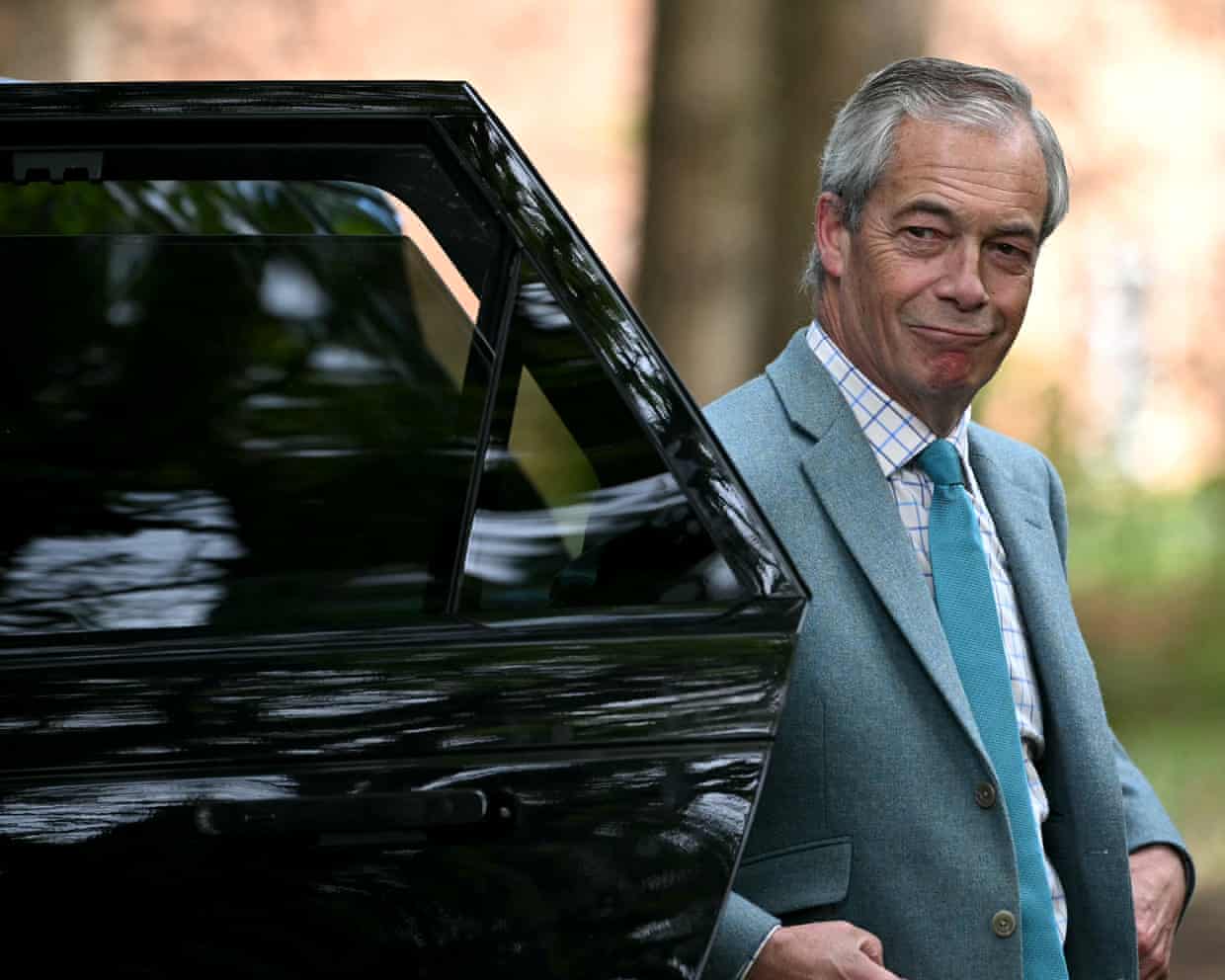
The chief executive of a bitcoin company promoted by Nigel Farage has left his role as the venture attempts to convince investors that it is going to deliver “long-term value” for shareholders.Stack BTC was launched to much fanfare in March this year, with Farage and former chancellor Kwasi Kwarteng becoming some of its first shareholders. The company says its founder is Paul Withers, a friend of the Reform UK leader who owns a gold bullion company that Farage has also promoted, Direct Bullion.However, Stack BTC is a renamed company which was founded in 2021 by Jai Patel, whose departure as chief executive was announced on Wednesday. The company, formerly called Kasei Investment Holdings, invested in cryptocurrency and a range of other digital assets
David Lammy still plays an important role in UK foreign policy – but he is not the only one
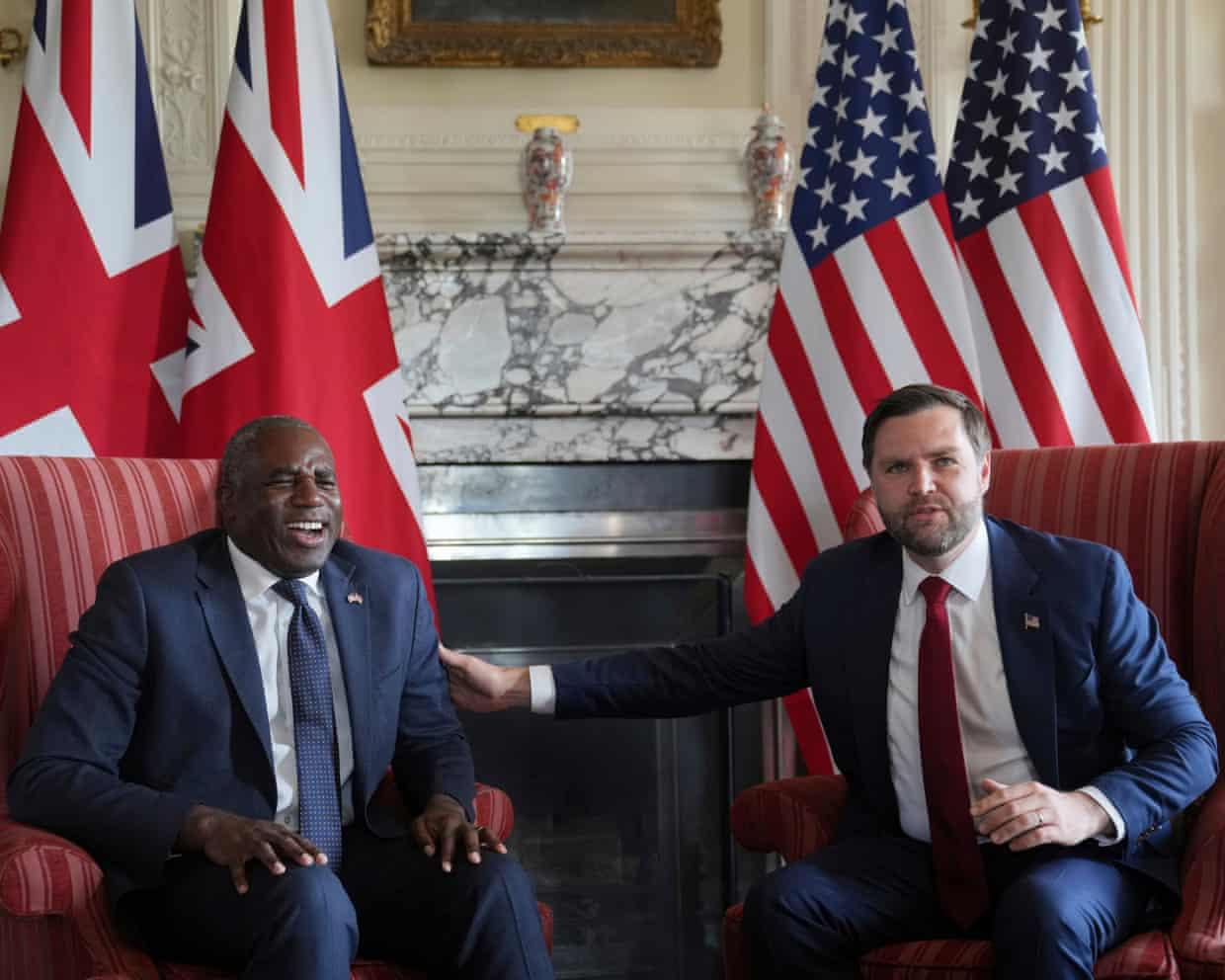
The first foreign official JD Vance met with after he returned from peace talks with Iran in Islamabad this week was not a diplomat or foreign policy official – it was David Lammy, the UK’s justice secretary and deputy prime minister.Lammy will follow his trip to Washington, where he saw the vice-president and the secretary of state, Marco Rubio, with another to Barcelona, where he will represent the UK at a conference of global progressives, and then one to the Gulf.The whistle-stop diplomacy from the former foreign secretary has prompted questions in Whitehall over who is really driving the government’s foreign policy at a time when it is more important than ever.“Obviously the prime minister is in charge of the government’s foreign policy, especially when it is so important domestically as well,” said one government official.“Beneath him though there are quite a lot of people all of whom are doing slightly different jobs and who think of themselves as the real foreign secretary

Roast chicken, cheesy scones and a genius cocktail: Ravinder Bhogal’s recipes for cooking with lime pickle
Vegemite is recognised globally – but how many people know Milo was invented in Australia?

What can I do with leftover rice? | Kitchen aide
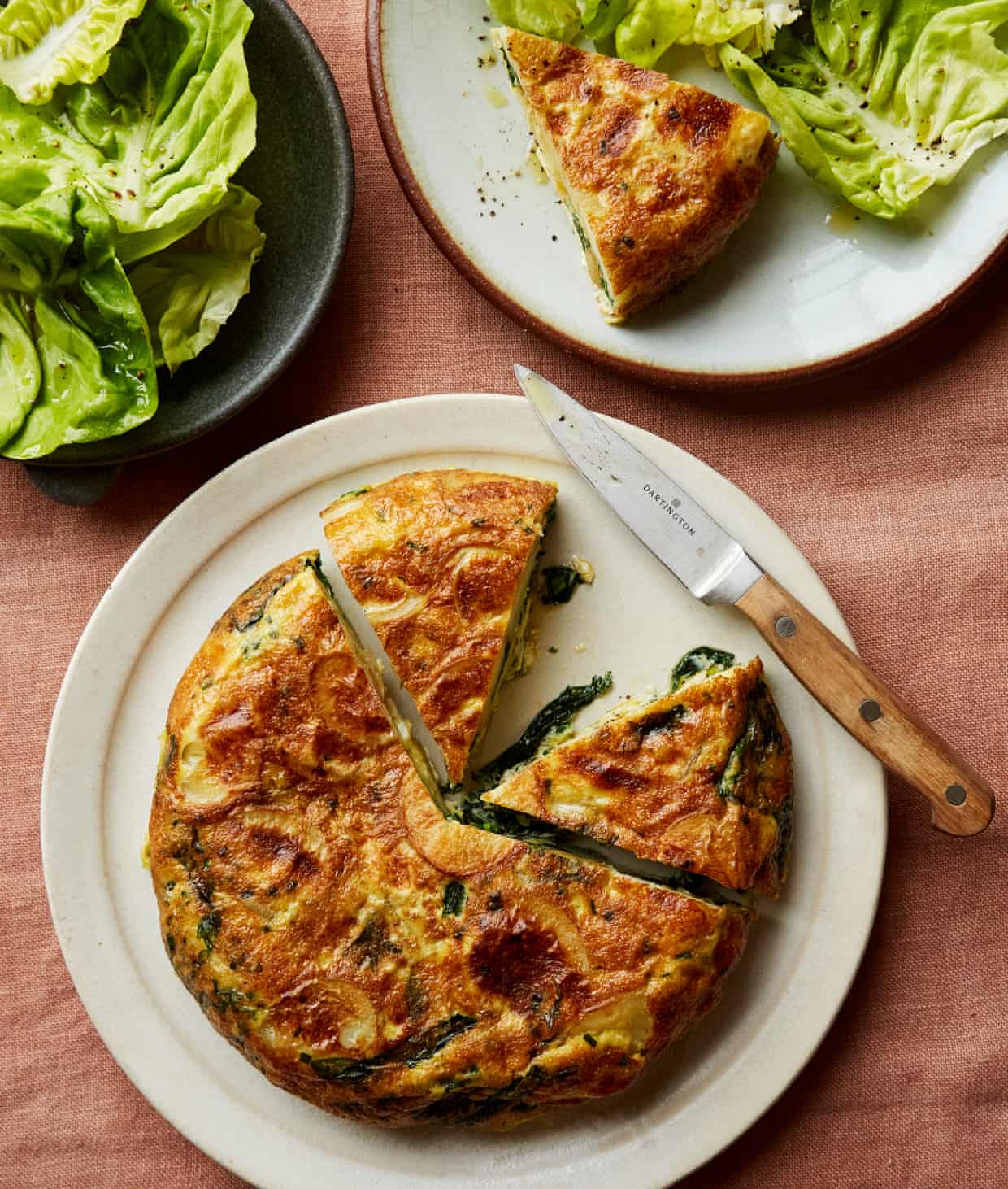
José Pizarro’s recipe for nettle (or wild garlic) and goat’s cheese tortilla
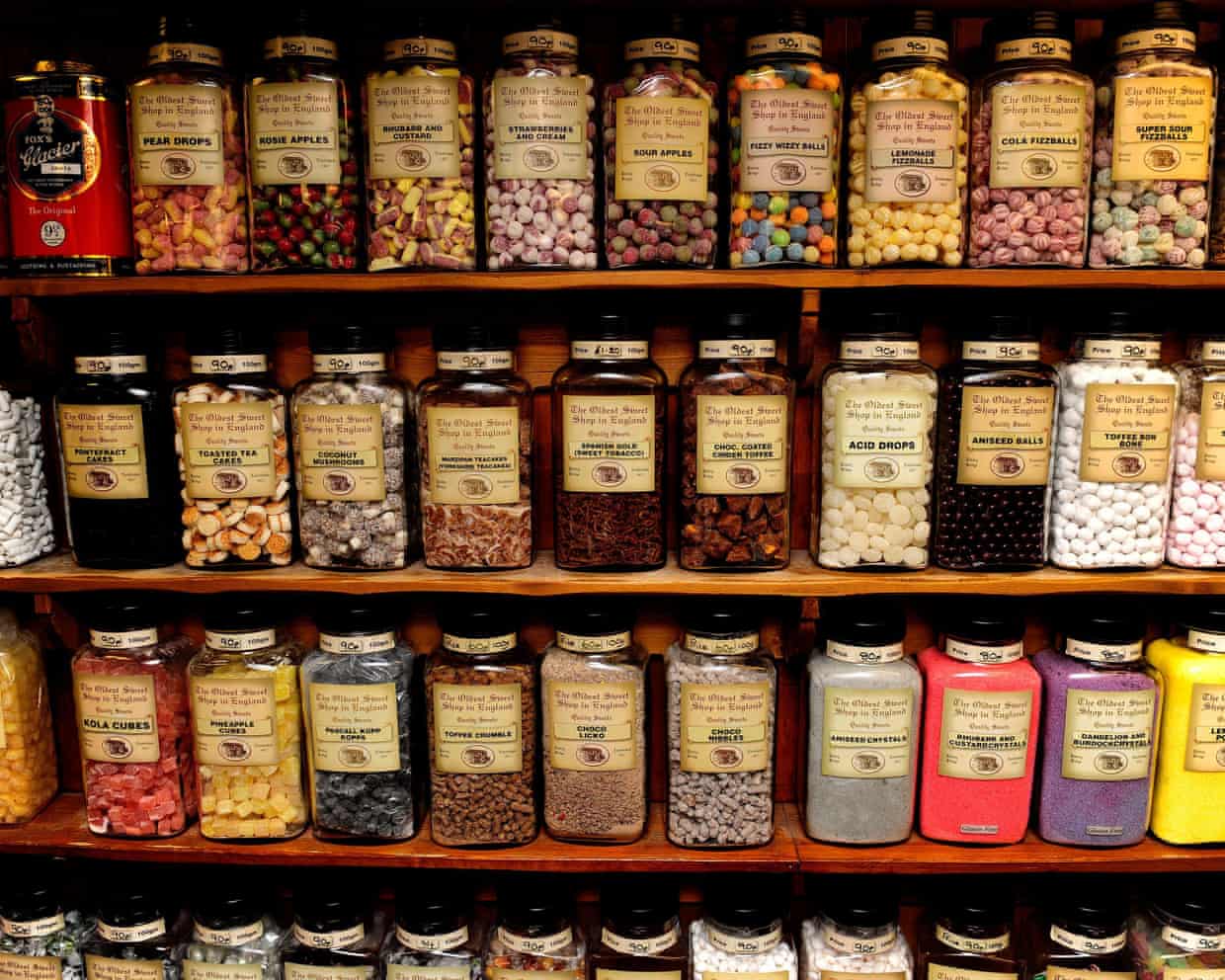
Gone from shop shelves, but not forgotten | Letters
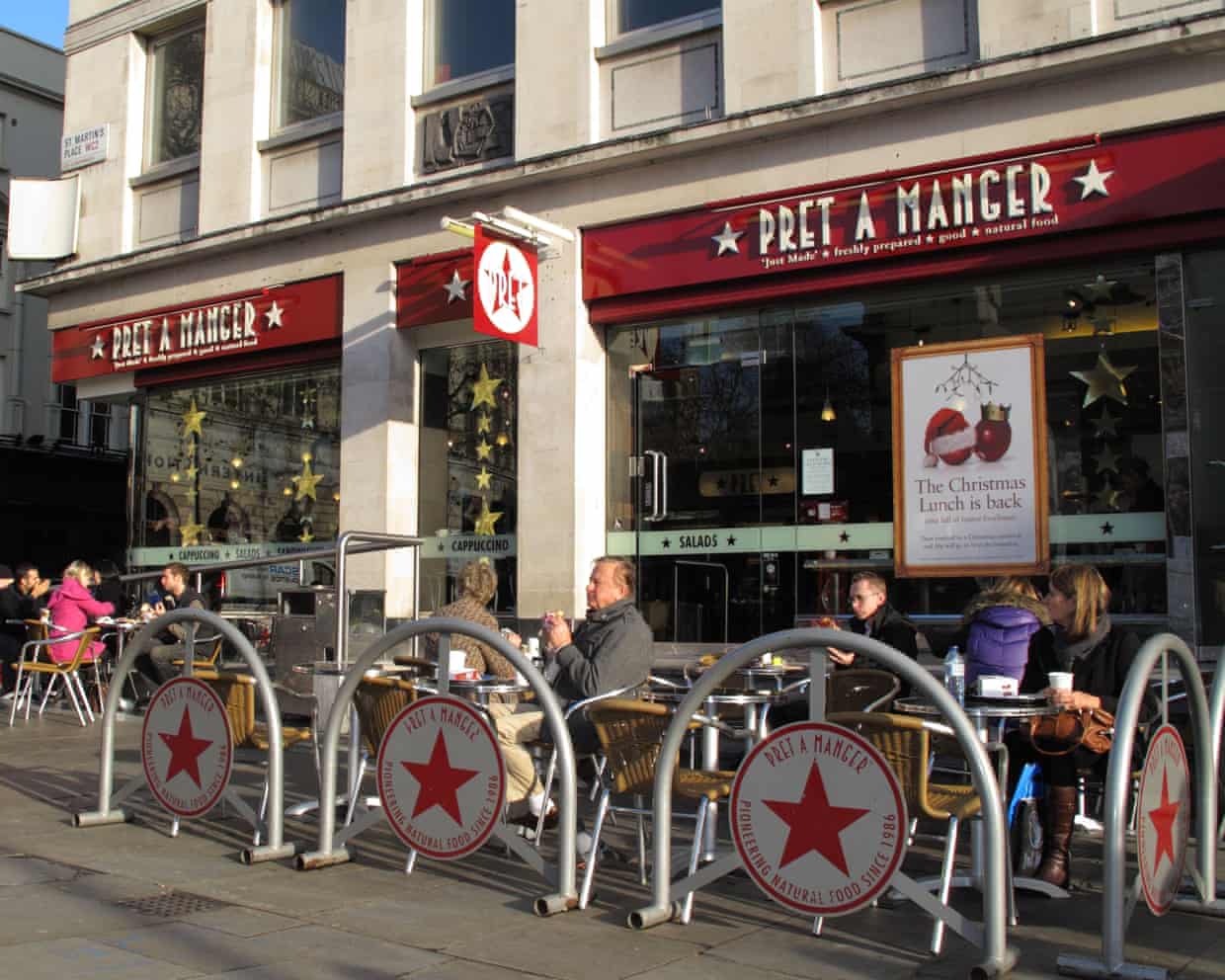
Cornichon shortage leaves British sandwich shops in a pickle