David Lammy still plays an important role in UK foreign policy – but he is not the only one
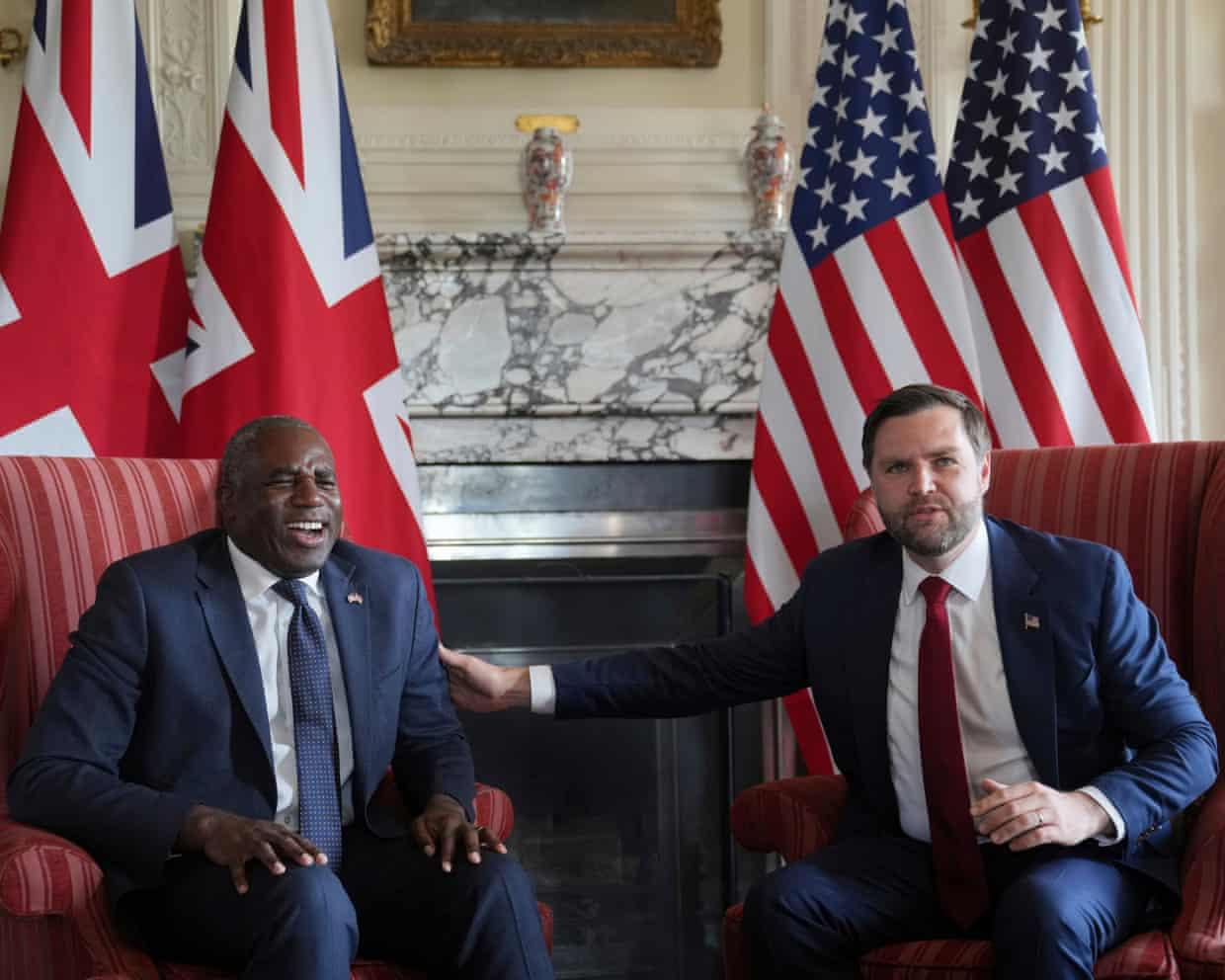
The first foreign official JD Vance met with after he returned from peace talks with Iran in Islamabad this week was not a diplomat or foreign policy official – it was David Lammy, the UK’s justice secretary and deputy prime minister.Lammy will follow his trip to Washington, where he saw the vice-president and the secretary of state, Marco Rubio, with another to Barcelona, where he will represent the UK at a conference of global progressives, and then one to the Gulf.The whistle-stop diplomacy from the former foreign secretary has prompted questions in Whitehall over who is really driving the government’s foreign policy at a time when it is more important than ever.“Obviously the prime minister is in charge of the government’s foreign policy, especially when it is so important domestically as well,” said one government official.“Beneath him though there are quite a lot of people all of whom are doing slightly different jobs and who think of themselves as the real foreign secretary.
”Keir Starmer conducts much of Britain’s diplomacy himself, and will co-host an international summit on how to free up shipping in the strait of Hormuz this week alongside the French president, Emmanuel Macron,Yvette Cooper, the foreign secretary, meanwhile, has spent much of 2026 abroad, including trips to Washington, Ukraine and Saudi Arabia,Cooper spent Wednesday in Berlin at a conference on the war in Iran, where she was joined by two other ministers on separate missions,John Healey, the defence secretary, was in the city to talk to counterparts about Ukraine, while the Cabinet Office minister Nick Thomas-Symonds was there to discuss the government’s attempts to forge closer EU relations,Jonathan Powell, Starmer’s national security chief, joined the prime minister on his recent trip to the Gulf and remains his most trusted adviser on foreign affairs.
“Jonathan is the most significant influence on Keir’s foreign policy thinking,” said one senior government aide,“The two of them are similar in the way they prioritise diplomacy,”Others also play an important role, including Varun Chandra, Starmer’s chief business and trade adviser, who was shortlisted for the role of US ambassador and maintains a good relationship with Howard Lutnick, the US commerce secretary,Hamish Falconer, the Middle East minister, has a particular job selling UK policies to partners in the Middle East and to important community groups in the UK,Emily Thornberry, the Labour chair of the foreign affairs select committee, said: “Foreign policy has never been more important in my lifetime – it is essentially domestic policy these days.
That means there is more than enough work to be done, whether that is by Jonathan Powell, David Lammy, Yvette Cooper or the Foreign Office more generally.”As for Lammy, he has kept a foreign policy brief even after being moved out of the Foreign Office and into the Ministry of Justice.His role, say allies, is to foster relations with other deputy leaders, including in Europe where they often represent another party in a coalition and so can be important conduits.When he travels to the Gulf he will be talking to countries Starmer did not have time to visit on his recent tour.Chief among Lammy’s relationships is his bond with Vance, with whom he struck up a friendship when the pair were in opposition.
Those close to them say the two share many things in common, including an impoverished background, a love of writing and a strong Christian faith.Over the course of a 45-minute discussion in the White House on Monday, the two talked about the direction of the peace talks and how the UK and US could collaborate on freeing up shipping in the strait of Hormuz, according to people briefed on it.They added that Lammy did not have a specific request to make of his counterpart and was as interested in hearing about the Islamabad talks as anything else.With relations between Starmer and Trump strained, many in government believe Lammy’s relationship with the powerful vice-president could be vital.“It is the warmest bilateral relationship we have right now,” said one.
Another added: “It is significant – it is a real channel of communication.”Some in government see Lammy’s strong US ties and his frequent foreign travel as a challenge to the authority of his successor, Cooper.The foreign secretary is due to travel to Japan later this week via the Gulf where much of the government’s international activity is focused.Cooper has refocused the Foreign Office since she took over, telling officials to prioritise work on fragile and conflict-affected states, humanitarian assistance, tackling violence against women and girls and combating global health threats.She has also worked on getting European allies to cooperate on attempts to curb irregular migration, a focus she brought with her from her time as home secretary.
Cooper speaks to Rubio once a week, and met the US secretary of state in Washington in February,To a large extent, say government sources, the most significant foreign policy official in the British government depends on what is on the agenda,When Starmer was working towards a trade deal with the US, Chandra became a close confidant,When he has sought to improve relations with Beijing, he has relied on the diplomatic skill of Powell,Now that the US relationship is being questioned, Lammy’s relationship with Vance has become a vital line of communication.
“Right now, when what is happening in the US and Iran is having such an impact on Britain, we need to take advantage of every connection we have,” said Thornberry.This article was amended on 16 April 2026.An earlier version said that Yvette Cooper was travelling to Japan and not the Gulf, when in fact she is going to the Gulf before Japan.
UK could face gaps on supermarket shelves by summer if Iran war continues
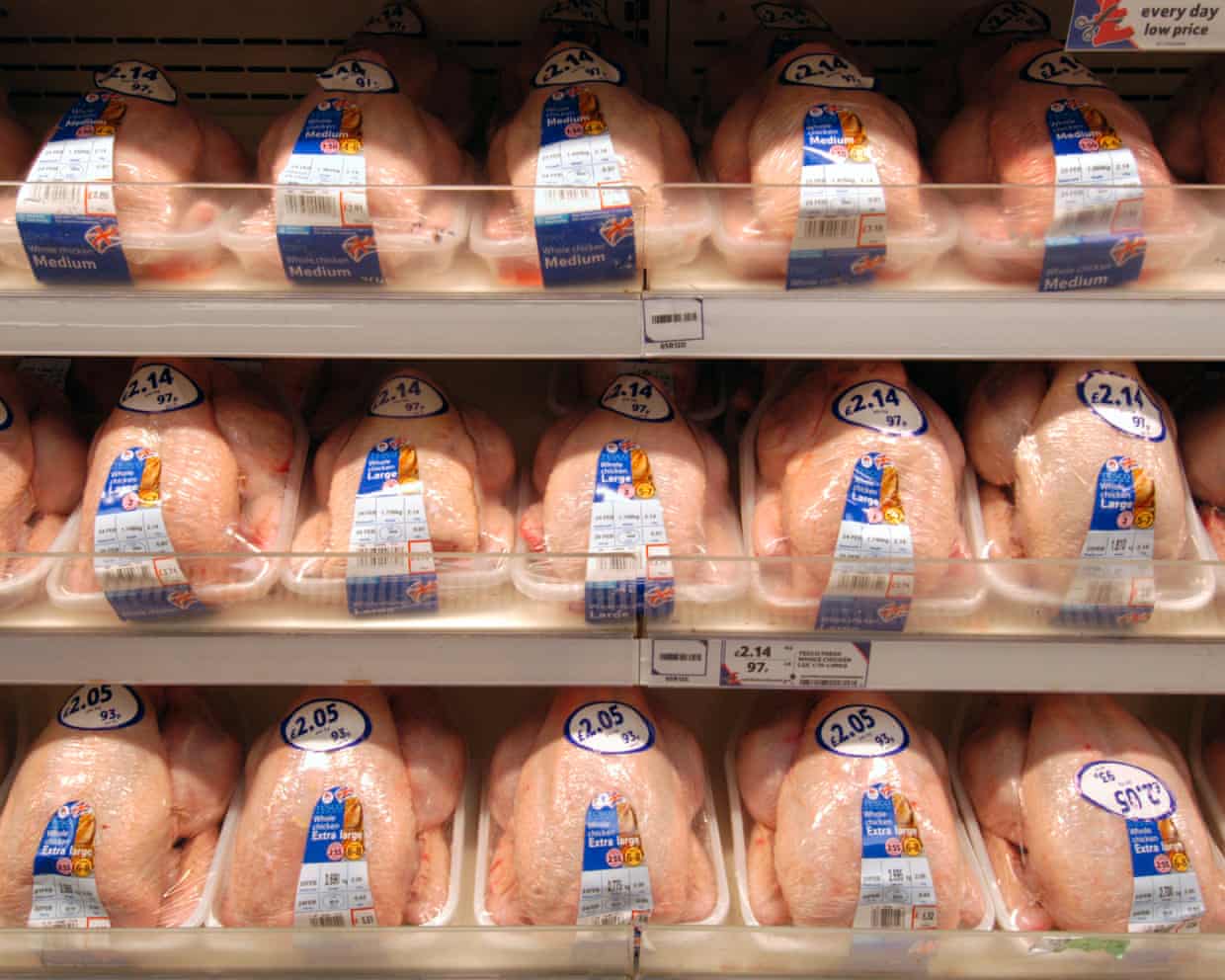
The UK could face some gaps on supermarket shelves this summer if disruption caused by the Iran war continues, with shortages of carbon dioxide potentially hitting supplies of chicken, pork and fizzy drinks.Government ministers are drawing up contingency plans for a “reasonable worst-case scenario” if the key shipping lane of the strait of Hormuz does not reopen, disrupting supplies of the CO2 required by the food industry.Officials from departments including No 10, the Treasury and the Ministry of Defence have run a planning operation named Exercise Turnstone to rehearse various scenarios of how British industry could be affected by a long closure of the strait.The planning exercise run by the government’s Cobra emergency committee, details of which were first reported by the Times, was based on multiple disruptive events happening at once, including the strait still being closed in June, a lack of a permanent peace deal between the US and Iran, and a mechanical failure at one of the UK’s key CO2 plants.The business secretary said on Thursday that the public should be “reassured” by the fact ministers were making contingency plans for possible repercussions from the war, adding that supplies of CO2 were “not a concern” for the UK economy
EasyJet warns of impact on profits as Iran war hits bookings and fuel prices
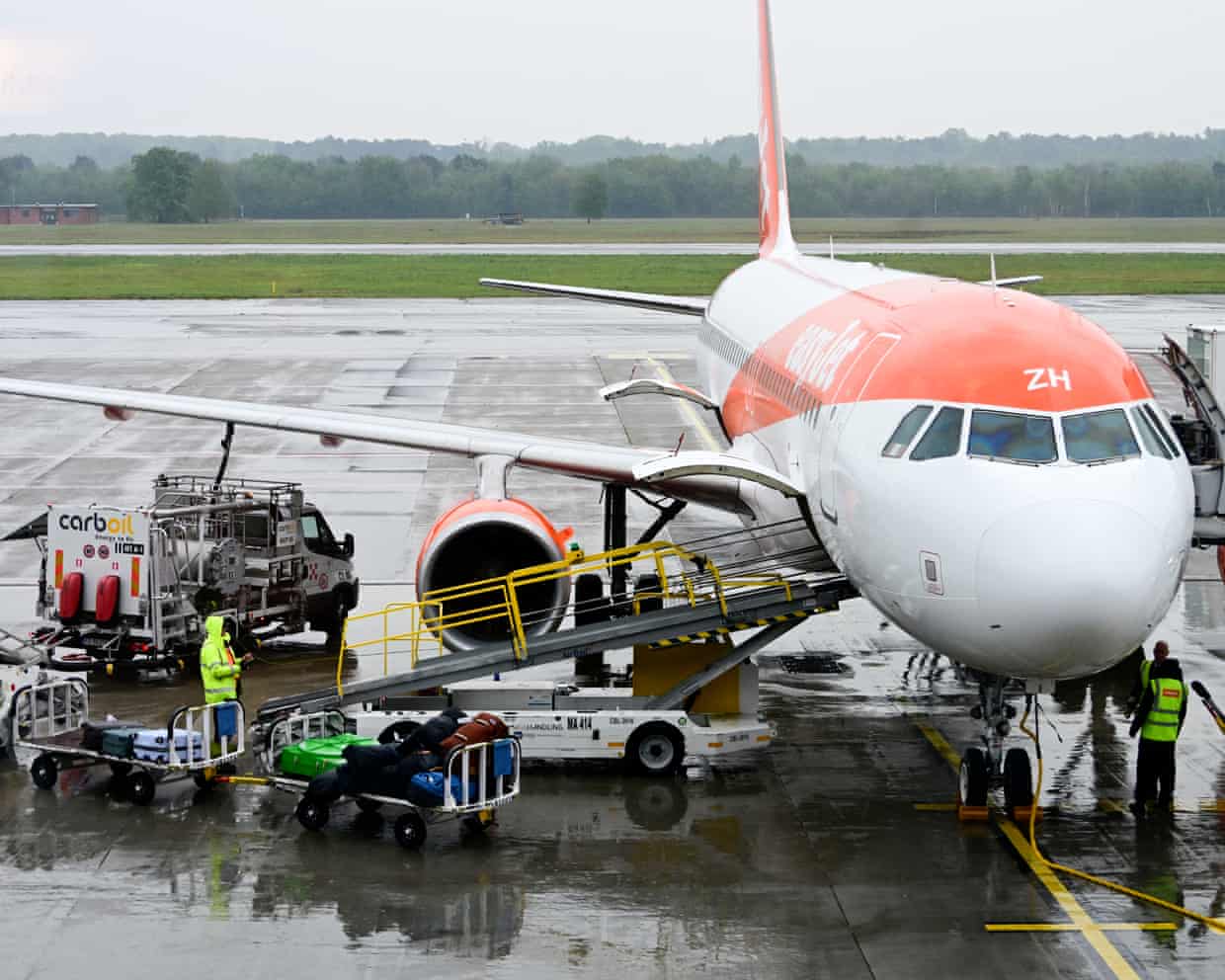
The budget airline easyJet has warned the impact of the Iran war on bookings and oil prices will hit its profits, having driven up fuel costs by £25m in the last month alone.It said it expected to report an increased pre-tax loss of £540-£560m for the six months to March, up from £394m in the first half of 2024-25. The carrier typically makes its money in the second half of the year which includes the peak summer period.The airline said it remained confident in its fuel supply. While it has hedged 70% of its needs for the rest of the financial year to September, it said that each $100 (£74) movement in the spot price jet of fuel per metric tonne was adding £40m in costs for its unhedged supply – and currently the price is about $800 higher than before the conflict started

UK economy showed surprise 0.5% growth before Iran war
UK GDP expanded by a stronger than expected 0.5% in February, official figures show, suggesting the economy was gaining momentum before the onset of war in the Middle East dashed hopes of recovery.The jump, reported by the Office for National Statistics (ONS), was significantly bigger than the 0.1% forecast by economists. January’s flatlining figure was also revised up, to 0
Drax claimed record £999m in subsidies for burning trees in 2025, thinktank says
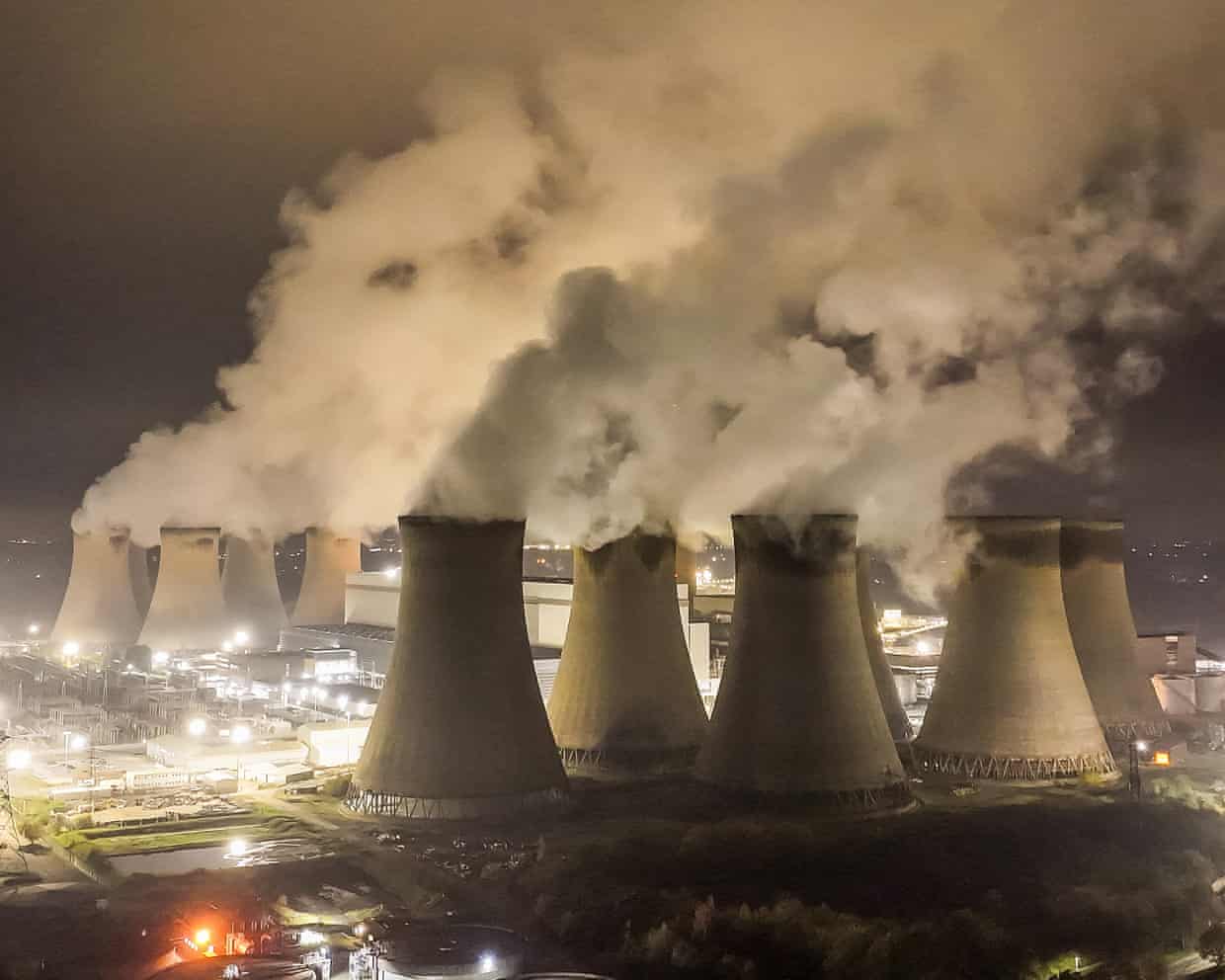
The owner of the Drax power plant in North Yorkshire received record subsidies of almost £1bn for burning trees to generate electricity in 2025, a climate thinktank has calculated.The company was paid £999m last year for generating about 4.5% of Great Britain’s electricity from its biomass plant, costing each household £13 a year, according to analysts at Ember.The power plant was able to claim £2.7m a day from energy bills in part by increasing its power generation by about 2% from the year before – but mostly due to the rising payouts from a legacy renewables support scheme

Reeves gives more energy bill support to businesses as Iran war pushes up costs
Rachel Reeves has announced an expansion of support for the most energy-intensive UK businesses, as they face soaring bills as a result of the Middle East conflict.The chancellor said the long-promised British Industrial Competitiveness Scheme (BICS) would be expanded to cover 10,000 companies, up from the 7,000 originally announced.The scheme, which the government says will cut companies’ bills by up to 25%, will not come into operation until next year, although in a significant concession Reeves said support would then be backdated to this month.The announcement was welcomed by business groups, but some criticised the fact the money would not arrive until next April, urging Reeves to bring support forward as they face a looming crisis as a result of the ongoing closure of the strait of Hormuz.Speaking in Washington, where she is attending the spring meeting of the International Monetary Fund (IMF) this week, the chancellor said: “This government has the right plan for the economy: backing British industry, cutting electricity costs and building a stronger, more resilient future
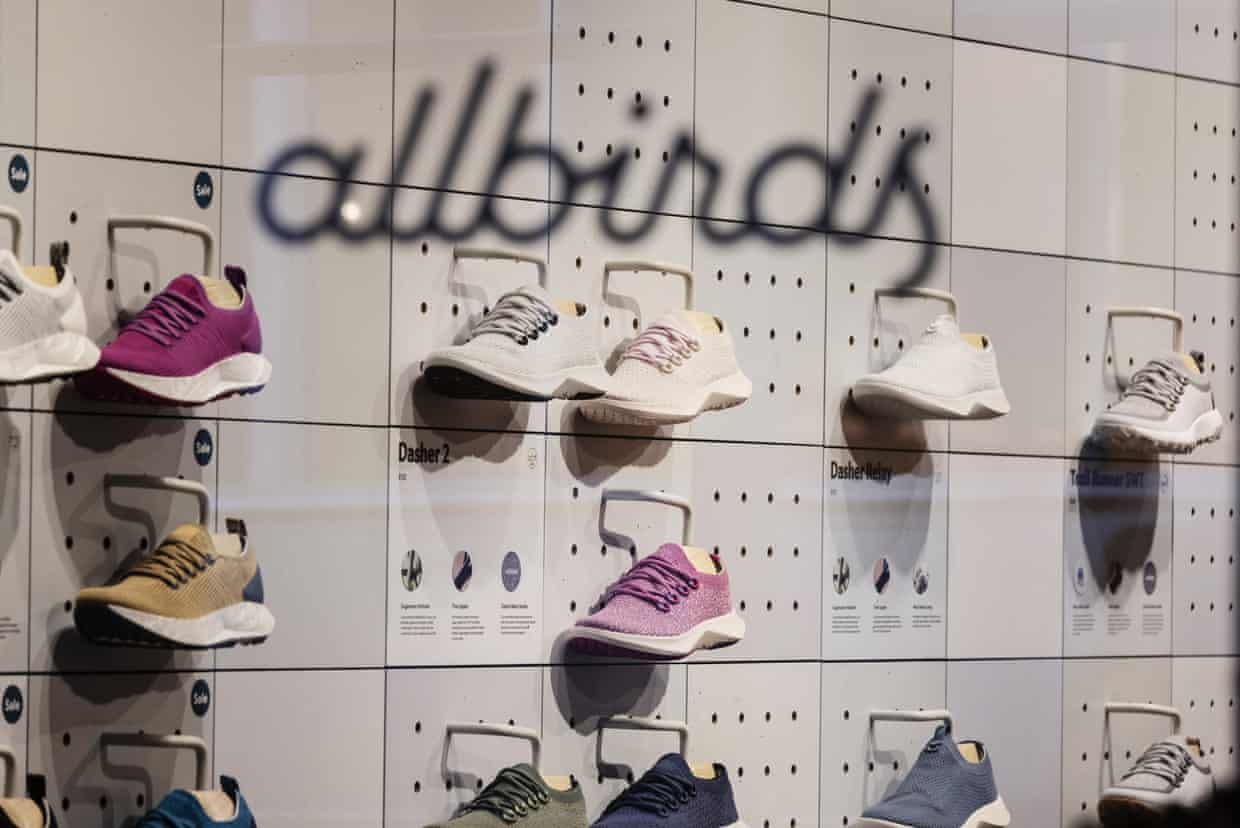
Shares in Allbirds surge after maker of wool sneakers announces pivot to AI
Allbirds, the maker of minimalist wool sneakers beloved by Silicon Valley, announced on Wednesday that it is leaving shoes behind and pivoting to artificial intelligence. The new focus and rebrand as “NewBird AI” sent the company’s stock up 582% as of mid-day during a flurry of trading.The surging stock price and new direction is a bizarre, rapid turnaround for a company that had fallen into disrepair in recent years. Once valued at $4bn, Allbirds’ shares had lost 99% of their worth since 2021 and earlier this month the company announced plans for a $39m sale to brand management firm American Exchange Company.Allbirds’ declaration that it will concentrate on acquiring graphics processing units to help support AI compute stands out as one of the most baffling pivots of the AI boom, a period in which many companies have tried to shoehorn in AI to appeal to investors and the market

Five key questions: who overruled decision to deny Mandelson security clearance?

Officials debate withholding Mandelson vetting documents from parliament

Revealed: Mandelson failed vetting but Foreign Office overruled decision

Blue Labour gets bluer with MP’s noble quest for a summer of sex | John Crace
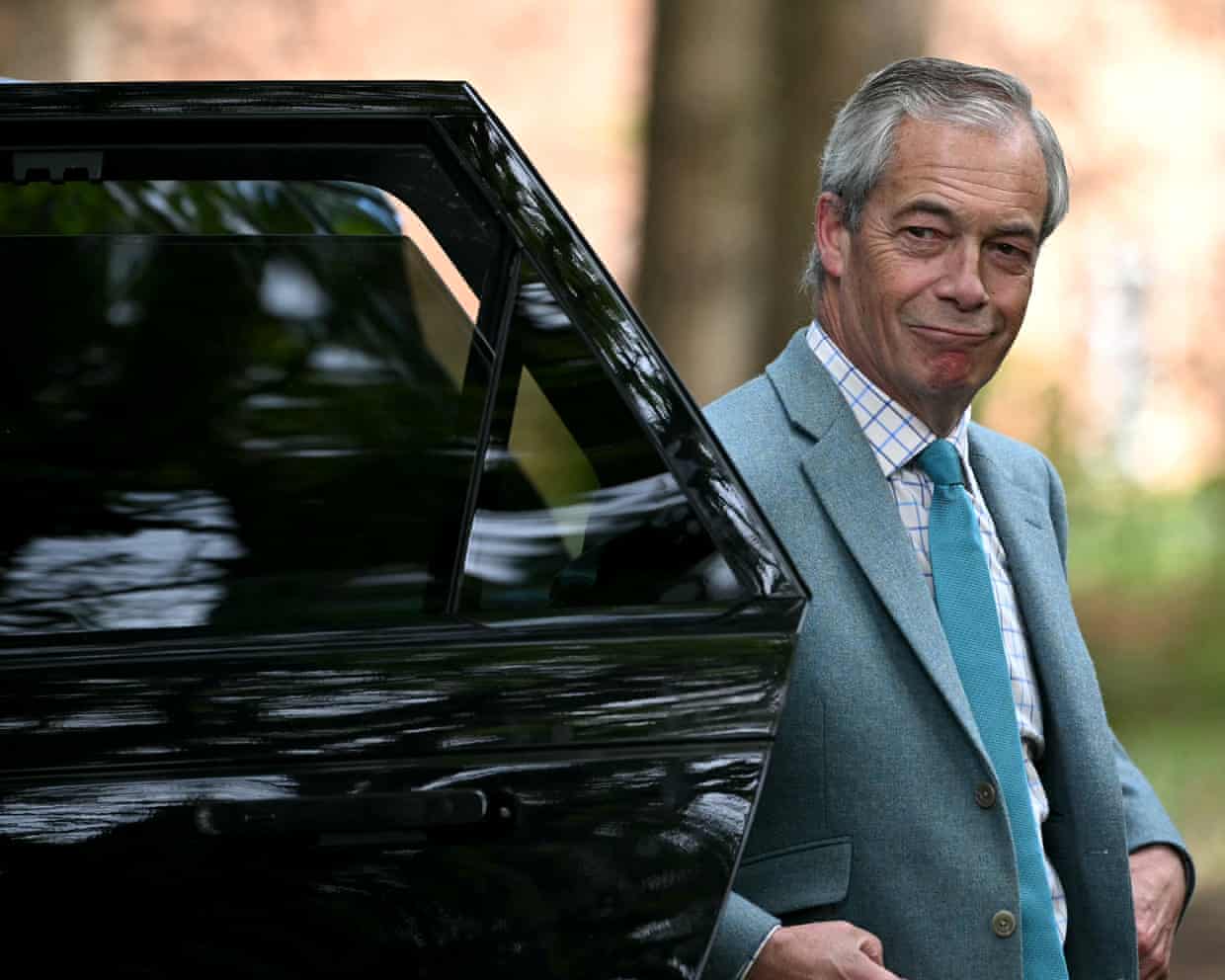
CEO of bitcoin firm championed by Nigel Farage leaves company
David Lammy still plays an important role in UK foreign policy – but he is not the only one