Starmer has chance to put overseas aid and debt relief on G20 agenda | Heather Stewart

If Keir Starmer wants to win back disillusioned voters deserting his party for the Liberal Democrats or the Greens, he could do worse than rediscover Labour’s longstanding moral commitment to international development,Since cutting the overseas aid budget to fund higher defence spending – losing the excellent Anneliese Dodds in the process – Labour has had little to say on the subject, aside from the fact that 0,3% of national income is the new normal,But despite the cuts, Foreign Office sources insist that behind the scenes there is a renewed commitment to winning the argument for “the impact and benefits of international development”,If so, it could not come at a more propitious moment.
There are a series of milestones over the next 12 months and more at which development campaigners argue that the government has a crucial opportunity to work for change, even with its drastically diminished aid budget.First, the development minister, Jenny Chapman, recently confirmed that the UK would host a summit on development cooperation in the first half of this year.She was at the African Union summit in Addis Ababa this weekend, hearing directly from the continent’s leaders.Another UK-convened summit, on illicit financial flows, will follow.Most importantly, though, it is the UK’s turn to chair the G20 group of economies, in 2027, for which the buildup has already quietly begun in Whitehall.
With members including Brazil, China and India – and so broader than the G7 – this is the forum Gordon Brown did much to promote following the global financial crash, convening its leaders in London’s Docklands in 2009 for a crisis-fighting summit,The G20 has since become the home of discussions about issues including debt relief and the world financial system,It was the G20 that agreed a standstill for government debt repayments in 2020, for example, as the Covid pandemic was ripping through the world economy,Yet this year the group’s chair is Donald Trump, who plans to strip away the focus on development and the climate emergency championed by the four preceding chairs, all from the global south – Indonesia, India, Brazil and South Africa,Indeed, fired up by false claims of widespread persecution against the white population, Trump has even suggested that he may refuse even to invite the South African president, Cyril Ramaphosa.
The Washington thinktank the Carnegie Endowment for International Peace has characterised Trump’s approach as a shift towards a “narrower, more nationalised vision”, which “raises fundamental questions about the G20’s purpose, legitimacy and effectiveness at a moment when multilateralism itself is increasingly under strain”,That means the UK will have to pick up the baton next January at a fraught time, when the future of the institution is in flux, but that is exactly why it will be so important,One theme in particular where campaigners believe progress is possible is on easing the burden of unsustainable debt, a key aim of the Make Poverty History push, in which Brown was so closely involved,Analysis by the campaign group Debt Justice shows that average debt repayments for countries in the global south hit 19,2% of government revenue in 2025.
That was the highest level since 1990, eating into spending on critical public services such as health and education.There is a G20 process for renegotiating unsustainable debts: the Common Framework.But it is lengthy and cumbersome and can be held hostage by private-sector bondholders.Five years on from requesting debt restructuring via the framework, the Ethiopian government is facing the threat of legal action from its private-sector creditors in London, which tends to be the backdrop for actions of this kind since so much international debt is issued under British law.One demand of campaigners is for UK legislation that would force private-sector creditors to take part in any renegotiation.
But the bigger prize would be to secure a commitment to outright debt relief for some countries, perhaps capping their repayments at some percentage of revenues,There are also increasingly interesting global conversations, albeit driven by necessity, about the opportunities for greater global south sovereignty over development, in a world where aid flows are diminishing,These include, for example, the Ghanaian president John Dramani Mahama’s “Accra reset”,“Our world as we know it is at an inflection point,” he told an audience at last month’s World Economic Forum in Davos,“Africa intends to be at the table in determining what the new global order will look like.
”Romilly Greenhill, the director of Bond, the umbrella body for UK development organisations, says: “This is a timely moment for the UK to demonstrate its value as an inclusive convener and to rebuild relationships with lower-income countries following the UK aid cuts.” She argues that tax cooperation, and reform of the Bretton Woods institutions that wield such power over the global south – the International Monetary Fund and the World Bank – must also be on the table.Another veteran campaigner, Matthew Martin, the director of Development Finance International, argues: “The UK should focus on restoring the G20 to being a key decision-making forum for dealing with the three urgent crises of our time: debt, climate and inequality.”The issues are complex and nuanced, and will require deft politics, but the prize could be great – and show that new, fairer alliances can be forged in the ashes of the old global order.And even if Labour’s efforts are in vain, the hard diplomatic yards would have the happy side-effect of reconnecting the party with its internationalist heart.
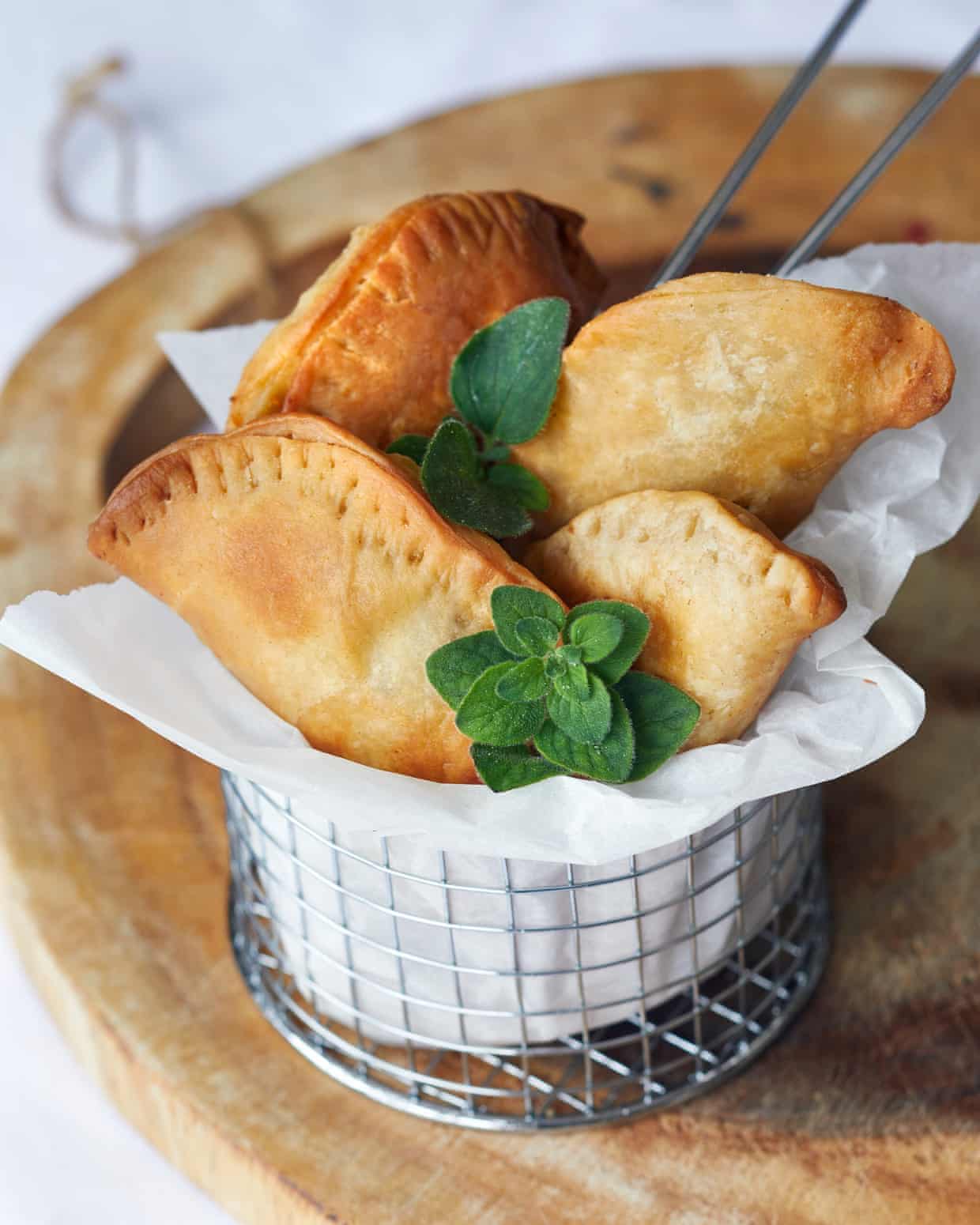
How to plan Ramadan meals: minimal work, maximum readiness
Ramadan arrives this year in February, in the heart of winter. Short days, cold evenings and the pressure of everyday work mean that preparation is no longer about producing abundance, but about reducing effort while maintaining care. For many households balancing jobs, children and long commutes, the question is not what to cook, but how to make the month manageable.The most effective approach to Ramadan cooking is not variety but repetition. A small set of meals that are easy to digest, quick to prepare and gentle on the body can carry a household through 30 days of fasting with far less stress than daily reinvention

Benjamina Ebuehi’s recipe for almond frangipane crepes | The sweet spot
When it comes to pancake day, I don’t discriminate and fill the day with as many types of pancakes as possible – from a fluffy American-style stack in the morning to a savoury buckwheat pancake at lunch, and finishing off with classic crepes in the evening. This version was heavily inspired by an almond croissant, so although it does lean more towards dessert, I won’t judge if this is what you choose to start your day with. Bake them until the edges go crisp but the middle stays a little gooey.Prep 5 min Rest 20+ min Cook 50 min Makes 7-8 crepes120g plain flour ½ tbsp caster sugar A pinch of salt 2 large eggs 240ml whole milk 25g melted butter, plus extra for greasing Icing sugar, for dusting Lightly whipped cream, to serve (optional)For the frangipane90g salted butter, softened90g caster sugar ¼-½ tsp almond extract1 large egg 110g ground almonds 50g flaked almondsPut the flour, sugar and salt in a bowl and whisk briefly to combine. Add the eggs, whisk to a thick paste, then pour in the milk in three batches, whisking each time to avoid any lumps
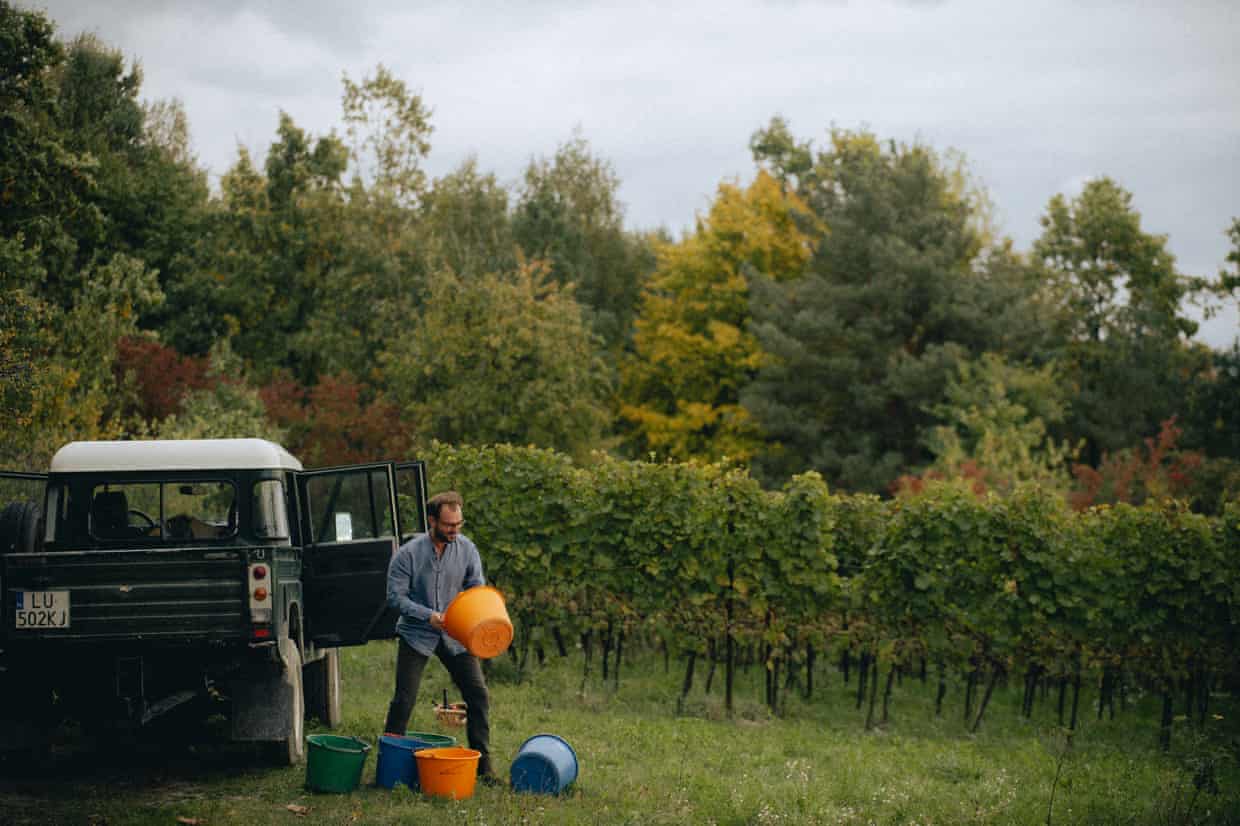
Heard it on the grapevine: Polish wine’s quiet renaissance
Swap the staid stereotypes of Żubrówka vodka and Żywiec lager for vineyards and vintages, because Poland is in the throes of a viticultural renaissance, the likes of which hasn’t been seen for centuries. On a road trip tracing Poland’s best terroirs back in the summer of 2023, I met winemakers going against the grain, unshackled by tradition and producing unpretentious, expressive pours that more than merit a place on your dining table.Lately, Polish wines have been cropping up all over bar and restaurant lists: Niemczańska’s chardonnay at London’s most emblematic Polish restaurant, the borscht-fronted Daquise in South Kensington, say, while chic bar Spry in Edinburgh has started stocking my favourite producers, Dom Bliskowice, Kamil Barczentewicz and Nizio. But you won’t find bottles nestling between the neat rows of kabanos sausages of your local Polski sklep, nor lining the supermarket shelves. Or not just yet, anyway
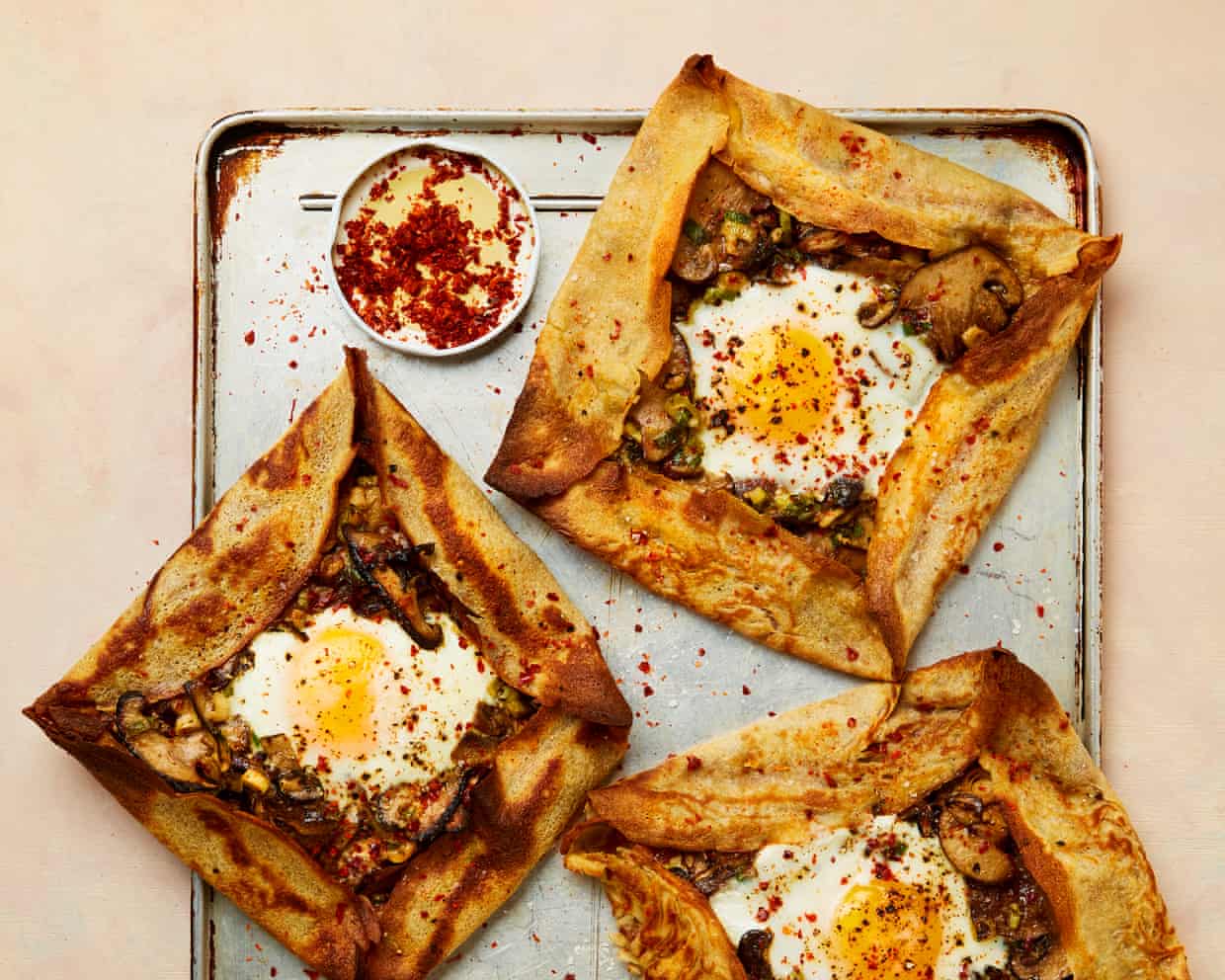
My love letter to Brittany’s best exports
Every February – or occasionally March – I get together with two friends to gorge on pancakes; I provide the pan, Caro does the cocktails and poor old Harry is invariably the chef because she never fails, even three ciders in. With two half-Frenchies in the room, we always start with buckwheat galettes, usually served complète with gruyère, ham and a fried egg (though the more we eat, the more adventurous the combinations become). Then we move on to softer, thicker British sweet pancakes with lemon juice and crunchy demerara sugar to finish. We rarely manage to meet on Shrove Tuesday itself, but apart from the year I went vegan for Lent, that’s no problem. After all, any cold, dark evening is improved by a pancake party
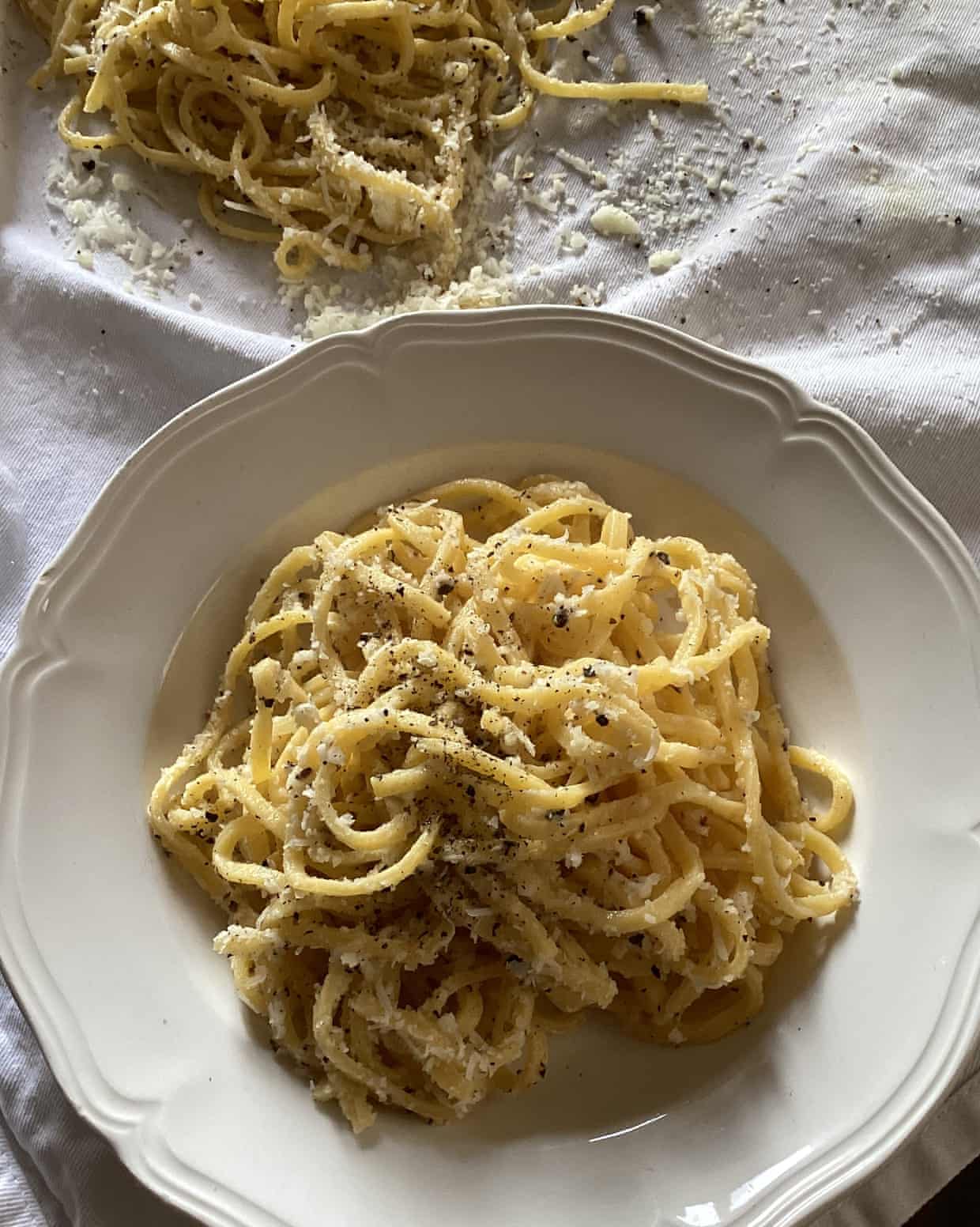
Rachel Roddy’s recipe for cacio e pepe, the old-fashioned way | A kitchen in Rome
Nightclubs, mechanics, restaurants, a theatre, a wholesale butcher and an Apostolic church occupy some of the network of caves and tunnels that, over the centuries, were burrowed into Monte Testaccio, an ancient rubbish dump hill in the middle of Rome that’s made entirely of broken amphorae. Some places make a feature of their situation, revealing sections of pots not dissimilar to the cross section of snapped wafer biscuits, while others have smoothed the curves with plaster.A few use the caves as originally intended – that is, as natural warehouses offering steady low temperatures and good humidity. In short: the ideal temperature for storing certain foods and wine. Most recently, Vincenzo Mancini, whose project DOL distributes artisanal products from small agricultural realities in Lazio, has taken over a deep cave behind door 93, reclaiming it as an urban ageing space for cheese and cured meat
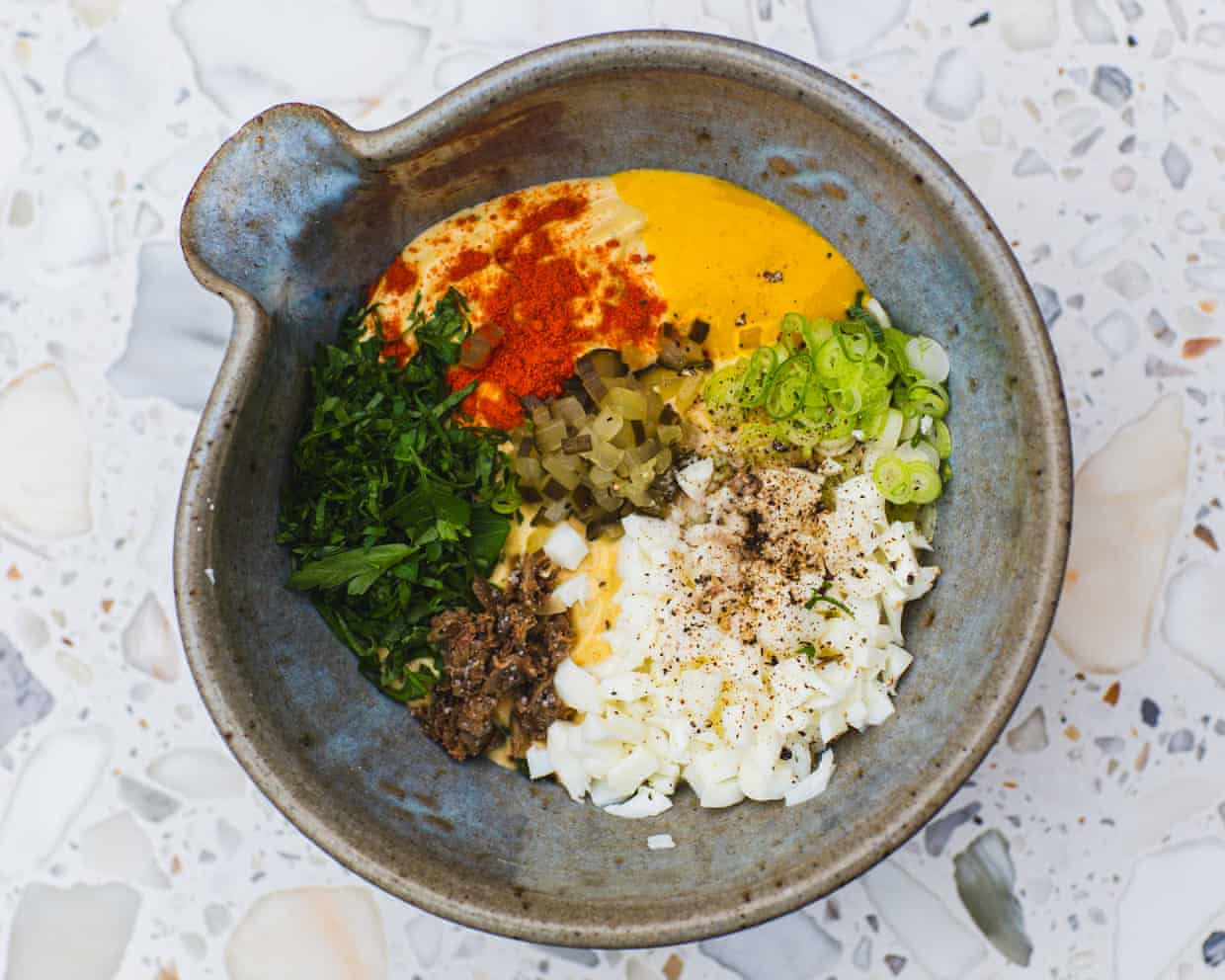
How to use up leftover pickle brine in a tartare sauce – recipe | Waste not
Depending on country, region, household or restaurant, every cook makes tartare sauce in their own way. Inspired by Auguste Escoffier’s exceptionally simple tartare, I’ve given his recipe a zero-waste twist by using whole boiled eggs and swapping in pickle brine from a jar of gherkins or capers to replace the vinegar. Everything else is optional: tarragon, mustard, cayenne … add what you like or have in store.Traditionally, tartare sauce is delicious with fish and chips, calamari or in a chicken sandwich, but I also like it tossed through potato salad with tinned sardines and radicchio. It’s also great as a dip with crudites and on top of a steaming jacket potato

Bank of England should cut rates to boost consumer spending, says TUC

Even amid rising economic uncertainty, now is not the time to hug your job | Gene Marks

California’s billionaires pour cash into elections as big tech seeks new allies

No swiping involved: the AI dating apps promising to find your soulmate

India rout Pakistan in T20 World Cup grudge match after Kishan’s ‘amazing’ innings

Weston and Stoecker strike gold to cap GB’s greatest day at Winter Olympics