Even amid rising economic uncertainty, now is not the time to hug your job | Gene Marks

After all the employee protests over the past few years – the “great resignations”, the “quiet quittings”, the “bare-minimum Mondays” and “coffee badgings” – we have finally arrived at “job hugging”.Amid all the economic uncertainty and the rising costs of everything, people aren’t feeling as confident as they once were.Instead of slacking off while you hunt for something better, everyone’s scared about losing their jobs.With all the news about big corporate layoffs and the ominous and still-undefined threat of AI, it’s understandable that people are hugging their jobs.A recent report from job search site Monster.
com found that nearly half of employed workers say they’re currently staying in their roles longer than they otherwise might, for comfort, security or stability, with three-quarters expecting to remain in the same job for at least two more years,“Workers are holding on tighter than ever, but not because they’re complacent,” said Vicki Salemi, a career expert at Monster,“It’s because they’re cautious,Job security and stability have become emotional safety nets,The new loyalty is about survival, not necessarily satisfaction.
”If you’re one of these job huggers, then take it from me: you’re killing your future,I’m not saying you should leave your current job,If you really like the company you’re working at and the work that you’re doing and the people you’re working with, then good for you,But don’t just hug your job,Because – unless what you do doesn’t involve a computer – your job isn’t going to be the same in a very short period of time.
It may not even exist at all.Tech companies are rolling out AI-based agents, bots and software that will – in the not-too-distant future – do everything from write press releases, answer customer questions, place orders and reconcile bank accounts.Hugging your existing job is like hugging your sick dog who’s about to be put down.There is no miracle that’s going to save either.The good news is that your employer is just as confused as you.
I’d love to make time stand still.But I see big changes coming for my business too, and I don’t have all the answers.My business depends on my people.I want them to come to me with solutions.I want them to have my back just as much they want me to have theirs.
Hugging their existing job may prove their loyalty,But it’s not helping my business,I know that my business will have to adapt to the technology wave that’s fast coming,I’ll be loyal to any worker who is willing to step up and adapt along with me,Which is why a job hugger hurts employers like me.
People are so concerned about losing their job that they only think about what they can do for themselves and not my company.They make decisions to protect what they do.They don’t take risks.They avoid additional work.They are averse to taking chances.
They’ll shun responsibility.This can only last for so long.Business owners like myself are never “hugging” our jobs.We’re constantly looking for new ways to make money.Or cut costs.
Or run more efficiently.Job hugging is a form of suicide.If we stay still, we die.It’s no different if you’re an employee.If you’re not a big fan of the company, don’t just sit there.
Look for something else while you still have your existing job,You’re much more marketable (and have a stronger negotiating position) when you’re still employed,It may seem that clinging to stability is the safe way to go,But it’s a perilous long-term strategy,You’re not learning new skills.
You’re not adapting.You’re not taking strategic risks.Job hugging is a losing strategy.Now is not the time to stand still.

Fast-spreading measles outbreak takes hold among under-10s in north London
A big measles outbreak in north-east London is affecting unvaccinated children under the age of 10, the UK Health Security Agency (UKHSA) has confirmed.UKHSA previously reported 34 laboratory-confirmed measles cases among children who attend schools and nurseries in Enfield from 1 January to 9 February, with some requiring hospital treatment.Measles is a highly infectious viral illness that can spread very easily among people who are not fully vaccinated. While many people recover, the illness can lead to serious complications such as pneumonia, brain inflammation and, in rare cases, long-term disability or death.Dr Vanessa Saliba, a consultant epidemiologist at the UKHSA, said: “Our latest data shows we are now seeing a big measles outbreak in north-east London, mostly affecting unvaccinated children under 10 in schools and nurseries, with some being hospitalised

Challenges of being a GP in remote areas | Letter
Regarding your report (Lake District village struggles to find GP – despite ad pledging ‘we’ll never run out of beer’, 11 February), Coniston’s situation is not a question of marketing flair but of structural pressure in rural general practice.Findings from a recent survey of our member doctors working in rural and remote areas underline the scale of the challenge. One in four doctors told us that working in a single-handed practice has negatively affected their wellbeing or contributed to burnout.A striking 71% believe rural and remote healthcare is not properly understood by government and policymakers. Doctors have told us that there is a “lack of rural-proofing policy”, with services increasingly centralised and general practice described as “defunded and salami-sliced”

Jess Phillips calls for Epstein files to be catalyst for long-term legislative change
Institutions can be persuaded to take action on violence against women and girls only when some sort of “calamity” or “political scandal” hits the headlines, Jess Phillips has said.Phillips, the minister for safeguarding and violence against women and girls, said she wanted to use the momentum from the Jeffrey Epstein files to push for long-term legislative change and greater support for survivors, rather than quick-fix reactive policy announcements.Writing for the Guardian, the Labour MP for Birmingham Yardley said: “If repentance and sorrow is all we achieve out of the courage of the Epstein victims, we will have failed. Change is all that will suffice.“The long-term strategy of the government must be exactly that – long term

‘It matters if you have a parent with an expensive house’: how Australia’s great wealth transfer threatens faith in the fair go
Kim Day has got word that her mother-in-law is dying. At last. It’s good news for one half of Kath and Kim, the noughties comedy series that delighted international audiences with its satirisation-come-celebration of the comforts, proclivities and aspirations of middle Australia. By series three, Kim (Gina Riley) is struggling; she has a new baby and is living in her mother Kath’s (Jane Turner) house in Fountain Lakes – a mottled-brick, wide-lawned every-suburb. But her mother-in-law on the Gold Coast is rich
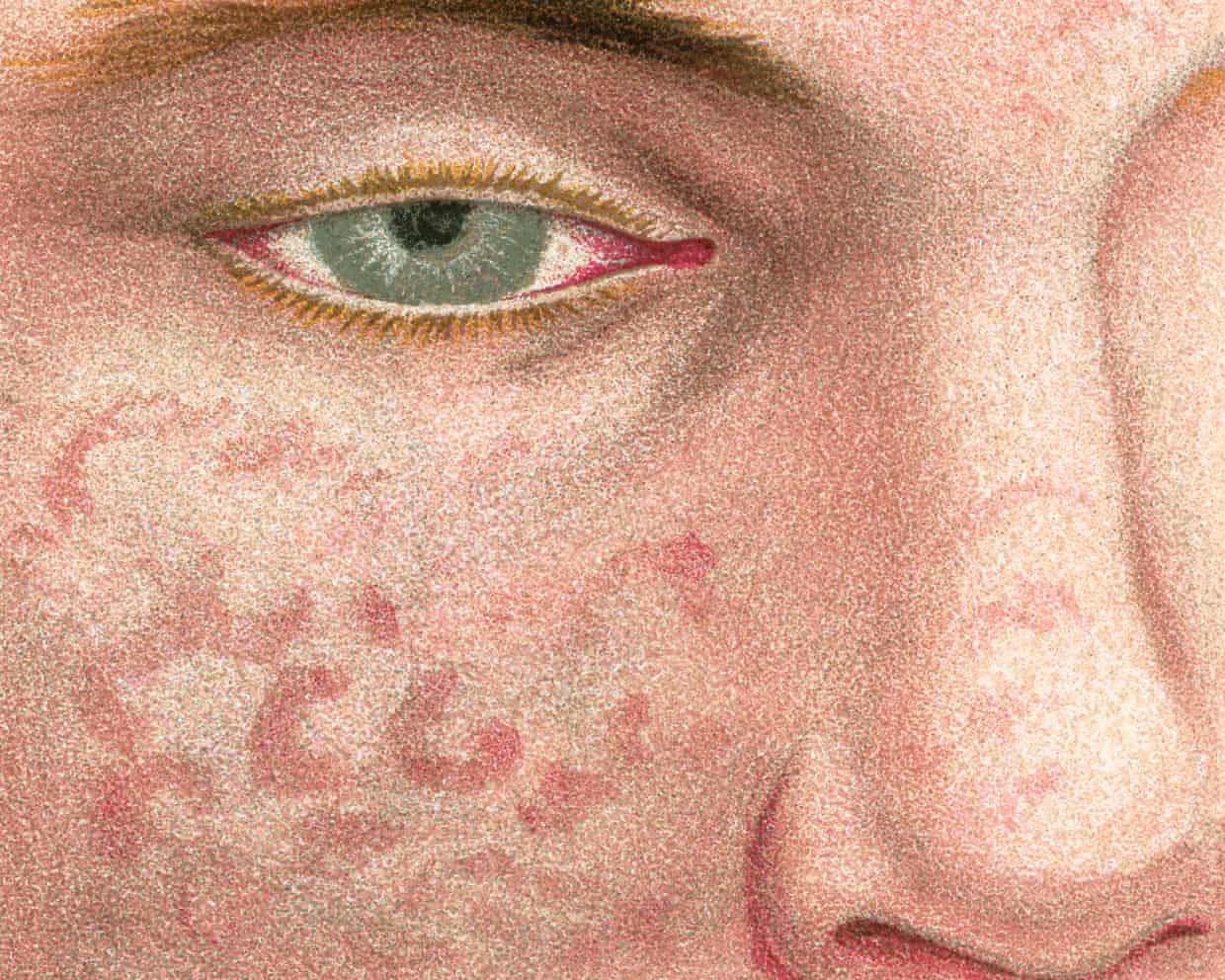
‘We almost lost you in the night’ - the life-threatening rise of measles in the UK
Saijal Ladd’s week in hospital remains a blur. The very worst days still feel like a fog, punctuated by two nightmarish memories. First, attempting to speak to a consultant to discuss if she should be rushed to ICU, but being unable to form words through her breathlessness. And later, a family member’s exhausted face mouthing: “We almost lost you in the night.”The 53-year-old had called an ambulance when what she had assumed was flu became so severe she could barely walk, and she experienced diarrhoea and violent vomiting
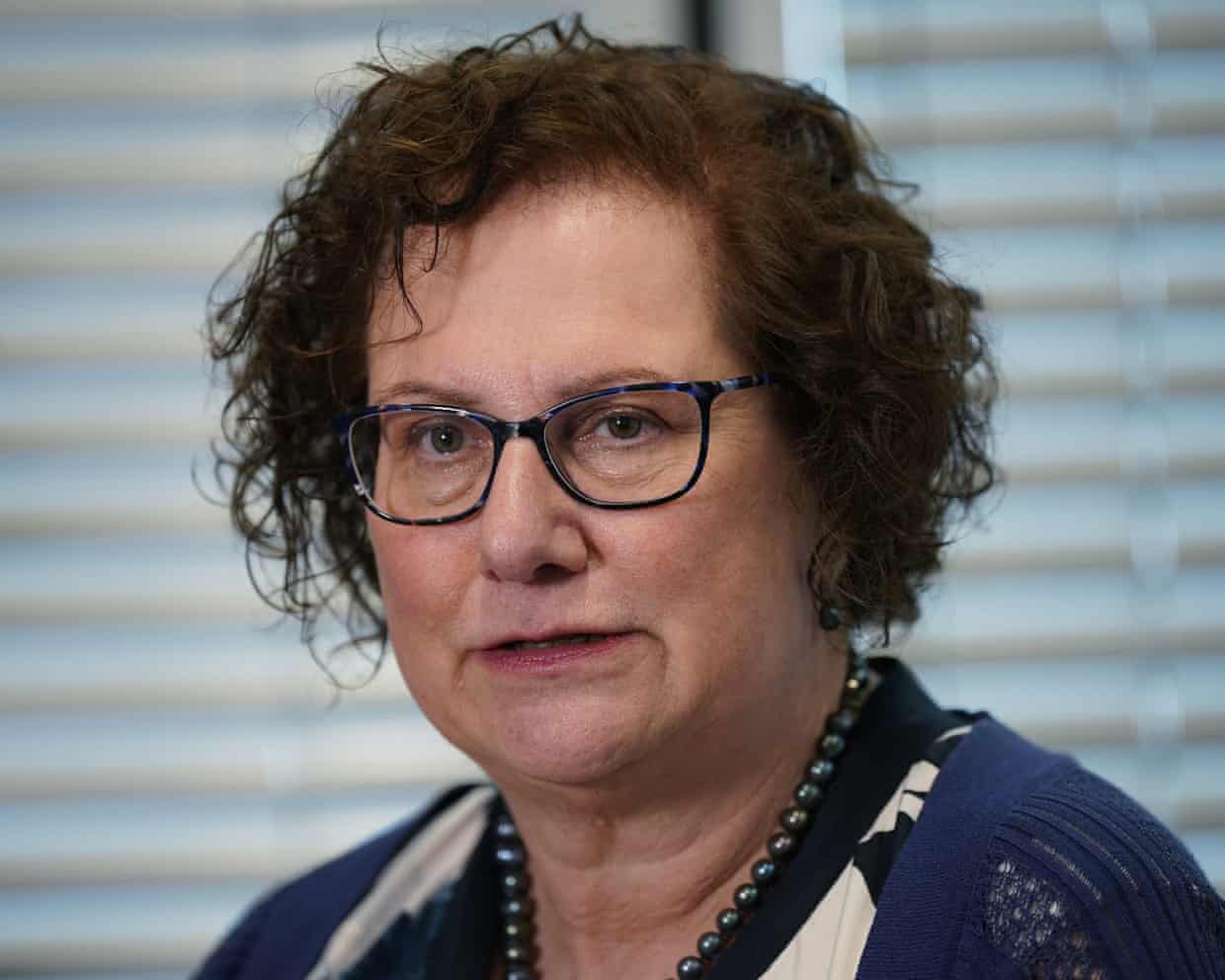
Social media misleads young on gender transitioning, says UK review leader
The expert who led the review into youth gender identity services has said young people are being misinformed by “unrealistic” portrayals of transitioning on social media.Hilary Cass, the British paediatrician whose review of NHS gender care led to a significant shift including a ban on puberty blockers, warned of “unrealistic images and expectations on social media” when it came to “what transition would really mean and how hard it would be”, including “quite intensive medical treatments” and “sometimes quite brutal surgeries”.Lady Cass told Sunday with Laura Kuenssberg: “There are a tiny number of people who will never be comfortable with their biological sex, with the gender associated with their biological sex. For them, a medical pathway is the only way they’re going to live their life comfortably.“We don’t understand why that is, but we have to try to help those people thrive as much as the young people who are going to grow out of this

Bank of England should cut rates to boost consumer spending, says TUC
Even amid rising economic uncertainty, now is not the time to hug your job | Gene Marks

California’s billionaires pour cash into elections as big tech seeks new allies

No swiping involved: the AI dating apps promising to find your soulmate

India rout Pakistan in T20 World Cup grudge match after Kishan’s ‘amazing’ innings

Weston and Stoecker strike gold to cap GB’s greatest day at Winter Olympics