Wall Street index rises above 7,000 for the first time; SpaceX mulls $1.5tn IPO in June – business live

On Wall Street, the S&P 500 index has gone through the 7,000 mark for the first time, driven by optimism around artificial intelligence and expectations of strong results from big technology companies.The index is now up 29 points just below the 7,000 level.The tech-heavy Nasdaq rose 150 points, or 0.6%, to 23,967 at the open.It took about three years for the S&P 500 to rise to 5,000 points from 4,000, but only about nine months to jump from 5,000 to 6,000, in November 2024.
Technology stocks account for nearly half of the S&P 500.Facebook and Instagram owner Meta, Microsoft and Tesla are due to report earnings later today.The Federal Reserve is expected to hold interest rates steady at it the end of its two-day meeting, at 7pm GMT.Wall Street stocks are higher, with the S&P 500 crossing through the 7,000 mark for the first time.Over here, the FTSE 100 index has slipped 0.
35% to 10,172 while the French and Spanish stock markets have tumbled more than 1%.The US dollar has stabilised somewhat, but is hovering at a four-year low against a basket of major currencies.Yesterday Donald Trump brushed off concerns over the currency’s fall, sending investors fleeing to traditional havens including gold and the Swiss franc.Spot gold broke through $5,300 an ounce at one stage, and is now 1.7% higher at $5,275 an ounce.
Our other main stories:Thank you for reading.We’ll be back tomorrow.Take care! – JKOn Wall Street, the S&P 500 index has gone through the 7,000 mark for the first time, driven by optimism around artificial intelligence and expectations of strong results from big technology companies.The index is now up 29 points just below the 7,000 level.The tech-heavy Nasdaq rose 150 points, or 0.
6%, to 23,967 at the open.It took about three years for the S&P 500 to rise to 5,000 points from 4,000, but only about nine months to jump from 5,000 to 6,000, in November 2024.Technology stocks account for nearly half of the S&P 500.Facebook and Instagram owner Meta, Microsoft and Tesla are due to report earnings later today.The Federal Reserve is expected to hold interest rates steady at it the end of its two-day meeting, at 7pm GMT.
Luca Bindelli, head of investment strategy, and Kiran Kowshik, currency strategist at the Swiss private bank Lombard Odier, have looked at the recent dollar weakness.Purported coordinated intervention signals from the Federal Reserve and the Bank of Japan to counter previous excessive Japanese yen weakness have reinforced market perceptions that US authorities may be increasingly willing to tolerate a softer dollar.Against a backdrop of heightened geopolitical uncertainty, US trade policy, and the upcoming Federal Reserve chair nomination, where concerns about institutional independence linger, dollar downside risks have risen alongside a pick-up in currency volatility.The dollar’s decline broadened and accelerated after President Trump stated he was comfortable with the currency’s year‑to‑date softness.These developments also fuelled fears of monetary debasement, helping explain the concurrent rise in gold prices.
Thus far, the impact on US bond markets has been limited, while equities have continued to hold their ground, with the earnings season remaining the dominant market driver,A weaker US dollar generally reflects improved global liquidity conditions and tends to support broader risk markets, particularly emerging markets,While we do not view a disorderly dollar move as our base case given the still‑elevated US real interest rate premium relative to G10 currency peers and the country’s strong earnings‑growth leadership within developed markets, a sharper downside scenario would likely see gold continue to outperform, even potentially accelerate despite its already-stretched momentum,We maintain our overweight stance in emerging market assets and gold,Marston’s shares plunged 16%, even though the British pub chain reported strong festive sales.
Investors were spooked by flat like-for-like sales over the 17 weeks to 24 January and questioned whether the company can sustain momentum.The share price is now down 12%.The owner of more than 1,300 pubs across Britain said like-for-like sales rose 4% over the festive period between 21 December and 3 January.The lacklustre performance beyond the holiday season raises concerns about underlying consumer demand, as the hospitality sector is facing rising costs.JPMorgan analysts noted that the flat sales lagged those of its closest rival, Mitchells & Butlers, which reported 4.
5% like-for-like sales growth in the first quarter.Last week, JD Wetherspoon warned 2026 profit could fall as it grapples with mounting costs from energy bills, repairs, and property taxes.Marston’s has kept a tight lid on costs and upgraded its sites to attract more punters, and is confident it will meet full-year underlying pretax profit forecasts of £78.7.It hopes events including the 2026 FIFA World Cup will bring more people into its pubs.
Yesterday, the government announced a support package for pubs and live music venues in England, providing some relief from the property tax rises announced in the November budget, which left the hospitality industry reeling and hit pubs particularly hard.The GMB union has responded to the latest wave of job cuts at the US retail technology giant Amazon, which will also affect the UK, although we don’t know how many.Rachel Fagan, GMB Organiser, said:Amazon is showing itself for what it is; a company that cannot be trusted to do the right thing by working people in the UK.Bosses are overseeing thousands of job losses which will cause huge damage in towns and cities across the country.Now is the time for decision makers to recognise Amazon as a company fixated on eye-watering profits at the expense of workers and local people.
Elon Musk’s SpaceX is considering a flotation valuing the rocket company at $1,5tn (£1,1tn) that will reportedly be timed for early summer to coincide with a planetary alignment and the multibillionaire’s birthday,The world’s richest person is targeting a symbolic date of mid-June for the initial public offering, according to the Financial Times,This would be around the same time as Jupiter and Venus appear in close proximity to each other and shortly before Musk turns 55 on 28 June.
The FT also reported that SpaceX is seeking to raise $50bn – valuing the rocket company at $1.5tn – compared with previous reports that it was looking for $25bn at an $800bn valuation.Last week, it was reported that the rocket company was considering Bank of America, JP MorganChase, Goldman Sachs and Morgan Stanley for leading roles in the share sale.Musk, whose $680bn fortune would be turbo-boosted by a SpaceX flotation, said last year the company’s annual revenue would be $15.5bn, with $1.
1bn of that coming from contracts with Nasa.The billionaire owns about 42% of SpaceX, as well as nearly 17% of the electric carmaker Tesla, where he is chief executive.He also owns more than three-quarters of the social media platform X.The way UK inflation is calculated will now include collecting price data from supermarket checkout scanners, the Office for National Statistics said, after years of delays.This means that the inflation rate will be slightly lower when applied to past data.
In a bid to modernise how consumer prices are measured, the ONS said that from March, the prices shoppers pay at supermarket checkouts or online will be incorporated into its inflation data.Until now, the ONS has measured inflation by sending out price checkers at the same time every month to shops around the UK to record the prices of specific items.Prices were also collected from websites, telephone calls, catalogues and brochures.The switch to taking data straight from supermarket tills comes five years after the ONS first announced plans to do so, due to the unexpected size and complexity of the switch.The ONS said the process has involvedreplacing 25,000 monthly price points… with 300m price points derived from sales of over a billion units of products per month taken directly from checkouts.
The statistics body said the data will also enable it to better capture the impact of a wider range of promotions, such as store discount cards, on average price inflation.This is because it will be the price charged at the till, not the price shown on the shelf, that will feed into the inflation statistics.If the new supermarket scanner data had been used between January 2019 and June 2025, it would have lowered the average inflation rate by 0.03 percentage points, and led to a 0.1 percentage point difference in the published rate in 39 out of 66 months, the ONS said.
It said it would also collect an additional day of prices for hotel stays in its inflation data each month to iron out the volatility that can come during a major event such as a big sports match or music concert.Amazon has now officially told staff it plans to cut around 16,000 jobs globally as part of efforts to streamline its operations, after it sent an email to its employees in error.It is the latest major round of job cuts at the retail technology giant, coming only three months after it axed 14,000 jobs.It is understood the bulk of jobs impacted by the latest cuts will be in the US but there will also be some job losses in the UK.The company did not disclose how many UK workers will be affected.
Beth Galetti, senior vice president of people experience and technology at Amazon, told staff in a blog post:As I shared in October, we’ve been working to strengthen our organisation by reducing layers, increasing ownership and removing bureaucracy.Some of you might ask if this is the beginning of a new rhythm – where we announce broad reductions every few months.That’s not our plan.Here’s our full story on the dollar:The US dollar has fallen to its lowest level in four years after Donald Trump brushed off concerns over the currency’s fall, sending investors fleeing to traditional havens including gold and the Swiss franc.The dollar dropped by 1.
3% against a basket of currencies after the president’s comments on Tuesday, marking its fourth day of declines, then slipped by a further 0,2% on Wednesday morning,“No, I think it’s great,” Trump said of the weaker dollar, during a visit to Iowa to promote his record on the economy,Asked whether he was concerned about the currency’s slide, he told reporters: “I think the value of the dollar – look at the business we’re doing,The dollar’s doing great.
”The greenback has tumbled by 10% over the past year, while Tuesday’s fall was the largest one-day drop since last April, when Trump announced his sweeping tariff plans, marking a global market sell-off.The dollar has now touched its lowest level since February 2022, after unpredictable US policymaking, including Trump’s recent threats to take over Greenland and impose further tariffs on European allies, unleashed fresh geopolitical shocks.“A weaker dollar is a two-sided coin,” said Steve Sosnick, a market strategist at Interactive Brokers, adding that it was good for multinational companies.If you have operations around the world and foreign currency revenue that will have a conversion advantage when you turn it into US dollars, that will be good.On the other, it makes imported goods more expensive and there might be some inflationary impact from that.
The dollar’s slide has also propelled some rival global currencies to multi-year highs.The Swiss franc has soared to its highest level against the dollar in more than a decade, as traders have sought out a store of wealth traditionally viewed as a haven insulated from global volatility.The franc has already climbed 3% against the dollar so far this year, after a 14% rise in 2025.The euro has also surged to $1.20 against the dollar, setting a new milestone, while the pound hit $1.
38 for the first time since October 2021.Here are the comments in full from Chuck Robbins, who runs Cisco Systems which produces IT infrastructure enabling use of AI.He told the BBC the technology will be “bigger than the internet”, but the current market is probably a bubble and some companies “won’t make it,” as reported earlier.There’s been a lot of discussion about: ‘Is this a bubble?’.And the answer is probably yes, but we had a bubble in 2000 with the internet.
And look at where we are today,So the winners emerge, and there’s carnage along the way, but it is going to be bigger than the internet,It feels a lot like it (the dotcom crash), but what happens is you’ll have money that will be invested in companies that won’t make it, but the winners will emerge, the applications and use cases will begin to evolve,Robbins compared AI to iPhones, with the constant development of new applications, saying new uses for the technology will develop over time,He said it will make “lots of things better”, but also has “potential risks we all have to mitigate”.
British Land, one of the UK’s biggest property developers which owns the office complex Broadgate in the City of London, has struck a £150m deal to buy Life Science REIT (real estate investment trust).British Land focuses on building office and shop clusters in London, and is one of the country’s largest owners and operators of out-of-town retail parks.It is also constructing lab buildings, for example in the Knowledge Quarter near King’s Cross station in north London.The company said it “sees a compelling opportunity to grow its Science & Technology footprint” through the acquisition, adding five well-located assets.The Life Science REIT portfolio is all located with the “golden triangle” of Cambridge, Oxford and London.
It contains two central London buildings within the Knowledge quarter, a modern 24-acre technology park in Oxford, and a 13-acre campus and another building in Cambridge.British Land acknowledged that demand for lab space was “more muted” in 2025.It is paying 42.8p for every Life Science REIT share.That firm’s share price jumped by 19% to 42
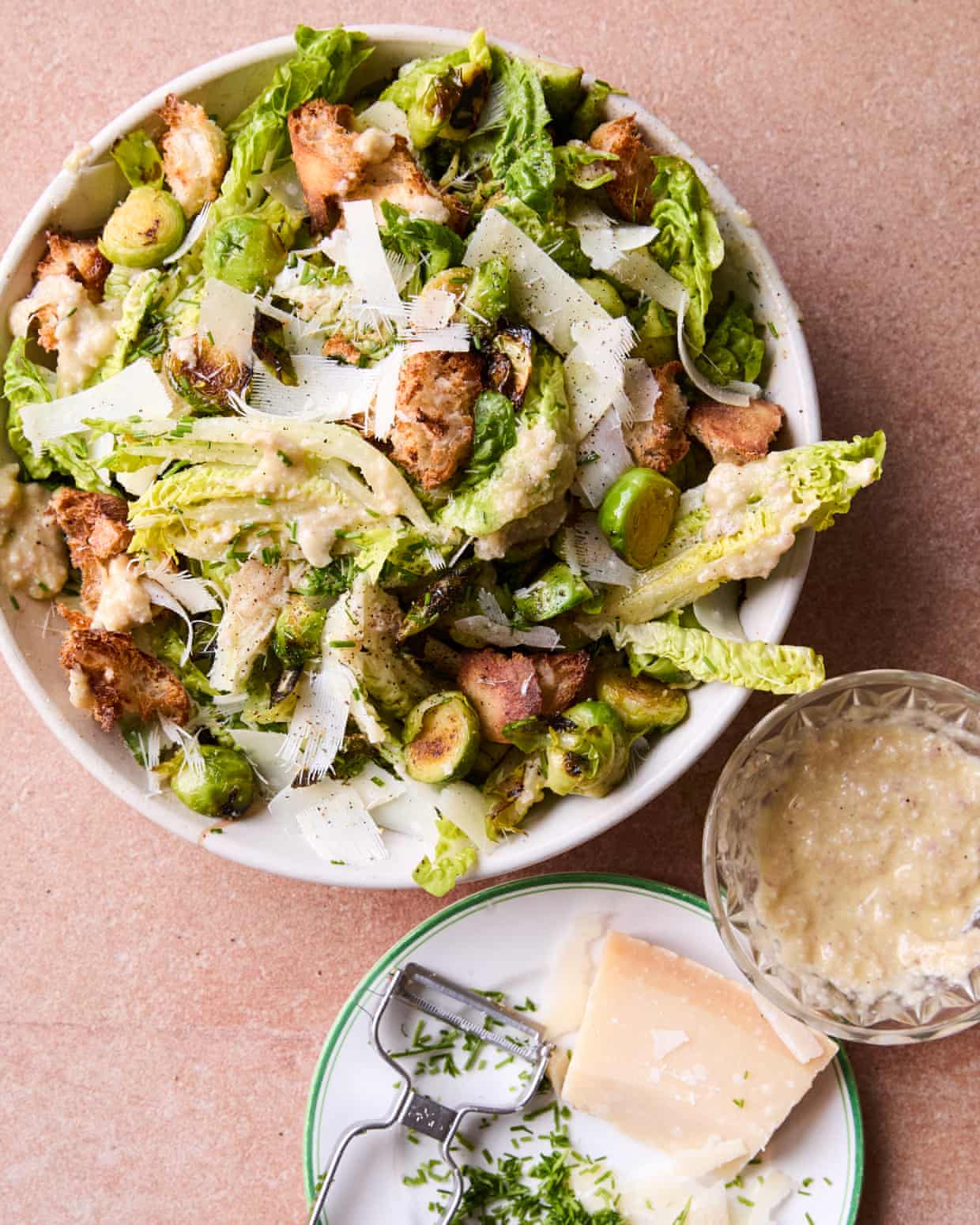
Georginia Hayden’s quick and easy recipe for roast sprout salad with anchovies and parmesan | Quick and easy
Brussels sprouts are for life, not just for Christmas. They’re still making a regular appearance in our house, from shredded and stir-fried with chilli and spice, to roasted and dressed, as in this salad. And what a salad it is: with a caesar-esque dressing, it is crisp, salty and crunchy, and hits all the right notes. You can bulk it out, if you like, by topping it with a few soft, jammy boiled eggs cut into wedges or some shredded leftover chicken. However, it is pretty perfect as it is, as a light lunch or side
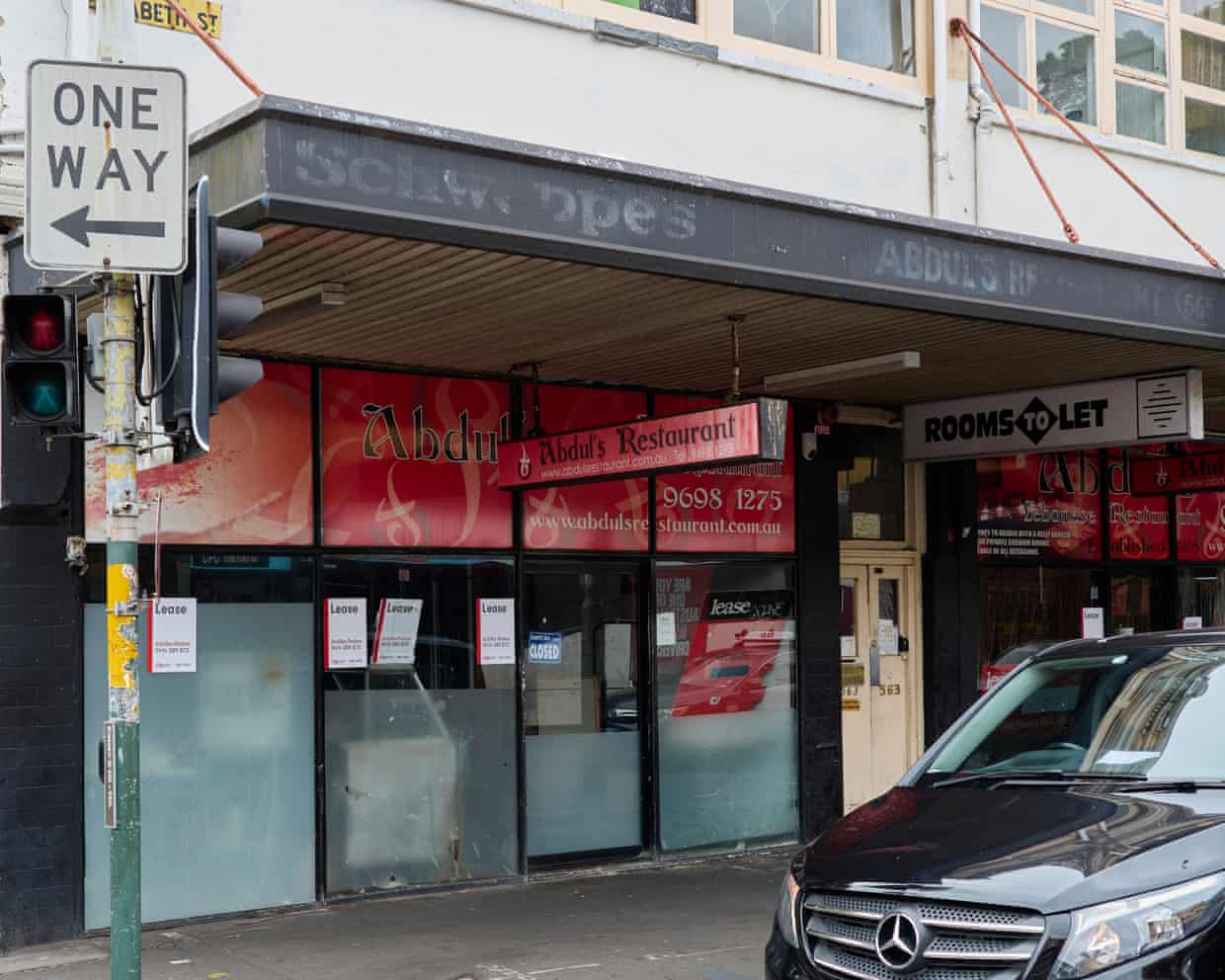
‘Dad never took his customers for granted’: remembering Abdul’s in Sydney’s ‘Little Lebanon’
When Abdul’s Lebanese Restaurant closed earlier this month, it was a shock. A beloved fixture of inner Sydney’s landscape since 1968, the restaurant fed celebrities, broke students and anyone in need of a hearty kebab at the end of a night out.For Hiba Damaa, whose parents Dib and Nizam Ghazal opened the restaurant and named it after her eldest brother Abdul – who eventually ran it with his two brothers – it represented the pioneering spirit of early Lebanese migration.“Abdul’s originated as a Lebanese sweets and pastry shop run by my brother-in-law,” she says. “When he wanted to move on, my parents started selling falafel sandwiches
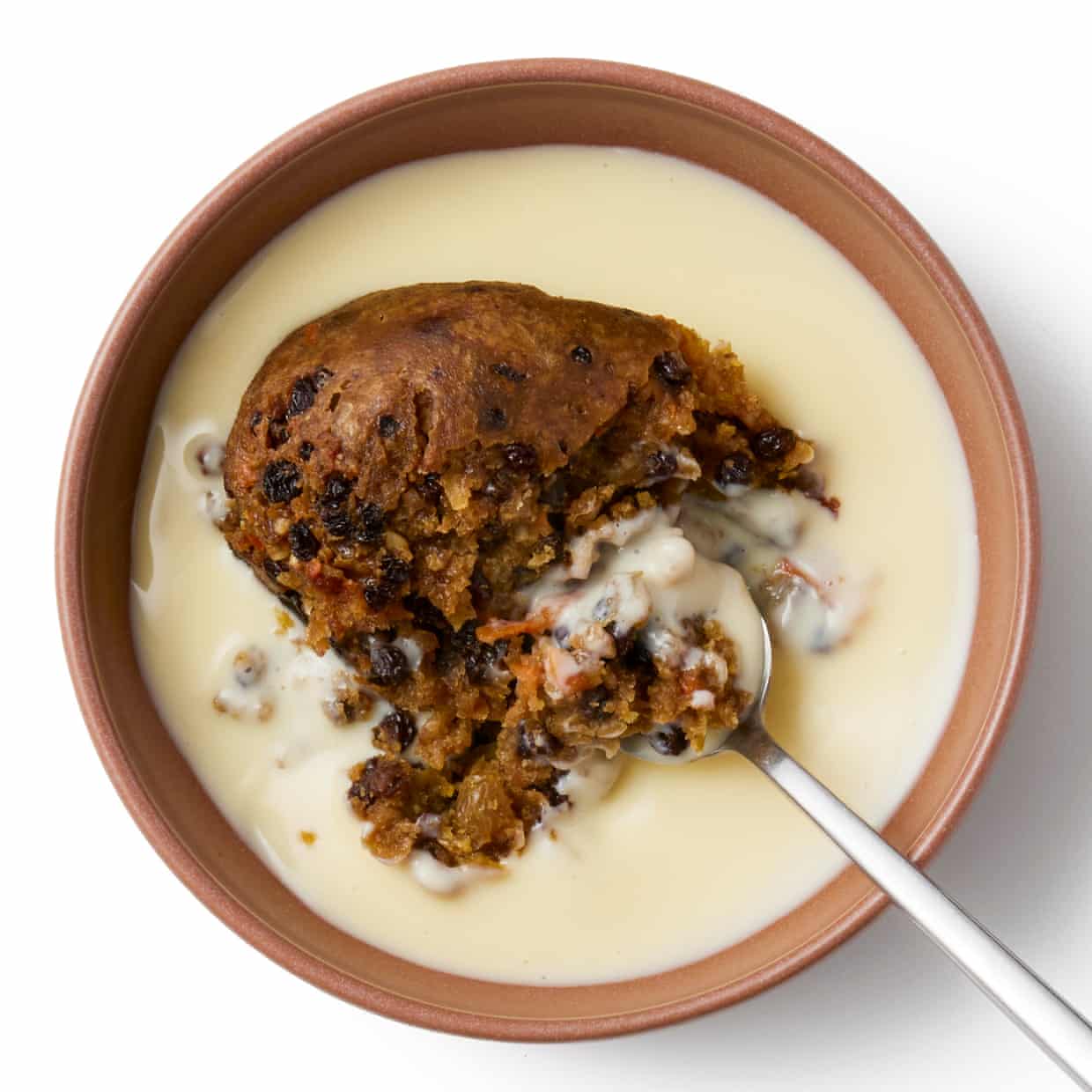
How to make a clootie dumpling – recipe | Felicity Cloake's Masterclass
Clootie dumpling is, let’s face it, a much better name than spotted dick, but if you were fond of the latter at school, you’ll probably enjoy this very similar, classic Scottish steamed pudding. Not too sweet and, thanks to the apple and carrot, lighter than it sounds, this is a proper winter dessert and the perfect end to a Burns supper, especially when served with custard or ice-cream.Prep 20 min Cook 3 hr 15 minServes 8-10110g fresh suet, or dried suet or a vegetarian alternative225g plain flour, plus extra for dusting½ tsp baking powder ½ tsp fine salt 1 tsp mixed spice 1 tsp ground ginger ¼ tsp ground allspice ¼ tsp nutmeg 110g soft brown sugar 75g fine fresh breadcrumbs 25g coarse oatmeal, or 25g extra breadcrumbs 200g currants 100g sultanas or raisins – golden ones look especially pretty 1 large green apple 1 carrot Finely grated zest of 1 unwaxed orange or lemon 1 egg, beaten2 tbsp treacle About 60ml milkHalf-fill a large saucepan for which you have a lid with water, then bring to a boil (if you have a pan with handles on the side, so much the better). Soak a clean tea towel (a smooth one, rather than anything fluffy or towel-like) or cheesecloth in water. And have ready some butcher’s string, or similar
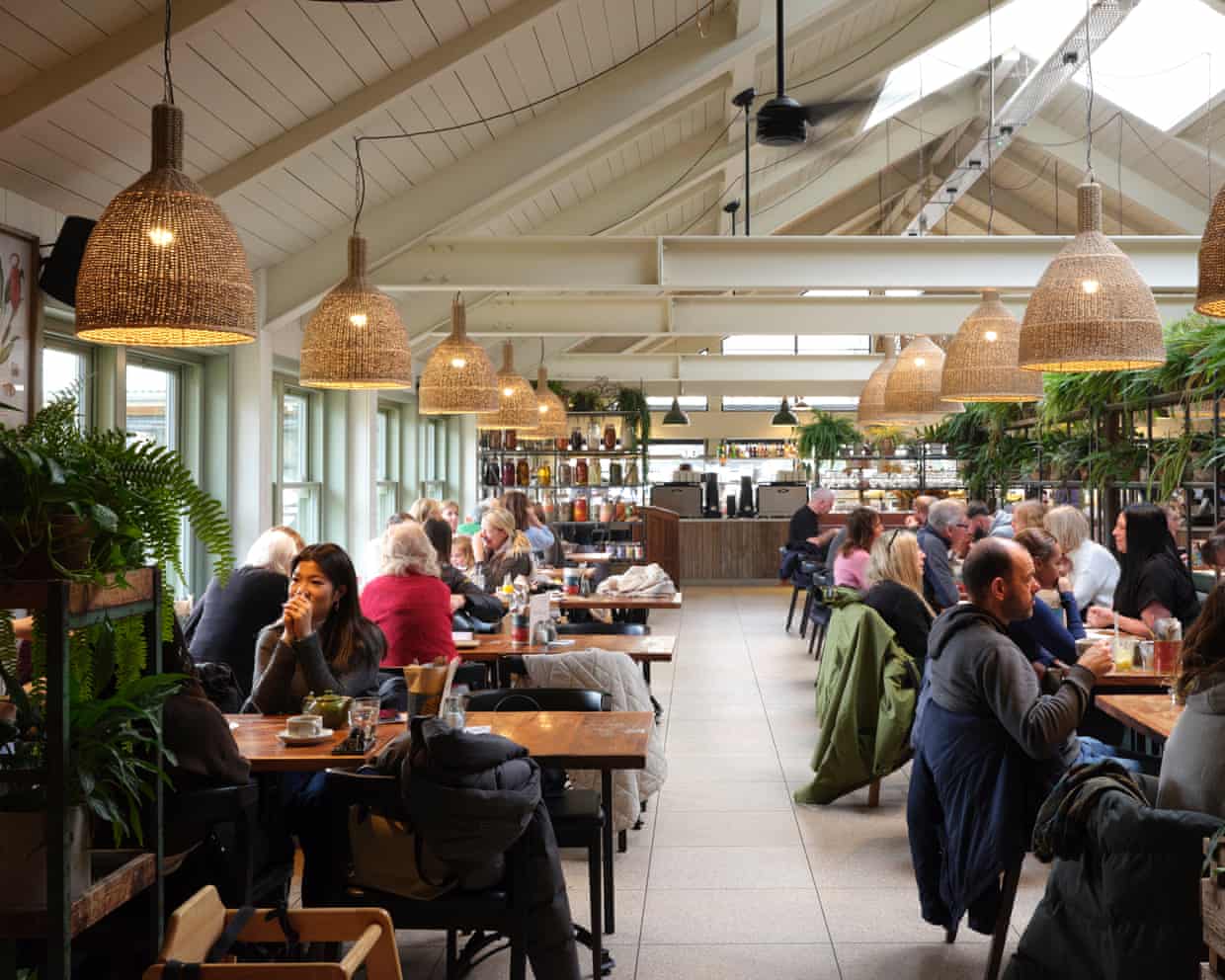
Tin Roof Cafe, Maldon, Essex: ‘Come for topsoil, stay for the shortbread’ – review
A tipoff to try the Tin Roof Cafe in Maldon came with prior warning: I wouldn’t get a table easily as this all-day spot serving brunch, lunches and sweet stuff from the in-house bakery is constant, scone-fuelled bedlam. Red brick walls, greenery throughout, alfresco spaces, allotments growing fresh veg and herbs. Capacious, family-run, dog-welcoming, pocket-friendly. There’s bubble and squeak with hand-cut ham, Korean-style chicken burgers and a vegan burger called, rather brilliantly, “Peter Egan” after, I’m guessing, the animal-loving actor who played Paul in Ever Decreasing Circles.Could this place be any more adorable? No, but still, brace yourself

Ignore the snobbery and get into blended whisky
We have Robert Burns to thank for perhaps the greatest poem about any dish ever – a poem so good that it inspires an entire nation to dedicate an evening of each year to eating haggis, even though most people find it kind of gross.The Guardian’s journalism is independent. We will earn a commission if you buy something through an affiliate link. Learn more.No? If the “Great Chieftan o’ the Puddin-race” were that delicious, we’d all be eating it all the time, surely? And yet Burns’ Address to a Haggis is enticing enough to dispel any such doubts just once a year
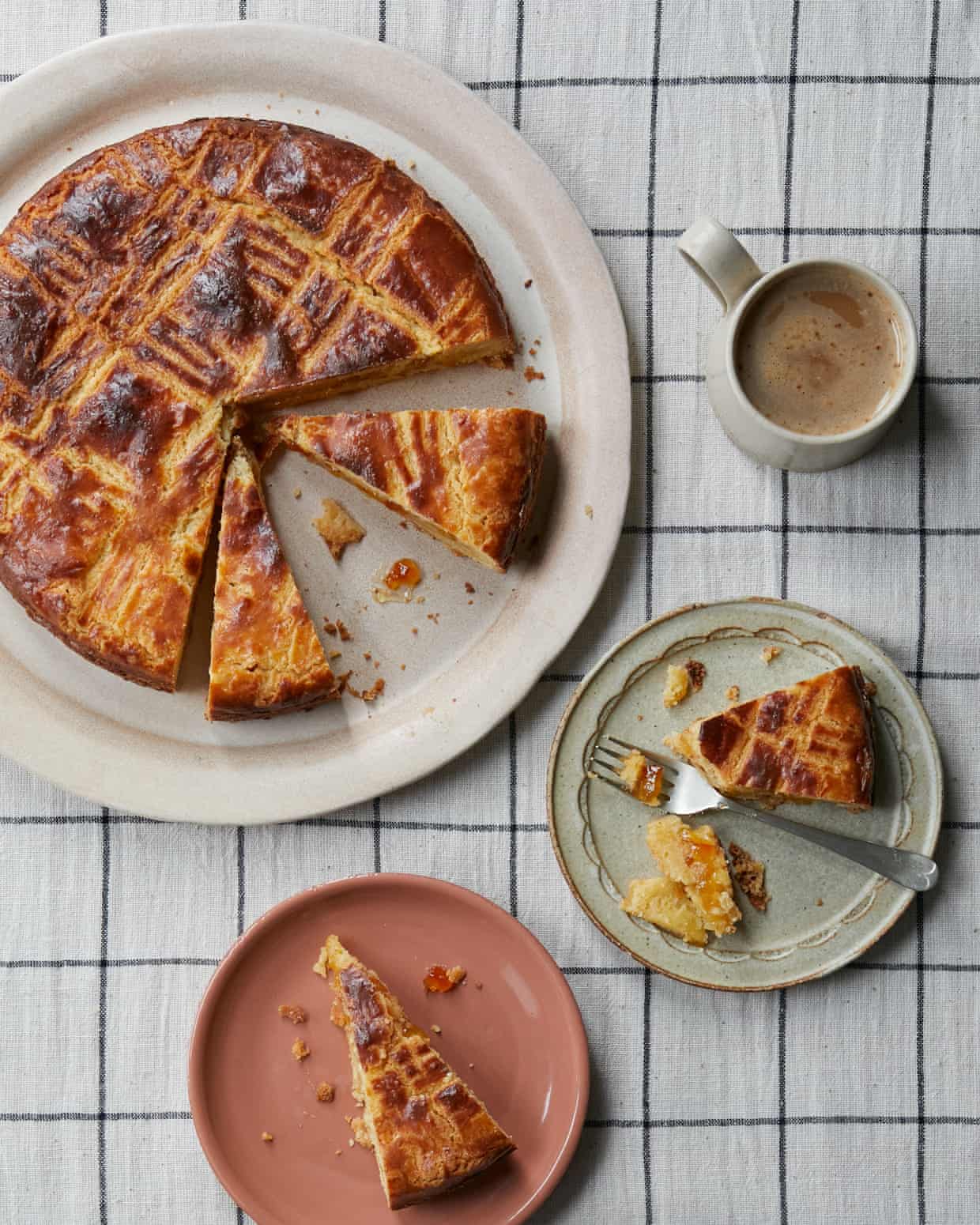
Helen Goh’s recipe for Breton butter cake with marmalade | The sweet spot
A Breton butter cake is a proud product of Brittany’s butter-rich baking tradition: dense, golden and unapologetically indulgent. True to its origins, my version uses salted butter, with an added pinch of flaky salt to sharpen the flavour. It also takes a small detour from tradition: a slick of marmalade brings a fragrant bitterness, while a handful of ground almonds softens the overall richness and lends a tender crumb. The result is still buttery and luxurious, but with a brighter, more aromatic edge.Brief stints in the freezer help firm up the dough between layers, making it easier to spread the marmalade without disturbing the base

‘You’d be ashamed to bring someone here’: The struggling billionaire-owned high street that shows Reform’s road to No 10

Seven out of 10 UK mothers feel overloaded, research reveals

‘Keep slaying the dragon inside’: Simon Armitage pens poem for World Cancer Day

Pressure grows on ministers to end secrecy over UK medicines deal with Trump
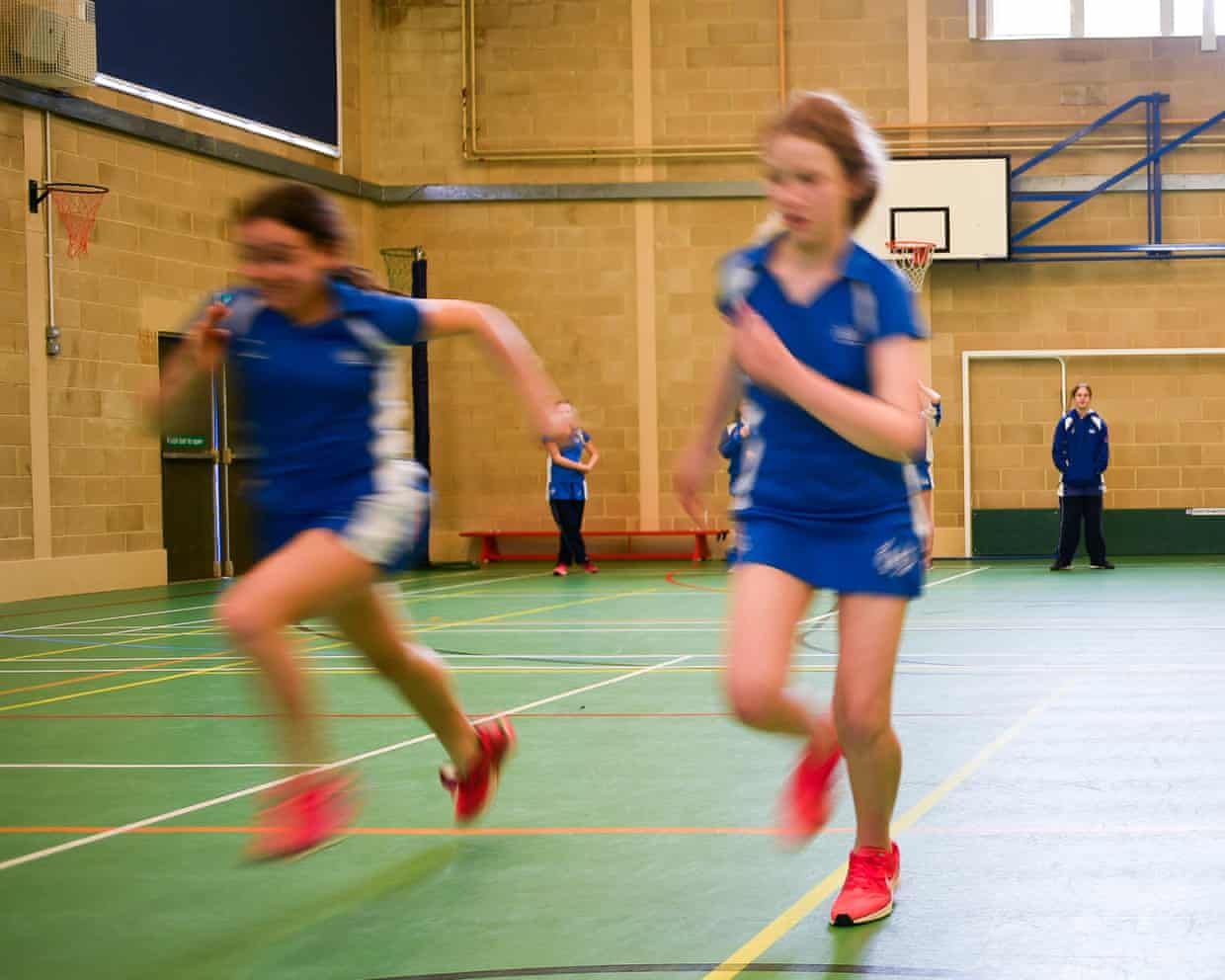
Government row breaks out over plan to cut spending for PE in England’s schools
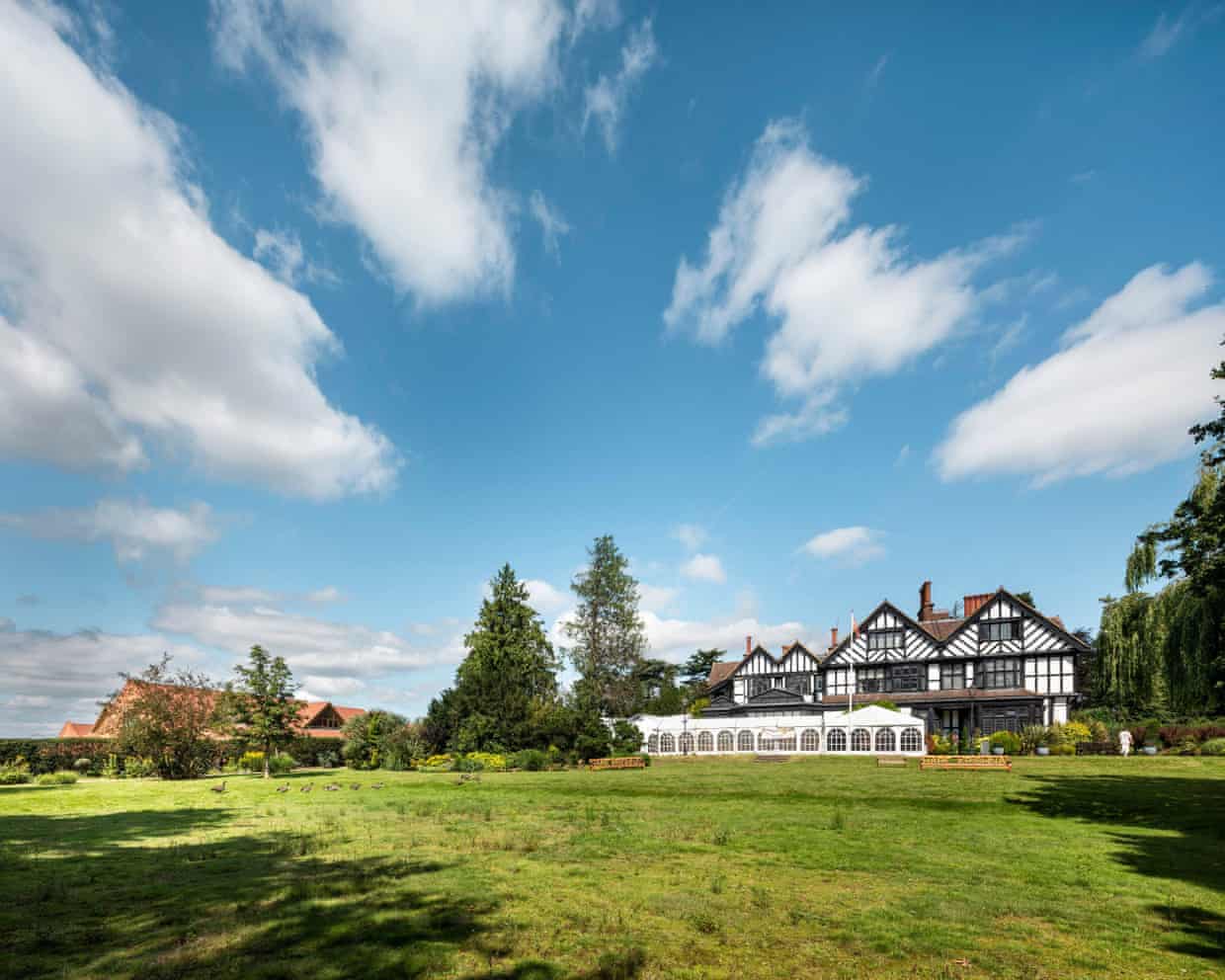
George Harrison’s old house has an interesting backstory | Letters