Five former Carillion executives banned by accountancy regulator

Five former executives at the collapsed government contractor Carillion have been banned by the UK’s accountancy regulator, effectively ending the career of its former finance chief, after they “acted recklessly”,Before Carillion collapsed into compulsory liquidation in January 2018 – one of the biggest corporate failures in UK history – it was a large multinational construction and facilities management services company and employed 43,000 people around the world,Richard Adam, a former finance director at Carillion and Zafar Khan, his successor in that role and previously Carillion’s financial controller, have already been fined £232,830 and £138,960 respectively by the Financial Conduct Authority for misleading investors,The Financial Reporting Council (FRC) said on Tuesday that Adam, 69, would be excluded from the Institute of Chartered Accountants in England and Wales for 15 years, which amounts to a ban, and effectively spells the end of his career,The FRC also imposed a financial sanction of £222,019, reduced from £550,000, to take into account the FCA’s fine and a settlement discount.
Khan, 58, has been banned for 10 years and received a financial sanction of £60,228 from the FRC, reduced from £225,000.Both received a severe reprimand.The FRC said both men had accepted their misconduct in respect of several areas of Carillion’s business, including certain transactions, big UK construction contracts and a supply chain finance facility, that affected the company’s reported financial performance between 2013 and 2016 and the half year to 2017.The regulator also secured admissions from three unnamed senior accountants, who it said had “acted recklessly and failed to act with integrity” when preparing information for Carillion’s financial statements.The first was banned from working as an accountant for eight years and received a financial sanction of £45,000, while the second was banned for five years and the third for two years; the latter two received a £26,000 penalty.
All three were also issued with a severe reprimand.The fines were reduced as part of settlements.Penrose Foss, the FRC executive director of investigations and enforcement, said: “The substantial sanctions imposed on these five individuals reflect the gravity of their failure to discharge their respective obligations to act with integrity in preparing financial information in the context of a large, listed company.“It is critical that any individual who is responsible for preparing accurate financial information, whatever their level of seniority, undertakes their duties with integrity.This is a fundamental requirement for every organisation.
”Carillion collapsed with £7bn of debts, resulting in 3,000 job losses and causing chaos across 450 projects and public-sector schemes, including schools, roads, prisons and the expansion of Liverpool Football Club’s stadium.The construction of two new hospitals was also delayed, and projects ran hundreds of millions of pounds over budget.In July 2017, Carillion issued a profit warning and announced an expected provision against its construction contracts of approximately £845m.In September 2017, Carillion announced a further provision of £200m and a first-half loss of £1.15bn.
In November 2017, Carillion issued another profit warning and indicated it would breach its banking covenants the following month.

‘I’m unique’: Dyson Daniels on his NBA niche, missing three-pointers… and investing tips
He is a shooting guard that doesn’t often shoot. A wing deployed less for lift than pressure. The style of Australia’s best basketballer, Dyson Daniels, is difficult to describe. “It’s kind of hard for me to describe it too,” he says. “It’s unique
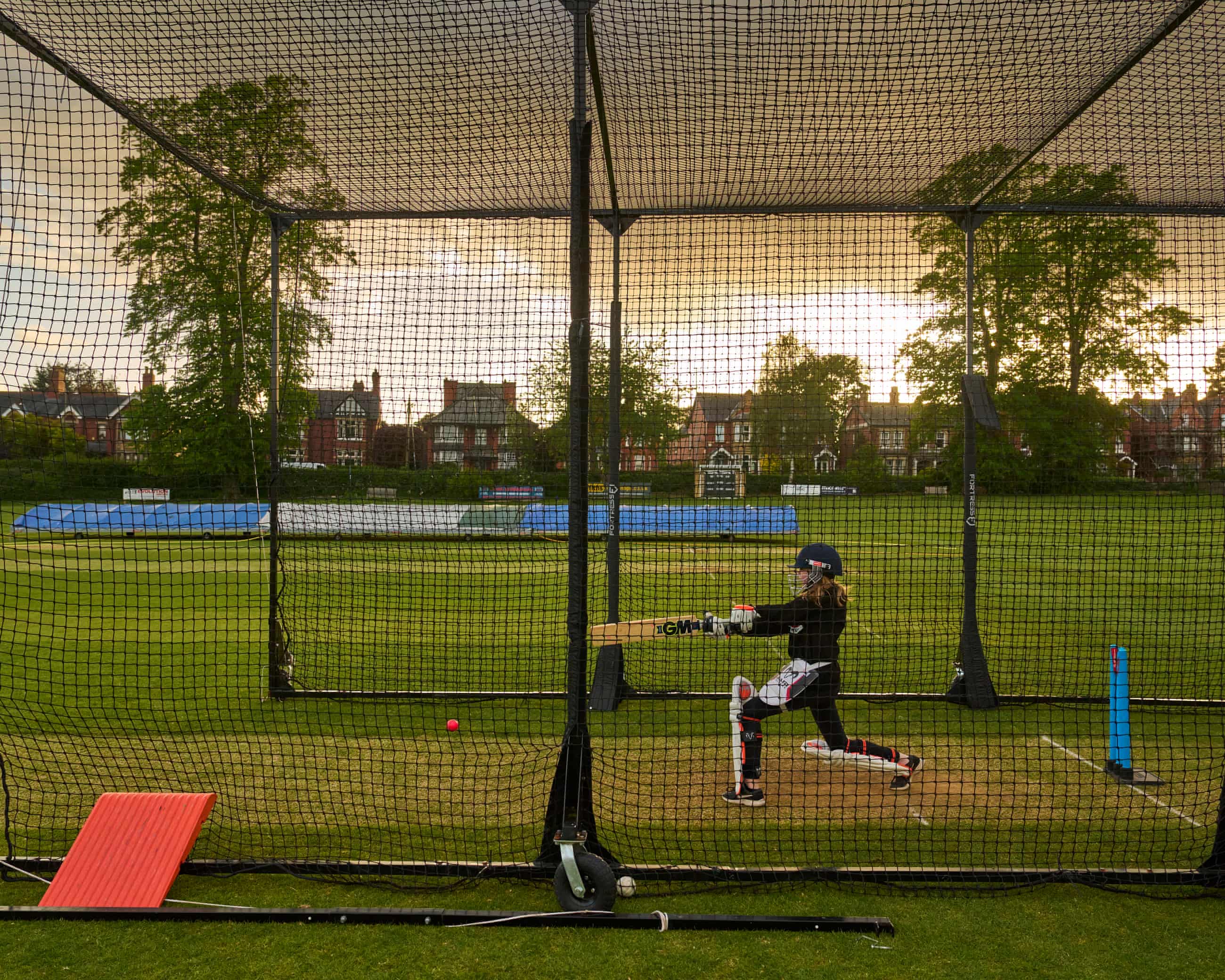
The Spin | ‘We have a hoot on the field’: Oswestry CC boasts 10 mother-daughter pairs
Women and Girls section has built strong family dynamic since launching in 2018 – and embraced Wags monikerThe acronym Wags first entered popular consciousness in 2006 during England’s football World Cup adventures in Baden-Baden. Victoria Beckham, Cheryl Tweedy and the gang became a sneering tabloid obsession, their matching outfits, nightclub antics and hair extensions gleefully picked apart.Twenty years later, a very different set of Wags are causing a stir at Oswestry Cricket Club on the north Shropshire-Wales border. The thriving Women and Girls section (WaGs) has an astonishing 10 mother and daughter pairs who have played competitive cricket together, ranging from 12 years old to 67.The oldest member is the irrepressible Jools Payne, team manager and founding player

How will the liberal Masai Ujiri handle leading the ultraconservative Dallas Mavericks?
On its face, the fit between Masai Ujiri and the Dallas Mavericks is perfect. “It’s almost like a match made in heaven,” Ujiri said after being introduced as the franchise’s president of basketball operations and alternate governor last week. “Every single one of us in this world is chosen for something special, and we just have to find it,” he added. “And I found basketball.”Since he became the first African to run a major sports franchise in the United States as the general manager of the Denver Nuggets in 2010, Ujiri has accomplished everything

World’s No 1 disabled golfer Kipp Popert: ‘The best need to play for a living. The sport has stopped’
Kipp Popert is a man on a mission. The 27-year‑old Englishman, who tops the disabled world rankings, uses one word a lot: “opportunity”. Popert was “shocked” to hear from the DP World Tour that its G4D circuit, which staged a handful of tournaments per year for disabled players between 2022 and 2025, has been placed into cold storage.The G4D Open, a tournament for 80 golfers with disabilities, will be staged at Celtic Manor from Thursday. It takes place thousands of miles from Pennsylvania and this week’s US PGA Championship, which last year bestowed $3

Racing need not fear Green party ‘conversation’ but must continue efforts on horse welfare
The Green party surged to record results at local and national level in last week’s elections, prompting Zack Polanski, the party’s leader in England and Wales, to suggest that two-party politics is “dead and buried”. Ladbrokes, meanwhile, subsequently cut the odds about the Green party winning the most seats at the next general election to 12-1, while an overall majority for the Greens is priced at 28-1.Not likely, in other words but, at the same time, far from impossible. In the case of a majority for Polanski’s party, it is roughly the same price as Moon Chime, the winner of the big handicap hurdle at Haydock last Saturday. However the party fares in terms of seat numbers, the Green voice in the next parliament, in three years’ time or possibly fewer, seems sure to be significantly louder than ever before
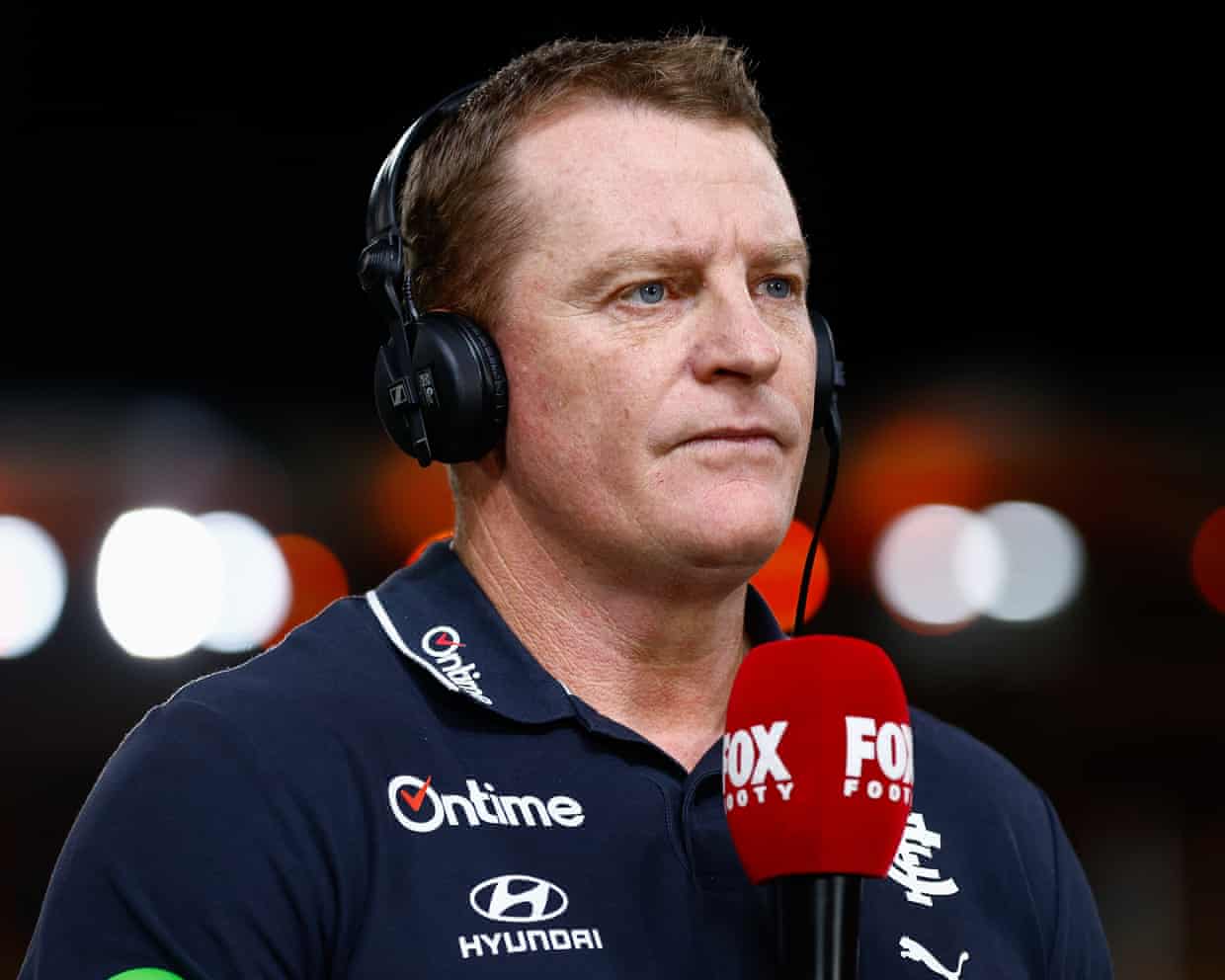
From the Pocket: Voss coached the way he played and his brutal football failed Carlton
When John Elliott died in 2021, the old, dark, imperial Carlton was dead. The new Carlton was grounded on “respect, humility and integrity”. The new president was a master networker. The new chief executive was the best administrator in football. The new coach had been one of the great players of his generation

Australian workers have been hard done by and tax reforms in the budget only begin to return some fairness | Greg Jericho
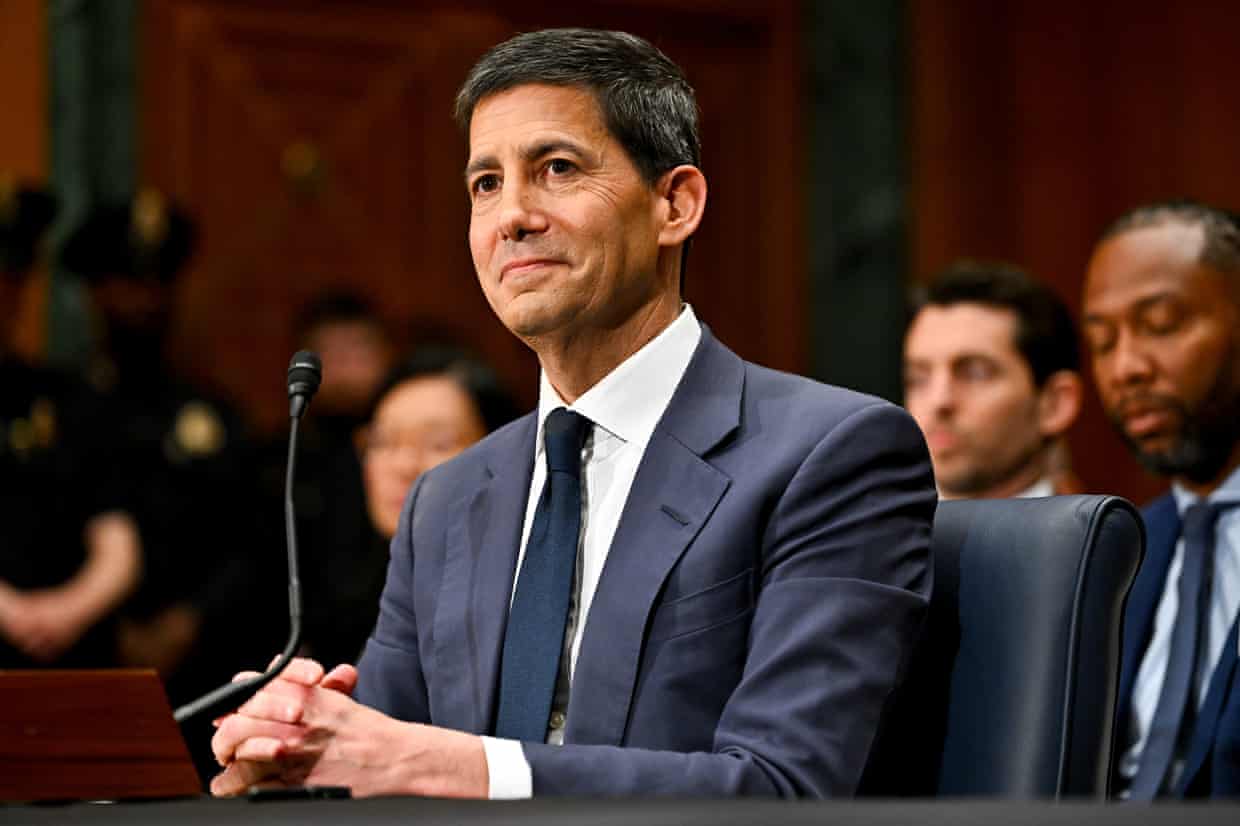
US Senate confirms Kevin Warsh as Federal Reserve chair, replacing Jerome Powell

Sam Altman defends OpenAI in courtroom showdown with Elon Musk

Florida students boo graduation speaker who called AI ‘next Industrial Revolution’

Jim Furyk tells US players they need to make Ryder Cup more of a priority
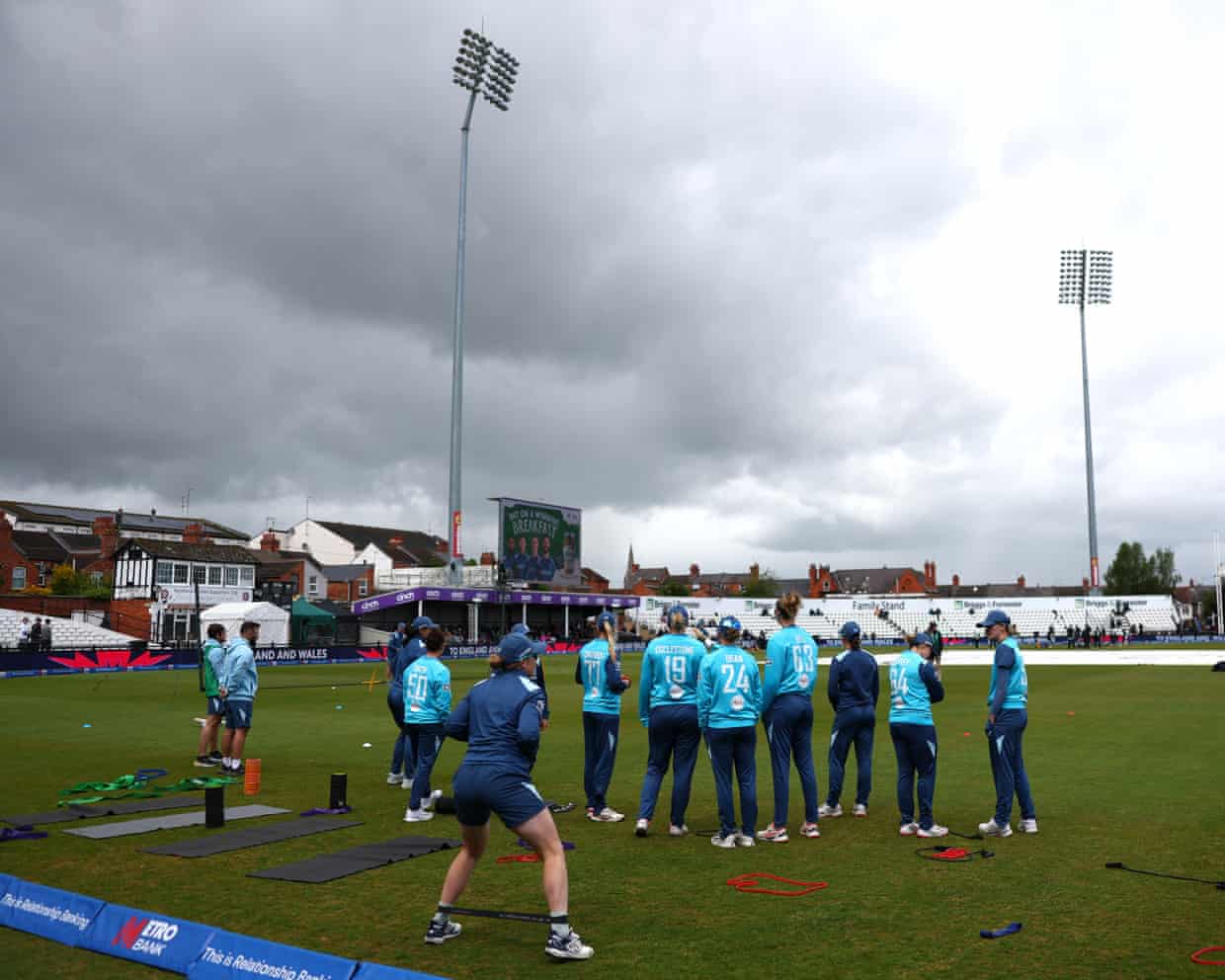
England v New Zealand: second women’s cricket ODI abandoned – as it happened